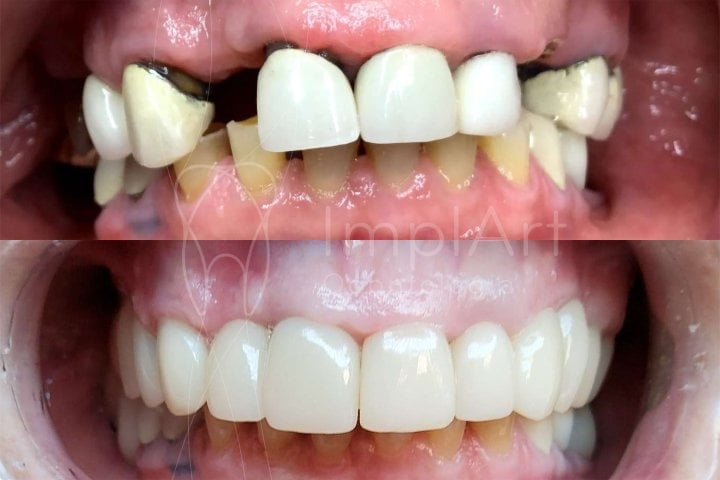
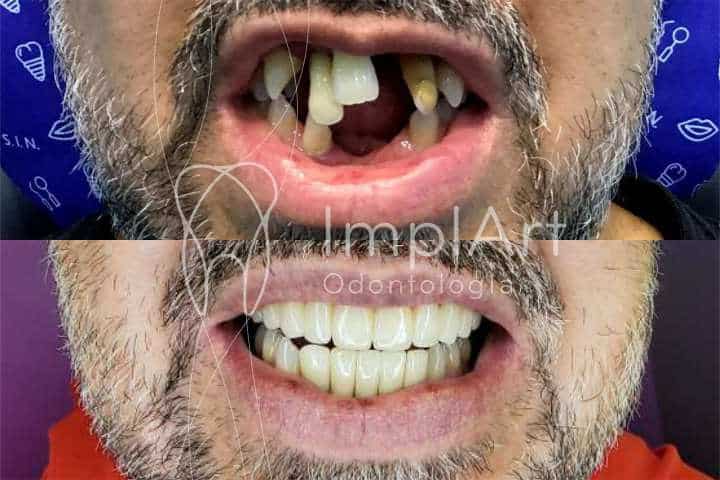
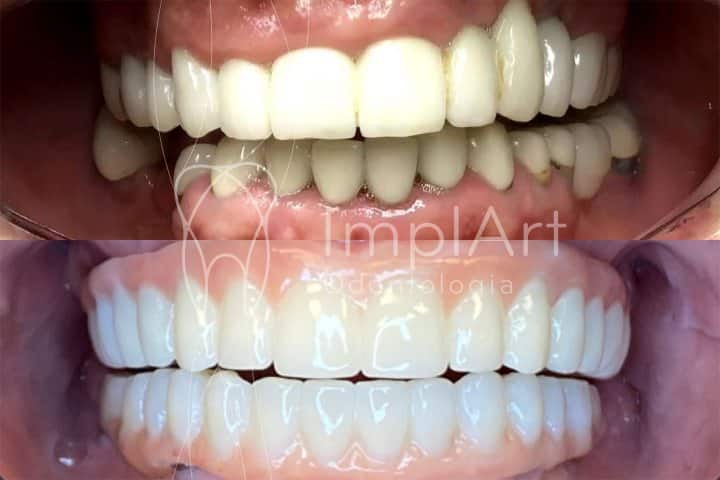
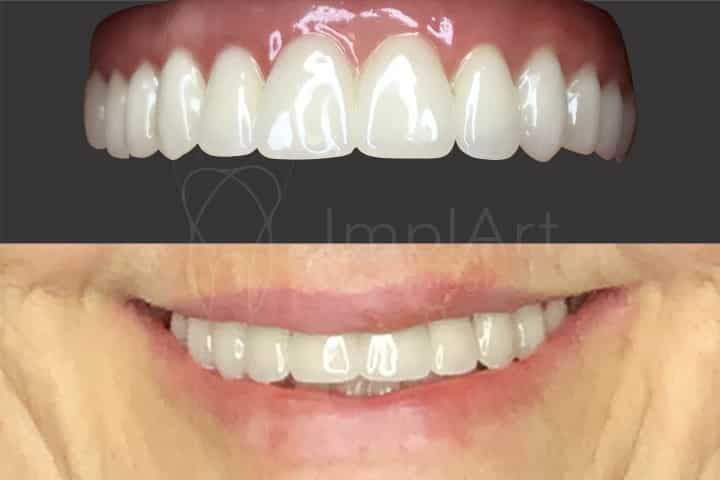
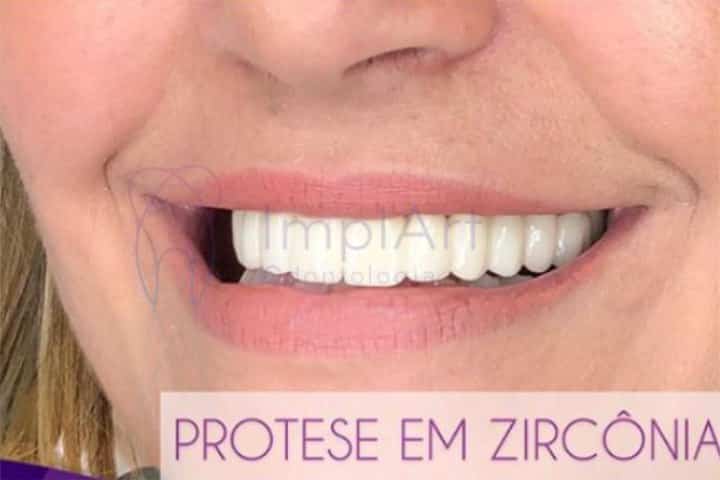
Dental implant recovery and care of dental implants before and after surgery
The post-operative period for dental implants and the preparation before dental implant surgeryare certainly fundamental to the success of the procedure. We have therefore prepared recommendations for patients who are going to have a dental implant, which can also be applied to minor dental surgery.
We should certainly point out that the care of dental implant surgery is considered a simple and minor intervention from a medical point of view, with low risk for the patient. The duration of surgery is short and recovery after implant surgery is also considered to be easy for the patient, even in cases of complete oral rehabilitation.
Eat normally before the procedure if the surgery involves local anesthesia. If you have opted for sedation, follow the specific guidelines for your case, which may involve fasting.
Take the prescribed medication 1 hour before arriving at the clinic. If indicated for your case, preferably come accompanied by someone who can drive.
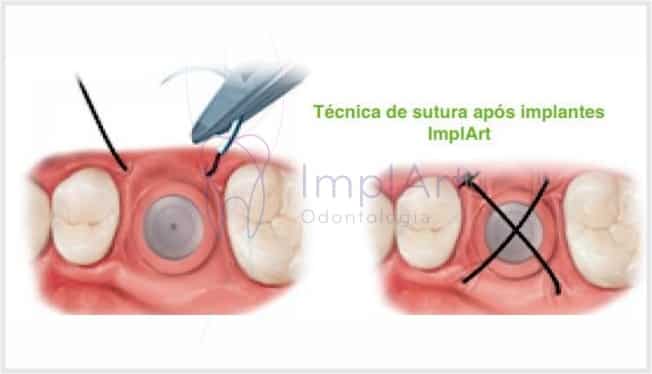
Stitches for dental implants should be removed between 7 and 10 days.
After implant surgery – care of dental implants urgery
What should I do afterdental implants, after implant surgery (for 48 hours)?
Apply ice to the face to prevent swelling
Avoid physical exertion
Sanitize the area with a cotton swab moistened with an antiseptic solution (Periogard, Listerine, Plax).
For 2 days: you should eat cold or iced food. For example: ice cream, jelly, juices, smoothies, soups.
Also avoid hard, crunchy foods such as bread, peanuts, etc.
On the third day you can warm up the food more and normalize your diet according to your own tolerance
What can I do 3 days after my dental implant?
Apply warm compresses to the face to reduce swelling
Exercise in moderation
Tip: In cases where a surgical guide has been used to install the implants, the expected post-operative period is milder than in normal implant surgeries.
What can I do one week after my dental implant?
Brush the operated area lightly
Mouthwash with antiseptic solution
Physical activity released
Remove the stitches at the dentist
Are there implants without cutting or stitches/care of dental implants?
There are modern computer-guided planning techniques that minimize the need to cut into the gums and therefore often do not require stitches. This is computer-guided dental implant surgery, a very up-to-date and safe procedure for implant surgery.
Post-operativecarefor implants, medication and procedures make a difference
Frequently asked questions about post-operativeimplants:
Is dental implant post-op swelling normal? What is the post-operative period of implants like?
Swelling can occur in the first few days after implants, which is why anti-inflammatory drugs are prescribed to be taken as soon as necessary. Cold food and ice help to reduce swelling in the mouth.
How long does it take to resume physical activity after a dental implant?
Each case is assessed individually, but in general you should wait 7 to 10 days before returning to the gym in full.
How many days to remove the dental implant stitches?
On average, you should remove the stitches from the implant surgery within 7 to 10 days.
Is it normal to feel pain after a dental implant or bone graft?
ImplArt Clinic’s care of dental implants conclusion
If you have any questions about post-operative implants, value, price or the best technique, please contact us or schedule an appointment with our specialized team via 📲WhatsApp (11) 99598-1866. Here at Clinica Dentaria ImplArt in Brazil your first consultation is with our clinical director, implant dentist Dr. Roberto Markarian, so you can clear up all your doubts about dental implants and discover that the surgery is simpler than you think!
Is it possible to carry out my dental implant treatment quickly and have the permanent prosthesis fitted straight away? This is a very common question and we understand this demand of fast dental implants. Nowadays, time is increasingly valuable and scarce, which leads to a need to complete dental treatment quickly.
So let’s take a closer look below and find out more about these modern dental implants. Fortunately, there are now several types of quality dental implant to choose from. All to make your implant treatment faster and more comfortable. If you’re short of time, try using rapid implants and the computerized prosthesis preparation system. With them, treatment is faster and more agile because it requires fewer treatment steps. In addition, treatment becomes more predictable and offers better technical and aesthetic results.
Fast healing dental implants: is there such a thing?
In recent years there has been a significant advance in dental implant technology. This is an expected movement, since each person has a specific demand, and implantologists and implant manufacturers need to respond to these demands. The demand for fast dental implant treatment is constant, precisely because of today’s lifestyle.
But another major demand from people is undoubtedly to speed up their oral rehabilitation by reducing the time it takes to install implants and a permanent fixed prosthesis. Pure zirconia crowns help to reduce the total treatment time.
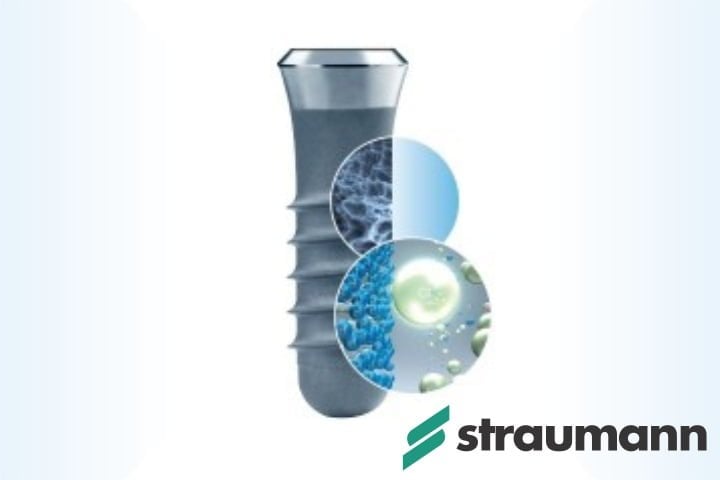
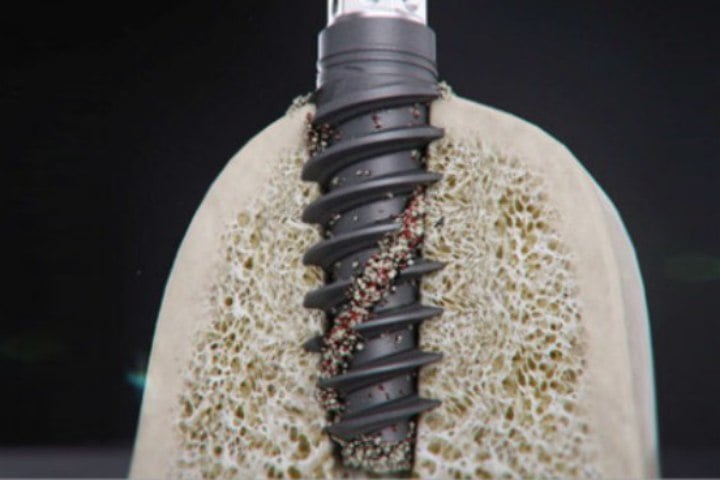
After much research, Straumann has developed an implant surface technology called Slactive. It favors and accelerates osseintegration (a term that defines the healing and fixation of implants in the bone). In some cases, the healing period can be reduced from 6 to 1 month.
3 – Installation of a temporary prosthesis, in the case of total implants or front tooth implants, which allows the patient to wait until the implants have completely healed. Dental implant healing can vary from 1 month to 4 months, depending on the type of implant chosen. It’s important to bear in mind that the chance of a successful dental implant is quite high, but it can be compromised if the patient is a smoker and doesn’t have good hygiene habits.
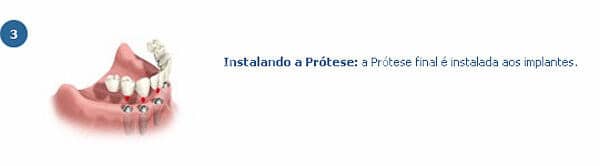
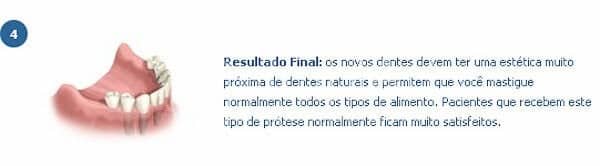
4 – Installation of the final prosthesis. After this phase, which may involve making prototypes to study the color and shape of the new smile, the final prosthesis is installed on the chosen type of denture.
The use of StraumannSlactive implants means that, in some cases, the period of use of the provisional prosthesis can be reduced or even eliminated. Studies carried out by Straumann have already shown that the survival rate of the Slactive implant using the immediate loading technique after 10 years is 98.2%. This is the fastest dental implant available for those who want to speed up treatment.
What is Slactive surface technology for rapid dental implant treatment?
It is based on a sandblasting technique with large granules, which generates macro roughness on the titanium surface, followed by acid etching, which overlays the micro roughness. The resulting surface provides an ideal structure for the adhesion of bone-forming cells, which are necessary for osseointegration (integration between bone and implant). This amazing technology allows Straumann Slactive implants to be the fastest healing implants on the market.
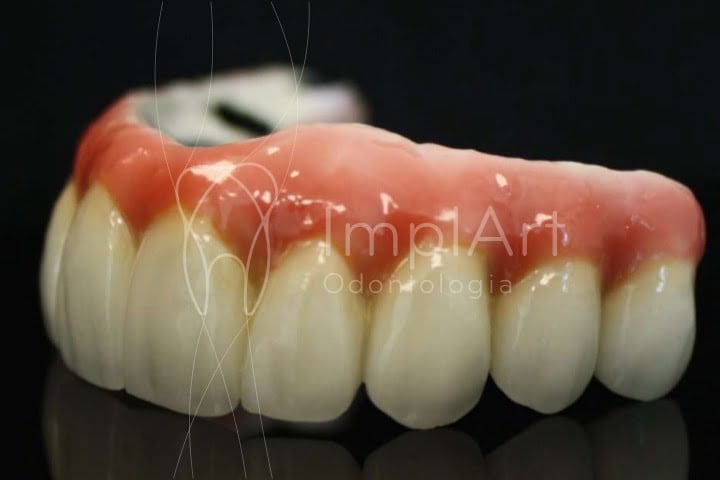
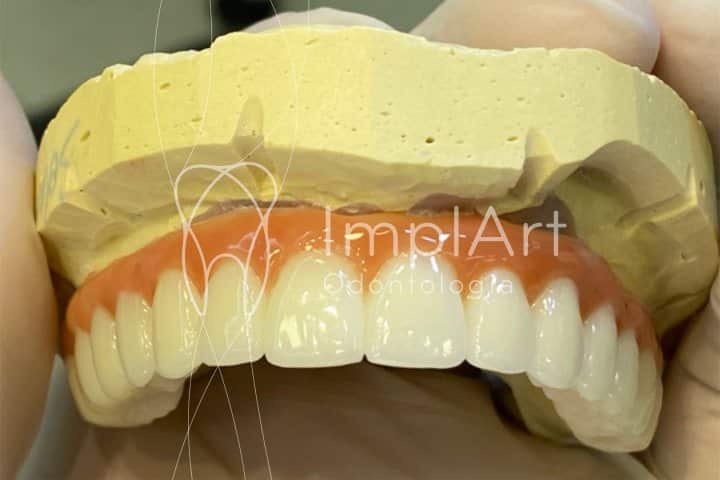
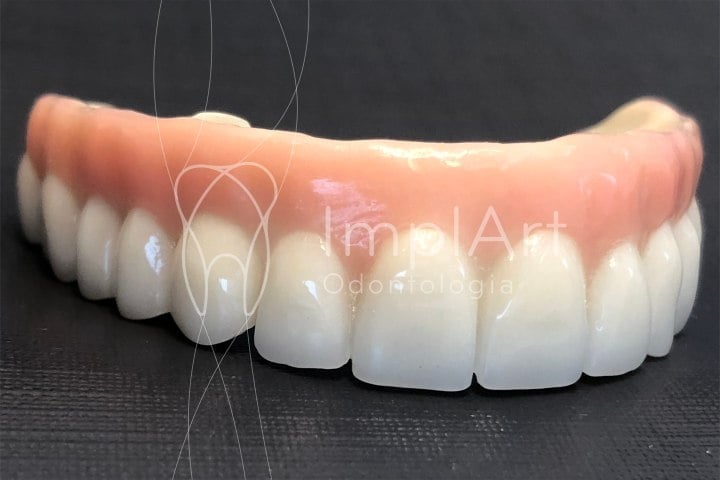
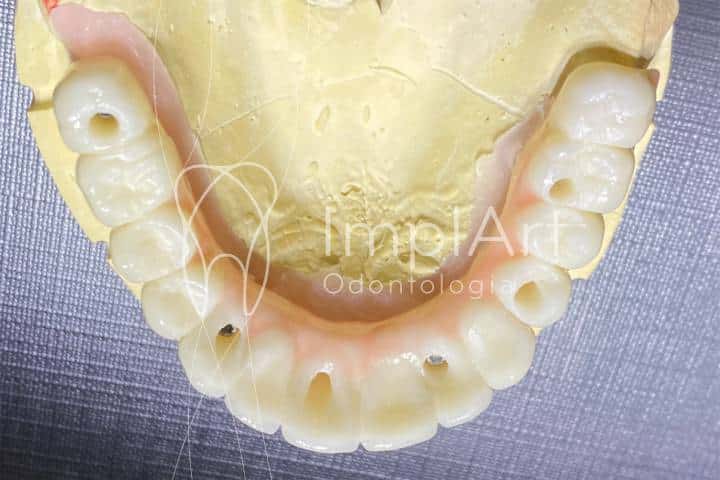
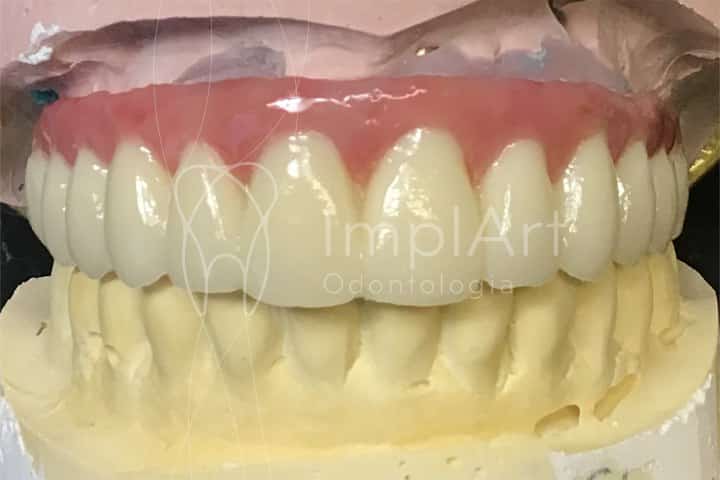
Upper total dental prosthesis with milled zirconia framework and veneered with aesthetic dental ceramic on dental implant
Fast dental implants treatment with Slactive implant + pure zirconia or pure porcelain prosthesis
Pure zirconia or pure porcelain prosthesis for rapid implants: the gold standard in complete oral rehabilitation
Many people have the perception that a porcelain or zirconiaprosthesis is a heavy piece and therefore not suitable for quick installation because it would hinder the healing of implants. But contrary to what it might seem, porcelain prostheses are much lighter than you might think. In addition to being the most modern and resistant options for the patient, they are also aesthetically superior.
By way of comparison, a full porcelain prosthesis weighs around 30g, while a tube weighs 25g. In addition, each dental implant supports a weight of 100kg, meaning that the weight of the prosthesis does not interfere with the implant.
The possibility of having a permanent porcelain prosthesis fixed on dental implants is a great relief for people who are determined to change their smile quickly. And no wonder. Pure porcelain or purezirconia are undoubtedly the most advanced materials available for the manufacture of dental prostheses.
Firstly, Pure Zirconia and Pure Porcelain are the materials that most closely resemble natural teeth, both in strength and appearance. Secondly, because these materials have been designed for fabrication in computerized systems (CAD/CAM), which greatly speeds up the entire programming of rapid dental implant treatment.
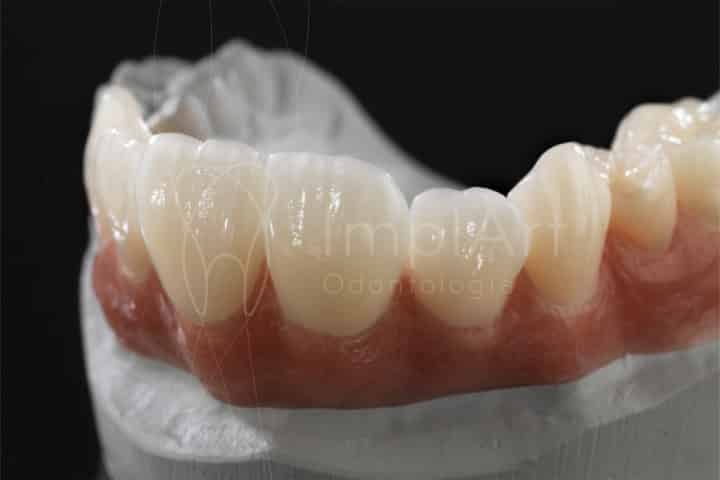
Fast dental implants treatment with Slactive implant + pure zirconia or pure porcelain prosthesisFast dental implants treatment with Slactive implant + pure zirconia or pure porcelain prosthesisFast dental implants treatment with Slactive implant + pure zirconia or pure porcelain prosthesisFast dental implants treatment with Slactive implant + pure zirconia or pure porcelain prosthesisMultilayer pure zirconia crowns. Austrian AmannGirrbach technology. Computer-designed, manufactured on 3D printers.
Can anyone have rapid treatment with Slactive implants and porcelain prostheses?
As we have seen, advanced technology means that many more people have an indication for rapid dental implant treatment. However, each case needs to be assessed individually in consultation. Undeniably, oral health and health in general need to be well assessed before anything else.
In addition, certain habits that may prevent successful rehabilitation, such as smoking and bruxism, need to be considered. If you would like to have a treatment like this or find out more about rapid dental implants, please contact our team. Alternatively, you can schedule a consultation via Whatsapp by clicking on the button below. We at Clinica odontológica ImplArt would be delighted to hear from you!
Know more about the risks and dangers of dental implants
Crucial to the success of the procedure is the thorough planning of the implant surgery and the choice of specialist professionals who are qualified to carry out the dental implant surgery. This increases the chance of success of this important treatment, and therefore the chances of any complications are minimal.
So rest assured that you can enjoy all the benefits that this rehabilitative and safe treatment offers patients. The implant-supported prosthesis is made to resemble the person’s other natural teeth and also offer similar chewing strength.
Oral rehabilitation with dental implants is usually the best option for re-establishing the patient’s aesthetic and chewing functions, a treatment called total dental implantation.
Patients who grind or clench their teeth (bruxism) can exert a lot of force on the implants, with an increased chance of breakage or fracture of the implants or the parts that make up the implant prostheses.
Patients who bruxism also increase the risk of loosening the screws that fix the implant crown. When this happens, the patient reports that the implant is “soft”. However, we mustn’t confuse the prosthesis becoming loose with the implant pin coming loose from the bone (which is much more serious).
Most commonly, when the problem is just the loose implant tooth, the patient feels no pain, while when the implant is lost there is always pain. If the implant fractures or comes loose from the bone, it must be replaced, starting the dental implant process all over again.
Check complete PODCAST about 5 biggest risks for dental implants:
Is it the dentist’s fault that my implant fractured?
There are several factors to consider, some of which would be the material of the prosthesis, the number and positioning of the implants, correct surgical technique, material of the dental implant, type of prosthetic components chosen, type of prosthetic connection chosen.
Assuming that the professionals are working to do their best, it’s rare that there will be any negligence in this regard. What really counts is the willingness of the patient and the professional to start again, perhaps trying to improve or perfect one of the strategies.
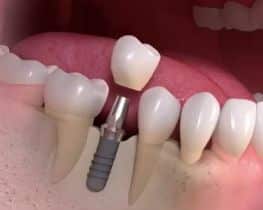
Apresentação das partes do implante dentário: implante (no osso), pilar + coroa dental (dente artificial)
2 – Inflammation in implants and risks
Inflammation can occur in a dental implant, manifesting itself as pain, swelling, pain when chewing, bleeding, and even the formation of pus in the implant. Please note that in any area of medicine where an artificial part is used inside the human body, there can be an adverse reaction of rejection.
This rejection phenomenon can occur in relation to the dental implant or an associated material such as a bone graft or a protective membrane. Bacterial infection can also occur in the implants, which can even prevent bone integration.
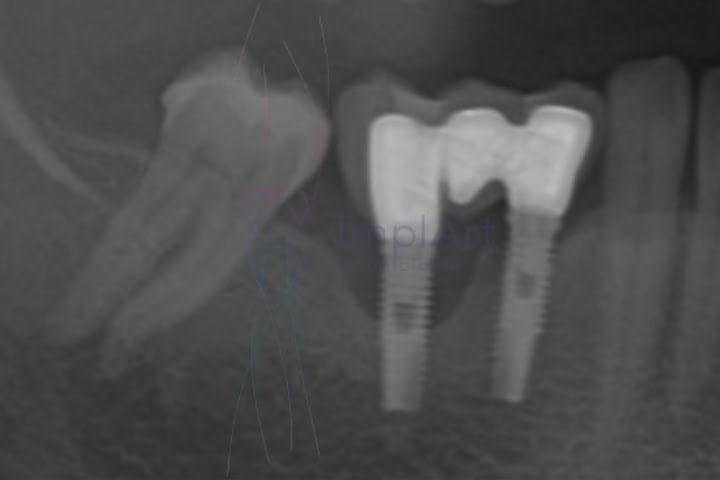
The implant on the left in the image has inflammatory bone loss, while the implant on the right has a normal bone level
That’s why all treatments at ImplArt begin with a thorough oral cleaning, as well as the removal of any infectious diseases such as cavities and periodontal disease. The patient will only have implant surgery if their mouth is clean and their oral health is good.
This is possible even if the patient doesn’t have all their teeth yet. When the prostheses on implants are finished, we teach the patient how to properly clean the dental implant. This correct hygiene is very important and certainly contributes to the chances of success of the dental implant.
Inflammation in implants leads to aesthetic, gum and bone problems
3 – Risk of facial nerve damage
If the surgery is not well planned, with the use of CT scans and other imaging tests for mapping,damage to the jaw nerve can occur during dental implant surgery. In the area at the back of the mouth in the lower arch, there is a nerve that can be very superficial, especially if the patient has been without teeth for many years.
In patients with advanced periodontal disease, bone loss can also put the nerve at risk due to its proximity.To reduce the risk of nerve damage and paresthesia, the implant dentist will carry out imaging tests. The most commonly requested exam is a panoramic X-ray, but a cone beam CT scan helps to measure the bone and plan the implant.
Computer-guided surgery – reducing risks
To minimize the risks even further, we can perform computer-guided partial or total implant surgery, which offers little invasiveness and allows for perfect positioning of the dental implant, with no room for error.
Crooked or poorly positioned implants can have poor bone integration or even rejection. It is not in all cases that we are able to recover the patient from oral nerve damage or poorly placed implants.
Depending on the severity of the problem, an injury to the jaw nerve can lead to sequelae such as numbness in the jaw or loss of sensation in the tongue or to the sensation of tastes (gustation).
At the ImplArt dental clinic, 100% of cases are operated on with a CT scan, which can be done in our own radiology center.
Guided implant surgery reduces the risk of dental implant positioning errors
4 – Risks in the bone around the implants
Bone loss can occur in an implant that has suffered infection while healing in the bone. In addition, in cases where immediate loading is carried out, i.e. a temporary or permanent tooth is placed in position immediately after surgery, there is a greater risk of bone and implant loss.
This is because the newly placed dental implant does not yet have a mature attachment to the bone and needs to rely exclusively on its mechanical locking into the bone in order to fix itself. Most of the time, if the indication and technique are correct, immediate loading works well.
But in cases of immediate failure, the consequences can be serious, for example leading to major bone loss in the area. There are more advanced dental implant models that have improvements to the fit of the tooth and also in the chemistry of the surface so that healing in the bone occurs faster and more efficiently.
Implant shapes and models have to do with clinical indications
5 – Increase in risk factors – patient health and habits
There are risks to the success of implant treatment that don’t depend on the professional or the materials used, but on patient factors. Failure to clean the teeth,smoking and diabetes increase the chance of problems with the dental implant.
In this article, we only discuss the RISKS in dental implants, however the success rates of dental implants are very high, especially for current implant dentistry techniques performed by a dental implant specialist.
Dental implants are an excellent treatment if they are well indicated, planned and executed.
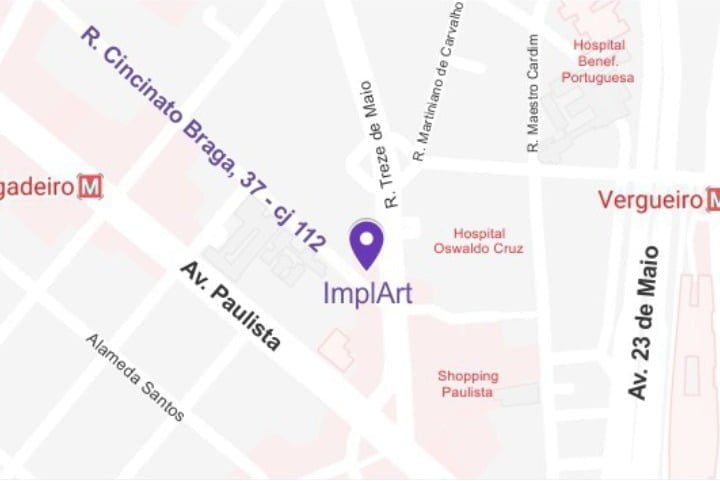
Come and see our work! The ImplArt Dental Clinic has been dedicated to implant dentistry and oral rehabilitation for 18 years. We are located in São Paulo, Brazil.
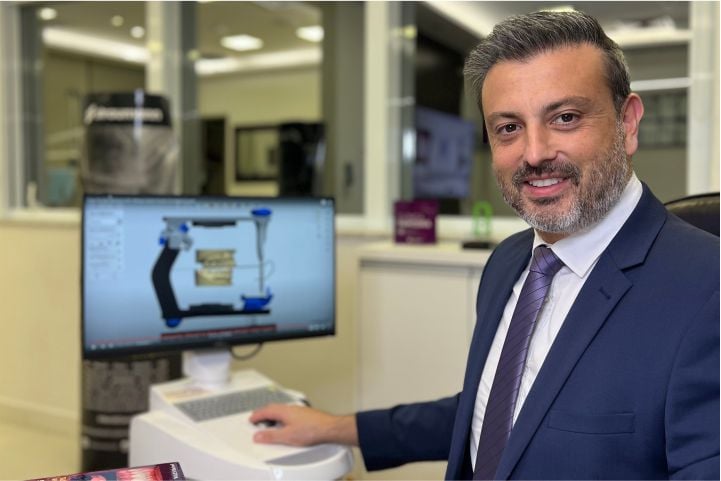
Dr. Roberto Markarian is a reference in dental implants and computerized dental prostheses in Brazil. As well as having more than 10,000 implants installed, he is a researcher who produces knowledge that is published worldwide in renowned scientific journals in the field of dentistry. He is responsible for promoting knowledge and high technology applied in all the treatments offered by the ImplArt Dental Clinic.
Dental implant surgery is not a complicated process. Certainly, with current techniques, it’s a common procedure with no unforeseen problems. Implant surgery can take as little as half an hour in the simplest cases, is done in the clinic, in the implant dentist’s own office, with local anesthesia and the patient feels no pain.
Here at the ImplArt Clinic, we get a lot of questions from patients, especially about how dental implants are done in practice. So, to answer this and other questions about implant surgery, we’ve prepared this article to answer all your doubts about the treatment.
What is the best dental implant?
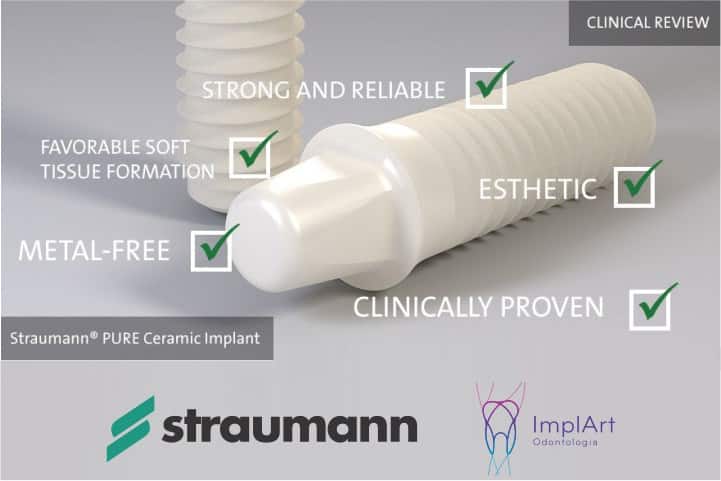
Today there are various types of dental implant with different technologies and healing times. There are even implants that heal in 30 days, called fast-healing implants, such as the Slactive implant, from the Swiss company Straumann, which is a fast-healing dental implant. In addition to this implant, there is the option of the ceramic implant, the only zirconia implant available on the market that is titanium-free and more biological, making it an excellent option for those who don’t want to have metals installed in their mouths.
Dental implant surgery can also be performed with intravenous sedation, for those patients who have a phobia of dentists, or even for those looking for extra comfort.
How to do a dental implant procedure
Is it dangerous to have dental implants? Dental implant surgery is a more straightforward procedure than you might think
Dental implant surgery is a safe procedure, and increasingly has more modern resources to make it faster and more comfortable. Here at Clinica Dentaria ImplArt, we have modern systems and expertise.
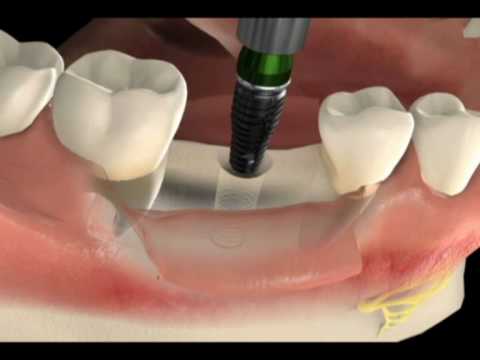
Here’s a step-by-step guide to the implant procedure:
Step 1 – The procedure consists of making a small incision in the gum in order to expose the bone bed. The dentist needs to have good access to the area in order to install the implant correctly. If the dental implant surgery is performed with a Surgical Guide, it will be a blunt dental implant surgery
Step 2 – Small drills are then used to perforate the bone. The process is carried out in such a way as to progressively expand the cavity so that it can receive the implant of the size selected by the dentist.
Step 3 – The implant is then inserted into the cavity and given a protective cap.
Step 4 – The area is sutured, or in cases of Guided Surgery, the surgery is completed without the need for stitches.
Watch the video below explaining how dental implant surgery is performed:
In the classic implant treatment, the pin is surgically fixed into the bone and then the gum is sutured. The site is left to rest for around one to six months, depending on the type of implant used. The implant screw remains inside the bone tissue and must therefore undergo the osseointegration process, protected from chewing forces and food residue.
Shortly after the waiting period, a small cut is made in the gum and then the implant receives a piece called a healer, this process is called reopening. The implant cap can remain exposed in the mouth while the implant heals. Afterwards, the healer is removed without anesthesia (because it is not necessary), and a metal abutment is adapted to receive the prosthesis.
Recovery from dental implant surgery / after dentalimplants?
During the rest period, the patient can use a temporary prosthesis for day-to-day activities. This also helps prevent bone resorption, which would require the use of bone grafts in the future. In some selected cases, the implant can be inserted without cutting, through a small circular opening made in the gum.
This greatly favors the healing of the area as well as patient comfort. Implant surgery should be performed by a dentist specializing in implant dentistry, who certainly has the experience and knowledge in the field to determine the best treatment for each patient. In order to have a good post-operative period, people who undergo this procedure should follow the dentist’s instructions, take care of their oral hygiene and avoid smoking, which can compromise the success of dental implant treatment.
Photo of dental implant surgery showing implant being inserted into bone
After dental implant treatment, it is always important to carry out cleaning and prophylaxis every 6 months, as a way of looking after the results achieved and monitoring oral health.
Straumann implants are considered to be the best dental implants in the world. Based in Basel, Switzerland, Straumann is a world leader in implant dentistry and oral tissue regeneration.
With over 60 years of experience, Straumann has stood out for the excellence of its dental implants. Its products are recognized for their high quality and precision, providing long-lasting and aesthetically pleasing results. In addition, the company constantly invests in research and development, seeking to improve its implant technologies and techniques. This makes Straumann implants highly reliable and widely used by dental professionals around the world.
Straumann implants are considered the best dental implants in the world
Straumann implants advantages
In collaboration with leading clinics, research institutes and universities around the world, Straumann has been researching and developing high-techdental implants, surgical instruments, prosthetic components and biomaterials for oral tissue regeneration since 1974.
Straumann’s products and services are available in more than 70 countries. This standard of excellence certainly allows dentists to offer their patients less traumatic, less invasive treatments with predictable long-term results, both aesthetic and functional.
Straumann implants are manufactured with three basic requirements in mind: reliability (scientific research),simplicity (ease of use) and versatility (diverse applications).
The brand has an extensive range of implants with different sizes, diameters, angles, material composition and surface technologies, which considerably increases the possibilities for rehabilitation in various situations.
Straumann Implants Technologies
Regarding the level of implant positioning compared to the bone and gingiva:
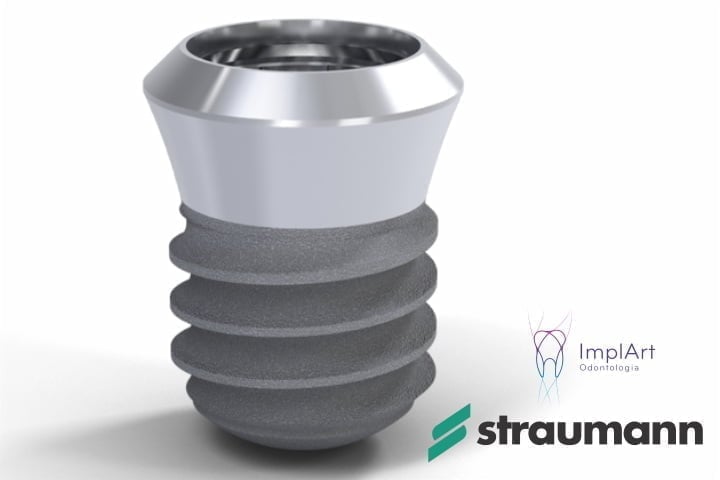
Straumann Bone Level Implants –bone level implants with internal connection, with the aim of preserving bone and gum tissue, as well as favoring aesthetic results.
Regarding the material that makes up the implant and its healing time
PURE Ceramic impl ants – pure white ceramic, zirconia implants that are mainly indicated for the anterior region of the arch. This provides a better aesthetic result for the treatment (estimated healing time = 2 months)*.
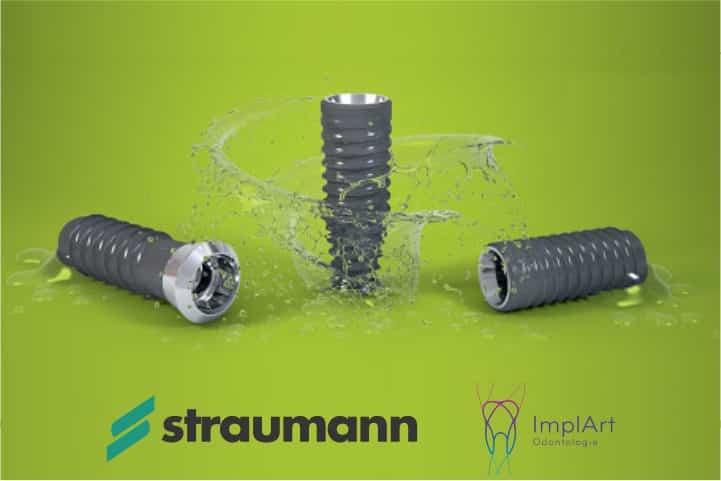
SLActive implants – implants with surface technology that not only favors but also accelerates the osseointegration process (estimated healing time = 21 days – 1 month)*
Roxolid SLA implants– implants made with titanium and zirconia reinforcement. They are small in size and highly resistant, making them ideal for patients with little bone volume (estimated healing time = 2 months)*.
* According to the manufacturer. Compliance with the deadline will depend on other factors such as the quality of the bone, the presence or absence of a bone graft, associated tooth extraction, infections at the site and insertion torque.
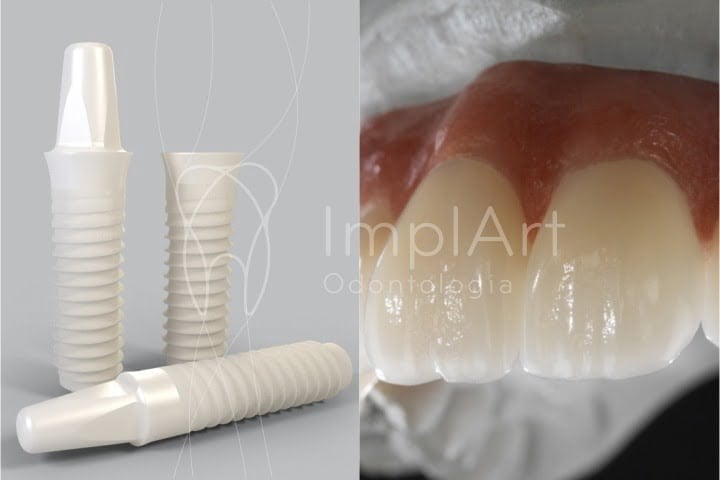
Straumann Pure ceramic: White ceramic implants, suitable for highly esthetic situations.
Regarding the type of connection between the implant and the dental prosthesis – type of platform
Cone Morse connection – a locking system that favors better stability of the tooth and thus prevents it from loosening in the future. In addition, the cone-morse connection promotes a better seal in the implant-tooth connection, reducing infiltration and the number of bacteria around the implant. This effect is known as Platform Switch in scientific literature.
Straumann short implants
Straumann Standard Plus Short (SPS) implants are the shortest implants available on the market (they are only 4mm long) and are especially suitable for patients who, for whatever reason, find themselves with limited bone availability.
The lack of sufficient bone height in the mandible contraindicates the use of normal-length implants, unless this height is first reconstructed with bone grafting. The most common cases that compromise bone availability are:
Severe mandibular bone resorption – very common in people who have been edentulous for many years;
Poor bone quality; History of periodontal disease;
Patients with other medical conditions, such as diabetes, osteoporosis, etc.
Poor bone quality;
History of periodontal disease;
Patients with other medical conditions, such as diabetes, osteoporosis, etc.
Severe mandibular bone resorption – very common in people who have been edentulous for many years;
Poor bone quality;
History of periodontal disease;
Patients with other medical conditions, such as diabetes, osteoporosis, etc.
Short implants for difficult rehabilitation cases
These implants give the dentist more confidence to recommend them to patients who were not previously candidates to receive them. They also improve the predictability of treatment and the chances of acceptance.
Because these implants are very versatile for use in patients with compromised bone availability, the indication of bone grafting for vertical reconstruction can be dispensed with in many cases, offering greater peace of mind and speed of treatment. Standard Plus Short implants are indicated for:
Fixed partial dentures/units with splint (one implant per unit);
Cases of pontics in combination with a longer implant;
Totally edentulous cases with at least two SPS implants in combination with two longer implants in the anterior region.
Straumann Standard Plus Short (SPS) implants are made from a titanium-zirconium alloy called Roxolid, which is proven to be stronger and better than pure titanium.
They also have a surface with SLActive technology which facilitates the start and acceleration of the osseointegration process. The indication of this or other dental implant models is subject to professional analysis of each case.
Straumann implants price
It’s common to be asked about the price of Straumann dentalimplants online. However, the price varies according to the clinical indication, the need for grafting or not, the number of implants used and the professional.
That’s why the price of a Straumann dental implant can only be estimated once the patient has been assessed in person. We are talking about the best brand of dental implants, accepted by patients who want the best for their dental treatment.
Slactive Straumann rapid healing implants. Favorable cases can be rehabilitated in just 1 month
Tooth replacement in just 1 month with Straumann implants and CAD/CAM crown
In selected cases, it is possible to install a dental implant with a CAD/CAM-designed crown within 1 month. This is possible because the ImplArt Clinic works with Straumann Slactive implants.
These implants have surface technology that favors and accelerates healing and the biological interaction between implants and bone (osseointegration). It’s worth remembering that dental implant surgery doesn’t hurt at all, and that implants can be placed at the same time as the bad tooth is extracted.
Successful osseointegration is certainly what guarantees the stability of the implant to support the prosthesis and the masticatory load over the years. With normal implants, osseointegration usually takes place between 6 and 8 months, while with Straumann Slactive implants the healing time can be reduced to 3 to 4 weeks (21 days).
Temporary prosthesis for healing and aesthetics
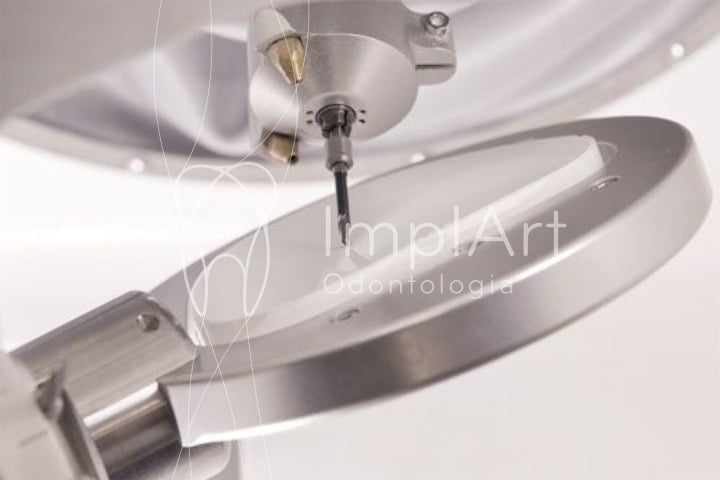
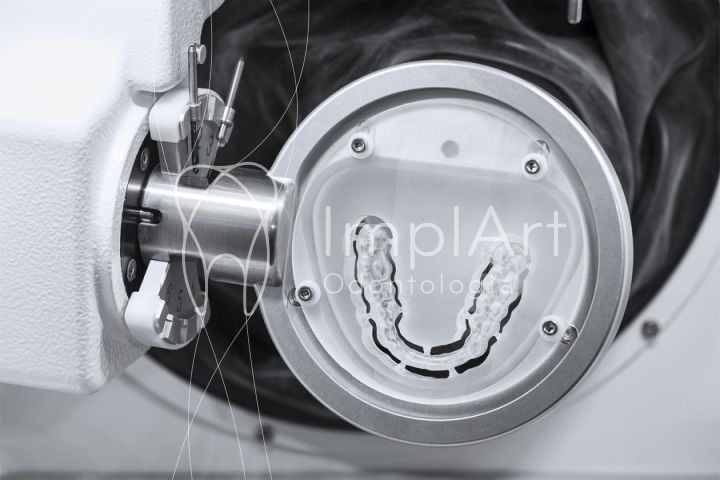
During this healing period, the patient wears a temporary prosthesis so that they don’t lose their tooth. In the meantime, our prosthetics laboratory carries out the digital CAD/CAM design and makes the definitive prosthesis using 3D printers.
The project starts with a digital mold that is taken using an intraoral scanner, an intraoral camera that captures precise images inside the patient’s mouth. This way, with these three-dimensional images, it is possible to design a prosthesis with the best fit and perfect shape for each need.
The prosthesis is made using a 3D printer. It can be made of porcelain, a very resistant, aesthetic material comparable to natural human teeth, and with a metal or zirconia internal structure.
It is worth noting that the possibility of installing a dental implant and definitiveprosthesis in just one month is only possible in selected cases. An assessment by our specialized team will determine this possibility taking into account certain characteristics, such as the volume of bone available and the patient’s general state of health.
Fixed dental prosthesis for Straumann implants
The rapid installation of a dental implant with a permanent crown restores chewing ability, the aesthetics of your smile and the confidence to speak and smile. The decision on which implant is best for you will be made between you and your ImplArt dentist.
The advantages and disadvantages of each system will be presented so that the choice can be made carefully. ImplArt Odontologia relies on all this technology to promote the treatment of its patients.
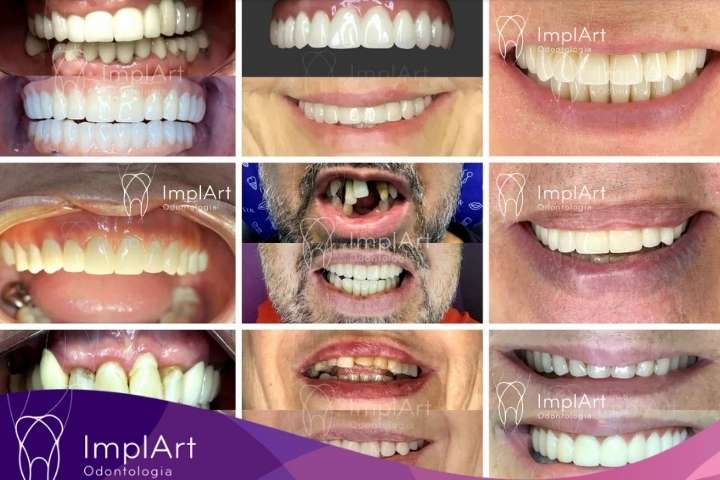
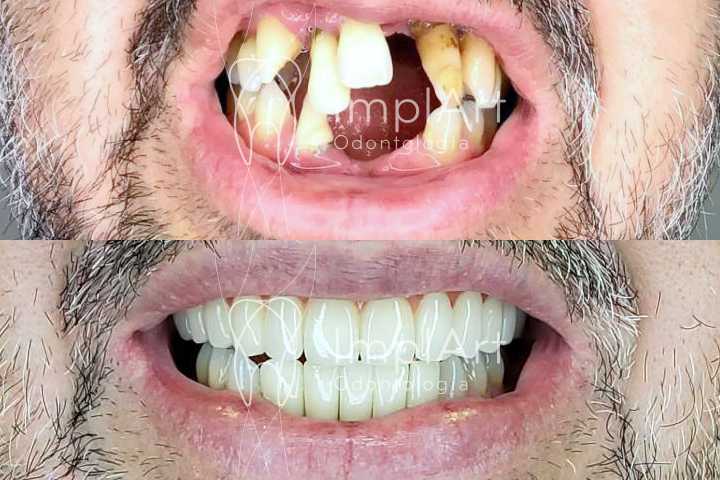
Some smiles rehabilitated with fixed prostheses on dental implants
Straumann Implants - Discover the best implantsStraumann Implants - Discover the best implantsStraumann Implants - Discover the best implantsStraumann Implants - Discover the best implantsStraumann Implants - Discover the best implantsStraumann Implants - Discover the best implantsStraumann Implants - Discover the best implantsStraumann Implants - Discover the best implantsStraumann Implants - Discover the best implants
We have been accredited in the use of Straumann implants since 2002. Dr. Roberto Markarian, ImplArt’s scientific coordinator, is a member of the ITI – International Team for Implantology, an entity linked to Straumann that brings together the world’s best specialists for the development of new products and techniques. Service in English and Spanish.
If you have any questions, please contact us or make an appointment. We offer face-to-face and online consultations, especially for people living in other cities, states and countries.
Learn how to restore your smile comfortably, safely, and aesthetically through dental implant treatment with a protocol prosthesis
The complete loss of teeth in one arch compromises essential functions such as chewing, speech, and the aesthetics of the smile. This condition can profoundly affect quality of life and self-esteem. Fortunately, modern dentistry offers effective solutions for these cases, notably full-arch dental implants with a zirconia prosthesis—a treatment that restores functionality, aesthetics, and well-being to the patient. We currently offer the modern option of Zirconia Full Arch Dental Implants, which provide a highly natural-looking final result.
At ImplArt Clinic, a leading center for advanced oral rehabilitation in São Paulo, this treatment is performed with excellence by Dr. Roberto Markarian, a specialist in implant dentistry with over 25 years of clinical experience and numerous internationally recognized scientific publications.
“Full-mouth rehabilitation using dental implants and a full arch prosthesis is the most modern, safe, and long-lasting way to restore the smile and quality of life of patients who have lost all their teeth in one arch,” says Dr. Roberto Markarian.
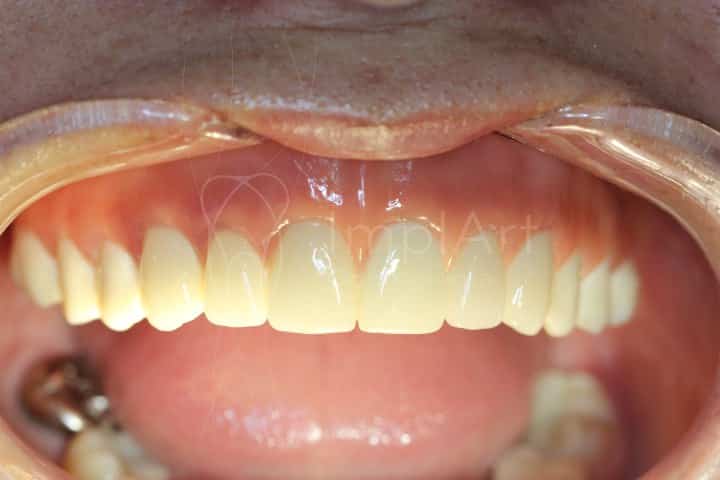
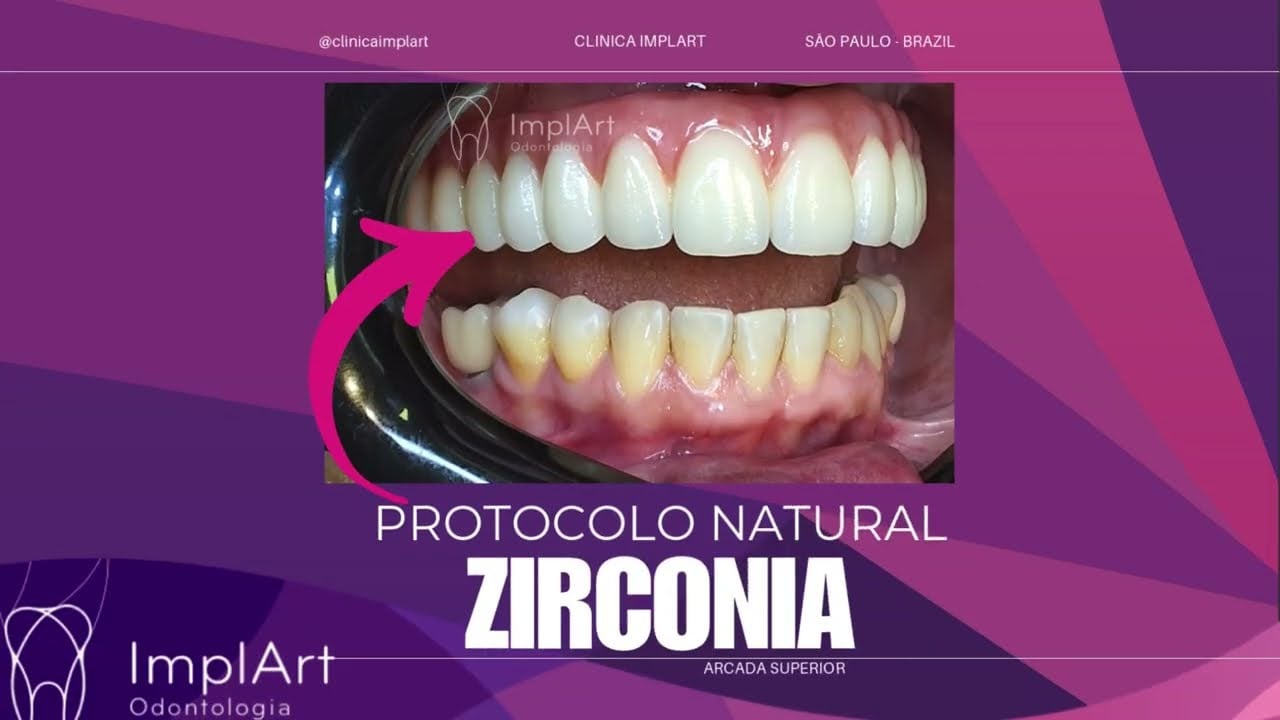
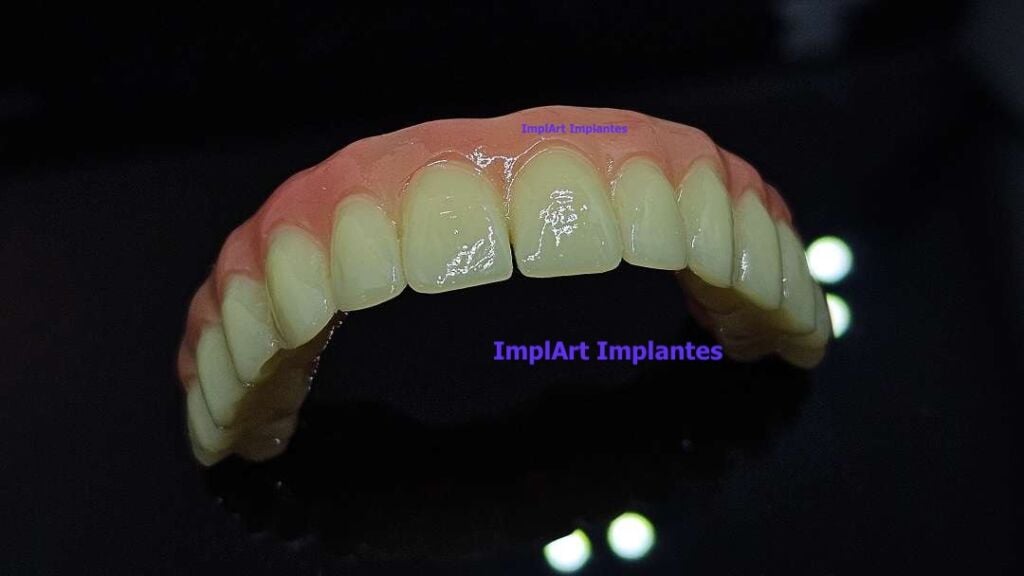
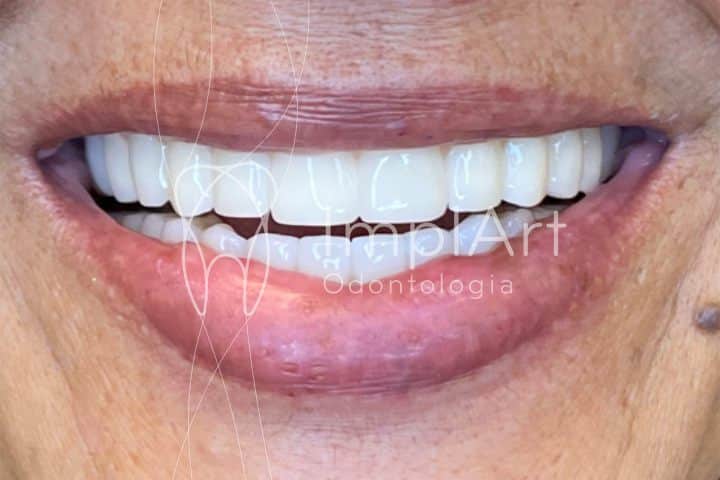
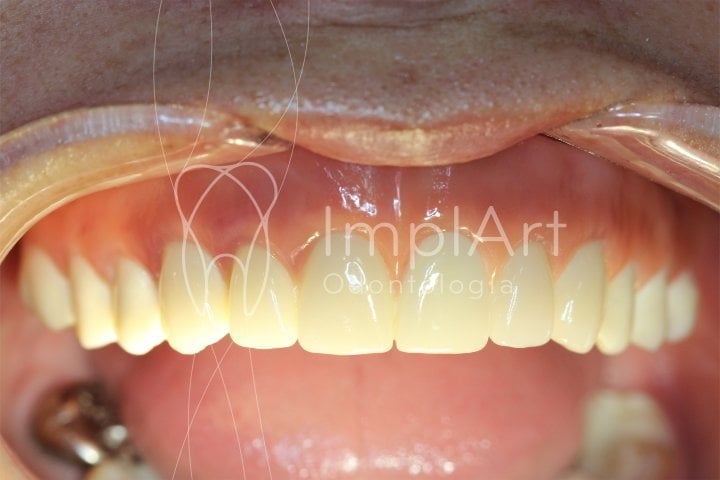
The photo shows the final result of Full Arch Dental Implants with a zirconia-fixed prosthesis
How is a Full Mouth Dental Implants Treatment done?
A dental implant with a full arch prosthesis, also known as All-on-four or All-on-X, is an oral rehabilitation technique that uses 4 to 8 implants per arch, strategically placed in the maxillary or mandibular bone, to support a full mouth prosthesis—a complete fixed prosthesis that functionally and aesthetically replaces all missing teeth.
“The main advantage of the protocol prosthesis is that it restores thepatient’s sense of having fixed teeth again, with comfort and confidence,” explains Dr. Markarian.
Full Arch Dental Implants with Zirconia Bridge (All-on-4 / All-on-X)
Precise Planning with Guided Surgery for Full Arch Dental Implants
One of the key features that sets ImplArt Clinic apart is its use of computerized surgical guides, which allow for minimally invasivedental implant surgerywithout incisions in the gums. The technique utilizes 3D imaging and intraoral scanning to guide the placement of implants with millimeter-level precision.
“With guided surgery, we are able to perform the implant procedure without incisions or stitches, which reduces swelling and pain and significantly speeds up the patient’s recovery,” notes Dr. Roberto Markarian.
This technology even allows for immediate loading, where the patient leaves the operating room with a fixed temporary prosthesis, accelerating the benefits of treatment from day one.
Dental Implants with Zirconia Prosthetics: High-Performance Strength and Aesthetics
For permanent restorations, ImplArt Clinic offers monolithic zirconia crowns, a state-of-the-art material that is extremely durable, biocompatible, and has a highly natural appearance.
Zirconia stands out for its wear resistance, metal-free structure, and translucency similar to that of natural teeth—making it ideal for those seeking the best possible aesthetic result.
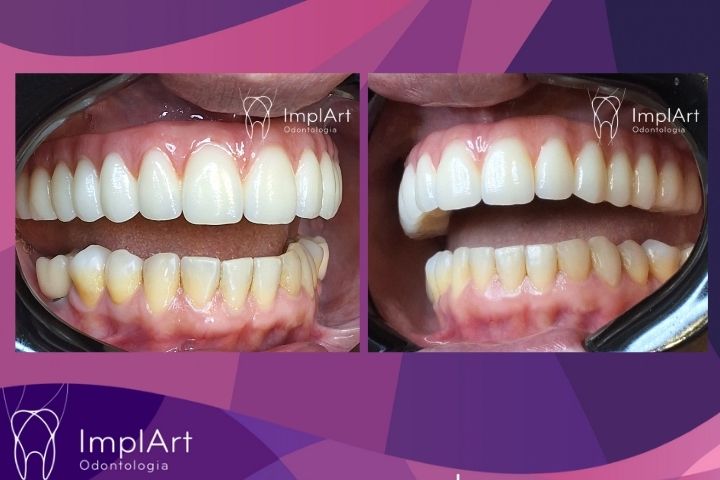
The photo shows images of Full Arch Dental Implants treatment
Benefits of Dental Implants with a Full-Arch Bridges
Stability and Comfort: Fixed dentures eliminate shifting, discomfort, and the need for adhesives, which are common with removable dentures.
Bone Preservation: Implants stimulate the bone, preventing the bone resorption that occurs after tooth loss.
Natural Aesthetics with Zirconia: Custom-made dental restorations that look just like natural teeth.
Improved Chewing: Allows you to chew all types of food safely.
Minimally Invasive Surgery: Thanks to the surgical guide, the procedure is quick and recovery is easier.
Step-by-Step: Upper Full Arch Dental Implants and Lower Full Arch Implant-Supported Bridge
Digital Assessment and Planning: Using imaging tests (such as CT scans and intraoral scans), it is possible to precisely plan the position of the implants.
Surgery Using a Surgical Guide or Conventional Implant Surgery: Implants are inserted using a minimally invasive technique, without incisions. The implant placement sites are planned using computer-aided design and digital tomography. In the case of conventional implant surgery, 4 to 6 implants are inserted by implantologist Dr. Roberto Markarian.
Healing (Osseointegration): The bone fuses with the implants, ensuring the stability of the dental implants and preparing them to support the dental prosthesis.
Placement of the Permanent Prosthesis: The temporary prosthesis is fabricated after the implants have healed, which can take 2 to 4 months, depending on the type of dental implant used.
In some cases, the patient may receive a fixed temporary prosthesis on the same day as the surgery, which offers significant functional and emotional benefits.
Clinical and Scientific Excellence
The success of dental implant and prosthetic treatment depends on factors such as the patient’s overall health, bone density, and, above all, the experience of the treating team.
Dr. Roberto Markarian, clinical director at ImplArt, is the author of important studies in the field, such as the article published in the international Journal of Prosthodontics, which examines the stresses on fixed prostheses with different types of implants:
Conclusion on Full Arch Dental Implants with Zirconia Fixed Bridge
Full-mouth dental implants with Zirconia Fixed prosthesis are the most modern, effective, and long-lasting solution for those who wish to fully restore their dental arch with exceptional functional and aesthetic results. Using digital technology, innovative materials such as zirconia, and the technical and scientific expertise of Dr. Roberto Markarian, ImplArt Clinic offers a treatment of excellence that transforms lives through smiles.
Dr. Roberto Markarian is a leading authority on dental implants and computer-aided dental prosthetics in Brazil. In addition to having experience with over 10,000 implants placed, he is a researcher who produces knowledge that reaches the entire world through publications in renowned scientific journals in the field of dentistry. He is responsible for promoting knowledge and cutting-edge technology applied to all treatments offered by the ImplArt Dental Clinic.
The Full Arch Implants is a type of total fixed dental prosthesis that is indicated for people who have lost all their teeth in the same arch. It consists of 12 to 14 teeth attached to a single structure screwed onto 4 to 6 strategically placed dental implants.
A dental protocol prosthesis treatment provides a quick and efficient solution for oral rehabilitation, with surprising aesthetic and functional results that help restore the natural appearance of the smile and consequently improve self-esteem.
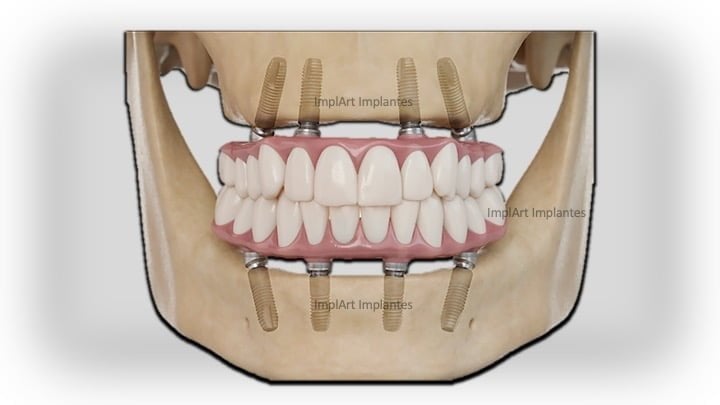
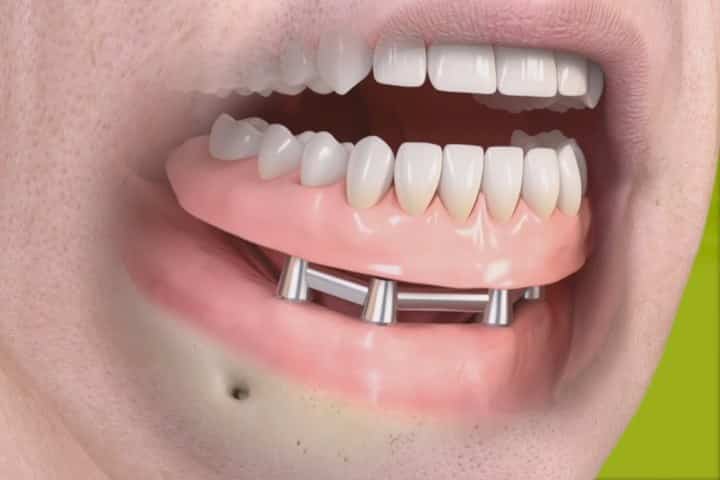
Upper and lower Full Arch Implants with dental implants placed in the jawbone. The dental prosthesis is connected and secured to the implants using fixing screws.
Full Arch Implants: Indications for use
The Full Arch Implants is a treatment designed to enable oral rehabilitation for people who have lost their teeth and have considerable bone loss.
The Full Arch Implants is an innovative oral rehabilitation technique that can be indicated for a variety of cases in which tooth loss is extensive or total. Here are some scenarios in which implants with a prosthesis are often indicated:
Total Edentulism (absence of all teeth): The Protocol Prosthesis is an excellent option for patients who have lost all their teeth in one or both dental arches.
Severe tooth loss: When tooth loss is extensive and negatively affects the patient’s chewing function, aesthetics and quality of life.
Compromised or Unrecoverable Teeth: If your remaining teeth are severely compromised due to tooth decay, periodontal disease or other problems, the Implant Protocol can be an effective alternative.
Generalized Tooth Wear: Patients suffering from generalized tooth wear, whether due to bruxism or other conditions, can benefit from the Fixed Protocol to restore chewing function.
Difficulties with Removable Dentures: Individuals who face challenges with traditional removable dentures that hurt, have difficulties with retention, stability and discomfort, can opt for the stability and fixation of Protocol Dentures.
Contents of this article
Types of Full Arch Implants
Fun fact: Historically,Full Arch Implants treatment was invented more than 60 years ago by Dr. Branemark, a Swedish doctor who was also the inventor of the implant itself. At the time, he created a step-by-step procedure that is still followed today! and ends with the installation of a prosthesis made of acrylic (resin), which is the same material used in dentures.
However, Full Arch Implants treatment has evolved over time. Today, in addition to resin, we have more modern materials to make the protocol prosthesis, such as translucent zirconia, as well as zirconia with porcelain, and even metal-ceramic (porcelain), as options for those undergoing total implant treatment.
Full Arch Implants prosthesis: The prosthesis is attached to some dental implants that are previously placed in the bone. The final aesthetic can be customized, for example in this case, the patient wanted a small gap between the teeth (diastema).
How does the Full Arch Implantswork?
The treatment goes through two stages, surgical and prosthetic. The surgical phase involves placing titanium implant pins in the bone (usually four to five in each arch). The healing of the implants takes between 2 and 4 months, depending on the type of implant chosen and the condition of the bone, as in cases of bone grafting the period can increase.
So the final deadline has to take into account the time taken for the implants + the time taken for the grafts to heal + the time taken to make the prosthesis.
That ‘s why the final treatment period varies from case to case, but on average a treatment is completed in 6 months.
Treatment with a protocol prosthesis is therefore carried out in two stages:
Step 1: How to install dental implants for full arch prostheses:
At this stage, the dentist performs surgery to insert the dental implants into the jaw bone. The number of implants needed varies according to the number of missing teeth and the quality of the bone. Dental implants are inserted in specific areas of the jaw or mandible, taking into account the patient’s bone quality.
Step 2: How the denture is fixed:
After osseointegration of the implants, which is the process of integrating the implants into the bone, the dentist takes a mold of the dental arch. Based on the impression, the prosthodontist makes the definitive dental prosthesis, which is fixed to the implants using screws. The advanced technique allows the prosthesis to be firmly fixed to the implants, giving the patient a feeling of security and naturalness, without gum pain.
See images of Full Arch Implants prostheses below
See below this treatment carried out in our clinic to replace an old complete fixed prosthesis. First, a test was carried out with a temporary dental prosthesis to check the appearance of the treatment. Secondly, a new fixed zirconia prosthesis was made over the patient’s previous implants.
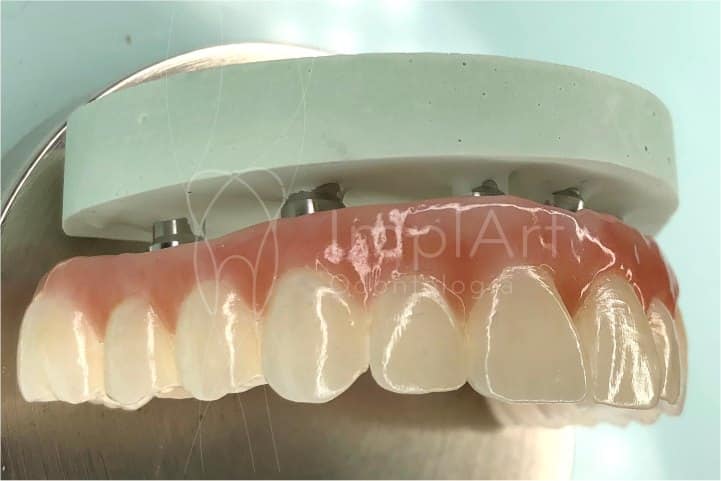
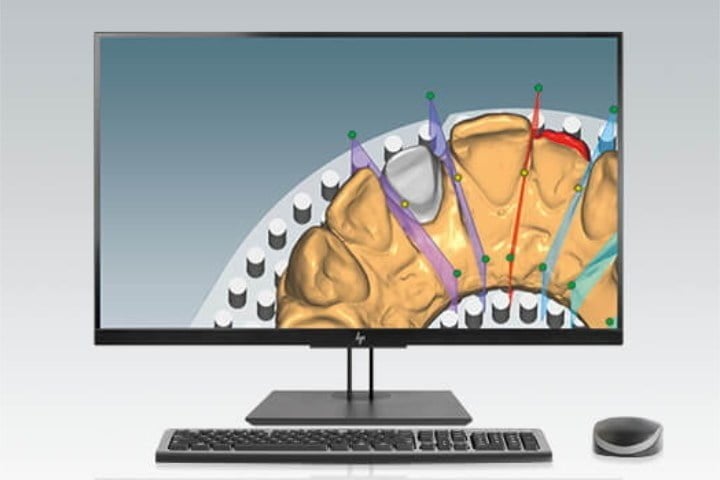
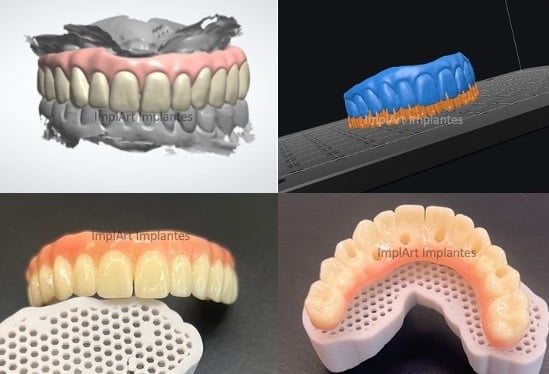
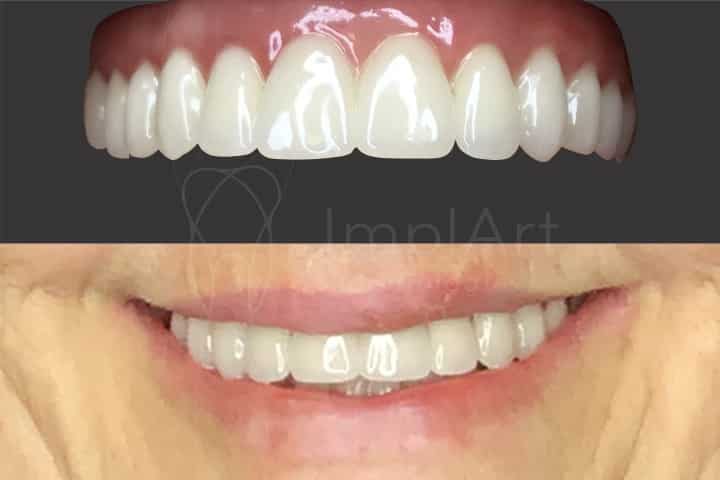
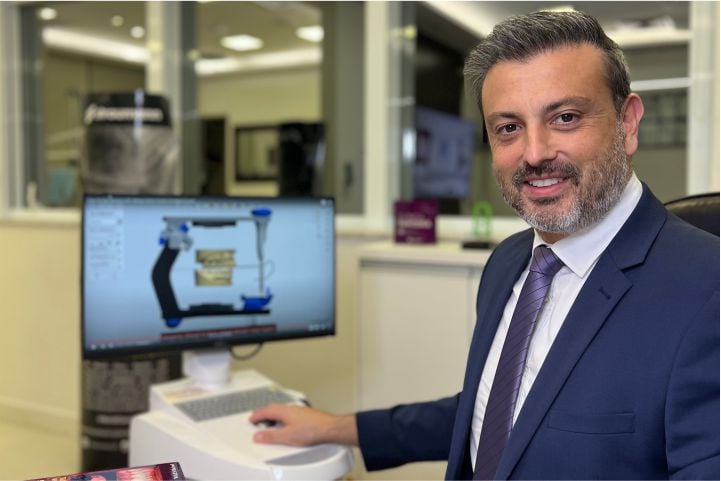
Stages in the design of the protocol prosthesis, using computerized technology. Above left, you can see the 3D design of the prosthesis. On the right, the dental prosthesis for the protocol is positioned on a printing machine in our dental laboratory. Below, the planned prosthesis is ready.
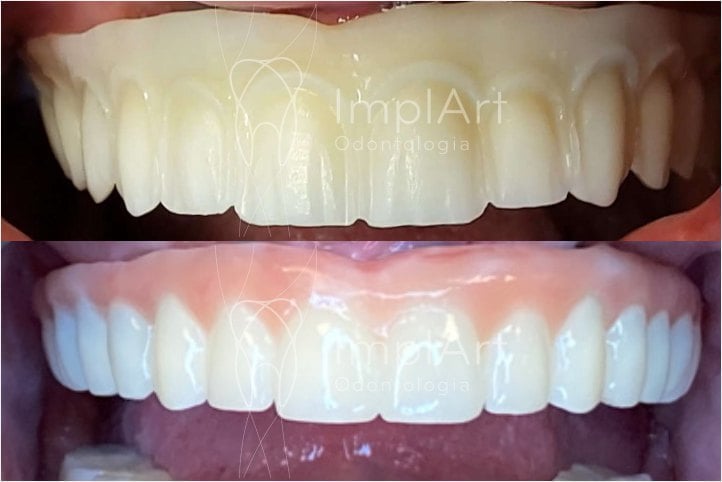
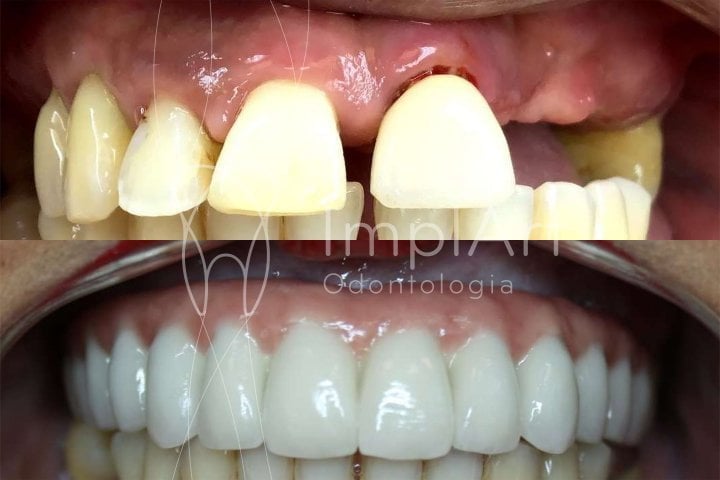
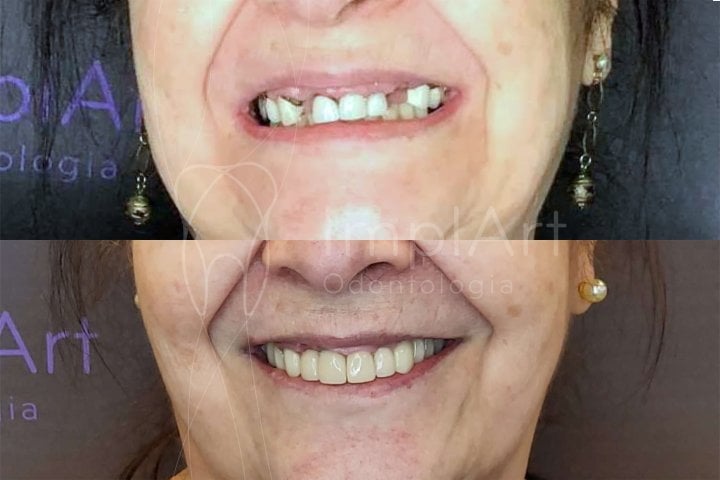
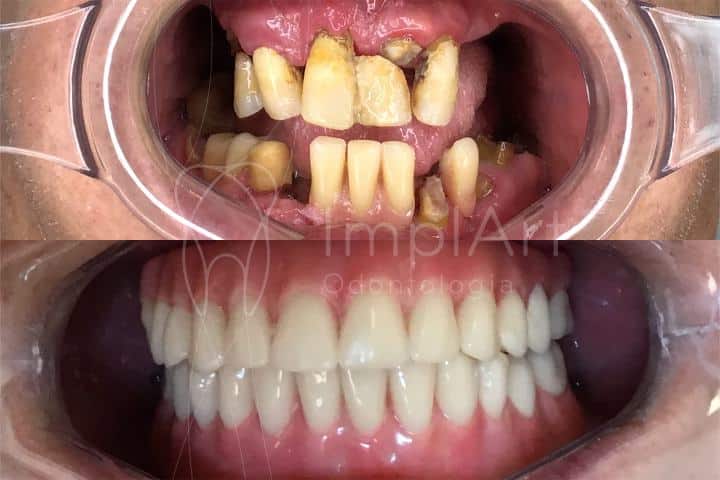
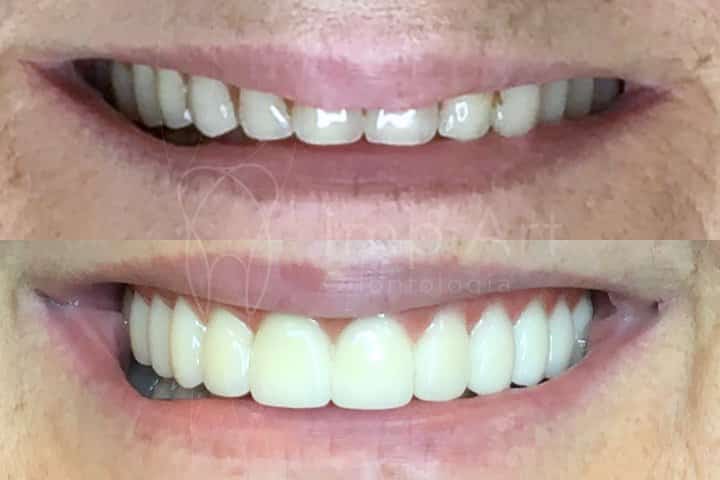
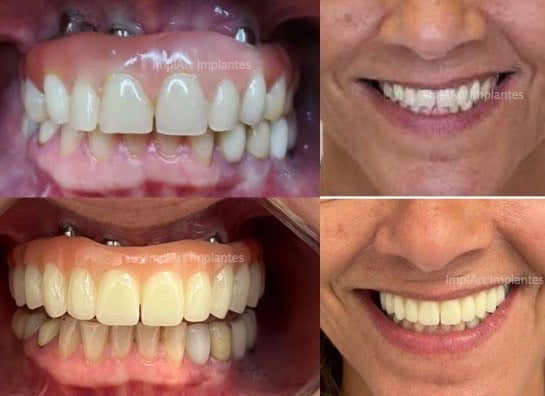
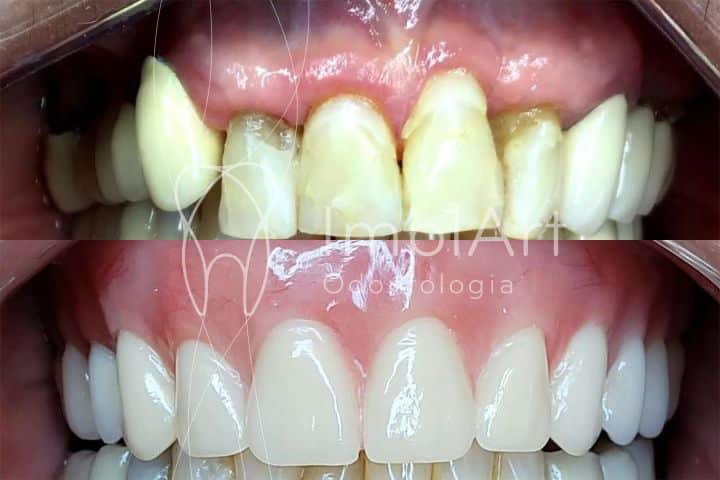
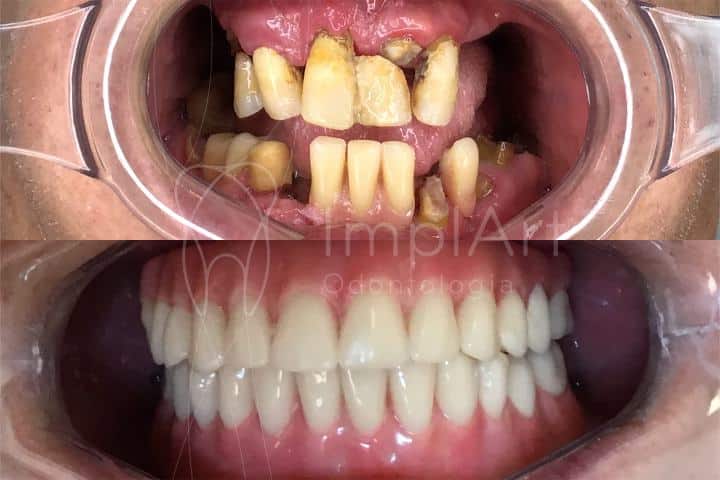
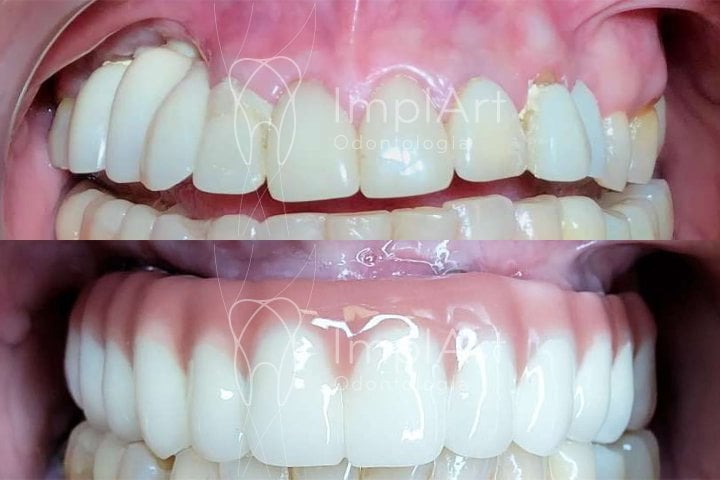
Before and after photos: In the top two images we see the condition of the teeth before the treatment (the patient already had implants and only came to replace her old prosthesis with a new one). In the bottom images we see the final result of the dental protocol installed in the mouth after completion.
How the Branemark dental Full Arch Implants are made
The manufacturing of the protolo dental prostheses will be done in several stages, which mainly include:
Impressions: Digital impression of the mouth is carried out with the aid of intraoral scanners, or with traditional molds with putty. The images obtained are the basis for the computerized design.
Defining general volumes: In this phase, the patient’s lip volumes, tooth inclination, mouth corridor and vertical dimension are determined. Often these definitions are made on a wax plane, which allows you to sculpt and test as you wish.
Aesthetic testing of teeth: With the volumes of the prostheses defined, we set about selecting the teeth – their size, color, volume. These teeth are tested with wax or by means of 3D prototype prostheses that allow us to anticipate the final result and, of course, facilitate corrections.
Fabrication of the final prosthesis: The prosthesis goes on to the final steps, which may be acrylicization in the case of resin protocol prostheses, or the elaboration of structures + application of porcelain for zirconia or metal-ceramic protocol prostheses.
So the result is a piece that is completely customized to the needs of each patient, built with the participation of the implant dentist and the patient at every step, and the result is predictable (i.e. it’s not a surprise on the last day of treatment).
How the resin dental (Acrylic) Full Arch Implants works
The base of the acrylic prosthesis is made with a titanium reinforcement bar, a material that is biocompatible with the human body, does not cause rejection and has low allergenic potential. This reinforcement bar makes the protocol denture with its milled structure resistant, more delicate and comfortable.
The resin teeth are attached to this bar, as well as a layer of artificial gum that mimics the natural mucosa. The titanium-framed protocol prosthesis is attached to the implants, giving the wearer peace of mind when chewing, speaking and smiling.
Schematic of a full arch prosthesis with its bar. When installed, there is no space between the protocol prosthesis and the gum.
The titanium bar gives the protocol prosthesis strength, while the resin coating gives the branemark prosthesis naturalness.
Rapid Implants and Prococolo Prosthesis in 72 hours with immediate loading
It is important to note that there is a way to make implants and prosthetic prostheses faster (*in some cases).
In immediate loading treatments, the prosthetic phase of installing the protocol prosthesis is carried out immediately after implant surgery (without waiting for the implants to heal).
In this procedure with rapid protocol implants, it is possible to install dental implants with technology that favors and accelerates the healing process, making it possible to install the prosthesis within 72 hours, the immediate loading technique. However, in the vast majority of cases, it is decided to wait until the recommended healing time to ensure greater safety and success of the procedure.
(*)The possibility of this treatment with rapid implants should be checked at your assessment appointment, when we will analyze your case in detail (this possibility is only confirmed after a careful assessment of your remaining bone).
Benefits of the fixed prosthesis
The fixed prosthesis offers a number of benefits for patients who have lost all their teeth, including:
Restoration of che wingfunction: The protocol prosthesis allows patients to chew food normally, without difficulty.
Improved aesthetics: The protocol prosthesis provides a natural and harmonious smile.
Stability: The protocol prosthesis is fixed, which guarantees stability and safety for patients.
Durability: The protocol prosthesis can last for many years, with proper care.
Contraindications to the Full Arch Implants
The Full Arch Implants are not indicated for all patients who have lost all their teeth. The main contraindications are:
Patients with systemic health problems: such as diabetes or osteoporosis, coagulation problems, recent cancer treatments, among others.
Patients with insufficient bone in the mandible or maxilla. However, this condition can in most cases be reversed by means of bone grafts that recreate the thinned bone.
The Full Arch Implants technique is an effective and safe option for the oral rehabilitation of patients who have lost all their teeth. It offers a number of benefits, including the restoration of chewing function, improved aesthetics and stability.
The ImplArt dental clinic carries out this treatment with the help of the most modern computerized systems. Make an appointment with an implant dentist and find out more about the dental implant treatments at the ImplArt dental clinic. Come and visit us. We’ll be happy to welcome you, with a complete analysis made by our Head dentist Dr Markarian.
The Root Analog Implant (RIA) is an innovative approach in implant dentistry that aims to replicate the anatomy of the natural tooth root. Unlike conventional implants with a standardized shape, IARs are customized to fit precisely into the patient’s dental socket immediately after tooth extraction.
This technique seeks a replacement that is more biologically compatible with the original anatomy, while at the same time seeking efficient osseointegration and adequate aesthetics, providing a more natural solution for tooth replacement, says Dr. ROBERTO MARKARIAN, a specialist in implant dentistry.
Index
Introduction: What is the Root Analog Implant (RAI)?
The Root Analog Implant (RAI) concept is well documented and refers to customized implants that mimic the shape of the natural tooth root. These implants are designed to be placed immediately after tooth extraction, using technologies such as cone-beam computed tomography (CBCT) and CAD/CAM to create accurate three-dimensional models of the root of the tooth to be replaced.[1-6] The concept of the Root Analog Implant (RIA) is well documented.
Principles and Fundamentals of Root Analog Implants (RAI)
The main feature of IARs is their ability to faithfully imitate the shape and size of the original tooth root. This customization is possible thanks to the use of advanced technologies such as cone beam computed tomography (CBCT) and CAD/CAM systems, which allow for the creation of tailor-made implants. The preferred material for manufacturing these implants is zirconia, due to its high biocompatibility and superior mechanical properties, however IAR implants can be manufactured using printing techniques for biocompatible metals such as titanium.
Example of a custom implant manufactured by Metal Printing (Titanium)Source: Mangano et al 2012 [9]
Differentiating the Customized Implant Root Analog (IAR) from Conventional Implants
Shape: Conventional implants have a standardized shape, while IAR implants have a more anatomical design.
Load distribution:Root Analog Implants (RAI) seek to minimize the stress on the bone caused by the threads of common implants and better distribute the masticatory force along the alveolar bone.
Adaptation to existing bone: The use of IAR can reduce the need for bone grafts, as the implant adapts better to the local anatomy.
Advantages of Root Analog Implants (RAI)
Root-like implants aim to improve aesthetics and functionality while minimizing bone removal and trauma during implant placement. Studies indicate that these implants can offer acceptable clinical results, although the survival rate may vary depending on the material and manufacturing technique used.[1][4] In addition, the biomechanics of root analog implants show promising behavior in dissipating masticatory load, compared to conventional implants.[5]
IARs offer several advantages over conventional implants:
Perfect fit: Because they are customized, they fit exactly into the dental socket, eliminating the need for additional drilling or bone grafts.
Superior aesthetics: Zirconia has a color similar to that of the natural tooth, avoiding the gray discoloration that can occur with titanium implants.
Less Invasive Procedure: Immediate placement after extraction reduces the need for additional surgery and speeds up recovery time.
Lower risk of peri-implantitis: The absence of threads and the smooth surface of IARs reduce the accumulation of bacterial plaque, reducing the risk of peri-implant infections.
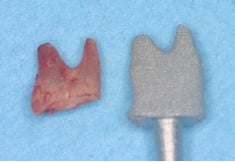
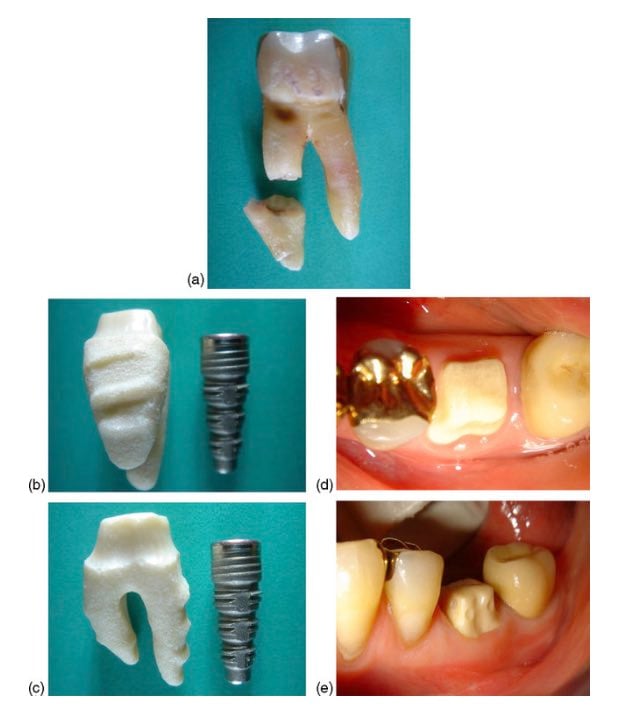
Example of clinical application of IAR. Above, the fractured tooth that was removed. Below, on the left, a comparison of the implant produced with a conventional implant. On the right, the IAR installed in the patient. Source: Pirker et al 2011 [8]
Materials and Technology in Root Analog Implants (RAI)
The Root Analog Implant (RAI) has benefited from advances in digital technologies, including:
CAD/CAM (Computer Aided Design and Manufacturing): Allows customized implants to be created based on the patient’s anatomy.
Cone Beam Computed Tomography: Ensures more precise planning, allowing the implant to be inserted in more favorable regions.
Advanced Materials: Zirconia has been explored as an alternative to titanium in the manufacture of these implants, due to its high biocompatibility.
Clinical Indications for a Root Analog Implant (RAI)
The Root Implant Analog (RIA) is recommended for:
Patients who need greater primary stability.
Cases where the preservation of cortical bone is essential.
Regions with limited bone where the use of conventional implants would require grafting.
IAR implants are particularly suitable for patients looking for less invasive treatments with shorter recovery times.
According to Dr. Roberto, the lower invasiveness is due to the fact that no additional drilling is required to place the anatomical implants. Common implants require drilling into the bone to place the implant, which is screwed in. However, IAR anatomical implants adapt perfectly to the hole that is left after tooth extraction (dental alveolus).
During this installation, the implant is placed under pressure inside this hole, without requiring any additional bone wear. In this way, it will adapt perfectly to the anatomical hole, closely resembling the shape of the old tooth.
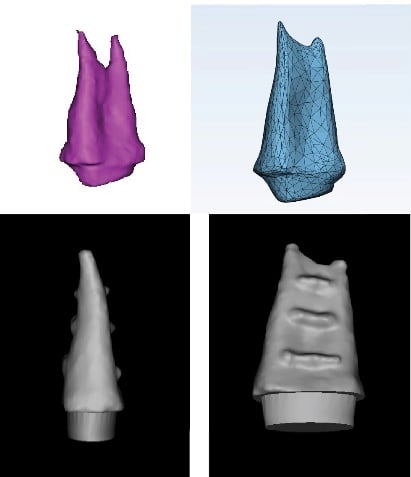
3D design of the root analogue implant. Sup L: Root shape extracted from CT scan. Sup R: Design of the IAR implant. Lower: Finalized design for production of the customized implant. Source: Al Moziek et al [7]
Scientific Evidence on Customized Implant Root Analogues (IAR)
Recent clinical studies show that IAR implants have a similar or higher success rate than conventional implants. A meta-analysis published in the Journal of Oral Implantology indicated that:
The osseointegration rate of IAR implants can exceed 95% after five years.
The more natural biomechanical distribution results in less peri-implant bone loss.
IAR implants are especially recommended for patients looking for less invasive treatments and shorter recovery times.
Our Clinical Director, Dr. Markarian, points out that the application of digital scanning techniques in the manufacture of prostheses on IAR implants can improve the precision of prosthetic adaptation and reduce biomechanical complications.
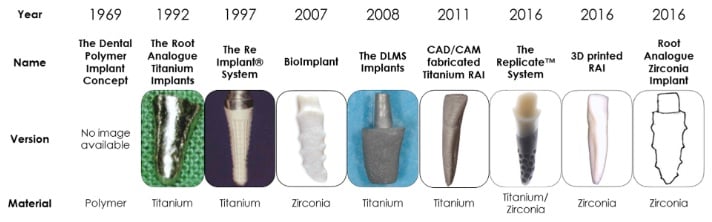
This historical follow-up of the evolution of IAR root analogue implants was published in a scientific article by Pour et al 2019 [10]. We can see that experiments were carried out with a variety of formats, materials and manufacturing techniques.
Conclusion: The Future of Root Analog Implants (RAI)
Root Analog Implants (RAI) represent a promising and scientifically supported approach to modern implant dentistry. With the use of advanced technologies and a more anatomical design, this technique is proving to be a viable alternative for improving the distribution of masticatory forces, reducing peri-implant bone loss and increasing the long-term success rate.
It is important to note that, despite the potential advantages, the root-like implant technique still requires more long-term clinical studies to evaluate its effectiveness and success compared to traditional implants.[2][6] The technique is also used to evaluate the efficacy and success of root-like implants.
Therefore, these anatomical implants are not available for use in most countries, including Brazil. At our ImplArt Clinic we are always on the lookout for new developments and as soon as they are regulated in Brazil we will start using them. Stay tuned!
Written by: Dr. ROBERTO MARKARIAN. Master’s and Doctorate in Dentistry. Technical manager of the ImplArt Clinic.
7. Al Moziek et al Success and survival rates of immediate anatomic zirconia implants: a prospective clinical and radiographic evaluation. Braz J Oral Sci. 2023;22:e239183.
8. Pirker et al 2011 Immediate, single stage, truly anatomic zirconia implant in lower molar replacement: A case report with 2.5 years follow-up. IJOMI 2011 40(2) 212-216.
9. Mangano et al 2012. Custom-made, root-analogue direct laser metal forming implant:a case report. Lasers Med Sci.DOI 10.1007/s10103-012-1134-z.
10. Pour et at 2019. Historical development of root analogue implants: a review of published papers. British Journal of Oral and Maxillofacial Surgery. DOI: 10.1016/j.bjoms.2019.01.021
This treatment is also known as Fixed Full-Arch Prosthesis or Implant-Supported Denture. This type of implant treatment for all teeth, allows patients to regain their smile and chew.
Dental implant surgery is currently a fairly straightforward operation, carried out in an office or hospital environment, with hospitalization for the patient’s comfort. Implants make it possible to replace missing teeth even in large areas of the arch, including in patients with all their teeth compromised by periodontal disease. They can also be used in patients with bone loss, who may need bone grafting before or during the installation of the dental implant.
It is important to note that there are currently different types of dental implants, and the most modern ones, cone morse implants, allow for faster healing.
Full Arch Dental Implants . Implant-Supported Denturestep by step
With regard to the end result, the aim is to obtain fixed dental prostheses that will remain supported on the implants. This will allow the patient to regain their masticatory function and aesthetics.
Of course, as Fixed Full-Arch Prosthesis are screwed onto dental implants, the result is a very efficient dental prosthesis for chewing, as well as excellent aesthetics and comfort.
It is therefore a much better solution than a removable prosthesis, as it provides excellent fixation and stability. In the upper arch, the full arch dental implants treatment has the added advantage of completely uncovering the palate (roof of the mouth), which improves patient comfort.
Unlike removable prostheses (dentures), which cover the roof of the mouth to allow them to be fixed and make it difficult to perceive the taste of food, All-on-X prostheses with implants are thin and occupy only the region of the dentition, leaving the rest of the mouth free, similar to the situation found when there are natural teeth. Currently, the most modern materials are the Zirconia Fixed Full-Arch Prosthesis and the Porcelain Prothesis on a Full Arch DentalTreatment.
After radiographic examinations and a CT scan of the jaws, the dental implant specialist will be able to analyze the ideal planning for the case and thus indicate bone complements such as grafts to better prepare the bone if necessary.
The jaw bone (lower arch) is more rigid and resistant, so dental implants can be installed in most cases. The upper jaw bone, on the other hand, is less dense and delicate and has a more complex anatomy.
Certainly the proximity to the nose, the maxillary sinus cavities and the greater bone loss require further study.
Full Arch Dental Implants With or Without Bone Graft ?
If bone grafting is necessary, don’t be alarmed – it’s very common. Of course, dental grafting for full archa implants is not necessarily complicated, invasive or large. On the contrary, most of the time the bone graft for a full arch implant is simple, small and restricted to the position of the implant.
Less invasive implant surgery: in our clinic we use current concepts of minimally invasive surgery for dental implants, which make the procedure faster and offer greater comfort during the procedure and especially during the healing phase of the dental implant.
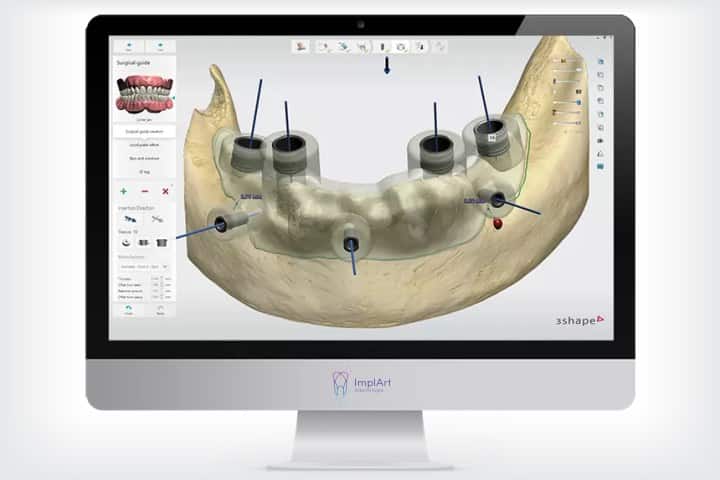
Computer-guided implant surgery: this is a type of dental implant surgery offered at our clinic that is planned by computerized scans of the jaws.
Full Mouth Reconstruction Prosthesis and other types
Certainly the most common prosthesis for implanting all the teeth in a full arch is the so-called protocol prosthesis. This is a resin prosthesis with a metal reinforcement bar inside.
Over time, however, more modern ways of making complete implant prosthesis have emerged. At the ImplArt Dental Clinic, we offer more technological implant materials, which are completely made on our premises and in our own dental prosthesis laboratory (see more):
If you have any questions, please make an appointment or contact us and make an appointment with our clinical director, Dr. Roberto Markarian, an implant dentist. We will be happy to assist you. The ImplArt Dental Clinic has a modern structure to serve patients and highly specialized professionals.
Full Arch Dental Implants - All-on-4 - All-on-6 - All-on-X
Dr. Roberto Markarian is a reference in dental implants and computerized dental prostheses in Brazil. As well as having more than 10,000 implants installed, he is a researcher who produces knowledge that is published worldwide in renowned scientific journals in the field of dentistry. He is responsible for promoting knowledge and high technology applied to all the treatments offered by the ImplArt Clinic.
The combination of aligners or braces and dental implants is essential to ensure a complete, functional and aesthetic smile. When a tooth is lost, neighboring teeth tend to move and occupy the empty space, causing misalignment, incorrect bite and even chewing difficulties. Without proper replacement with an implant, this movement can compromise the tooth structure and even cause bone loss.
Orthodontic treatment, especially with innovative solutions such as Invisalign, repositions teeth precisely, correcting misalignment and creating the right space for a dental implant. The implant replaces the lost tooth permanently, restoring aesthetics, chewing function and preventing further tooth displacement.
At ImplArt Dental Clinic, this integration is carried out with state-of-the-art technology and a highly qualified multidisciplinary team, guaranteeing long-lasting and personalized results for each patient. In this article, you will understand how implants and orthodontic appliances can guarantee a harmonious, functional and long-lasting smile.
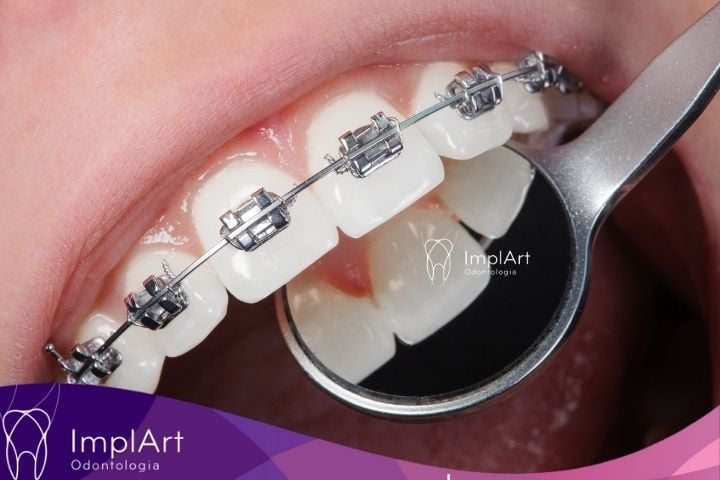
Braces and dental implant treatment combined to reposition teeth and re-establish bite
Why Integrate Braces and Implants?
The absence of a tooth directly affects oral health and the harmony of the smile. Therefore, treatment with braces will allow for better alignment of the teeth, whether for treatment with implants, dental crowns or even dental contact lenses. Integrating braces and implants treatment offers many benefits:
1. Braces and Implants: Correct Replacement of Lost Teeth
Without adequate replacement of the missing tooth, neighboring teeth tend to lean in and occupy the empty space. Orthodontic treatment realigns these teeth, preparing the site for insertion of the dental implant.
The lack of stimulation in the area of the missing tooth causes bone resorption. The dental implant is integrated into the bone, preserving bone density and preventing changes to the facial structure.
3. Braces and implants:Bite correction and chewing function
Misaligned teeth compromise bite and chewing. Braces reposition the teeth, while dental implants complete the chewing function.
The Role of Invisalign in Preparing for Dental Implants
Invisalign is a transparent, comfortable and effective orthodontic aligner, ideal for preparing the smile for the placement of dental implants. It corrects the position of the teeth discreetly and efficiently, creating the necessary space for the installation of the dental implant.
Advantages of Invisalign for Integration with Implants
Discretion and Comfort: Almost invisible aligners, which do not interfere with aesthetics during treatment.
Removable: Facilitates oral hygiene and food consumption.
Digital Planning: Allows you to visualize all the stages of the treatment before it even begins.
Braces and implant treatment: Invisalign to align and implants to replace missing teeth
Zirconia Implants: The Best Aesthetic Option
Zirconia implants are the ideal solution for patients looking for aesthetics and biocompatibility. As well as being metal-free, these implants offer a more natural appearance, especially in the anterior region of the mouth.
Benefits of Zirconia Implants
Superior Aesthetics: Natural appearance without the risk of metal exposure.
Biocompatibility: Totally safe and hypoallergenic.
High durability: Superior resistance to wear and fractures.
Zirconia implant and zirconia prosthesis the ultimate combination
Zirconia Implants and Prostheses: The Perfect Aesthetic Solution
Zirconia implants, offered at the ImplArt Clinic, are the most modern and aesthetic solution for rehabilitating smiles. This metal-free material provides natural, long-lasting results.
Benefits of Zirconia Implants:
Natural Aesthetics: The white color of zirconia resembles natural teeth, without metallic interference.
High Biocompatibility: Ideal for patients looking for safe and hypoallergenic materials.
Durability and Resistance: Highly resistant material, guaranteeing a long service life.
In addition, dentures made with zirconia are customized for each patient, ensuring a perfect fit and a natural appearance. 👉 Types of dental prosthesis materials
Digital Planning: Integrating Orthodontics and Implantology
At the ImplArt Clinic, the use of advanced technology, such as the 3D scanner, 3D digital tomography and guided surgery, allows for integrated planning between Invisalign and the implants. This process guarantees precision at every stage of treatment.
“The integration of orthodontics and dental implants is essential for restoring not only the aesthetics but also the full functionality of the smile. Aligning teeth precisely and repositioning implants at the right time guarantees long-lasting results and significantly improves patients’ quality of life.” – Dr. Roberto Markarian, specialist in implant dentistry and clinical director of the ImplArt Clinic.
Perfect Smile with Aligners or Braces and Dental Implants
Planning stages:
Initial Assessment: Clinical and digital analysis with Dr. Roberto Markarian, implantologist and director of the ImplArt Clinic, to understand the patient’s needs.
Coordination between specialists: Orthodontists and implant dentists work together to align teeth and fill spaces.
Precise execution: With digital technology, implants are optimally positioned to ensure functionality and aesthetics.
The ImplArt Clinic uses the most modern technologies to integrate orthodontics and implants precisely and safely. These include:
3D Computed Tomography: Complete assessment of bone and tooth structure.
Digital Planning and Guided Surgery: Precise definition of implant positioning.
Digital Prosthesis Laboratory: We make prostheses with a perfect fit and incomparable aesthetics.
➡️ See how we apply cutting-edge technology to our treatments:
Why Choose the ImplArt Clinic?
The ImplArt Clinic is a reference in personalized treatments that combine orthodontics and implantology. We offer:
Schedule your personalized assessment to find out more about our solutions: 👉 Contact us
Perfect Smile with Aligners or Braces and Dental Implants
Conclusion: Complete Smile with Orthodontics and Dental Implants
The integration between orthodontic treatment and dental implants is essential to guarantee an aesthetic, functional and long-lasting smile. The use of Invisalign to align the teeth and create the appropriate space for the placement of zirconia implants is the complete solution for those seeking excellence in oral health.
At the ImplArt Clinic, we combine cutting-edge technology, specialized professionals and personalized service to transform smiles and improve the quality of life of our patients.
⭐The ImplArt Dental Clinic is located in São Paulo and welcomes patients from all over the world. If you would like to know more about our treatments, ask questions about root canal treatment, dental implants in São Paulo, and schedule an appointment 📲WhatsApp(11) 99598-1866.
Perfect Smile with Aligners or Braces and Dental Implants


 Agende sua consulta agora por WhatsApp