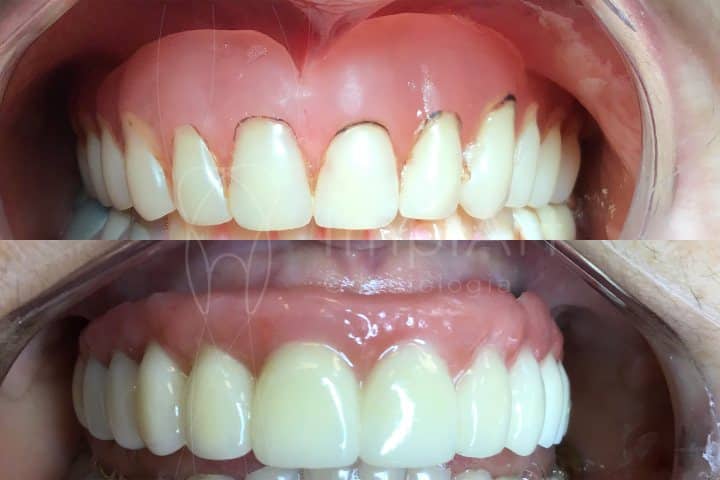
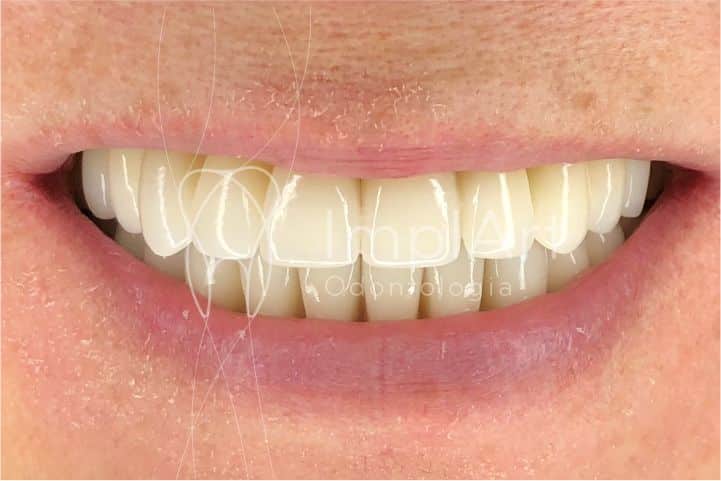
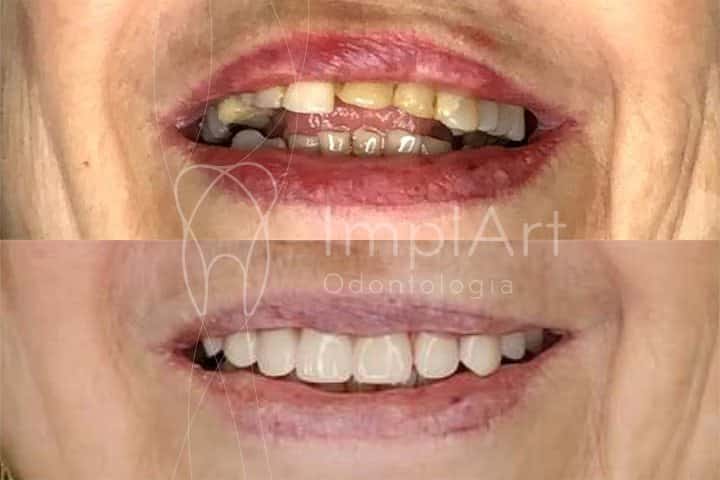
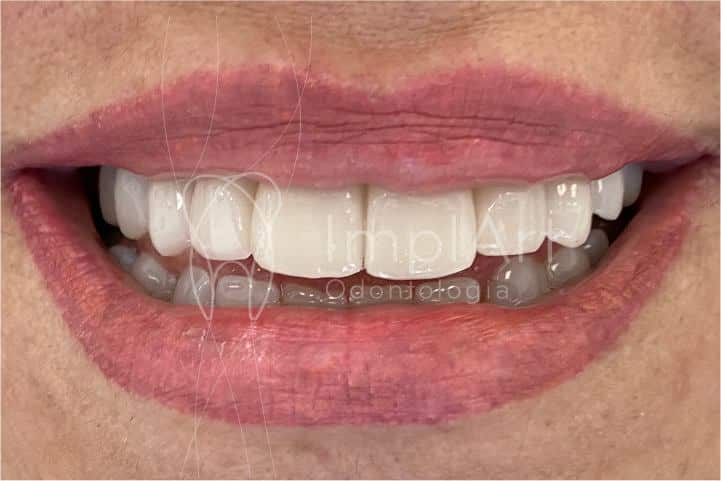
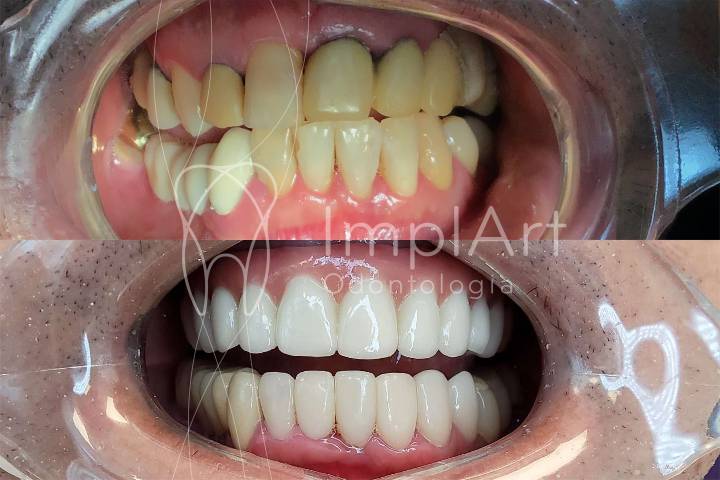
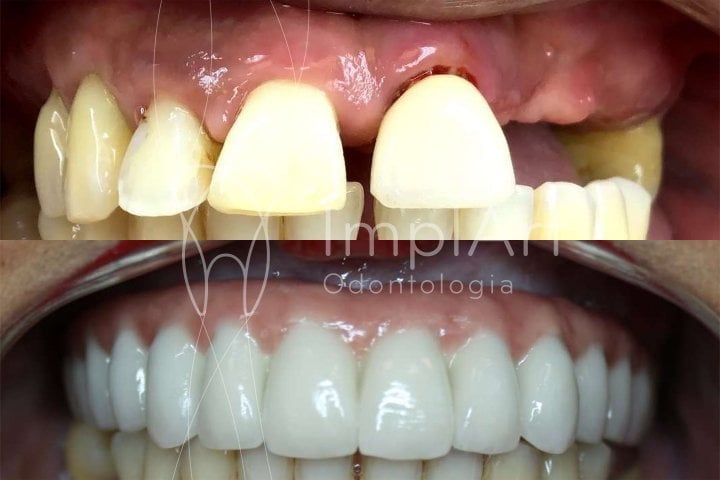
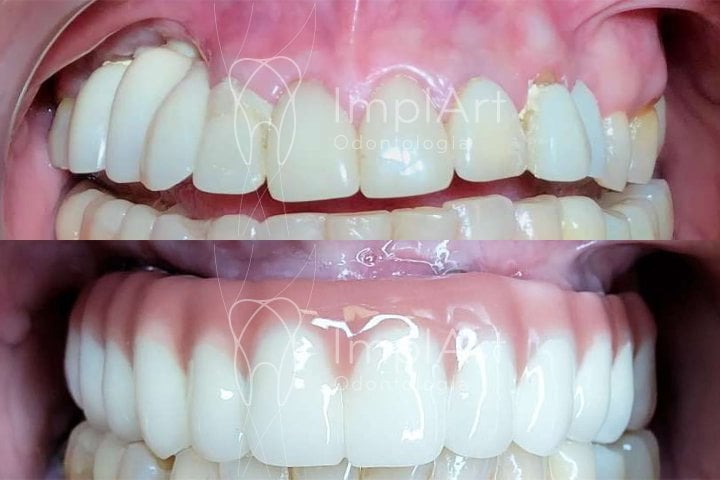
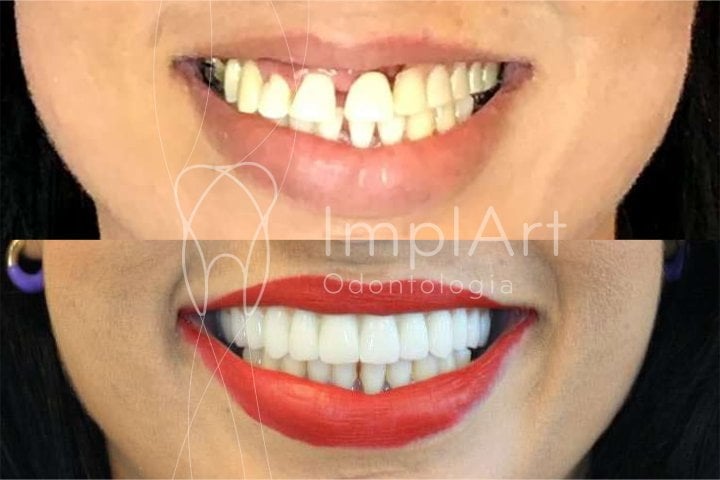
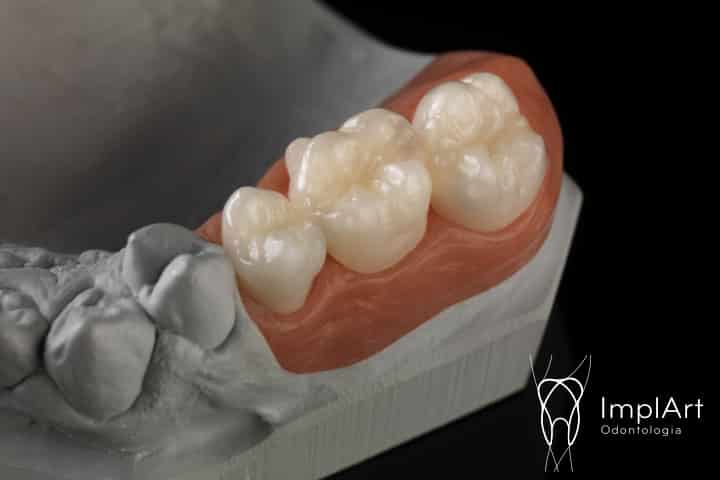
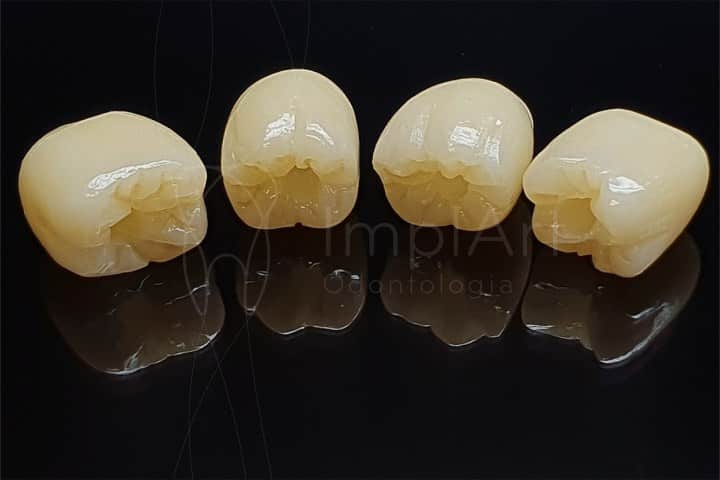
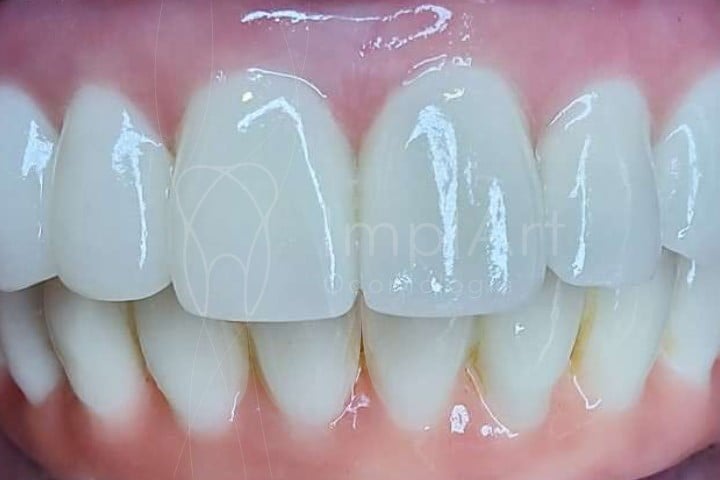
Temporary teeth 3D Printed : how and why they are used

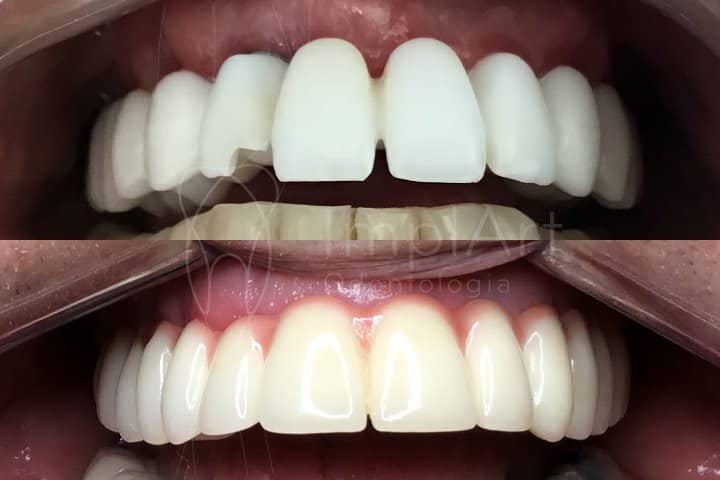
Temporary teeth, also known as “provisionals” or temporary crowns, have undergone important developments over time. However, until recently provisional prostheses were made without the need for perfection in aesthetics and adaptation, as they would be replaced by permanent dental prostheses.

What are temporary teeth for?

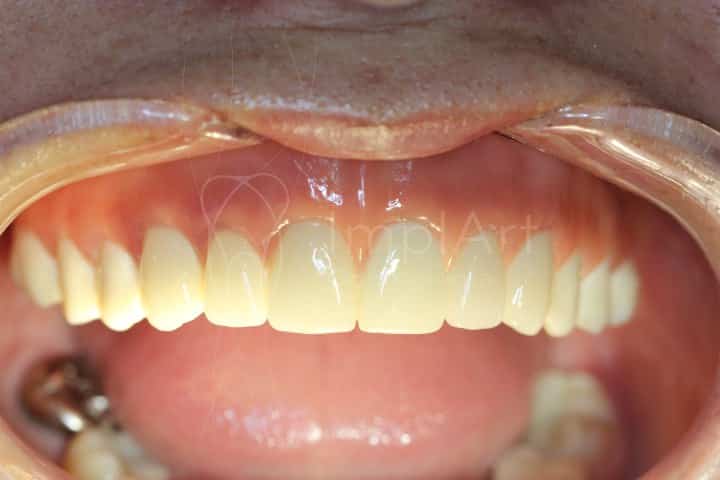
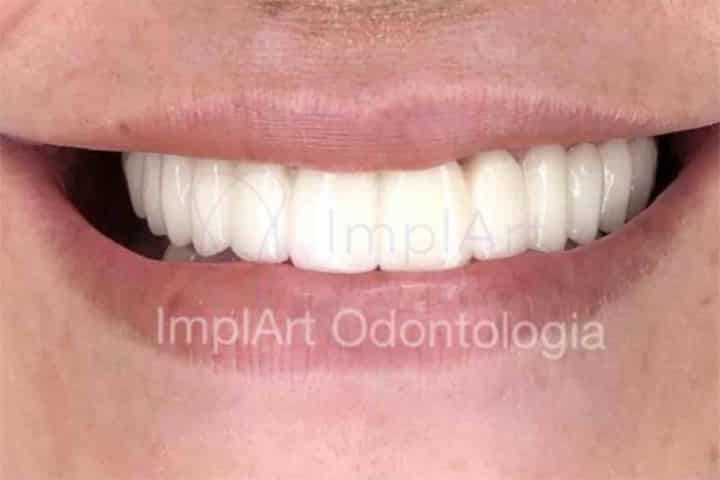
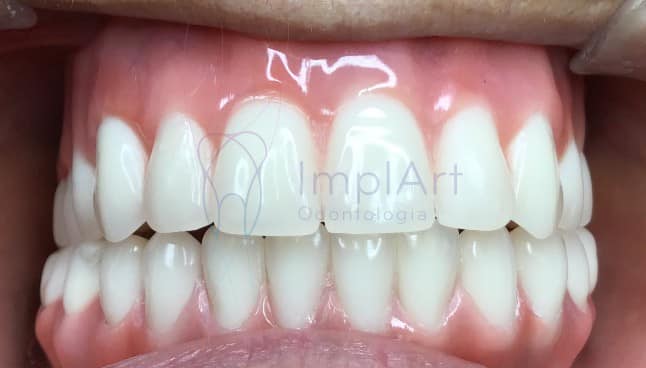
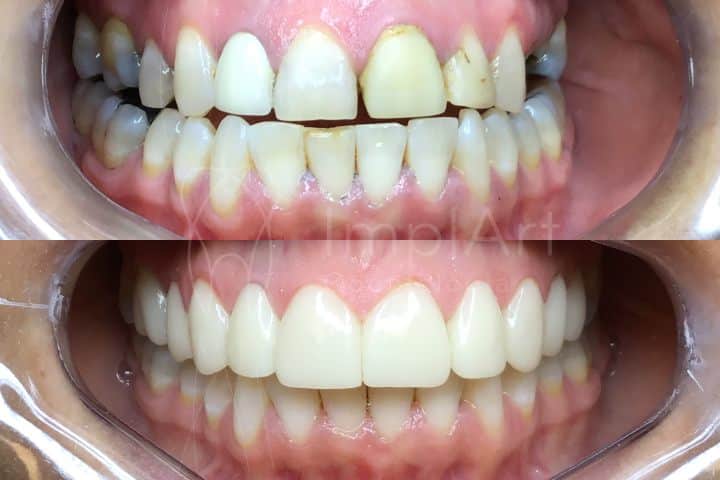
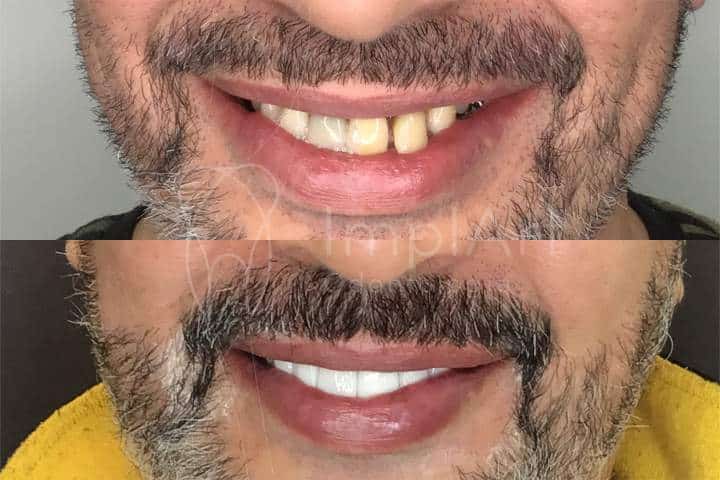
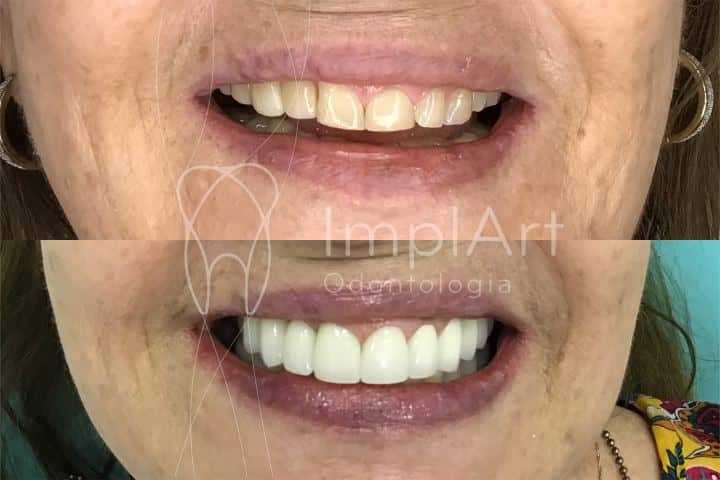
Temporary prostheses now allow you to “visualize” the final result of your design or treatment, from something as simple as a crown to an oral rehabilitation of all teeth.

Provisionals today serve as prototypes for permanent restorations and allow you to make a better decision about the size, shape, appearance, function and color of your final restorations.

Temporaries have become an important and necessary part of any smile or bite reconstruction. They serve several other important functions, including:

  • Protect teeth that have been prepared for a final restoration.
  • Cover exposed dentin to prevent tooth sensitivity, plaque build-up, cavities and pulp problems.
  • Prevent unwanted tooth movement.
  • Allow patients to eat and speak normally.
  • Maintaining the health and contours of the gum tissue.
  • Allow patients to test the fit, appearance, comfort and function of their smile makeover or early restoration.
  • To serve as an example and aesthetic reference when discussing the case with the patient.
  • Allow functional or bite problems to be solved during the intermediate period in which they are worn.
  • Save time and money by providing an exact plan of what the final restorations will look like, thus reducing the need for additional procedures, adjustments and remakes.

Find out about our new coronavirus measures at the ImplArt Clinic

Do I have to get a temporary one? Or can I do without?

Temporary teeth: crowns, bridges, fixed or removable prostheses are important for intermediate stages at the dentist. Unless you’re having a one-day treatment (Day Clinic), you’ll always need a temporary dental prosthesis.

The following types of crowns require a provisional version: metal-ceramic porcelain crown, zirconia porcelain crown, pure zirconia crown, emax crown, crown on implant, fixed prosthesis for dental implant, full arch implant, all on 4 prosthesis, immediate loading on implants, dental contact lenses.

When are provisionals needed?

If you choose to have a treatment, a temporary restoration is placed on the prepared teeth which offers protection, comfort and aesthetics while you wait for the final restoration to be made and placed.

Temporaries are used while you have crowns, bridges, inlays, onlays and porcelain veneers made for you and sometimes even for removable partial dentures, complete dentures and implant treatment.

Temporary restorations are especially important when several teeth have to be prepared, or when occlusal (bite) or cosmetic changes are foreseen. It is easier to adjust temporary acrylic resin restorations than to modify final permanent restorations made from metal, zirconia, ceramic or metal-ceramic materials.

Here at the ImplArt Clinic we use Digital Dentistry CAD / CAM technology (computer-aided design / computer-aided manufacturing). We can create your restorations in your office – create, bond and fit the permanent restoration in just one session, thus eliminating the need for temporaries.

Temporary restorations are also necessary when there is little or no removal of tooth enamel during the final placement of some porcelain veneers, as may be the case with some types of porcelain veneers (with little or no wear), such as dental contact lenses and ceramic laminates.

The time needed to use a temporary varies from a few days (short term) for simple cases, such as a single crown, to several weeks (medium term) for cases such as inlays, onlays and veneers. Provisionals are required for several months (long-term) for complex cases, such as full mouth reconstruction.

How are temporary crowns made?

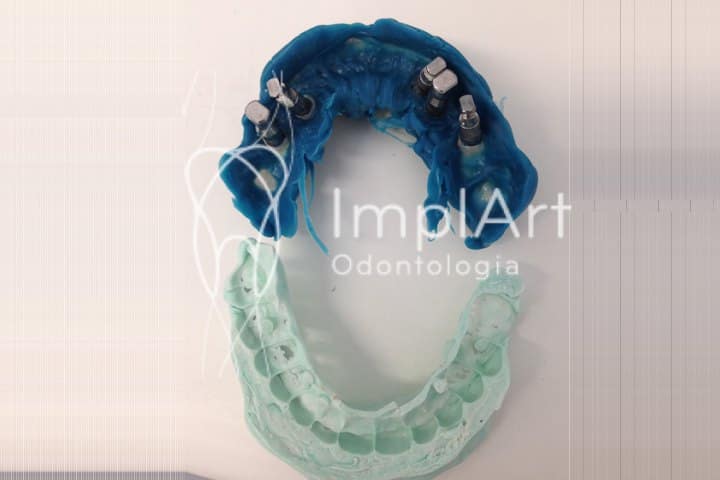
They can be done using a direct or indirect technique. A direct technique is performed chairside (in the mouth) by your dentist. An indirect technique requires taking a mold (with putty or an intraoral scanner) of your mouth and making your temporaries outside your mouth and/or in an external laboratory.

When provisionals will need to be used for the long term or as diagnostic tools, laboratory-made provisionals are generally better because their materials provide greater strength and are more resistant to wear and discoloration.

As they more closely resemble the final result of treatment, lab-made temporaries also give you and your dentist a more accurate idea of whether you will be able – or want – to live with permanent restorations in this shape, design and fit.

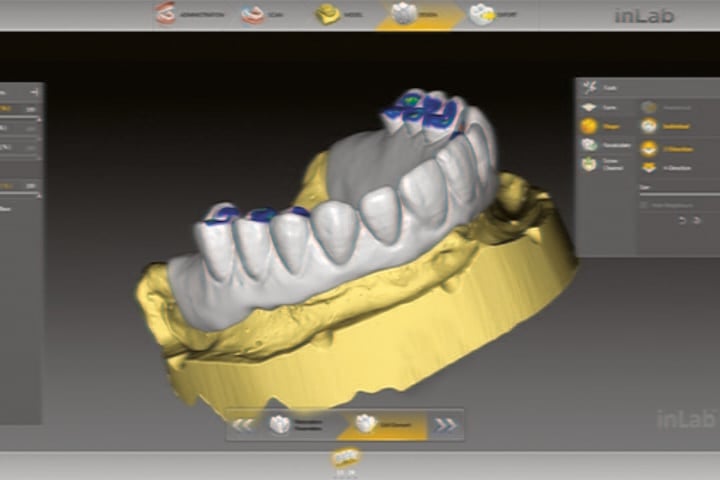
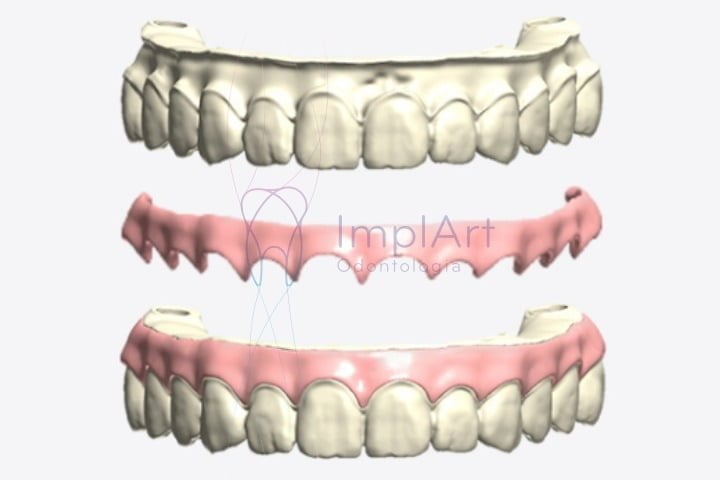
If your permanent restorations are fabricated in an external dental laboratory, the dentist will make a mold of the teeth to be restored. Molds or digital images of your smile are sent to the laboratory, where a three-dimensional simulation of the desired aesthetic proposal or smile restoration is made.
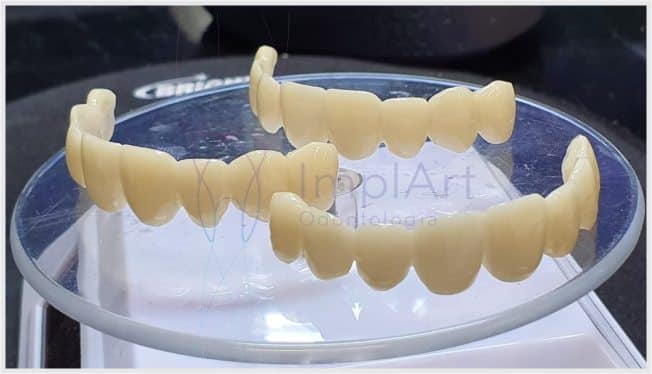
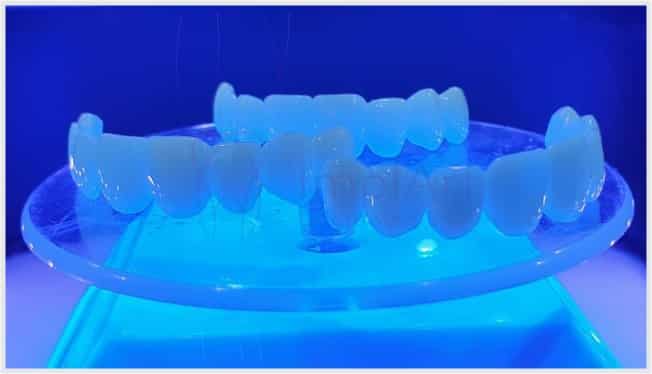
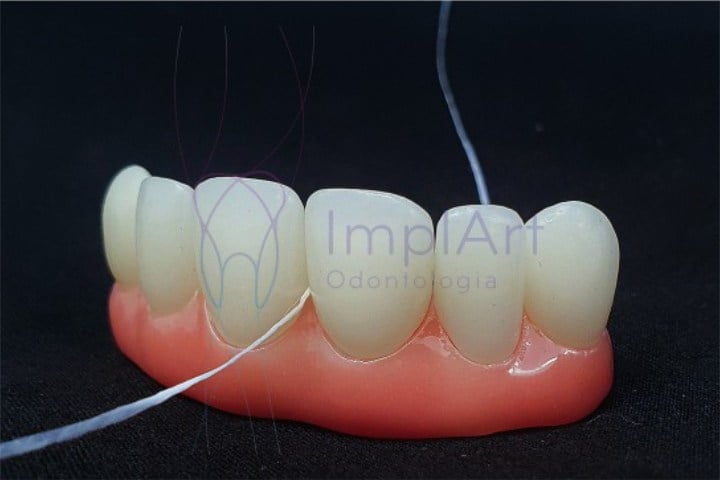
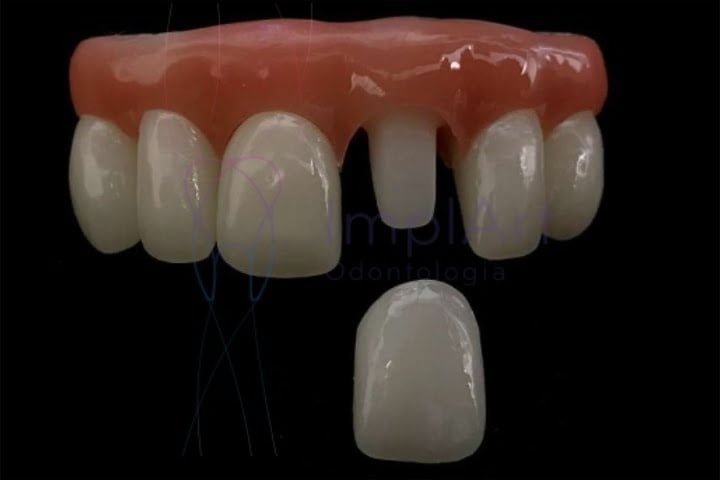
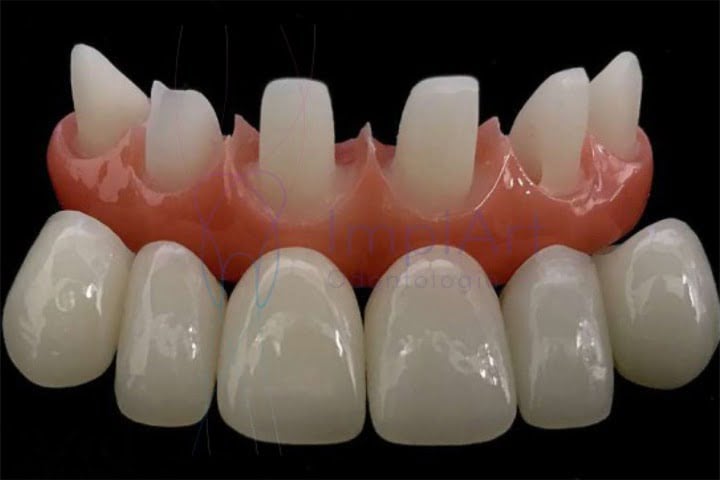
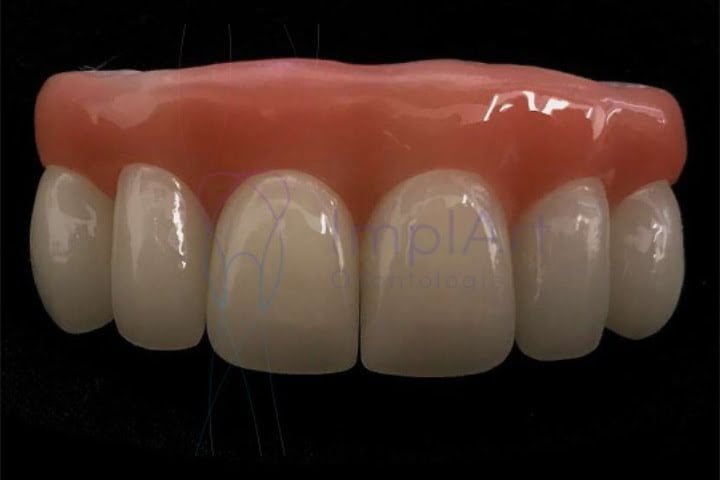
printed temporary teeth
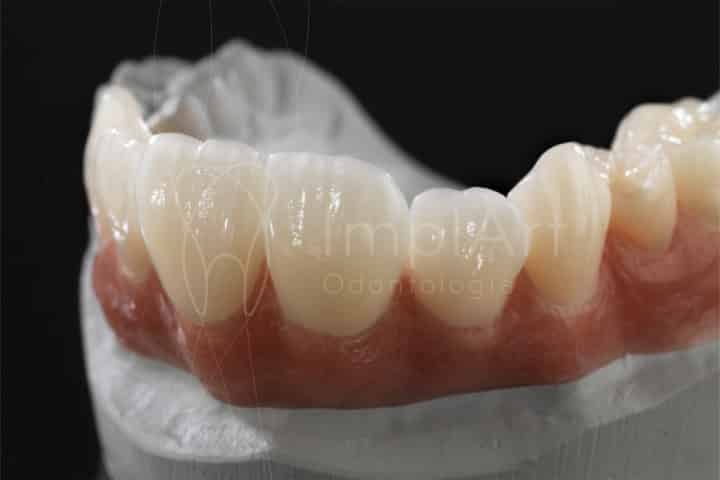
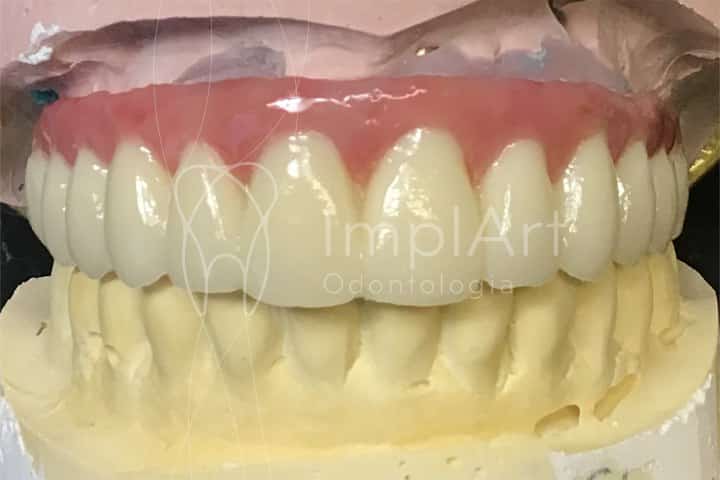
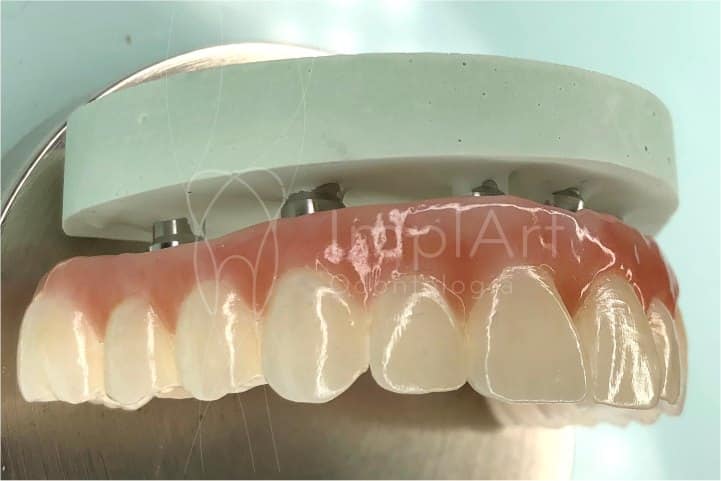
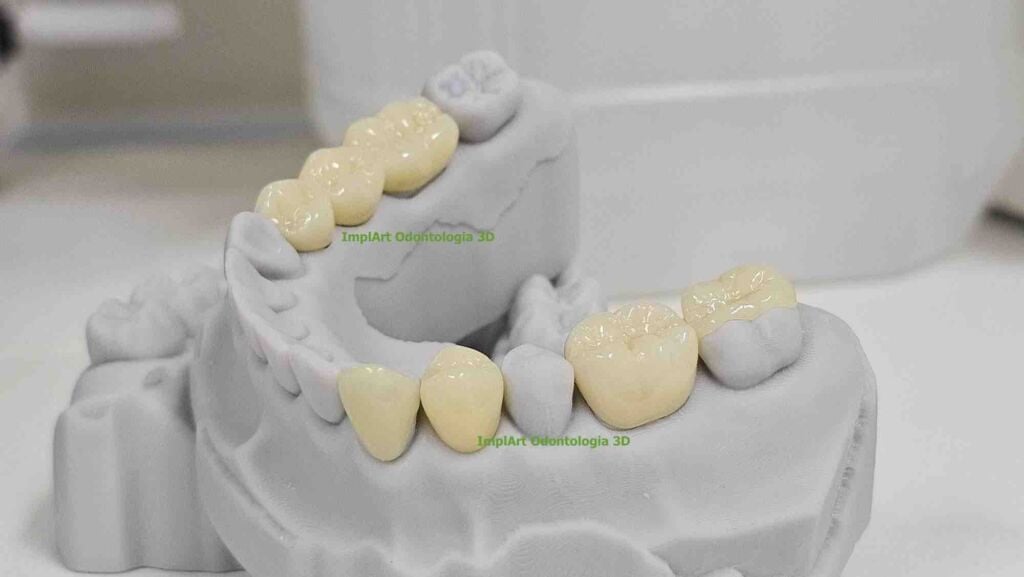
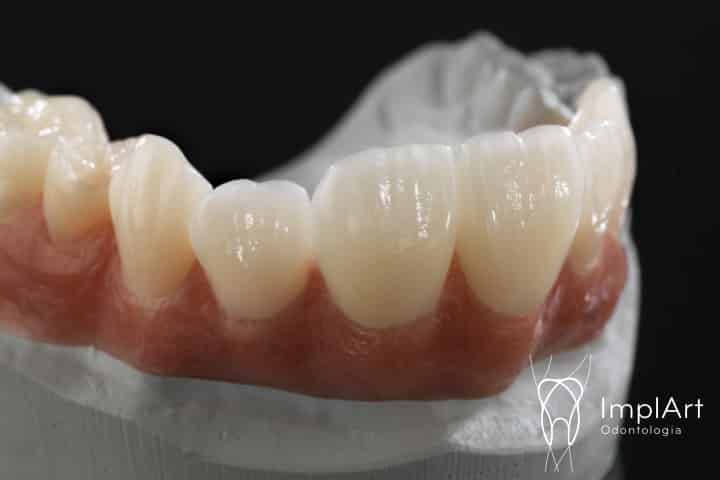
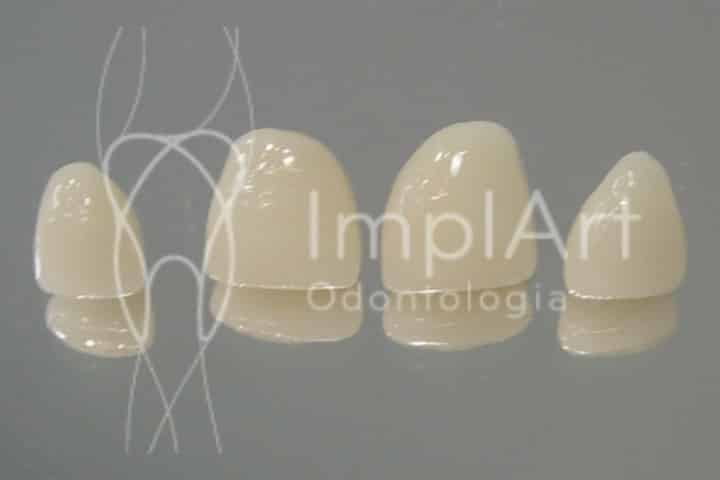
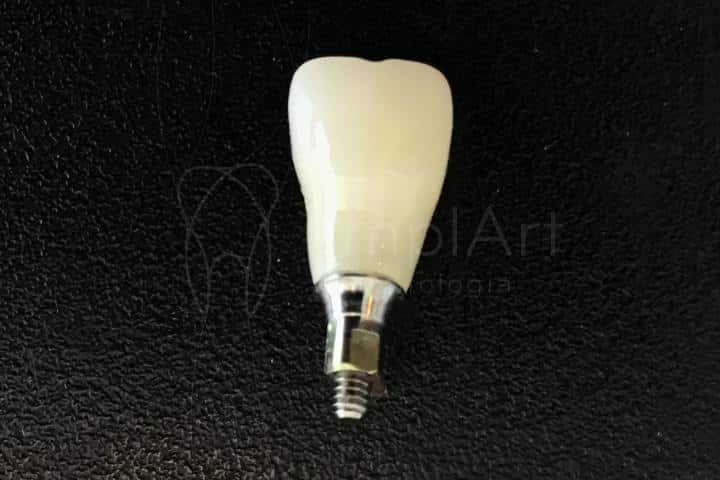
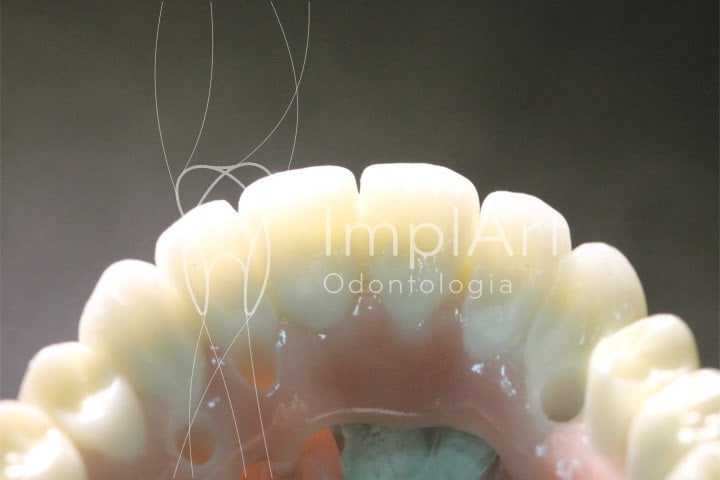
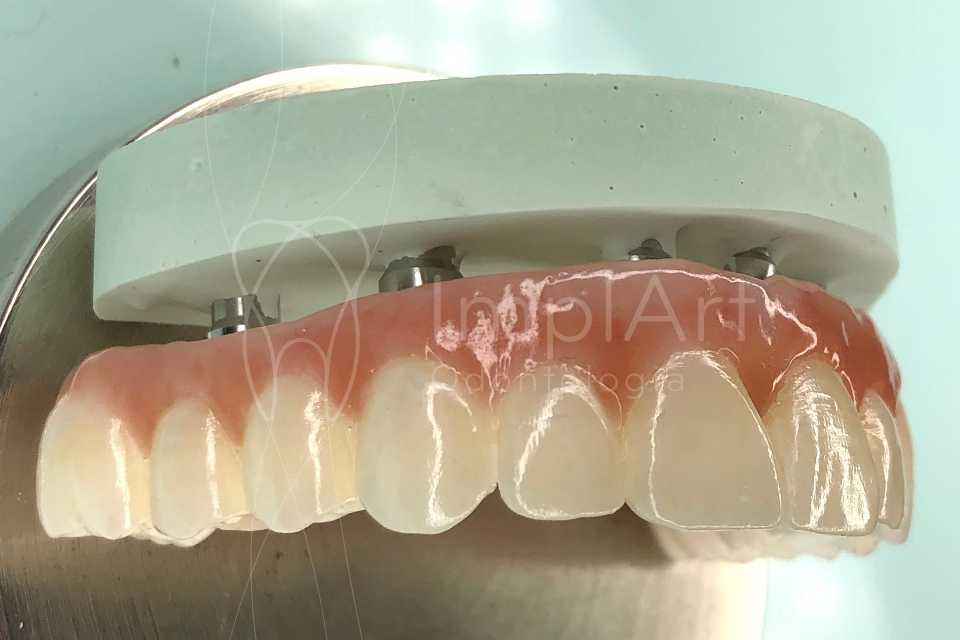
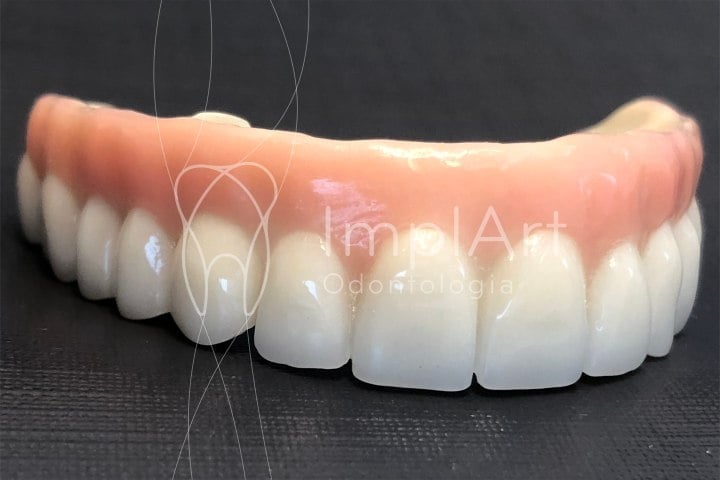
Temporary prostheses made on a 3D printer in our dental laboratory
Temporary teeth
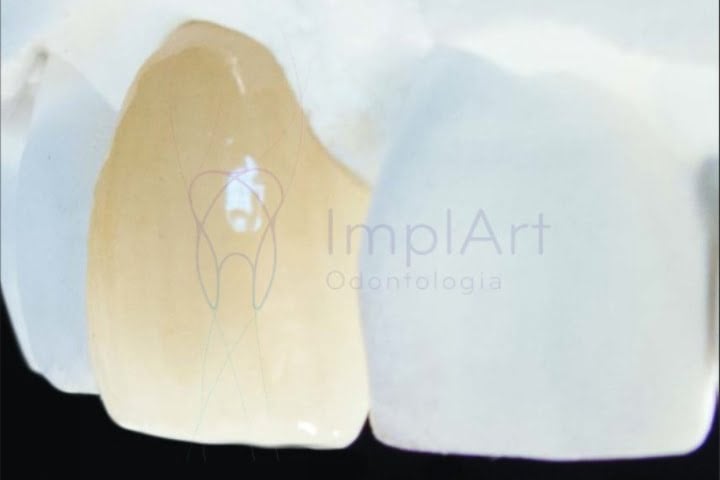
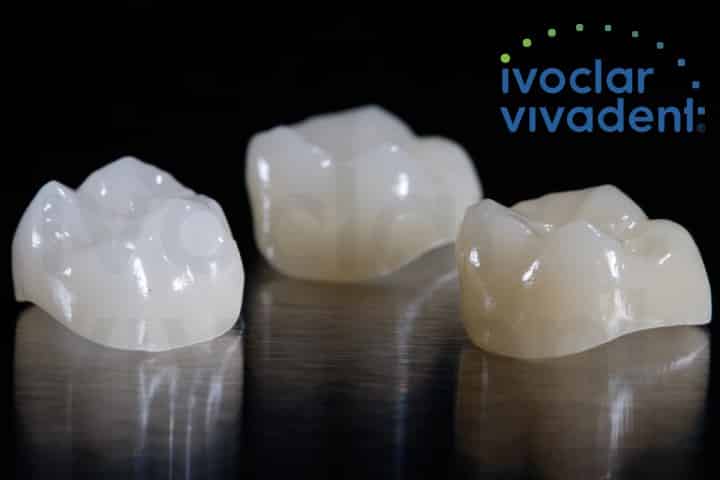
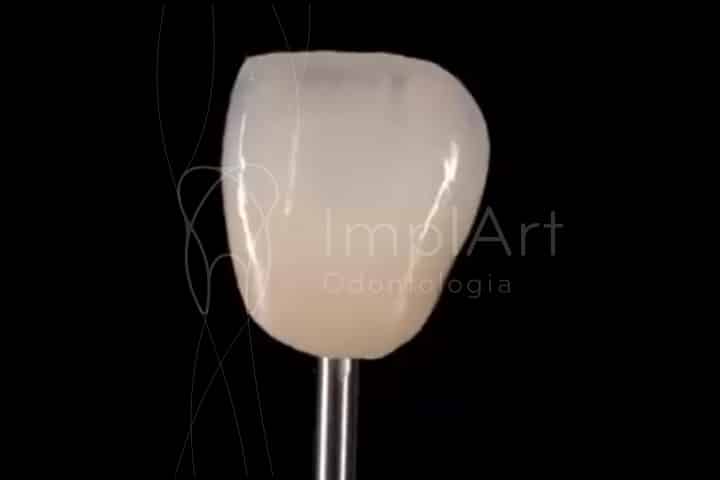
3D-printed provisionals in the light-hardening phase

The planning is returned to your dentist so that you can approve the shape, contours and appearance of the proposed treatment together with him. Once the treatment has been approved, your teeth are prepared for the final restorations.

Once the provisionals have been made, your dentist will install the teeth using a temporary cement (glue).

If changes need to be made to the bite or shape of the temporary crown, these can also be made at any time.

Materials used in provisional prostheses

Temporary restorations can be made using different materials. We will select the most suitable material for you, based on your treatment plan and taking into account how long you will need to wear it.

The materials used in the dental office to make provisional restorations include prefabricated acrylic (plastic) crowns, self-curing resins, light-curing resins, bisacrylic resins, composite resins, ceramics and, more recently, resins for 3D printing and resins for computerized milling.

Temporaries made in the laboratory are generally made of acrylic, but the ones we use most (at ImpLArt Clinic) are 3D-printed and those made by milling machines.

Materials for a temporary tooth should be strong, wear-resistant, natural-looking, with good color stability, easily adjustable and capable of producing temporaries with a good fit along the gum line.
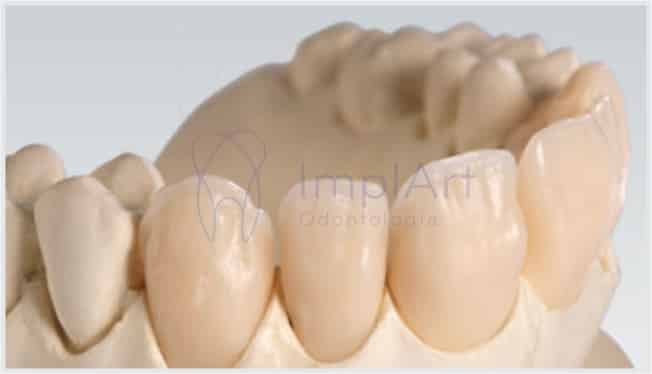
Temporary teeth
Temporary teeth 3D Printed : how and why they are used

Placing and removing provisionals

It’s very important that your provisionals are secure and stable in place. If they fall out, the prepared teeth can shift position and this can cause a change in the way the final and permanent restorations fit together.

Therefore, if your temporary falls out or you have a problem, call your dentist to schedule a brief appointment to have it re-cemented or replaced. Temporary crowns are typically bonded using temporary cement.

The temporary cements that dentists use generally have a soft, creamy consistency and come with a modifier used to loosen the cement when removing them.

When the temporaries are loose enough, your dentist will use finger pressure or an instrument such as tweezers to carefully remove them.

Can the provisional fall? Can it break?

When a temporary crown breaks, it should be replaced quickly. Both to protect the tooth below the crown and to avoid the aesthetic discomfort of having a broken tooth.

How much do temporary prostheses cost?

Generally, there is no separate charge for temporaries, as temporary restorations are a necessary part of many dental treatment procedures.

However, the cost of the temporary depends on different factors, including whether they were made in the dental office by the dentist or created by an external laboratory, the materials used to make them, the types and number of adjustments that may be needed, whether the temporaries are for one tooth or several.

An important cost consideration is how long the temporaries need to be in the mouth. For example, if the temporary is a denture or bridge with a dental implant, it may need to remain in place for six months to a year.

This is sometimes called a “long-term” temporary. In addition, if provisionals are used for aesthetics only, the dental insurance will generally not cover the costs associated with them.

For a more specific estimate, you should discuss the figures with your dentist in consultation. For example, consider that most cases of oral rehabilitation or smile design involve diagnostic planning in order to determine the best way to improve a person’s smile.

Dentists usually charge for this service, and these models can later be used to create temporaries.

How to use temps to view Smile Test Drives

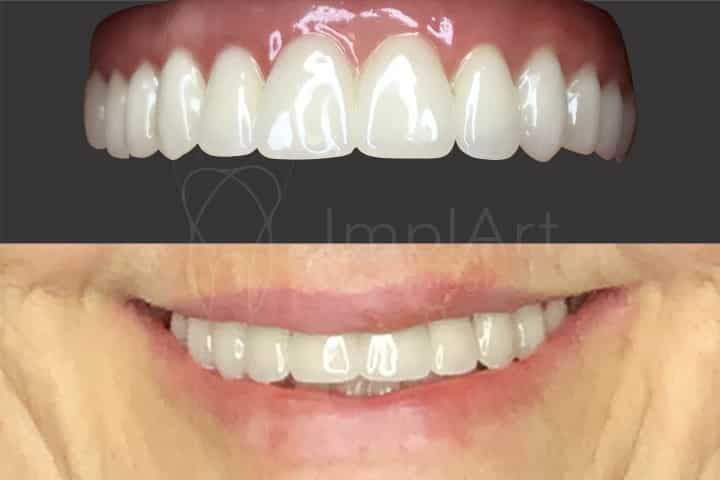
As well as serving a functional purpose, temporary restorations also offer a preview of the final treatment result. If necessary, you can ask your dentist for adjustments to the length of the teeth, shape, color and aesthetics.

Your dentist will technically adjust the temporaries for optimal comfort and functionality, as well as testing your ability to speak naturally. When you and the dentist are satisfied, a new impression will be taken of the 3D-print-approved temporary restorations.

The prototype model of your approved temporaries will then be sent to the dental laboratory, where your final restorations will be fabricated according to this “model”.

In our clinic this is even easier as we work with computerized technologies, so all you have to do is reprint the projected tooth in the new definitive material, whether it’s vitroceramic porcelain or dental zirconia.

In certain clinical situations, temporary restorations can be used to visualize the final results without wearing down the teeth. If you decide that the proposed treatment is not suitable for you, neither you nor your dentist will commit to wearing down the tooth.

In other situations (if there is tooth decay), your teeth should be restored before the temporary ones are made.
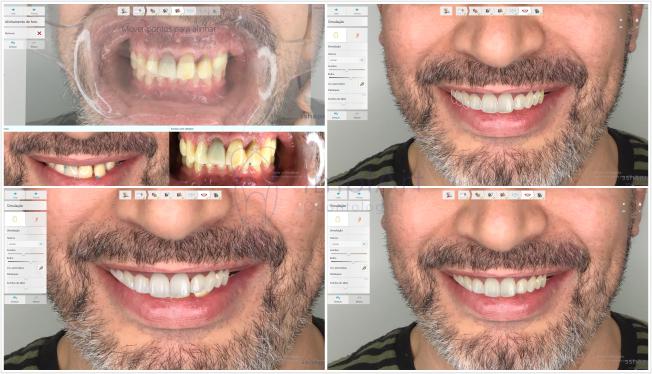
implart smile test drive
Smile test drive

Smile test drive or teeth mockup

A trial smile is a removable acrylic device used during the pre-treatment phase to give you and the dental team a clearer understanding of the expectations for the final result.

To allow you to see the potential result of the proposed restoration in three-dimensional form, a diagnostic wax-up is created and a removable test smile that you can wear in your mouth is made with this wax-up.

In our clinic, this result is planned using computerized models. An experimental smile is made from 3D-printed acrylic.

Once modeled and fabricated, the experimental smile is placed in the mouth. This allows you to instantly visualize, feel and test the result of your new smile with temporary teeth before undergoing permanent tooth preparation.

If you like the expected result, you can choose to continue with the treatment plan. After accepting the treatment, the next step is to get temporaries for the teeth involved.

Temporary prostheses: concerns, care and travel considerations

Provisionals are designed to restore teeth, usually for a short temporary period.

Although today’s temps are realistic, natural and durable, it’s common for some people to have problems with their temps.

Common concerns with temps include:

  • Temporaries can have a rough feeling that can be irritating to your tongue.
  • They fall easily.
  • Teeth with temporary crowns are more sensitive to heat and cold.
  • It’s harder to chew.
  • You’re not happy with the way the temps look.
  • Temporaries can cause bad breath if they are not cleaned properly.

Take care of your provisionals

To face as few problems as possible with your temporary teeth, following the care instructions below can be helpful:

  • Don’t eat or drink anything hot for at least an hour after your temporaries have been fitted.
  • So if you feel sensitivity in your gum tissue and teeth, take a mild painkiller and anti-inflammatory according to the instructions. Call your dentist if the discomfort doesn’t subside or gets worse.
  • Rinse with warm water and salt (1/2 teaspoon of salt in a four-ounce glass) for a few days after placing the temporary to help reduce gum sensitivity.
  • Avoid sticky foods such as toffee, caramel or chewing gum, as they can dislodge the temporary product.
  • When brushing your teeth, use a soft-bristled brush to gently massage the gum tissue.
  • Still floss daily, but pull the floss along the sides of your teeth instead of upwards.
  • To avoid breakages, don’t chew hard substances such as nuts, ice, peanuts or pencils. If possible, chew on the opposite side of your mouth.

I’m going on a trip and I still have temporary crowns, what should I do?

Depending on the procedure you are undergoing, it may be necessary to remain in São Paulo until the end of a stage of the work or until the final conclusion (rapid treatments in DayClinic).

During this treatment you may need (or want) to wear temporaries / temporary teeth.

Also make sure you discuss this with your dentist before starting any procedure, so that he can schedule the fabrication of your temporaries in time for your trip.

Satisfactory temporaries are especially important when travelling away from the dentist, as it can be more difficult to see the dentist if there are problems with fit, function or the temporary falling out.

Also, if you’re planning a vacation or business trip, complete any necessary dental work before you leave.

If this isn’t possible and you need to use provisional or temporary teeth, let your dentist know your travel plans as far in advance as possible, as this may affect the type of temporaries he will make for you and the strength of the cement used to adhere them.

Before your departure, schedule a preventive check of your temporaries to minimize the possibility of dental emergencies while you’re away.

Watch our videos on digital dentistry and talk to us if you have any questions.

Types of dental prosthesis materials

First of all, there are different materials used to make dental prostheses. Tooth loss occurs due to various factors, which is why there are also various types of prosthesis that can be indicated for each patient’s needs. Dental prostheses can be made on full-arch dental implants, protocol prostheses or even on individual dental implants. Therefore, as there are many types of prostheses, from fixed prostheses to removable prostheses ( dentures ), we have decided to explain the types of dental prostheses in a very simple way.

The aim is certainly to help you learn more about all the options available and also to help you decide on the best treatment option. See more below.

Learn about the main types of dentures

First of all, teeth are very important for health, aesthetics and well-being. The absence of teeth therefore compromises speech, chewing, social interaction and even general health.

In addition, difficulty chewing can sometimes influence the poor intake of important nutrients.

The great news is that dental prostheses today are very advanced and increasingly resemble natural teeth, not only in appearance but also in function. What’s more, there are many options for prosthetic materials, from conventional teeth to fully computerized ones

Therefore, we will discuss the main types of dentures and dental crowns and the characteristics of each one below.

Classification by type of prosthesis. By size

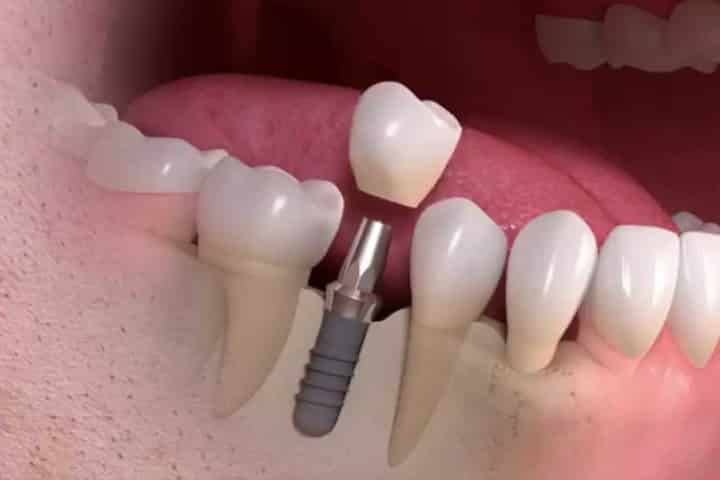
single dental implant
Single or individual denture – This is a denture in the shape of a single tooth element.
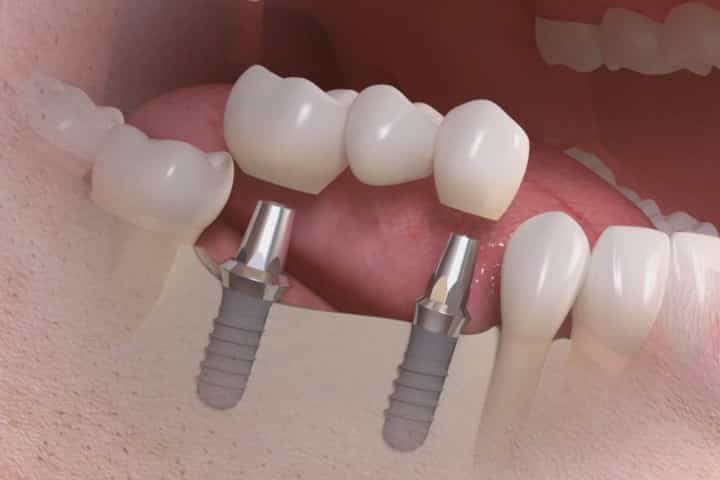
partial implant fixed dental bridge
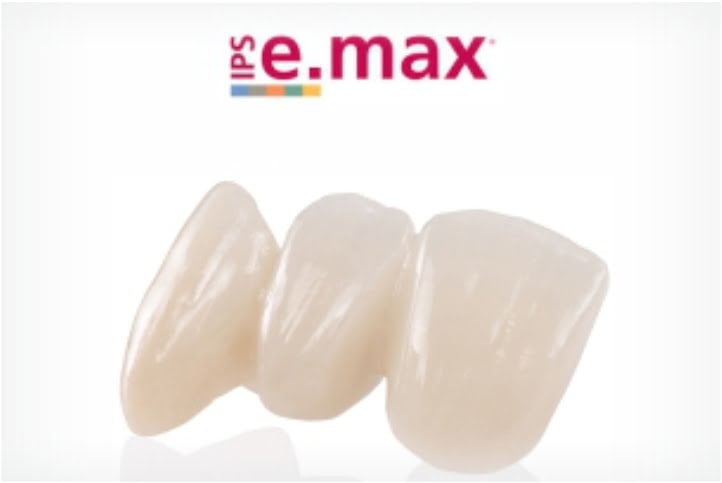
Partial or multiple prosthesis – This is a bridge-shaped prosthesis that contains three dental elements, the central one suspended over the gums. It is therefore used to replace teeth that have been lost sequentially.
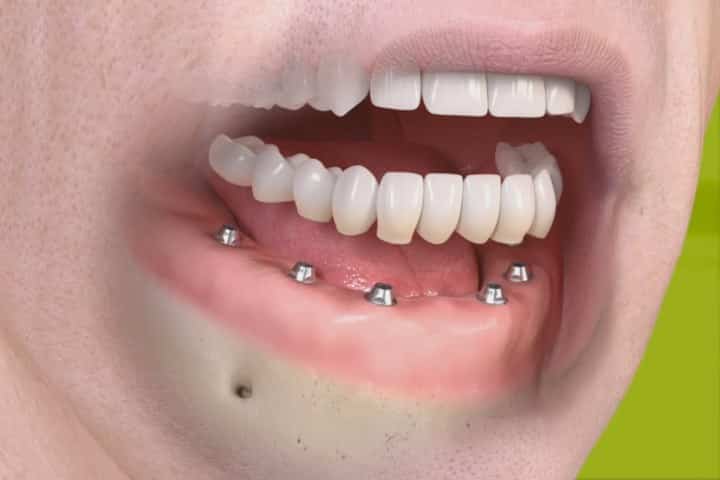
total implant fixed dental prosthesis
Full dentures – These are used to replace all the teeth in a dental arch when the person has no teeth left.

Description by type of prosthesis . Fixation method

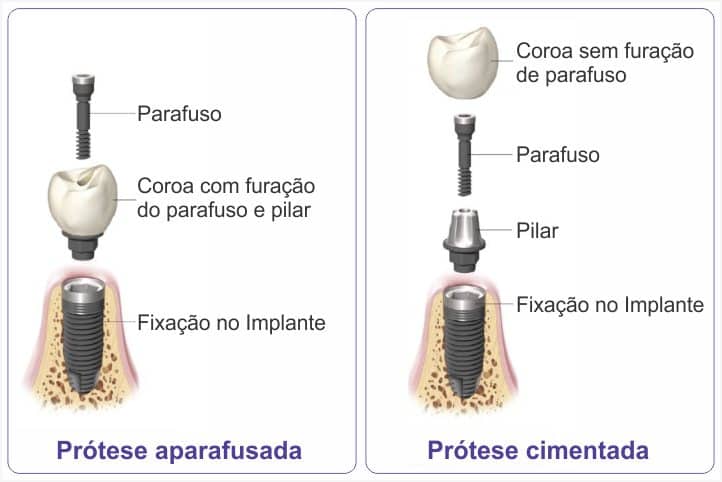
By method of attachment, dental prostheses can be cemented or screwed.

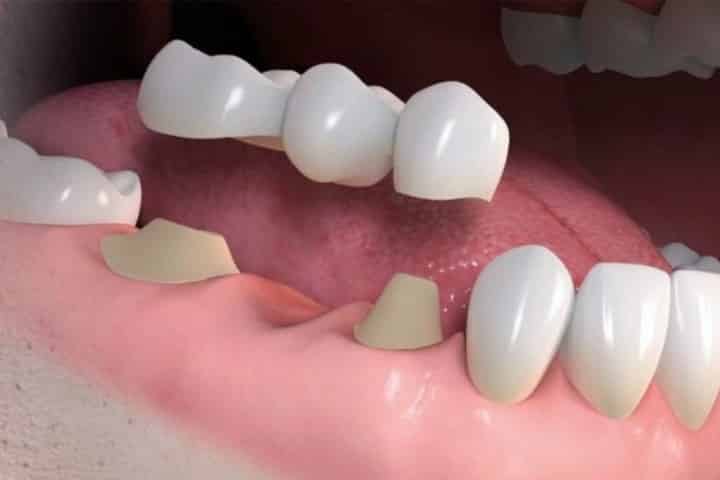
bridge over teeth
Cemented crowns on teeth
screwed crown versus cemented crown
Crowns on implants can be of the cemented or screwed type

Description by type of prosthesis . Type of support

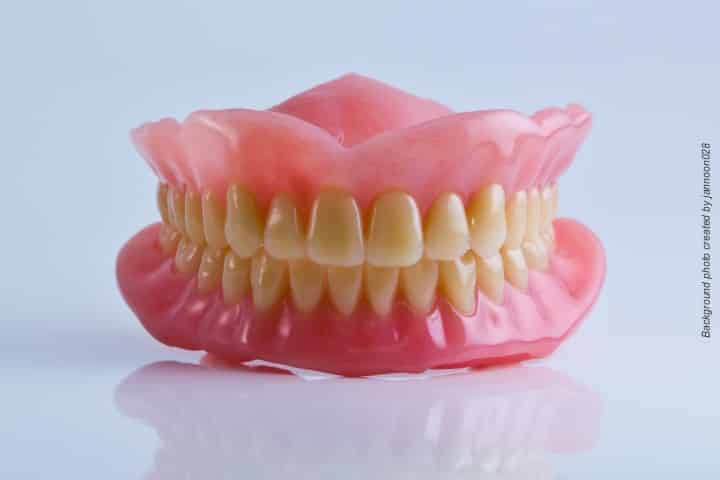
mobile dentures - materials for dental prostheses
Gum-supported dentures – Full dentures that are supported on the gums and are held in place by the shape of the denture or with the aid of attachments.
cemented bridge over teeth - prosthetic materials
Supported on teeth – The single or partial denture can be bonded to teeth that can still be maintained, usually with a treated root canal and with part of the remaining structure prepared. In this way, the partial denture can also be attached to the lateral teeth using metal clips, but this technique has some disadvantages, such as exposed metal and a certain amount of discomfort.
fixed dental bridge on dental implants
Implant-supported fixed prosthesis Single, partial or total prostheses can be fixed on dental implants surgically installed in the jawbone or mandible. In the case of complete dentures, the implants are strategically distributed throughout the arch.

Classification by type of dentalprosthesis materials

resin fixed total dental prosthesis on implants
Resin dental prosthesis – Plastic material used to make a single prosthesis, partial or total, on gums or on an implant. The Branemark protocol is a total prosthesis with a metal framework and resin teeth and gums.
metal ceramic total prosthesis
Metal-ceramic prost hesis This is a single, partial or total prosthesis with a metal structure and teeth made of dental porcelain.
zirconia total prosthesis fixed implants, zirconia is one of the best materials
Applied zirconia dental prosthesis – Single, partial or total prosthesis with an internal zirconia structure and teeth made of dental porcelain. Extremely aesthetic and similar to natural teeth.

Temporary teeth
Pure zirconia dental prosthesis – Pure zirconia is also known as cubic zirconia, or translucent zirconia, monolithic zirconia, as well as multilayer zirconia.

On the type of gum characterization and materials

zirconia total prosthesis for aesthetic implants
Artificial gum prosthesis Artificial g um prosthesis is indicated for people who have had a lot of vertical bone loss, cases in which the gums have been reshaped and therefore the arch has lost its shape, or who have lost their gums for other reasons. In this case, the artificial gum mimics the shape and color of the natural gum so that the prosthesis looks more natural and the teeth don’t get too long.
full dentures without artificial gums
Without artificial gums (teeth only) – Dentures without artificial gums are indicated for people who maintain the volume and arch of their natural gums (for example, someone who has a tooth extracted and then has a dental implant placed). It is certainly not possible to make a gumless prosthesis in all cases, so please consult us.

Type of impressions and prosthesis planning

computerized dental prosthesis design for modern materials
Computerized impression taking – Technological advances allow us to take digital impressions with intraoral scanners and processes that are part computerized and part manual. This undeniably allows us to make faster, more personalized, more aesthetic prostheses with excellent adaptation.
Temporary teeth
Conventional molding – made with putty and the prosthesis manufactured using completely manual processes. The result can be excellent, but the work can take longer.

Some of the prostheses made at the ImplArt Dental Clinic

First of all, we know that images are important for seeing the results of a treatment and analyzing the differences in prosthesis materials. We have therefore included some images below so that you can see the different types of dentures made at Clinica Dentaria ImplArt.

First of all, this material has been prepared to educate you, so if you have any questions about the types of prostheses, please contact us. We at the ImplArt Dental Clinic are happy to help you and answer all your questions about dental prosthesis materials and dental implants! If you would also like to know what dental implant surgery is like , click HERE.

Pure porcelain Emax crown for highly aesthetic implants

Contemporary dentistry continually seeks solutions that combine the highest functional performance with unparalleled aesthetics, especially in dental implant rehabilitations. In this context, Pure Emax crowns emerge as the material of choice for cases demanding maximum naturalness and seamless integration with the patient’s smile.

Unlike other materials, Pure Emax, a type of lithium disilicate, offers a translucency and opalescence that perfectly mimic natural tooth structure, making it the ideal choice for crowns over implants in highly aesthetic areas. It’s important to highlight that these cutting-edge solutions are crafted in Brazil, reflecting our Clinic’s commitment to excellence in dental technology and artistry. Discover how this advanced technology, with its roots in Brazil, is revolutionizing dentistry, providing results that exceed expectations and restore confidence and beauty to smiles.

The digital all-porcelain crown is a highly efficient ceramic system used to make prosthetic crowns for dental implants.

What are digital pure porcelain crowns made of?

Lithium disilicate ceramics have aesthetic and resistance properties comparable to natural teeth. They are the best and most technologically advanced materials for achieving aesthetic teeth because they are white and translucent, which makes the crown look natural even in the brightest of environments.

e.max ceramic was developed for use in Digital Dentistry Systems, with a 3D printer that sculpts dental prostheses. With this system, the all-porcelain crown can be made quickly, with more strength and naturalness than other materials made by hand.

pure porcelain crown
Cemented pure porcelain crown indicated for cases with a greater need for aesthetics

What is the best material for pure porcelain digital prostheses?

The digital porcelain crown is made as a monoblock, i.e. it has no internal reinforcement layers, as the computer will create the crown from a prefabricated block of dental porcelain.

Temporary teeth
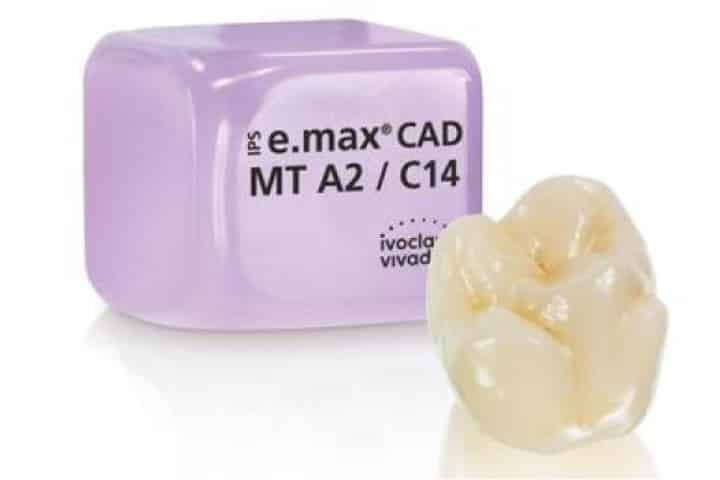
Example of raw material blocks for computerized dental porcelain EMAX CAD
Temporary teeth

The Pura Digital porcelain crown is an evolution in the materials used in dental prostheses. With it, it is possible to reproduce details that make the prosthesis similar to natural teeth. With the Cerec System, the e.max crown is made more quickly and precisely, because it is designed on a computer and sculpted by robots.

The main advantages of modern porcelain crowns:

  • High resistance todental fracture and durability;
  • Very aesthetic look, comparable to a natural tooth;
  • Range of blocks with different colors and types of resistance for different uses;
  • Stain-resistant material;
  • It can be made using the Metal Free technique (no metal in the internal structure). This makes the crown look translucent and much more aesthetic in bright environments.
  • It can be designed and built quickly thanks to the Cerec system.
Temporary teeth

To make digitalpure porcelain crowns , we use CAD/CAM techniques:

1 – Intraoral scanner: It all starts with the digital molding of the dental implant with a high-precision color camera that takes images of the oral interior and sends them to the computer.

2 – Computer and software: receives the information captured by the intraoral scanner and carries out the simulation and personalized planning of the dental crown using three-dimensional images.

3 – Machine manufacturing: robots mill the e.max ceramic block based on the computerized design until the shape of the crown is achieved. The result is certainly a piece that is strictly compatible with the patient’s needs.

Temporary teeth
Pure porcelain crown for natural teeth

It is common for a temporary crown to be made before finalizing the permanent tooth to test whether the computer modeling is correct. Immediately after milling, the piece undergoes a crystallization process at approximately 850°C for 20 to 30 minutes and acquires high resistance, shade and translucency.

When the crown is finished, it is attached to the previously installed dental implant. For your convenience, the Cerec System and e.max ceramics are available at ImplArt Dental Clinic in Brazil. As an alternative to the pure porcelain crown, we now have an even more resistant material, translucent pure zirconia.

If you have any questions about this or other techniques and prices, please make an appointment or contact us. We are located in the Paulista Avenue area/Downtown of São Paulo. We will be happy to assist you.


Metal-ceramic prosthesis for implants

Metal-ceramic prostheses, also known as porcelain-fused-to-metal (PFM) prostheses, offer a reliable and durable solution for patients seeking tooth replacement with both aesthetic appeal and structural strength. These prostheses consist of a metal framework covered with layers of porcelain, ensuring a natural look while providing long-lasting stability. Widely used in dental rehabilitation, PFM prostheses are ideal for patients who need durable solutions, particularly in areas of the mouth where the force of chewing is greater.

At Clínica ImplArt, the application of metal-porcelain prostheses combines advanced dental technology with expert craftsmanship, ensuring optimal results for each patient. The clinic’s dental specialists are well-versed in modern techniques that improve both the functionality and the aesthetics of these prostheses, delivering a solution that blends seamlessly with natural teeth while maintaining high resistance to wear and tear over time.

The metal-ceramic prosthesis is a traditional material for making crowns on implants

Metal-ceramic (metal + ceramic) crowns and prostheses are the most common option for making a crown or prosthesis on an implant.

How do the prostheses work with this building materials?

Metal acts as a structural reinforcement, while porcelain offers aesthetics. Therefore, the positive points of this material are: resistance, great durability and aesthetics, characteristics that are very similar to natural teeth.

Metal-ceramic dentures also have a great ability to blend in with the natural coloring of neighboring teeth. Porcelain can also be used for the prosthesis of one or more teeth on dental implants. Metal-ceramic prostheses on dental implants are undoubtedly a highly durable and comfortable option for patients.

Among the indications for metal-ceramic crowns on implants are also crowns, bridges and complete fixed prostheses. One of the great difficulties in working with metal ceramics is the need to completely hide the metal.

metal-ceramic
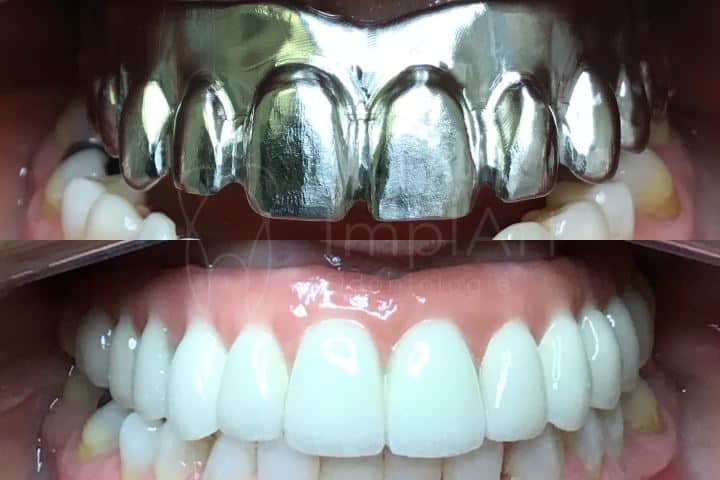
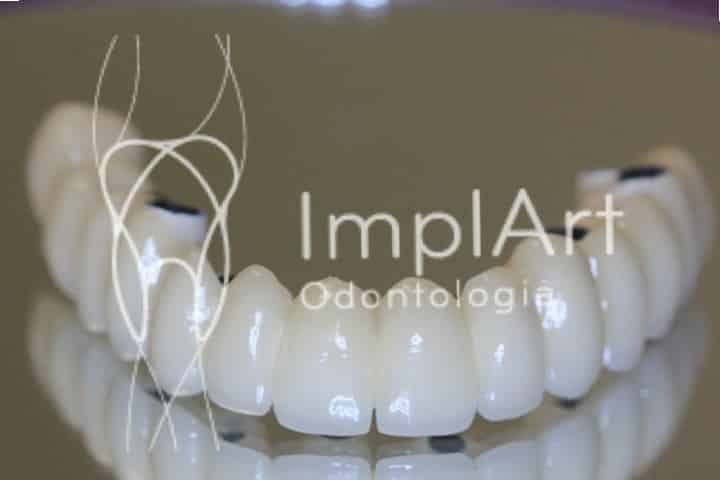
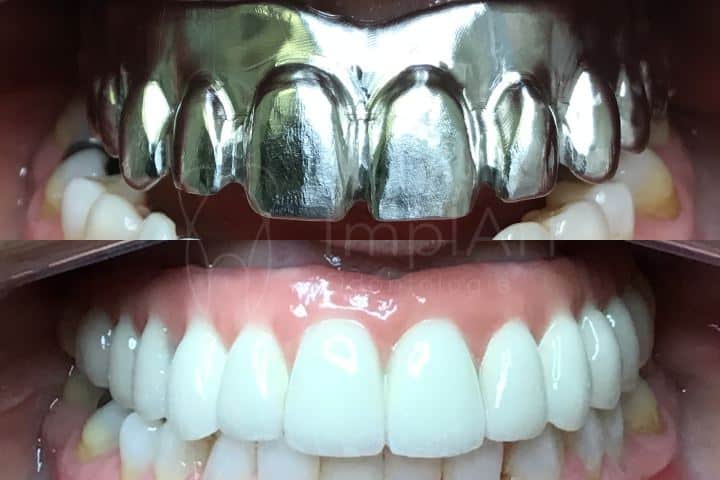
Metal-ceramic fixed prosthesis for full-mouth implants – fully fixed for all teeth. The first photo shows the internal metal structure (framework) and the second shows the prosthesis finished with porcelain.

Example of metal-ceramic prostheses made at the ImplArt Clinic

How are the aesthetics of metal-ceramic dental crowns? Does the metal not show?

This model of crown can change over the years. Sometimes the gums can recede over time and expose a metal line, compromising the aesthetics of the smile.

Especially in areas where aesthetics are essential, we recommend zirconia crowns. These are prostheses with an internal structure made of zirconia, a white ceramic material with a shade and translucency very similar to human dentin.

In addition, the application of porcelain in metal-ceramic prostheses is completely handmade and the final aesthetic depends a lot on the skill of the ceramist (technician who works with ceramics).

If you have any questions about techniques, prices or treatments, please contact us or make an appointment. We’ll be happy to welcome you!

zirconia dentes individuais

Fixed dentures with individualized separate teeth

Fixed zirconia prostheses with individual teeth (one by one) is the technique that fixes the crowns on each tooth individually, i.e. the crowns are separate and not joined together. Discover our new model of fixed dental prosthesis with teeth separated one by one, made using computerized techniques. It’s our best dental prosthesis on a total implant, made with the best materials and techniques, check it out!

This type of prosthesis is made on dental implants and is an excellent option for those looking for a complete zirconia implant prosthesis on implants and seeking the most natural result possible. In this option, the patient can floss between the teeth, simulating the same situation as natural teeth.

ImplArt Digital Dentistry 2020 launch

dentures with individual teeth
Dentures with fixed crowns allow flossing. With other types of fixed prosthesis, it is not possible to use dental floss for cleaning, as the teeth are made together.

New fixed zirconia prosthesis with individual teeth brings great satisfaction due to its naturalness

The main indication for the one-to-one fixed prosthesis technique is to replace teeth that have been lost for an entire continuous stretch, or for all the teeth in the mouth.

However, fixed prostheses with individual teeth are not suitable for those who have lost only one tooth, or teeth in alternating positions.
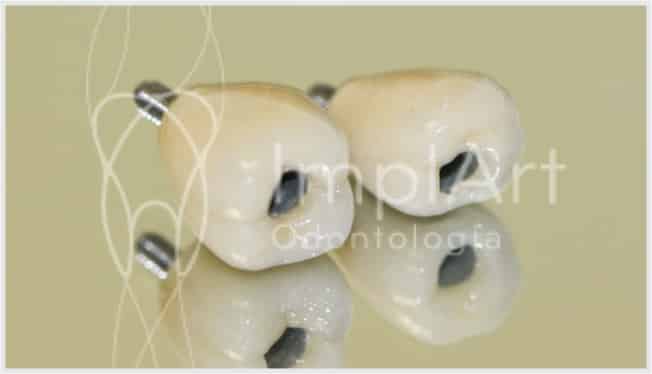
The procedure to further individualize teeth with a fixed dental prosthesis consists of inserting dental implant pins into the bone. The zirconia crown is then fixed onto a framework, which in turn is attached to the dental implants.

However, the indication for a fixed prosthesis with individual teeth needs to be examined by the implant dentist. In this way, the indication for a dental implant must be made and the feasibility of making this modern type of prosthesis with individualized teeth verified.

The dental implant specialist must determine whether the case meets the requirements to receive individualized zirconia crowns or single dental porcelain crowns on a fixed prosthesis.

Temporary teeth
In fixed prosthetics with one tooth at a time, there is a reinforcing structure, and then each individualized zirconia crown of just one tooth is cemented onto this structure.

Can I make a more individualized fixed prosthesis in which the teeth look more natural?

In principle, the basic requirements for making fixed zirconia prostheses with individualized teeth are:

  • Possibility of dental implants: The bone should allow the necessary implant pins to be made. However, if the bone is not sufficient, bone grafting can be carried out in the area.
  • Small bone volume: Fixed prostheses with more separated teeth require a large volume of components. This is why in cases of severe bone loss or when the patient has lost their teeth a long time ago, it becomes easier.
Temporary teeth
Fixed dental prosthesis with individualized zirconia crowns of several teeth (the teeth are separated) disassembled. A layer of gum of the same color as the patient’s original gum is applied to the structural part. Each tooth needs to be installed separately during the fixing of the prosthesis.

The main advantages of a fixed prosthesis with one tooth at a time:

Temporary teeth
Fixed dentures with separated teeth offer an extremely natural and comfortable result.

Which materials can be used for prosthetic work on separated teeth?

For the structure: the main material used today for the structure of this type of fixed dental prosthesis is translucent dental zirconia. However, we can also use a very resistant metal as a reinforcing material (hybrid prosthesis), and there are now more technological resins (PEEK) that make it possible to make fixed prostheses.

For dental crowns: to make individual crowns (one by one), we can use any material that is used for this purpose, such as ordinary porcelain crowns. However, we prefer to use translucent dental zirconia, an extremely resistant and aesthetic material.

Other materials that can be used to make the teeth of the prosthesis are: pure porcelain (emax, common feldspathic porcelains), or even the old metal-ceramic crown (but the aesthetics are not so good).

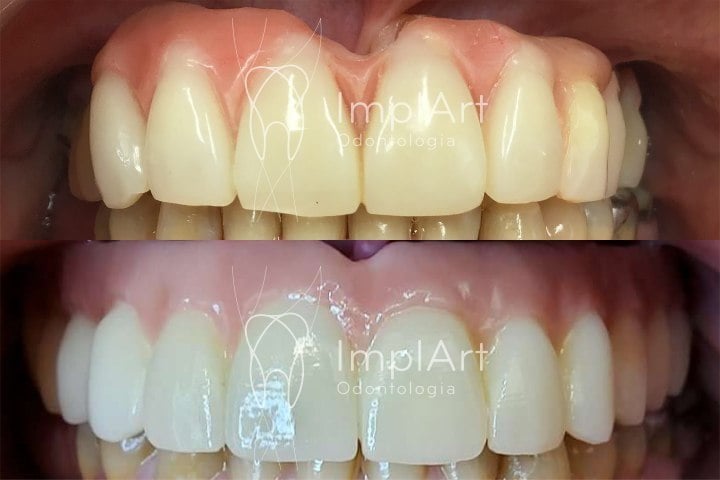
During the provisional phase, the crowns are made of resin so that we can check the aesthetics and symmetry of the smile together with the patient and make the necessary corrections before finalizing the individualized and customized dental prosthesis.

Read more about dentures

If you have any questions about pure zirconia fixed prostheses with individual teeth, about the value, price or step-by-step, please contact our team or make an appointment. We’ll be delighted to hear from you!

Full Arch Dental Implants: what is it, how it works and how it looks

I’m sure many of you have heard of the Full Arch Dental Implants treatment. But do you know how the treatment works? Fixed Implant-Supported Prosthesis treatment involves two stages, one surgical, with the insertion of dental implants, and the other prosthetic, with the realization of the fixed prosthesis on the implants. It can be carried out on both the upper and lower arches. This treatment is also known as All-on-4, All-on-6 or even All-on-X.

Through simple and painless surgery, implants are inserted that will support a fixed prosthesis. Normally 4 to 6 implants are inserted in each arch. The surgery is carried out in an office and the patient can go home immediately afterwards. There are modalities with local anesthesia, or with intravenous sedation, if the patient prefers.

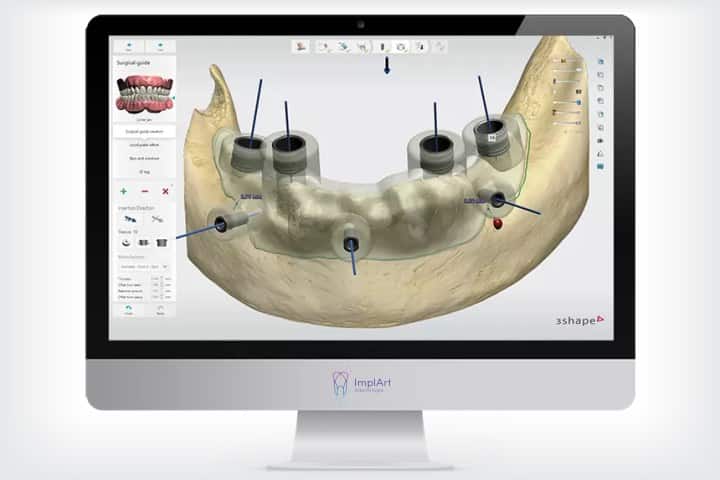
Here at ImplArt Dental Clinic, located in São Paulo, Brazil, there is also the option of performing dental implant surgery using the computerized guided surgery technique. This technique eliminates the need to make large cuts and sutures in the gums, making the post-operative period for implants easier and therefore faster to recover from. The surgical guide acts as a template with indications of where the incisions should be made to place the dental implants. The surgical guide is custom-made according to the patient’s computerized tomography images, using a 3D printing method.

See images of the Full Arch Dental Implants below

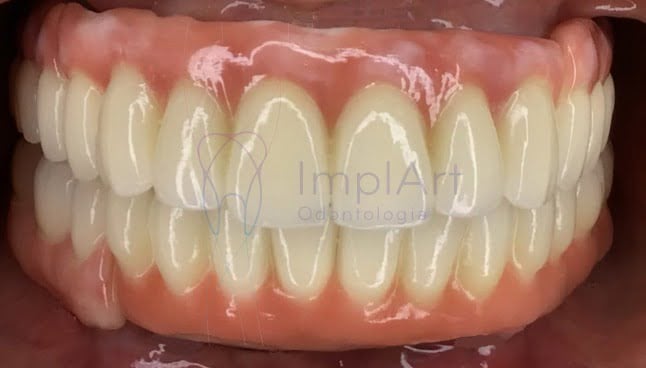
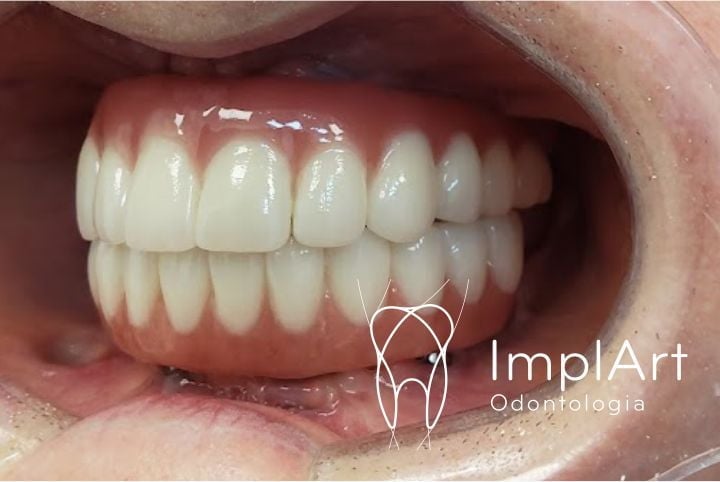
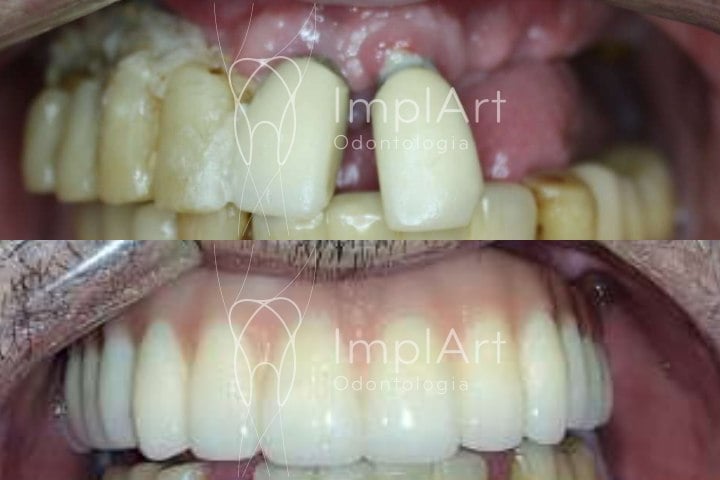
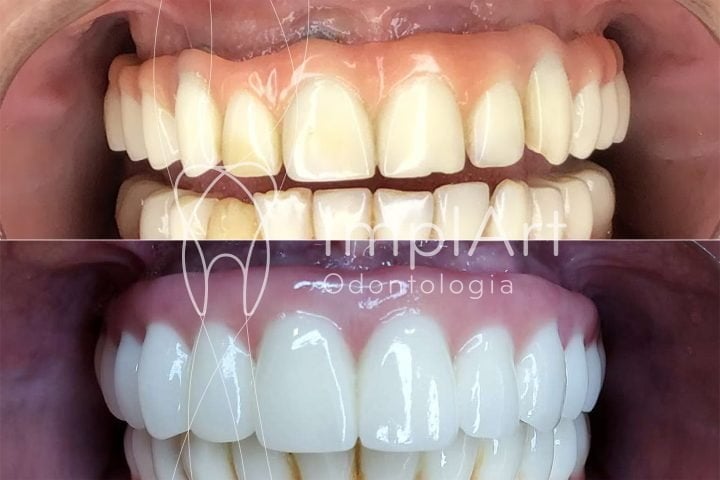
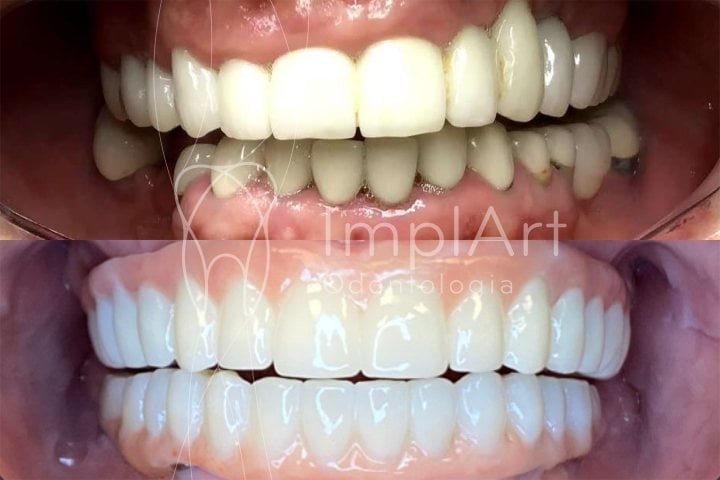
See below for this treatment with an upper Fixed Implant-Supported Prosthesis and a lower Fixed Implant-Supported Prosthesis. Firstly, implant surgery was carried out and a temporary fixed prosthesis installed on the day of surgery. Secondly, after the dental implants had healed, we made the Zirconia Prosthesis a fixed over the implants.

Image Total Implant and Full Arch Dental Implants Prothesis in Zirconia is the natural and resistant
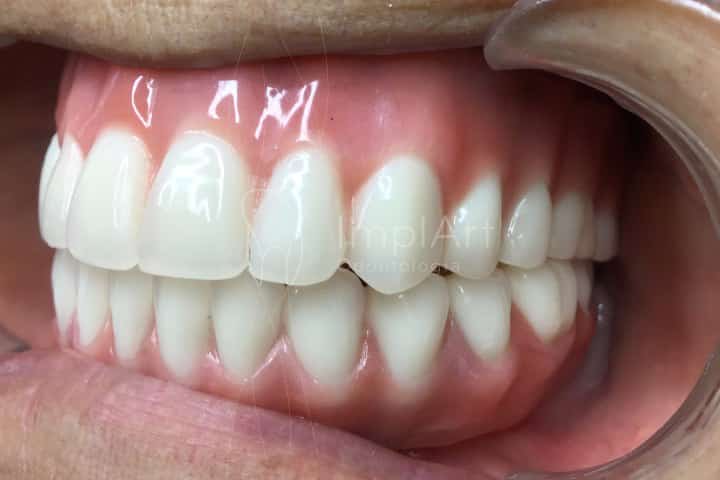
Image of Translucent Zirconia full arch prosthesis over implants – side view of the installed Zirconia prosthesisFull Arch Dental Implants

Implant-Supported Fixed Full-Arch Prosthesis, what is it?

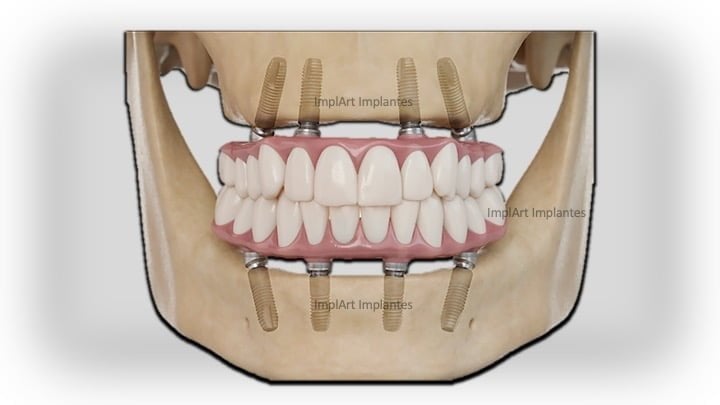
The Implant-Supported Fixed Full-Arch Prosthesis is a type of total fixed dental prosthesis that is indicated for people who have lost all their teeth in the same arch. It consists of 12 to 14 teeth attached to a single structure screwed onto 4 to 6 strategically placed dental implants.

A full-arch-dental-implant treatment provides a quick and efficient solution for oral rehabilitation. All-on-X treatment certainly provides surprising aesthetic and functional results that help restore the natural appearance of the smile and consequently improve self-esteem.

How does the full-arch-prosthesis work?

The first step is to schedule an appointment with Dr. Roberto Markarian, who will first carry out a thorough assessment of the patient’s oral and general health and habits.

It will also be necessary to carry out a radiographic examination, which is a computerized tomography scan, to visualize the volume of bone and its quality. This is essential for planning the number of implants that will be placed in the bone, both in the upper and lower arches.

When is Fixed Implant-Supported Prosthesis recommended?

Firstly, fixed Implant-Supported Prosthesis is recommended for patients who wear dentures, and for those who suffer from periodontitis or severe periodontal disease.

It is important that, even if the patient suffers from periodontitis, the disease is controlled by eliminating any sources of infection (plaque, tartar, calculus) and controlling gingivitis.

Thus, if the disease is well controlled and the bone is healthy, there is the possibility of replacing the extracted teeth with dental implants.

It is common for a patient, on receiving a poor prognosis for a tooth, to want to save it at all costs. Although in some cases it is possible to save a tooth with compromised periodontal structures, in most cases an experienced professional will be correct in recommending extraction and placement of a dental implant.

How do you change from dentures to a Fixed Implant-Supported Prosthesis? Full Arch Dental Implants Prothesis

You may be wondering: how do I know if I can have my dentures replaced with implants with a fixed prosthesis?

People who have been wearing dentures for many years can experience a lot of bone loss in the jawbone, and this is a common concern for people who would like to have implants placed in order to wear a fixed prosthesis. Alternatively, we perform various bone grafting techniques, or use short implants designed for those with bone resorption.

Undeniably, it is always a great relief for patients to change their dentures for Fixed Implant-Supported Prosthesis. We, who specialize in this type of full-arch-dental implants treatment, follow the changes in the daily lives of patients every day, who are able to increase their quality of life with this treatment. Therefore, replacing dentures with implants only has benefits!

The difference between a Fixed Implant-Supported Prosthesis and a removable denture

The Fixed Implant-Supported Prosthesis provides stability when chewing and total confidence for the patient, since there is no need to remove it for daily hygiene. Patients report at the end of their treatment that they eat much better and have much more confidence in smiling, which brings great social gains to the patient’s life. It is therefore an important step for patients towards improving their quality of life.

protese protocolo sobre implante total
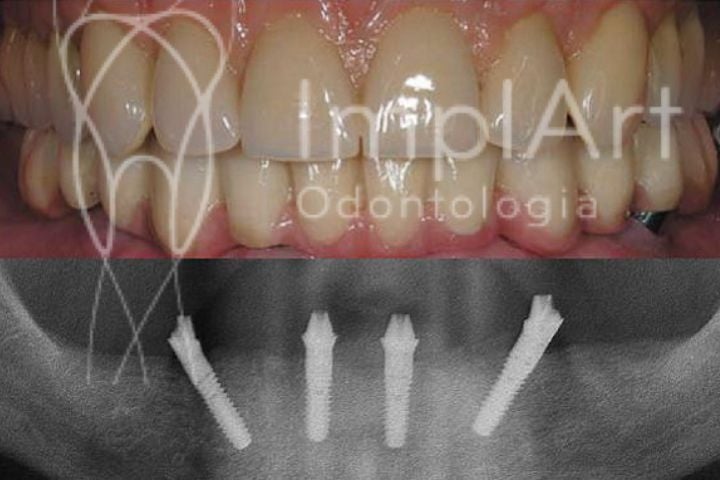
Upper and lower arch Fixed Implant-Supported Prosthesis installed on 04 implants in each arch

Who can have All-on-X or Full Arch Dental Implants treatment?

Anyone can have a Full Arch Dental Implants treatment. First of all, the patient must have a panoramic X-ray and a computerized tomography scan to assess the bone in the area that will receive the dental implant. Even patients with diabetes, in most cases, can receive implants as long as their diabetes is under control. So don’t be alarmed if you have diabetes, implants could be a solution for you too. Of course, this is after a careful assessment of your health condition.

Fixed Implant-Supported Prosthesis treatment covers a wide range of patients of different ages. Elderly people can also have the procedure. Each case must be evaluated in detail so that the procedure is always safe and promotes the patient’s well-being.

In your initial consultation with our clinical director, Dr. Roberto Markarian, you will receive all the guidelines for your All-on-X treatment.

What are the advantages of the Full Arch Dental Implants?

When the use of a mobile prosthesis causes discomfort, be it functional, aesthetic or sensory, there is the opportunity to replace it with a fixed version. See the advantages of protocol treatment on implants:

  • Does not move and does not require adhesives for fixing
  • Does not fall, avoiding embarrassing experiences
  • The prosthesis materials are more beautiful and resistant, especially metal-free zirconia prostheses.
  • Does not hurt gums and mucous membranes
  • Safer chewing, smiling and kissing
  • Improves diction
  • No acrylic roof of the mouth, improving speech and food tasting
  • Increases lip support, improving the appearance of a thin lip.

Which material is the Fixed Implant-Supported Prosthesis made of?

Here at Clinica Dentaria Implart you will find a wide range of materials for your prosthesis. From the simplest in Resin, through Metal-Ceramic (Porcelain), to the most modern prosthesis in Zirconia.

Do you know Zirconia, this innovative material for full arch prosthesis? Full Arch Dental implant Prosthesis in Zirconia are possible with this innovative computerized material. It is therefore an excellent choice for those looking for an aesthetically pleasing and durable material. What’s more, its computerized design system offers more precision, as well as greater comfort through the use of the 3D scanner.

Types of materials for All-on-6 prosthesis

Translucent zirconia prosthesis for implant-supported prosthesis

Translucent zirconia is an implant-supported prosthetic option made using an extremely advanced production method. Based on digital intraoral molding, the zirconia prosthesis is computer-designed and manufactured on 3D printers. In other words, the zirconia disc placed in the 3D printer is milled into the shape of the computerized design. This is certainly the most modern and resistant option, as well as the most beautiful and realistic.

Zirconia prosthesis / Pure porcelain (metal free)

It is an opaque white ceramic structure called zirconia, covered with dental porcelain. In this way, the aesthetics are sculpted in porcelain with the shape of the teeth. It is also a new and technologically innovative material, as the structure of the prosthesis is completely planned on a computer and executed with the help of electronic scanners and 3D printers.

Metal-ceramic full arch prosthesis (porcelain + metal)

This is a prosthesis with an internal metal structure (titanium, Ni-Cr or Cr-Co) and an aesthetic porcelain finish that is hand-sculpted to the shape of the teeth. Metal-ceramic prostheses therefore have the advantage of porcelain strength and aesthetics. As a result, the final result is aesthetically and beautifully similar to natural teeth.

Resin Full Arch Prosthesis (acrylic resin + metal)

Also known as the Bränemark prosthesis, this is another option available for implant-supported prosthesis. This model of prosthesis has an internal metal structure and an aesthetic resin finish. The teeth are made of resin and you can choose the color, shape and size of the teeth.

However, this material has a disadvantage compared to the previous ones, which is the possibility of color change (yellowing) over time.

What care should be taken after full arch dental implant surgery?

After dental implant surgery, the total recovery period may vary at the discretion of the implant specialist, with a view to the success of the procedure. Therefore, the implant dentist, Dr. Roberto Markarian, will guide you according to the criteria of the type and extent of the surgery.

How many days of rest after implant surgery?

Total rest period after surgery (rest days after dental implant):

  1. Light activities (7 to 10 days): Rest is recommended for light activities during the first week, which can be extended to 10 days.
  2. Gradual return to normal activities (up to 3 weeks): The patient is instructed to gradually return to normal activities, which may take up to 3 weeks.

Will I lose my prosthesis after implant surgery?

Rest assured, the main concern of the entire team here at the ImplArt Dental Clinic is to make the whole process as comfortable as possible for the patient. In this way, the psychological aspect and the patient’s well-being are paramount. Therefore, in the vast majority of cases, we plan a temporary prosthesis that is installed immediately after surgery. The patient is therefore able to carry out their activities normally while we wait for the implants to osseointegrate.

New techniques – Zirconia total implants

Zirconia Total Implant: Natural and resistant Implant Supported Prosthesis

Dental implants with zirconia prosthesis are recommended for various clinical cases, such as bruxism, because zirconia’s resistance is superior to any other material. The material is a star in dental practices due to its versatility and the possibility of bringing a better appearance to the mouth, especially after the tooth has been darkened by root canal treatments or dental trauma, with a great loss of dental function and aesthetics. So, if possible, opt for Zirconia!

How to sanitize a zirconia full arch prosthesis?

People who have received fixed prosthesis implants using the branemark should pay special attention to cleaning and oral hygiene in order to avoid problems. These include bad breath and even peri-implantitis (infection around the implant which can lead to mobility or even permanent loss). Therefore, a regular visit to the dentist every 6 months to have the implant supported prosthesis professionally cleaned is essential. Prophylaxis plays a very important role in maintaining oral and implant health!

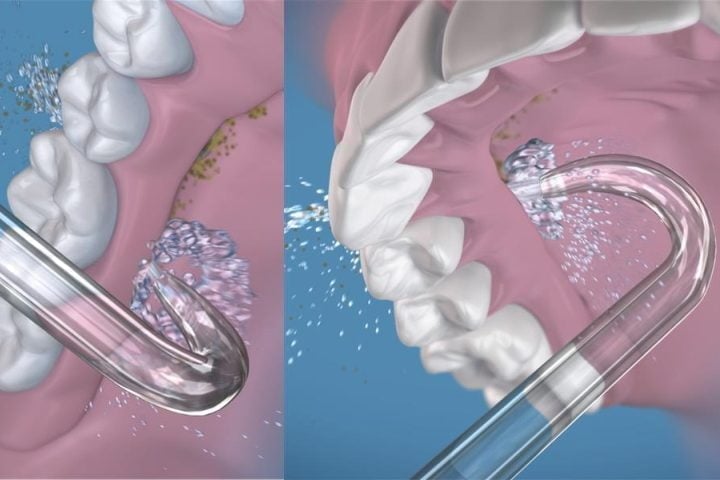
To clean the fixed implant supported prosthesis at home, the patient can use the interdental brush, in addition to the traditional toothbrush, which is effective and sufficient in the external regions. However, for the areas inside the prosthesis, around the implants or on the mucosa, interdental brushes and oral irrigators (pressurized water jets) are the most suitable. Certainly the best known of these devices is the Waterpik. These devices are certainly not easily found in Brazil, but in the United States they are sold in any pharmacy.
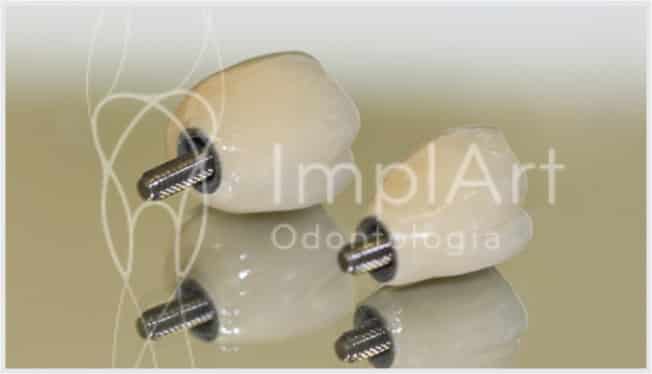
This way, with regular visits to the dentist every 6 months and proper hygiene of the fixed prosthesis at home, you’ll have a long-lasting and healthy treatment!

Sanitize the protocol prosthesis daily with waterpik
Sanitize the fixed implant supported prosthesis daily with waterpik

How to sanitize the fixed prosthesis / cleaning?

Care with the hygiene of the implant supported prosthesis is mainly to remove any food residue that may remain between the implant pins and the prosthesis (as in the image above), and to avoid the formation and accumulation of bacterial plaque on the surface of the prosthesis.

What is the best Full Arch Dental Implant Prosthesis?

Zirconia is the most modern material for dental prosthesis today. Zirconia is an advanced ceramic material, considered super realistic, which has become increasingly well-known in dentistry in recent years, especially for prostheses on dental implants.

It is also called Monolithic Zirconia, because it is made from a solid block of Zirconia that takes the shape of a dental prosthesis using a modern computerized system. The Translucent Zirconia prosthesis is made using 3D printers, a highly technological system. First of all, it’s worth clarifying that zirconia is a type of porcelain that replaces metal in dental treatments, as it offers a more natural and translucent appearance, without the presence of shadows, as happens in prostheses that use metal

In the ImplArt Clinic’s digital prosthesis laboratory, impressive robotic arms, which are present in modern milling equipment, are responsible for sculpting the prosthesis design previously drawn up on the computer. The design is certainly impressive as it uses only computerized systems for both its design and printing

It’s certainly a very modern system, which makes it possible to achieve aesthetically superior results in a more agile, fast and precise way. What’s more, zirconia is biocompatible with the human body, which means that the patient runs no risk of allergies or rejection.

What is the difference between a All-on-X prosthesis and an overdenture?

While in the implant supported prosthesis is fixed on 4 to 6 implants, in the overdenture the prosthesis is fixed on only 2 implants. As a result, the overdenture does not have the same stability as the All-on-X prosthesis. Therefore, the best alternative is the Full Arch Dental Implant Prosthesis.

How much does an upper Full Arch Dental Implant Prothesis cost? How much does a lower Full Arch Dental Implant prosthesis cost?

First of all, it’s important to bear in mind that when it comes to quality dental treatments, the price of the dental implant prosthesis can’t always be the deciding factor in the choice, but rather the quality of the service being offered. It is therefore essential that patients make their choice based on the trust and credibility of the clinic or professional providing the service, as well as the technical knowledge of the professionals, their years of practice and the technique to be used.

Undeniably, not all prosthesis and dental implant treatments are the same, firstly because of the differences in each case, and secondly because each professional has their own practice, technique and theoretical background. That’s why it’s very difficult to choose a professional based on price alone. If it’s too cheap, be wary! High-quality materials and qualified professionals who are in line with modern trends in implant dentistry have their value.

Remember that the effort put into qualification that the professional has put in throughout their career makes a direct difference to the outcome of your treatment! In addition, there are different types of materials, as mentioned above, from implants to different types of prostheses. Just to give you an example, here are the types of materials for implant supported prosthesis – Translucent Zirconia, Zirconia, Metal-Ceramic and Resin. The choice of prosthesis material, as well as the type of implant, will certainly influence the price of the Full Arch Dental Implants prosthesis. In this sense, we have various types of implants, from national implants to imported Straumann implants, a world reference in the field of implants.

Where can I have the Full Arch Dental Implants treatment?

The ImplArt Clinic has been ranked as the best dental implant clinic in Brazil, taking first place in the GCR (Global Clinic Rating) world ranking. The ranking was secured above all by its expertise in Digital Dentistry, Modern Structure and Patient Satisfaction. Our clinical director, implant dentist Dr. Roberto Markarian, is a reference in the field of implants and computerized prosthesis. So, if you want to have your Full Arch prosthesis treatment on implants, with knowledge and high technology, the ImplArt Dental Clinic is the right place for you!

We are located in the Avenida Paulista area of São Paulo, Brazil, in the heart of the metropolis.

If you are far away, in other states or abroad, please contact us to find out more about the online consultation. That way, we’ll be able to plan your Day Clinic treatment and your implant surgery remotely with Dr. Roberto Markarian. Also, if you already have dental implant exams such as CT scans and panoramic X-rays, they can be sent to you before your appointment to make your consultation even more productive!

Guide of Full Arch Dental Implants treatment

⭐The ImplArt Clinic is located in São Paulo and welcomes patients from all over the world. If you would like to know more about our treatments, dental implants, ask questions or schedule an appointment 📲WhatsApp (11) 99598-1866.

Types of dental crowns: here are the 5 main models

Many patients have doubts about the types of dental crowns that exist and their differences. This article has been prepared to educate you. This way, you’ll know the characteristics of all the types of dental crowns available here at the ImplArt Dental Clinic, located at São Paulo-Brazil, always knowing that the most up-to-date technology in the world is here!

Did you know that there are different types of dental crowns?

They differ from the point of view of execution, whether computerized or traditional, as well as the aesthetic refinement they achieve. They can be used both on dental implants and on tooth roots. Some are made using exclusively digital molding, while others still use the old mass molding.

A good indication for people who need to rebuild their teeth and make their aesthetics uniform are porcelain dental crowns or zirconia crowns, which restore the natural appearance and make the smile complete.

Follow us in this article to learn how to differentiate between the types of crowns and choose the one that best suits what you’re looking for as a final result.

What are dental crowns for and what are their types and indications?

The purpose of a dental crown is above all to restore the shape and functionality of the tooth. In short, it is a prosthetic piece (artificial tooth) with the shape and function of a natural tooth. There are a few types of dental crowns that can be selected for your treatment.

The choice of material will depend on a conversation between the dental specialist (prosthodontist) and the patient, which mainly aims to clarify the purpose of the dental crown (aesthetics vs. strength), and the expected durability (temporary vs. permanent).

Dental crowns can be placed on tooth roots with or without a treated root canal, and can also be made for dental implants. Dental crowns can be individual or, if the space is large, crowns can be joined with pontics (suspended teeth), thus creating a fixed dental prosthesis.

In which cases might I need porcelain dental crowns?

Other indications for dental crowns include:

What are the types of materials for porcelain dental crowns and what are their differences?

In the past there were other types of dental crowns that we now consider outdated, such as all-metal crowns, gold crowns, resin veneer crowns or porcelain veneer crowns with metal, as well as procera crowns, alumina crowns, inceram crowns, empress crowns, pivots and jackets.

We will therefore present the 4 most modern materials with which we currently make dental crowns in our clinic. In other words, we classify Pure Zirconia as the most modern, followed by Pure Porcelain, both made using computerized systems. In second place are the handmade crowns, called applied zirconia and metal-ceramic.

tipos de coroa dentaria

Types of dental crown and their technical differences. All these types of dental crowns are available at our dental clinic and laboratory. * The technical name refers to the type of porcelain used in the dental crown. ** The strength of porcelain crowns is measured according to the ISO technical standard for flexural strength, measured in MPa. Estimate of aesthetics and durability express the opinion of the author of this article. In the case of MC and ZC crowns, the strength of the structure is high, around 1000 MPa, but problems occur because the thin layer of more fragile porcelain stands out.

Classification of different types of crown based on manufacturing technique:

Below you’ll find different types of dental crowns, classified according to the material they’re made from and how they’re made.

Dental crowns made using computerized techniques and artificial intelligence:

  • 3D Zirconia dental crown – computerized solid translucent zirconia
  • EMAX 3D Pure Porcelain Crown – computerized solid lithium disilicate

Porcelain crowns made using conventional handcrafted techniques:

  • Metal-porcelain crown (metal-ceramic) – This has a thin layer of metal and the porcelain is applied by hand.
  • Zirconia-porcelain crowns (applied zirconia) – These have a thin layer of zirconia reinforcement and the porcelain layer is applied by hand.

Crowns in new composite materials, which are computerized but not pure porcelain:

These new composite materials have lower strength than traditional porcelain crowns. However, they look good and can be used in some cases as long-term provisionals or even as permanent crowns.
coroa de porcelana feita em impressora 3d , dental crowns
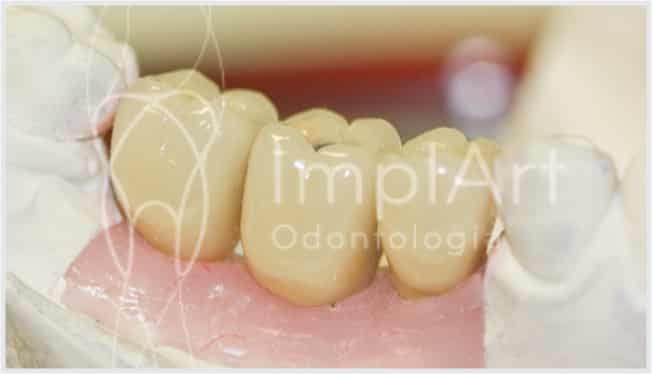
Dental crowns made by 3D printing of composite materials, resins with a quantity of porcelain reinforcement in the composition. Our in-house dental laboratory is capable of producing such work with great speed and quality.
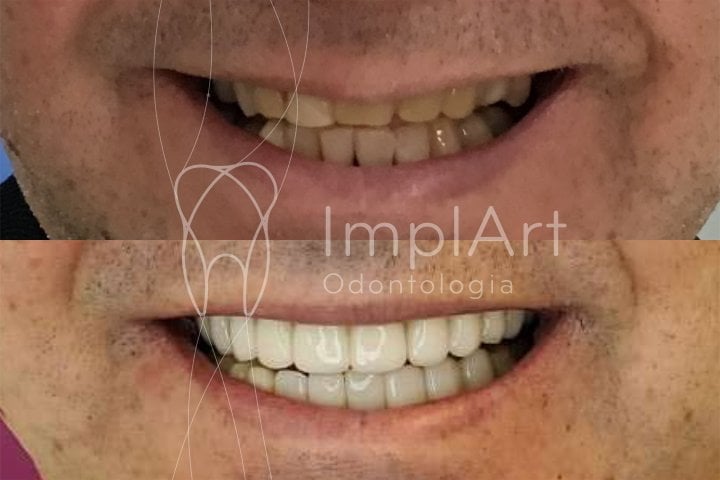
The porcelain crown remains the best material and can be made using different techniques

Please note that the term porcelain crown is a generic term but can have subtypes. The correct selection of the crown material has a major impact on the final result, how it is made and even on the budget

Learn more about the types of dental crowns and choose the best one for you

For example, we have the modern 3D Zirconia dental crown, which is made using modern computerized planning resources and 3D milling machines. In addition to this crown, there is the EMAX Pure Porcelain Crown. Both crowns provide excellent aesthetic resultsin short periods of time. This allows the patient to enjoy the results achieved more quickly.

Dental materials differ in the way they are prepared clinically and in the laboratory, as well as in their aesthetic results and degrees of resistance.

Temporary teeth
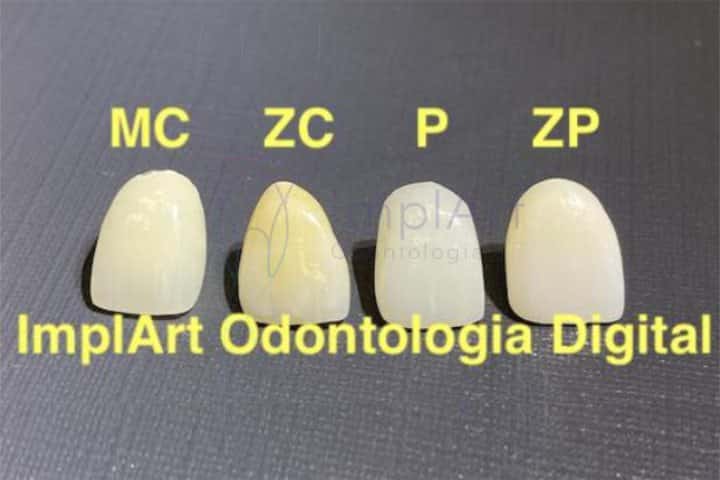
The appearance of some types of dental crowns. The construction methods in the clinic and in the dental laboratory are different. MC = metal ceramic (fabricated by hand), ZC = zirconia and ceramic (fabricated by hand), P = pure porcelain (fabricated by computerized methods), ZP = pure translucent zirconia (fabricated by computerized methods).

Porcelain + metal dental crown (metal ceramic is porcelain applied by hand to metal) – MC

Porcelain applied over metal (metal-ceramic) is an old technique for making dental crowns, and it’s also the one that ends up having the lowest final value for the patient and the lowest manufacturing cost for the dentist (see photos of the MC crown). Even though they are not as aesthetic as porcelain crowns without metal, metal-ceramic crowns are still used to restore teeth in the back of the mouth.

All metal-ceramic crowns have a structural underlying metal layer and then the porcelain/ceramic on top of it. The metal structure is thin, strong and fits perfectly on the prepared teeth. A layer of porcelain is applied over the metal structure (called a coping). The porcelain layer is 1.5 mm to 2 mm thick, depending on the area of your tooth.

The porcelain layer is resistant, withstands chewing forces very well and resembles natural teeth. However, metal-free porcelain crowns are the most widely used today, as they easily match the color of adjacent teeth better than metal-ceramic crowns. Metal-ceramic crowns are more opaque and not as natural-looking as today’s best dental crowns.

Temporary teeth

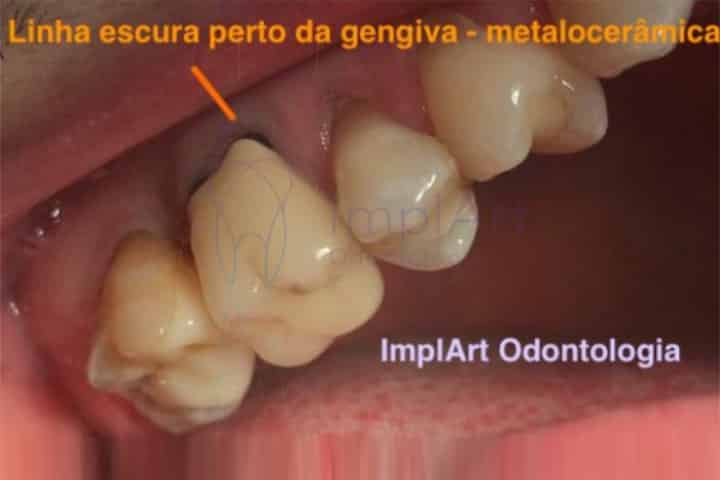
In some cases, porcelain on metal wears, chips, cracks or breaks over time, exposing the metal and making the work unsightly and non-functional. In addition, in cases of gum recession, dark lines may appear near the gums or parts of the metal.

Because of these limitations, metal-ceramic crowns are more suitable for back teeth and should not be used on front teeth. Other disadvantages of metal-ceramic crowns include the possibility of causing allergies and gum irritation.

Zirconia + porcelain dental crowns (zirconia with hand-applied ceramic) – ZC

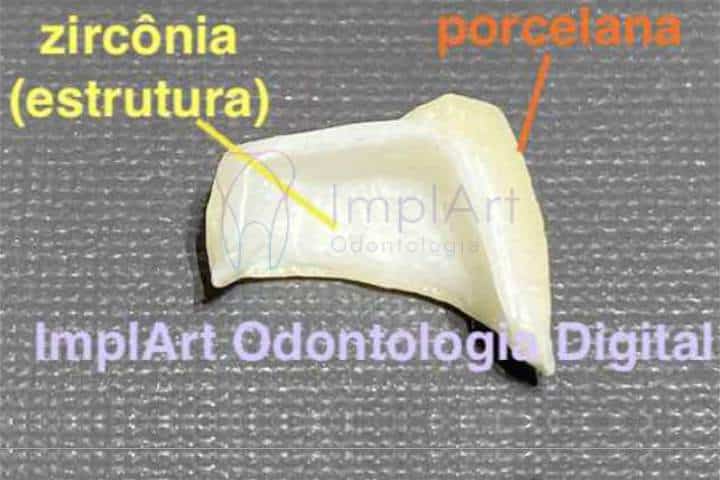
A zirconia crown with porcelain applied is similar to a metal-ceramic crown in the way it is made. A crown with a zirconia structure also has 2 layers, but instead of metal, we have dental zirconia, a very resistant white material. You can see the two layers of material in the dental crown in the photo below.

Temporary teeth
Zirconia + porcelain dental crown cut in half. Note the structural layer of white zirconia, and the yellowish part is the porcelain that gives the tooth its aesthetics and final color.

Zirconia is considered to be an artificial diamond and is as resistant as a metal. In fact, dental zirconia has properties similar to metals, with the advantage of being white and therefore more aesthetic. The composition of zirconia crowns + applied porcelain does not include metal, improving the aesthetic results.

The zirconia dental crown with porcelain is also suitable for replacing a large restoration when the tooth structure has deteriorated.

Type of Dental CrownMaterialsIndicationsMain Features
Emax Computerized Porcelain CrownLithium disilicateAnterior and Posterior TeethSuperior aesthetics, similar to the natural color of the teeth – Fast preparation
Porcelain crown with metal base (Metaloceramic)Porcelain, MetalPosterior TeethFunctional and sturdy but poor aesthetics – Slow to produce
Zirconia crown with ceramic applicationCeramic, ZirconiaAnterior and Posterior TeethHigh resistance, aesthetics and biocompatibility – Slow production
Translucent 3D Pure Zirconia CrownZirconiaAnterior and Posterior TeethHigh resistance, aesthetics and biocompatibility – Rapid production
Resin crownAcrylic resinAnterior TeethMore economical alternative, but less resistant than other materials.
Metal crownMetal (Precious Metal Alloy/Gold)Posterior TeethGood resistance, especially in areas of high masticatory load. poor aesthetics.
Temporary crownAcrylic or Temporary ResinProvisional phase before PermanentTemporary use during treatment or until the permanent crown is made.
This table provides an overview of the different types of dental crowns, including the materials used, clinical indications and the main characteristics associated with each type. Remember that the choices between these types of crowns may vary depending on the specific needs of each patient

CAD-CAM pure porcelain dental crown (Emax – lithium disilicate) – P

Pure porcelain crowns – the EMAX system – are made using the CAD-CAM (Computer Assisted Design) technique for the computerized production of special porcelain crowns and restorations. They are therefore highly translucent and resistant. Their long-lasting and highly aesthetic results enable excellent results to be achieved quickly. These are the main properties of an Emax crown, which make them one of the best options for restoring front teeth.

Temporary teeth
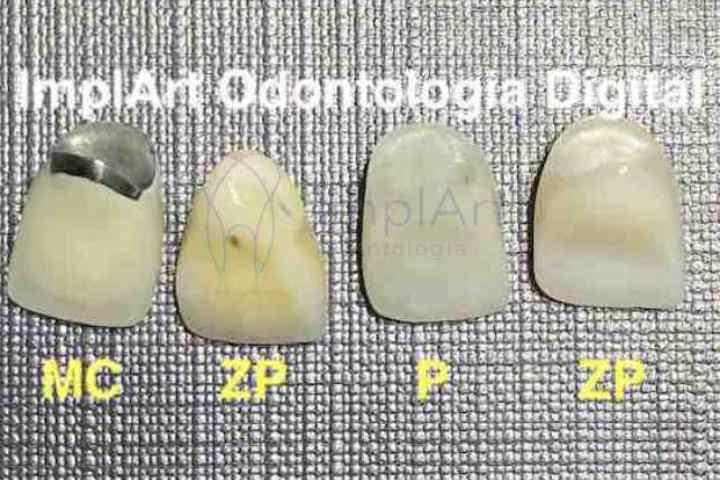
Dental crowns of different types seen from the inside, which is usually hidden. Aesthetics differ between crown types, as does the method used to make them. MC = metal ceramic, ZC Zirconia and ceramic, P = emax pure porcelain, ZP = translucent pure zirconia

Emax all-ceramic dental prostheses and crowns are rapidly gaining popularity in aesthetic dentistry due to their excellent aesthetics, durability and strength. The Emax system is mainly suitable for the fabrication of crowns and dental contact lenses in the anterior region. After preparing the final tooth shape, a digital mold of your teeth will be made with an intraoral camera.

This mold is then transmitted via the internet to the computer in our dental laboratory, which controls the design and milling procedure. The color of the dental crown needs to be chosen in advance to resemble natural teeth. With the design approved, a milling machine cuts the monolithic block of lithium disilicate to produce the required shape of the prosthesis, already with the right color.

As the crown is made from a single block of material and has a single layer, we can call it a monolithic crown. The dentist then tests the fit of the crown to the tooth, makes any necessary adjustments and fixes it to the tooth with a special adhesive.

CAD-CAM (translucent cubic zirconia ) pure zirconia dental crown – ZP

Crowns made from cubic zirconia are becoming increasingly common and offer a number of advantages. They are made using CADCAM computerized methods, from the digital mould to manufacturing.

The power of pure zirconia

First andforemost, one of the greatest advantages of pure zirconia for dental crowns is its strength and durability. Imagine how much force your back teeth exert on the food you chew. Your crowns need to be made of a strong material , so translucent pure zirconia can be a good option for crowns at the back of the mouth. In addition, they show little wear, which can be interesting for patients with bruxism, as it doesn’t allow for the destruction of the tooth that bruxism often causes.

Temporary teeth
Super realistic multilayer translucent dental zirconia

Durability of dental cubic zirconia

Dental zirconia-based crowns have performed just as well over 5 years as metal-based crowns, according to a scientific study. Those made of zirconia, called monolithic zirconia crowns, are especially durable.

All the porcelain crowns described can be made for cemented or screw-retained dental prostheses on dental implants.

Biocompatibility of dental zirconias

Zirconia is the choice of many dentists because of its biocompatibility, which means that the body is less likely to provoke a reaction or immune response such as inflammation. Zirconia is such a biocompatible material that there are white zirconia dental implants. There is a current today of more natural biological dentistry, which advocates the use of more biocompatible and metal-free materials, and the pure zirconia dental crown fits the bill perfectly. It is therefore important for you to know that there is currently the possibility of carrying out a ceramic dental implant treatment, without metal, and combining it with a Pure Zirconia or Pure Porcelain dental crown, thus obtaining a metal-free treatment!

Discover our complete structure – in the Avenida Paulista area/ Downtown São Paulo-Brazil

Here at the ImplArt Dental Clinic, all prostheses, crowns and restorations are made in our own prosthetics laboratory using computerized systems. With computerized dental crowns, which can be used in any area of the mouth, the appearance, shape and alignment of the teeth are improved, as well as their strength, which also benefits.

If you have any questions, please contact us, visit our photo gallery or book an appointment with our team📲WhatsApp(11) 99598-1866. We’d be delighted to hear from you!

Dr. Roberto Markarian, implant dentist

Text written by DR. ROBERTO MARKARIAN – CRO-SP 73.583
Founder and Director of the ImplArt Dental ClinicDr. Roberto’s Linkedin profile

Dr. Roberto Markarian is one of the leading specialists in dental implants and computerized prostheses in Brazil, with more than 10,000 implants performed. In addition to his vast clinical experience, he is a renowned researcher, contributing to dentistry with publications in international scientific journals. At the ImplArt Clinic, Dr. Roberto applies high technology to all his treatments, offering patients innovative solutions and superior quality.

Dr. Roberto Markarian implant dentist
Types of dental crowns: here are the 5 main models
nucleo intrarradicular

Why is it necessary to place a post and core to make a dental crown?

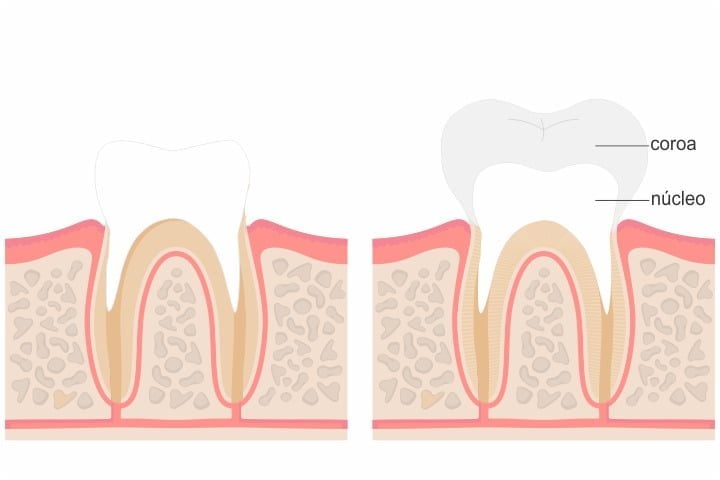
The post and core is an important part for installing a prosthetic crown to replace a tooth that has been badly destroyed, usually as a result of decay or fractures. In cases where it is possible to preserve the root with root canal treatment, the core is installed inside the root to support the prosthetic crown.

The core is the internal reinforcement part of a dental crown

This is an important stage in providing support and strength to the porcelain dental crown. See more about dental core materials. If the crown were installed without a core, the prosthesis would probably not be able to withstand the masticatory effort and consequently its duration would be shorter.

See also this article on our blog which talks a little more about root canal treatment, core and porcelain crown. Today, the reinforcement core (dental post) can be made from various types of materials: from metal to zirconia, fiberglass and carbon fiber.

The choice of material depends on a number of factors, such as the location in the dental arch and the masticatory load that the crown will be subjected to.

The metal core is considered more resistant (especially suitable for the most hidden and used area of the arch), while zirconia is considered more aesthetic because it is white (suitable for the most visible area, i.e. the front of the arch).

The prosthetic crown can be made from two different materials: resin (plastic with a metal core) or porcelain (with a metal or aesthetic core). Porcelain is more resistant and aesthetic than resin.

Learn more about computer-designed crowns.

How treatment is carried out:

  • In some cases, root canal treatment is performed to preserve the root;
  • The root and tooth are prepared to receive the core;
  • When made of metal, the impression is taken directly inside the root;
  • When in zirconia, the post is cemented into the root;
  • A core mold is taken to prepare the prosthetic crown. At ImplArt, this mold can be made conventionally (with putty) or digitally using intraoral scanners;
  • The crown is installed on the core;
  • The duration of the procedure varies, as it depends on the complexity of each case. For some people it can be carried out in a Day Clinic.

Advantages of the technique:

  • The dental crown restores chewing ability as well as the aesthetics of the smile;
  • The appearance of this type of prosthesis is very similar to natural teeth, so it is indistinguishable when fitted;
  • Your smile will be beautiful and complete again, free of unsightly spots such as cavities, metal restorations, absences, etc;
  • The roots are protected and healthy;

Dentures are very durable, but they may need to be replaced after a few years. This need is verified during regular visits to the dentist’s office.

In cases where teeth are weakened and it is no longer possible to rebuild the tooth with a crown, dental implants are recommended. If you have any questions, please make an appointment or contact us. We’ll be happy to help you.

Zirconia is the Most Modern Material for Fixed Full-Arch Prosthesis with Dental Implants

Zirconia is the most modern material for dental prostheses today, even for full arch implant prostheses. Zirconia is an advanced ceramic material, considered super realistic, which has become increasingly well-known in dentistry in recent years, especially for prostheses on dental implants.

It is also called Monolithic Zirconia, as it is made from a solid block of Zirconia that is shaped into a dental prosthesis using a modern computerized system. In the ImplArt Clinic’s digital prosthesis laboratory, impressive robotic arms, present in modern milling equipment, are responsible for sculpting the prosthesis design previously drawn up on the computer.

It’s certainly a very modern system that allows you to achieve aesthetically superior results in a more agile, fast and precise way.

This set of factors certainly makes Zirconia the most modern material for full arch prostheses, fixed prostheses and dental crowns.

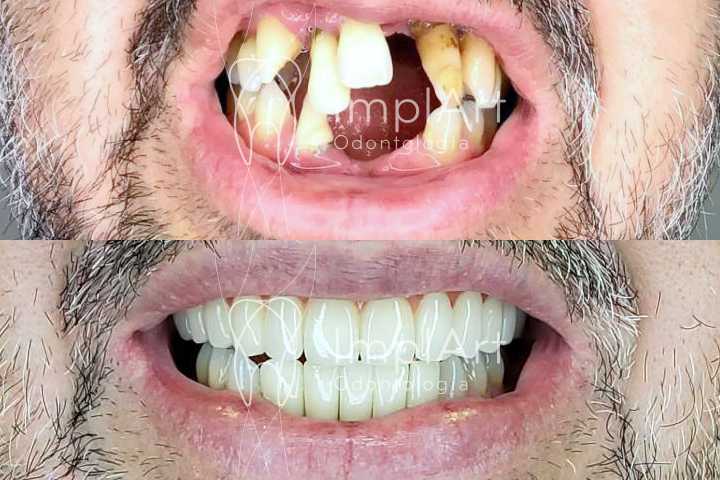
Below is the result of a treatment with a Zirconia full arch prosthesis for a patient who came all the way from the United States to undergo treatment at the ImplArt Clinic.

What are the characteristics of the Zirconia prosthesis?

There are several reasons why zirconia is the most modern material for making dental prostheses:

  1. Aesthetics: Zirconia prostheses are highly aesthetic and can be customized to mimic the natural appearance of teeth, with a translucency similar to that of tooth enamel. In addition, Zirconia does not fade or discolor over time, which guarantees a long-lasting aesthetic result.
  2. Biocompatibility: Zirconia is a biocompatible material, which means that it doesn’t cause allergic reactions or inflammation in the patient’s soft tissue or bone. This is especially important for prostheses on dental implants, where the integration of the implant with the bone is crucial to the success of the treatment.
  3. Resistance: Zirconia combines beauty and resistance, which guarantees its long-term durability. It has a high resistance to fracture and wear, which is important for dental prostheses that need to withstand chewing and the forces of the mouth.
  4. Precision: Zirconia can be manufactured with high precision in our digital prosthetics laboratory thanks to CAD/CAM (Computer-Aided Design/Computer-Aided Manufacturing) technology. This guarantees a precise fit and a restoration that fits perfectly with the dental implants and adjacent teeth.
  5. Hygiene: Zirconia is a material that does not accumulate plaque, which means it is easier to clean and keep hygienic than other denture materials.

In short, Zirconia is a modern and advanced material for protocol prostheses on dental implants, offering a unique combination of aesthetics, biocompatibility , strength, precision and hygiene. Of course, it’s important to remember that the choice of prosthesis material must be assessed on a case-by-case basis by the dentist, taking into account the individual needs and characteristics of each patient. But don’t worry, this will be covered in your initial consultation with the clinical director of the ImplArt Dental Clinic, Dr. Roberto Markarian, implant dentist.

Total implant with Zirconia Fixed Full-Arch Prosthesis, how does it work?

Total implant treatment, also known as“all-on-four” or “all-on-six”, is a technique in which dental implants are installed in the mouth to support a complete prosthesis that replaces all the teeth in a dental arch. This type of treatment is especially useful for patients who have lost most or all of their teeth, as it allows for a complete restoration of chewing function and aesthetics. It is certainly a rehabilitative treatment, as it allows the patient to get rid of the use of removable prostheses, the old dentures.

The full arch implant prosthesis is a fixed prosthesis on dental implants that can be used to replace all the teeth in an arch. The prosthesis is fixed to the implants with screws or cemented into position, and can only be removed by the dentist for maintenance. The fixed implant prosthesis is a great option for patients looking for an aesthetic and functional restoration, as it is comfortable, durable and offers a natural appearance.

Temporary teeth
Detail of a Zirconia fixed prosthesis on a dental implant, considered the most modern material.

Zirconia is the most modern material for Full Mouth Reconstruction with dental implants

Zirconia is a material widely used in dental implant protocol prostheses due to its aesthetic properties, resistance and biocompatibility. Zirconia complete arch prostheses are a more advanced option compared to other materials such as acrylic, as they offer a more natural appearance and greater durability. In addition, Zirconia is highly resistant to stains and abrasion, which means that the prosthesis can maintain its color and shape over time.

The Zirconia full arch prosthesis also allows for a more precise fit and a more comfortable adaptation, thanks to CAD/CAM (Computer-Aided Design/Computer-Aided Manufacturing) technology, which allows for more precise and personalized manufacturing of the prosthesis. This means that the Zirconia protocol prosthesis can be perfectly adjusted to the dental implants and the space available in the patient’s mouth, providing an ideal aesthetic and functional restoration.

In addition, we should mention that the use of these 3D resources allows the entire treatment to be carried out without the old putty molds, which were so uncomfortable and became obsolete with the arrival of Zirconia. In this way, the entire treatment is carried out using a 3D digital scanner, which is the starting point for designing the new smile.

In summary, the Zirconia All-on-X prosthesis is an excellent option for patients who need a complete restoration of the dental arch, offering a natural appearance, durability and comfort, as well as precision of fit and ideal adaptation. Undeniably, all these characteristics make Zirconia the most modern material for protocol prostheses, dental crowns or fixed prostheses.

Zirconia Bridges at ImplArt Dental Clinic

The ImplArt Dental Clinic specializes in implant dentistry and dental prostheses, and offers advanced and personalized treatments for its patients. The Zirconia full arch prosthesis is one of the treatments offered by the clinic, using high quality materials and advanced technology. We always strive to offer modern, metal-free dental treatments.

At the ImplArt Dental Clinic, the Zirconia protocol prosthesis is made by a team of experienced and qualified professionals who use modern techniques and state-of-the-art equipment to guarantee the precision and quality of the treatment. The Clinic has a multidisciplinary team led by PHD Dr. Roberto Markarian, an implant dentist. It is made up of specialist prosthodontists, trained to provide complete and humanized care.

Treatment begins with a careful assessment of the patient’s oral condition and the choice of the best type of implant for each case. This is followed by implant surgery, where the implants are placed in the patient’s mouth. After a period of osseointegration, in which the implants integrate with the bone, the Zirconia protocol prosthesis is installed.

The prosthesis is manufactured using CAD/CAM technology, which allows for a precise fit and ideal adaptation. The zirconia used in the prosthesis is of high quality, resistance and aesthetics, guaranteeing a long-lasting and natural result. The prosthesis is fixed to the implants with screws or cemented in position, providing optimum stability and security.

ImplArt Dental Clinic offers complete treatment follow-up, with regular maintenance appointments and oral hygiene care. The clinic’s team of professionals is always on hand to answer questions and provide personalized, high-quality care.

ImplArt Dental Clinic is certainly an excellent option for those looking for advanced and personalized treatment in Zirconia protocol prostheses. The clinic has an experienced multidisciplinary team, advanced technology and high-quality materials. In addition, the Clinic offers a complete and excellent treatment for its patients, such as ceramic implants or zirconia protocol prostheses and dental contact lenses.

Even if you’re far away, it ‘s possible to plan your dental implant surgery at the ImplArt Clinic remotely! The first step is to get in touch and schedule your initial consultation, which, if you’re far away, can be done online. Contact us for more information!

Find out more about treatments at Clinica ImplArt

To find out more about the treatments at Clinica Dentaria ImplArt, visit our photo gallery of our treatments, click here!

Dr. Roberto Markarian, implantologist

Text written by DR. ROBERTO MARKARIAN – CRO-SP 73.583
Founder and Director of the ImplArt Dental ClinicDr. Roberto’s Linkedin profile

Dr. Roberto Markarian implant dentist
Zirconia is the Most Modern Material for Fixed Full-Arch Prosthesis with Dental Implants

Dr. Roberto Markarian is a reference in dental implants and computerized dental prostheses in Brazil. As well as having more than 10,000 implants installed, he is a researcher who produces knowledge that is published worldwide in renowned scientific journals in the field of dentistry. He is responsible for promoting knowledge and high technology applied in all the treatments offered by the ImplArt Clinic.

  • Post-Doctorate in Implant Dentistry – Univ SL Mandic (Campinas-SP) – 2020
  • PhD in Implant Dentistry – Doctor of Implant Dentistry, Univ SL Mandic – 2017
  • Dr. Roberto Markarian Specialist in Dental Implants at USP (Implant Dentist) – 2008
  • Specialist in Prosthodontics (Prosthodontist ) by the CFO – 2006
  • Master in Prosthodontics, USP – 2005
  • Graduated as a Dental Surgeon from USP (São Paulo) – 2001
  • Member of the Clinical Staff of Hospital Alemão Oswaldo Cruz

schedule your appointment at the implart clinic by phone or whatsapp

como é feito um implante dentario
Zirconia is the Most Modern Material for Fixed Full-Arch Prosthesis with Dental Implants

📲(11) 99598-1866

📲WhatsApp(11) 99598-1866

aLL-ON-FOUR

All on four or All on 4 implant technique

All on four is a technique for full-arch oral rehabilitation, i.e. restoring full dentition to those who have lost all the teeth in an arch. It is a much more comfortable and safer option than a mobile prosthesis (denture), as the fixed prosthesis is attached to 4 dental implants distributed throughout the arch, like a protocol prosthesis. The technique is more economical than a protocol prosthesis and has different characteristics. Find out more about the technique used at Clinica Dentaria ImplArt below and whether it is suitable for your case.

How does the All on 4 technique work? Is this technique right for me?

The All on 4 protocol consists of the surgical placement of 4 implant pins strategically distributed throughout the arch, followed by the fixing of a complete dental prosthesis.

The technique is generally indicated for people who have lost all their teeth in a full arch, upper or lower. Many of them wear mobiledentures and have advanced bone resorption(low bone volume), i.e. they have bone loss and are unable to place several dental implants in the arch.

We can therefore define the All on 4 technique as a dental implant alternative for people with little bone volume. Therefore, there is no need for bone grafts.

Another option for those with little bone volume is to use short or thinner implants, often avoiding bone grafting procedures.

We have performed over 1.000 cases of all-on-four implants since 2008, at ImplArt Clinic !

Temporary teeth

The choice of which technique is best for your case should be discussed between the patient and the dental surgeon, in consultation, after clinical and radiological assessment. Find out more about smaller dental implants here.

The immediate loading technique can be defined as one in which the prosthesis is fixed more quickly after the implants have been placed. Most of the time, on the same day.

One of the biggest concerns for those undergoing full-arch rehabilitation with dental implants is whether they will lose teeth at some stage during treatment. With the immediate loading technique, patients are not left without teeth while they recover.

What is the difference between the All on four technique and the traditional protocol prosthesis technique?

In the conventional technique, 6 dental implant pins are generally used throughout the arch to support the protocol prosthesis.

With the All on four technique, four dental implant screws are used, the two posterior ones being longer. They are placed at a greater angle than conventional implants, around 45°. The longer length of the post is intentional to increase the contact area between the implant surface and the bone. This reduces the need to recreate a vertical bone augmentation through bone grafting surgery.

implantes dentarios all on four
1 – Full denture for lower arch; 2 – X-ray showing 4 dental implants distributed throughout the arch. The two implants in the posterior region are placed at an inclined angle (45°).

As well as increasing the contact area, the use of longer, tilted implants allows them to be placed in a stronger portion of the bone, so that they are securely attached.

Eventually, someone might ask whether this technique would be less efficient than the conventional one, imagining that the load distribution on 4 implants would be greater than 6 pins, for example.

Biomechanical studies show that tilted implants, when they are part of the prosthetic support, have no negative effect on load distribution. Implant tilting has been used in clinical practice for over a decade and has shown favorable results.

Advantages of total prosthesis on All-on-4 implants compared to dentures:

  • The dental prosthesis is stable because it is attached to the implants. This makes speaking and chewing more comfortable and secure. With a mobile prosthesis, the wearer may feel their prosthesis is unstable.
  • Dental implants are, in most cases, able to maintain bone volume. In contrast to implant-supported dentures, mobile dentures are unable to prevent bone loss and, as a result, the bone can become thinner and smaller. This is also one of the factors that makes dentures loose due to maladjustment.
  • The aesthetics of the prosthesis for rehabilitation in undoubtedly much better than a mobile prosthesis. Ceramics, applied zirconia and pure zirconia are advanced technology materials that more faithfully reproduce the characteristics of human teeth, for example, strength, shine, translucency, shades and textures, whereas mobile prostheses are made of acrylic or resin, materials that scratch, fracture and stain more easily.

Computer-guided implants for less invasive surgery and faster recovery

Rehabilitation with All on 4 implants is best performed using computerized planning, better known as guided implant surgery.

Due to the limited bone volume, we perform a CT scan to accurately measure the width and height of the available bone. With this information, it is much easier to choose implants with diameters and lengths appropriate to the volume, as well as to choose the areas with the best conditions for insertion.

Temporary teeth
Implant surgical guide planning

Once the measurements of the implants have been defined, as well as the positions in which they will be placed, we make a plastic guide that will serve as a surgical template.

Guided surgery for implants favors minimally invasive procedures, without making extensive cuts in the gums because surgical access is through small holes in the gums. The surgical guide ensures the guided and precise placement of osseointegrated implants.

Types of implant prostheses All on 4

The ultimate prosthetic solutions for All on four:

If you would like more information about the All on four technique, please contact us. We at the ImplArt Dental Clinic will be happy to assist you.