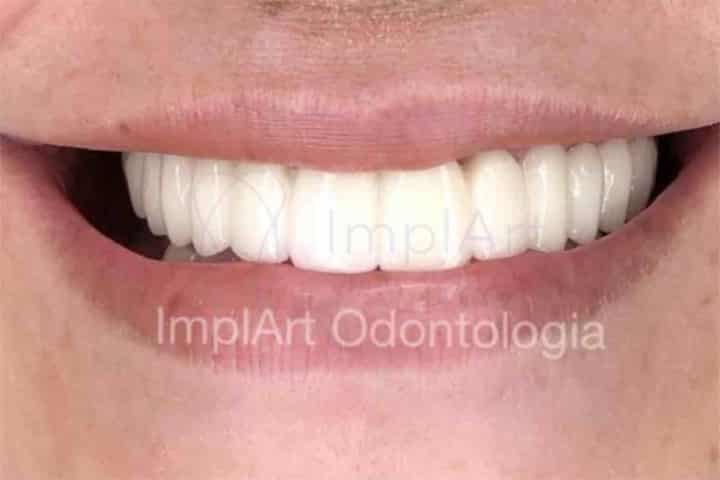
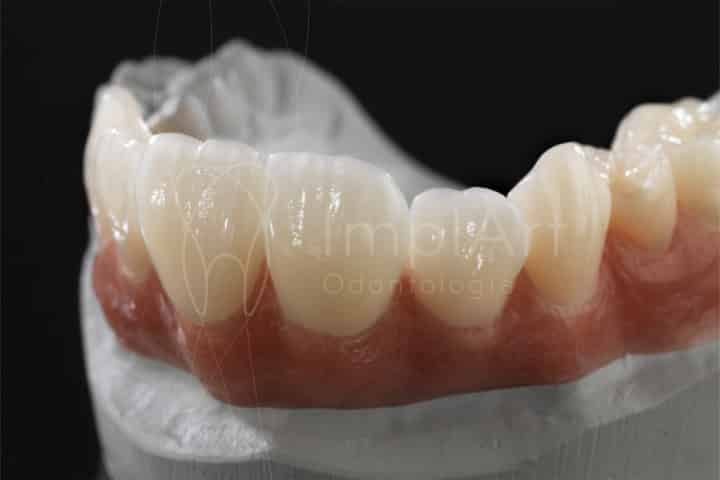
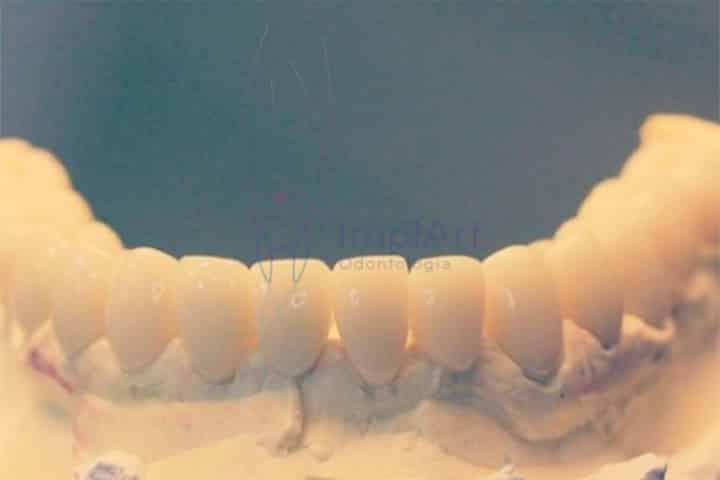
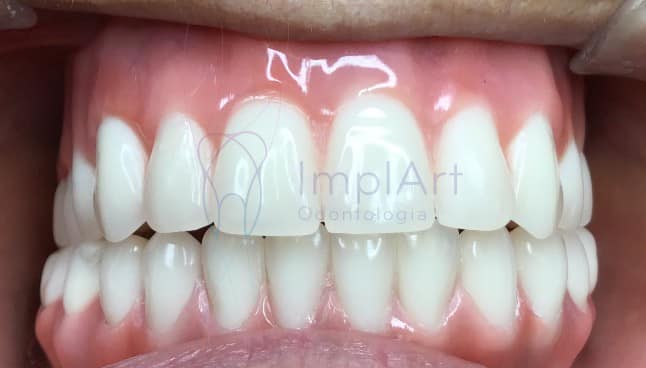
aLL-ON-FOUR

All on four or All on 4 implant technique

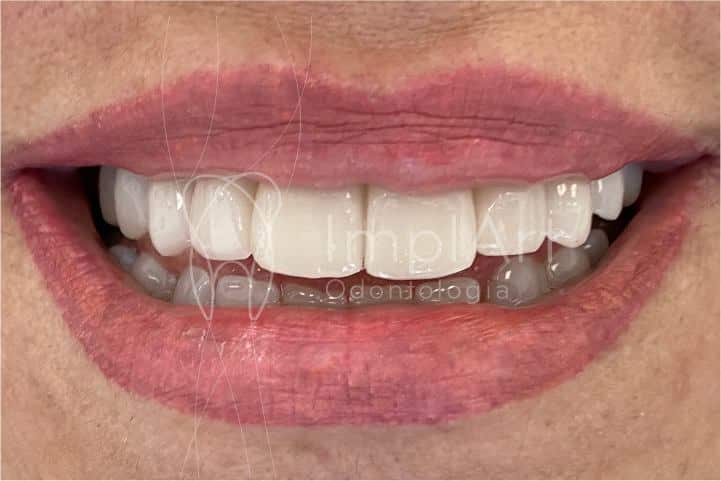
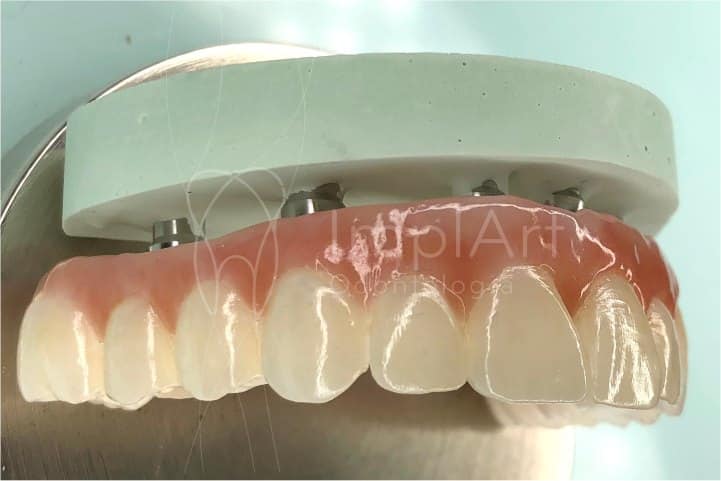
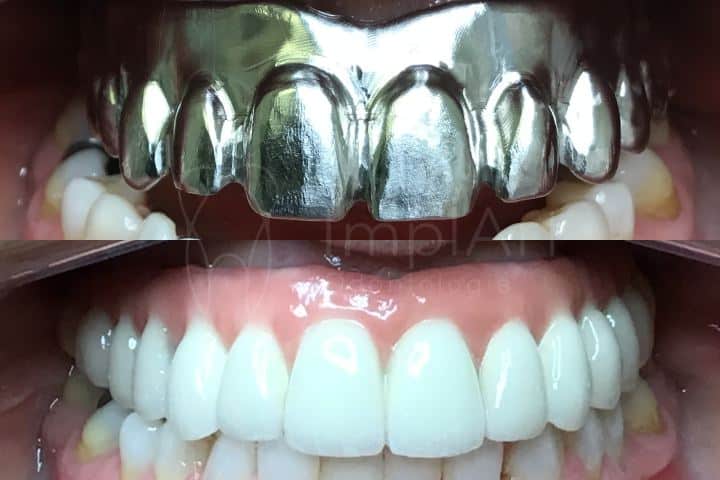
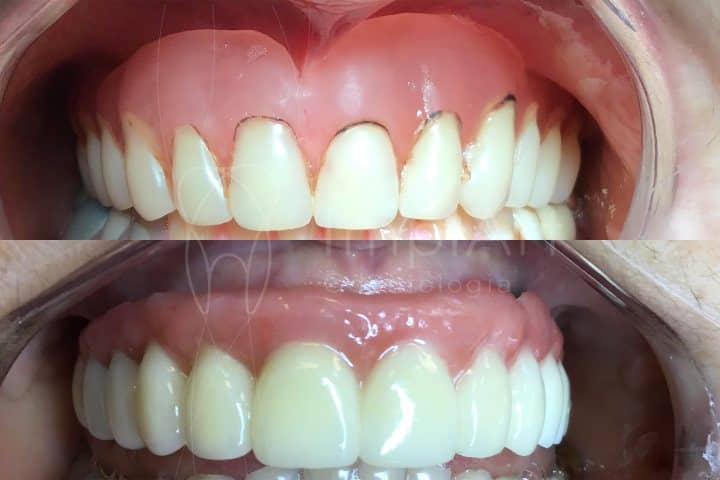
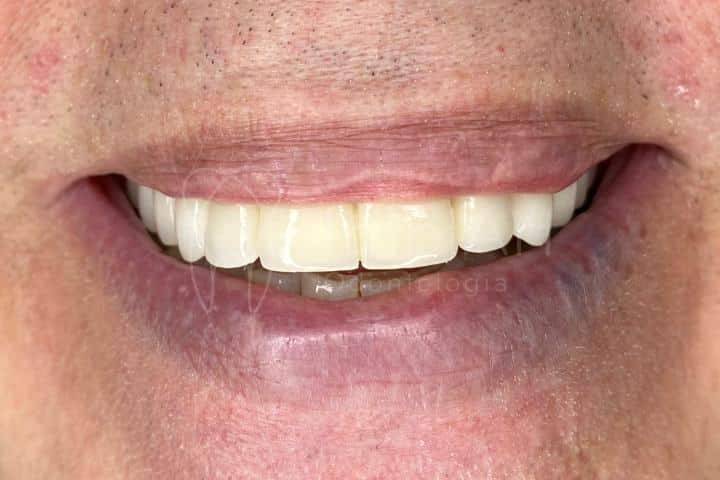
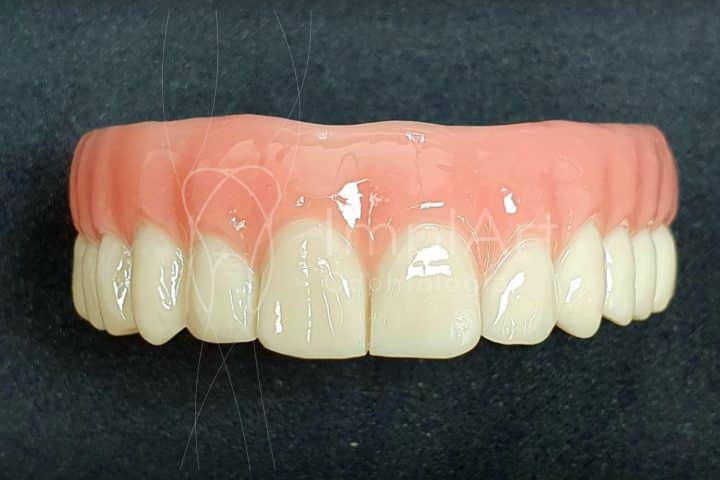
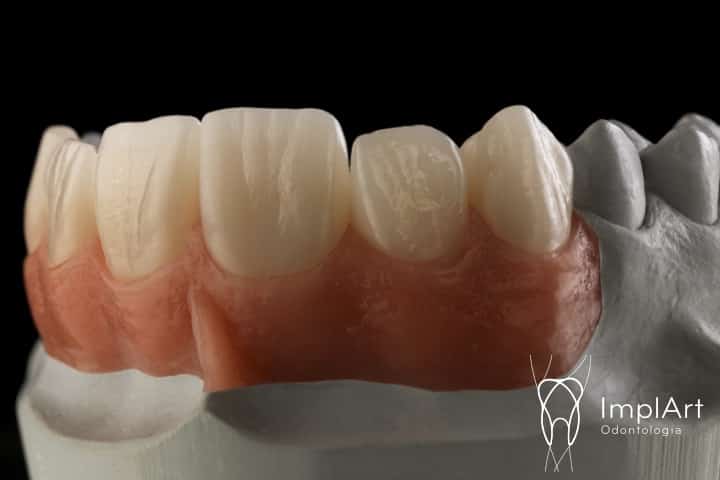
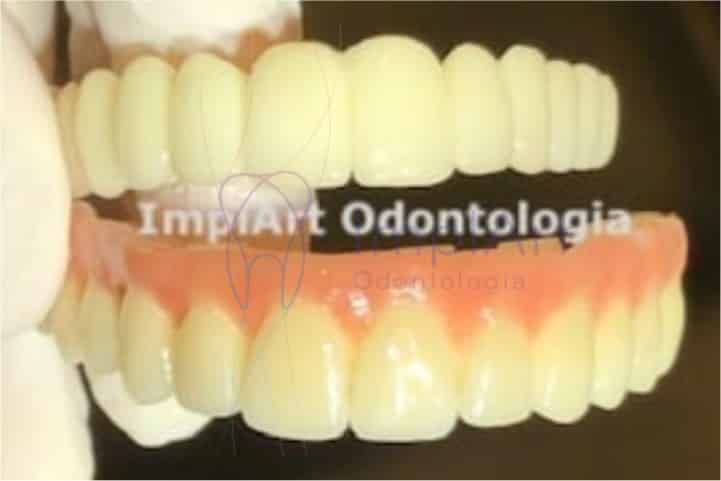
All on four is a technique for full-arch oral rehabilitation, i.e. restoring full dentition to those who have lost all the teeth in an arch. It is a much more comfortable and safer option than a mobile prosthesis (denture), as the fixed prosthesis is attached to 4 dental implants distributed throughout the arch, like a protocol prosthesis. The technique is more economical than a protocol prosthesis and has different characteristics. Find out more about the technique used at Clinica Dentaria ImplArt below and whether it is suitable for your case.

How does the All on 4 technique work? Is this technique right for me?

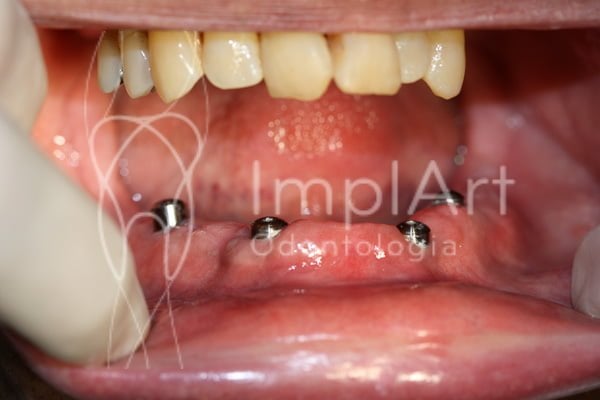
The All on 4 protocol consists of the surgical placement of 4 implant pins strategically distributed throughout the arch, followed by the fixing of a complete dental prosthesis.

The technique is generally indicated for people who have lost all their teeth in a full arch, upper or lower. Many of them wear mobiledentures and have advanced bone resorption(low bone volume), i.e. they have bone loss and are unable to place several dental implants in the arch.

We can therefore define the All on 4 technique as a dental implant alternative for people with little bone volume. Therefore, there is no need for bone grafts.

Another option for those with little bone volume is to use short or thinner implants, often avoiding bone grafting procedures.

We have performed over 1.000 cases of all-on-four implants since 2008, at ImplArt Clinic !
all on 4 1

The choice of which technique is best for your case should be discussed between the patient and the dental surgeon, in consultation, after clinical and radiological assessment. Find out more about smaller dental implants here.

The immediate loading technique can be defined as one in which the prosthesis is fixed more quickly after the implants have been placed. Most of the time, on the same day.

One of the biggest concerns for those undergoing full-arch rehabilitation with dental implants is whether they will lose teeth at some stage during treatment. With the immediate loading technique, patients are not left without teeth while they recover.

What is the difference between the All on four technique and the traditional protocol prosthesis technique?

In the conventional technique, 6 dental implant pins are generally used throughout the arch to support the protocol prosthesis.

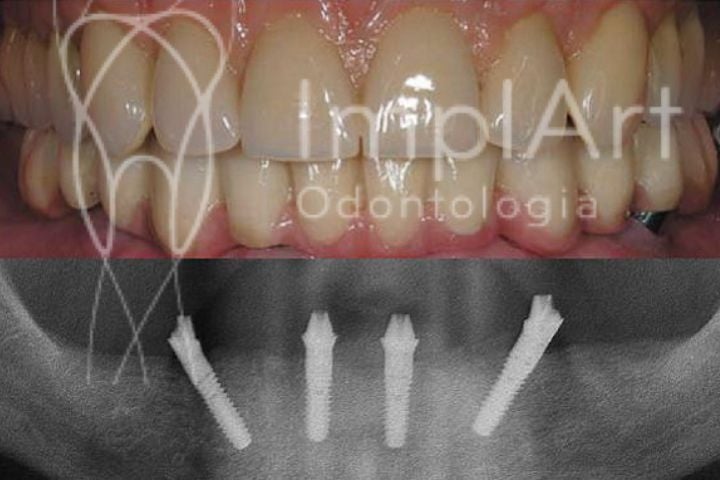
With the All on four technique, four dental implant screws are used, the two posterior ones being longer. They are placed at a greater angle than conventional implants, around 45°. The longer length of the post is intentional to increase the contact area between the implant surface and the bone. This reduces the need to recreate a vertical bone augmentation through bone grafting surgery.
implantes dentarios all on four
1 – Full denture for lower arch; 2 – X-ray showing 4 dental implants distributed throughout the arch. The two implants in the posterior region are placed at an inclined angle (45°).

As well as increasing the contact area, the use of longer, tilted implants allows them to be placed in a stronger portion of the bone, so that they are securely attached.

Eventually, someone might ask whether this technique would be less efficient than the conventional one, imagining that the load distribution on 4 implants would be greater than 6 pins, for example.

Biomechanical studies show that tilted implants, when they are part of the prosthetic support, have no negative effect on load distribution. Implant tilting has been used in clinical practice for over a decade and has shown favorable results.

Advantages of total prosthesis on All-on-4 implants compared to dentures:

  • The dental prosthesis is stable because it is attached to the implants. This makes speaking and chewing more comfortable and secure. With a mobile prosthesis, the wearer may feel their prosthesis is unstable.
  • Dental implants are, in most cases, able to maintain bone volume. In contrast to implant-supported dentures, mobile dentures are unable to prevent bone loss and, as a result, the bone can become thinner and smaller. This is also one of the factors that makes dentures loose due to maladjustment.
  • The aesthetics of the prosthesis for rehabilitation in undoubtedly much better than a mobile prosthesis. Ceramics, applied zirconia and pure zirconia are advanced technology materials that more faithfully reproduce the characteristics of human teeth, for example, strength, shine, translucency, shades and textures, whereas mobile prostheses are made of acrylic or resin, materials that scratch, fracture and stain more easily.
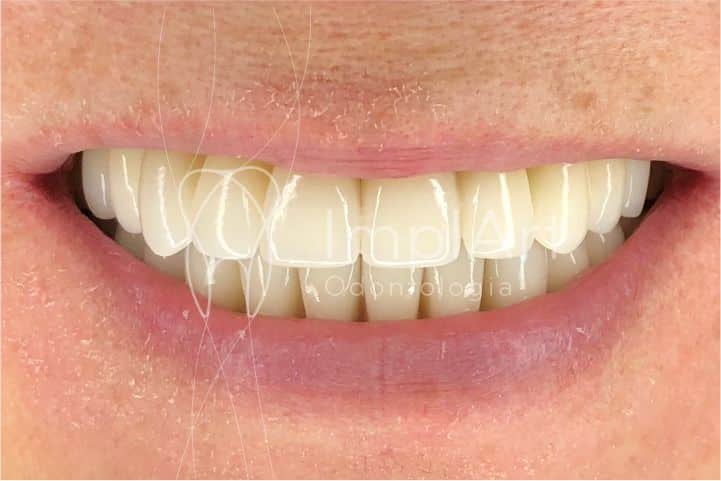
Computer-guided implants for less invasive surgery and faster recovery

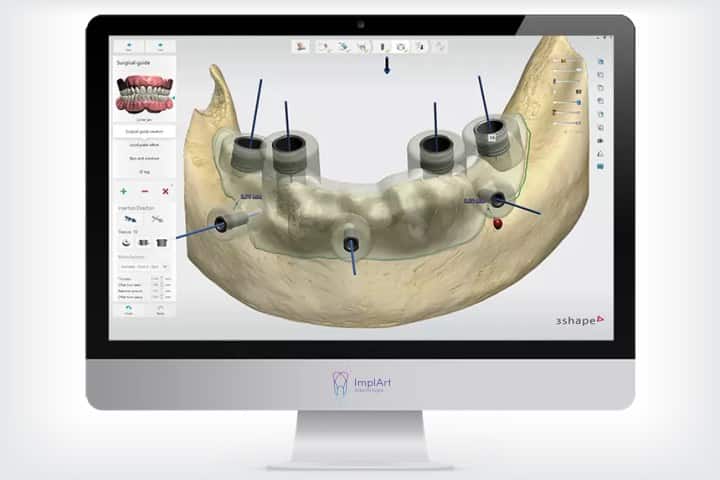
Rehabilitation with All on 4 implants is best performed using computerized planning, better known as guided implant surgery.

Due to the limited bone volume, we perform a CT scan to accurately measure the width and height of the available bone. With this information, it is much easier to choose implants with diameters and lengths appropriate to the volume, as well as to choose the areas with the best conditions for insertion.
all on 4 22
Implant surgical guide planning

Once the measurements of the implants have been defined, as well as the positions in which they will be placed, we make a plastic guide that will serve as a surgical template.

Guided surgery for implants favors minimally invasive procedures, without making extensive cuts in the gums because surgical access is through small holes in the gums. The surgical guide ensures the guided and precise placement of osseointegrated implants.

Types of implant prostheses All on 4

The ultimate prosthetic solutions for All on four:

If you would like more information about the All on four technique, please contact us. We at the ImplArt Dental Clinic will be happy to assist you.

Cerec 3D – Emax Cad crowns

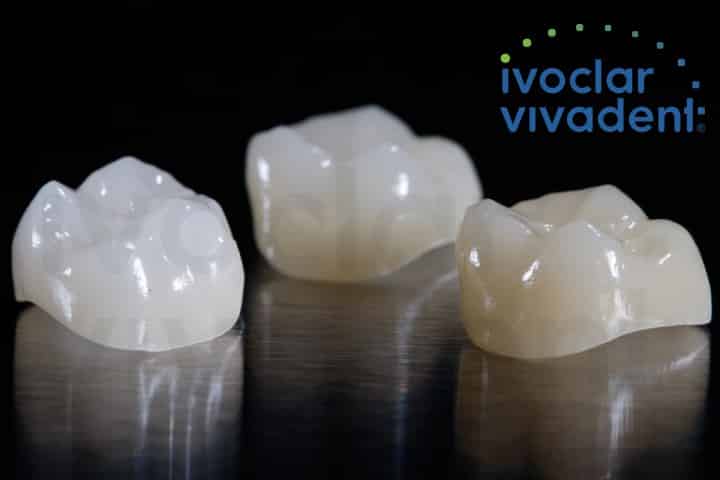
Emax Cad crowns are prostheses used in oral rehabilitation and dental restoration to cover, protect and strengthen teeth that have been extensively damaged by decay or root canal treatment.

Ceramic crowns in Emax Cad

Developed by the German company Ivoclar, the technical name of the Emax material is lithium disilicate and it has the ability to offer high aesthetics and high resistance.

all on 4 25
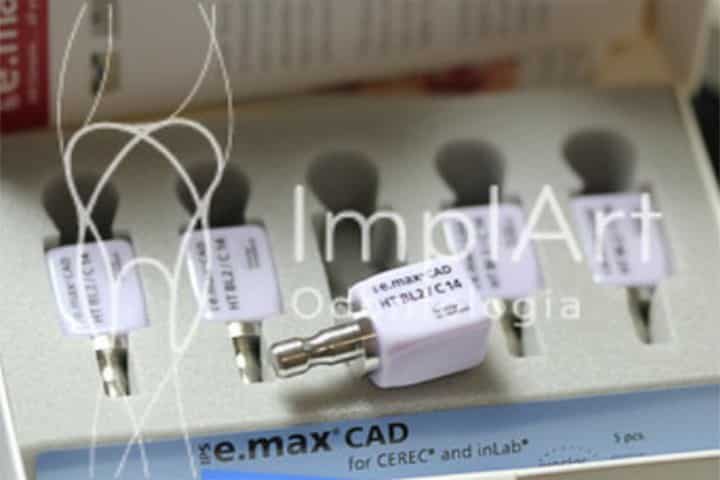
Raw material blocks for Emax CAD computerized dental porcelain

Dissilicate porcelain is classified as a glass porcelain, or glass-ceramic, with diverse applications for dental prostheses on teeth and implants, contact lenses, porcelain blocks, individual crowns on structure. In other words, these are applications for single teeth or up to 3 teeth. For larger dental prostheses, we use other types of dental porcelain, such as translucent dental zirconia.

emax cerec implart crowns
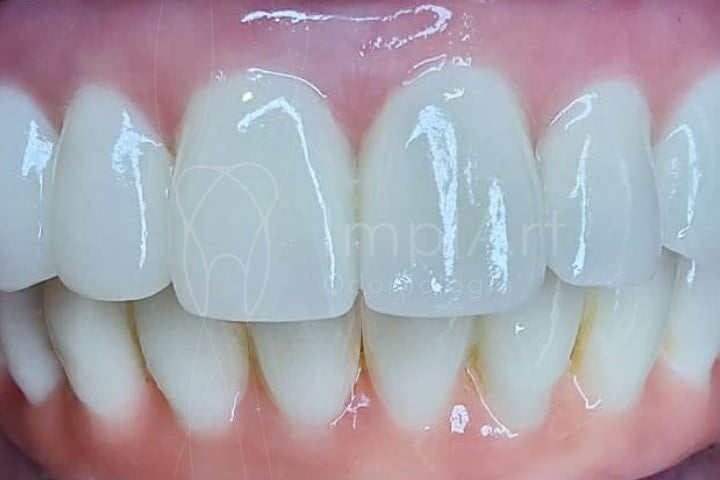
Digital emax crowns guarantee the best aesthetic results

EMAX crown applications

Dental crowns can also be placed on dental implants to replace missing teeth. They can be made from different materials such as temporary resins, but the main one is Emax Cad ceramic. What are the main advantages of the Emax Cad crown?

  • High resistance and durability;
  • Very aesthetic look, similar to a natural tooth;
  • Range of blocks with different colors and types of resistance for different uses;
  • Minimally invasive restorations;
  • It can be made using the metal-free technique (no metal in the internal structure). This makes the crown look translucent and much more aesthetic in bright environments.
emax crowns
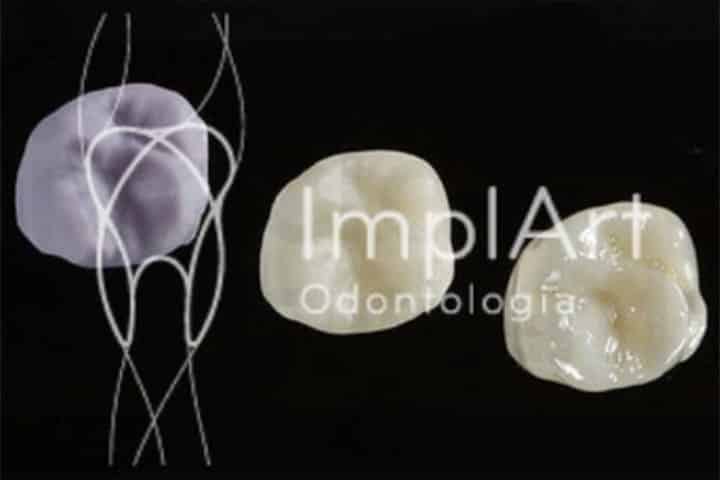
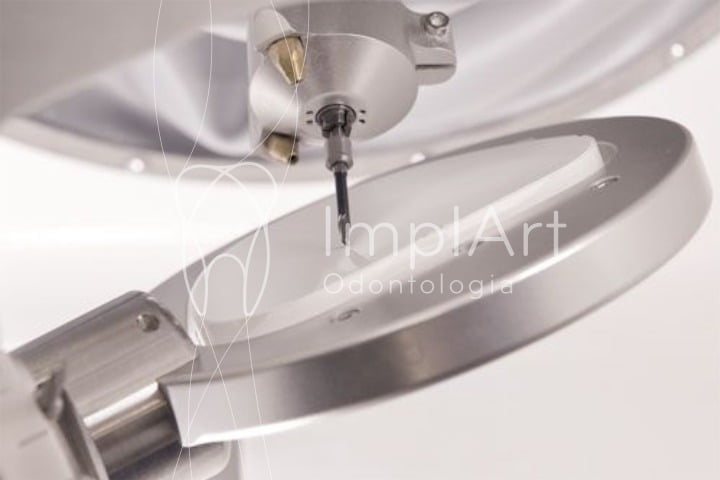
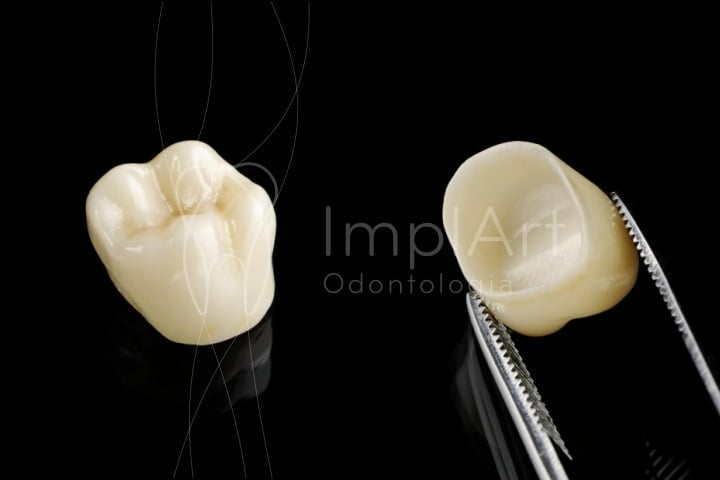
The digital emax crown is milled by robotic machines in the blue phase, when the material is still soft. The material is then crystallized at over 700 degrees to achieve the final color. On the right, it has received the final polish that guarantees the smoothness of the structure and final pigmentation (even in black light environments).

Emax porcelain crowns in digital dentistry – how are they made?

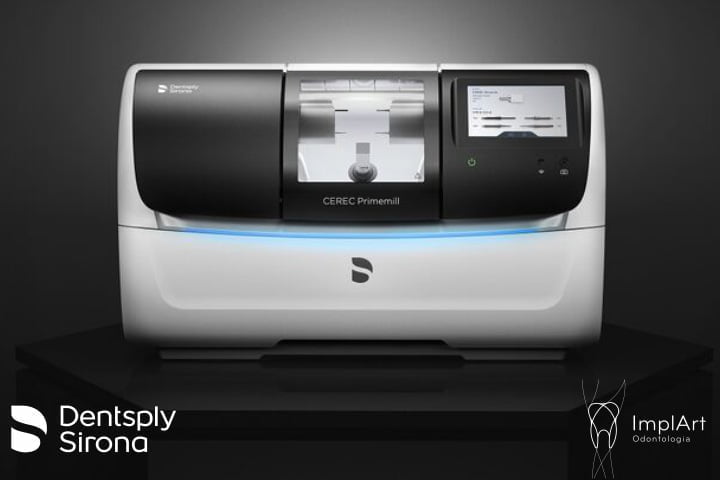
ImplArt Odontologia is equipped with the modern Cerec 3D system with CAD/CAM technology, which simulates and digitally plans the treatment right through to making the Emax Cad ceramic crowns. The system is complete and consists of three units:

all on 4 29
ImplArt has the most up-to-date version of the Cerec system milling machine. This German technology allows us to produce metal-free crowns, restorations and dental lenses much faster and with greater detail.
emax ceramic crowns 3d printer
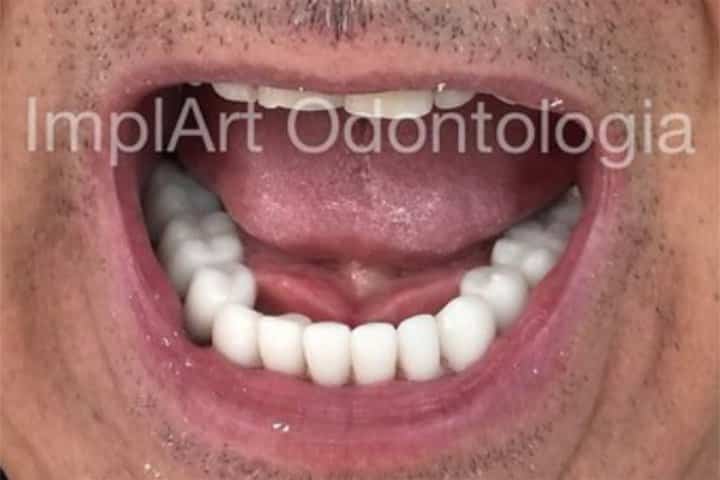
Complete oral rehabilitation of the lower arch using emax computerized porcelain

Read more: After a dental implant, can I place the tooth on the same day?

When the milling is complete, the piece undergoes a sintering process at approximately 850°C and acquires high strength, shade and translucency. The CEREC 3D system certainly speeds up treatment, even allowing it to be carried out and finalized in Day Clinic planning.

With it, it is possible to make crowns and restorations that are very precise and customized to the needs of each case. Contact us and make an appointment to find out if your case could benefit from this technique.

We’ll be happy to solve your problem in our specialized clinic. We also offer translucent zirconia crowns, a new type of dental porcelain that is even more resistant than Emax.

protese protocolo

Dental prosthesis price in Brazil

We often receive messages from people wanting to know the price of dentures in Brazil, especially fixed dentures on dental implants. We would like to answer this question quickly, but we try to explain that these questions can only be answered in person after a dental consultation.

Let’s go. It’s important to note that dental prosthesis prices can vary depending on the type of prosthesis, the complexity of the case and the materials used. In addition, the placement of a fixed prosthesis on dental implants also requires a careful assessment of the patient. It is therefore necessary to make an appointment for a dental consultation so that a professional can analyze your specific case and provide an accurate quote. Remember that oral health is fundamental and investing in a suitable prosthesis can benefit your quality of life.

Dental prosthesis prices in Brazil

Price and value of dentures

Firstly, it is necessary to have a consultation with the dentist, either in the office or via TeleOdontology. Secondly, dental treatment can only be indicated after a careful assessment of the patient.

There are many variables that influence the planning of a treatment. In the same way, there are several options for materials and techniques that impact on the composition of a budget. What’s more, a treatment that may be suitable for one person may not be the most appropriate for another.

Thirdly, it is primarily important that the person is assessed by a specialist dentist. Often the patient thinks they have a dental problem and believes that a particular treatment may be the solution, but in the professional view the most appropriate treatment may be something else.

The dental surgeon is qualified and trained to look at oral health in general. They also provide guidance and recommend the necessary procedures to keep teeth beautiful and healthy throughout life.

We at ImplArt believe that dental treatment goes far beyond a simple monetary value

There are important factors that influence a cost-benefit ratio, such as the health and well-being that healthy teeth provide. In addition, there are other immeasurable aspects: the improvement in self-esteem, the patient’s comfort from the beginning to the end of treatment, the relationship of trust between patient and dentist, the professional’s empathy with the patient’s feelings…

Patients often bring with them anxieties, expectations, fear of the dentist, as well as trauma from previous negative experiences. So how much do you think a smile is worth?

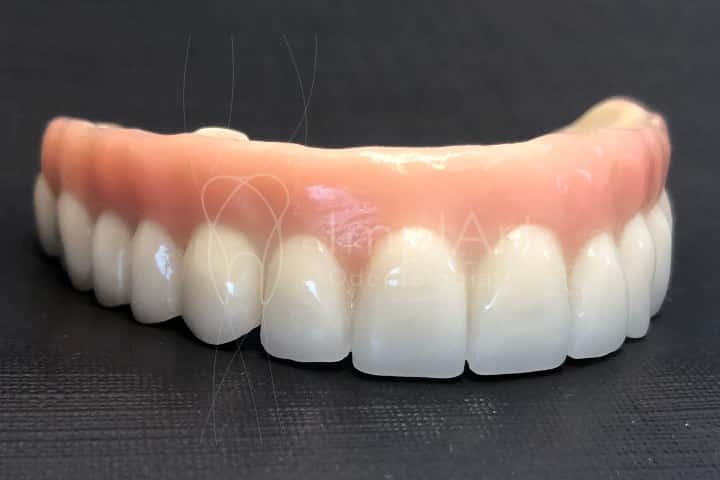
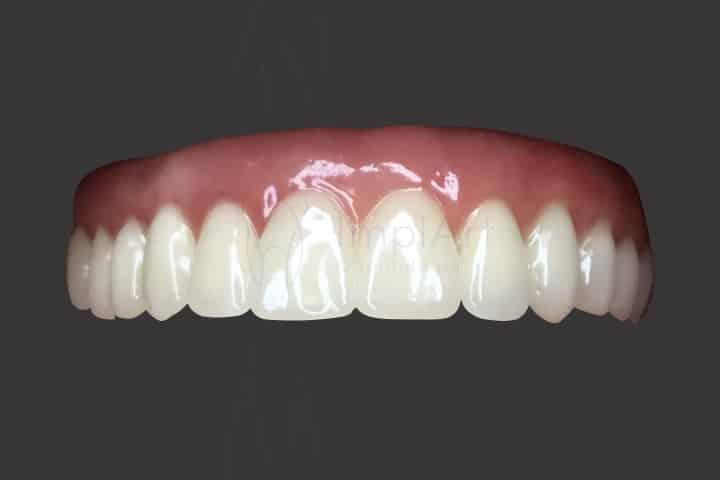
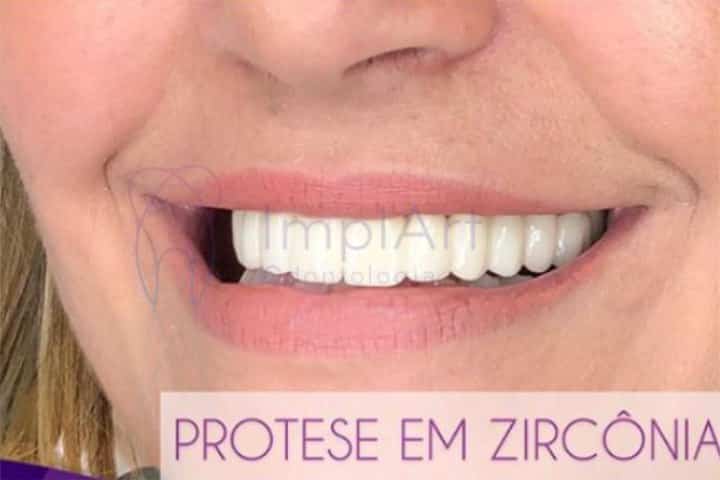
zirconia fixed total prosthesis for implants made at ImplArt

Common questions about Prosthodontics price:

Is there a charge for the first consultation?

Yes, there is a charge for the first consultation. The patient will be assessed by the clinic’s director, Dr. Roberto Markarian, who has extensive experience in treatments for functional and aesthetic oral rehabilitation, with dental implants as well as dental prostheses.

If necessary, the patient will have to undergo some radiological examinations to help with the diagnosis and treatment planning. For your convenience, some of the main radiological examinations can be carried out within the clinic (at a separate cost).

If you already have previous exams, bring all the recent ones (up to 1 year old) to your appointment, as they will be of great help.

My dentist doesn’t charge, why do you?

We follow the rules of the CRO, the Regional Council of Dentistry, which specifies that dental services cannot be free, in the same way as medical consultations. The culture in dentistry is changing and the number of dentists who charge for consultations is growing.

The dental surgeon who will be attending you has studied at university and takes frequent postgraduate courses. Their time is valuable, just as it is in other health professions.

Does ImplArt cover any dental plans?

At the moment we don’t accept dental insurance or any type of plan. Most dental plans don’t offer cover for dental prostheses, implants or aesthetic procedures, which are precisely the focus of our clinic. However, we do accept plans for the reimbursement system or free choice.

There are companies that offer their employees this system, in which they later receive the amounts paid. There is some bureaucracy involved, but we can help. If you have any questions, please contact us through one of the channels below or make an appointment!

Dental Implants for Dentures – Acrylic Bridge

The Branemark prosthesis is a technique developed in 1969 by the Swedish doctor Bränemark with the aim of oral rehabilitation (Dental Implants for Dentures) with dental implants for people who have lost their teeth. It is currently indicated for people who lost their teeth many years ago and therefore have little bone volume (advanced bone resorption).

In these people, mobile prostheses, dentures (normal, partial and dentures) often become loose and cause discomfort and insecurity. In this way, a fixed prosthesis on implants certainly brings much more peace of mind and comfort to the wearer. Treatment with the Bränemark protocol consists of two stages: surgery with implants and prosthetics at intervals of four to six months for the mandible and maxilla. This interval is necessary for the correct healing of the dental implants.

The material used for protocol prostheses can be resin, and its technical name is metal-plastic. In this case, the prostheses can come in two versions: Resin with national teeth or Resin with imported teeth. In this second option, we can consider teeth with more natural aspects, and more resistant to wear and acquiring stains from food. However, the most modern materials today are zirconia protocols and porcelain protocols on total implants.

Why should I have Dental Implants for Dentures?

The Dental Implants for Dentures is a modern option for patients who have lost all their teeth. It is anchored by screws to several implants, providing greater stability and chewing efficiency. In addition, treatment brings with it a number of benefits. Here are several of them, which you can consider if you’re thinking of having a protocol prosthesis:

  • Chewing efficiency: Because it is screwed onto several implants, the Dental Implants for Dentures prosthesis offers greater stability and chewing efficiency than other solutions such as removable prostheses. The prosthesis does not fall out and can only be removed by the implant dentist in the clinic.
  • Easy adaptation: The Dental Implants for Dentures prosthesis is known for its easy adaptation and general use.
  • Durability: The resin acrylic prosthesis is durable and will restore your bite for several years. However, it may be necessary to replace the prosthesis in the future if the materials wear out.
  • Aesthetic results: A branemark bridge prosthesis can provide a natural aesthetic result, giving patients back their self-esteem and confidence to smile.
  • Freedom: Prostheses give patients more freedom and also improve their self-esteem.
  • Less pain and frequent bruising of the gums: Protocol-type dentures can reduce the occurrence of frequent pain and cuts in the gums. This is because the prosthesis does not rest against the gums and is not mobile, so it does not cause sores.
  • Ease of cleaning: Full arch acrylic implants are easy to clean. There are appropriate instruments for cleaning your fixed teeth. The full resin implant prosthesis has a smoother texture and accumulates less plaque than ordinary removable prostheses and dentures.
  • Cost: Resin bridges usually require a lower investment than the second option, porcelain, or even zirconia. In addition, maintenance, when necessary, is not expensive.

What’s the difference with plain ceramic (metal) or zirconia metal-ceramic prostheses?

Metal-ceramic prostheses, known as porcelain, differ from metal-plastic prostheses, known as resin or acrylic prostheses, in terms of their resistance and aesthetic results. Porcelain surpasses resin because it offers long-term patient comfort, since it is much more resistant to wear and tear and remains the same over the years as the day it was installed, in terms of color and tooth shape. Translucent Zirconia, on the other hand, allows computerized methodologies to be used to plan and execute full-arch prostheses. In addition, its resistance and aesthetic results are superior to any other, making it the most modern material option available in dentistry today.

Metal-ceramic prostheses: the internal structure is made of titanium alloy while the aesthetic coating is made of dental porcelain. Despite what it may seem, these materials are very light and resistant.

Zirconia is the most modern technology for making fixed prostheses on implants. For full-arch dental implants we have Translucent Zirconia and Zirconia with porcelain applied.

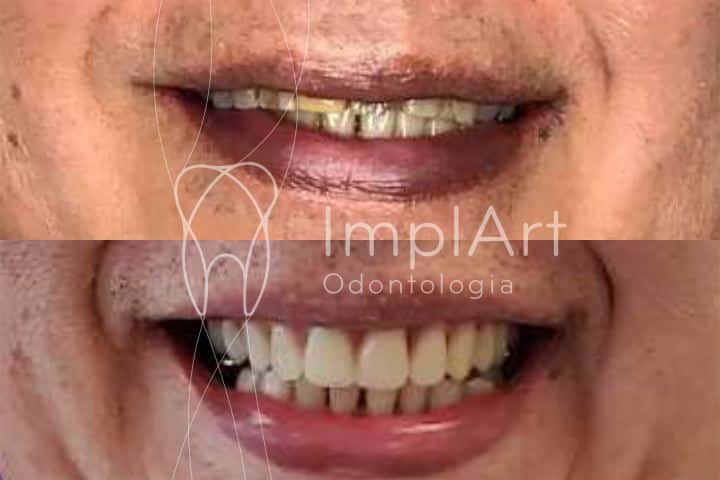
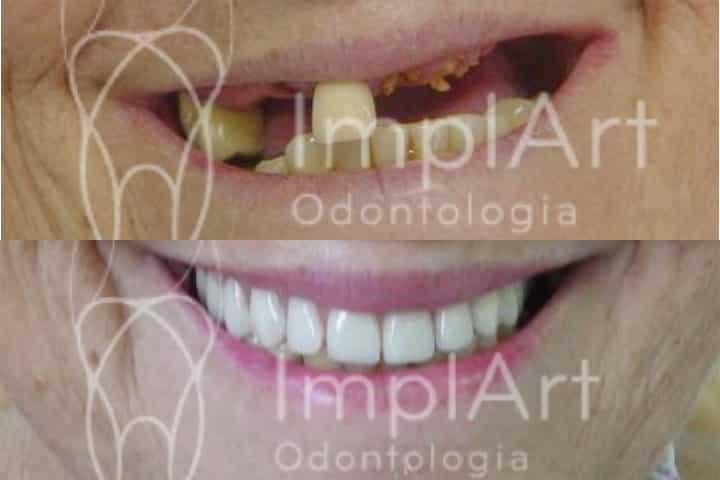
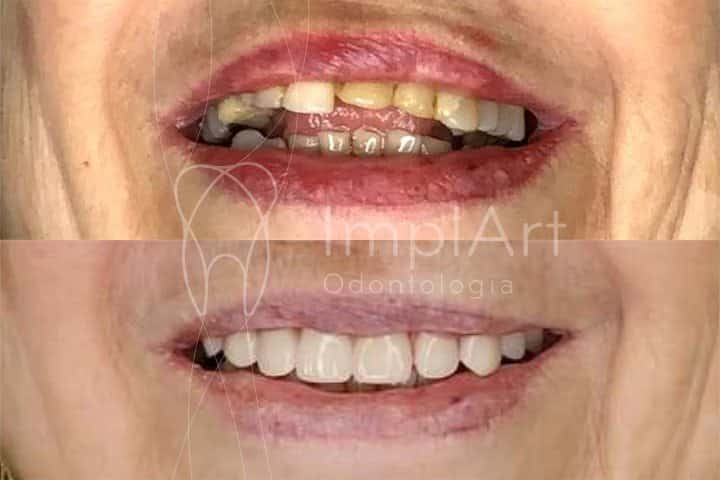
Dental Implants for Dentures images – photos of real cases

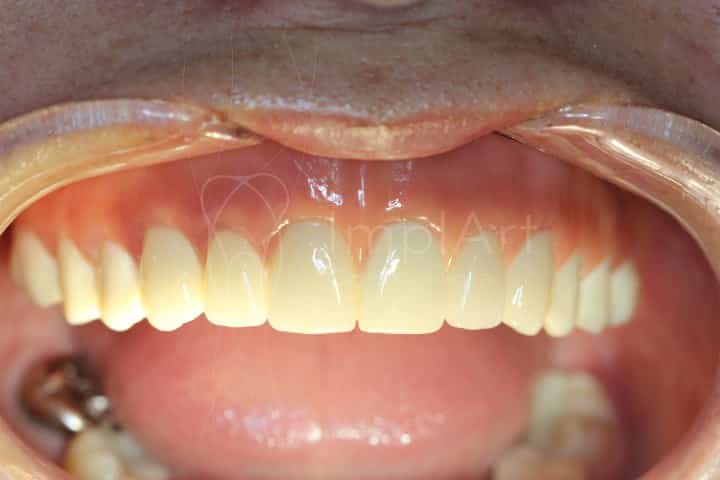
See below for examples of our Branemark Acrylic Prosthesis clinical cases. We have our own in-house dental laboratory capable of carrying out the treatment more quickly, safely and with the highest quality.

At the ImplArt clinic we have already carried out thousands of treatments with full-arch dental implants. Come and see our work!

Dental Implants for Dentures prosthesis and total implant with immediate loading

Nowadays, with the advances made in dentistry, in some cases it is possible to implant in 72 hours using immediate loading. First, four, five or six implants are installed, distributed over the entire arch. They are then left to rest (heal) for four months. After this period, the acrylic prosthesis is fixed onto the implants. For this treatment with immediate loading, there is a need for clinical indication, so that the success of the treatment is not compromised.

Do Dental Implants for Dentures last forever?

The longevity of a fixed bridges for dental implant can be influenced by several factors, including the patient’s oral hygiene and the type of prosthesis used.

The implant pin/screw, which is made of titanium and acts as the root of the tooth, has the potential to last a lifetime. This is due to its ability to integrate with the jaw bone, a process known as osseointegration.

However, the dental prosthesis, which is the artificial tooth placed over the implant, may need to be replaced over time, as they wear down with use and chewing, in the same way as natural teeth. Dental prostheses are generally made of acrylic, zirconia or porcelain, and their durability can vary. For example, a resin prosthesis can last up to 10 years, while a porcelain or zirconia fixed prosthesis (all on 4) can last up to 20 years.

It is important to note that the longevity of the dental implant can also be affected by the patient’s general oral health. Good oral hygiene and regular visits to the dentist for check-ups and maintenance are essential to maintain the health of the implant and prosthesis.

Conclusion

The Dental Implants for Dentures is made from a metal bar to which the resin teeth are fixed. With the Bränemark protocol, patients who have previously been ashamed of their smile due to dental problems and whose self-esteem has been affected can smile normally again, since their phonetic ability, chewing and swallowing improve and provide a better quality of life. If you have any questions, please contact us or book an appointment with our team.

Escanear o código
Open Chat

See other work done with resin

Resin onlays

Direct composite resin veneers

Resin restorations

Resin dental recontouring

Dental implants – Frequently asked questions

Find out the most frequently asked questions about prostheses on implants

Are implants aesthetically pleasing?

In short, it depends a lot on the system used and the local conditions. Aesthetics have improved a lot in recent years. But it’s important to bear in mind that, however good the implant and the professional, the first is still a prosthesis on an implant, i.e. the replacement of natural teeth with artificial ones.

Therefore, expectations regarding implants are common, but can usually be followed by a certain amount of frustration. In many cases, the aesthetic solution is quite acceptable. Fortunately, there have been many advances, not only in the materials used to make prostheses, but also in techniques.

Nowadays we can build prostheses that look more and more like natural teeth. However, the main objective must always be functional. The implant is far superior to other prosthetic procedures, and in the absence of teeth, it’s the best we can do.

Dental implant prosthesis: some of ImplArt’s work

How long will I be out of implant prostheses?

In simpler cases, some kind of temporary implant prosthesis is provided for the patient to use immediately after surgery. In the case of the totally edentulous, the period is limited to a few hours to a few days after the first surgery. In the second stage, once the implants have healed, the patient is not left without the prosthesis. In some cases, the immediate loading technique can be used.

Can I eat anything after the prostheses have been fitted? What if I fracture a tooth in the implant-supported prosthesis, is the implant lost?

Not everything can be eaten, but the restrictions are not too severe. Certain foods can even fracture natural teeth. In short, a diet with a minimum of care is sufficient to preserve the teeth of implant-supported prostheses. One positive fact is that repairing fractured teeth is relatively easy.

What happens if the implant (post) becomes mobile after the prosthesis (tooth) has been placed?

All mobility is progressive and indicates that the implant has been lost. Each case is assessed individually and, in principle, the implant can almost always be replaced. This event brings frustration not only for the patient, but also for the dentist. In fact, what happens is an increase in treatment time and, above all, the need to be patient in order to complete it.

I have a full upper prosthesis. I would like to know about the possibility of placing an overdenture without a palate. How many implants? What are the costs?

The overdenture without a palate is a good option because it makes the wearer feel more comfortable. To do this, at least four implants need to be placed. Another option is a fixed prosthesis on implants. This would require four to six implants.

The cost of this type of treatment is variable and it depends on tests to predict the availability of bone in the area. In other words, prices can only be given after a face-to-face consultation and an assessment of the particularities of each case.

I would like to know about the possibility of replacing two removable prostheses with staples with fixed prostheses without staples or implants. I would also like to eliminate the visualization of the staples in my smile.

A treatment like this appears to be of little complexity and can be completed in a short time, according to our Day Clinic philosophy. We always suggest that you also have your teeth whitened to make your whole smile whiter and more aesthetically pleasing.

I have two fixed bridges (one on each side) on the top and I have two implants started (the pins have been placed). I’d like to complete the implants and replace all my teeth with nice white ones, because mine are yellow and the bridges are old with the metal showing. I would also like to know how many days it would take to do a treatment.

A treatment like this is considered to be of minor complexity and can be completed in between 10 and 15 days, according to our Day Clinic and Dental Spa philosophy. The colors of the teeth will be chosen jointly between the dental team and the patient. We always suggest that teeth whitening is also carried out so that the whole smile becomes whiter and more aesthetically pleasing.

I wear lower and upper dentures. Can I get my teeth back? Can you provide information on costs?

Nowadays it is possible to restore teeth even for people who have been wearing dentures for many years. There are many alternatives, especially dental implants. To get an estimate on the price of dental implants, you’ll need a face-to-face consultation and more detailed examinations, which can easily be carried out at our clinic.

replace dentures with fixed dentures on dental implants
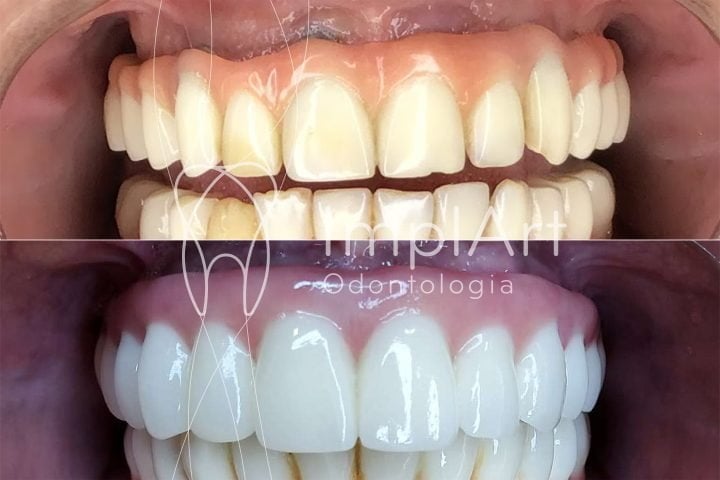
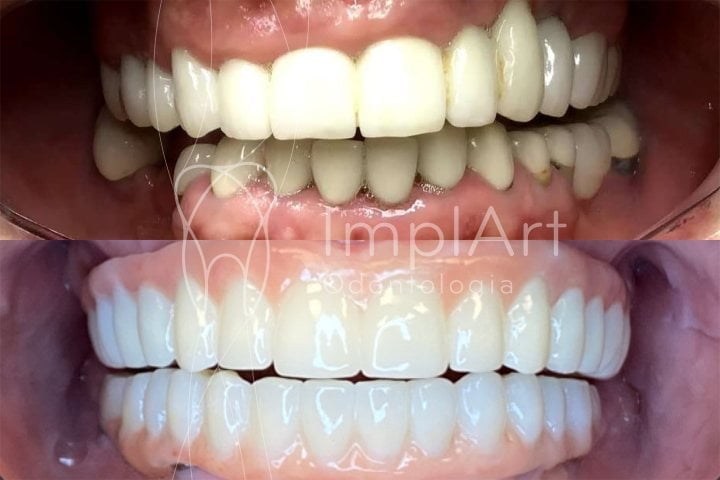
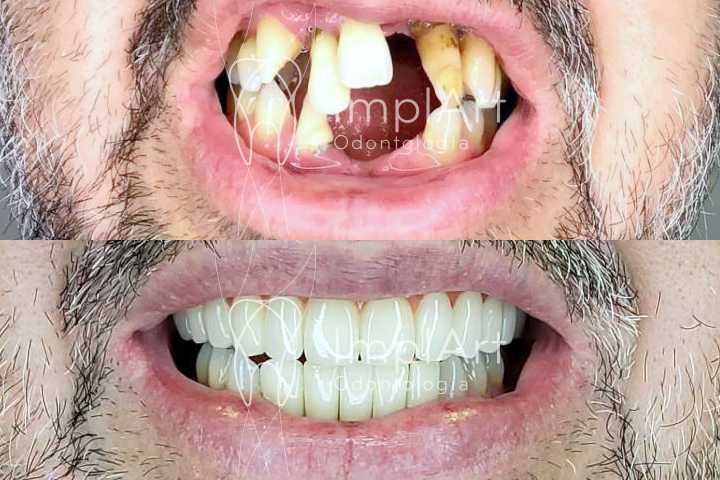
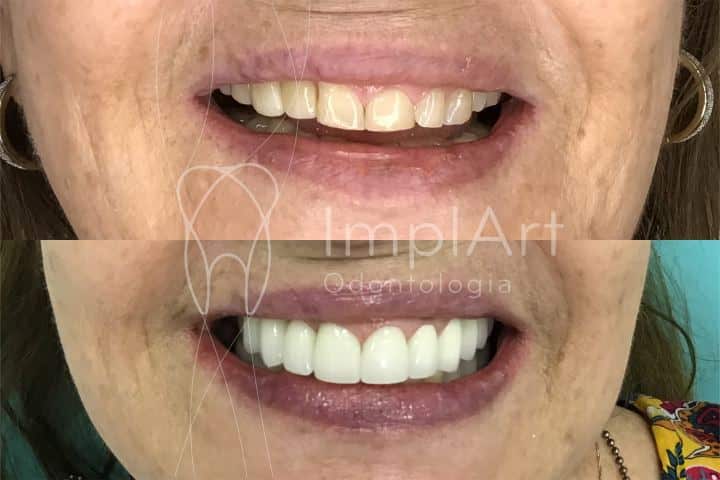
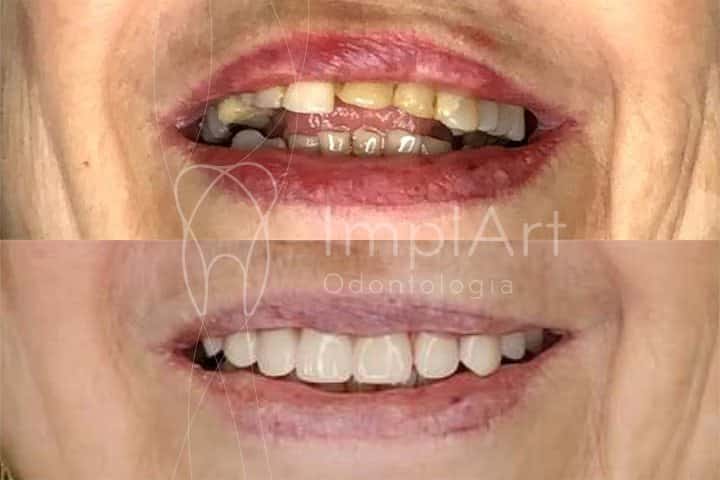
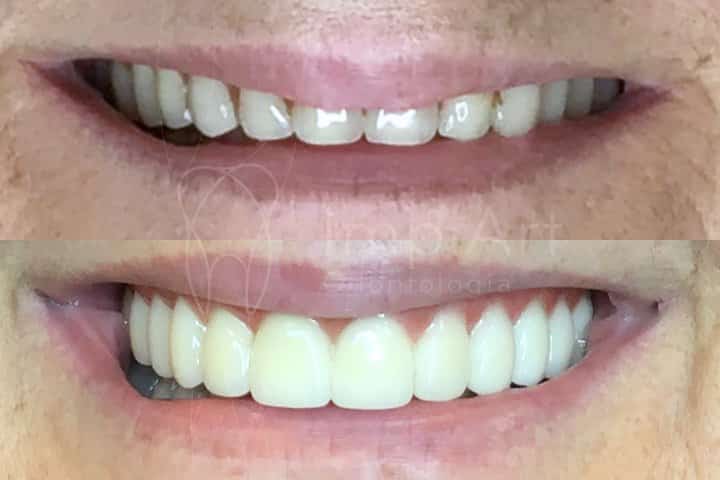
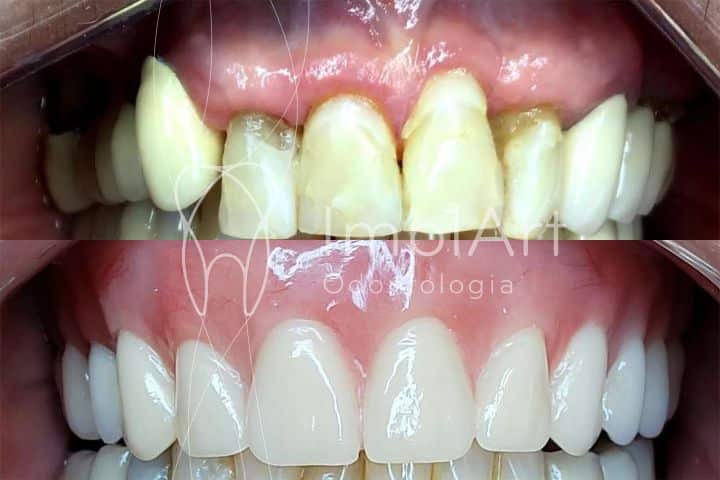
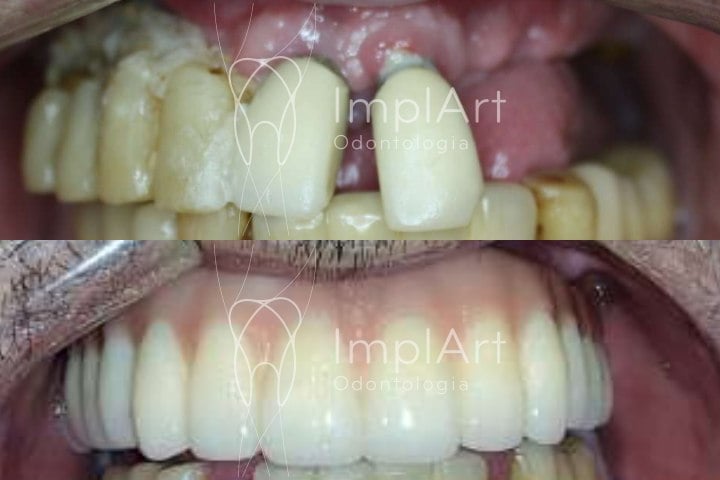
Example of replacing a denture with a fixed zirconia prosthesis on implants

Should I go back to the dentist after having my teeth fitted?

At least one clinical radiographic check-up is required every year. It is also the patient’s obligation to attend these check-ups. Appointments are important to identify any problems in time for them to be reversed. They are also used to carry out professional cleaning of the prosthesis, to assess whether the user is performing daily oral hygiene properly, among other aspects that only a professional dentist can identify.

Will chewing ability improve after implants?

Above all, implants have much better functional results than dentures and removable prostheses. Patients who have been wearing dentures for a long time and have implants fitted feel the difference is very significant. The fixed implant prosthesis does not move and the patient certainly feels more comfortable and secure when chewing, speaking and smiling.

I’ve heard that porcelain is the best material for teeth. If I want an implant-supported prosthesis with porcelain teeth, would that be possible?

In most cases it is possible to make a prosthesis on an implant with porcelain teeth. Porcelain teeth are undoubtedly the best material for making a dental prosthesis. Today there are porcelain teeth with or without internal metal that offer different aesthetic results, with metal-free porcelain being more aesthetic than prostheses containing metal.

If you have any further questions about prostheses on implants, please contact us through one of the channels below or make an appointment. We’ll be happy to help you!

What are the differences between pure zirconia and ceramic layered crowns?

There’s a lot of talk about zirconia dental crowns these days, but did you know that there’s more than one type of pure zirconia crown ? There are actually two types, which are not the same! Let’s follow the differences between Pure Zirconia Crowns and ceramic layered Crowns. In addition, we will present the benefits of the most modern crown, which uses computer graphics, the Pure Zirconia Crown, also called Translucent Zirconia.

First of all, in order to differentiate between the two types, let’s highlight the method used to make each one. While one relies on a super-modern method with computer graphics for its preparation, the other still has an artisanal stage with manual application of porcelain by a prosthodontist. They can be used for single crowns, crowns on individual dental implants, fixed prostheses and even total implants, with the modern zirconia protocol prosthesis.

This way, by the end of the text it will be clear that even though both options have zirconia, not all zirconia crowns are the same! Let’s get to know the important differences below:

Zirconia crowns combine strength and superior aesthetics for more natural results

Decay, a dental fracture or simply the loss of a tooth are enough to compromise the look and functionality of the dental arch, especially if the problem occurs in the front.

Therefore, in order to restore the aesthetics and function of the smile, it is natural to look for options that restore or make up for a missing tooth in a way that achieves the most natural and harmonious result possible. Whether for a crown on a tooth root or on a dental implant, zirconia is the material that offers this excellence. We can highlight the main advantages of zirconia:

  • Range of shades very similar to human tooth enamel.
  • Unlike metal-ceramic crowns, zirconia crowns have no metal parts in their construction. Therefore, there are no dark shadows when subjected to a beam of light, and there is no risk of a metal line appearing if the gums recede.
  • Fracture and stain resistant material
  • A fully or partially computerized manufacturing method, which makes treatment faster and more precise. The speed of digital zirconia crown production

CAD/CAM zirconia dental crowns

Zirconia oxide dental crowns are considered the most modern crowns thanks to their advanced technical and aesthetic properties. The shade and translucency of this high-performance ceramic are very similar to natural teeth.

The construction of dental crowns made from pure zirconia is totally unique and innovative, as these crowns are digitally designed using computer graphics and the CAD/CAM system, resulting in more precise pieces and much faster. The equipment has robotic arms that mill a block of zirconia until it reaches the designed shape. This type of crown has the highest resistance of all the dental crown options available. In addition, it allows for greater patient comfort throughout the treatment because it only uses digital readings, with a 3D scanner, without the need for the old mass moldings.

The CAD/CAM pure zirconia crown manufacturing method is 100% digital, while the ceramic layered zirconia crown, which we’ll see below, has a handmade interface, with mass molding and manual application of porcelain on the outside.

Zirconia crown with porcelain ceramic layered (zirconia + porcelain)

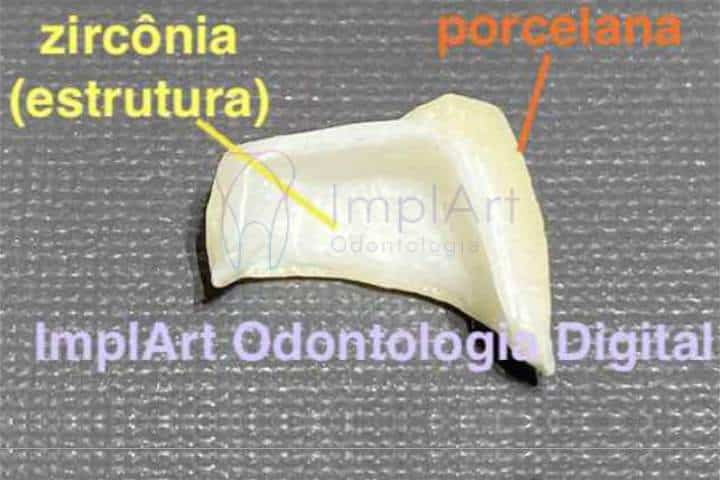
It is a crown in which the inner part is made of zirconia and the outer layer is made of ceramic layered material. Only the inner part of the tooth structure is made of zirconia, while the outer part is made of porcelain. The layered zirconia crown is more artisanal, as it requires a prosthetist to manually apply the outer porcelain layer.

all on 4 104
What are the differences between pure zirconia and ceramic layered crowns?

After the ceramic is applied to the zirconia structure, the crown undergoes a sintering phase in a kiln. In this way, each layer of ceramic applied takes on a spectrum of color, translucency and opacity in the crown, seeking to reproduce the color variation of natural teeth.

all on 4 106
Zirconia frame x crown with ceramic applied
all on 4 108
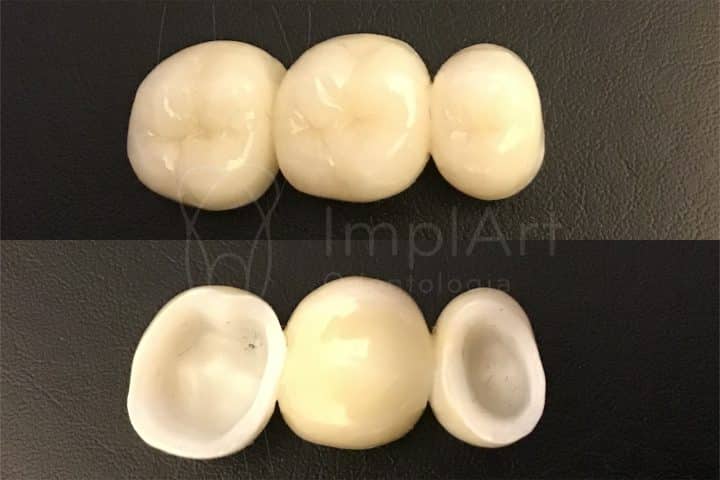
Applied zirconia crowns, top and inside view
all on 4 110
Crown cut in half showing internal zirconia structure and porcelain/ceramic layer.
all on 4 112

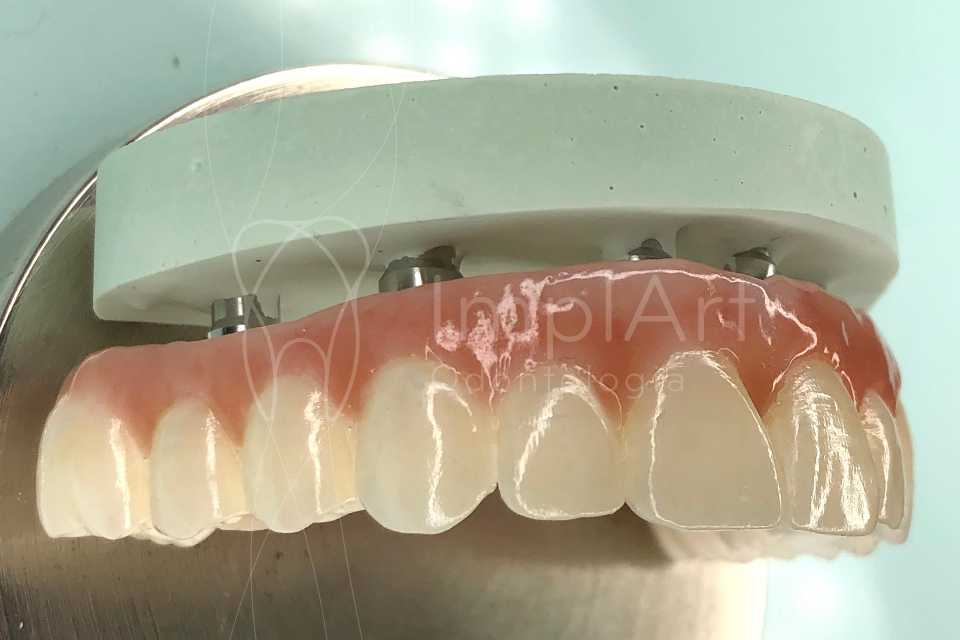
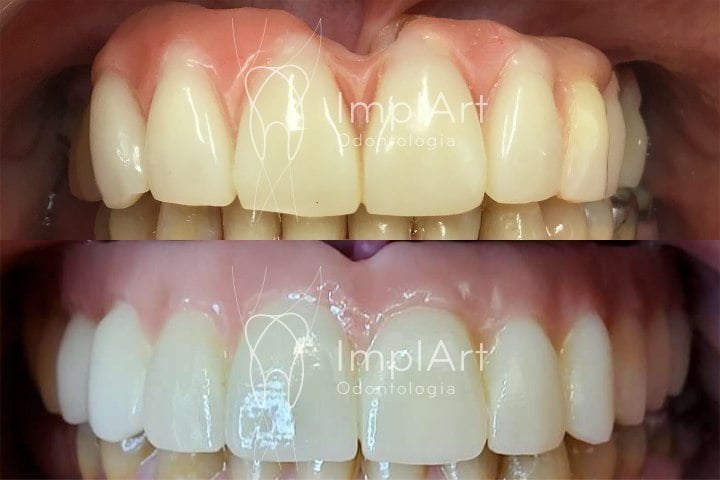
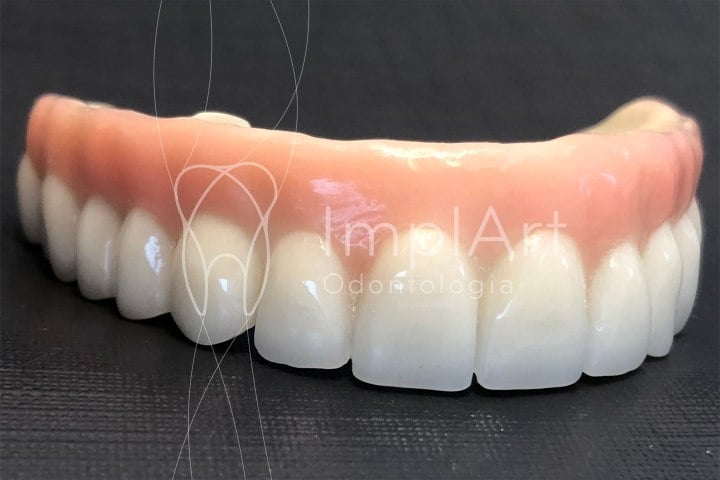
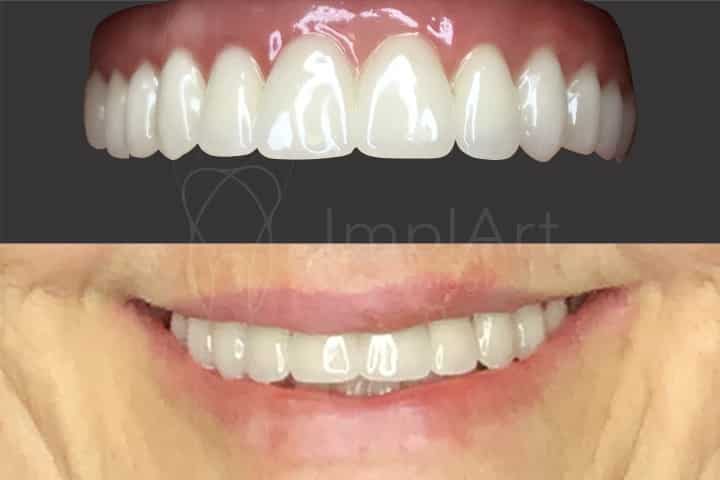
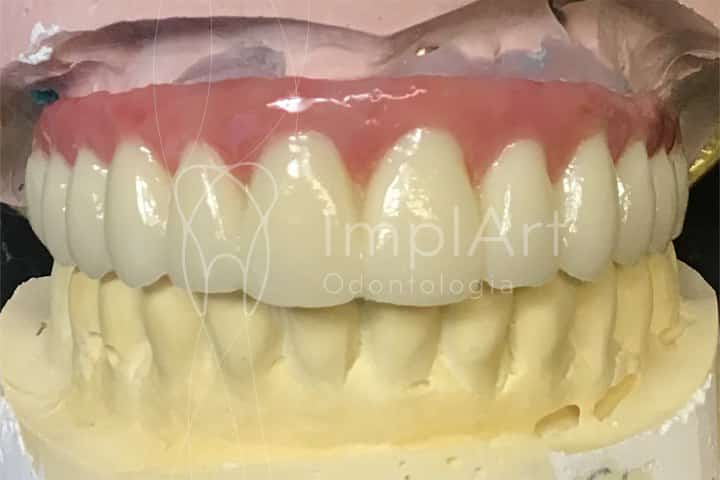
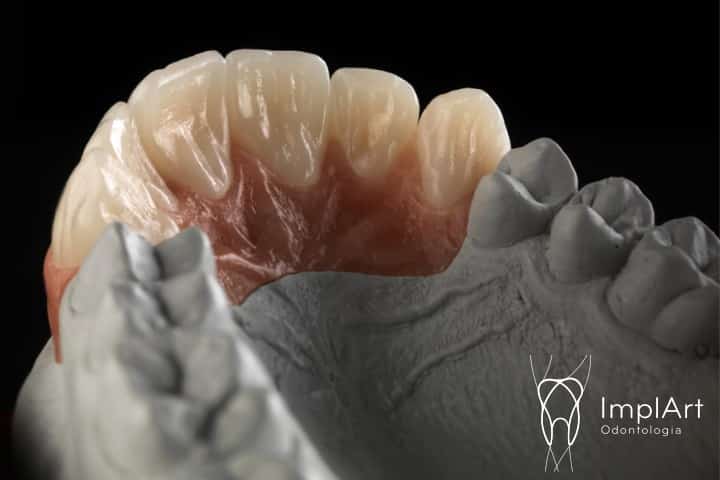
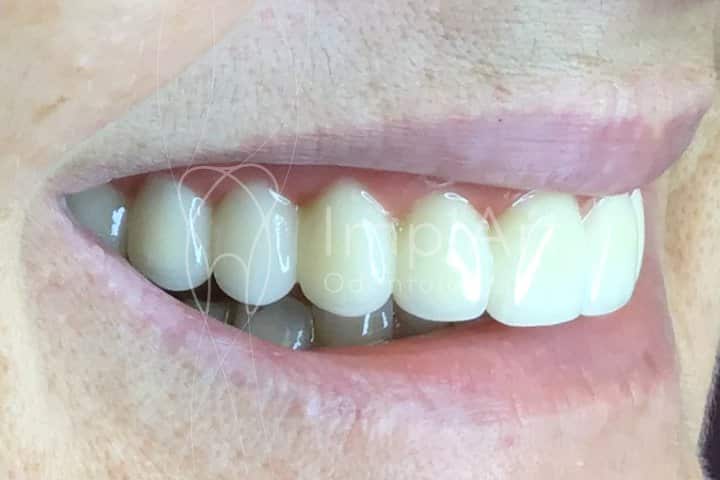
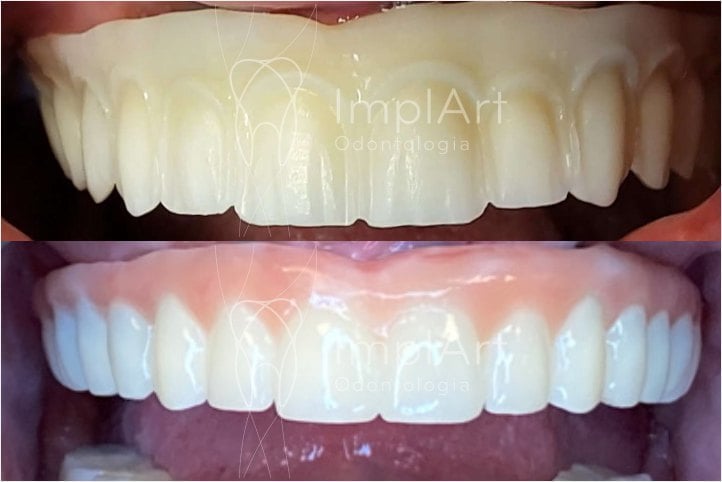
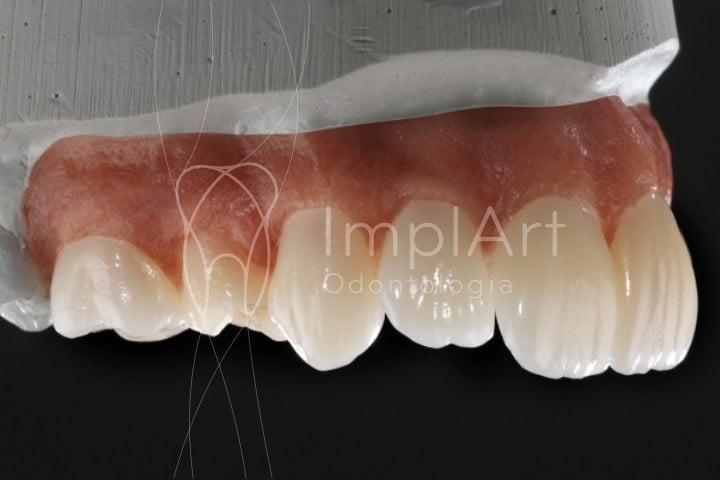
Zirconia full denture with ceramic applied. Note that in addition to characterizing the teeth, the ceramic gingiva has also been characterized. Both the crown and the applied zirconia prosthesis have no shadows or dark spots, even in very bright environments. The zirconia of the internal structure has a shade very similar to that of human dentin, which is the inner part of natural teeth. The ceramic, on the other hand, has resistance, color, translucency and texture very similar to tooth enamel. This type of crown or total prosthesis already has huge gains compared to metal-ceramic, which has a metal structure and a porcelain exterior.

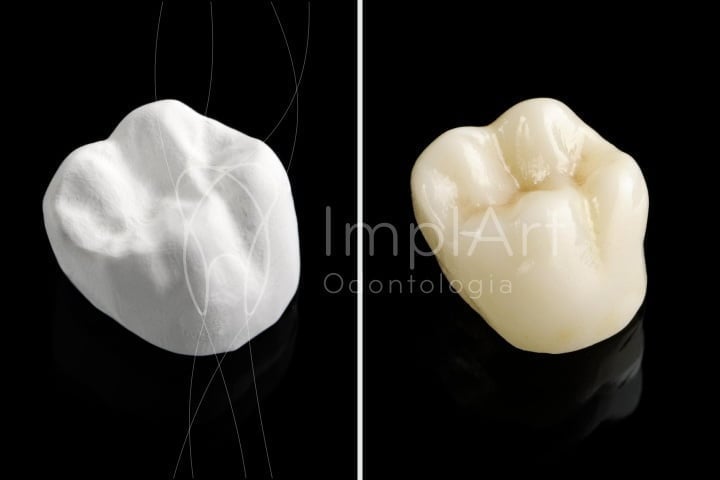
Pure milled zirconia crown

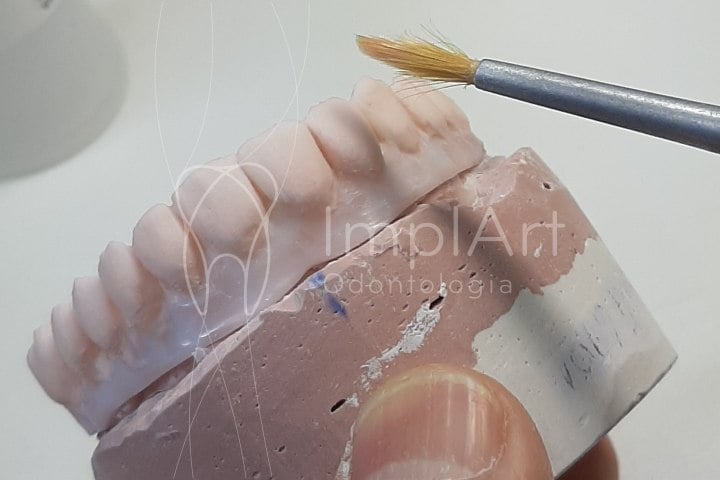
The pure zirconia crown is milled from a multilayer zirconia block, meaning that the block is already produced with the different layers of color and translucency just like the teeth. In other words, the pure zirconia crown model does not need a layer of ceramic to reproduce the shades and translucency of the teeth. After milling, it goes straight into the kiln. It represents the most resistant material available in dentistry today, in addition to the natural aesthetic result, similar to natural teeth.

all on 4 114
all on 4 116
all on 4 118
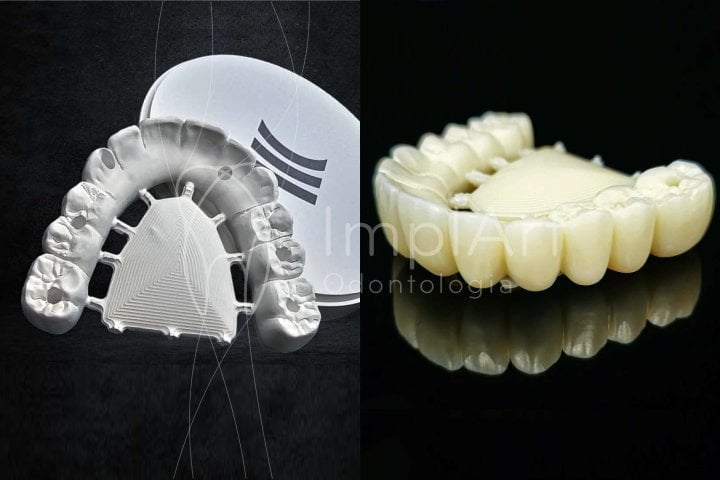
Pure zirconia full dentures milled and after sintering in the furnace
all on 4 120
Pure zirconia crowns

What is the best type of zirconia crown?

Nowadays, patients are looking for comfort when undergoing dental treatment. In addition, they want a treatment with high durability and aesthetic results. The CAD/CAM Zirconia Crown meets all these requirements precisely because of the characteristics of the material and the method of execution using digital design and a 3D scanner. Without the need for the uncomfortable mass moldings of old.

The production of CAD/CAM pure zirconia crowns, due to the fact that no manual ceramic finishing work is required, allows faster work to be carried out. If the need is for faster treatment, and the patient is looking for the most modern treatment, this is undoubtedly the best option.

Totally metal-free rehabilitation: is it possible?

Yes, in the event that you need to replace a missing tooth with a dental implant and prosthetic crown, this rehabilitation can be done with a ceramic implant as well as a zirconia crown. In this way, we achieve a metal-free implant treatment. This has been a trend for followers of biological dentistry, who are looking for dental treatments without any metal.

all on 4 122

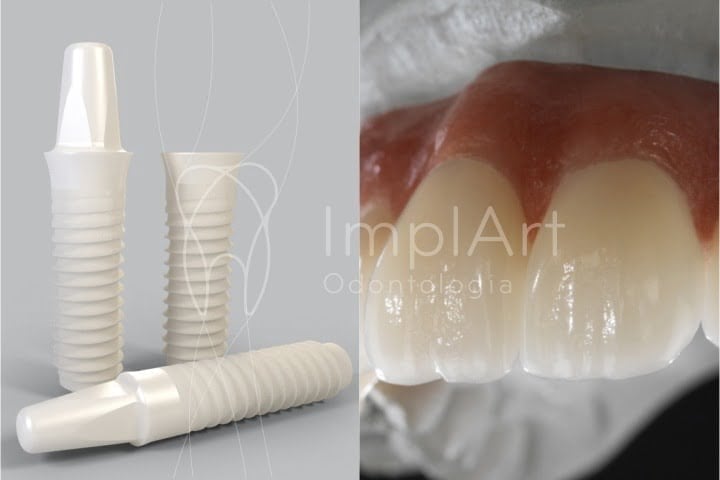
The combination of ceramic implant and pure zirconia crown, complete metal-free treatment. Suitable for people with high aesthetic requirements or those allergic to metals.

All of ImplArt’s zirconia dental crowns and prostheses are made in the dental clinic‘s own digital laboratory. This allows for high quality control and on-time delivery.

How much does a zirconia crown cost?

In order for us to ascertain the needs of your case: single tooth crown, fixed prosthesis, prosthesis on implants, prosthesis protocol, we need to assess you carefully and thus be able to give you the price of your personalized zirconia treatment. The consultation can be in person or online, for those patients who are physically far away. Contact us at ImplArt Dental Clinic and we will be happy to answer any questions you may have.

Contact us by WhatsApp (11) 3262-4750
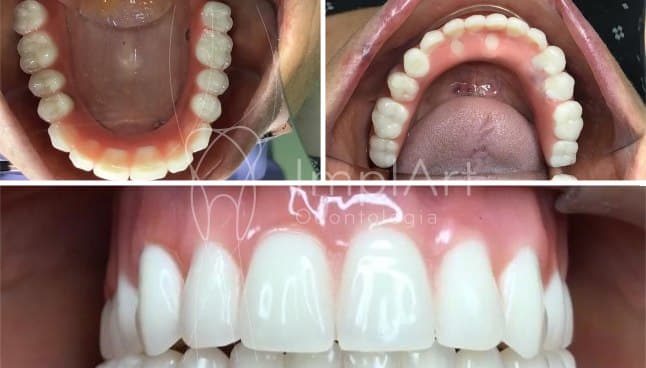
Morse-Fit: benefits of dental implant connection

What is a Morse-Fit (cone morse) dental implant?

Today there are various types of dental implants, including the morse-fit implant connection. But what does this mean? To understand what a morse-fit dental implant is, you first need to understand what an implant connection is. That way, we’ll show you why the morse-fit implant is the most modern implant available today. Dental implants from the Swiss brand Straumann have a morse-fit platform. Neodent also offers implants of this design.

A dental implant is a device that is surgically placed in the bone and has a function very similar to that of a tooth root. Just above the implant, the dentist places a dental crown or fixed prosthesis to fulfill the function of the teeth. In addition to the type of implant connection, there are also differences in the composition of the implants. There are therefore implants made of titanium and ceramic implants, white implants made of zirconia.

To make the union between implant and tooth, there needs to be an interface and this piece is called an abutment. The way the abutment is placed on the implant is known as the implant connection or prosthetic connection.

all on 4 125
Schematics of Morse-fit implants

There are different implant connection models, the main ones being external hexagon, internal hexagon and the advanced morse-fit system. Here, at the Implart dental clinic, we will present all the implant options suitable for your case during your initial assessment with our implant dentist.

identificação de implantes dentarios

Morse fit is a prosthetic connection system in which the implant has a conical central core. There is evidence that this format has several benefits over others. We’ll get to know them shortly.

Benefits of morse-fit implants over other types of connection

The morse-fit technique has a number of advantages and favors the dentist’s work for a more efficient and comfortable rehabilitation. See other advantages:

  • The conical shape preserves the bone crest, reducing the chances of bone loss, as this model is placed at bone level (below the bone).
  • Promotes bone stability which helps preserve peri-implant tissue.
  • The intermediaries used in morse-fit implants allow bone and gum to fill the space between the prosthesis and the implant, creating an ideal seal and preserving the bone.
  • The designed conical seal prevents bacteria from migrating to the implant. The design prevents bacterial colonization on the implant (peri-implantitis).
  • Studies have shown that the conical shape of the morse-fit implant connection is the best option for using the immediate loading technique due to the greater mechanical stability and performance of the abutment, and the favoring of osseointegration (the process of integration between implant and bone).
  • What’s more, these implants allow for faster healing and therefore a shorter implant treatment period

The morse-fit implant is the best option for the surgical and prosthetic phases, and performs best over time. Here are some more advantages:

  • The model makes it possible to plan computer-guided implant surgeries.
  • Excellent frictional retention as well as reduced gaps between the abutment and the inside of the implant prevent displacement. The space reduction increases the contact area of the interface, offering greater resistance than other internal connections.
  • The model favors the distribution of physiological forces around the peri-implant tissues
  • It favors the aesthetic result of the treatment, as the dividing line between abutment and implant is easier and more discreet. In addition, the gums regenerate better with morse-fit implants.
  • Its angulation makes it easier to remove the implant, should this be necessary, while preserving bone and gum tissue.
all on 4 128
The union between the morse-fit implant and the prosthetic parts is more stable and durable, preventing bacterial infiltration and infection of the gums and bone around the dental implant (peri-implantitis).

The main brands of morse-fit dental implants, national or imported, SIN Implant System, Neodent, and the Swiss Straumann, are available at Clinica dentaria ImplArt. Also, for those who live far away, we can make a preliminary online consultation and plan your dental implant surgery remotely.

If you have any questions about morse-fit implants, crowns and dentures, it’s best to consult an implant dentist. So get in touch with us or book an appointment with the specialized team at the ImplArt Dental Clinic.