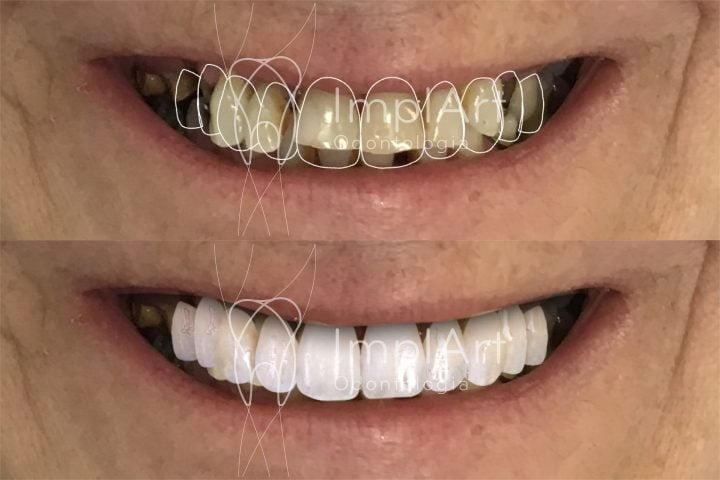
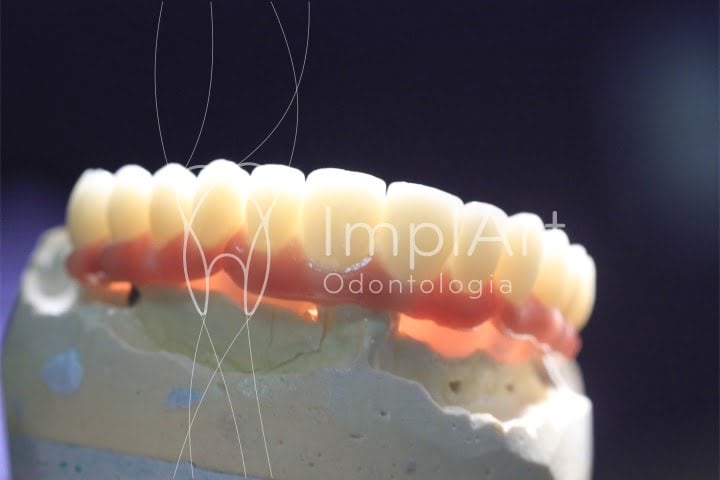
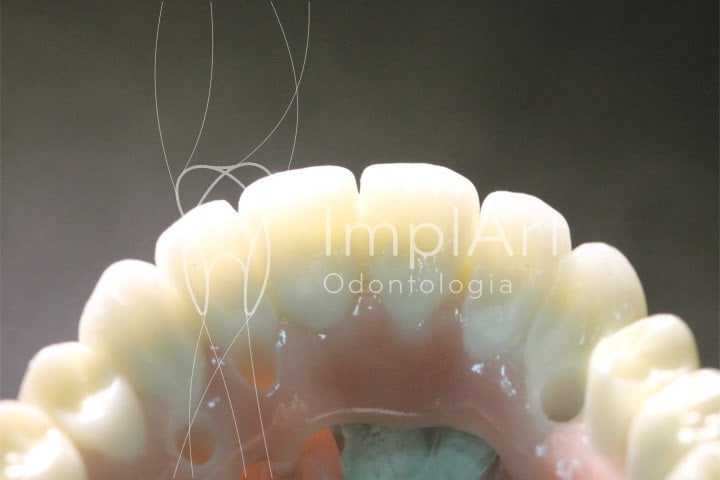
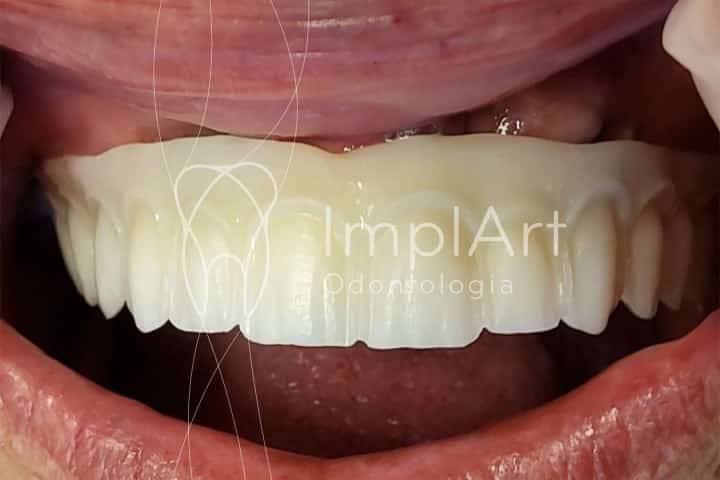
Tag: the dental implant

types of dental implants

Dental implant: types of dental implant and treatment stages

Losing one or more teeth can significantly affect your oral health and self-esteem. Fortunately, modern dentistry offers several types of dental implant that provide long-lasting results and a natural appearance. If you are looking for the best clinic to perform your dental implant in São Paulo, ImplArt Dental Clinic is the ideal choice! Recognized as the Best Dental Clinic in Brazil by the Global Clinic Rating, ImplArt offers the most advanced techniques and a highly qualified team to guarantee the success of your treatment.

In this guide, we’ll explore the main types of dental implant and treatment stages, explaining the benefits of each and how to choose the best option for you. In addition, we’ll demystify dental implant surgery, showing you that it’s simpler than it looks.

What is a Dental Implant?

A dental implant is an effective solution for replacing teeth lost due to tooth decay, gum disease, trauma or other oral problems. The implant is a structure inserted into the bone and serves as a base for crowns, dentures and the prosthetic protocol.

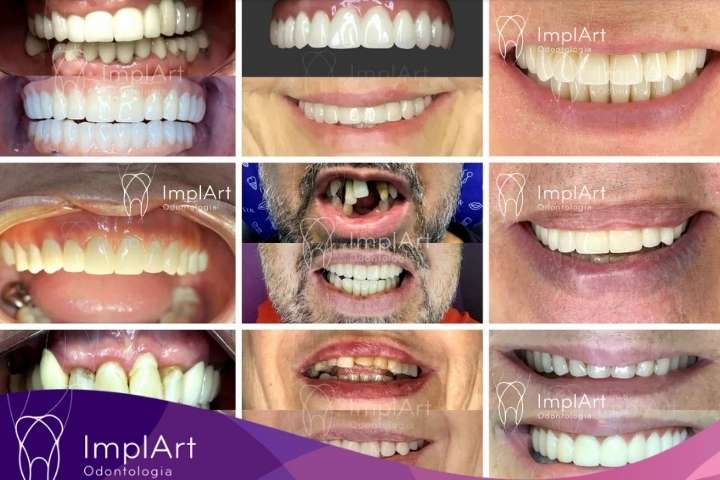
This procedure not only restores the function of natural teeth, but also improves chewing, speech and the aesthetics of the smile, positively impacting the patient’s self-esteem. At the ImplArt Clinic, we use different types of dental implants, including titanium and ceramic pins and zirconia implants.

Why Are Dental Implants Necessary?

In addition to improving appearance, dental implants are essential for oral health and general well-being. Implants help maintain facial structure, prevent adjacent teeth from shifting and prevent problems with the temporomandibular joint (TMJ). When a tooth is lost, the surrounding teeth can move into the empty space, causing misalignment and other problems. It is therefore ideal for the lost tooth to be replaced quickly with an implant.

At the ImplArt Clinic, the types of dental implant we offer are carefully designed for complete oral rehabilitation, with the best solution in mind for each patient.

What is Dental Implant Surgery like?

Dental implant surgery is a procedure carried out by a dental surgeon specializing in implant dentistry, called an implant dentist. Dental implant surgery is performed under local anesthesia and intravenous sedation may also be used. The surgery can last from 15 minutes to 1 hour, depending on the case. You can receive simultaneous bone grafting when necessary. In addition, implant surgery can be performed together with the extraction of the compromised tooth, in most cases.

Dental implant stages

Implant surgery begins with the application of local anesthesia to ensure the patient’s comfort. In some cases, we use intravenous sedation to reduce the patient’s perception during the procedure. Sedation is specially designed for those who are afraid of the dentist or who want more comfort during the procedure.

The implant is then inserted into the bone to serve as an artificial root. After the implant has been placed, the gum is sutured or, in cases where implant surgery is performed without cutting, only a piece called a scar is installed. The process is the same for all types of dental implant.

To find out more about computer-guided surgery, go to: “Blunt dental implants and computer-guided surgery”.

Does Implant Surgery Hurt?

A common concern among patients is pain. After all, everyone wants to know if dental implant surgery hurts. At the ImplArt Clinic, we ensure that the procedure is as comfortable as possible. The gum area is completely anaesthetized, and the bone where the implant is fixed has few innervations, making the procedure very smooth. For patients with a phobia of dental treatment, we offer the option of sedation, providing a more peaceful experience. There is also the option of electronic anesthesia, which can help patients with a fear of needles.

The post-operative period is managed with painkillers and antibiotics to minimize any discomfort and prevent infections. Read more: “Does an implant hurt or not?“.

What’s the Aftermath of Implant Surgery?

After surgery, the patient must follow the implant dentist ‘s guidelines to ensure a speedy recovery without complications. At the ImplArt Clinic, we recommend resting for at least 24 hours, avoiding mouthwash and maintaining a diet of soft, cold food. Physical activity and exposure to the sun should also be limited during recovery. The recovery period is usually the same regardless of the type of dental implant. The post-operative period of implant surgery is closely monitored, and after 7 days the patient returns to the Clinic to monitor healing.

Who Needs Dental Implants?

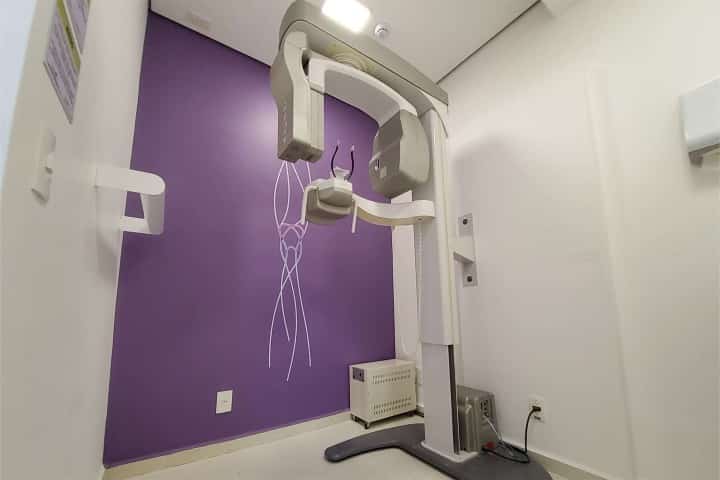
Dental implants are indicated for people who have lost one or more teeth due to infection, periodontal disease, caries or trauma. At the ImplArt Clinic, we assess each case individually, using fully digital X-rays and CT scans, to determine the bone structure and the most suitable type of implant. It is essential that this assessment is carried out by a qualified professional to ensure safe and effective treatment. The exams are carried out directly at the ImplArt Clinic, bringing more comfort and precision to the patient. Find out more about the tests carried out at ImplArt: Modern tests for dental implants.

When Are Dental Implants Not Recommended?

Although they are an effective solution, dental implants are not recommended for children and young people in the bone growth phase, as the implants do not follow the growth of the face. Patients with controlled diabetes and hypertension, on the other hand, can have dental implants. In addition, there are currently several types of dental implant, capable of serving even those with little bone.
At the ImplArt Clinic, each case is rigorously assessed to ensure that the treatment is safe and suited to each patient’s needs.

How Can Implants Improve Your Self-Esteem and Quality of Life?

The smile is an important component of self-esteem and personal image. Losing teeth can negatively affect a person’s emotional and social well-being. According to studies, millions of Brazilians live without any teeth, which directly affects their ability to chew, speak and, above all, their self-esteem. At the ImplArt Clinic, dental implants are an effective solution for restoring patients’ confidence and freedom, allowing them to smile again with confidence and satisfaction.

Types of Dental Implants Available at the ImplArt Clinic

Learn about the main types of dental implant offered by the ImplArt Clinic:

1. single-unit dental implant:

The individual dental implant is one of the types of dental implant offered at the ImplArt Clinic. It is ideal for replacing a single tooth, where a titanium or zirconia pin is placed in the site of the missing tooth. Once the implant has osseointegrated, a permanent prosthesis is installed.

2. Multiple dental implants:

Multiple implants or multi-tooth implants are another type of dental implant. It is recommended for replacing three consecutive teeth using two implants. The prosthesis of the central tooth rests on the gum, providing an economical and effective solution.

3. Total implant with Protocol Prosthesis:

A total implant with a protocol prosthesis is the solution for those who have lost all the teeth in an arch. In this type of dental implant, the fixed prosthesis is supported by four to six implants, offering complete rehabilitation of aesthetics and chewing. The protocol prosthesis can be made of zirconia, porcelain or resin. The most modern material for protocol prostheses is zirconia.

4. All-on-4 dental implant

The All on four implant is a type of dental implant that uses four implants to support a complete fixed prosthesis. The All on 4 implant is ideal for those who have lost all the teeth in an arch and is simpler than the Protocol Prosthesis , as it is made of resin, called metal-plastic.

5. Zygomatic Implant

The Zygomatic Implant is one of the types of dental implant, but it is indicated exclusively for patients with severe maxillary atrophy, where the bone does not have enough volume and when it is decided not to perform bone grafting.

Dental Implant Models Used at ImplArt Dental Clinic

In addition to the different types of dental implant, we also use various models, which differ in material and shape:

  • Short Implant: Indicated for patients who normally have little bone mass in the jaw area, avoiding the need for bone grafts.
  • Titanium implant: Made from titanium, known for its biocompatibility and resistance.
  • Zirconia implant: Similar to the color of natural teeth, ideal for patients with thin or atrophied gums.
  • Nanotechnological implants: These are types of dental implant with a surface treated with nanometric particles that stimulate healing and osseointegration.
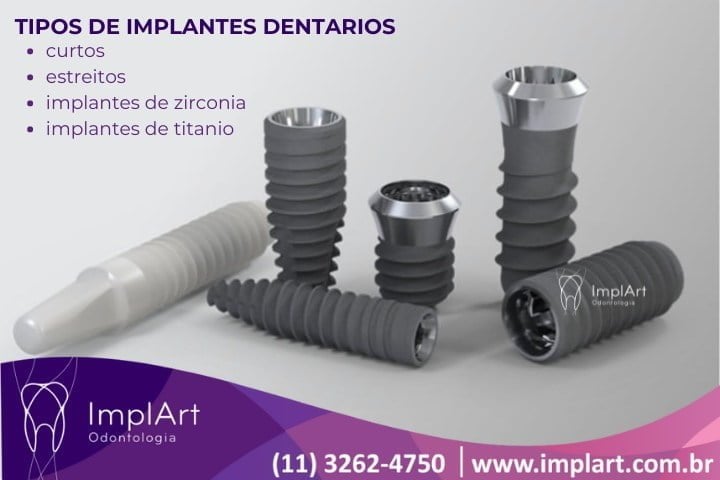
types of dental implant
Types of dental implant: short, narrow, zirconia implants, titanium implants

How to Find the Best Dental Implant Clinic in São Paulo?

To find the best dental implant clinic, consider the experience of the professional, the quality of the materials, not only the types of dental implant, but also the level of technology used. The ImplArt Clinic, led by Dr. Roberto Markarian, is known for its excellence in modern dental treatments, using high-quality types of dental implants and state-of-the-art technology.

For more information about our treatments, visit our social networks: Instagram, YouTube, Pinterest, or contact us by WhatsApp (11) 99598-1866.

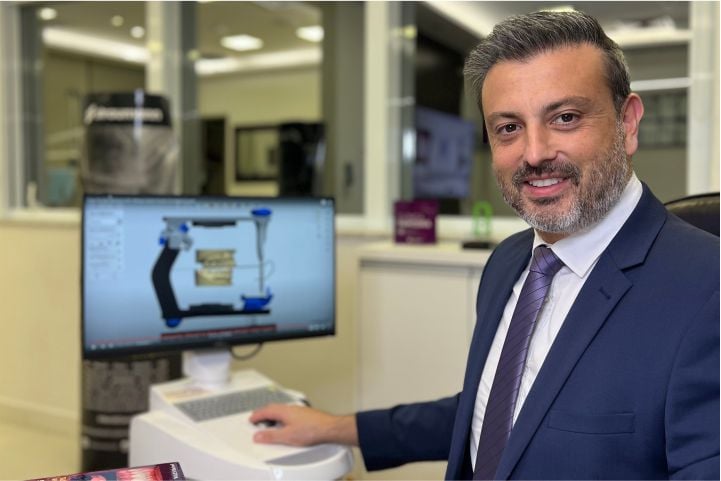
Dr. Roberto Markarian, implant dentist

Text written by DR. ROBERTO MARKARIAN – CRO-SP 73.583
Founder and Director of the ImplArt Dental Clinic – Dr. Roberto’s Linkedin profile
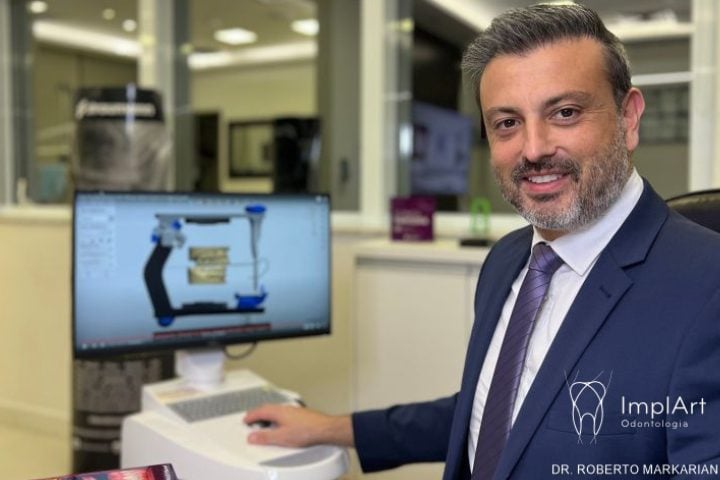
Dr. Roberto Markarian implant dentist
Dental implant: types of dental implant and treatment stages

Dr. Roberto Markarian is areference in dental implants and computerized dental prostheses in Brazil. With more than 10,000 implants installed throughout his career, he has vast experience in the field and is a renowned researcher. Dr. Markarian contributes significantly to the advancement of dentistry, publishing his knowledge in prestigious scientific journals worldwide. At the ImplArt Clinic, he is responsible for promoting the use of high technology in all treatments, guaranteeing excellent results for his patients. He likes to disseminate information to patients, advising them on all types of dental implant, types of dental prosthesis and treatment stages.

schedule your appointment at the implart clinic by phone or whatsapp
como é feito um implante dentario
Clínica ImplArt is considered the best dental implant clinic in São Paulo. If you want to know how much a dental implant costs, types of dental implant or how to avoid tooth loss and implants, get in touch! We’re here to help you!

📲(11) 99598-1866

📲WhatsApp(11) 99598-1866

implante dentario straumann slactive implante rapido

Fast dental implants treatment with Slactive implant + pure zirconia or pure porcelain prosthesis

Is it possible to carry out my dental implant treatment quickly and have the permanent prosthesis fitted straight away? This is a very common question and we understand this demand of fast dental implants. Nowadays, time is increasingly valuable and scarce, which leads to a need to complete dental treatment quickly.

First of all, it’s important to note that technology and modern techniques allow us to offer treatment with fast-healing implants, as well as completely computerized crowns and prostheses. We are talking specifically about the modern Straumann Slactive implant combined with Emax pure porcelain or Pure Zirconia prostheses .

So let’s take a closer look below and find out more about these modern dental implants. Fortunately, there are now several types of quality dental implant to choose from. All to make your implant treatment faster and more comfortable. If you’re short of time, try using rapid implants and the computerized prosthesis preparation system. With them, treatment is faster and more agile because it requires fewer treatment steps. In addition, treatment becomes more predictable and offers better technical and aesthetic results.

Fast healing dental implants: is there such a thing?

In recent years there has been a significant advance in dental implant technology. This is an expected movement, since each person has a specific demand, and implantologists and implant manufacturers need to respond to these demands. The demand for fast dental implant treatment is constant, precisely because of today’s lifestyle.

That’s why today we have implants available that cater, for example, for cases of low bone volume with short implants. Or those with high aesthetic needs(white ceramic dental implants). Or even those with a high need for bone and gum preservation(bone level implants).

Metal-free ceramic rapid dental implant

What’s more, for those patients who want metal-free dental implant treatment, we have a combination of ceramic implants and modern zirconia implant crowns. This ceramic implant not only has the benefit of no metal, but also offers rapid healing. In the case of this implant, osseointegration is expected to take 2 months. There are currently two types of ceramic implant, the first is Straumann’s Pure Ceramic implant, and the second is Neodent’s Zi white ceramic implant.

But another major demand from people is undoubtedly to speed up their oral rehabilitation by reducing the time it takes to install implants and a permanent fixed prosthesis. Pure zirconia crowns help to reduce the total treatment time.

implante slactive straumann, fast dental implants

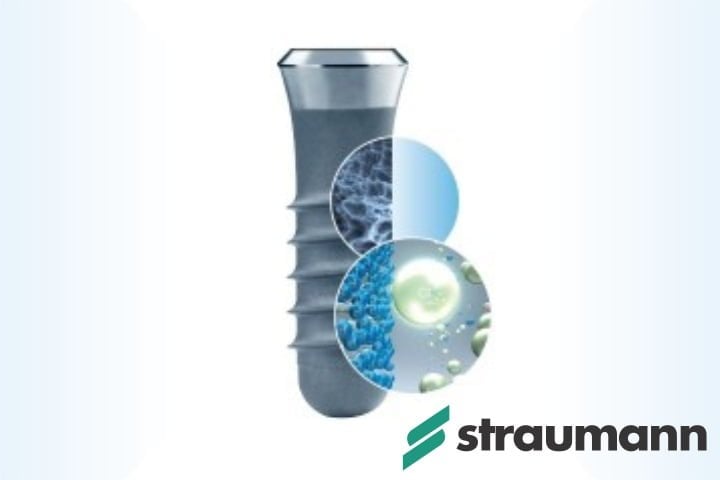
After much research, Straumann has developed an implant surface technology called Slactive. It favors and accelerates osseintegration (a term that defines the healing and fixation of implants in the bone). In some cases, the healing period can be reduced from 6 to 1 month.

Recent studies show an excellent clinical performance of SLActive implants, both in single tooth implant treatments and in total implant treatments, and even in those using bone grafting. This is an option chosen by those patients who want a fast dental implant treatment, and are keen to use the latest technology for their implant treatment.

The definitive prosthesis is fixed in a short time after the placement of rapid implants. In some cases, implants can be immediately loaded

Oral rehabilitation with implants usually follows a timetable which, in short, is as follows step by step:

1 – Planning for dental implant surgery, with panoramic radiography and computed tomography. In many cases, an intraoral scan (digital reading) is already carried out to generate the first 3D-printed provisional prosthesis .

2 – Implant surgery. Implant surgery can be performed using the conventional technique, or through guided surgery, using the Surgical Guide, when the implant insertion sites are planned in advance. This way, once the implants have been inserted, there is no need for stitches. It is also called surgery without cuts.

3 – Installation of a temporary prosthesis, in the case of total implants or front tooth implants, which allows the patient to wait until the implants have completely healed. Dental implant healing can vary from 1 month to 4 months, depending on the type of implant chosen. It’s important to bear in mind that the chance of a successful dental implant is quite high, but it can be compromised if the patient is a smoker and doesn’t have good hygiene habits.

What happens when the implants have healed?

3 – Once the implants have healed, the process of making the final prosthesis begins, which can start with the stage of reopening thedental implants. If the type of prosthesis chosen is Emax Pure Porcelain or Pure Zirconia, the method for making the final prosthesis will be completely computerized.

4 – Installation of the final prosthesis. After this phase, which may involve making prototypes to study the color and shape of the new smile, the final prosthesis is installed on the chosen type of denture.

The use of Straumann Slactive implants means that, in some cases, the period of use of the provisional prosthesis can be reduced or even eliminated. Studies carried out by Straumann have already shown that the survival rate of the Slactive implant using the immediate loading technique after 10 years is 98.2%. This is the fastest dental implant available for those who want to speed up treatment.

What is Slactive surface technology for rapid dental implant treatment?

It is based on a sandblasting technique with large granules, which generates macro roughness on the titanium surface, followed by acid etching, which overlays the micro roughness. The resulting surface provides an ideal structure for the adhesion of bone-forming cells, which are necessary for osseointegration (integration between bone and implant). This amazing technology allows Straumann Slactive implants to be the fastest healing implants on the market.

fast dental implants 3
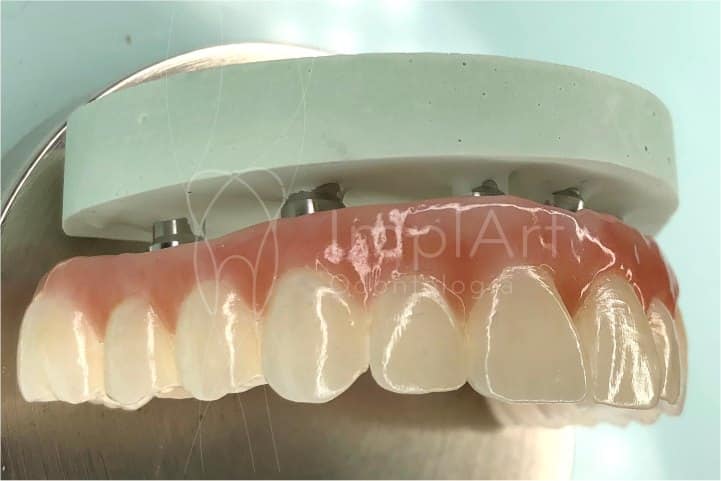
Upper total dental prosthesis with milled zirconia framework and veneered with aesthetic dental ceramic on dental implant
fast dental implants 5
Fast dental implants treatment with Slactive implant + pure zirconia or pure porcelain prosthesis

Pure zirconia or pure porcelain prosthesis for rapid implants: the gold standard in complete oral rehabilitation

Many people have the perception that a porcelain or zirconia prosthesis is a heavy piece and therefore not suitable for quick installation because it would hinder the healing of implants. But contrary to what it might seem, porcelain prostheses are much lighter than you might think. In addition to being the most modern and resistant options for the patient, they are also aesthetically superior.

By way of comparison, a full porcelain prosthesis weighs around 30g, while a tube weighs 25g. In addition, each dental implant supports a weight of 100kg, meaning that the weight of the prosthesis does not interfere with the implant.

The possibility of having a permanent porcelain prosthesis fixed on dental implants is a great relief for people who are determined to change their smile quickly. And no wonder. Pure porcelain or pure zirconia are undoubtedly the most advanced materials available for the manufacture of dental prostheses.

Firstly, Pure Zirconia and Pure Porcelain are the materials that most closely resemble natural teeth, both in strength and appearance. Secondly, because these materials have been designed for fabrication in computerized systems (CAD/CAM), which greatly speeds up the entire programming of rapid dental implant treatment.

Can anyone have rapid treatment with Slactive implants and porcelain prostheses?

As we have seen, advanced technology means that many more people have an indication for rapid dental implant treatment. However, each case needs to be assessed individually in consultation. Undeniably, oral health and health in general need to be well assessed before anything else.

In addition, certain habits that may prevent successful rehabilitation, such as smoking and bruxism, need to be considered. If you would like to have a treatment like this or find out more about rapid dental implants, please contact our team. Alternatively, you can schedule a consultation via Whatsapp by clicking on the button below. We at Clinica odontológica ImplArt would be delighted to hear from you!

Digital Smile Design

Digital Smile Design in Brazil with Artificial Intelligence: Preview your Future Smile at ImplArt Clinic

The desire for a renewed, more harmonious and healthier smile is the first step towards a major life change. However, a common doubt can lead to insecurity: “What will the final result look like?”. Fear of the unknown is one of the main barriers preventing many patients from realizing their dream of a new smile. That’s where the Digital Smile Design with Artificial Intelligence carried out at the ImplArt Clinic comes in. With it, we can predict the results of your treatment.

The ImplArt Clinic, under the direction of Dr. Roberto Markarian, a reference in Brazil and abroad in Dental Implants and Computerized Prosthesis, has just incorporated the newest Artificial Intelligence tool focused on Dentistry that allows you to accurately visualize the final results of a dental treatment planned with computer graphics.

This way we can give you the chance not just to imagine, but to visualize your future smile before any procedure is even started! Can you imagine seeing yourself with a new smile before you’ve even had it done?

schedule your appointment at ImplArt with Dr. Markarian
Digital Smile Design in Brazil with Artificial Intelligence: Preview your Future Smile at ImplArt Clinic

Whether your treatment is a dental implant, dental crown, prosthetic protocol or dental contact lenses, now, with the use of Artificial Intelligence at the ImplArt Clinic, you can see the results of your treatment and participate in the process of realizing the aesthetics of your new smile.

See above in this practical video how digital planning technology and artificial intelligence allow you to anticipate your result with impressive realism.

Digital Smile Design: How Does Technology Turn Predictability into Reality?

Digital Smile Design (DSD) is a protocol that integrates cutting-edge technology, artificial intelligence and the artistic sensibility of our team to create a reliable preview of your treatment. It transforms the initial consultation into a co-creation experience.

Understand the steps that allow us to design your new smile:

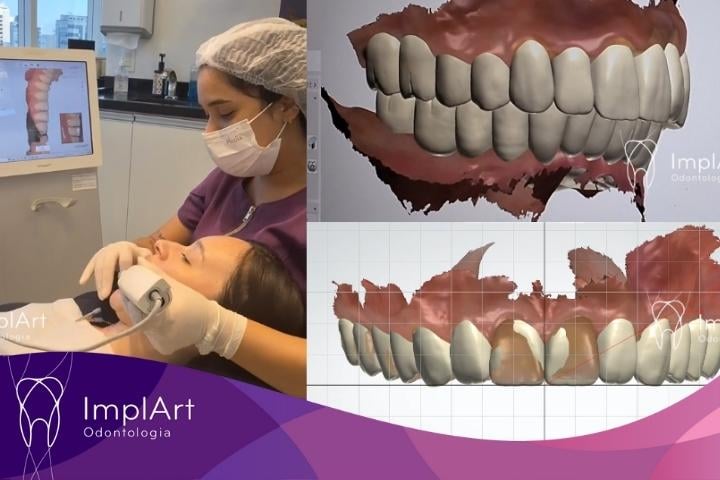
1. Complete Digital Diagnosis: The process at the ImplArt Clinic begins with high-precision documentation. Using a modern intraoral scanner, which replaces the old moldings, we create an exact 3D model of your mouth. We complement this with professional photographs and videos that capture the dynamics of your smile and your facial harmony.

2. The Design of the Smile (The Digital Architecture): With this data, Dr. Roberto Markarian and his team use advanced software with Artificial Intelligence to digitally design every detail of the new smile. We analyze the proportion, shape, color and alignment of the teeth in relation to your lips, gums and facial features, seeking a natural and personalized result.

3. Visualizing the Future (Your Participation): This is the moment when we present you with the simulation, like the one you saw in the video above. You will be able to see the “before and after”, give your opinion and ask for adjustments. Your feedback is crucial so that the end result is not only technically perfect, but also fully reflects your wishes.

digital smile planning
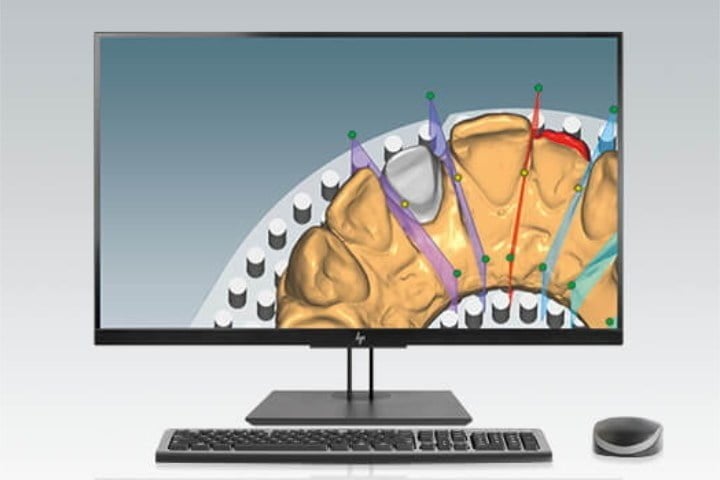
At the ImplArt Clinic, Digital Smile Planning involves intraoral scanning and smile design with computer graphics and the use of modern artificial intelligence resources.

Advantages that Go Beyond Aesthetics with Digital Smile Planning with Artificial Intelligence

  • Absolute Predictability: Have the security and peace of mind to visualize the end result before you start. This completely aligns expectations and eliminates anxiety. This applies to treatments such as Dental Implants for Front Teeth, Porcelain Veneers, and Total Implants with Zirconia Full Arch Prosthesis.
  • Millimeter precision: Digital planning serves as a guide for all subsequent procedures. It ensures that dental implants and zirconia crowns are made with unparalleled precision.
  • Clear communication: Visual simulation is the most effective form of communication. It allows you to understand each stage of the proposed treatment and actively participate in decisions.

The Perfect Connection: From Digital Planning to State-of-the-Art Treatments

The project you approve is not just an image. It becomes a digital map that guides our most advanced treatments:

  • Dental implants: For guided surgery implants, digital planning determines the exact position, angle and depth for implant installation, making the procedure faster, safer and minimally invasive.
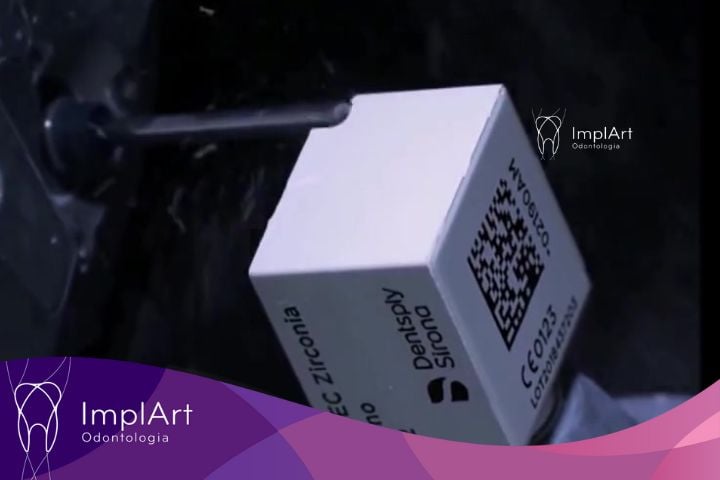
  • Zirconia Crowns and Dental Contact Lenses: The design of the smile is exported to our CAD/CAM (computer-aided design and manufacturing) systems, which make the zirconia or lithium disilicate restorations with a perfect fit and impeccable aesthetics, faithfully reproducing what was planned.
Digital Smile Planning 3D printer
Photo shows 3D printing stage of zirconia prosthesis, a product of Digital Smile Planning

Your New Smile Starts with a Clear Vision of the Future

At the ImplArt Clinic, cutting-edge technology and human sensitivity go hand in hand to offer you not just a treatment, but a transformative and safe experience.

Always at the forefront of dental treatments, the ImplArt Clinic has positioned itself as a reference clinic for high-quality dental treatments. ImplArt is continually mentioned as the best dental implant clinic in Brazil, due to its expertise and high technology. Always thinking of offering the most modern treatments to patients, Dr. Roberto Markarian, PhD, invests in continuous innovation, always linked to the most modern practices worldwide.

We invite you to take the first step. Schedule an appointment with Dr. Roberto Markarian and discover the potential of your smile with the help of the latest dental technology.

DR. ROBERTO MARKARIAN IMPLANTODONTISTA SITE
Digital Smile Design in Brazil with Artificial Intelligence: Preview your Future Smile at ImplArt Clinic

Technical material by DR. ROBERTO MARKARIAN – CRO-SP 73.583
Founder and Director of the ImplArt Dental Clinic – Dr. Roberto’s Linkedin profile
Access Dr. Roberto Markarian‘s scientific output on Google Scholar

Dr. Roberto Markarian is a reference in dental implants and computerized dental prostheses in Brazil. As well as having more than 12,000 implants installed, he is a researcher who produces knowledge that is published worldwide in renowned scientific journals in the field of dentistry. He is responsible for promoting knowledge and high technology applied in all the treatments offered by the ImplArt Dental Clinic.

*Watch more on the ImplArt Dental Clinic YouTube channel and explore our latest videos

bruxism and clenching

Bruxism and Dental Clenching: Understanding the Causes, Symptoms and Treatments According to Dr. Roberto Markarian

Bruxism and Dental Clenching, popularly known as the habit of grinding and dental clenching are dysfunctions that affects around 40% of the Brazilian population, according to data from the World Health Organization (WHO). At the ImplArt Clinic, located in São Paulo, this disorder is one of the most frequent complaints from patients seeking treatment for orofacial pain, tooth wear and temporomandibular joint (TMJ) problems.

Dr. Roberto Markarian, director of the ImplArt Clinic, stresses that it is important to emphasize that the treatment of bruxism and clenching must be individualized, taking into account the specific needs of each patient. A consultation with a dental surgeon is essential for a proper diagnosis and definition of the best therapeutic approach. Even patients with dentures and dental implants who suffer from bruxism should seek treatment.

What is bruxism and how does it manifest itself?

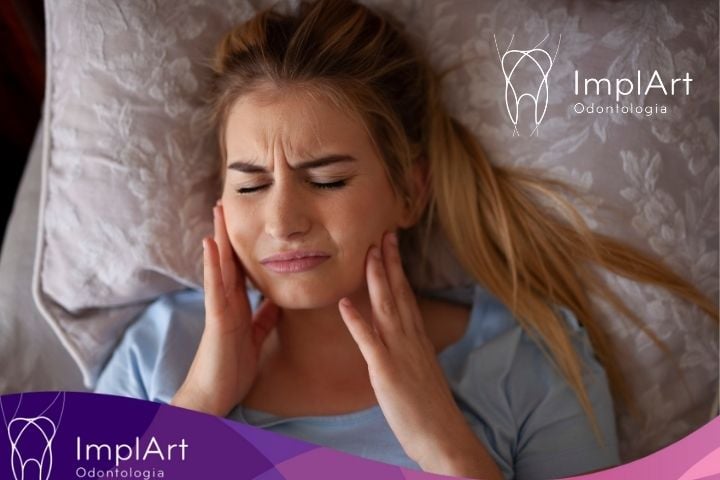
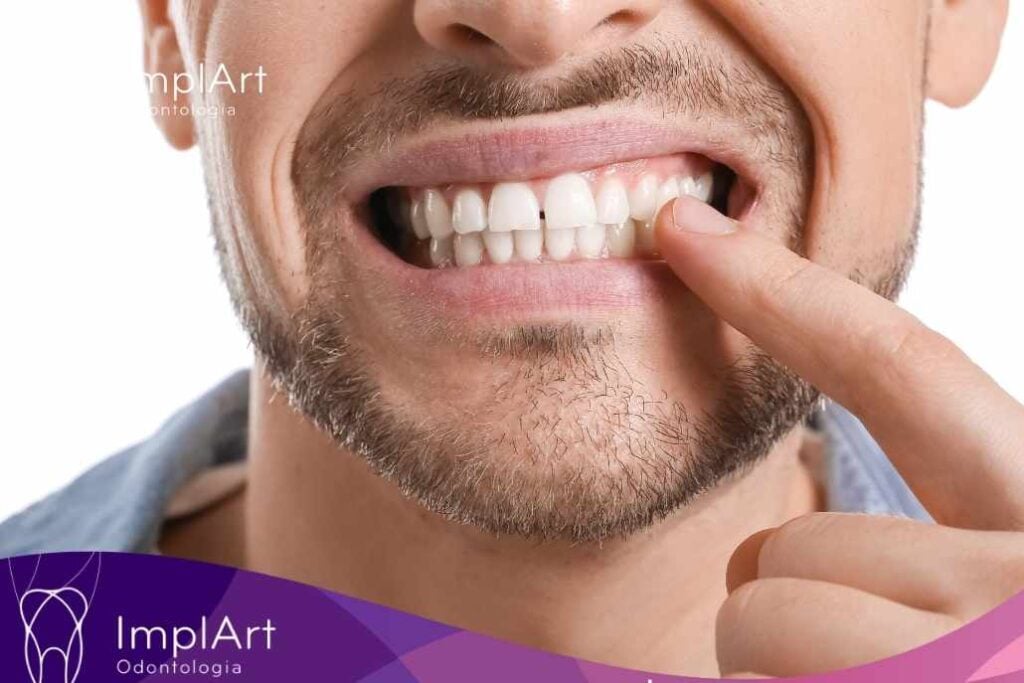
Bruxism can occur both during sleep(nocturnal bruxism) and while awake(daytime bruxism). In both cases, the patient performs the unconscious act of grinding or clenching their teeth with excessive force, causing consequences such as pain in the jaw, temples, etc.

According to Dr. Roberto Markarian, specialist in implant dentistry and clinical director of ImplArt,

“Bruxism is often silent and is only noticed when the symptoms become more intense. These include jaw pain, headaches, tooth wear and fractures in restorations or dentures and even dental implants.”

Main causes of Bruxism and Dental Clenching

Bruxism and dental clenching are associated with multiple factors, including:

  • Emotional stress and anxiety
  • Changes in sleep (such as apnea)
  • Dental malocclusion
  • Use of medication such as antidepressants
  • Neurological or muscular problems

Dental clenching, on the other hand, is a form of bruxism in which the patient keeps their teeth pressed together without lateral movements, and is equally harmful.

BRUXISM AND dental CLENCHING
Pain caused by bruxism and dental clenching

Most common symptoms

  • Tooth wear or fracture
  • Pain or tiredness in the chewing muscles
  • TMJ clicking
  • Headaches, especially on waking
  • Tooth sensitivity
  • Insomnia or non-restorative sleep

Personalized diagnosis at the ImplArt Clinic for Bruxism and Dental Clenching

The ImplArt Clinic carries out the diagnosis by means of a detailed clinical assessment, imaging tests (such as CT scans and intraoral scans) and functional analysis of the bite. Dr. Markarian highlights:

“In many cases, bruxism is discovered during planning for dental implants, dental contact lenses or oral rehabilitation, as signs of wear are visible on the tooth surfaces. That’s why a multidisciplinary approach is essential.”

Effective treatments for bruxism and clenching

The treatment of bruxism is very specific and often multidisciplinary, as it is usually linked to the patient’s mental state, in the vast majority of cases. Given that modern lifestyles are accompanied by a great deal of stress, it is important to find out the reasons that trigger the symptoms and try to treat them.

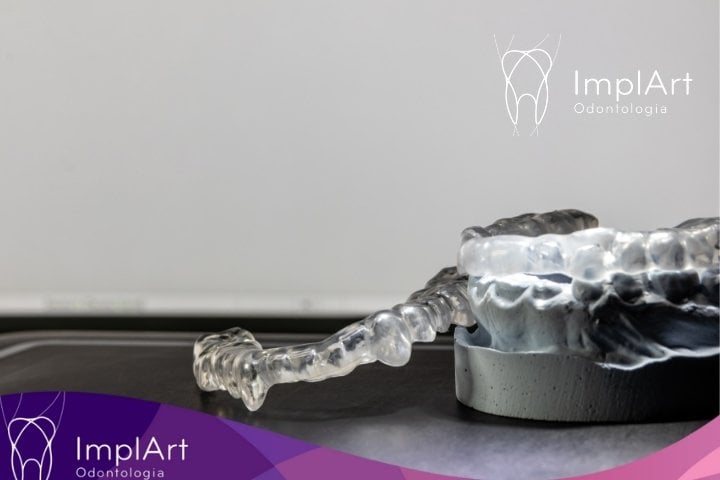
Major-relaxing bite plates or occlusal plates

Miorelaxing bite plates are removable intraoral devices, usually made of acrylic resin, which cover the surfaces of the teeth. Their purpose is to protect the teeth from damage caused by clenching or grinding and to reduce the associated muscle sensitivity. The use of these plates can reduce the activity of the masticatory muscles, helping to relieve the symptoms of bruxism. At the ImplArt Clinic, myorelaxing bite plates are made and designed using modern computer graphics systems to study the patient’s ideal bite.

  • Major-relaxing bite plates: Custom-made devices used during sleep, usually made of acrylic resin, which cover the surfaces of the teeth.
  • They reduce tooth wear and relieve muscle tension.
bruxism and dental clenching
Major-relaxing bite plate for bruxism and clenching

💉 Botulinum toxin (Botox)

The application of botulinum toxin type A to the masticatory muscles, such as the masseter, has been used to reduce the excessive muscle activity associated with bruxism. This approach can relieve pain and muscle discomfort, improving symptoms.

  • Applied to the masticatory muscles to reduce the force of clenching.
  • Effective results for up to 6 months.

💊 Medicines

In some cases, medication may be indicated to control bruxism. Muscle relaxants can be prescribed to reduce muscle activity during sleep. In addition, in specific situations, anxiolytics or antidepressants can be used, always under medical supervision.

  • Muscle relaxants or anxiolytics (when indicated by health professionals).
  • Relief of symptoms related to pain and tension.

🧘 Complementary therapies

Bruxism is often associated with stress and anxiety. Cognitive-behavioral therapies, relaxation techniques, meditation and other psychological approaches can be effective in reducing bruxism episodes, especially when emotional factors are involved.

  • Psychotherapy, relaxation techniques, mindfulness and physiotherapy.
  • Treatment of the emotional or postural cause of bruxism.

Occlusal rehabilitation

In cases where there is occlusal interference or bite problems, occlusal adjustment may be indicated. This procedure aims to correct inadequate dental contacts that may contribute to bruxism. In addition, dental rehabilitation, including restorations and prostheses, may be necessary to restore proper bite function.

  • Adjustments to the bite or replacement of missing teeth with prostheses or implants.
  • In advanced cases, occlusion correction is essential.

Is it possible to eliminate bruxism and dental clenching?

According to Dr. Roberto Markarian, it is important to emphasize that in order to mitigate the effects of bruxism, multidisciplinary treatment should be adopted, with a view to the patient’s well-being in a holistic way, i.e. treating the individual as a whole and not just from a dental point of view.

If we think only of a bruxism plate, what is expected is an immediate reduction in the symptoms of bruxism, but the plate itself will not cure bruxism and teeth clenching. The bite plate helps to redistribute the pressure on all the teeth, protecting the teeth from the force of the bite and easing the patient’s pain.

With this in mind, the ImplArt Clinic offers patients who need Porcelain Crowns and Protocol Prostheses, and who suffer from bruxism, the option of using Zirconia Prostheses. Zirconia is a highly resistant and biocompatible material that is very suitable for those who suffer from bruxism precisely because of its high resistance.

When Bruxism and Dental Clenching are not treated

Untreated bruxism can lead to:

  • Loss of tooth structure
  • Need for rehabilitation with dental implants or fixed prostheses
  • Chronic pain in the temporomandibular joint
  • Aesthetic impairment of the smile

Dr. Markarian adds:

“We have seen several patients who, after years of untreated bruxism, suffer from constant headaches and tooth wear. In addition, intensive clenching can lead to tooth fractures and even dental prostheses such as implant protocols.”

Schedule your evaluation at the ImplArt Clinic

If you feel pain in the jaw joint, or even notice that your teeth are wearing down, schedule an evaluation with Dr. Roberto Markarian, director of the ImplArt Clinic. Early diagnosis and proper treatment can prevent serious consequences for your oral health.

👉 S chedule your appointment now by WhatsApp (11) 99598-1866
DR. ROBERTO MARKARIAN IMPLANTODONTISTA SITE
Bruxism and Dental Clenching: Understanding the Causes, Symptoms and Treatments According to Dr. Roberto Markarian

Text written by DR. ROBERTO MARKARIAN – CRO-SP 73.583
Founder and Director of the ImplArt Dental Clinic – Dr. Roberto’s Linkedin profile
Access Dr. Roberto Markarian‘s scientific production on Google Scholar

Dr. Roberto Markarian is a reference in dental implants and computerized dental prostheses in Brazil. As well as having more than 10,000 implants installed, he is a researcher who produces knowledge that is published worldwide in renowned scientific journals in the field of dentistry. He is responsible for promoting knowledge and high technology applied in all the treatments offered by the ImplArt Dental Clinic.

*Accessmore videos about the treatments on the ImplArt Clinic YouTube channel and see how a dental implant is made: ImplArt Dental Clinic YouTube videos

composite veneers are not good

The Dangers of the Resin Veneer Trend in Young People

The popularity of resin veneers has increased significantly among young people in recent years. This trend, which has become a real trend, arouses curiosity and the desire to improve the appearance of the teeth. However, it is essential to be aware of the dangers involved in this procedure.

Resin veneers are thin sheets of aesthetic material placed on the surface of teeth to correct imperfections such as stains, misalignment and irregularities. Although they can provide an aesthetically pleasing appearance, you need to understand the risks to your oral health and consider carefully before going down this route.

In this series of articles, we’ll explore the dangers of resin veneers in young people and help you make an informed decision about this procedure. We’ll talk about the possible risks involved, the impacts on long-term oral health and the alternatives available. In addition, we will highlight the importance of a consultation with a qualified professional and post-procedure care so that you are prepared and aware before following this trend. We will also show you other treatment options such as tooth whitening and Porcelain Contact Lenses, which are considered a more durable and aesthetically superior treatment option. They can also be combined with other treatments such as dental implants.

Check out the following articles for complete and relevant information on resin veneers in young people, ensuring that you are well informed before making any decisions.

What is a resin veneer?

Resin veneers are a dental procedure that consists of applying thin layers of composite resin to the teeth to improve their aesthetic appearance. These veneers are a popular option for correcting dental imperfections such as stains, chips or misalignment.

To place the resin veneers on the teeth, the dentist removes a small amount of tooth enamel to ensure that the veneers fit correctly. The resin is then carefully applied to the teeth and molded to obtain the desired shape. Finally, the resin is polished to provide a natural, long-lasting finish.

Resin veneers are a popular option for correcting dental imperfections such as stains, chips or misalignment due to their low cost and speed of execution.

*Learn about the differences between resin veneers and porcelain veneers: Differences between dental contact lenses and resin veneers

How is the Resin Veneer made?

The application of resin veneers is a simple and minimally invasive procedure that can be carried out in just a few dental appointments. This technique offers satisfactory aesthetic results and can significantly improve an individual’s smile. They can even be performed in conjunction with dental implants for patients who need them on other teeth.

*To find out more about implants, visit: 7 Crucial Questions About Dental Implants

The material used in resin veneers is usually composite resin, which is a resistant and versatile material. Composite resin can be manipulated by the dentist to perfectly match the color and shape of the natural teeth, providing a harmonious and natural look to the smile.

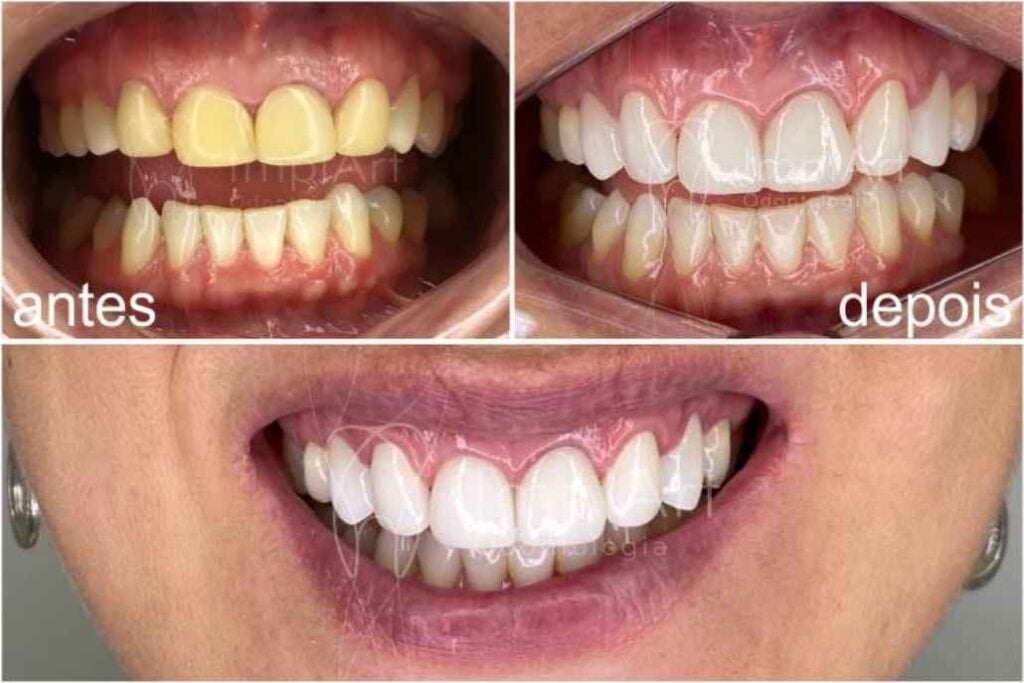
It’s important to note that resin veneers can be a temporary solution, as they may need to be replaced over time due to natural wear and possible discoloration. Resin is a material that acquires pigmentation over time, turning yellowish. This does not happen with porcelain contact lenses, as porcelain always remains the same color and shape.

Photos show yellowing of the resin veneer on the left side. Right and bottom sides show result of Porcelain Contact Lens treatment

yellowish resin veneer
Photo shows yellowed resin veneer with wear at top left. Top right shows image of Porcelain Contact Lens. Bottom photo shows enlarged Porcelain Lens result

Growing popularity among young people

The practice of using resin veneers has gained significant popularity among young people in recent years. This trend has been driven by a variety of reasons, ranging from the search for an aesthetically appealing smile to the influence of social media and celebrities.

With the growing importance of physical appearance in today’s society, many young people are looking to improve their smile and self-confidence. Resin veneers offer a relatively affordable and quick solution for correcting dental imperfections such as stains, slight misalignments and small gaps between teeth.

Unlike other more complex dental procedures, such as implants or braces, resin veneers require less time and no drastic interventions. This makes resin veneers more attractive to young people who want a quick and efficient makeover.

However, young people should be aware of the potential risks and impacts of this dental procedure before making an informed decision. First of all, they should thoroughly assess the real need for an intervention on a healthy tooth and the long-term consequences and complications.

Risks involved with resin veneers in young people

Resin veneers have gained popularity among young people, but it is important to be aware of the risks involved in this procedure. Although it is a non-invasive method of improving the appearance of teeth, there are possible complications and side effects that should be considered.

One of the risks associated with resin veneers is the possibility of developing tooth sensitivity. As veneers involve removing a small amount of tooth enamel, teeth can become more sensitive to cold or hot temperatures. This can cause discomfort when eating or drinking food and drinks at different temperatures.

In addition, young people who opt for resin veneers can also face bite adjustment problems. If the veneers are not designed correctly or placed in an inappropriate position, this can affect the way the teeth fit together when closing the mouth. This can lead to chewing problems, jaw pain and even speech problems.

Another risk of resin veneers is excessive wear on the teeth. Due to the material used in veneers, such as composite resin, teeth can wear down faster than normal. This can result in irreversible damage to the teeth and require additional dental treatment in the future, possibly leading to tooth loss and the need for dental implants.

It is essential that young people are aware of these risks before opting for resin veneers. Consulting a dentist specializing in cosmetic dentistry is essential for a complete assessment of oral health and determining whether the procedure is appropriate for each specific case.

“Although resin veneers can provide a significant aesthetic improvement, it is important to weigh up the potential risks. Young people should seek adequate information and make an informed decision about the procedure.” – Dr. Roberto Markarian, ImplArt Clinic.

Reversibility of resin veneers

In this section, we will explore whether resin veneers can be removed and whether it is possible to reverse their effects. It is important that readers are aware of the procedures involved in removing resin veneers and the options available.

Resin veneers are reversible, which means that they can be removed if necessary or desired. However, the removal of resin veneers requires the knowledge and skill of a qualified dentist.

There are different methods for removing resin veneers, depending on the type of adhesive used in their initial placement. The dentist can use techniques such as mechanical removal, using special drills, or chemical removal, using specific solvents.

It is important to note that removing resin veneers can result in damage to the teeth, such as loss of enamel or small fractures. It is therefore essential to seek the advice of a qualified professional before opting to remove veneers.

“Resin veneers should be removed by an experienced dentist to ensure safety and minimize the risk of damage to natural teeth.” – Dr. Roberto Markarian

If the patient decides to remove the resin veneers, it may be necessary to plan additional treatment to restore the appearance and functionality of the teeth. The dentist will be able to evaluate other options, such as dental crowns or dental contact lenses, to achieve the desired result.

In conclusion, resin veneers are reversible and can be removed by a qualified dentist. However, it is essential to consider the potential risks and the impact on oral health before making the decision to remove them.

Removal methodsDescription
Mechanical removalUse of special drills to separate the resin veneers from the natural teeth.
Chemical removalApplication of specific solvents to weaken adhesion between resin veneers and natural teeth.

Alternatives to resin veneers

For those who want to improve the appearance of their teeth, there are alternatives to resin veneers. In addition to the resin veneers procedure, there are other dental treatments available that can give stunning aesthetic results.

Dental Contact Lenses

One of the popular alternatives to resin veneers are dental contact lenses. These ultra-thin porcelain veneers are applied to the surface of the teeth, providing a natural appearance and a perfect smile. Dental contact lenses or porcelain veneers are ideal for correcting imperfections such as stains, spacing between teeth and misaligned teeth. Contact lenses remain the same over time, without changing shape or color.

Dental crowns

Another option is dental crowns, which are protective caps placed over a damaged, discolored or worn tooth. As well as improving the appearance, dental crowns can also strengthen and protect teeth. Crowns are made from porcelain, metal or a combination of materials, depending on the needs of each patient. However, it is important to note that dental crowns are indicated for teeth that are already compromised and weakened.

The importance of a consultation with a qualified professional

A consultation with a specialist in aesthetic dentistry provides an accurate assessment of the dental condition and offers fundamental information for making an informed decision about resin veneers. At Clínica ImplArt, considered the best dental clinic in São Paulo, each case is assessed individually by Dr. Roberto Markarian, taking into account the patient’s general oral health and identifying whether this is the most suitable option for improving the appearance of the teeth.

Dr. Markarian addresses all treatment options. Alternatives to resin veneers are evaluated, presenting other treatment options that can meet the patient’s needs and achieve desired results, such as dental contact lenses and laser whitening.

Post-procedure care

After placing resin veneers, it is essential to follow specific precautions to ensure the durability and success of the procedure. Good oral hygiene and some additional care are recommended to avoid complications and maintain a healthy smile.

Daily oral hygiene

It is important to brush your teeth at least twice a day, using a soft-bristled toothbrush and suitable toothpaste. In addition, it is recommended to floss daily to remove plaque and food debris from between the teeth.

Avoid pigmented foods and drinks as they may stain the Resin Veneer

Foods and drinks with intense coloring, such as coffee, tea, soft drinks, red wine and dark sauces, can stain resin veneers over time. It is advisable to avoid excessive consumption of these products or, if consumed, to perform immediate oral hygiene after ingestion.

Avoid biting hard objects

Avoiding biting hard objects such as pens or opening packages with your teeth is essential to prevent damage to resin veneers. These habits can cause cracks, chips or even the veneers to peel off, compromising the aesthetic result achieved.

Regular visits to the dentist

It is essential to keep regular visits to the dentist, usually every six months, for professional assessments and cleanings. During these appointments, the professional will be able to check the integrity of the resin veneers, ensuring that they are in good condition and carrying out any necessary adjustments or repairs.

Post-procedure careRecommendations
Daily oral hygieneBrush your teeth twice a day, floss daily.
Avoid pigmented foods and drinksAvoid excessive consumption of coffee, tea and red wine, among others, or clean your mouth immediately after drinking them.
Avoid biting hard objectsDon’t bite hard objects like pens or open packages with your teeth.
Regular visits to the dentistKeep appointments every six months for professional evaluations and cleanings.

Regular check-ups and professional monitoring

Once the resin veneers have been fitted, it is crucial to have regular check-ups with a qualified dentist. During these appointments, the professional will assess the condition of the veneers, the health of the underlying teeth and carry out any necessary cleaning and adjustments. Regular check-ups make it possible to identify and treat any problems before they become more serious.

In addition, regular check-ups help to monitor the correct adaptation of the resin veneers and check that there is no wear or improper fit. These assessments also allow the dentist to detect any signs of complication, such as infiltrations or damage to adjacent teeth, ensuring the longevity of the veneers and overall oral health.

It is recommended that regular check-ups take place every six months, or as advised by the dentist, allowing for proper monitoring and the opportunity to make adjustments or correct problems early on.

resin veneer to correct shape
Photo shows smile that needs shape adjustment that can be solved with a Porcelain Veneer

The importance of professional support

In addition to regular check-ups, it is essential to have professional follow-up care throughout the process. During follow-up appointments, the dentist will be able to answer any questions or concerns the patient may have, offer specific guidance on oral hygiene and provide personalized care according to individual needs.

According to Dr. Roberto Markarian, professional follow-up is also an opportunity for the dentist to identify any signs of excessive wear, adjust the bite if necessary and provide valuable tips for maintaining the long-term health of the veneers and teeth.

Conclusion

In conclusion, it is crucial that young people carefully consider the dangers associated with resin veneers before joining this aesthetic trend. Although they can provide a temporary attractive appearance, these veneers also pose risks to oral health in the long term.

We strongly recommend that those interested in resin veneer procedures seek adequate information and consult a qualified professional before making a decision. It is essential to understand the possible side effects, complications and impacts on oral health before going ahead with the procedure.

In addition, there are alternatives available to improve the appearance of the teeth, such as dental contact lenses and dental crowns. Treatments can be carried out alongside dental implants or other oral rehabilitation procedures. It is important to explore all the options and seek the advice of a specialist in aesthetic dentistry.

Frequently asked questions about Resin Veneers

Why have resin veneers become a fever among young people?

According to Dr. Roberto Markarian , “The smile has always been a calling card, but with social media, it has become a constant showcase. Many young people are looking for resin veneers as a quick fix, but care must be taken to ensure that aesthetic desires don’t take precedence over oral health.”-Dr. Roberto Markarian

What should patients consider before deciding to have a resin veneer?

Dr. Roberto Markarian advises that “Before any aesthetic transformation, it is essential that the patient understands the pros and cons of the procedure. A careful assessment avoids future regrets.”

On the risks of resin veneers:

Dr. Roberto Markarian warns that “The application of resin veneers is not a harmless procedure. When done without planning, they can lead to functional complications and irreversible damage to natural teeth.”

Which is better, a resin veneer or a porcelain veneer?

According to Dr. Roberto Markarian, “Each case requires an individual analysis. In some patients, porcelain may be the best choice because of its durability and aesthetic stability.” – Dr. Roberto Markarian

What is the post-procedure care for Veneers?

According to Dr. Markarian, “Correct maintenance of resin veneers is essential. Good habits and regular visits to the dentist are essential to preserve the results and avoid complications.”

Considerations by Dr. Roberto Markarian, director of the ImplArt Clinic on Resin Veneer treatment

“We are living in an era when dental aesthetics are highly valued, which is understandable and legitimate. However, I often see young people who come to the clinic looking for resin veneers influenced by fads and with no real idea of the impact this procedure can have.

Our mission at the ImplArt Clinic is to inform, guide and offer the best alternatives for each patient, always prioritizing long-term oral health. Aesthetics are important, but they must never compromise the function and integrity of the teeth.

Before following any trend, I recommend seeking out a qualified professional who can present an individualized treatment plan based on a complete diagnosis. In this way, we guarantee not only a beautiful smile, but also a healthy and long-lasting one.” says Dr. Roberto Markarian, Clinical Director of the ImplArt Clinic.

DR. ROBERTO MARKARIAN IMPLANTODONTISTA SITE
The Dangers of the Resin Veneer Trend in Young People

Text written by DR. ROBERTO MARKARIAN – CRO-SP 73.583
Founder and Director of the ImplArt Dental Clinic – Dr. Roberto’s Linkedin profile
Access Dr. Roberto Markarian‘s scientific production on Google Scholar

Dr. Roberto Markarian is a reference in dental implants and computerized dental prostheses in Brazil. As well as having more than 10,000 implants installed, he is a researcher who produces knowledge that is published worldwide in renowned scientific journals in the field of dentistry. He is responsible for promoting knowledge and high technology applied in all the treatments offered by the ImplArt Dental Clinic.

*Accessmore videos about the treatments on the ImplArt Dental Clinic YouTube channel and see how a dental implant is made: ImplArt Dental Clinic YouTube videos

dental implant prosthesis protocol

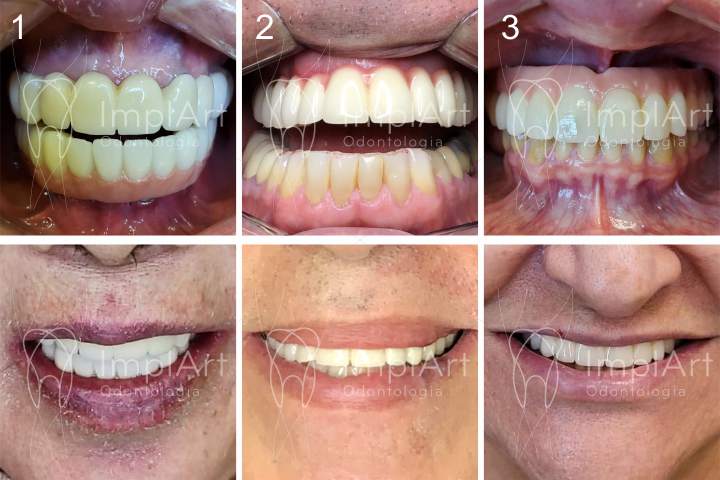
Full Arch Dental Implants with Zirconia Bridge (All-on-4 / All-on-X)

Learn how to restore your smile comfortably, safely, and aesthetically through dental implant treatment with a protocol prosthesis

The complete loss of teeth in one arch compromises essential functions such as chewing, speech, and the aesthetics of the smile. This condition can profoundly affect quality of life and self-esteem. Fortunately, modern dentistry offers effective solutions for these cases, notably full-arch dental implants with a zirconia prosthesis—a treatment that restores functionality, aesthetics, and well-being to the patient. We currently offer the modern option of Zirconia Full Arch Dental Implants, which provide a highly natural-looking final result.

At ImplArt Clinic, a leading center for advanced oral rehabilitation in São Paulo, this treatment is performed with excellence by Dr. Roberto Markarian, a specialist in implant dentistry with over 25 years of clinical experience and numerous internationally recognized scientific publications.

“Full-mouth rehabilitation using dental implants and a full arch prosthesis is the most modern, safe, and long-lasting way to restore the smile and quality of life of patients who have lost all their teeth in one arch,” says Dr. Roberto Markarian.

Full Arch Dental Implants with Zirconia Brdge
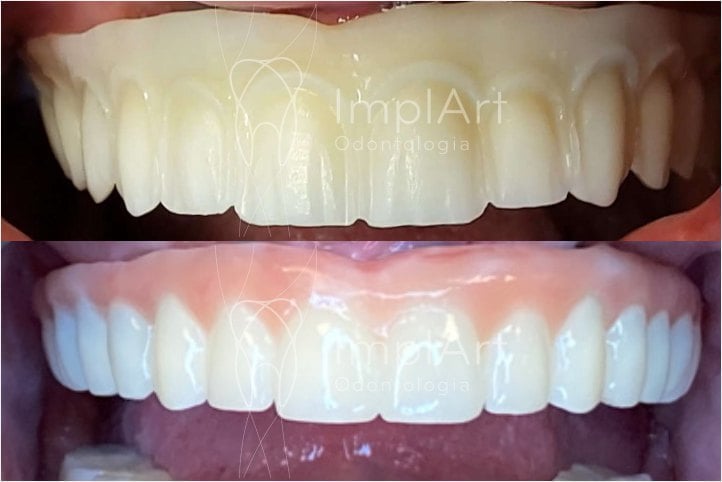
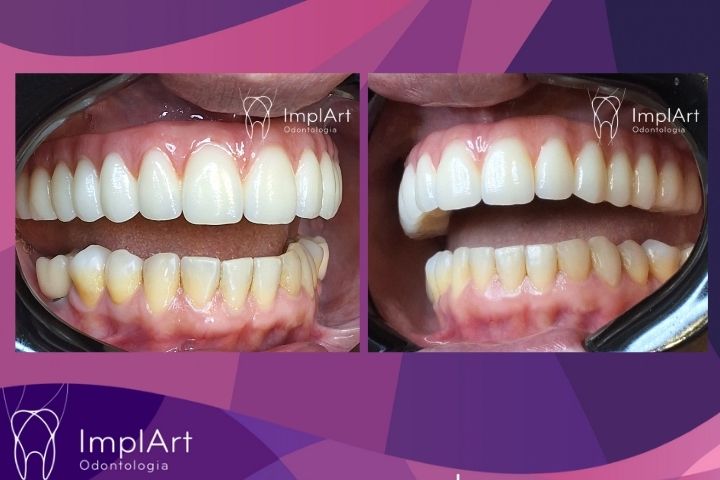
The photo shows the final result of Full Arch Dental Implants with a zirconia-fixed prosthesis

How is a Full Mouth Dental Implants Treatment done?

A dental implant with a full arch prosthesis, also known as All-on-four or All-on-X, is an oral rehabilitation technique that uses 4 to 8 implants per arch, strategically placed in the maxillary or mandibular bone, to support a full mouth prosthesis—a complete fixed prosthesis that functionally and aesthetically replaces all missing teeth.

Unlike removable dentures, a fixed prosthesis is screw-retained to the implants, providing stability, security, and a natural feel when speaking, smiling, and chewing.

“The main advantage of the protocol prosthesis is that it restores the patient’s sense of having fixed teeth again, with comfort and confidence,” explains Dr. Markarian.

Schedule your dental implant consultation at ImplArt Clinic today
Full Arch Dental Implants with Zirconia Bridge (All-on-4 / All-on-X)

Precise Planning with Guided Surgery for Full Arch Dental Implants

One of the key features that sets ImplArt Clinic apart is its use of computerized surgical guides, which allow for minimally invasive dental implant surgery without incisions in the gums. The technique utilizes 3D imaging and intraoral scanning to guide the placement of implants with millimeter-level precision.

“With guided surgery, we are able to perform the implant procedure without incisions or stitches, which reduces swelling and pain and significantly speeds up the patient’s recovery,” notes Dr. Roberto Markarian.

This technology even allows for immediate loading, where the patient leaves the operating room with a fixed temporary prosthesis, accelerating the benefits of treatment from day one.

Dental Implants with Zirconia Prosthetics: High-Performance Strength and Aesthetics

For permanent restorations, ImplArt Clinic offers monolithic zirconia crowns, a state-of-the-art material that is extremely durable, biocompatible, and has a highly natural appearance.

“Zirconia has truly revolutionized the aesthetics and durability of all-ceramic restorations. Patients end up with a beautiful, natural-looking smile that lasts,” notes Dr. Markarian.

Zirconia stands out for its wear resistance, metal-free structure, and translucency similar to that of natural teeth—making it ideal for those seeking the best possible aesthetic result.

photos of prosthetic procedures
The photo shows images of Full Arch Dental Implants treatment

Benefits of Dental Implants with a Full-Arch Bridges

  • Stability and Comfort: Fixed dentures eliminate shifting, discomfort, and the need for adhesives, which are common with removable dentures.
  • Bone Preservation: Implants stimulate the bone, preventing the bone resorption that occurs after tooth loss.
  • Natural Aesthetics with Zirconia: Custom-made dental restorations that look just like natural teeth.
  • Improved Chewing: Allows you to chew all types of food safely.
  • Minimally Invasive Surgery: Thanks to the surgical guide, the procedure is quick and recovery is easier.

Step-by-Step: Upper Full Arch Dental Implants and Lower Full Arch Implant-Supported Bridge

  1. Digital Assessment and Planning: Using imaging tests (such as CT scans and intraoral scans), it is possible to precisely plan the position of the implants.
  2. Surgery Using a Surgical Guide or Conventional Implant Surgery: Implants are inserted using a minimally invasive technique, without incisions. The implant placement sites are planned using computer-aided design and digital tomography. In the case of conventional implant surgery, 4 to 6 implants are inserted by implantologist Dr. Roberto Markarian.
  3. Healing (Osseointegration): The bone fuses with the implants, ensuring the stability of the dental implants and preparing them to support the dental prosthesis.
  4. Placement of the Permanent Prosthesis: The temporary prosthesis is fabricated after the implants have healed, which can take 2 to 4 months, depending on the type of dental implant used.

In some cases, the patient may receive a fixed temporary prosthesis on the same day as the surgery, which offers significant functional and emotional benefits.

Clinical and Scientific Excellence

The success of dental implant and prosthetic treatment depends on factors such as the patient’s overall health, bone density, and, above all, the experience of the treating team.

Dr. Roberto Markarian, clinical director at ImplArt, is the author of important studies in the field, such as the article published in the international Journal of Prosthodontics, which examines the stresses on fixed prostheses with different types of implants:

📘 🔗 Click here: “Stress distribution after installation of fixed frameworks with marginal gaps over angled and parallel implants: a photoelastic analysis” by Dr. Roberto Markarian

Conclusion on Full Arch Dental Implants with Zirconia Fixed Bridge

Full-mouth dental implants with Zirconia Fixed prosthesis are the most modern, effective, and long-lasting solution for those who wish to fully restore their dental arch with exceptional functional and aesthetic results. Using digital technology, innovative materials such as zirconia, and the technical and scientific expertise of Dr. Roberto Markarian, ImplArt Clinic offers a treatment of excellence that transforms lives through smiles.

👉 To learn more about full-mouth implant treatment, visit: Full-Mouth Implants. Full-Mouth Implant Treatment

DR. ROBERTO MARKARIAN IMPLANTODONTISTA SITE
Full Arch Dental Implants with Zirconia Bridge (All-on-4 / All-on-X)

Clinical Content by DR. ROBERTO MARKARIAN, DDS, PhD – Dental Implant Specialist – CRO-SP 73.583
Founder and Director of the ImplArt Dental Clinic. – Dr. Roberto’s LinkedIn
profile View Dr. Roberto Markarian’s scientific publications on Google Scholar

Dr. Roberto Markarian is a leading authority on dental implants and computer-aided dental prosthetics in Brazil. In addition to having experience with over 10,000 implants placed, he is a researcher who produces knowledge that reaches the entire world through publications in renowned scientific journals in the field of dentistry. He is responsible for promoting knowledge and cutting-edge technology applied to all treatments offered by the ImplArt Dental Clinic.

*Watch more videos about our treatments on the ImplArt Clinic’s YouTube channel and see how a dental implant is placed: videos from the ImplArt Dental Clinic on YouTube

root canal or dental implant treatment

Root Canal or Dental Implant treatment?

When faced with serious dental problems, such as infections or severe decay of a tooth, the question arises: should you opt for root canal or dental implant treatment? According to Dr. Roberto Markarian, implant dentist and director of the ImplArt Clinic, the choice depends on a careful evaluation, considering factors such as the integrity of the tooth, general oral health and the technological options available.

The good news is that there are resources that allow you to visualize the dental situation beforehand and thus guide the initial course of action to be adopted. Even so, it’s important to bear in mind that the treatment may be altered if, during the process, a root fracture or more severe dental impairment than initially anticipated is identified.

Root canal or dental implant? When root canal treatment is the best option

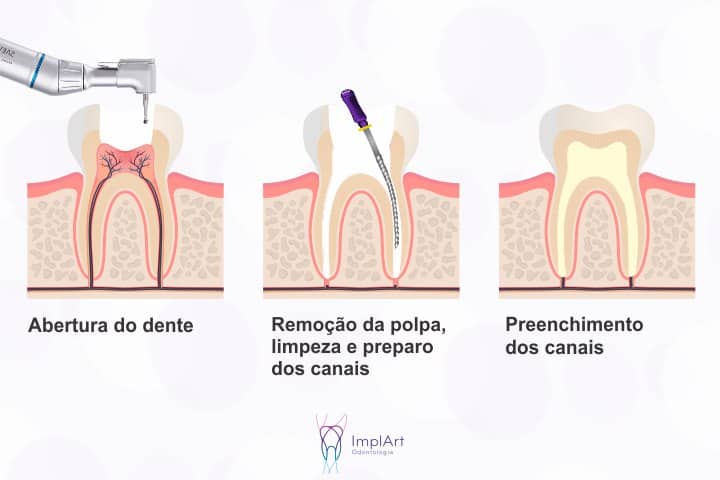
Root canal treatment is indicated when the pulp of the tooth has been compromised but its structure can still be preserved. This procedure is ideal for eliminating infection, restoring functionality and maintaining the natural tooth. According to Dr. Roberto Markarian, preserving the natural tooth whenever possible offers important advantages:

  • Dental Proprioception: Natural teeth have periodontal ligaments that allow them to feel chewing forces, something that is lost when using implants.
  • Maintaining Gingival Anatomy: Preserving the tooth helps to maintain the aesthetic harmony of the surrounding gums, facilitating a more natural restoration.
  • Possibility of placing crowns: After a successful root canal treatment , the tooth can receive a high-quality crown, guaranteeing functionality and aesthetics.
root canal or dental implant treatment
Root Canal or Dental Implant treatment?

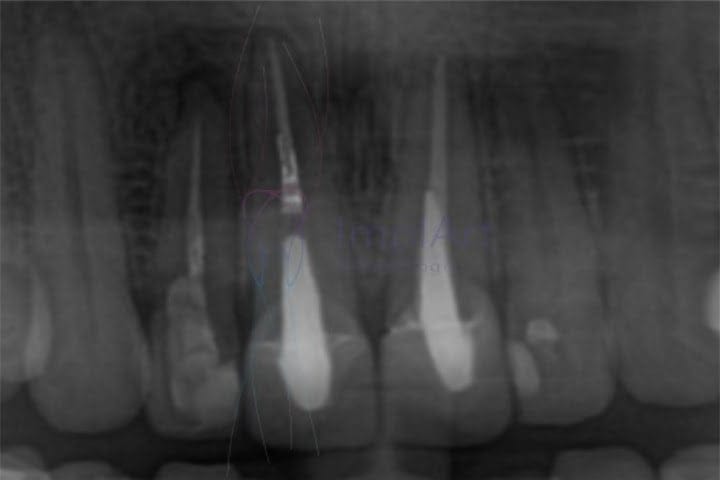
Is it possible to be 100% sure about saving a tooth with an X-ray alone?

Some of the most common questions patients ask when deciding between root canal treatment or dental implants are: can you be absolutely sure that the tooth will be saved just by looking at the X-ray? Or even: is it possible to know for sure whether or not the tooth needs root canal treatment just by looking at the X-ray?

According to Dr. Roberto Markarian, implant dentist and director of the ImplArt Clinic, dentistry is not an exact science and, as in any area of health, it is not possible to offer 100% guarantees on results because we are talking about an organism. Although radiography is an essential tool for diagnosis, allowing the professional to assess the integrity of the root, the presence of infections and other structural conditions, it does not reveal all the details of the case. Microscopic fractures or conditions that are not visible on the scan can influence the success of the treatment and require the specialist to change their approach.

“Our mission as health professionals is to use the best available resources, such as advanced imaging exams and modern techniques, to offer the best possible prognosis,” says Dr. Markarian. At the ImplArt Clinic, we combine clinical experience with cutting-edge technologies to increase the chances of success in every procedure, whether it’s root canal treatment or the placement of dental implants.

fast dental implants 32
Photo shows dental radiograph: Some radiographs make it possible to clearly see the need for root canal treatment, while others require a combination of clinical assessment, radiographs and the patient’s report

Professional experience makes a difference when it comes to root canal treatment or dental implants

Of course, the dentist’s experience and knowledge are fundamental. In addition to radiographic analysis, it is necessary to clinically assess the tooth, the extent of the damage, possible hidden fractures, and the health of the surrounding tissue.“Our commitment is to act responsibly and offer the best alternatives available to preserve the tooth whenever possible, with a focus on long-lasting, high-quality results,” adds Dr. Markarian. Therefore, if there is a possibility of preserving the tooth, root canal treatment is the first option. Only secondly, if it is not possible to keep it, or even if irreversible damage to the tooth is identified, do we opt for extraction and a dental implant in the same surgery.

Watch the video below where Dr. Roberto Markarian talks about the benefits of extracting a tooth and placing an implant on the same day.

This approach demonstrates the importance of relying on a specialized professional, using the best practices and technologies to guarantee the most effective treatment for each patient, whether for root canal treatment or dental implants.

Is root canal treatment 100% guaranteed?

We know that root canal treatment is the last resort to save a tooth and therefore there is always a chance of failure. We must remember that although it is possible to evaluate radiographic examinations, we are talking about a health treatment whose planning may change over the course of the treatment and the next step is extraction followed by a dental implant.

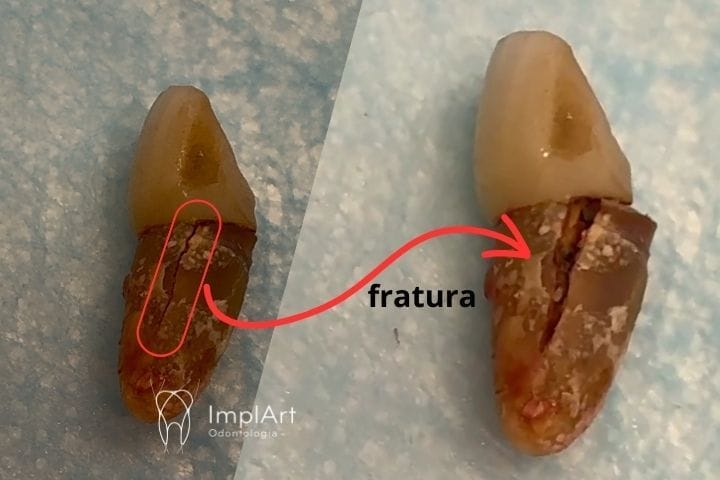
See the image below for an example of a particular case in which the X-ray alone could have led to uncertainty about the diagnosis. However, the combination of the clinical assessment(swelling, pus), the patient’s report ( pain after accidentally biting a bone) and the X-ray made it possible to identify that there was a fracture in the area, culminating in the indication of simultaneous extraction and dental implantation.

dental fracture
Photo shows a tooth that was removed because it had a crack. Radiographically, the case could be mistaken for a root canal, but root canal treatment would not solve the problem because bacteria would be lodged in the cracked area.

Can I insist on a root canal?: Cases where a root canal doesn’t solve the problem

Root canal or dental implant? Even with technological advances, there are situations in which root canal treatment or retreatment doesn’t solve the problem. Root fractures, for example, can make the tooth unfeasible, making it necessary to remove it and consider alternatives such as dental implants.

Therefore, in the vast majority of cases it is not a choice between root canal treatment or dental implants, but a necessity. That’s why it’s essential to trust the professional in charge of the treatment, so that he or she can be sure of the best course of action.

Biological dentistry and root canal treatment

The current trend of biological dentistry, which is very widespread today, does not recommend root canal treatments on the grounds of toxicity. However, this claim still lacks scientific proof. Studies show that treatment, when carried out with biocompatible materials and modern techniques, is safe. At the ImplArt Clinic, we use the best practices to offer safe, long-lasting results and we value the patient’s well-being.

When Dental Implants Are Necessary

In cases where the tooth cannot be saved, dental implants are the definitive solution. The ImplArt Dental Clinic is a pioneer in technologies such as the use of zirconia prostheses and digital implant planning, detailed on our advanced dental implants page.

However, according to Dr. Roberto Markarian, “the implant, no matter how good, will never be superior to the natural tooth in terms of biology and functionality.” Some considerations about implants include:

  • Loss of Proprioception: Implants have no periodontal ligaments, eliminating the ability to perceive masticatory forces.
  • Need for Aesthetic Planning: To achieve optimal results, careful planning of the gingival anatomy around the implant is necessary

Therefore, whenever possible, the ImplArt Clinic chooses to preserve the tooth. Dental implants are only indicated when there are no other alternatives to save a severely compromised tooth.

*Want to know more about how long it takes to recover from a dental implant? Go to: How many days rest after a dental implant?

fast dental implants 35
Root Canal or Dental Implant treatment?

Why Choose the ImplArt Clinic?

The ImplArt Clinic is a benchmark in high-quality dental treatment in Brazil and worldwide. Our differentials include:

  • The team is led by Dr. Roberto Markarian, a renowned specialist with extensive experience in implant dentistry;
  • Use of state-of-the-art technology, such as 3D digital planning and biocompatible materials;
  • Personalized service for each case, focusing on aesthetic and functional results.
  • A complete structure, equipped with high technology for patient care.

We receive international patients looking for excellent treatments, which reinforces our position as a reference dental clinic in dental implants and computerized prostheses in Brazil.

Conclusion: Keep Natural Tooth with root canal treatment or dental implant?

Whenever possible, preserving the natural tooth is the best option, bringing biological and aesthetic benefits. However, in cases where this is not feasible, replacement with high-tech dental implants, such as those offered by Clínica ImplArt, may be the ideal solution.

Today there are very modern resources for your treatment, with various types of dental implant and types of dental crown available at the ImplArt Clinic. If you still have doubts or would like an assessment, contact our team and make an appointment to restore your smile with health and confidence.

ImplArt Dental Clinic

⭐The ImplArt Dental Clinic is located in São Paulo and welcomes patients from all over the world. If you would like to know more about our treatments, ask questions about root canal treatment or dental implants, or schedule an appointment 📲WhatsApp(11) 99598-1866.

DR. ROBERTO MARKARIAN IMPLANTODONTISTA SITE
Root Canal or Dental Implant treatment?

Text written by DR. ROBERTO MARKARIAN – CRO-SP 73.583
Founder and Director of the ImplArt Dental Clinic – Dr. Roberto’s Linkedin profile

Dr. Roberto Markarian is a reference in dental implants and computerized dental prostheses in Brazil. As well as having more than 10,000 implants installed, he is a researcher who produces knowledge that is published worldwide in renowned scientific journals in the field of dentistry. He is responsible for promoting knowledge and high technology applied in all the treatments offered by the ImplArt Dental Clinic.

painless dental implants

Painless Dental Implants: Technology Makes Your Implant Surgery More Comfortable

For many people, fear of pain is one of the main reasons they put off dental treatments such as dental implants. However, with the latest technological advances, procedures have become much more comfortable, safer and faster, allowing painless dental implants surgery. Today, with methods such as digital planning using 3D tomography and computer-guided surgery, pain is no longer an obstacle for those looking to restore their smile. In this article, you will understand how these innovations are revolutionizing dental implant treatment and why the ImplArt Clinic is a benchmark in the field.

Why Are People Afraid of Dental Implants?

The fear of pain is still common and is often associated with past dental experiences or a lack of knowledge about the new technologies available. Fortunately, modern dentistry has evolved significantly, offering much more patient-friendly and comfortable solutions.

Among the new trends for pain-free dental implant treatment are fast-healing implants. These implants have nanotechnology on their surface, which speeds up the osseointegration process and further increases the chances of successful implant treatment.

Want to better understand what a dental implant is and how it works?
*Access our complete guide: How does dental implant treatment work?

Straumann Slactive dental implant
New trends: dental implants with nanotechnology

Modern Technologies for painless dental implants

Traditional dental implant techniques have given way to more sophisticated methods that prioritize safety and comfort. At the ImplArt Clinic, we use up-to-date implant technologies that stand out in the dental market, with the aim of offering pain-free dental implant surgery:

  • Digital planning by 3D tomography: This modern technology allows the dentist to visualize the patient’s entire anatomy in high resolution, ensuring greater precision in implant planning and reducing possible complications.
  • Computer-guided surgery: Provides a faster, safer and more predictable procedure, minimizing cuts and, consequently, post-operative discomfort.
  • Conscious sedation: For patients seeking total comfort, we offer sedation during the procedure, eliminating the sensation of pain and reducing anxiety, allowing dental implant surgery to be carried out painlessly.
  • Electronic anesthesia: This modern feature allows the dreaded “little prick” of anesthesia to be much lighter and more comfortable for the patient
  • Digital smile planning: With this technique, which involves an intraoral scanner to design a dental crown, fixed prosthesis or protocol prosthesis, the prosthetic stage is much more comfortable. The prostheses are produced by means of a modern computer graphics system, without the old mass moldings.

*Learn more about these innovative techniques: Guided surgery for dental implants

Find out more about the zirconia implant and the modern CAD/CAM Pure Zirconia Crown, made using a modern computer graphics system.

The Benefits of a Painless Dental Implant Procedure

As well as making treatment more comfortable, these technologies bring a number of benefits to patients:

  1. Fasterrecovery: Less invasive procedures reduce tissue trauma, promoting faster healing.
  2. Less post-operative discomfort: The use of modern techniques minimizes swelling, pain and the need for medication.
  3. High precision in aesthetic results: Advanced materials, such as zirconia, provide a natural appearance and excellent durability, guaranteeing fixed teeth that truly resemble natural ones.

*To find out more about the high-quality materials we use, visit: High-performance dental implant prostheses.

Why choose the ImplArt Clinic for your dental implant?

Located in São Paulo, the ImplArt Clinic combines professional expertise with the latest technologies to provide a unique and personalized experience for its patients. Our team is always up to date with the latest trends in dentistry, guaranteeing excellent results and full satisfaction.

In addition, ImplArt offers a state-of-the-art infrastructure with modern equipment and a humanized service designed to transform fear into confidence and discomfort into peace of mind.

*Make an appointment to find out how we can transform your smile: Contact us.

Conclusion: Painless Dental Implants are a Reality

Thanks to technological innovations, the fear of pain is no longer a barrier for those who need a dental implant. At the ImplArt Clinic, we are committed to offering high-quality treatments, prioritizing the well-being and comfort of our patients and aiming to offer patients pain-free dental implant surgery.

Always thinking about patient comfort, the success of their treatment and providing pain-free dental implant surgery, here at the ImplArt Clinic, our clinical director, implant dentist Dr. Roberto Markarian uses the technique of simultaneous extraction and dental implantation, in the same surgery, whenever possible. This certainly allows for more comfort for the patient, who undergoes fewer surgeries throughout their treatment. See our clinical director’s explanations of the reasons for extracting the compromised tooth and implanting it in the same surgery.

Don’t put off your smile any longer! Discover what modern dentistry can do for you. Book your appointment now: Dental implants – Learn all about dental implants.

ImplArt Dental Clinic

⭐The ImplArt Clinic is located in São Paulo and welcomes patients from all over the world. If you would like to know more about our treatments, dental implants, ask questions or schedule an appointment 📲WhatsApp(11) 99598-1866.

DR. ROBERTO MARKARIAN IMPLANTODONTISTA SITE
Painless Dental Implants: Technology Makes Your Implant Surgery More Comfortable

Text written by DR. ROBERTO MARKARIAN – CRO-SP 73.583
Founder and Director of the ImplArt Dental Clinic – Dr. Roberto’s Linkedin profile

Dr. Roberto Markarian is a reference in dental implants and computerized dental prostheses in Brazil. As well as having more than 10,000 implants installed, he is a researcher who produces knowledge that is published worldwide in renowned scientific journals in the field of dentistry. He is responsible for promoting knowledge and high technology applied in all the treatments offered by the ImplArt Dental Clinic.

Fixed dental prosthesis in pure 3D translucent zirconia

Among the latest material options for making a fixed prosthesis for a full arch implant, total implant or protocol prosthesis, we now have an innovative technique full of advantages: 3D pure translucent zirconia. Zirconia is currently the most modern material for both full and partial dental implant prostheses. It is also the most suitable material for dental crowns on single implants or fixed prostheses.

Zirconia dentures combine beauty and strength

Pure zirconia is also known as cubic zirconia, translucent zirconia, monolithic zirconia and black zirconia. It is currently considered the most modern and resistant material for making dental crowns.

Dental prostheses made from this material are fixed onto dental implants previously placed in the upper or lower jaw.

In order to offer patients the most modern treatments, the ImplArt dental clinic has once again innovated by pioneering the best European technology (Austria) to manufacture 3D zirconia dental prostheses in its own laboratory.

Its modern manufacturing allows treatment to be carried out using 100% computerized techniques, with complete digital planning of the case. This means more comfortable treatment for the patient, much more predictable, and above all, faster.

Translucent Zirconia
The translucent zirconia protocol prosthesis is completely white and contains no metal inside. As a result, the colors and shapes are more beautiful and natural.

Planning 3D zirconia implant/prosthesis treatment

For a complete treatment with dental implants, there must first be an extensive conversation between the dental surgeon and the patient. The definition of the total treatment takes place in 3 stages:

  • 1- Firstly: Planning the surgical and prosthetic aspects of the all-tooth or partial implant case. First of all, the patient’s needs are studied, with a clinical assessment and radiological examinations, so that the case can be planned precisely before it is carried out.
  • 2- Secondly: Performing the surgery to install the dental implants. At this point, a temporary transition prosthesis for the full arch should also be installed.
  • 3- Thirdly: Preparation of the final dental prosthesis. Once the implants have healed, the long-awaited making of the complete prosthesis begins, according to the material chosen by the patient at the start of their treatment.
Gumless dental zirconia prosthesis.
Zirconia dental prosthesis without gums. In some cases it is possible to make a zirconia dental prosthesis without the pink gum layer. In an acrylic dental protocol this would not be possible.

Not all protocol prostheses are the same and made of acrylic!

The choice of implant prosthesis material

Nowadays, you can choose from a variety of materials for fixed prostheses on implants (dental protocols). In the past, there were only metal-ceramics (metal structure and porcelain exterior) and acrylic (resin), made by hand.

Today, ImplArt is able to offer patients options with extreme resistance and superior aesthetics, such as computer-engineered translucent zirconia. In this sense, each type of prosthetic material can have an impact on the patient’s treatment in terms of price, preparation time and the final aesthetics of the total implant.

Therefore, in this article, we will explain the most modern model of fixed prosthesis on implants: the computerized translucent zirconia prosthesis, as well as its advantages and characteristics.

What is 3D dental zirconia? Zirconia is a white material that has the strength of a metal

fast dental implants 44
Zirconia dental prosthesis being designed on a computer, with a photo of the face superimposed. This gives us additional information about the lips, skin and gum colors, the shape of the teeth and the final appearance of the smile.

Types of zirconia prosthesis for dental protocols

Today there are three types of dental zirconia to better perform protocol prostheses on implants (fixed dental prostheses), namely :

  • 1. milky whitezirconia structure (lower volume), together with applied porcelain overlay (higher volume)
  • 2. 3Dtranslucent zirconia prosthesis (larger volume), i.e. with a small application of porcelain on the outside of the teeth (smaller volume)
  • 3.3D monolithic pure zirconia prosthesis (full volume) with make-up, so no additional porcelain applied
zirconia prosthesis being manufactured
The aesthetics of aesthetic zirconia fixed prostheses are unbeatable. Notice how translucent the material is and how beautiful and natural it looks.

What does the 3D translucent pure zirconia implant prosthesis look like?

In this type of zirconia prosthesis, there is only a small porcelain overlay on the structural part of the prosthesis. In short, the entire final process of making the monolithic zirconia prosthesis is done by computer programs and robotic machines( Digital Dentistry).

Therefore, we are sure that the fittings will be perfect, the anatomy will be that of natural teeth, and the colors will be realistic.

zirconia and translucency prosthesis
Dental zirconia protocol. Note that there is a small layer of translucent porcelain on the outside of the tooth to give it more shine, better color and more translucency. The rest of the prosthesis is solid and made of pure zirconia that has been tinted to match the natural color of the tooth and gums. The holes will be closed after the fixed prosthesis has been installed.

Advantages of the 3D zirconia protocol prosthesis

In contrast to metal as a structure, the main advantages of translucent zirconia are its biocompatibility, excellent aesthetics and extreme resistance. Zirconia, with the white structural part of the dental prosthesis, undeniably enhances the natural cosmetic characteristics of porcelain.

In fact, dental zirconia is exceptionally strong and durable as a base. So much so that the use of small portions of porcelain over this translucent zirconia structure provides complementary aesthetics for the complete implant.

In addition, zirconia is a super biocompatible and anti-allergenic material and is also used in white dental implant posts.

zirconia dental prosthesis internal structure
The structure of the zirconia dental prosthesis is white and, at this stage, not yet colored or shiny. In the next phase of the prosthetic work in our dental laboratory, the piece will come to life with the pigmentation of teeth and gums. The final colors depend on the consensus between the person’s taste and the dentist’s opinion. However, you can virtually choose any color from the available range. The most commonly used shades for porcelain zirconia teeth are B1, A1, BL4, A2, B2. For the gums, we try to follow the color of the patient’s natural gums, with the most common colors being STG4, STG5 and STG8.
fast dental implants 49
Work on applying layers of ceramic. In the end, all the natural aspects of the teeth and gums will be reproduced, imitating their tones, textures and translucency.

Read more: Aesthetic cores for dental crowns

zirconia fixed dental prosthesis
Zirconia prosthesis with aesthetic ceramic application, ready to be installed on the implants

Superior aesthetics of 3DZirconia

Dental zirconia can be custom-made in such a way that it resembles the enamel and gum tissues, thus optimizing the aesthetic result.

Translucent dental zirconia is undeniably the best material for fixed prostheses on implants, as it offers translucency, naturalness and strength as a result.

First of all, it should be noted that the zirconia protocol prosthesis makes no noise when chewed, is not heavy, nor does it damage dental implants, and certainly not opposing teeth.

Translucent dental zirconia is a material that above all does not change color, does not stain and therefore does not wear out with use.

multlayer zirconia crowns
Observe the natural anatomical details of the finished porcelain and zirconia fixed dental prosthesis. This work is done in our in-house digital dental laboratory.

How are 3D translucent zirconia dentures made?

The ImplArt Clinic has all the infrastructure to make your zirconia fixed prosthesis in its own laboratory. Here’s how it works: a zirconia dental prosthesis is manufactured using computerized processes, starting with the milling of a solid block of zirconia.

Above all, because it is a CAD-CAM (computerized) job, your dental project is stored in our laboratory, so the original project can be printed again quickly, should the need arise.

fast dental implants 53
Dental prostheses: versions with or without artificial gum are possible (but it depends on an examination to check feasibility). 1-Without gum layer; 2-Light gum layer; 3-With gum layer.

Maintenance of fixed 3D translucent zirconia dental implants

First and foremost, zirconia is extremely resistant and is certainly the strongest material for dental use. As such, its resistance is superior to porcelain and, of course, resin.

Maintenance for a zirconia prosthesis involves a visit to the dentist every 6 months for prophylaxis, in order to monitor oral health in the same way as recommended for all other patients.

The risk of the prosthesis fracturing is, above all, very rare, due to a characteristic of the material.

With regard to the color and shape of the teeth, these remain unchanged over time, making the material an excellent choice for its durability and, above all, long-term aesthetics.

It is always important to remember that, once treatment is complete, you should visit your dentist every 6 months for prophylaxis and to monitor the results of your treatment.

Clinica Dentaria Implart

Dental clinic near you in São Paulo

If you are looking for a modern dental clinic, Clinica Dentaria ImplArt was made for you! With high technology and modern facilities, we can carry out your dental implant treatment, dental contact lens, protocol prosthesis, or computerized dental crown, with comfort, safety and well-being.

Finally a top dental clinic

ImplArt Odontologia is primarily one of the most highly regarded dental technology clinics in the world, having been voted the best dental implant clinic in Brazil, according to the GCR, Global Clinic Rating.

The ImplArt Clinic has been awarded first place among dental clinics in Brazil, as a result of the recognition of its expertise in Digital Dentistry, Modern Structure and Patient Satisfaction. The GCR Score (Global Clinic Rating) is an international organization created to provide evaluations of 432,000 medical and dental clinics around the world, so as to indicate those that develop the best practices. First of all, it is important to mention that more than 128,277 dental clinics in the world have been evaluated, 603 of them in Brazil. This is certainly a criterion of great importance and relevance to dentistry worldwide.

High standards, knowledge, experience, responsibility, transparency, biosafety and trust, close to you!

We are located in one of the most privileged areas of São Paulo Downtown in the Bela Vista neighborhood, close to Avenida Paulista in Paraíso and the Brigadeiro (green line) and Vergueiro (blue line) subways. Easy access via Av. vinte e três de maio (north-south corridor).

Today we have close to thousands of implants installed, thousands of dental prostheses, hundreds of cosmetic dentistry cases solved and thousands of satisfied patients. These certifications certainly enable us to deal with the most difficult cases in dental aesthetics, oral rehabilitation, orthodontics and dental implants.

Digital dentistry is the highlight of the ImplArt dental clinic.

The procedures offered at the ImplArt dental clinic are in line with the latest advances in dentistry worldwide. We can guarantee this high standard by the constant trips of our scientific coordinator, implant dentist Dr. Roberto Markarian, to conferences and meetings not only in the United States, but also in Europe.

Just to give you an example, the materials and techniques used in our clinic are the same as those used in the best dental clinics in the world. We only work with the best, in order to offer you the best result with the greatest safety.

The main highlights of our special treatments are:

The modern facilities of the ImplArt Dental Clinic in São Paulo, in a central location close to Avenida Paulista and with easy access even if you come from afar.

Get to know our dental clinic

Here at our dental clinic, you are certainly our top priority. Our team, under the responsibility of implant dentist Dr. Roberto Markarian, has been trained to offer you personalized treatment, above all with the quality you deserve. Thank you in advance for entrusting us with your oral health, and we look forward to seeing you soon.

Visit the other pages of our website to find out more about our modern treatments such as prosthetic protocols, dental contact lenses, implants, as well as our technology and philosophy.

If you don’t live near São Paulo/SP Brazil, please contact us for prior planning with Day Clinic. If you have any questions about price, cost or the best treatment, please contact us through one of the channels below or book an appointment with us.