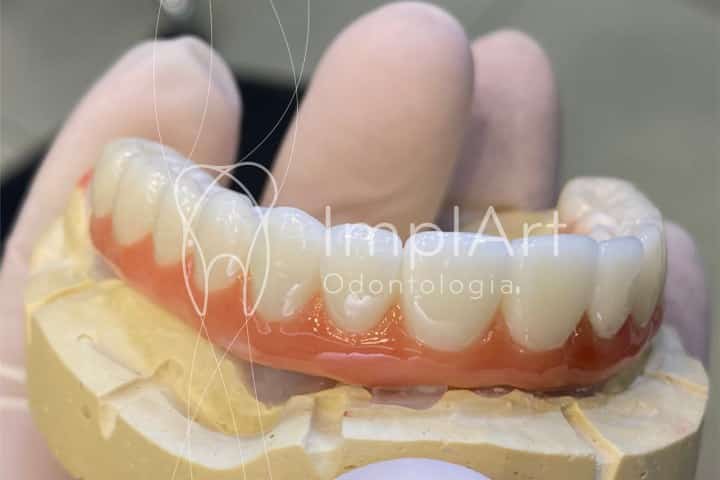
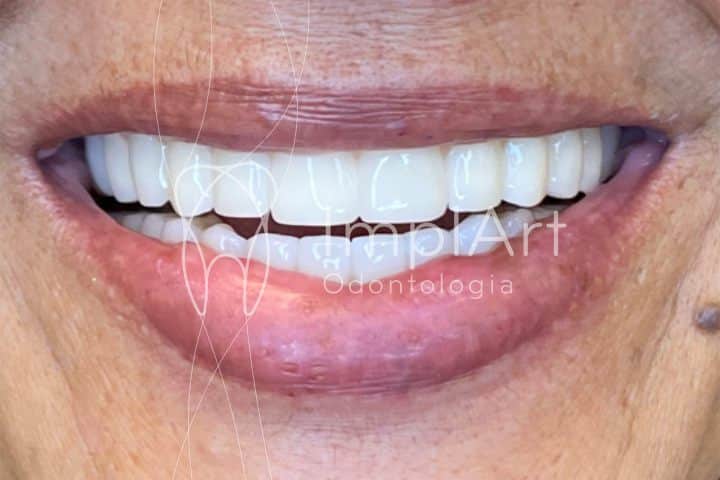
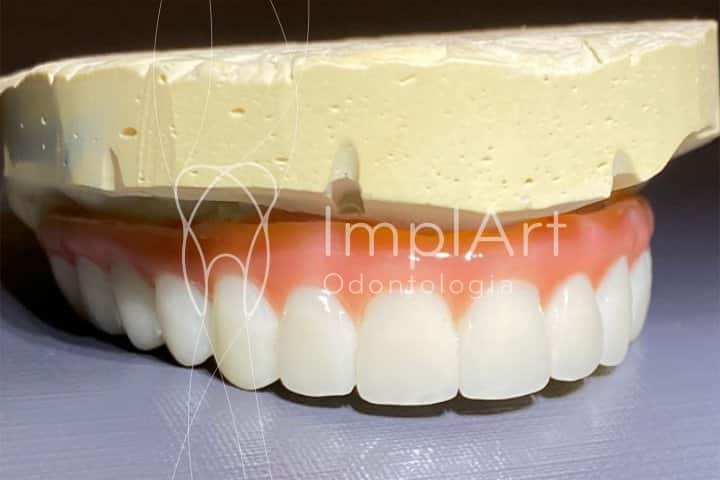
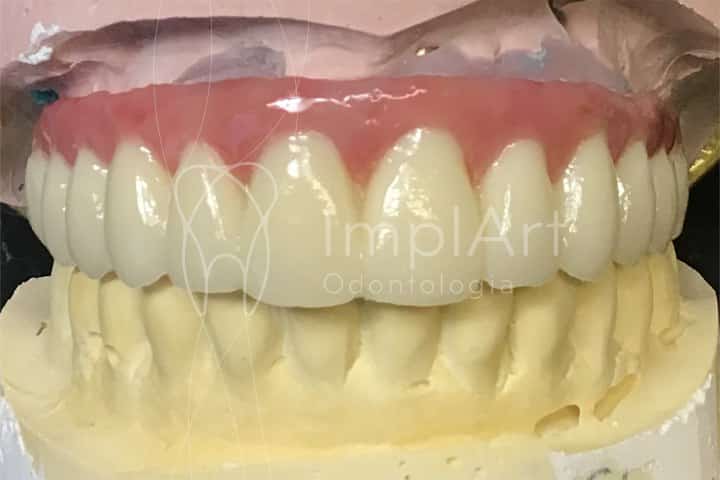
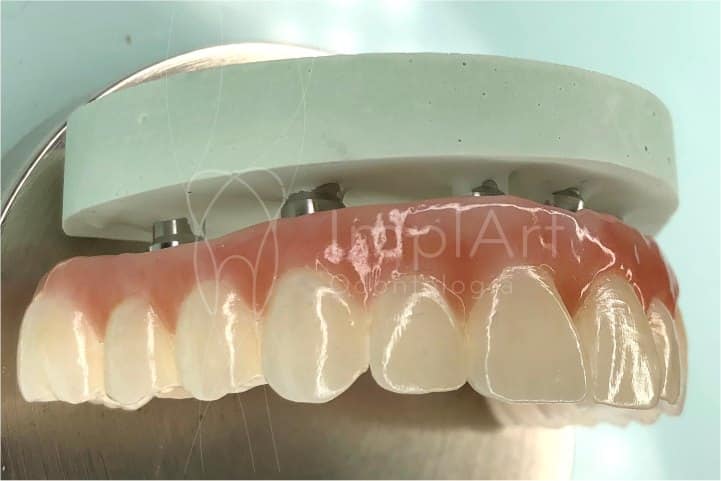
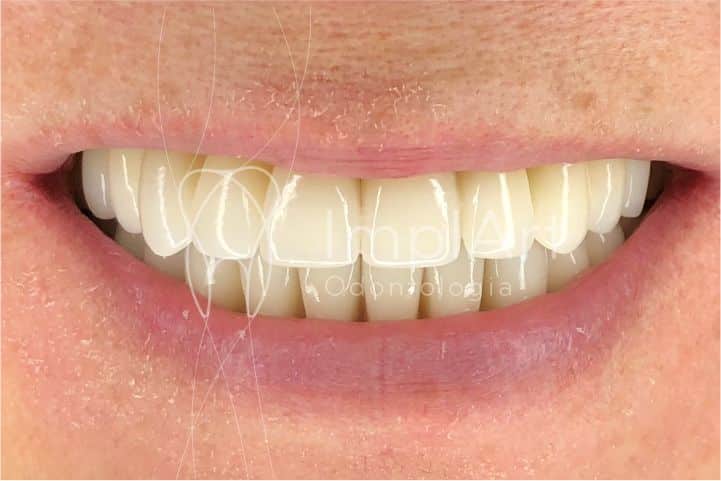
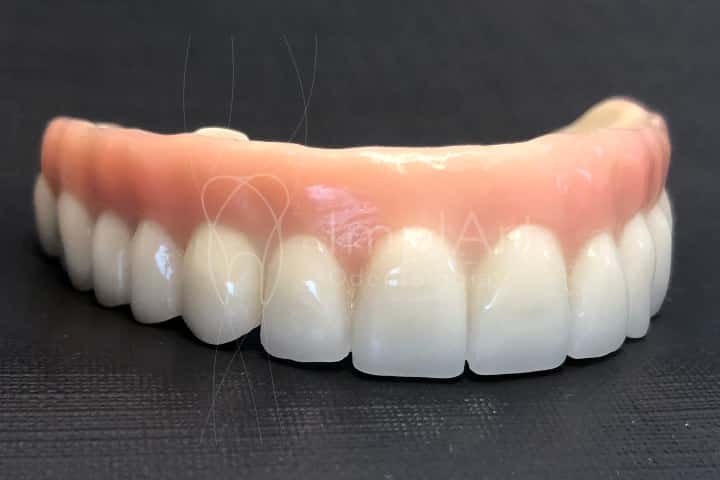
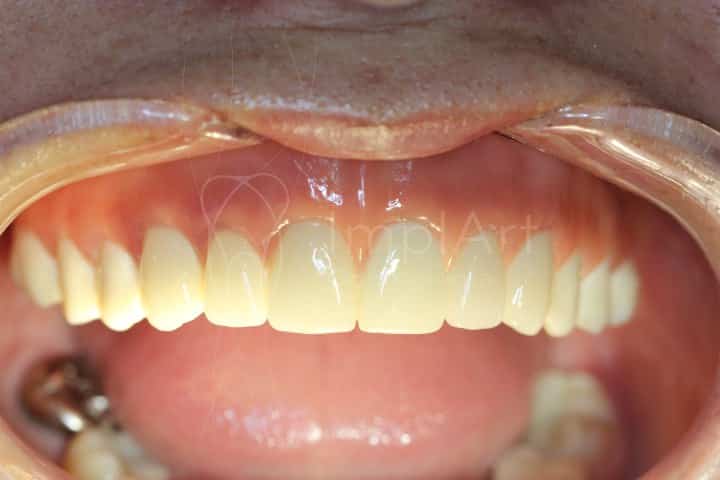
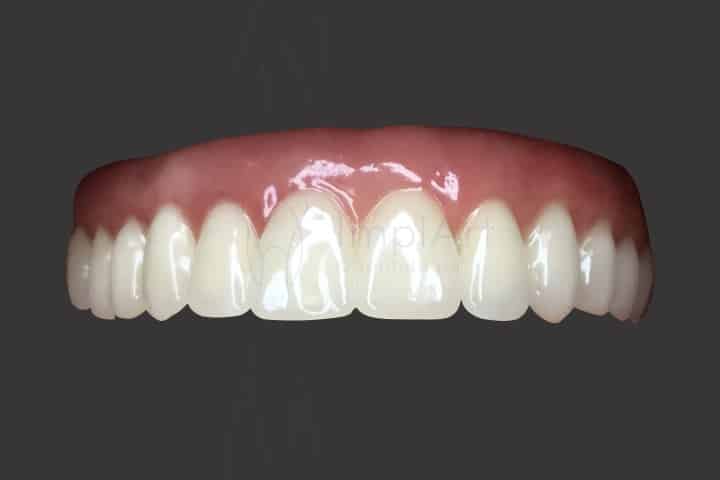
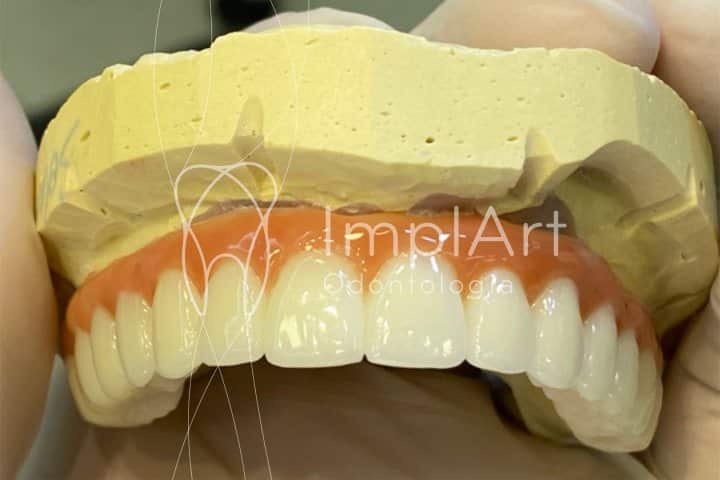
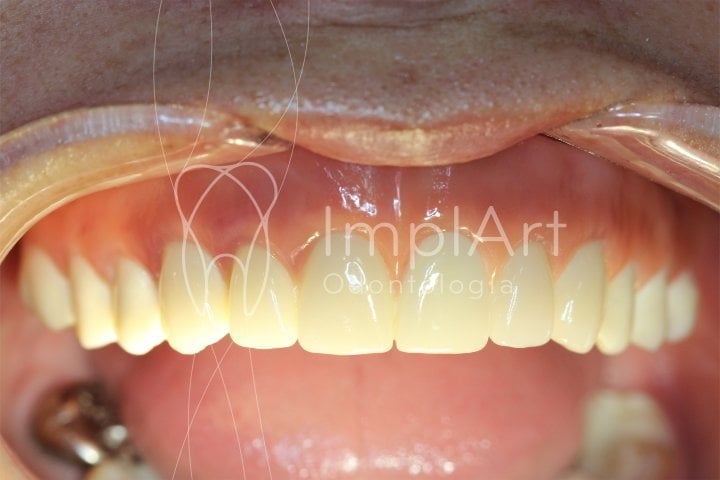
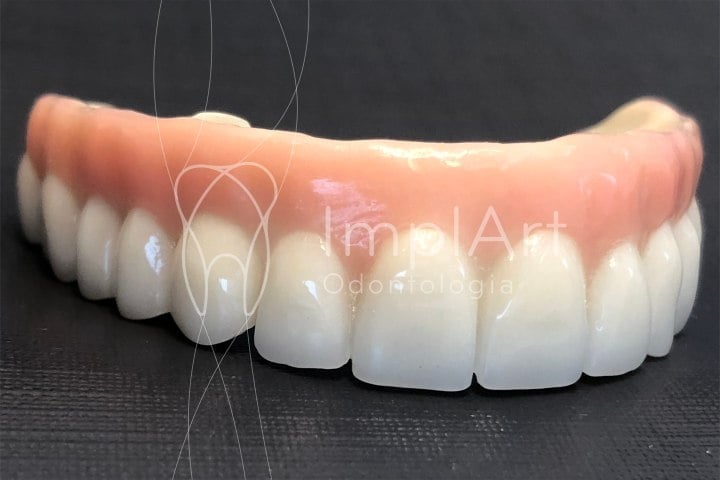
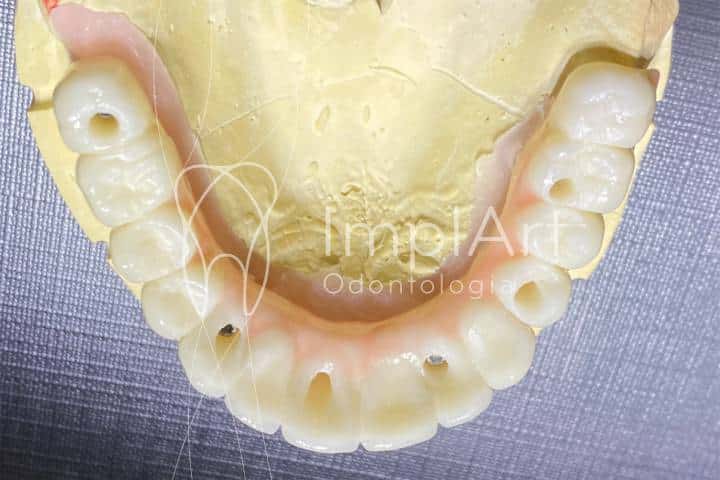
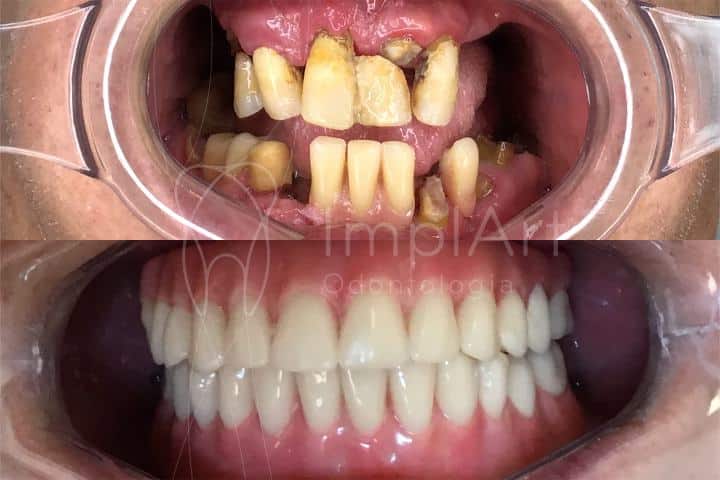
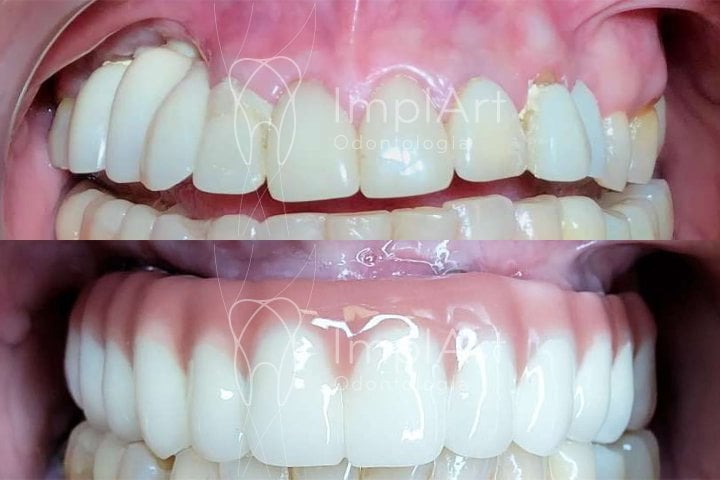
There are different materials that can be used to build a dental prosthesis, the main ones being: resin with a metal internal structure (metalloplastics/Branemark protocol), ceramic with a metal internal structure (metalloceramics) and the most aesthetic option which is ceramic with a metal-free dental zirconia internal structure (metal free).
Therefore, among the possible materials for dental prostheses, we have:
resin with an internal metal structure – this is known as metalloplastic or Branemark protocol,
ceramic with an internal metal structure – this is called metal-ceramic,
The most aesthetic option is ceramic with a metal-free dental zirconia structure, also known as metal free.
We can perform your zirconia bridge in Brazil
The evolution of aesthetic dentures
Most total or partial infrastructures are made with metal alloys that play the role of mechanical and functional support. However, their dark color can compromise the final aesthetics, especially in areas that are more apparent and important to patients.
As a result, metal-free ceramic structures are gaining ground, mainly because they achieve a more aesthetic result and because of their biocompatibility, resistance and stability.
Dental ceramics and zirconia are considered the most advanced materials because they do not contain metals in their composition, which provides an aesthetic dental prosthesis that is much more similar to natural teeth.
Zirconia teeth can be single, bridged or full-arch, installed on teeth or on dental implants.
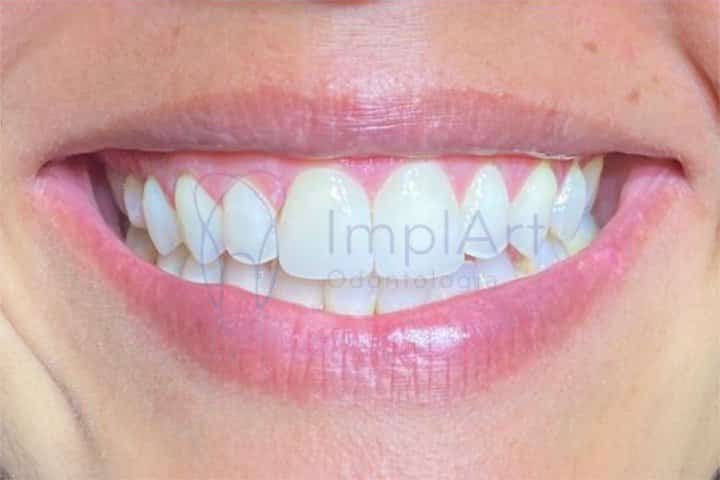
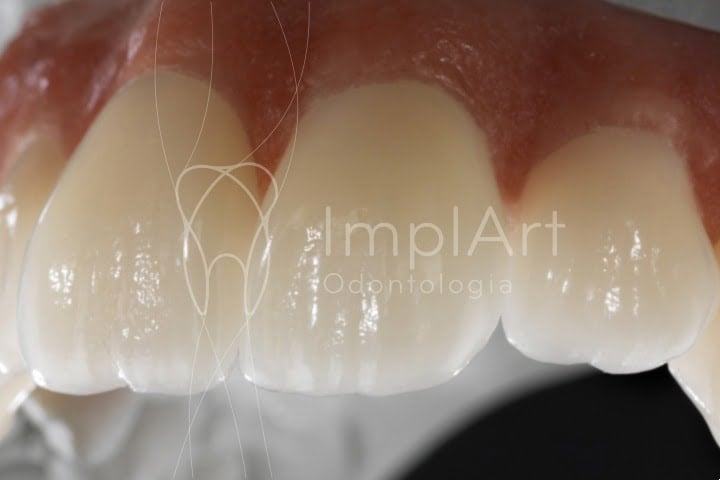
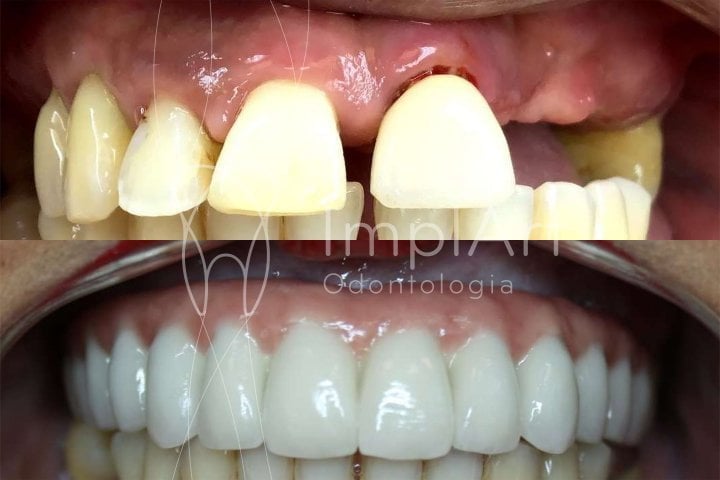
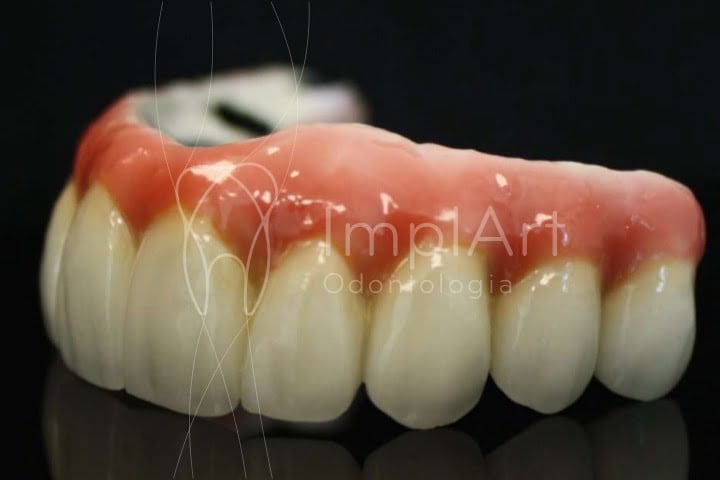
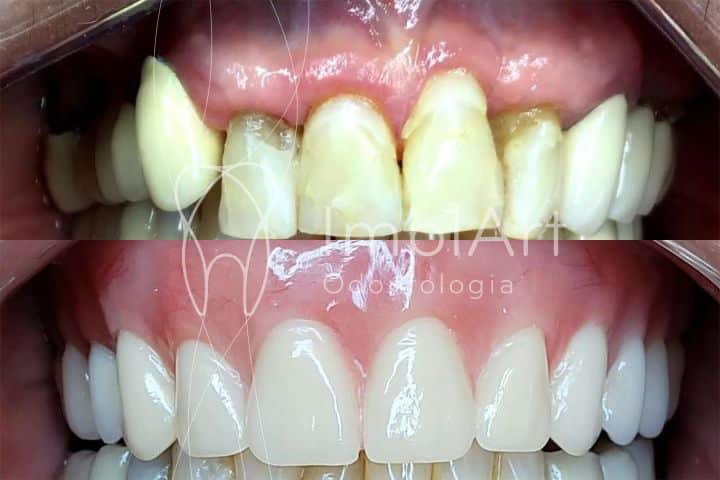
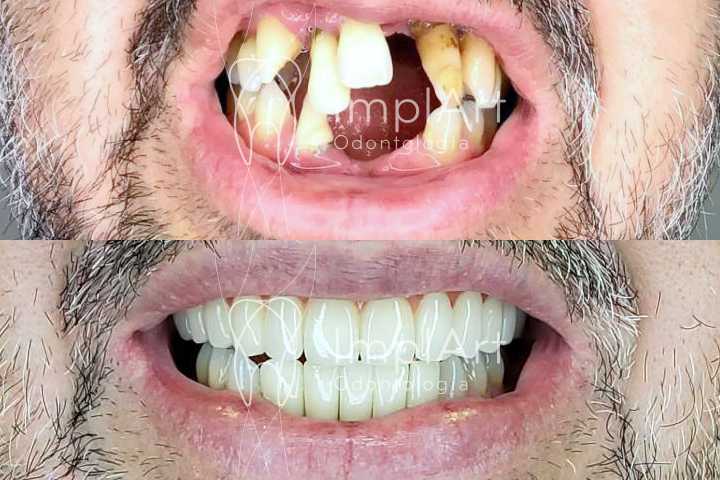
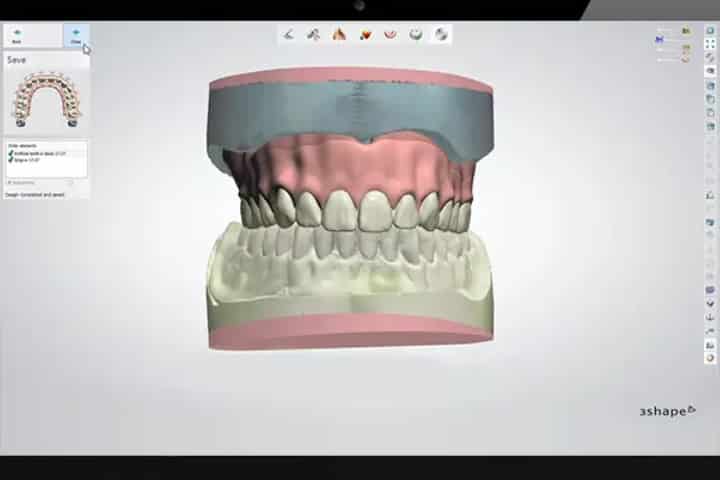
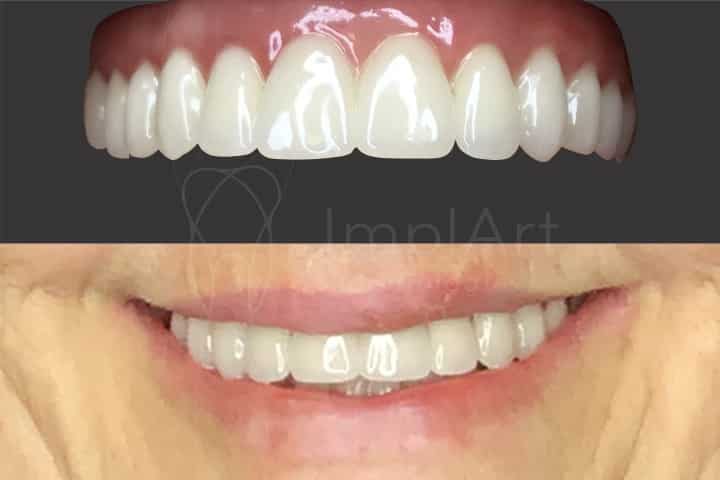
A zirconia dental prosthesis is made to perfectly mimic dental and gum tissues. Above, the zirconia prosthesis designed, and below, the prosthesis installed. Both the color and the shape were designed individually and jointly between the patient and the implant dentist.
Dental zirconia is a white, resistant ceramic material used to build the structure of the prosthesis. A layer of porcelain is applied to this structure, which makes the prosthesis similar to natural teeth in terms of translucency, texture and shade.
As zirconia is white, the prosthesis has a similar shade and translucency to natural teeth, even when exposed to light.
New types of more translucent dental zirconia allow for the complete fabrication of dental prostheses by computer, without the need to apply porcelain manually.
The shade of zirconia is comparable to natural human dentin. In contrast, the same result cannot be achieved with a prosthesis containing a metal framework.
This is because bone and gum changes naturally occur over the years, and this remodeling can expose a small portion of the metal of the prosthesis and thus cause aesthetic damage to the smile.
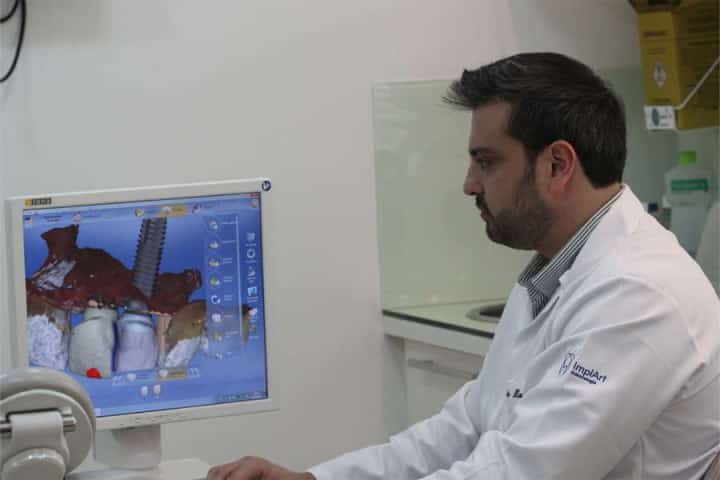
Another advantage of zirconia is that prostheses made from this material are completely computer-engineered and executed on 3D printers using Cad/Cam systems. This allows prostheses to be made more quickly and accurately.
For your convenience, ImplArt Odontologia has its own digital prost hesis laboratory that develops dental zirconia prostheses. Make an appointment and find out if this technique is right for you. We would be delighted to hear from you!
See below for photos of implant treatments and fixed porcelain and zirconia dental prostheses:
Dental zirconia: better aesthetics for dental prosthesesDental zirconia: better aesthetics for dental prosthesesDental zirconia: better aesthetics for dental prosthesesDental zirconia: better aesthetics for dental prosthesesDental zirconia: better aesthetics for dental prosthesesDental zirconia: better aesthetics for dental prosthesesDental zirconia: better aesthetics for dental prosthesesDental zirconia: better aesthetics for dental prosthesesDental zirconia: better aesthetics for dental prostheses
Translucent cubic zirconia is an evolution of conventional dental zirconia. Dental zirconia is increasingly being used as a material for making a dental crown or even for a fixed prosthesis on dental implants. As our dental Clinic is integrated with a dental Lab in Sao Paulo-Brazil, we can easily delivery zirconia crowns in a new days. Translucent Zirconia has certainly come to revolutionize the way dental prostheses are made, since it uses modern computer graphics resources to design the prostheses, and modern 3D milling machines to sculpt them.This makes treatment faster and more comfortable for the patient.
More about Translucent Zirconia crowns
In addition, Zirconia is the most resistant material compared to other types of crownsand allows for results with a high degree of naturalness, being the most similar to the appearance of natural teeth.
First and foremost, one of the greatest advantages of the Pure Zirconia dental crown is its strength and durability.In addition, its modern execution method, which doesn’t require the old mass moldings and only uses a 3D scanner, makes the treatment much more comfortable for the patient.It is therefore an excellent option for those who want metal-free treatment, a situation that is highly valued today with biological dentistry.
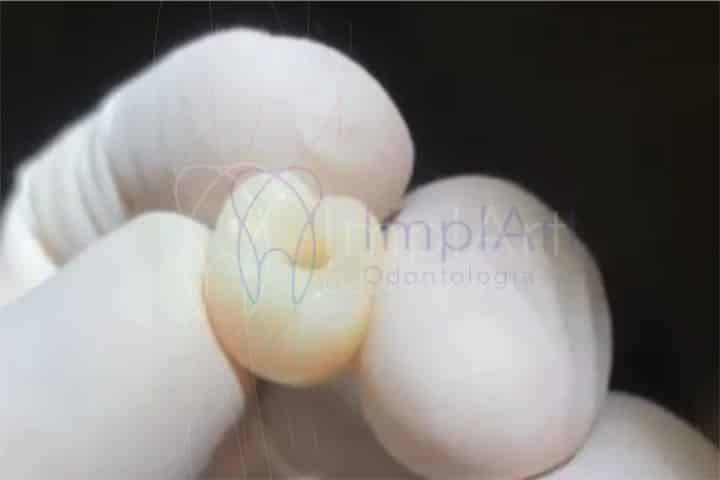
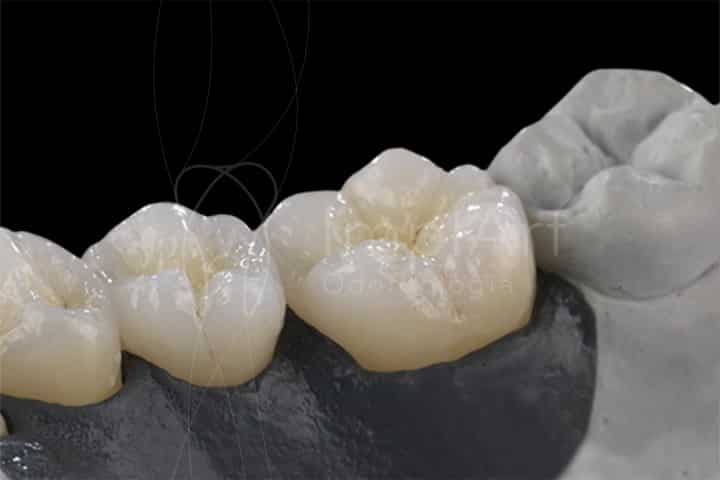
Translucent cubic zirconia crown for molar tooth (bottom), with hole for screwing into dental implant
These zirconia structures can be used both for implant prostheses, types of crowns on implants and for crowns on natural teeth.One of the pioneering companies in the development of durable and aesthetic zirconia dental prostheses is the Austrian company AmannGirrbach.Now it is introducing a new type of dental ceramic: Zolid FX translucent cubic zirconia.
It is a fully biocompatible material used to make first-rate prosthetic crowns, not only single-unit, but also bridges of up to 3 units. The main characteristics of Zolid FX are its super-high translucency, high strength and long-term stability.
It is therefore a strong alternative to the already established lithium disilicate (glass ceramic), and can therefore be especially suitable for cases that require high porcelain crown strength. Cubic zirconia crowns can be installed both anteriorly with excellent aesthetics and posteriorly. They can also be used in dental implant treatment.
What is the manufacturing process like?
The Zolid FX cubic zirconia crown is made using computerized CAD/CAM equipment.It starts with milling the rough block on a 3D printer to the shape of the tooth.The zirconia crown is finished with the manual addition of colors and shading so that the crown has natural visual characteristics, like the neighboring teeth.The pure zirconia crown is super aesthetic and is up to 10 times stronger than ordinary (feldspatica) porcelain.
Translucent cubic zirconia crowns are suitable for bruxism patients due to their resistance
Bruxism is an oral functional disorder characterized by involuntary grinding or clenching of the teeth. The excessive force generated by bruxism can cause not only muscle and joint pain in simpler cases, but also the destruction of part of the tissues (bone and gum), enamel or the structure of the dental crown in more advanced cases.
It is important to remember that before your permanent porcelain crown is made, you will receive a temporary crown. This is used to check the aesthetics and chewability of the permanent crown.
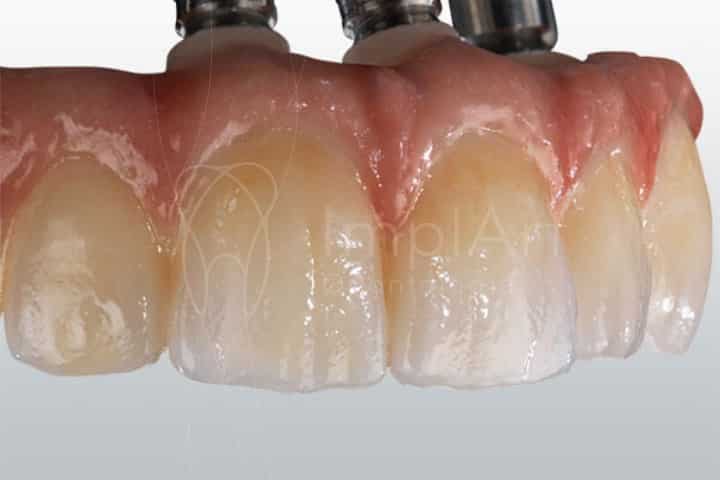
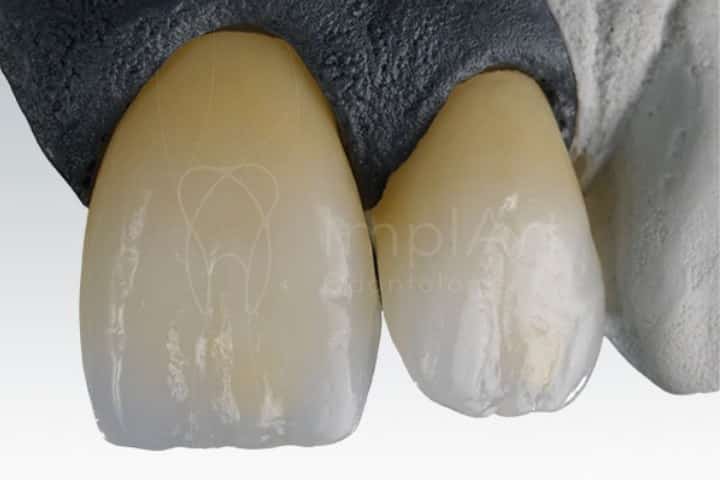
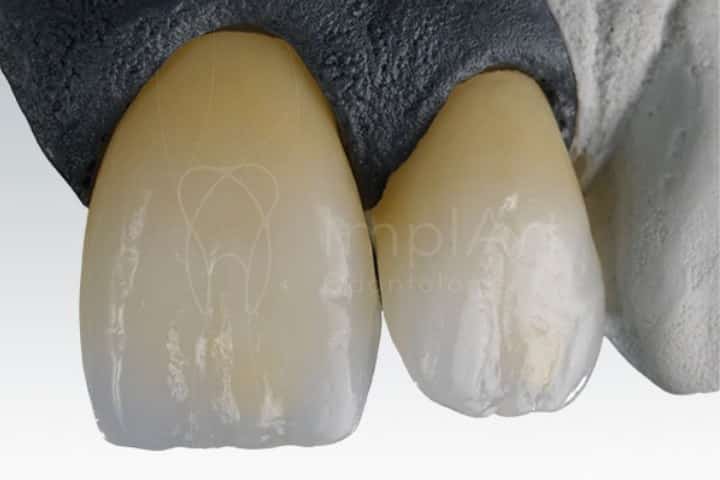
More translucent and resistant cubic zirconia crownsMore translucent and resistant cubic zirconia crownsMore translucent and resistant cubic zirconia crownsTranslucent zirconia crown for the front teeth. The two central incisor teeth (the largest) were made from pure dental zirconia
However, bruxism can be just as damaging to the structures of prosthetic crowns made from certain materials. For this reason, there has always been a need to develop prostheses with increasingly resistant and stable materials, and at the same time aesthetic (without metals in the structure).
The translucency and strength characteristics of Zolid FX are fundamental to making the prosthetic crown very comparable to natural teeth. The result is extremely aesthetic crowns and restorations with high strength and long-term stability.
ImplArt Dental Clinic only works with materials of the highest quality, developed by serious companies. For example, AmannGirrbach, which only introduces materials and equipment to the market after carrying out numerous tests and research.
The Dental Day Clinic at Clinica ImplArt is a type of intensive care, in which we carry out one or more dental treatments in the shortest possible time. In this way, we can plan the dental treatment as a whole, whether it’s a dental implant, fixed prosthesis, protocol prosthesis or dental crown.
It is certainly an option for people with limited time because of their day-to-day tasks, or for people who suffer from odontophobia (fear of the dentist), as intensive treatment is a relief for these patients. ImplArt is one of the few dental clinics in São Paulo with the technological support and multidisciplinary team to offer day clinics*. Find out more about this convenience in the following video:
ImplArt offers a wide range of fast and efficient dental treatments. This includes dental implants, dental contact lenses, porcelain veneers and teeth whitening. Our highly qualified team is ready to provide the best care in a comfortable and welcoming environment. That’s why we guarantee that you will leave with a renewed and confident smile after your treatment at ImplArt.
Clinica Dentaria ImplArt has its own dental laboratory within the clinic, which certainly facilitates the rapid completion of work while maintaining high quality materials. The laboratory’s focus is above all on using high-tech materials such as zirconia and special porcelains by means of computerized Cad/Cam designs and 3D printing of teeth. Performing a dental treatment in one day is possible in some cases (subject to analysis).
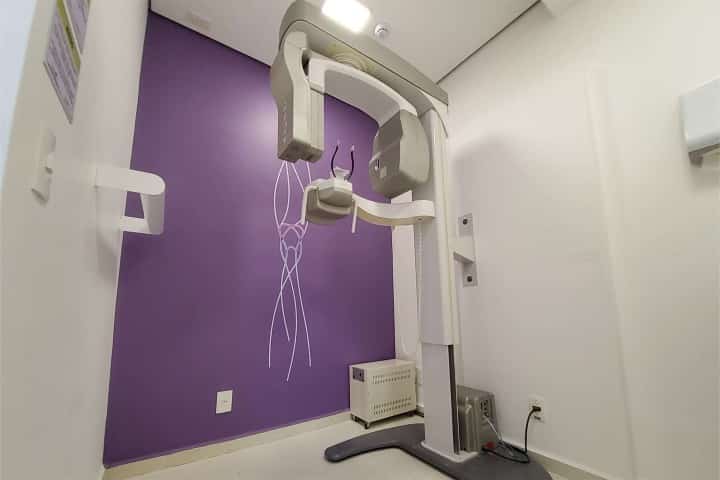
Another facility is that radiological examinations can be carried out within the clinic, in our digital radiology center. Panoramic radiographs and CT scans with results in real time certainly help with a rapid diagnosis and, consequently, the course of action that should be adopted. Another novelty at the ImplArt Dental Clinic is sedation dentistry, where the patient remains relaxed throughout the procedure.
They are best suited to people who are afraid of going to the dentist, or of dental treatment or the famous “dentist’s machine”, the motor. For patients with health problems and who need care, we can schedule the Day Clinic at the Hospital (*valid for some types of treatment). All these factors make your dental day clinic experience at ImplArt more comfortable and productive.
We are aligned with the One Stop Solution concept, which aims to enable patients to carry out all the activities necessary for their dental treatment within the Clinic itself. This way, there is no need to travel for external examinations or even surgery, as the ImplArt Dental Clinic is equipped with everything you need.
Planning accommodation for my Dental Day Clinic
For those patients who come from far away to have their Day Clinic treatment at the ImplArt Dental Clinic, accommodation in São Paulo is part of the pre-arrival planning. We have therefore prepared a list of accommodation recommendations in São Paulo to help you plan your visit to ImplArt. To access these accommodation recommendations CLICK HERE.
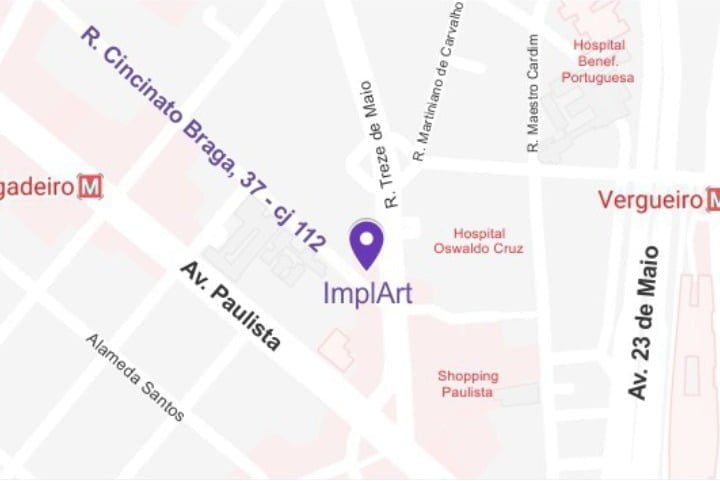
Keep in mind that the location of the ImplArt Clinic is privileged, which will allow you to enjoy the best of São Paulo’s cultural life, and combine your dental treatment with a sightseeing trip too! You’ll be close to museums such as MASP, Casa das Rosas, Japan House, Mirante do Sesc Paulista, as well as shopping centers such as Shopping Paulista and Shopping Cidade de São Paulo. Plus Avenida Paulista itself, which is a tourist attraction in itself!
If you have any questions, please make an appointment or contact us. We’ll be happy to help you.
All about my Dental Day Clinic at the ImplArt Clinic
At the ImplArt Dental Clinic we strive to offer quality care and the greatest possible convenience. That’s why our team is made up of professionals from all dental specialties. They are:
Implantology
Implantology is the area of dentistrydedicated to the treatment of edentulism (the absence of one or more teeth) with prosthetic rehabilitation supported or retained by dental implants, which can be made of titanium or even ceramic. This is the new, modern ceramic implant, the white implant, for those looking for a metal-free implant. Read more
Orthodontics
Orthodontics is the specialtyresponsible for correcting the position of teeth and jawbones for proper occlusion and alignment. The main objective of orthodontic treatments is functional improvement (chewing, articulation, speech, breathing and to avoid “opportunistic” periodontal diseases such as cavities and plaque build-up and tartar formation), but it also aims to restore an aesthetic and harmonious smile. Learn more
Correction of facial anomalies of the jaw or mandible, reconstruction of bone defects, problems of the temporomandibular joints (TMJ), orthognathic surgery, treatment of retained teeth, tumors and cysts.
The specialty of prosthodonticsaims to make dental prostheses to replace lost teeth, with the aim of restoring oral function and aesthetics. It is considered dental art, since this specialty has the mission of creating prostheses that are increasingly similar to natural human teeth (in shape, color, translucency and texture). Dental prosthesis models range from the mobile type (dentures), protocol prosthesis, to dental crowns that are fixed to dental implants. Learn more
Endodontics
Endodontics is the area of dentistry responsible for treating diseases of the dental pulp, root canal system and periapical tissues. It carries out root canal treatment with the aim of maintaining the tooth and avoiding its extraction. Read more
Periodontics
Periodontics isresponsible for identifying and treating periodontal diseases, the most common of which are caries, gingivitis, plaque build-up, tartar formation and periodontitis (inflammation of the bone tissue that supports the tooth). This specialty also performs surgery to correct gummy smiles. Learn more
Dental Radiology
Dental radiology is of fundamental importance, especially for diagnosing functional problems and oral diseases using X-ray images. It also helps other specialties to plan dental implant surgery and monitor the progress of treatment or surgery that has already been carried out. These exams include panoramic radiography and computed tomography. Find out more.
In addition, the structure of the ImplArt Dental Clinic includes the main technologies used in modern dentistry, both for diagnosis and for treatment and follow-up. At Clinica Dentaria ImplArt you will find:
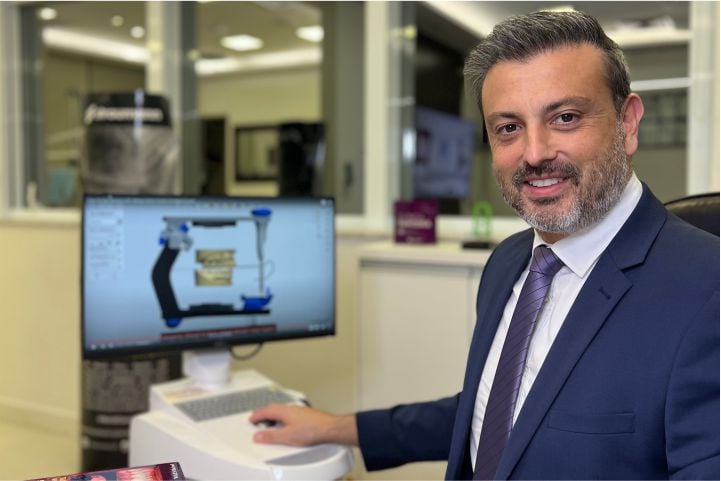
Two of the main computerized systems for digital smile design, Cerec and 3Shape
ImplArt serves all dental specialtiesImplArt serves all dental specialtiesImplArt serves all dental specialtiesImplArt serves all dental specialtiesImplArt serves all dental specialtiesImplArt serves all dental specialtiesImplArt serves all dental specialtiesImplArt serves all dental specialtiesImplArt serves all dental specialties
This breadth of dental specialties guarantees peace of mind and convenience for the patient, who doesn’t have to travel to different locations to undergo their full treatment or radiological examinations. If you have any questions, make an appointment or contact us. We’ll be happy to help you. For those coming from far away, you should know that it is possible to make an online appointment and even plan your dental implant surgery remotely, and organize your Day Clinic.
Topics in this article about dental specialties and ImplArt dental clinic
Zirconia crowns are dental prostheses indicated for restoration and dental rehabilitation in people whohave had damage to one or more teeth. Rehabilitation with dental crowns aims to restore the aesthetics and functionality of the smile, improving not only chewing, the appearance of the teeth, but also self-esteem.
Index
Zirconia crowns: excellence for aesthetic results
However, some materials used to make dental crowns are not strong enough to be used in patients suffering from bruxism. As is well known, bruxism is a disorder of oral function movements, characterized mainly by involuntary grinding or clenching of the teeth.
Translucent pure zirconia crowns
Pure zirconia crowns. Translucent zirconia is 10 times stronger than ordinary porcelain.
It occurs mainly during sleep. This excessive load on the teeth and musculoskeletal structures of the face can cause problems with the teeth and correct occlusion in general.
Although the cause of bruxism is not very clear, it is certain that this condition most often affects people who suffer from emotional problems, such as stress, anxiety and excessive worry.
Just as the excessive force generated by bruxism can wear down teeth, it can also damage dentures made of certain materials.
In these cases, our team has the option of recommending porcelain crowns with a pure zirconia internal structure, which are proven to be more resistant and can withstand a greater load, even in patients with bruxism.
Zirconia acquires this strength because it goes through a controlled process called sintering, which is heating it at a high temperature in a special furnace. This process modifies its particles, creating a solid and very strong prosthetic piece. Other properties of crowns with a pure zirconia structure:
How do I know if I can have a crown with pure zirconia even if I have bruxism?
First of all, it’s important to assess the degree of oral impairment that bruxism has caused so far. If you have untreated bruxism for many years, there may be advanced wear of the dental crowns and/or root fractures.
Therefore, before receiving prosthetic crowns to rehabilitate and restore your smile, you will probably need to undergo treatment to correct these defects (e.g. root canal treatments, vertical dimension increase, clinical crown increase). Dr. Markarian, our general manager, saysthat controlling bruxism is essential to avoid future problems and porcelain crowns with a pure zirconia structure may be indicated.
ImplArt Odontologia has its own dental laboratory with the Cerec 3D, Cerec Primemill, Trios 3Shape and Ceramillsystems, which speed up the fabrication of crowns with pure zirconia and metal-free ceramics, in some cases even in just a few hours in an ImplArt Day Clinic or Dental Spa, where you can carry out the largest number of dental procedures in just one appointment or in just a few days. This way, patients can set aside a day in their schedule or a few days in a week to dedicate to dental treatment, without it taking months to complete.
If you have any questions about treatment with metal-free aesthetic crowns, please make an appointment or contact us by clicking on the button below. We will be happy to assist you.
Know more about the risks and dangers of dental implants
Crucial to the success of the procedure is the thorough planning of the implant surgery and the choice of specialist professionals who are qualified to carry out the dental implant surgery. This increases the chance of success of this important treatment, and therefore the chances of any complications are minimal.
So rest assured that you can enjoy all the benefits that this rehabilitative and safe treatment offers patients. The implant-supported prosthesis is made to resemble the person’s other natural teeth and also offer similar chewing strength.
Oral rehabilitation with dental implants is usually the best option for re-establishing the patient’s aesthetic and chewing functions, a treatment called total dental implantation.
Patients who grind or clench their teeth (bruxism) can exert a lot of force on the implants, with an increased chance of breakage or fracture of the implants or the parts that make up the implant prostheses.
Patients who bruxism also increase the risk of loosening the screws that fix the implant crown. When this happens, the patient reports that the implant is “soft”. However, we mustn’t confuse the prosthesis becoming loose with the implant pin coming loose from the bone (which is much more serious).
Most commonly, when the problem is just the loose implant tooth, the patient feels no pain, while when the implant is lost there is always pain. If the implant fractures or comes loose from the bone, it must be replaced, starting the dental implant process all over again.
Check complete PODCAST about 5 biggest risks for dental implants:
Is it the dentist’s fault that my implant fractured?
There are several factors to consider, some of which would be the material of the prosthesis, the number and positioning of the implants, correct surgical technique, material of the dental implant, type of prosthetic components chosen, type of prosthetic connection chosen.
Assuming that the professionals are working to do their best, it’s rare that there will be any negligence in this regard. What really counts is the willingness of the patient and the professional to start again, perhaps trying to improve or perfect one of the strategies.
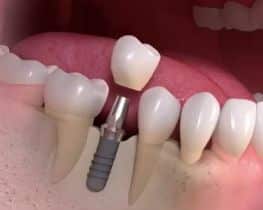
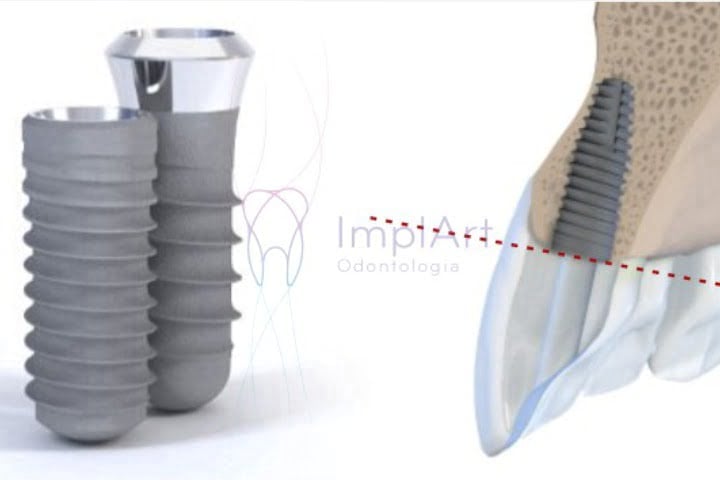
Apresentação das partes do implante dentário: implante (no osso), pilar + coroa dental (dente artificial)
2 – Inflammation in implants and risks
Inflammation can occur in a dental implant, manifesting itself as pain, swelling, pain when chewing, bleeding, and even the formation of pus in the implant. Please note that in any area of medicine where an artificial part is used inside the human body, there can be an adverse reaction of rejection.
This rejection phenomenon can occur in relation to the dental implant or an associated material such as a bone graft or a protective membrane. Bacterial infection can also occur in the implants, which can even prevent bone integration.
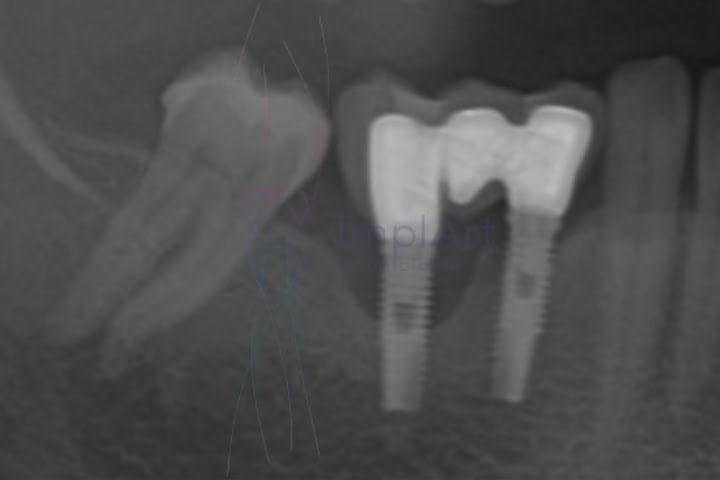
The implant on the left in the image has inflammatory bone loss, while the implant on the right has a normal bone level
That’s why all treatments at ImplArt begin with a thorough oral cleaning, as well as the removal of any infectious diseases such as cavities and periodontal disease. The patient will only have implant surgery if their mouth is clean and their oral health is good.
This is possible even if the patient doesn’t have all their teeth yet. When the prostheses on implants are finished, we teach the patient how to properly clean the dental implant. This correct hygiene is very important and certainly contributes to the chances of success of the dental implant.
Inflammation in implants leads to aesthetic, gum and bone problems
3 – Risk of facial nerve damage
If the surgery is not well planned, with the use of CT scans and other imaging tests for mapping,damage to the jaw nerve can occur during dental implant surgery. In the area at the back of the mouth in the lower arch, there is a nerve that can be very superficial, especially if the patient has been without teeth for many years.
In patients with advanced periodontal disease, bone loss can also put the nerve at risk due to its proximity.To reduce the risk of nerve damage and paresthesia, the implant dentist will carry out imaging tests. The most commonly requested exam is a panoramic X-ray, but a cone beam CT scan helps to measure the bone and plan the implant.
Computer-guided surgery – reducing risks
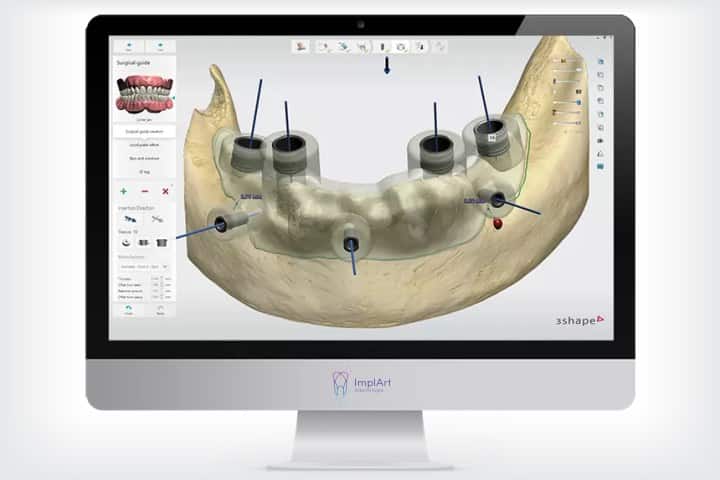
To minimize the risks even further, we can perform computer-guided partial or total implant surgery, which offers little invasiveness and allows for perfect positioning of the dental implant, with no room for error.
Crooked or poorly positioned implants can have poor bone integration or even rejection. It is not in all cases that we are able to recover the patient from oral nerve damage or poorly placed implants.
Depending on the severity of the problem, an injury to the jaw nerve can lead to sequelae such as numbness in the jaw or loss of sensation in the tongue or to the sensation of tastes (gustation).
At the ImplArt dental clinic, 100% of cases are operated on with a CT scan, which can be done in our own radiology center.
Guided implant surgery reduces the risk of dental implant positioning errors
4 – Risks in the bone around the implants
Bone loss can occur in an implant that has suffered infection while healing in the bone. In addition, in cases where immediate loading is carried out, i.e. a temporary or permanent tooth is placed in position immediately after surgery, there is a greater risk of bone and implant loss.
This is because the newly placed dental implant does not yet have a mature attachment to the bone and needs to rely exclusively on its mechanical locking into the bone in order to fix itself. Most of the time, if the indication and technique are correct, immediate loading works well.
But in cases of immediate failure, the consequences can be serious, for example leading to major bone loss in the area. There are more advanced dental implant models that have improvements to the fit of the tooth and also in the chemistry of the surface so that healing in the bone occurs faster and more efficiently.
Implant shapes and models have to do with clinical indications
5 – Increase in risk factors – patient health and habits
There are risks to the success of implant treatment that don’t depend on the professional or the materials used, but on patient factors. Failure to clean the teeth,smoking and diabetes increase the chance of problems with the dental implant.
In this article, we only discuss the RISKS in dental implants, however the success rates of dental implants are very high, especially for current implant dentistry techniques performed by a dental implant specialist.
Dental implants are an excellent treatment if they are well indicated, planned and executed.
Come and see our work! The ImplArt Dental Clinic has been dedicated to implant dentistry and oral rehabilitation for 18 years. We are located in São Paulo, Brazil.
Dr. Roberto Markarian is a reference in dental implants and computerized dental prostheses in Brazil. As well as having more than 10,000 implants installed, he is a researcher who produces knowledge that is published worldwide in renowned scientific journals in the field of dentistry. He is responsible for promoting knowledge and high technology applied in all the treatments offered by the ImplArt Dental Clinic.
This treatment is also known as Fixed Full-Arch Prosthesis or Implant-Supported Denture. This type of implant treatment for all teeth, allows patients to regain their smile and chew.
Dental implant surgery is currently a fairly straightforward operation, carried out in an office or hospital environment, with hospitalization for the patient’s comfort. Implants make it possible to replace missing teeth even in large areas of the arch, including in patients with all their teeth compromised by periodontal disease. They can also be used in patients with bone loss, who may need bone grafting before or during the installation of the dental implant.
It is important to note that there are currently different types of dental implants, and the most modern ones, cone morse implants, allow for faster healing.
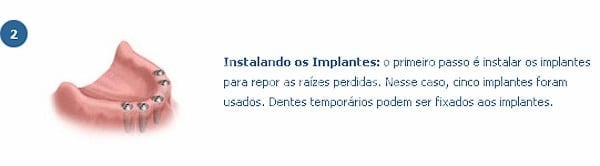
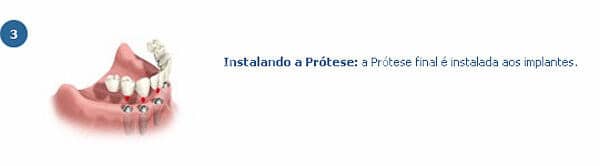
Full Arch Dental Implants . Implant-Supported Denturestep by step
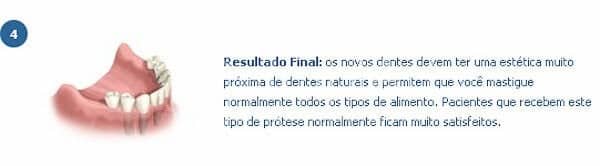
With regard to the end result, the aim is to obtain fixed dental prostheses that will remain supported on the implants. This will allow the patient to regain their masticatory function and aesthetics.
Of course, as Fixed Full-Arch Prosthesis are screwed onto dental implants, the result is a very efficient dental prosthesis for chewing, as well as excellent aesthetics and comfort.
It is therefore a much better solution than a removable prosthesis, as it provides excellent fixation and stability. In the upper arch, the full arch dental implants treatment has the added advantage of completely uncovering the palate (roof of the mouth), which improves patient comfort.
Unlike removable prostheses (dentures), which cover the roof of the mouth to allow them to be fixed and make it difficult to perceive the taste of food, All-on-X prostheses with implants are thin and occupy only the region of the dentition, leaving the rest of the mouth free, similar to the situation found when there are natural teeth. Currently, the most modern materials are the Zirconia Fixed Full-Arch Prosthesis and the Porcelain Prothesis on a Full Arch DentalTreatment.
After radiographic examinations and a CT scan of the jaws, the dental implant specialist will be able to analyze the ideal planning for the case and thus indicate bone complements such as grafts to better prepare the bone if necessary.
The jaw bone (lower arch) is more rigid and resistant, so dental implants can be installed in most cases. The upper jaw bone, on the other hand, is less dense and delicate and has a more complex anatomy.
Certainly the proximity to the nose, the maxillary sinus cavities and the greater bone loss require further study.
Full Arch Dental Implants With or Without Bone Graft ?
If bone grafting is necessary, don’t be alarmed – it’s very common. Of course, dental grafting for full archa implants is not necessarily complicated, invasive or large. On the contrary, most of the time the bone graft for a full arch implant is simple, small and restricted to the position of the implant.
Less invasive implant surgery: in our clinic we use current concepts of minimally invasive surgery for dental implants, which make the procedure faster and offer greater comfort during the procedure and especially during the healing phase of the dental implant.
Computer-guided implant surgery: this is a type of dental implant surgery offered at our clinic that is planned by computerized scans of the jaws.
Full Mouth Reconstruction Prosthesis and other types
Certainly the most common prosthesis for implanting all the teeth in a full arch is the so-called protocol prosthesis. This is a resin prosthesis with a metal reinforcement bar inside.
Over time, however, more modern ways of making complete implant prosthesis have emerged. At the ImplArt Dental Clinic, we offer more technological implant materials, which are completely made on our premises and in our own dental prosthesis laboratory (see more):
If you have any questions, please make an appointment or contact us and make an appointment with our clinical director, Dr. Roberto Markarian, an implant dentist. We will be happy to assist you. The ImplArt Dental Clinic has a modern structure to serve patients and highly specialized professionals.
Full Arch Dental Implants - All-on-4 - All-on-6 - All-on-X
Dr. Roberto Markarian is a reference in dental implants and computerized dental prostheses in Brazil. As well as having more than 10,000 implants installed, he is a researcher who produces knowledge that is published worldwide in renowned scientific journals in the field of dentistry. He is responsible for promoting knowledge and high technology applied to all the treatments offered by the ImplArt Clinic.
The combination of aligners or braces and dental implants is essential to ensure a complete, functional and aesthetic smile. When a tooth is lost, neighboring teeth tend to move and occupy the empty space, causing misalignment, incorrect bite and even chewing difficulties. Without proper replacement with an implant, this movement can compromise the tooth structure and even cause bone loss.
Orthodontic treatment, especially with innovative solutions such as Invisalign, repositions teeth precisely, correcting misalignment and creating the right space for a dental implant. The implant replaces the lost tooth permanently, restoring aesthetics, chewing function and preventing further tooth displacement.
At ImplArt Dental Clinic, this integration is carried out with state-of-the-art technology and a highly qualified multidisciplinary team, guaranteeing long-lasting and personalized results for each patient. In this article, you will understand how implants and orthodontic appliances can guarantee a harmonious, functional and long-lasting smile.
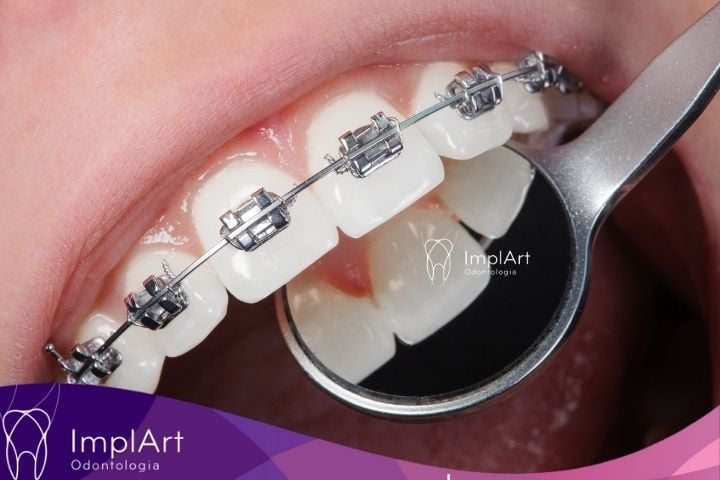
Braces and dental implant treatment combined to reposition teeth and re-establish bite
Why Integrate Braces and Implants?
The absence of a tooth directly affects oral health and the harmony of the smile. Therefore, treatment with braces will allow for better alignment of the teeth, whether for treatment with implants, dental crowns or even dental contact lenses. Integrating braces and implants treatment offers many benefits:
1. Braces and Implants: Correct Replacement of Lost Teeth
Without adequate replacement of the missing tooth, neighboring teeth tend to lean in and occupy the empty space. Orthodontic treatment realigns these teeth, preparing the site for insertion of the dental implant.
The lack of stimulation in the area of the missing tooth causes bone resorption. The dental implant is integrated into the bone, preserving bone density and preventing changes to the facial structure.
3. Braces and implants:Bite correction and chewing function
Misaligned teeth compromise bite and chewing. Braces reposition the teeth, while dental implants complete the chewing function.
The Role of Invisalign in Preparing for Dental Implants
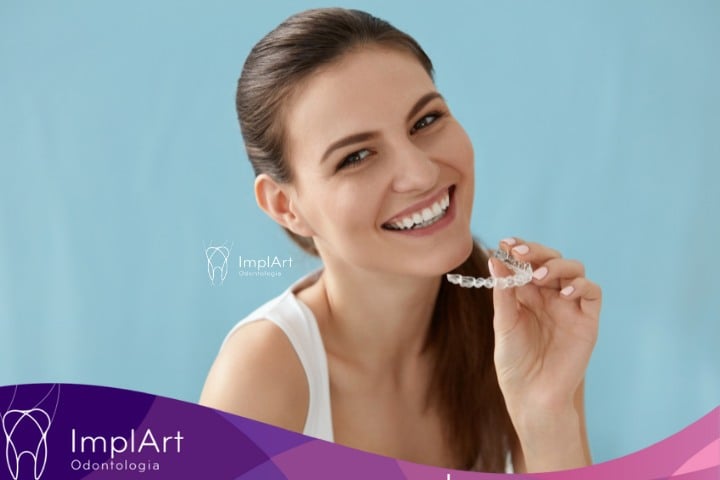
Invisalign is a transparent, comfortable and effective orthodontic aligner, ideal for preparing the smile for the placement of dental implants. It corrects the position of the teeth discreetly and efficiently, creating the necessary space for the installation of the dental implant.
Advantages of Invisalign for Integration with Implants
Discretion and Comfort: Almost invisible aligners, which do not interfere with aesthetics during treatment.
Removable: Facilitates oral hygiene and food consumption.
Digital Planning: Allows you to visualize all the stages of the treatment before it even begins.
Braces and implant treatment: Invisalign to align and implants to replace missing teeth
Zirconia Implants: The Best Aesthetic Option
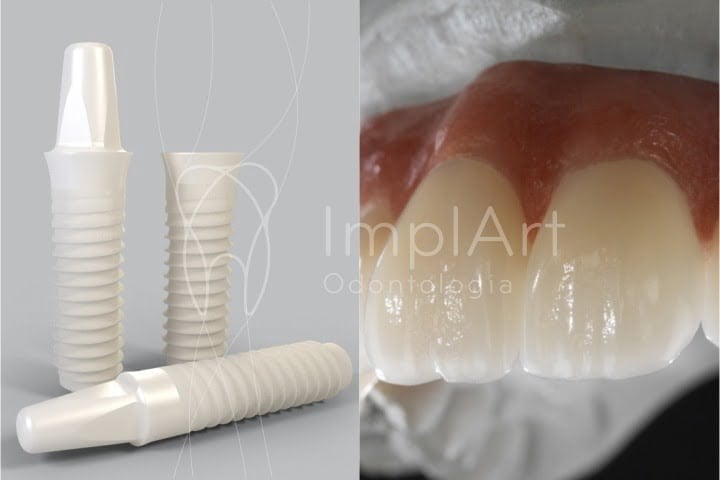
Zirconia implants are the ideal solution for patients looking for aesthetics and biocompatibility. As well as being metal-free, these implants offer a more natural appearance, especially in the anterior region of the mouth.
Benefits of Zirconia Implants
Superior Aesthetics: Natural appearance without the risk of metal exposure.
Biocompatibility: Totally safe and hypoallergenic.
High durability: Superior resistance to wear and fractures.
Zirconia implant and zirconia prosthesis the ultimate combination
Zirconia Implants and Prostheses: The Perfect Aesthetic Solution
Zirconia implants, offered at the ImplArt Clinic, are the most modern and aesthetic solution for rehabilitating smiles. This metal-free material provides natural, long-lasting results.
Benefits of Zirconia Implants:
Natural Aesthetics: The white color of zirconia resembles natural teeth, without metallic interference.
High Biocompatibility: Ideal for patients looking for safe and hypoallergenic materials.
Durability and Resistance: Highly resistant material, guaranteeing a long service life.
In addition, dentures made with zirconia are customized for each patient, ensuring a perfect fit and a natural appearance. 👉 Types of dental prosthesis materials
Digital Planning: Integrating Orthodontics and Implantology
At the ImplArt Clinic, the use of advanced technology, such as the 3D scanner, 3D digital tomography and guided surgery, allows for integrated planning between Invisalign and the implants. This process guarantees precision at every stage of treatment.
“The integration of orthodontics and dental implants is essential for restoring not only the aesthetics but also the full functionality of the smile. Aligning teeth precisely and repositioning implants at the right time guarantees long-lasting results and significantly improves patients’ quality of life.” – Dr. Roberto Markarian, specialist in implant dentistry and clinical director of the ImplArt Clinic.
Perfect Smile with Aligners or Braces and Dental Implants
Planning stages:
Initial Assessment: Clinical and digital analysis with Dr. Roberto Markarian, implantologist and director of the ImplArt Clinic, to understand the patient’s needs.
Coordination between specialists: Orthodontists and implant dentists work together to align teeth and fill spaces.
Precise execution: With digital technology, implants are optimally positioned to ensure functionality and aesthetics.
The ImplArt Clinic uses the most modern technologies to integrate orthodontics and implants precisely and safely. These include:
3D Computed Tomography: Complete assessment of bone and tooth structure.
Digital Planning and Guided Surgery: Precise definition of implant positioning.
Digital Prosthesis Laboratory: We make prostheses with a perfect fit and incomparable aesthetics.
➡️ See how we apply cutting-edge technology to our treatments:
Why Choose the ImplArt Clinic?
The ImplArt Clinic is a reference in personalized treatments that combine orthodontics and implantology. We offer:
Schedule your personalized assessment to find out more about our solutions: 👉 Contact us
Perfect Smile with Aligners or Braces and Dental Implants
Conclusion: Complete Smile with Orthodontics and Dental Implants
The integration between orthodontic treatment and dental implants is essential to guarantee an aesthetic, functional and long-lasting smile. The use of Invisalign to align the teeth and create the appropriate space for the placement of zirconia implants is the complete solution for those seeking excellence in oral health.
At the ImplArt Clinic, we combine cutting-edge technology, specialized professionals and personalized service to transform smiles and improve the quality of life of our patients.
⭐The ImplArt Dental Clinic is located in São Paulo and welcomes patients from all over the world. If you would like to know more about our treatments, ask questions about root canal treatment, dental implants in São Paulo, and schedule an appointment 📲WhatsApp(11) 99598-1866.
Perfect Smile with Aligners or Braces and Dental Implants
Before answering this question, it is necessary to explain that there are different dental bone grafting techniques, each with its own complexity and extent. This directly influences the guidelines for the post-operative period and recovery time.
Learn all about bone grafting with implants
In most cases it is possible to use a prosthesis while the graft heals
Dental bone grafting to allow the placement of just one implant, where the patient has teeth to be used as support for the prosthesis, is not the same as block grafting to place several implants in a full arch, which is considered more complex.
However, in many cases, it is possible to attach a temporary resin prosthesis, which is suitable for helping the tooth graft recover and heal, as well as allowing the patient not to be without teeth for the duration of the treatment.
After the recovery period, the temporary prosthesis is replaced by a permanent prosthesis made from the material chosen jointly by the patient and the dentist (resin, metal-ceramic or fully esthetic zirconia).
Particulate grafting is used in small reconstructions, such as filling in a site where there has been bone loss or in the maxillary sinus lift technique. The biomaterials used in particulate bone grafting are implanted to replace or repair atrophied tissue.
They can be of natural origin (a small amount of crushed human bone from the patient themselves or from a tissue bank for transplants, or freeze-dried bovine bone powder).
The particulate graft can also be made of synthetic material produced in the laboratory, fully biocompatible with osteoconductive properties (attraction of bone tissue-forming cells) or synthetic vitreous materials (synthetic hydroxyapatite).
The particulate dental graft is deposited in situ and then covered with a collagen membrane. In favorable cases, the dental implant can be placed on the same day as the graft, followed by a temporary prosthesis.
Block Grafting
This technique is indicated for more extensive reconstructions. The block-shaped tooth graft can be taken from another part of the patient’s body. When only one block is needed, it can be taken from the mandible.
When more blocks are needed, they can be taken from the pelvis or skullcap. None of the donor sites suffer from bone loss. The blocks are fixed in the jawbone with titanium screws and will thus allow more dental implants to be placed.
The possibility of using a prosthesis in this type of graft is therefore assessed on a case-by-case basis.The ImplArtDental Clinic has extensive experience in dental bone grafting techniques.
If you have any questions, please contact us or book an appointment.
In the contemporary landscape of dental care, the demand for experiences that extend beyond traditional treatments and offer an environment of comfort and well-being has gained significant traction. In São Paulo, the ImplArt Dental Spastands as a true pioneer in this innovative concept, redefining the standard of dental treatment and patient care.
By seamlessly integrating highly complex procedures with a relaxing and welcoming atmosphere, ImplArt not only ensures clinical results of the highest caliber but also provides a uniquely personalized patient journey. This groundbreaking approach has firmly established ImplArt Dental Spa-Sao Paulo as a benchmark in the city, demonstrating that it’s indeed possible to unite cutting-edge dental technology with a deeply humanized approach to health and wellness.
ImplArt is a pioneer in Day Clinics in Brazil and we can offer you the most advanced services in dentistry today. With the best dental technology, we plan and execute your Day Clinic with the highest quality at the ImplArt Dental Spa.
Dental Spa and Dental Day Clinic at ImplArt Day Clinic Dental Spa: faster dental treatments
The ImplArt Dental Spa Day Clinic is especially suitable for executives, for people who live in other cities/states/countries.
Most dental treatments can be carried out at the Dental Day Clinic, including procedures such as implants, crowns and aesthetic restorations, prostheses, veneers or dental aesthetic techniques, subject to prior planning by the dental spa.
We have all the infrastructure to hold your Day Clinic in complete comfort.
Our in-housedental laboratory facilitates not only computerized treatment planning, but also the rapid completion of dental spa work, maintaining high quality materials and avoiding errors and problems.
We also have a digital radiology center within the clinic, which speeds up diagnosis and the start of treatment.
Contact us to find out if the treatment you need can be carried out in a Day Clinic. With the ImplArt Dental Spa, improving the aesthetics of your smile can be faster than you think!
ImplArt Dental Spa: Pioneering Excellence in São PauloImplArt Dental Spa: Pioneering Excellence in São PauloImplArt Dental Spa: Pioneering Excellence in São PauloImplArt Dental Spa: Pioneering Excellence in São PauloImplArt Dental Spa: Pioneering Excellence in São PauloImplArt Dental Spa: Pioneering Excellence in São Paulo
Day Clinic testimonials:
“I was recently in São Paulo because I travel frequently for work. Due to the sudden need for emergency treatment, I came across ImplArt, who promptly solved my problem. My time in the city, about a week, was enough for a definitive treatment to be completed.I was very pleased with the speed of treatment and the quality of the ImplArt dental spa. I recommend it!” – C.A.S. Manaus
“As I have known ImplArt for some time, I told them in advance that I was coming to São Paulo, as I visit my family periodically. I was asked to send tests in advance, which I promptly did by email. I was impressed by how useful technology can be even for a dental spa treatment.I loved the treatment I received, as the dentists here in England are very cold and the prices are much higher” – R.A. England
“Dr. Roberto performed my surgery with great skill and mastery. I felt NO PAIN or discomfort. My recovery was excellent and now I’m going to start the final stage of my treatment.I chose the zirconia crown by scanner, because it’s quick, since I have to finish my treatment soon for a trip.” – A.C.
“I found Implart through a Google search. I was looking for a clinic in São Paulo that would serve me with quality and speed, as I live in Miami. I wanted zirconia treatment, as is done here, and I found what I wanted at Implart. A committed team, a director with credibility and knowledge.I was very happy with my choice and came back very happy.” – R.N. – Miami


 Agende sua consulta agora por WhatsApp