Tag: coroa

coroa de zirconia cubica

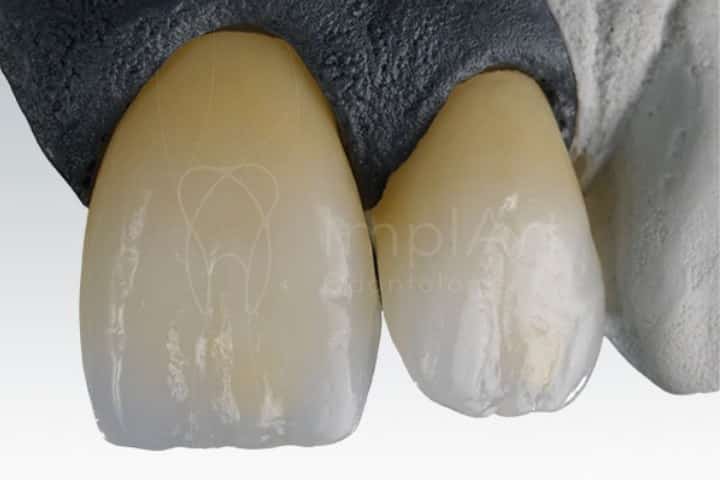
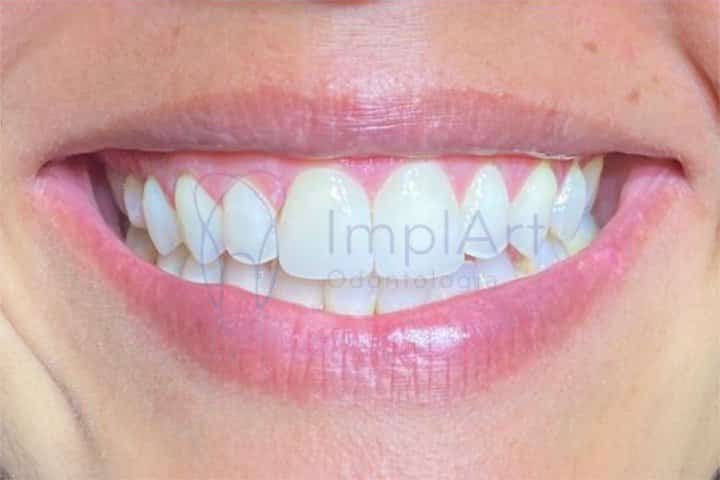
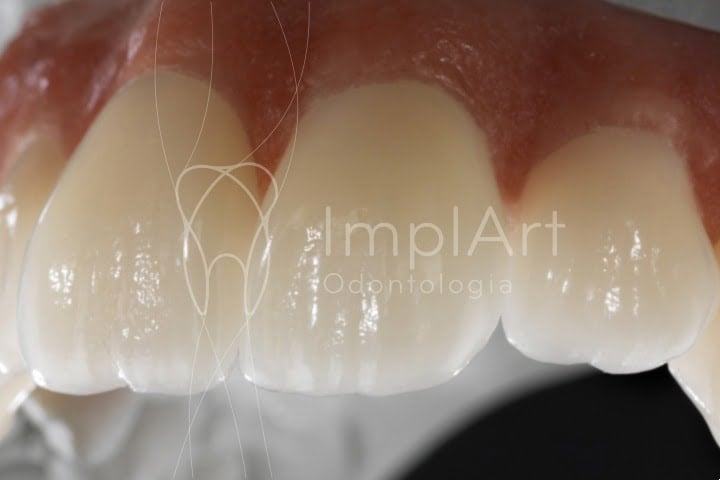
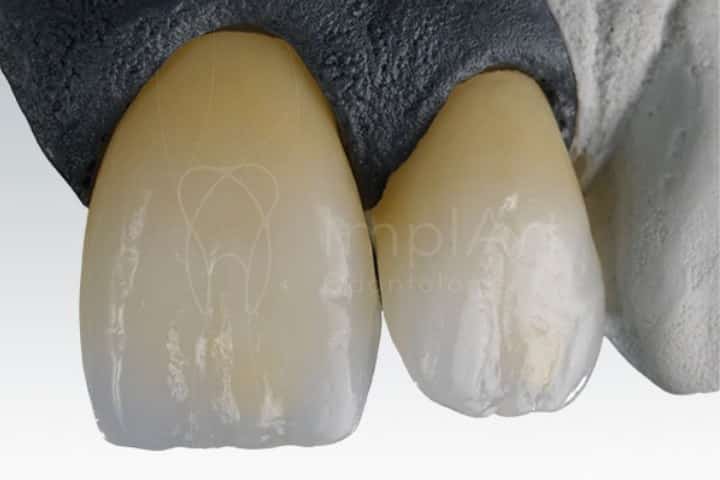
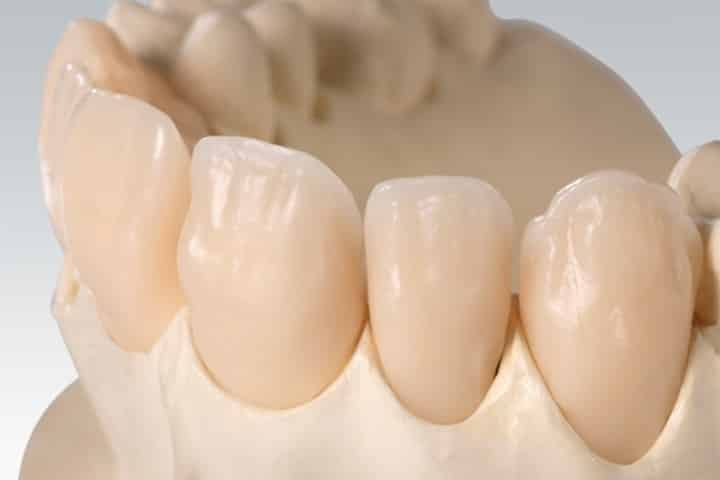
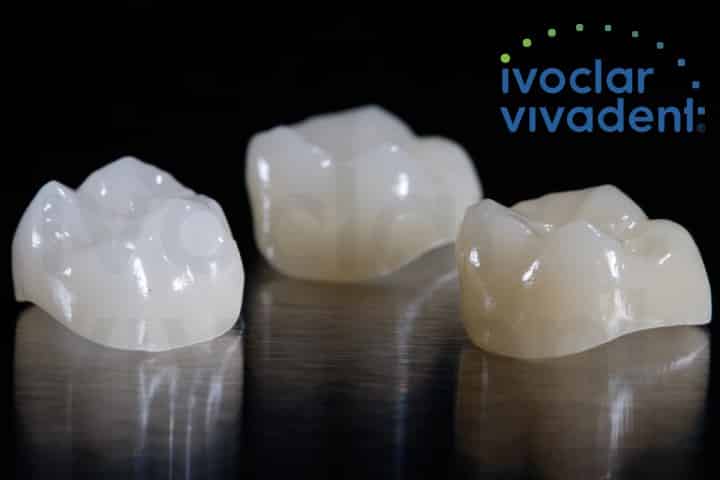
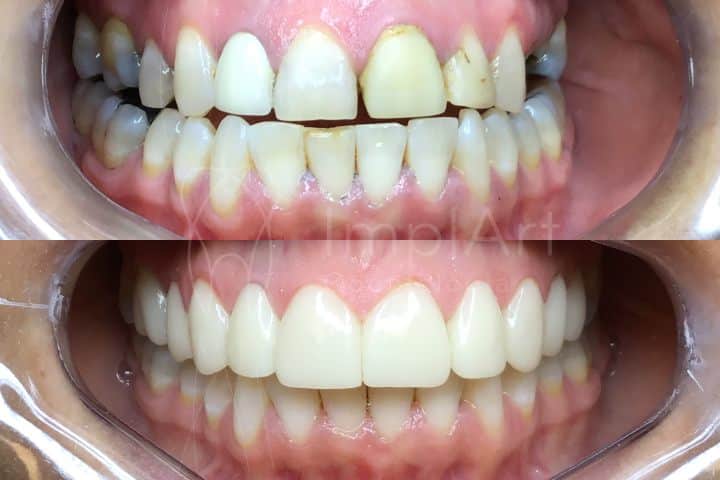
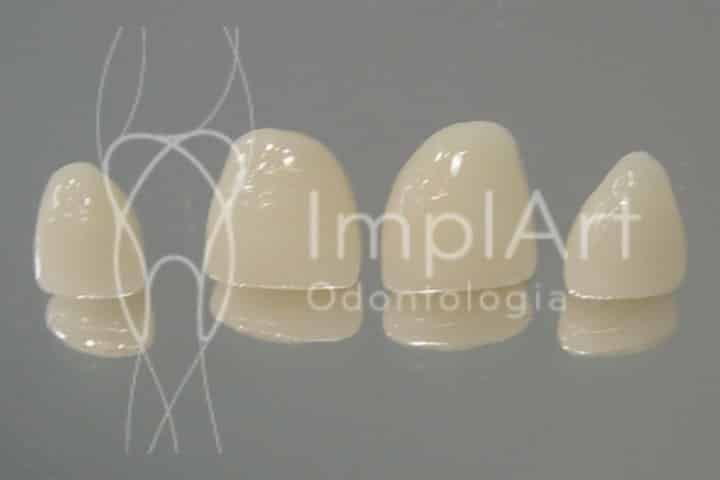
More translucent and resistant cubic zirconia crowns

Translucent cubic zirconia is an evolution of conventional dental zirconia. Dental zirconia is increasingly being used as a material for making a dental crown or even for a fixed prosthesis on dental implants. As our dental Clinic is integrated with a dental Lab in Sao Paulo-Brazil, we can easily delivery zirconia crowns in a new days. Translucent Zirconia has certainly come to revolutionize the way dental prostheses are made, since it uses modern computer graphics resources to design the prostheses, and modern 3D milling machines to sculpt them. This makes treatment faster and more comfortable for the patient.

In addition, Zirconia is the most resistant material compared to other types of crowns and allows for results with a high degree of naturalness, being the most similar to the appearance of natural teeth.

Zirconia can also be used on implants, full arch implant bridges and partial prostheses.

Why is dental zirconia an excellent material?

First and foremost, one of the greatest advantages of the Pure Zirconia dental crown is its strength and durability. In addition, its modern execution method, which doesn’t require the old mass moldings and only uses a 3D scanner, makes the treatment much more comfortable for the patient. It is therefore an excellent option for those who want metal-free treatment, a situation that is highly valued today with biological dentistry.
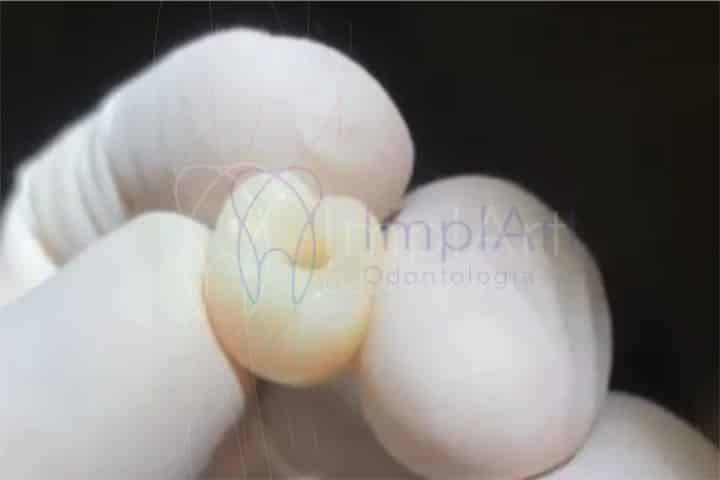
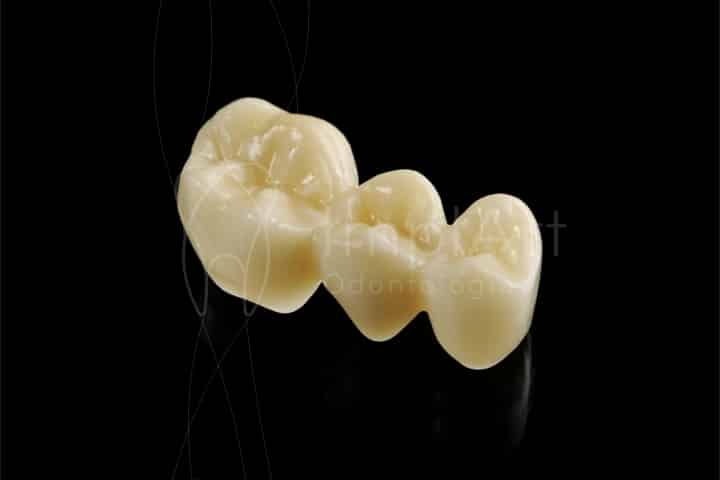
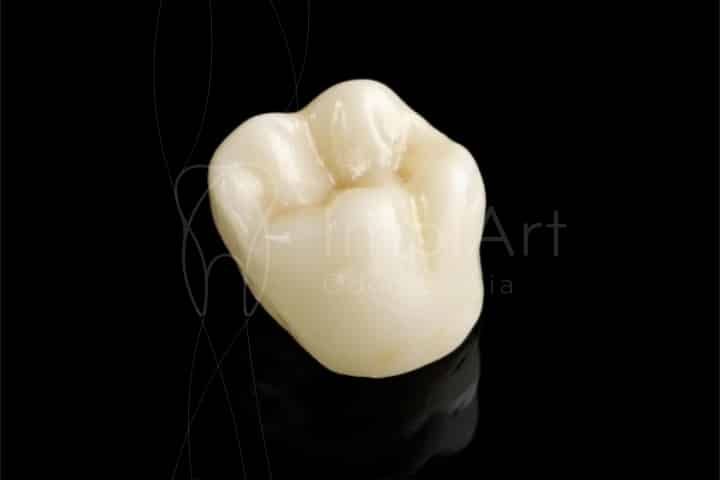
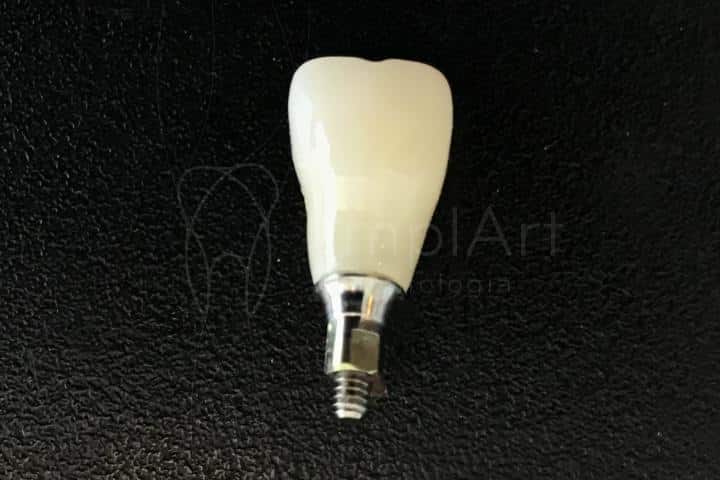
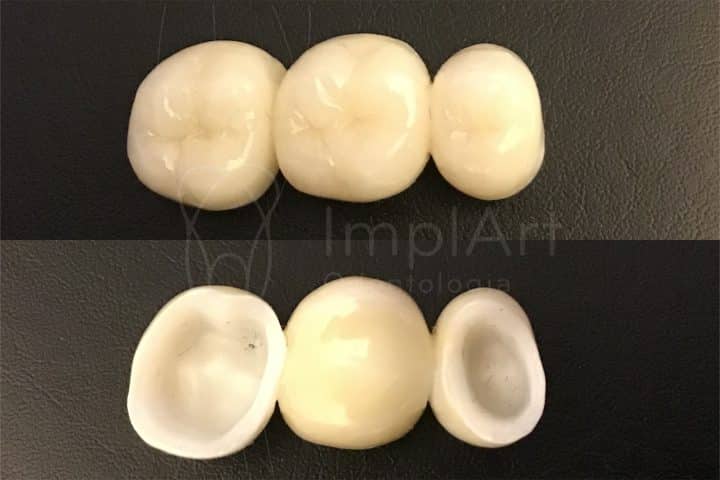
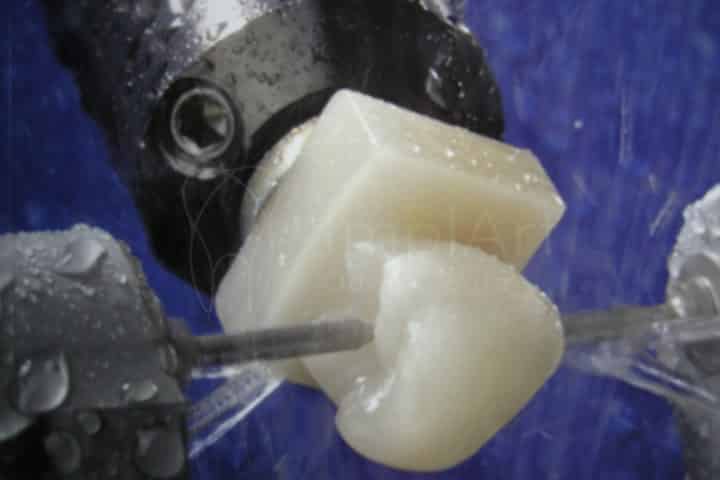
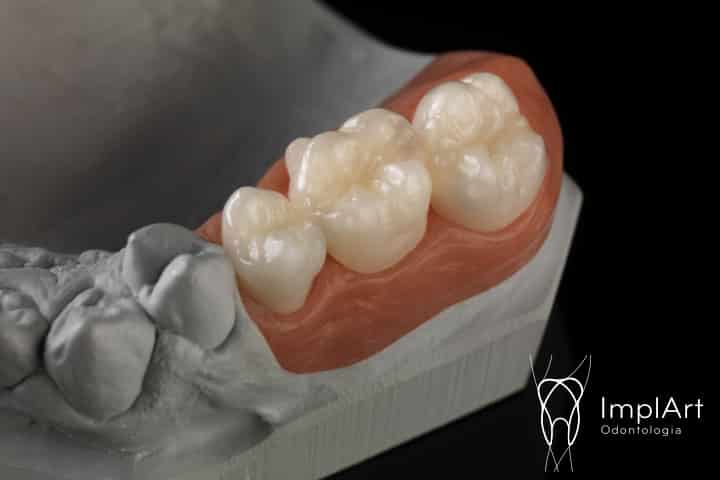
translucent cubic zirconia dental crown
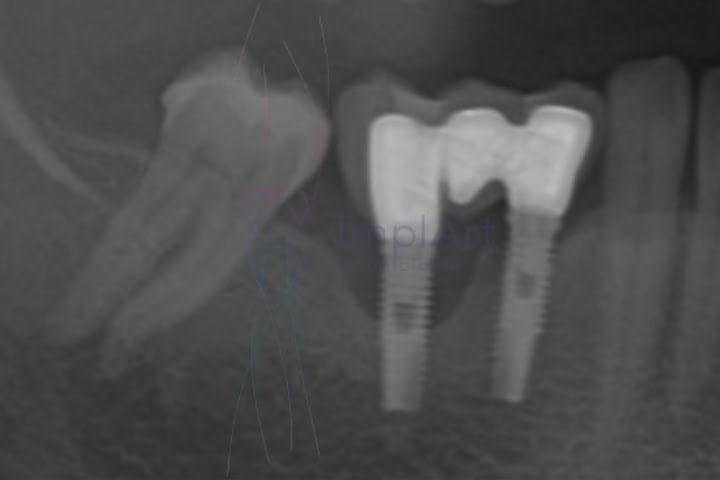
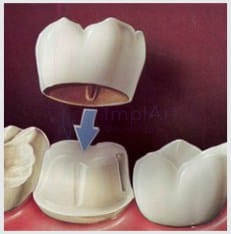
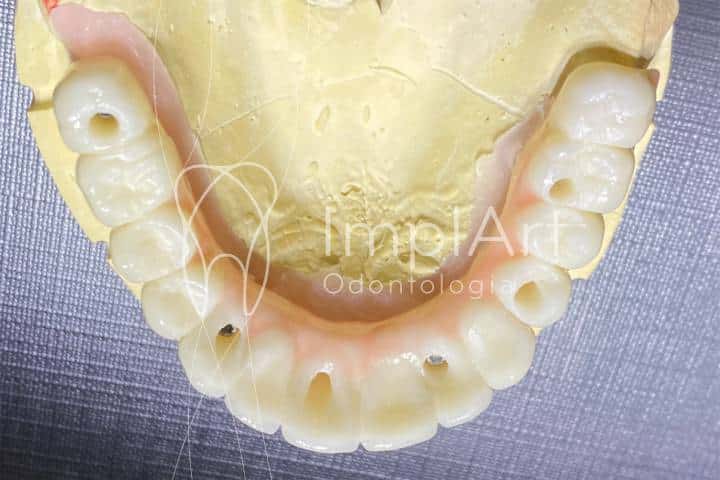
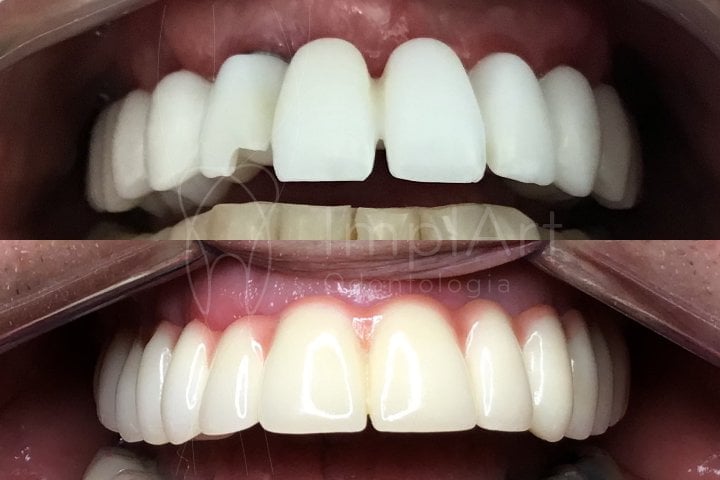
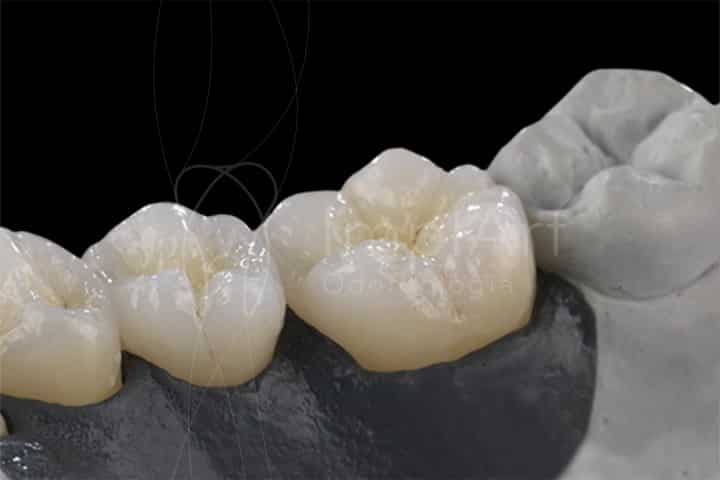
Translucent cubic zirconia crown for molar tooth (bottom), with hole for screwing into dental implant

These zirconia structures can be used both for implant prostheses, types of crowns on implants and for crowns on natural teeth. One of the pioneering companies in the development of durable and aesthetic zirconia dental prostheses is the Austrian company AmannGirrbach. Now it is introducing a new type of dental ceramic: Zolid FX translucent cubic zirconia.

It is a fully biocompatible material used to make first-rate prosthetic crowns, not only single-unit, but also bridges of up to 3 units. The main characteristics of Zolid FX are its super-high translucency, high strength and long-term stability.

It is therefore a strong alternative to the already established lithium disilicate (glass ceramic), and can therefore be especially suitable for cases that require high porcelain crown strength. Cubic zirconia crowns can be installed both anteriorly with excellent aesthetics and posteriorly. They can also be used in dental implant treatment.

What is the manufacturing process like?

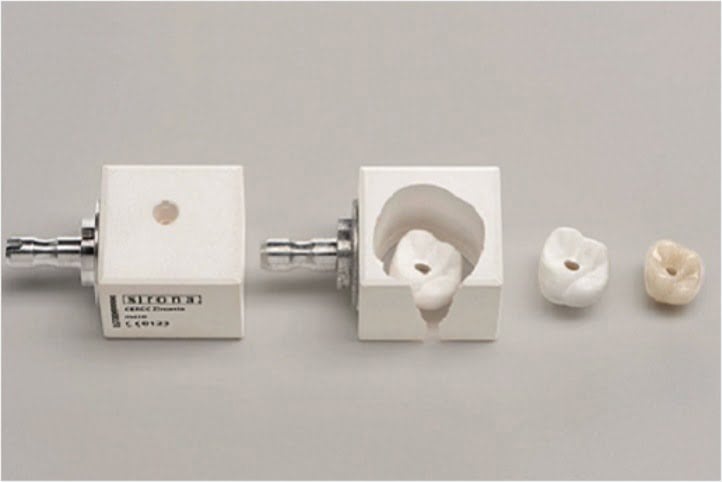
The Zolid FX cubic zirconia crown is made using computerized CAD/CAM equipment. It starts with milling the rough block on a 3D printer to the shape of the tooth. The zirconia crown is finished with the manual addition of colors and shading so that the crown has natural visual characteristics, like the neighboring teeth. The pure zirconia crown is super aesthetic and is up to 10 times stronger than ordinary (feldspatica) porcelain.

… After a dental implant, can I place the tooth on the same day? See here…

Translucent cubic zirconia crowns are suitable for bruxism patients due to their resistance

Bruxism is an oral functional disorder characterized by involuntary grinding or clenching of the teeth. The excessive force generated by bruxism can cause not only muscle and joint pain in simpler cases, but also the destruction of part of the tissues (bone and gum), enamel or the structure of the dental crown in more advanced cases.

It is important to remember that before your permanent porcelain crown is made, you will receive a temporary crown. This is used to check the aesthetics and chewability of the permanent crown.
However, bruxism can be just as damaging to the structures of prosthetic crowns made from certain materials. For this reason, there has always been a need to develop prostheses with increasingly resistant and stable materials, and at the same time aesthetic (without metals in the structure).

Meet the Ceramill Motion 2 3D tooth printer

The translucency and strength characteristics of Zolid FX are fundamental to making the prosthetic crown very comparable to natural teeth. The result is extremely aesthetic crowns and restorations with high strength and long-term stability.

ImplArt Dental Clinic only works with materials of the highest quality, developed by serious companies. For example, AmannGirrbach, which only introduces materials and equipment to the market after carrying out numerous tests and research.

If you have any questions, please contact us or our implantologyst Dr Markarian.

Pure zirconia dental crowns – the strongest material for crowns

Zirconia crowns are dental prostheses indicated for restoration and dental rehabilitation in people who have had damage to one or more teeth. Rehabilitation with dental crowns aims to restore the aesthetics and functionality of the smile, improving not only chewing, the appearance of the teeth, but also self-esteem.

Zirconia crowns: excellence for aesthetic results

However, some materials used to make dental crowns are not strong enough to be used in patients suffering from bruxism. As is well known, bruxism is a disorder of oral function movements, characterized mainly by involuntary grinding or clenching of the teeth.

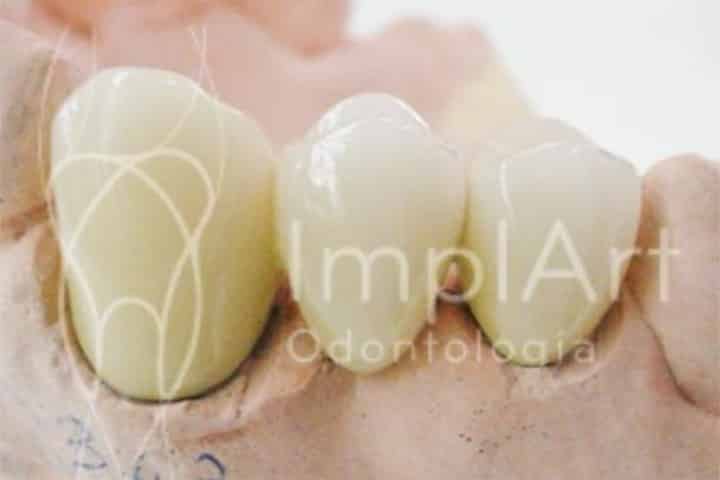
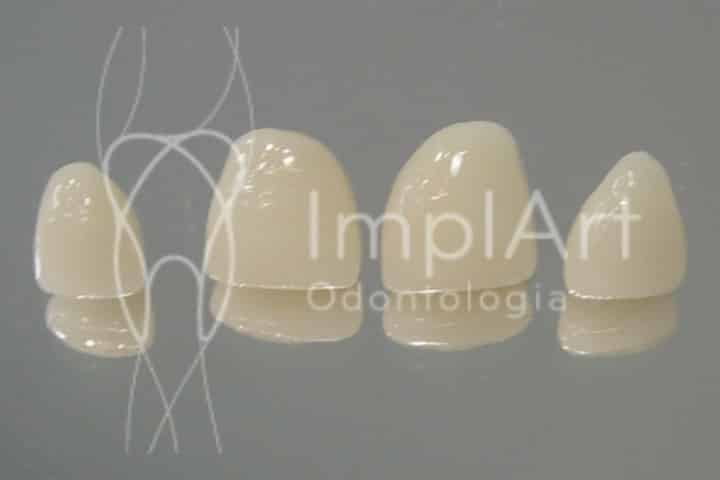
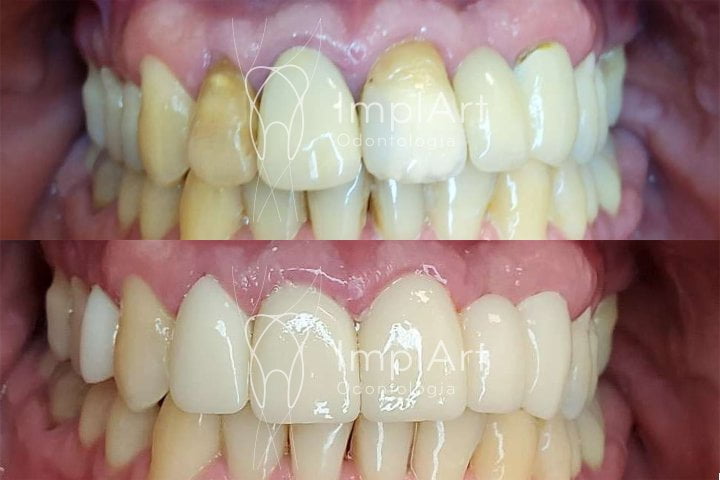
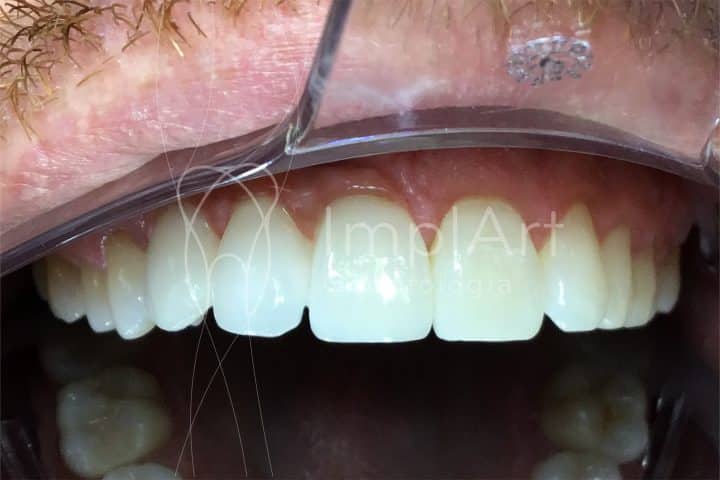
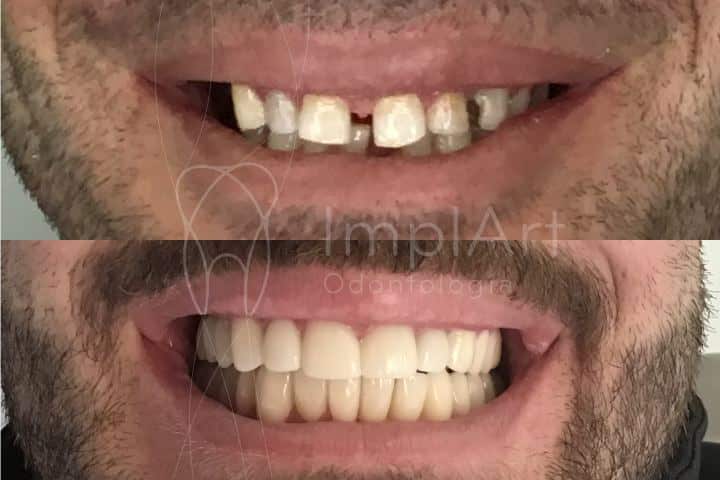
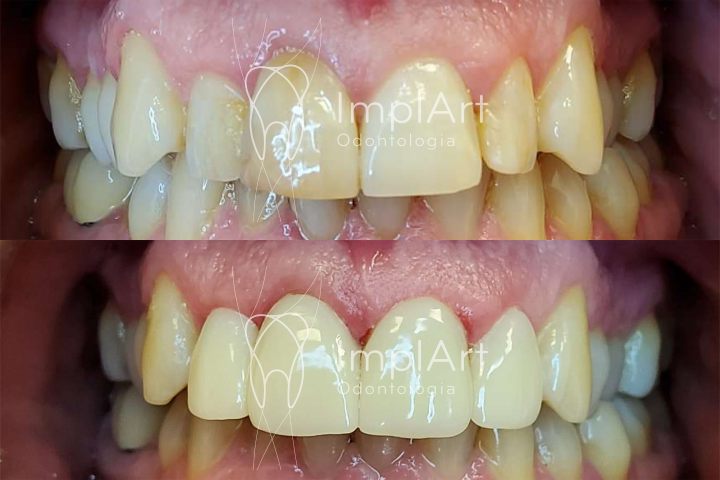
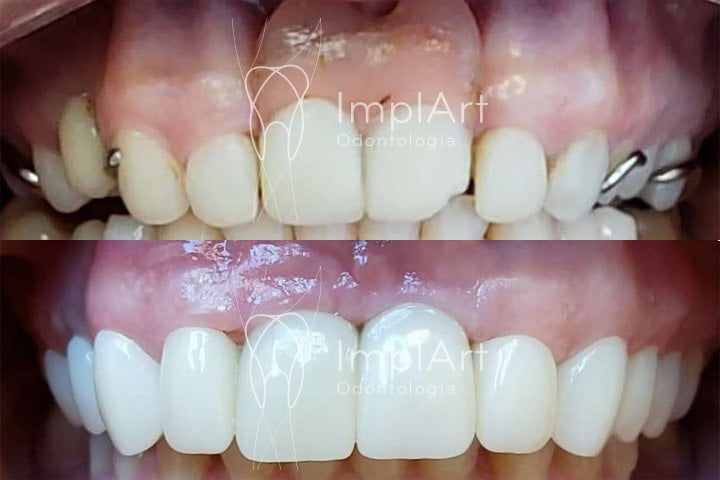
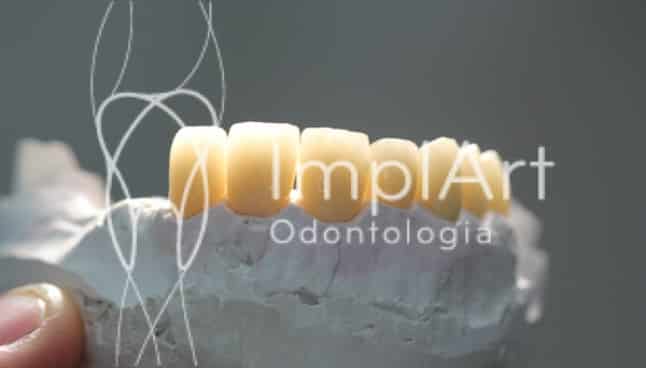
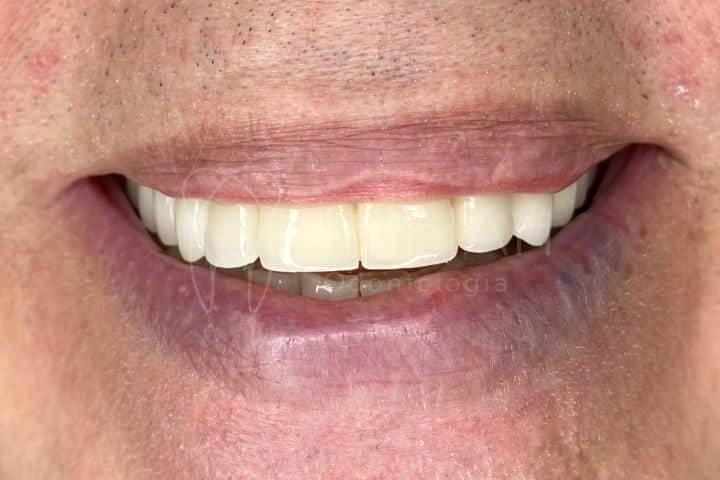
translucent pure zirconia crowns
Translucent pure zirconia crowns
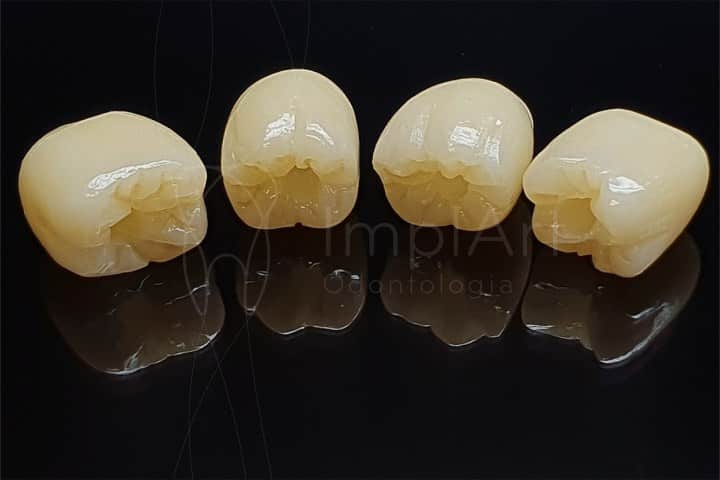
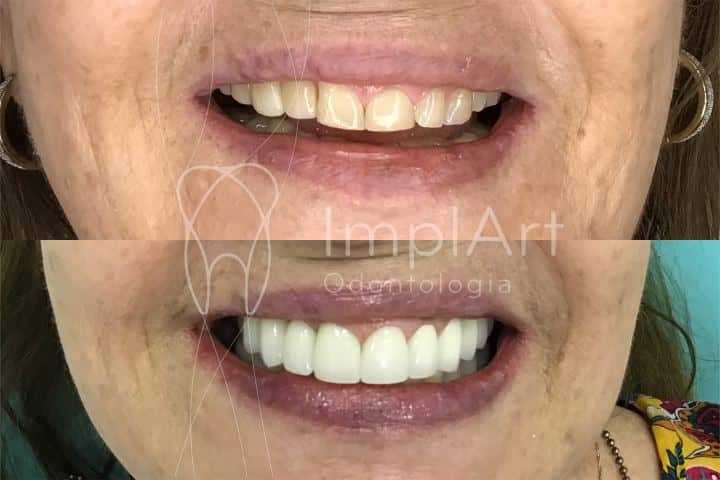
zirconia crowns
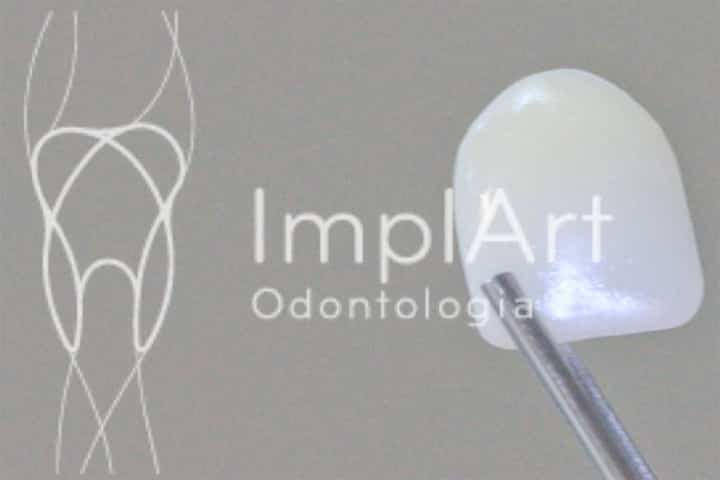
Pure zirconia crowns. Translucent zirconia is 10 times stronger than ordinary porcelain.

It occurs mainly during sleep. This excessive load on the teeth and musculoskeletal structures of the face can cause problems with the teeth and correct occlusion in general.

Although the cause of bruxism is not very clear, it is certain that this condition most often affects people who suffer from emotional problems, such as stress, anxiety and excessive worry.

Just as the excessive force generated by bruxism can wear down teeth, it can also damage dentures made of certain materials.

In these cases, our team has the option of recommending porcelain crowns with a pure zirconia internal structure, which are proven to be more resistant and can withstand a greater load, even in patients with bruxism.

Zirconia acquires this strength because it goes through a controlled process called sintering, which is heating it at a high temperature in a special furnace. This process modifies its particles, creating a solid and very strong prosthetic piece. Other properties of crowns with a pure zirconia structure:

How do I know if I can have a crown with pure zirconia even if I have bruxism?

First of all, it’s important to assess the degree of oral impairment that bruxism has caused so far. If you have untreated bruxism for many years, there may be advanced wear of the dental crowns and/or root fractures.

Therefore, before receiving prosthetic crowns to rehabilitate and restore your smile, you will probably need to undergo treatment to correct these defects (e.g. root canal treatments, vertical dimension increase, clinical crown increase). Dr. Markarian, our general manager, saysthat controlling bruxism is essential to avoid future problems and porcelain crowns with a pure zirconia structure may be indicated.

ImplArt Odontologia has its own dental laboratory with the Cerec 3D, Cerec Primemill, Trios 3Shape and Ceramill systems, which speed up the fabrication of crowns with pure zirconia and metal-free ceramics, in some cases even in just a few hours in an ImplArt Day Clinic or Dental Spa, where you can carry out the largest number of dental procedures in just one appointment or in just a few days. This way, patients can set aside a day in their schedule or a few days in a week to dedicate to dental treatment, without it taking months to complete.

If you have any questions about treatment with metal-free aesthetic crowns, please make an appointment or contact us by clicking on the button below. We will be happy to assist you.

5 Biggest Risks for Dental Implants

Are there any risks for dental implants? We’ll find out about 5 of them in this article. Dental implants are a more up-to-date, modern and low-risk alternative for tooth replacement than a fixed prosthesis on teeth or a removable prosthesis, the old dentures.

The technique for inserting dental implants is very safe, with an estimated 92% chance of success in non-smoking patients with good health and healthy habits. There are several types of dental implants available today, the most modern of which is the metal-free ceramic implant, an excellent option for those looking for metal-free implant treatment.

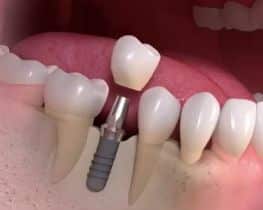
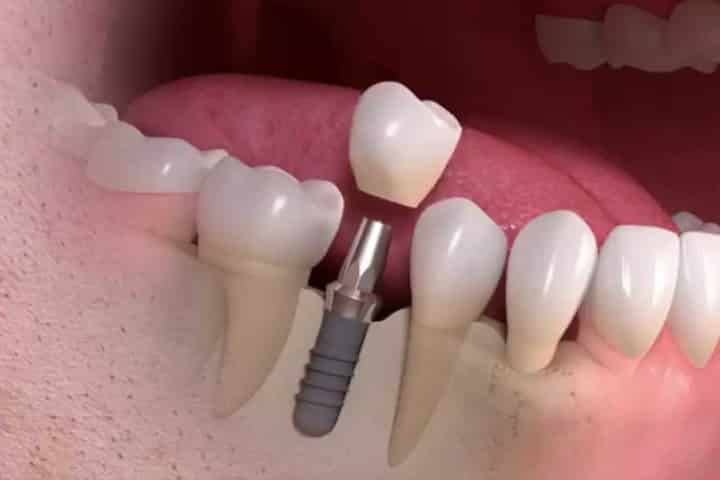
The single tooth implant, or total dental implant, is used to replace the root of one or more missing teeth and will serve as a support for an artificial tooth called adentalprosthesis or dental crown.

Crucial to the success of the procedure is the thorough planning of the implant surgery and the choice of specialist professionals who are qualified to carry out the dental implant surgery. This increases the chance of success of this important treatment, and therefore the chances of any complications are minimal.

So rest assured that you can enjoy all the benefits that this rehabilitative and safe treatment offers patients. The implant-supported prosthesis is made to resemble the person’s other natural teeth and also offer similar chewing strength.

Oral rehabilitation with dental implants is usually the best option for re-establishing the patient’s aesthetic and chewing functions, a treatment called total dental implantation.

But in very few cases, there can be some risks with dental implants. Here are the 5 main risks of dental implants:

1 – Risk of implant breakage

Patients who grind or clench their teeth (bruxism) can exert a lot of force on the implants, with an increased chance of breakage or fracture of the implants or the parts that make up the implant prostheses.

Patients who bruxism also increase the risk of loosening the screws that fix the implant crown. When this happens, the patient reports that the implant is “soft”. However, we mustn’t confuse the prosthesis becoming loose with the implant pin coming loose from the bone (which is much more serious).

Most commonly, when the problem is just the loose implant tooth, the patient feels no pain, while when the implant is lost there is always pain. If the implant fractures or comes loose from the bone, it must be replaced, starting the dental implant process all over again.

Check complete PODCAST about 5 biggest risks for dental implants:

Is it the dentist’s fault that my implant fractured?

There are several factors to consider, some of which would be the material of the prosthesis, the number and positioning of the implants, correct surgical technique, material of the dental implant, type of prosthetic components chosen, type of prosthetic connection chosen.

Assuming that the professionals are working to do their best, it’s rare that there will be any negligence in this regard. What really counts is the willingness of the patient and the professional to start again, perhaps trying to improve or perfect one of the strategies.

riscos do implante dentário
Apresentação das partes do implante dentário: implante (no osso), pilar + coroa dental (dente artificial)  

2 – Inflammation in implants and risks

Inflammation can occur in a dental implant, manifesting itself as pain, swelling, pain when chewing, bleeding, and even the formation of pus in the implant. Please note that in any area of medicine where an artificial part is used inside the human body, there can be an adverse reaction of rejection.

This rejection phenomenon can occur in relation to the dental implant or an associated material such as a bone graft or a protective membrane. Bacterial infection can also occur in the implants, which can even prevent bone integration.

one of the risks of dental implants is peri implantitis
The implant on the left in the image has inflammatory bone loss, while the implant on the right has a normal bone level

That’s why all treatments at ImplArt begin with a thorough oral cleaning, as well as the removal of any infectious diseases such as cavities and periodontal disease. The patient will only have implant surgery if their mouth is clean and their oral health is good.

This is possible even if the patient doesn’t have all their teeth yet. When the prostheses on implants are finished, we teach the patient how to properly clean the dental implant. This correct hygiene is very important and certainly contributes to the chances of success of the dental implant.

cubic zirconia
Inflammation in implants leads to aesthetic, gum and bone problems

3 – Risk of facial nerve damage

If the surgery is not well planned, with the use of CT scans and other imaging tests for mapping, damage to the jaw nerve can occur during dental implant surgery. In the area at the back of the mouth in the lower arch, there is a nerve that can be very superficial, especially if the patient has been without teeth for many years.

In patients with advanced periodontal disease, bone loss can also put the nerve at risk due to its proximity. To reduce the risk of nerve damage and paresthesia, the implant dentist will carry out imaging tests. The most commonly requested exam is a panoramic X-ray, but a cone beam CT scan helps to measure the bone and plan the implant.

Computer-guided surgery – reducing risks

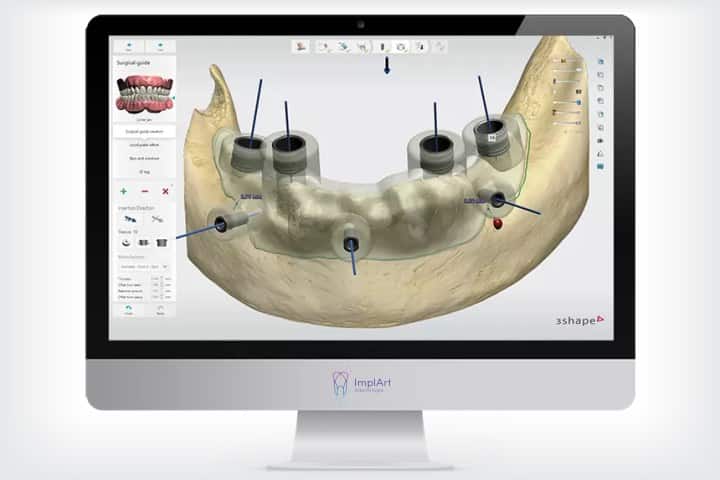
To minimize the risks even further, we can perform computer-guided partial or total implant surgery, which offers little invasiveness and allows for perfect positioning of the dental implant, with no room for error.

Crooked or poorly positioned implants can have poor bone integration or even rejection. It is not in all cases that we are able to recover the patient from oral nerve damage or poorly placed implants.

Depending on the severity of the problem, an injury to the jaw nerve can lead to sequelae such as numbness in the jaw or loss of sensation in the tongue or to the sensation of tastes (gustation).

At the ImplArt dental clinic, 100% of cases are operated on with a CT scan, which can be done in our own radiology center.

cubic zirconia
Guided implant surgery reduces the risk of dental implant positioning errors

4 – Risks in the bone around the implants

Bone loss can occur in an implant that has suffered infection while healing in the bone. In addition, in cases where immediate loading is carried out, i.e. a temporary or permanent tooth is placed in position immediately after surgery, there is a greater risk of bone and implant loss.

This is because the newly placed dental implant does not yet have a mature attachment to the bone and needs to rely exclusively on its mechanical locking into the bone in order to fix itself. Most of the time, if the indication and technique are correct, immediate loading works well.

But in cases of immediate failure, the consequences can be serious, for example leading to major bone loss in the area. There are more advanced dental implant models that have improvements to the fit of the tooth and also in the chemistry of the surface so that healing in the bone occurs faster and more efficiently.

Today we have dental implants that allow you to have a permanent tooth in 1 month! Get to know the dental implant models with the best advances, such as Straumann implants, Neodent cone-morse implants (national), SIN implants (national).

dental implant risks
Implant shapes and models have to do with clinical indications

5 – Increase in risk factors – patient health and habits

There are risks to the success of implant treatment that don’t depend on the professional or the materials used, but on patient factors. Failure to clean the teeth,smoking and diabetes increase the chance of problems with the dental implant.

In this article, we only discuss the RISKS in dental implants, however the success rates of dental implants are very high, especially for current implant dentistry techniques performed by a dental implant specialist.

Dental implants are an excellent treatment if they are well indicated, planned and executed.

cubic zirconia

Come and see our work! The ImplArt Dental Clinic has been dedicated to implant dentistry and oral rehabilitation for 18 years. We are located in São Paulo, Brazil.

DR. ROBERTO MARKARIAN IMPLANTODONTISTA SITE
5 Biggest Risks for Dental Implants

Text written by DR. ROBERTO MARKARIAN – CRO-SP 73.583 – updated on 26-08-2024
Founder and Director of the ImplArt Dental Clinic – Dr. Roberto’s Linkedin profile

Dr. Roberto Markarian is a reference in dental implants and computerized dental prostheses in Brazil. As well as having more than 10,000 implants installed, he is a researcher who produces knowledge that is published worldwide in renowned scientific journals in the field of dentistry. He is responsible for promoting knowledge and high technology applied in all the treatments offered by the ImplArt Dental Clinic.

Porcelain crowns – Day Clinic

The placement of porcelain crowns is one of the procedures that ImplArt Odontologia performs with the convenience and agility of the Day Clinic – Dental Spa. A porcelain crown is a type of fixed prosthesis for application over a tooth or dental implant, indicated for replacing a tooth that has either been lost or cannot be maintained.

What are porcelain crowns?

For example: teeth with advanced caries, teeth broken as a result of an accident or teeth that are mobile due to periodontal disease and need to be extracted.

The Implart clinic offers dental implant services and porcelain crowns for them. Implants are performed to replace lost teeth or teeth that cannot be maintained. Porcelain crowns are prostheses that we recommend to restore damaged teeth, such as advanced caries or teeth broken due to accidents. They are also indicated in cases of tooth mobility caused by periodontal disease, when extraction is necessary.

The application of the crown on tooth in short is recommended when the root of the tooth can still be maintained and the application of the crown on implant is when the tooth is completely lost, i.e. the tooth root is also extracted must be replaced by a titanium dental implant pin.

The porcelain crown is currently the material with the closest visual and physical characteristics to a natural tooth. ImplArt only works with high-performance porcelain so that the prosthetic crown looks almost indistinguishable from the neighboring teeth.

The porcelain crown can be made with internal metal reinforcement (usually recommended for posterior teeth) or with metal-free white zirconia reinforcement (recommended for anterior teeth due to the aesthetic needs of the smile).

What is the difference between a porcelain crown and a dental contact lens?

In general , lenses only cover the outside of the tooth, like a veneer. Their thickness is thin, corresponding only to the tooth enamel. A porcelain crown, on the other hand, surrounds the tooth completely (360 degrees), requiring more wear and tear on the tooth. Despite this, a crown is expected to last longer than a lens. Both porcelain crowns and lenses can be digitally designed and manufactured by robotic machines. Lenses can also be used to repair a dental prosthesis.

Learn about some of the indications for porcelain crowns:

  • Reconstruction or replacement of a tooth to improve the aesthetics of the smile
  • Reconstruction or replacement of a tooth to improve chewing
  • Replacing large or broken restorations when there is not much tooth structure left
  • Replacing a tooth with a metal restoration (unaesthetic) with a porcelain crown in the color of the neighboring teeth (aesthetic).
  • Protecting a tooth with a healthy root
  • Dental implant application
  • Replacing old or badly made crowns
  • Reconstruction and protection of teeth that have undergone root canal treatment
  • Because they are made from state-of-the-art porcelain, the crowns are highly aesthetic, resistant and durable.

How is the Day Clinic procedure done?

ImplArt Odontologia has a structure that allows several dental procedures to be carried out intensively at the Day Clinic, including the placement of porcelain crowns. The structure is made up of computerized systems that speed up the design and manufacture of prostheses, a dental laboratory within the clinic, as well as a multi-specialized team to carry out a complete treatment, from diagnosis to completion.

Porcelain crowns are a procedure carried out by ImplArt Odontologia. Porcelain crowns are fixed prostheses used to replace lost or damaged teeth. These crowns can be placed over natural teeth or dental implants. ImplArt offers the service of placing porcelain crowns at the Day Clinic – Dental Spa, with convenience and agility. These porcelain crowns provide patients with aesthetics and functionality.

The computerized design of the porcelain dental crown is made according to a digital molding of the teeth obtained through a scan of the teeth. This makes it possible to design pieces that are completely customized to each patient’s needs. The crown is made by 3D tooth printers.

Normally this whole process takes a few weeks, but with ImplArt’s Day Clinic this time is considerably reduced. The execution and durability of the treatment vary according to the complexity of each case. Contact us and make an appointment to see if your case could benefit from this technique.

Computerized metal-free porcelain crown

The metal-free porcelain crown provides aesthetics combined with strength and durability

What is a porcelain crown?

A porcelain crown is an artificial tooth – a dental prosthesis – that resembles in form and function a natural tooth that has been damaged. Porcelain crowns can also be grouped together to make fixed bridges or fixed porcelain prostheses. Here at the ImplArt Dental Clinic in Brazil, we make metal-free crowns using completely computerized systems. We therefore offer our patients the most modern systems and the most advanced results.

What is dental porcelain?

Porcelain is a material that resembles glass and is used to reconstruct teeth. It has a natural color and high resistance. It is also called dental ceramic.

Types and materials of porcelain crowns

In short, there are different types of materials used to make porcelain crowns: the older materials use metal and the more modern ones are metal-free. Porcelain crowns with metal internal structures are called metal-ceramic and crowns with a white structure such as zirconia are called metal-free.

There are also crowns that do not use internal structures and are made using computerized methods. In addition, covering a destroyed natural tooth with a ceramic crown is essential for oral health, as it will restore the patient’s chewing ability and even allow them to eat hard foods.

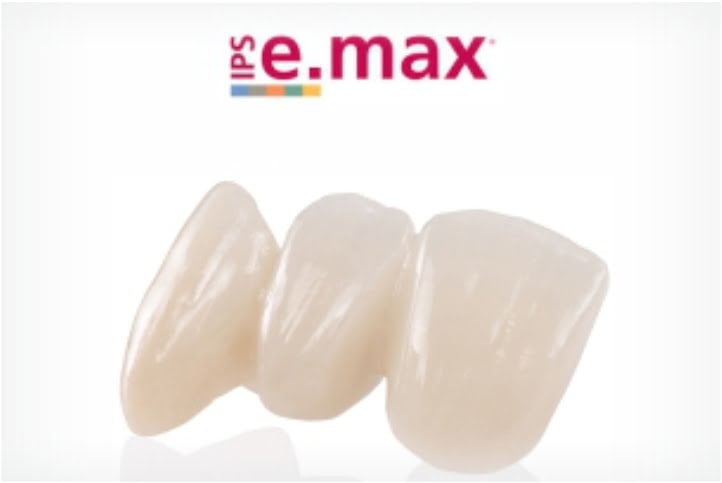
The advantage of the metal-free porcelain crown is that it is more aesthetic, since pure porcelain is a white material. As a result, the structure is not visible inside the crown even in brightly lit environments. The new generations of porcelain crowns are made using cad/cam methods according to computerized designs and don’t even require layers of internal reinforcement like metal and zirconia. They are made from a single (monolithic) material. These are digital, metal-free porcelain crowns whose main advantages are aesthetics and speed of production.

Translucent zirconia

Another innovative material for making a new porcelain crown is translucent zirconia, a material that is up to 10 x stronger than ordinary porcelain crowns. For this reason, they are highly recommended for the oral rehabilitation of back teeth and in patients with bruxism. Oral rehabilitation with crowns can be carried out on implants, on roots with root canal treatment and on natural teeth without root canal treatment.

cubic zirconia

Fitting dental crowns requires preparation (tooth wear) so that the crown fits correctly. The main digital technique we use is Cerec 3D, an intraoral molding system with scanners and robotic tooth production.

Before a permanent prosthesis is made, we will make a temporary prosthesis so that you don’t lose your tooth. After the rehabilitation treatment, you will be able to lead a normal life, eat hard food and clean your teeth every day with a toothbrush and dental floss. The ImplArt Clinic specializes in dental prostheses and can offer you a porcelain crown with state-of-the-art technology.

Porcelain crown: advantages and indications

Porcelain crowns are fixed dental prostheses that mimic the shape and appearance of natural teeth. When a tooth is badly damaged, it may be necessary to have root canal treatment and a porcelain crown. By Dr. Roberto Markarian, graduated dentist and specialist in dental prostheses and dental implants in São Paulo, Brazil.

What is dental porcelain?

Choosing the ideal dental prosthesis can lead to confusion when faced with a number of options. Fixed dental prostheses must meet both functional and aesthetic needs. These are the main objectives that determine the choice of the ideal material. Before choosing the material, it is first necessary to understand the differences between the types of porcelain dental crowns. The main one is the reinforcement technique, which is the part required for masticatory efforts. Understand the differences better:

Metal-ceramic crown

The porcelain dental crown is built on a metal structure. It is durable and aesthetic, and can be used on both anterior and posterior teeth. However, in some cases, it may not achieve the best aesthetic result on anterior teeth, because the dark metal inside the prosthesis can leave the crown looking darkened when subjected to intense lighting.

Porcelain crown with metal-free zirconia

This is a porcelain crown mounted on a white zirconia structure, which is therefore metal-free. It is highly durable and has excellent aesthetic results, as the white zirconia of the internal structure leaves the crown with a natural appearance very similar to the natural tooth. The porcelain crown with zirconia can also be fixed on dental implants and is completely computer-engineered and made on a 3D tooth printer. It is also an indication for people with metal allergies.

Pure porcelain crown

It has excellent aesthetic results and great resistance. The material used is lithium disilicate or feldspathic ceramic. Because this ceramic is very translucent, it is not normally suitable for use on darkened teeth or on metal posts.

porcelain crown
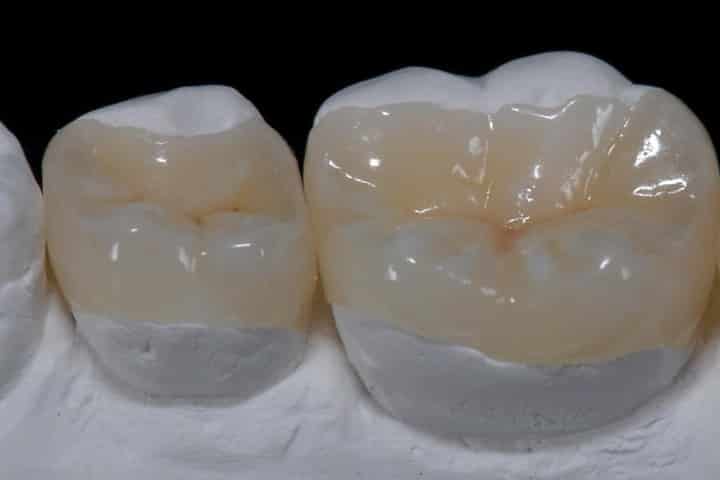
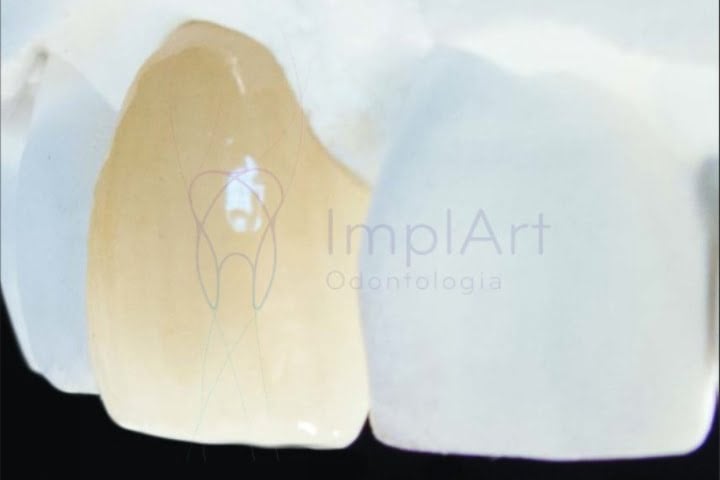
Porcelain crown for natural teeth with excellent anatomy and aesthetics

How much does a porcelain crown cost?

Treatment prices can only be given after a face-to-face dental consultation. This is because the patient needs to be thoroughly assessed so that our team can understand their functional and aesthetic needs. Only then can we recommend the most appropriate treatment. In many cases, our team will offer a number of treatment options and respective outcome expectations, and the patient is free to choose.

Porcelain crowns can be made quickly in our clinic using our Day Clinic method for porcelain crowns. At the end of the porcelain crown treatment, it is important to maintain good oral hygiene by flossing daily and brushing regularly.

If you are far away, it is possible to have an online consultation, also known as a teleconsultation. This preliminary consultation takes place with our clinical director, Dr. Roberto Markarian, who will be able to make a preliminary assessment of your case and make recommendations for your treatment. This also applies to those who need dental implants, as we can plan your dental implant surgery remotely.

Read more about dental crowns

Fixed dental prosthesis – Specialist clinic

Fixed dental prostheses are an excellent treatment for replacing missing teeth, combining aesthetics and chewing ability, taking advantage of your original teeth.

Implart Odontologia specializes in aesthetic and conventional fixed dental prostheses.

A fixed prosthesis is a type of dental prosthesis that cannot be removed by the wearer. It differs from dentures, for example, which can be removed whenever the person wants. It is indicated for various types of restorations and rehabilitations, from the replacement of a single tooth to the rehabilitation of a complete arch.

It can, for example, be installed on a tooth or fixed on dental implants. Implart specializes in dental prostheses because it has its own dental prosthesis laboratory with a team specializing in prostheses and 3D printers that sculpt various types of prostheses in ceramic material.

The Cerec and Ceramill Motion 2 printers are some of the most modern tooth printers in the world. In this way, prostheses are made with greater speed and precision, without the need to send molds elsewhere. Some facial aesthetic treatments can be used in conjunction with dental prostheses to achieve even more impressive results: such as Botox, wrinkle fillers and lip fillers.

Types of fixeddentalprosthesis

Single tooth reconstructions

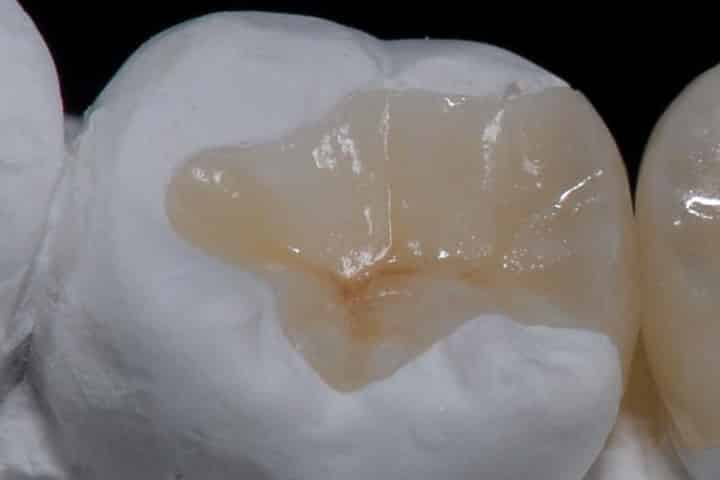
Also known as dental blocks, onlays or inlays, they serve to restore a tooth when the crown is partially compromised, usually by decay. The prosthetic piece covers only the decayed part of the dental crown. It is bonded with dental cement after the site has been cleaned and prepared.

porcelain onlay aesthetic restoration
Inlay is a porcelain block designed to reconstruct the inside of a tooth
cubic zirconia
Onlays are indicated for restoring teeth with tooth wall loss, restoring tooth structure

There are different materials used to make fixed partial dentures, the most common being metal alloy – metalloceramics, resin, porcelain and 3D zirconia (considered the most aesthetic material).

Dental crowns – caps, pivots and jackets

A prosthesis that replaces the dental crown when it has completely decayed. In these cases, the root can still be maintained with root canal treatment or removed and replaced with a dental implant. The prosthetic dental crown is made of resin or porcelain.

When the root can still be maintained, the prosthetic crown is then bonded to the prepared tooth or to an abutment installed inside the treated canal. When an implant is indicated to replace the root, the prosthetic crown is screwed onto the implant.

Fixed Bridges – Fixed Dentures

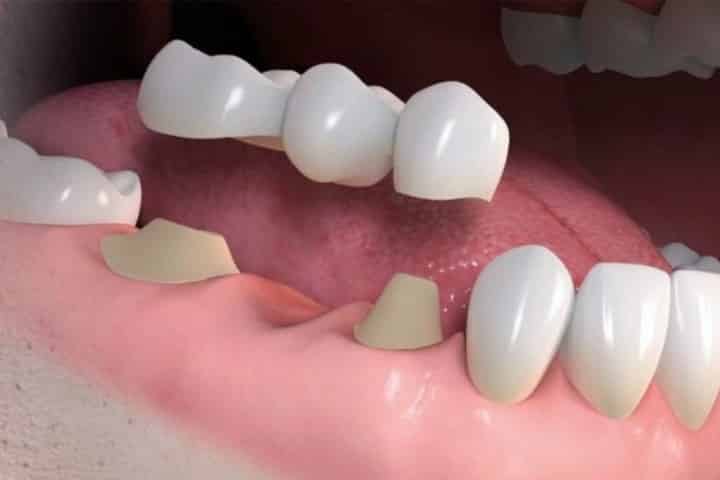
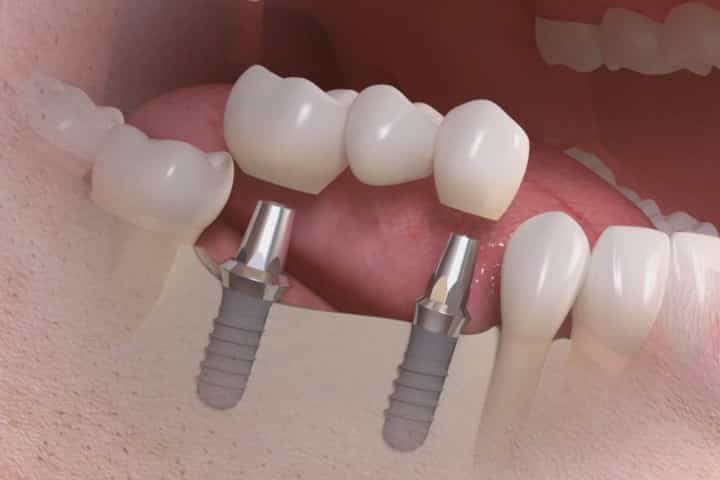
Multiple crown prosthesis to fill a larger space. It can also be fixed on implants or on previously prepared teeth used as abutments. The indication depends on tooth and root decay.

fixed dental prosthesis
Dental bridge bonded (cemented) over worn teeth
bridge on implants
Fixed dental bridge on titanium implants

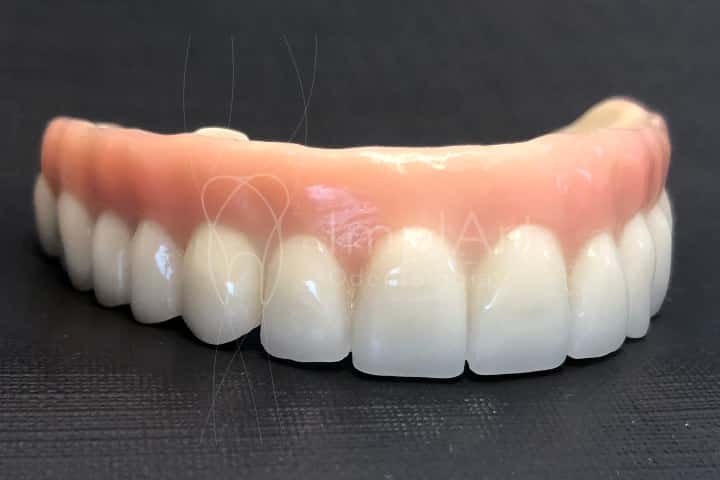
Dentures for all teeth – full mouth / rehabilitations

It replaces the complete absence of teeth from the arches. For a long time, dentures were the only way to make up for this absence, but there are some known discomforts with this type of prosthesis, such as mobility due to the lack of complete adhesion and possible injuries.

The fixed full denture has come as a solution because it is completely stable in the mouth for the elderly, giving them the security to speak, chew and smile.

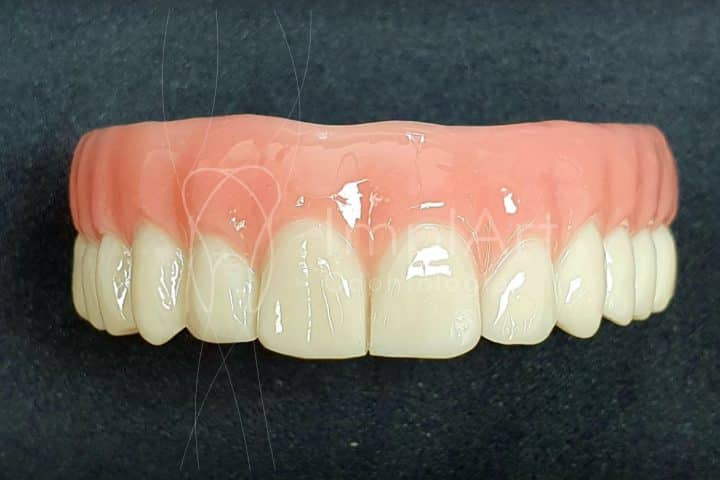
Fixed dental prostheses on dental implants can be made of resin (Bränemark protocol), porcelain with a metal internal structure or metal-free zirconia.

After having extensive dental prostheses, the patient can have an even better result with aesthetic harmonization treatments or lip fillings.

It is always important to remember that, once treatment has been completed, you should visit your dentist every 6 months for prophylaxis and to monitor the results of your treatment.

Read more: Total implants with individualized teeth.

Learn more: Immediate loading in total implants

Read more: Zirgomatic implant technique for total implants

valor de implante dentario
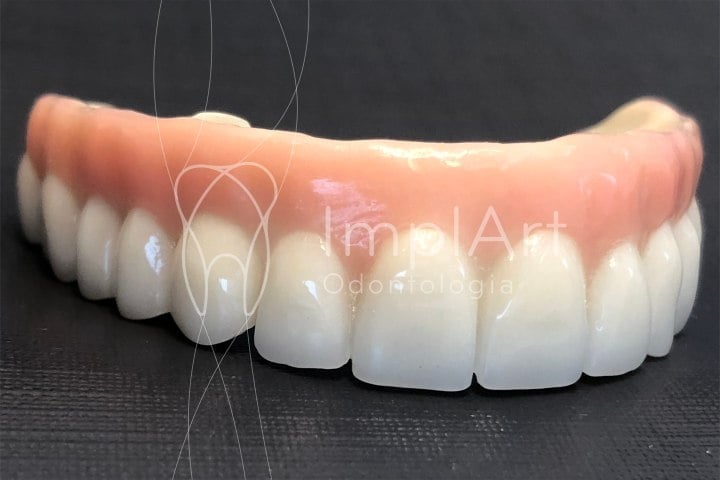
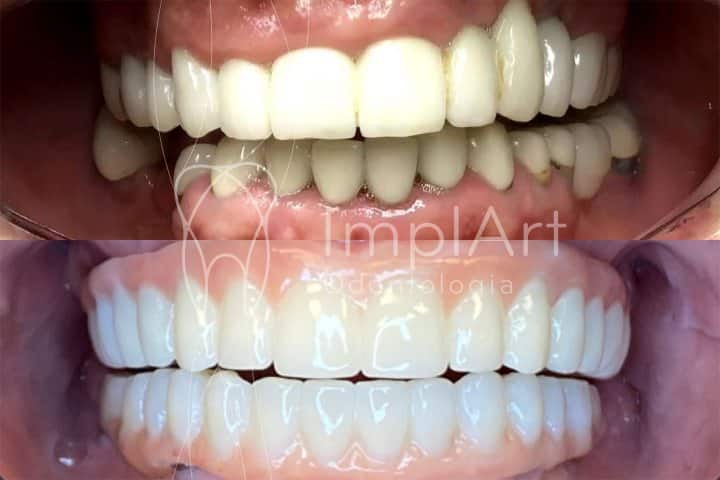
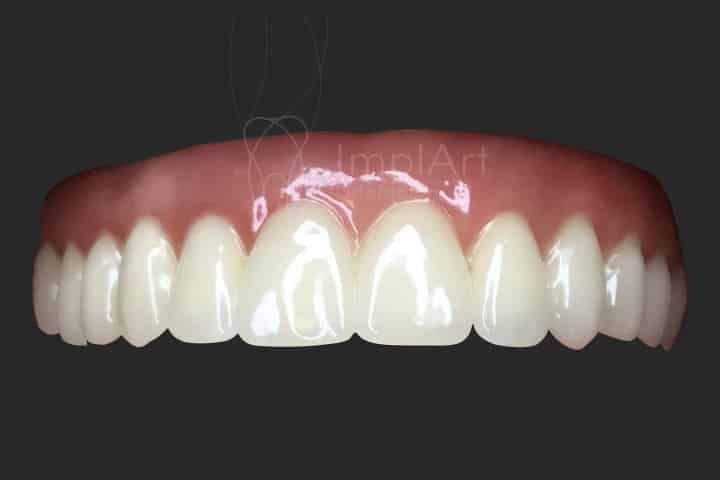
Example of a full-arch prosthesis

Dr. Roberto Markarian, implant dentist and clinical director of ImplArt, is a specialist in dental implants and prostheses. He constantly seeks to update and improve his knowledge, taking part in the main congresses and courses in the field.

This means that ImplArt Odontologia is always in line with the latest advances in research and development of dental prostheses that are increasingly similar to natural teeth. Get to know our team and philosophy. The ImplArt Clinic is located in one of the most privileged areas of São Paulo, with easy access by car or subway (Vergueiro on line 1 blue).

Come and visit us. If you have any questions, please make an appointment or contact us through one of the channels below. We’ll be happy to help you.

Zirconia prosthesis for dental implants

The zirconia prosthesis is a white ceramic used to make the internal structure of a dental implant prosthesis. It is currently considered the most aesthetic material for this purpose, as its shade is very similar to natural dentin and it also allows more light to pass through (translucency).

Zirconia provides a metal-free crown with high strength and aesthetics

A crown with a zirconia structure is an aesthetic alternative to a metal structure (metal-free crown). Although very resistant, the metal structure can leave the crown looking darkened when exposed to light.

In addition, if the patient has remodeling of the gums over time, a grayish line can appear at the gingival level and cause aesthetic compromise in the smile. For this reason, metal frameworks are often recommended for posterior crowns (which require a lot of strength, but not much aesthetics).

Meanwhile, the zirconia structure can be especially suitable for the anterior region, the most visible part of the arch where aesthetic requirements are greatest. The process of making a zirconia crown is computerized using Cad/Cam systems.

Read more about our digital dental laboratory

Read more about the new zirconia prostheses for fixed prostheses…

Zirconia implant opens up new rehabilitation possibilities

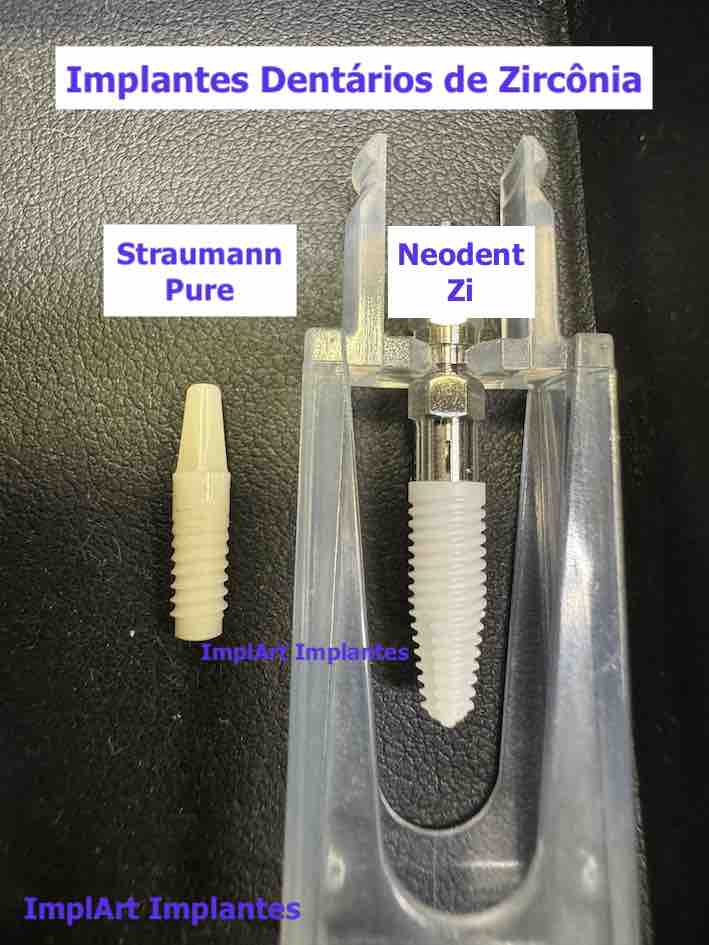
implante de zirconia straumann pure neodent zi
Image showing zirconia dental implant posts. Both Straumann zirconia implants and the national Neodent Zi implants are available at our clinic.

When you lose a tooth, you can have a zirconia implant placed, which is a piece of white ceramic that sits in place of the tooth root. After healing, you can place a zirconia prosthesis, which is a ceramic cap that sits on top of the implant and looks like a real tooth. This combination has some benefits, such as

  • Beauty: zirconia is as white as teeth and doesn’t turn the gums gray like metal. What’s more, zirconia is transparent and shines like teeth, making your smile look more beautiful and natural.
  • Health: zirconia is a material that adapts well to bone and gums without causing allergies or inflammation. This helps with the healing and firmness of the implant.
  • Resistance: zirconia is a very strong material that can withstand the forces of chewing and does not wear out easily. This makes the implant and prosthesis last longer.

Therefore, the zirconia implant together with the zirconia prosthesis is a good option to recover the function and beauty of lost teeth, with a safe, comfortable and durable material.

I want to know more about the Straumann Zirconia Implant – Swiss.

I want to know more about the Neodent Zi Zirconia Implant – Brazil.

The computer-designed zirconia prosthesis

Initially, the teeth are scanned using intraoral scanners to generate a 3D digital mold. The design of the crown is made on a computer and executed on 3D tooth printers.

Finally, the crown receives a layer of porcelain that makes it look very similar to a natural tooth and can be fixed onto the dental implant. Among the indications for zirconia crowns on implants are single crowns, bridges and complete fixed prostheses.

cubic zirconia
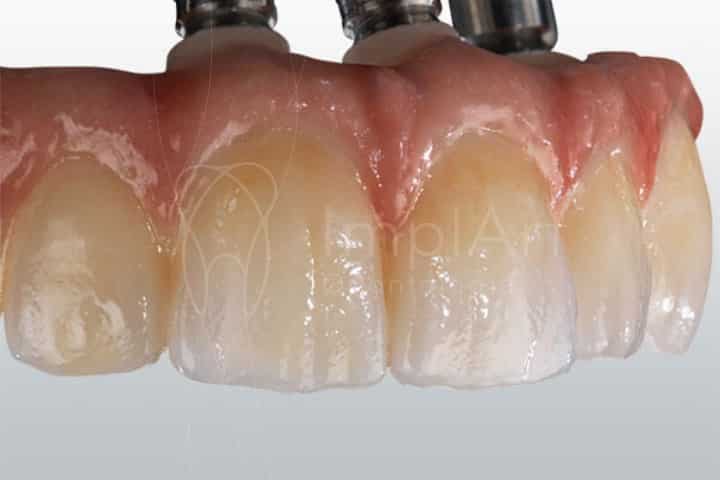
Zirconia implant prosthesis with porcelain applied. Above: bare zirconia framework ready for application. Below: porcelain applied to achieve proper form, color and function.

The main advantages of a zirconia prosthesis are:

  • High aesthetics
  • Resistance
  • Natural result
  • The fixed implant prosthesis is safer and more comfortable, and does not have the mobility of a mobile prosthesis
  • Improves smile aesthetics and self-esteem
  • Improves chewing and speech
  • Does not stain as it can with resin prostheses

If you have any questions, please contact us or make an appointment with our team. We’d be delighted to hear from you!

implante dentario individual

Single Tooth Dental Implant

The lack of a tooth, usually lost as a result of an accident or damaged by decay, can be easily replaced by implanting a tooth (which works like a tooth root) and fixing a dental crown (which imitates the color and shape of the natural tooth) onto this dental implant. This treatment is called single tooth implant.

Most of the time, the surgery is very simple and quick and, depending on the type of implant chosen, the patient can be rehabilitated with the final definitive prosthesis in just a few months. This applies to both single and total implants.

Nowadays there are fast-healing implants, Slactive implants, for which osseointegration takes place in 1 month. In this way, the patient’s self-esteem and quality of life can be restored in a short space of time. In addition, there are now very modern treatments without the use of any metal. This is possible with the ceramic implant and the Pure Zirconia Crown, or Cerec Pure Porcelain.

The loss of one tooth leads to problems with the other teeth

Dental implants are certainly an effective solution for restoring the aesthetics and functionality of the smile. The absence of a tooth can compromise the aesthetics of the smile, but also its functionality. Missing teeth trigger bone resorption at the site, which can be prevented by implanting a single tooth. Bone loss varies from person to person, but in advanced cases it can unbalance dental occlusion.

In this way, neighboring and opposing teeth can move. For example, a person loses a back tooth in the lower arch and doesn’t replace it. The opposing upper tooth, which until then made contact with the lower tooth, loses its support and tends to move downwards over time. Dental malocclusion facilitates the development of problems such as plaque build-up, tooth decay and TMJ dysfunction. Therefore, the single loss of a tooth can lead to imbalances in neighboring teeth, and needs to be addressed with a dental implant.

See images of a single tooth implant below

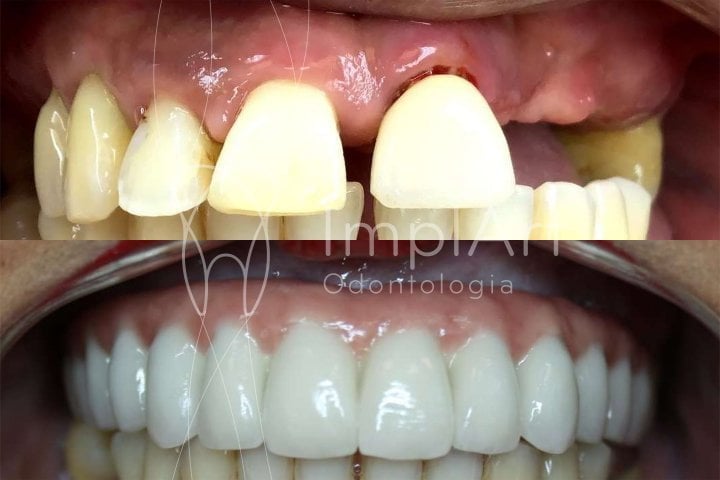
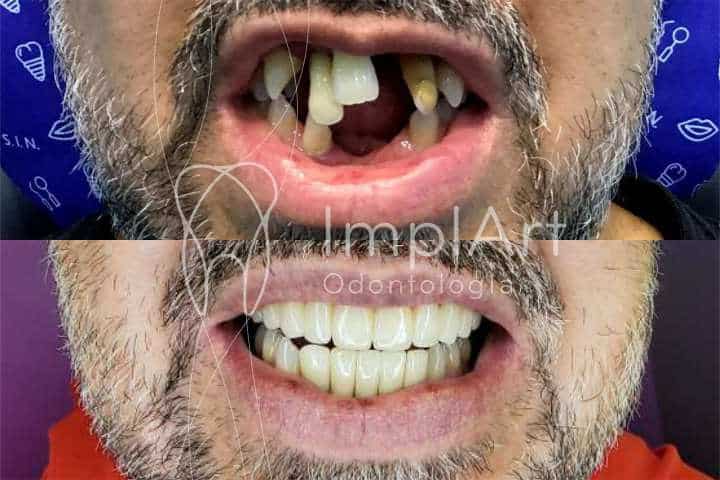
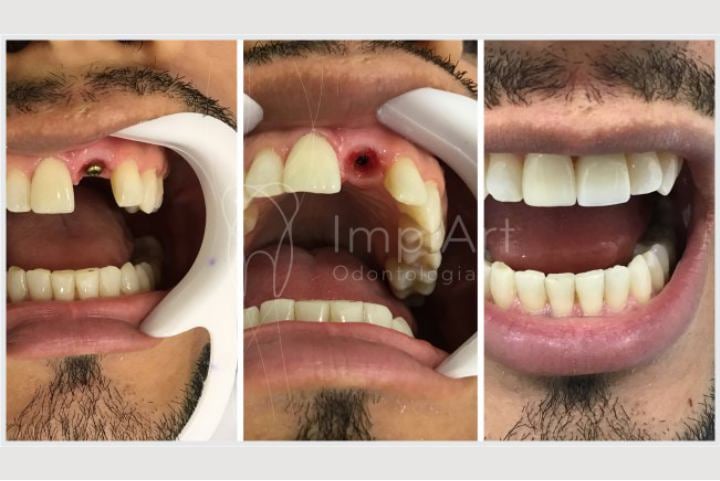
Take a look at this dental implant treatment for a front tooth. Firstly, an individual dental implant was made and a temporary crown installed on the day of surgery. Secondly, after the dental implant had healed, we made the dental crown, a fixed zirconia prosthesis over the implant. Natural results and rapid rehabilitation.

single tooth implant
Single tooth implant

Aspect of the dental implant of the front tooth (central incisor) with the healed cap and the positioning of the provisional tooth. Single individual implant or single tooth implant.

Benefits of single tooth implants

Therefore, a single-tooth dental implant has many benefits over other treatment alternatives, the main ones being:

  • Neighboring teeth remain intact
  • The new crown is attached directly to the implant, which makes it possible to floss like a natural tooth
  • Excellent aesthetic and functional results
  • Ease of treatment, as the prosthetic components are prefabricated (approximately four sessions)
  • Unaffected by caries and infiltration
  • It is possible to place a temporary crown immediately after implant placement(immediate loading)
  • The installation of the implant prevents or stops bone resorption.

MEET THE NEW ULTRA-REALISTIC ARTIFICIAL TEETH IN PURE ZIRCONIA

Immediate single implant at Dayclinic

In many cases, we are able to replace a lost tooth with a dental implant very quickly through our Day Clinic service. This agility is only possible thanks to the complete structure of the ImplArt Clinic, which carries out radiographic examinations within the clinic.In addition, it has computerized systems for planning(digital molding by intraoral scanners) and execution of dental crowns by 3D printers. This applies to single-tooth dental implant treatment as well as total impl ants and protocol prostheses.

Please note: we are only available by appointment, but if you have accidentally lost a tooth or would like to have implant rehabilitation treatment , please contact us so that we can arrange a time to see you as soon as possible.

If you have any questions about immediate loading, oral implants, single-tooth implants or the cost of dental implants, contact us through the channels below and schedule an appointment with the ImplArt Dental Clinic.

DR. ROBERTO MARKARIAN IMPLANTODONTISTA SITE
Single Tooth Dental Implant

Text written by DR. ROBERTO MARKARIAN – CRO-SP 73.583 – updated on 23-08-2024
Founder and Director of the ImplArt Dental Clinic – Dr. Roberto’s Linkedin profile

Dr. Roberto Markarian is a reference in dental implants and computerized dental prostheses in Brazil. As well as having more than 10,000 implants installed, he is a researcher who produces knowledge that is published worldwide in renowned scientific journals in the field of dentistry. He is responsible for promoting knowledge and high technology applied in all the treatments offered by the ImplArt Dental Clinic.

3D CAD/CAM dental crown – automated digital prosthesis in São Paulo

Cerec 3D is a Cad/Cam system for designing and making crowns, different types of aesthetic restorations and dental lenses more quickly and accurately. ImplArt Dental Clinic Brazil has the most up-to-date version of this system, Cerec Primemill. This computerized system can be used for porcelain crowns on remaining roots, or even as a fixed prosthesis on a dental implant.
Dental implants combined with this modern technique for making dental crowns allow patients to be rehabilitated quickly. The Straumann ceramic dental implant is the most modern and allows for metal-free treatment. The Swiss Slactive implant is the fastest healing.

Cerec System: the evolution of dental prostheses

Digital color impression and computerized teeth with the Cerec 3D system in São Paulo. This German technology consists of a color intraoral scanner, processing software and a machining unit that works like a 3D tooth printer.

How does Cerec 3D works?

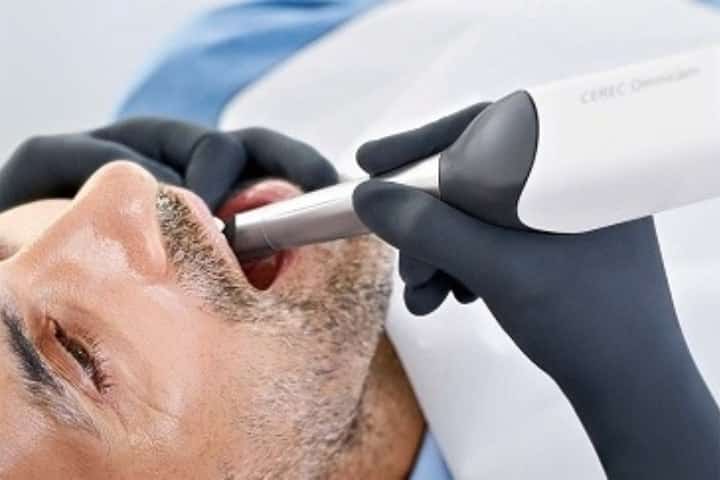
The Cerec 3D system uses Cad/Cam technology, consisting of a camera, a computer and a machining machine. First, the Cerec 3D system takes digital images of your teeth using a specialized high-precision color camera (intraoral scanner).

Cerec 3D dental crown

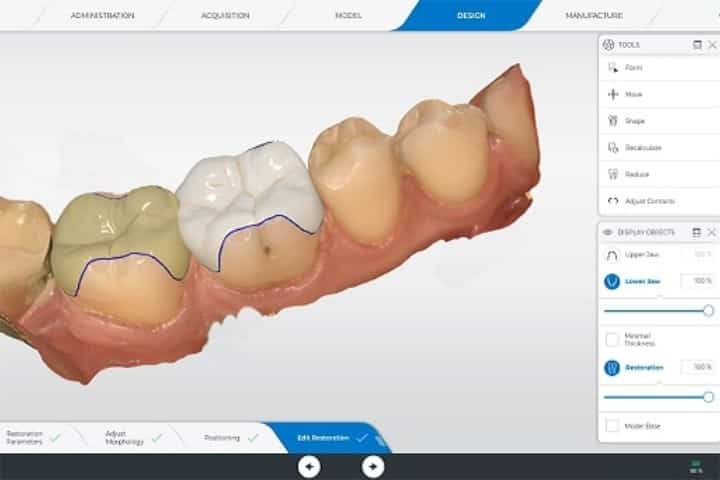
The computer then uses these images to design a customized restoration, matching the fit and shape of the surrounding natural teeth.

onlay planning in cerec 3D dental crown 3D

Finally, the 3D printer produces the restoration or crown using robotic arms that mill a rough block of dental ceramic until it acquires the shape of the project. ImplArt is always striving to keep up to date with the latest technologies in digital dentistry. That’s why it now has the most up-to-date 3D printing version of the Cerec system, the Cerec Primemill milling machine.

The crown is then installed on the dental implant or bonded onto the prepared natural tooth.

cubic zirconia
Rough block milling to finished crown

Treatments that can be carried out with Cerec 3D technology in São Paulo:

What are the advantages of Cerec 3D?

Dental restorations with Cerec 3D are not only convenient, but also healthy. Until recently, dentists had little choice of materials, such as metal-ceramic crowns (with metal), amalgam, and resins.

As well as being dark and presenting aesthetic problems, these materials are time-consuming and inaccurate to make because they depend on manual labor and external prosthetic laboratories. With Cerec 3D, we can use strong ceramic materials to restore teeth with beauty and functionality.

  • There’s no need to remove molds with putty, as it does digital color molding
  • Tooth-colored restorations – porcelain does not contain metals or dark, unsightly materials
  • The materials are highly aesthetic, resistant and biocompatible(such as dental zirconia)
  • Perfect fit of teeth prevents residue build-up
  • In some cases there is no need to use temporary teeth
  • In favorable cases, crowns can be installed in a few hours by Day Clinic ImplArt
  • Less use of anesthesia
  • Fewer visits to the dentist
  • Predicts results before execution

With the Cerec system, it is also possible to make an identical copy of the shape of a prosthesis that the patient is already used to, but which needs to be replaced because it was made with an inferior material or is fractured. Find out more about this technology at ImplArt Odontologia. Make an appointment or if you have any questions, please contact us. We’ll be happy to help you.

Pure porcelain Emax crown for highly aesthetic implants

Contemporary dentistry continually seeks solutions that combine the highest functional performance with unparalleled aesthetics, especially in dental implant rehabilitations. In this context, Pure Emax crowns emerge as the material of choice for cases demanding maximum naturalness and seamless integration with the patient’s smile.

Unlike other materials, Pure Emax, a type of lithium disilicate, offers a translucency and opalescence that perfectly mimic natural tooth structure, making it the ideal choice for crowns over implants in highly aesthetic areas. It’s important to highlight that these cutting-edge solutions are crafted in Brazil, reflecting our Clinic’s commitment to excellence in dental technology and artistry. Discover how this advanced technology, with its roots in Brazil, is revolutionizing dentistry, providing results that exceed expectations and restore confidence and beauty to smiles.

The digital all-porcelain crown is a highly efficient ceramic system used to make prosthetic crowns for dental implants.

What are digital pure porcelain crowns made of?

Lithium disilicate ceramics have aesthetic and resistance properties comparable to natural teeth. They are the best and most technologically advanced materials for achieving aesthetic teeth because they are white and translucent, which makes the crown look natural even in the brightest of environments.

e.max ceramic was developed for use in Digital Dentistry Systems, with a 3D printer that sculpts dental prostheses. With this system, the all-porcelain crown can be made quickly, with more strength and naturalness than other materials made by hand.

pure porcelain crown
Cemented pure porcelain crown indicated for cases with a greater need for aesthetics

What is the best material for pure porcelain digital prostheses?

The digital porcelain crown is made as a monoblock, i.e. it has no internal reinforcement layers, as the computer will create the crown from a prefabricated block of dental porcelain.

cubic zirconia
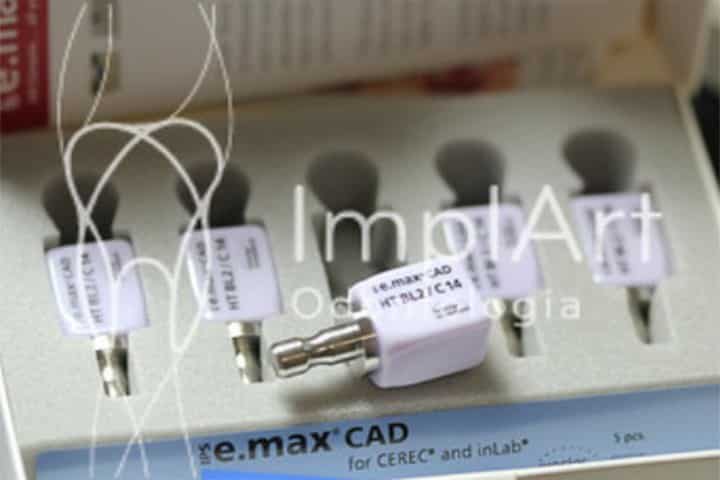
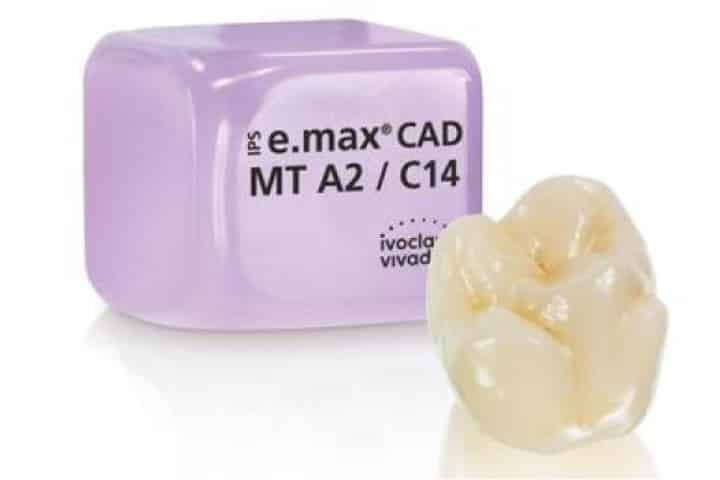
Example of raw material blocks for computerized dental porcelain EMAX CAD
cubic zirconia

The Pura Digital porcelain crown is an evolution in the materials used in dental prostheses. With it, it is possible to reproduce details that make the prosthesis similar to natural teeth. With the Cerec System, the e.max crown is made more quickly and precisely, because it is designed on a computer and sculpted by robots.

The main advantages of modern porcelain crowns:

  • High resistance todental fracture and durability;
  • Very aesthetic look, comparable to a natural tooth;
  • Range of blocks with different colors and types of resistance for different uses;
  • Stain-resistant material;
  • It can be made using the Metal Free technique (no metal in the internal structure). This makes the crown look translucent and much more aesthetic in bright environments.
  • It can be designed and built quickly thanks to the Cerec system.
cubic zirconia

To make digitalpure porcelain crowns , we use CAD/CAM techniques:

1 – Intraoral scanner: It all starts with the digital molding of the dental implant with a high-precision color camera that takes images of the oral interior and sends them to the computer.

2 – Computer and software: receives the information captured by the intraoral scanner and carries out the simulation and personalized planning of the dental crown using three-dimensional images.

3 – Machine manufacturing: robots mill the e.max ceramic block based on the computerized design until the shape of the crown is achieved. The result is certainly a piece that is strictly compatible with the patient’s needs.

cubic zirconia
Pure porcelain crown for natural teeth

It is common for a temporary crown to be made before finalizing the permanent tooth to test whether the computer modeling is correct. Immediately after milling, the piece undergoes a crystallization process at approximately 850°C for 20 to 30 minutes and acquires high resistance, shade and translucency.

When the crown is finished, it is attached to the previously installed dental implant. For your convenience, the Cerec System and e.max ceramics are available at ImplArt Dental Clinic in Brazil. As an alternative to the pure porcelain crown, we now have an even more resistant material, translucent pure zirconia.

If you have any questions about this or other techniques and prices, please make an appointment or contact us. We are located in the Paulista Avenue area/Downtown of São Paulo. We will be happy to assist you.