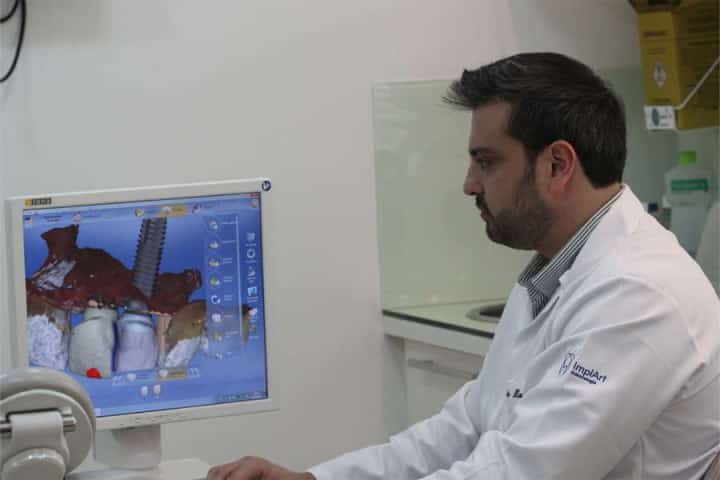
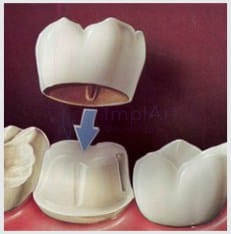
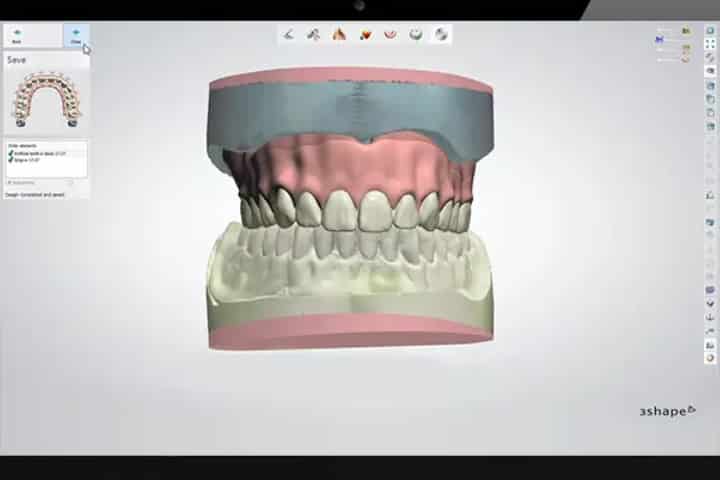
Translucent cubic zirconia is an evolution of conventional dental zirconia. Dental zirconia is increasingly being used as a material for making a dental crown or even for a fixed prosthesis on dental implants. As our dental Clinic is integrated with a dental Lab in Sao Paulo-Brazil, we can easily delivery zirconia crowns in a new days. Translucent Zirconia has certainly come to revolutionize the way dental prostheses are made, since it uses modern computer graphics resources to design the prostheses, and modern 3D milling machines to sculpt them.This makes treatment faster and more comfortable for the patient.
More about Translucent Zirconia crowns
In addition, Zirconia is the most resistant material compared to other types of crownsand allows for results with a high degree of naturalness, being the most similar to the appearance of natural teeth.
First and foremost, one of the greatest advantages of the Pure Zirconia dental crown is its strength and durability.In addition, its modern execution method, which doesn’t require the old mass moldings and only uses a 3D scanner, makes the treatment much more comfortable for the patient.It is therefore an excellent option for those who want metal-free treatment, a situation that is highly valued today with biological dentistry.
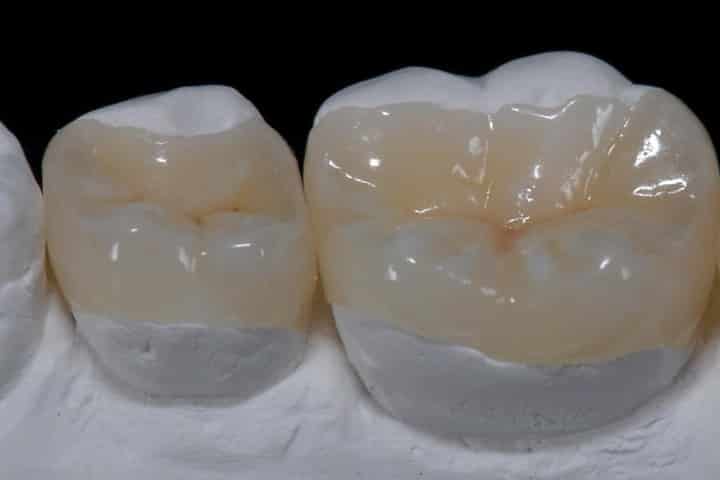
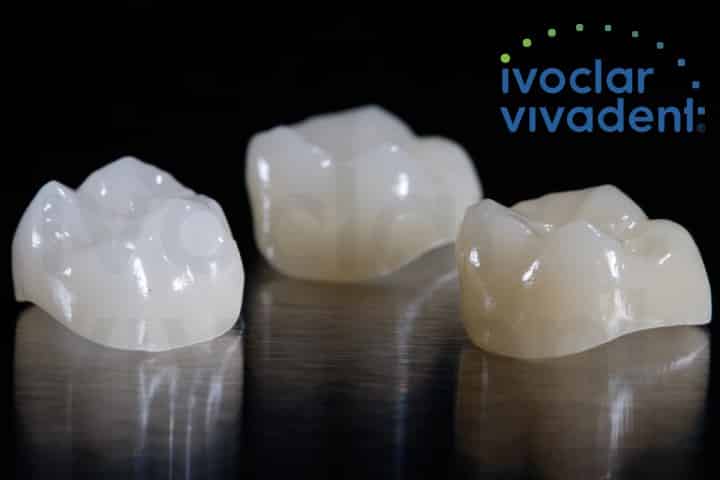
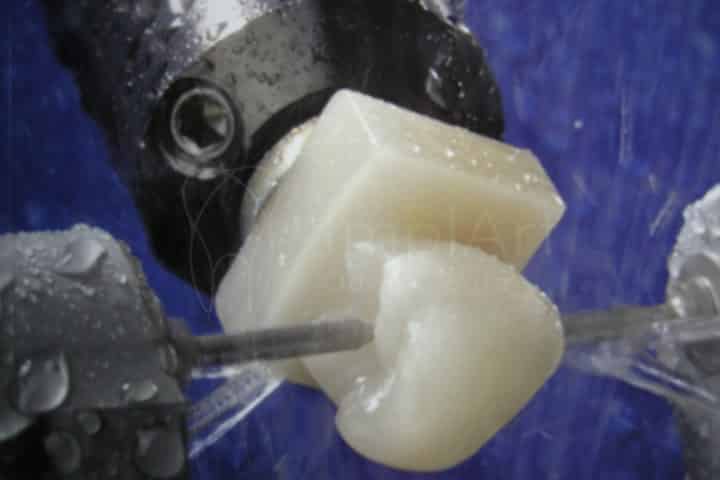
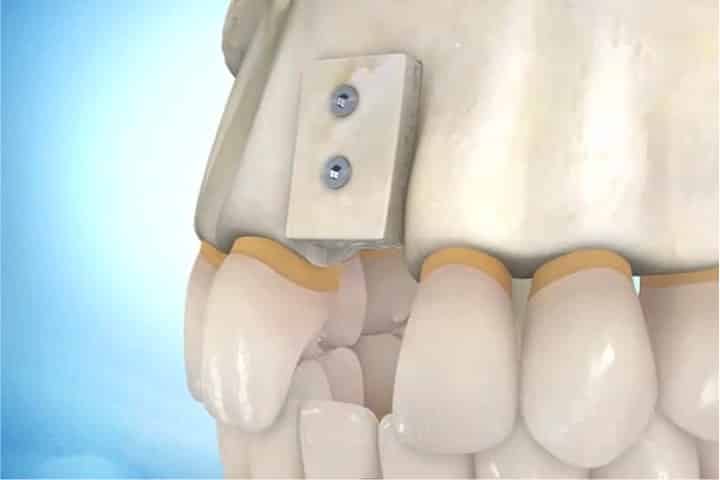
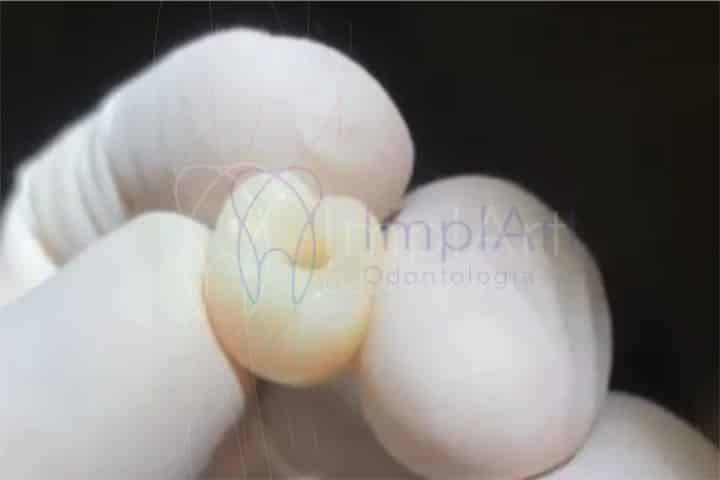
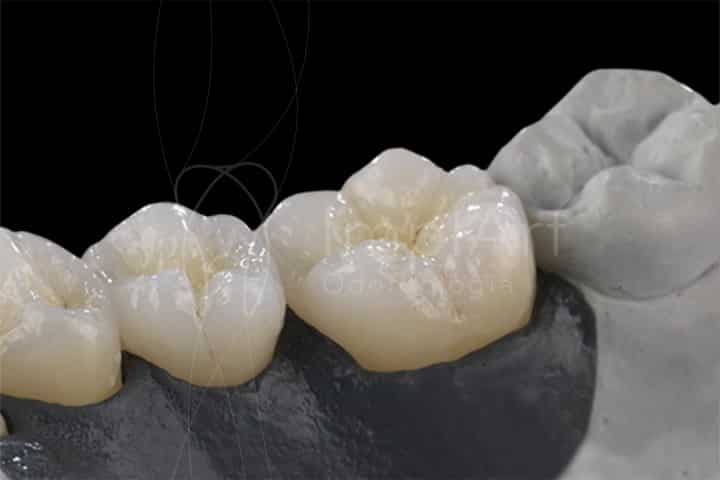
Translucent cubic zirconia crown for molar tooth (bottom), with hole for screwing into dental implant
These zirconia structures can be used both for implant prostheses, types of crowns on implants and for crowns on natural teeth.One of the pioneering companies in the development of durable and aesthetic zirconia dental prostheses is the Austrian company AmannGirrbach.Now it is introducing a new type of dental ceramic: Zolid FX translucent cubic zirconia.
It is a fully biocompatible material used to make first-rate prosthetic crowns, not only single-unit, but also bridges of up to 3 units. The main characteristics of Zolid FX are its super-high translucency, high strength and long-term stability.
It is therefore a strong alternative to the already established lithium disilicate (glass ceramic), and can therefore be especially suitable for cases that require high porcelain crown strength. Cubic zirconia crowns can be installed both anteriorly with excellent aesthetics and posteriorly. They can also be used in dental implant treatment.
What is the manufacturing process like?
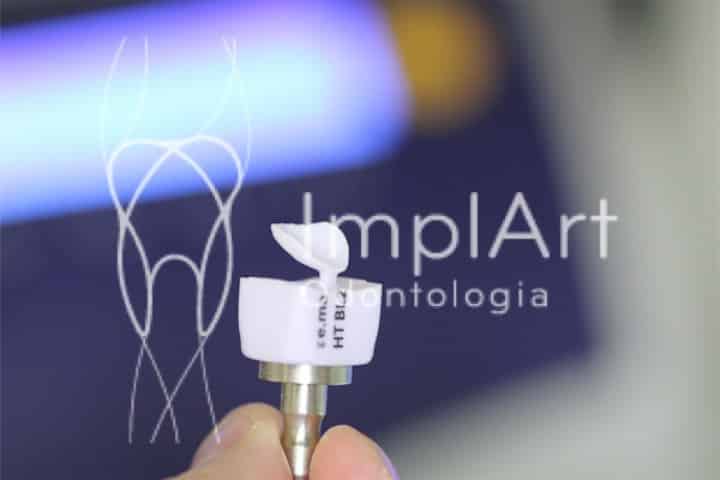
The Zolid FX cubic zirconia crown is made using computerized CAD/CAM equipment.It starts with milling the rough block on a 3D printer to the shape of the tooth.The zirconia crown is finished with the manual addition of colors and shading so that the crown has natural visual characteristics, like the neighboring teeth.The pure zirconia crown is super aesthetic and is up to 10 times stronger than ordinary (feldspatica) porcelain.
Translucent cubic zirconia crowns are suitable for bruxism patients due to their resistance
Bruxism is an oral functional disorder characterized by involuntary grinding or clenching of the teeth. The excessive force generated by bruxism can cause not only muscle and joint pain in simpler cases, but also the destruction of part of the tissues (bone and gum), enamel or the structure of the dental crown in more advanced cases.
It is important to remember that before your permanent porcelain crown is made, you will receive a temporary crown. This is used to check the aesthetics and chewability of the permanent crown.
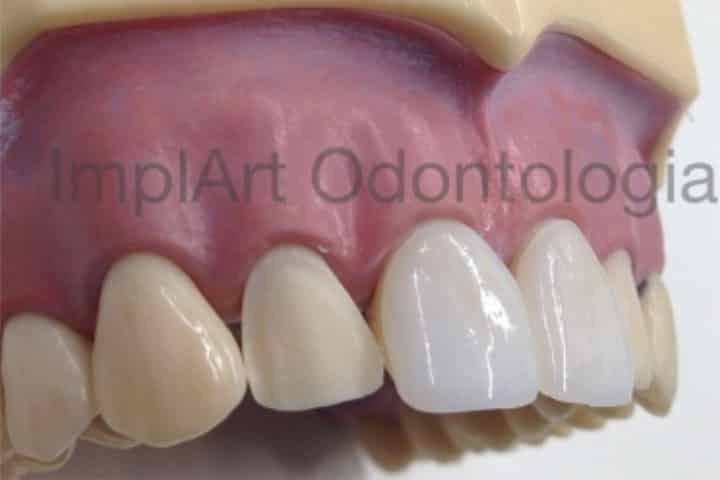
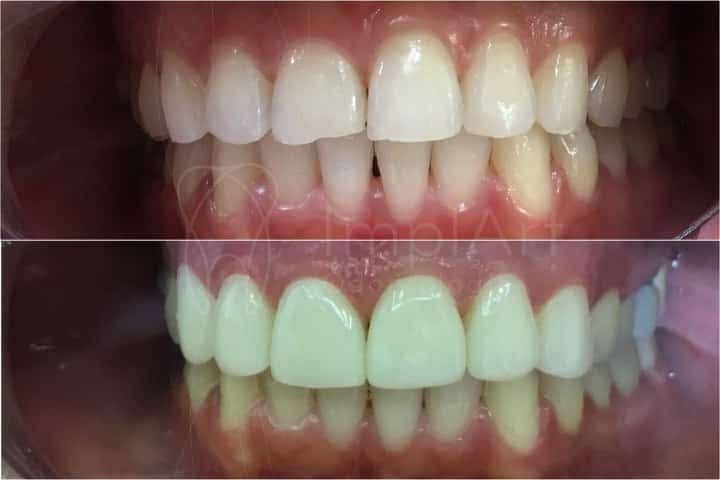
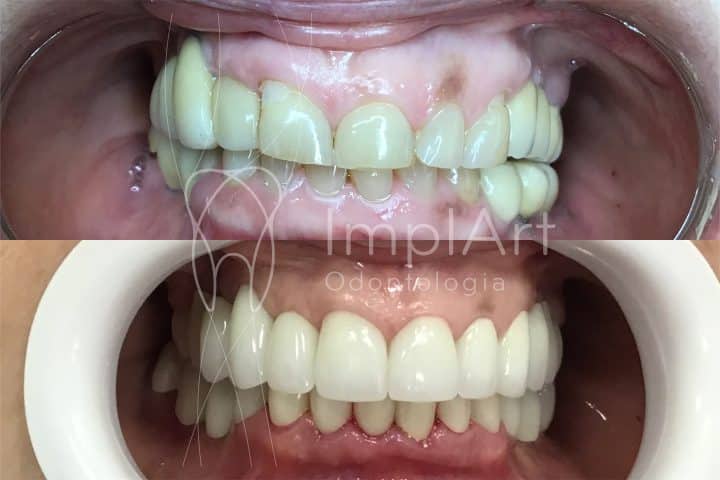
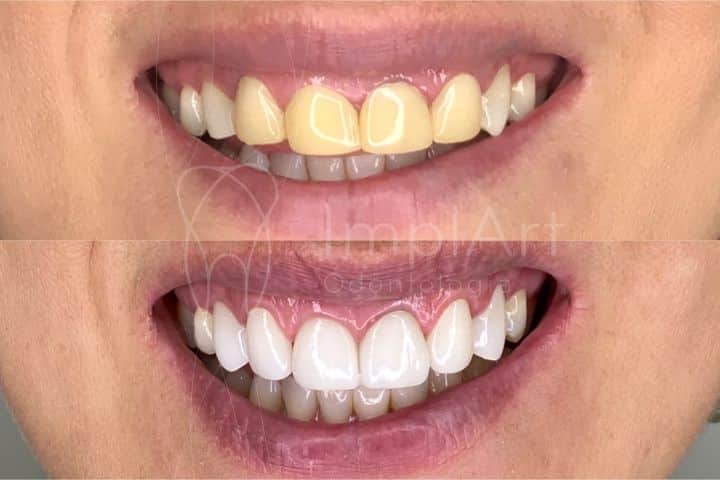
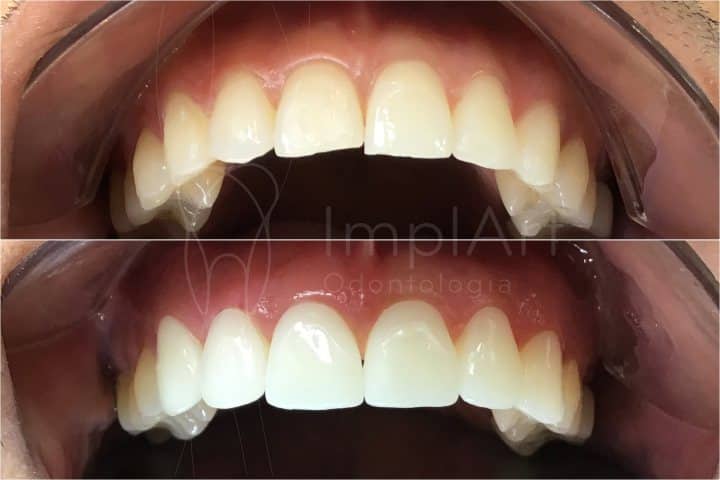
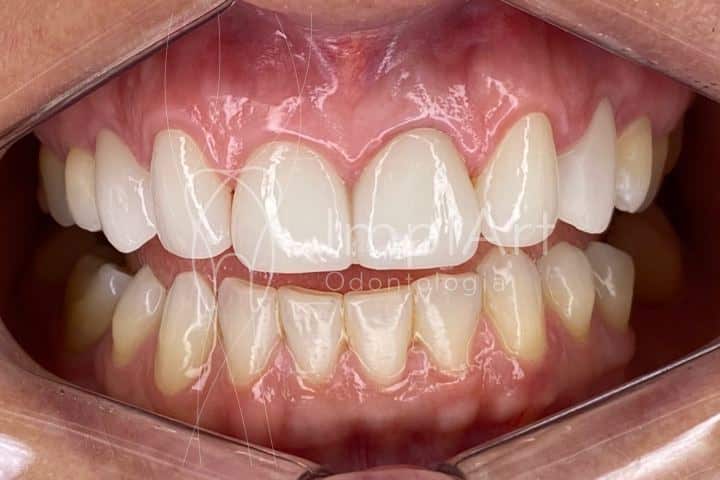
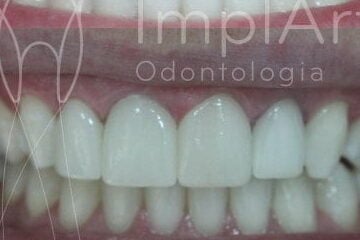
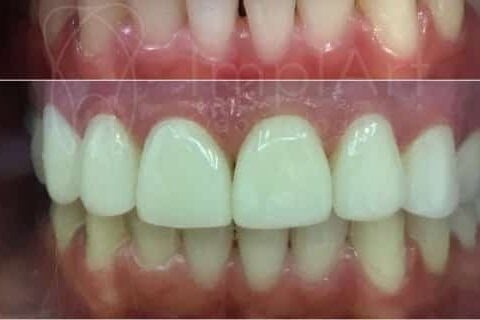
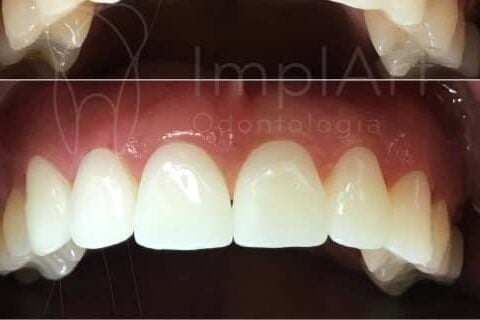
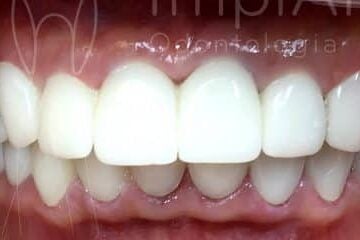
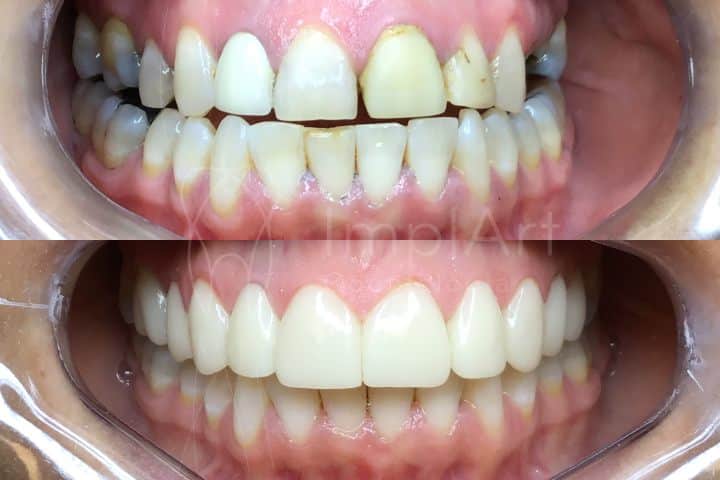
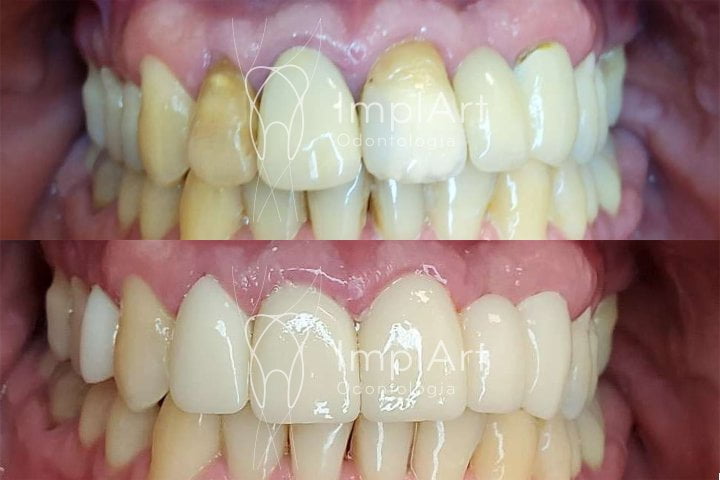
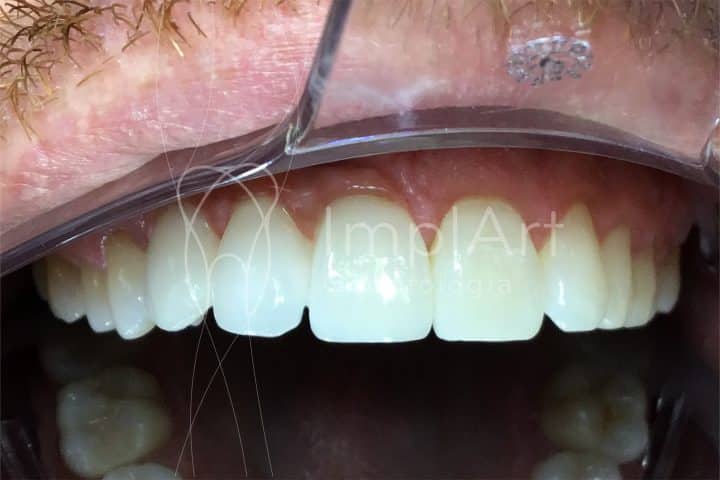
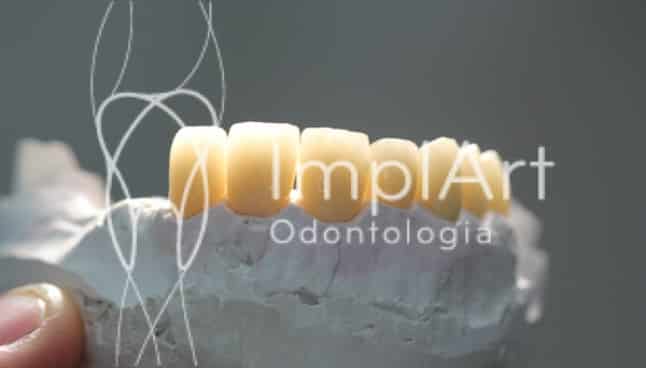
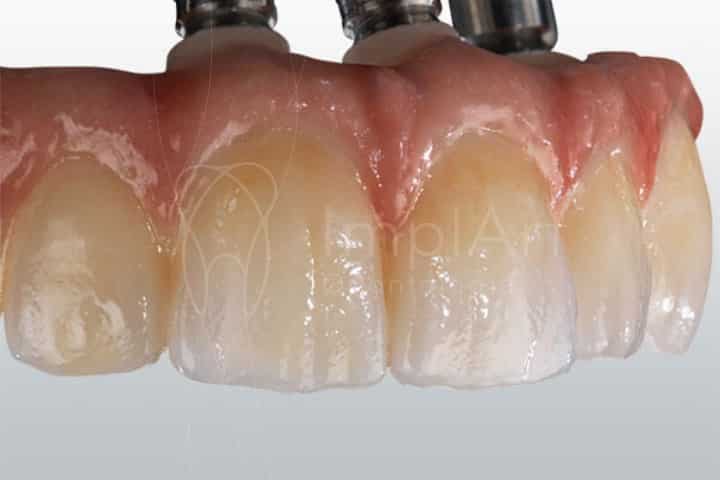
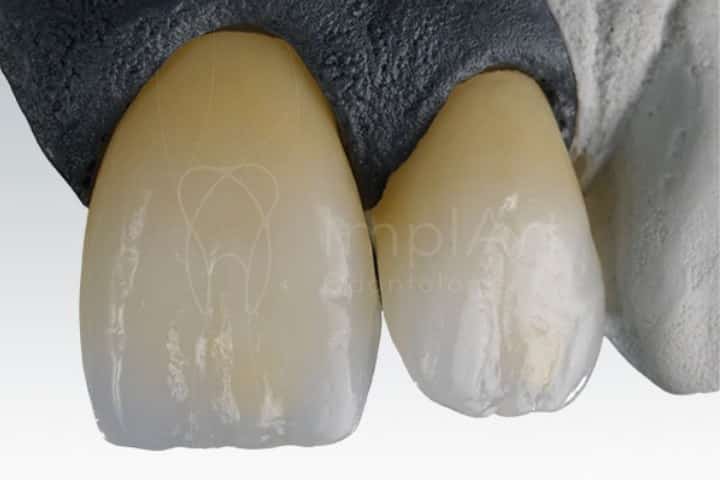
More translucent and resistant cubic zirconia crownsMore translucent and resistant cubic zirconia crownsMore translucent and resistant cubic zirconia crownsTranslucent zirconia crown for the front teeth. The two central incisor teeth (the largest) were made from pure dental zirconia
However, bruxism can be just as damaging to the structures of prosthetic crowns made from certain materials. For this reason, there has always been a need to develop prostheses with increasingly resistant and stable materials, and at the same time aesthetic (without metals in the structure).
The translucency and strength characteristics of Zolid FX are fundamental to making the prosthetic crown very comparable to natural teeth. The result is extremely aesthetic crowns and restorations with high strength and long-term stability.
ImplArt Dental Clinic only works with materials of the highest quality, developed by serious companies. For example, AmannGirrbach, which only introduces materials and equipment to the market after carrying out numerous tests and research.
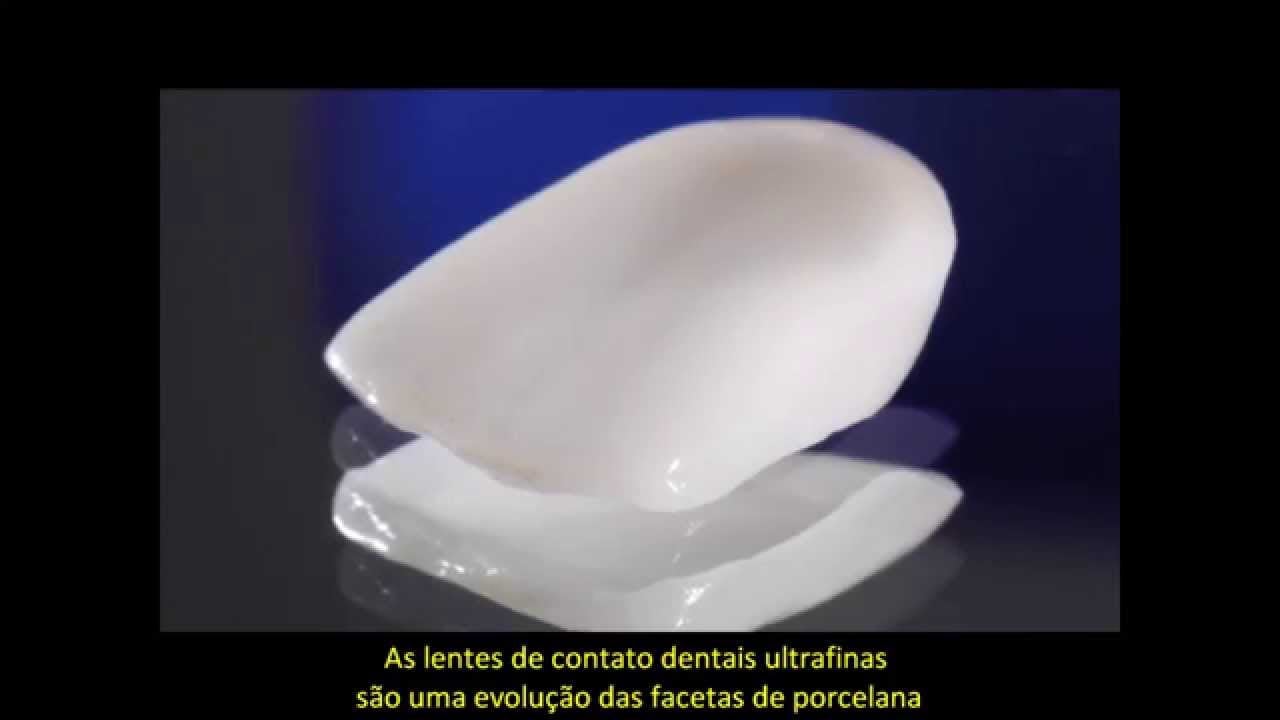
Dental contact lenses are a type of ultra-thin porcelain veneer (0.2 mm) used to correct certain aesthetic problems with the teeth.
Dental contact lenses to transform the appearance of your teeth
Aesthetic treatment for stained, misaligned, asymmetrical or broken teeth
Dental lenses work like “covers” that are glued onto one or more teeth to cover stains, small fractures and other defects, or to change the shape and size of teeth. Dental contact lens treatment is the smile of the famous.
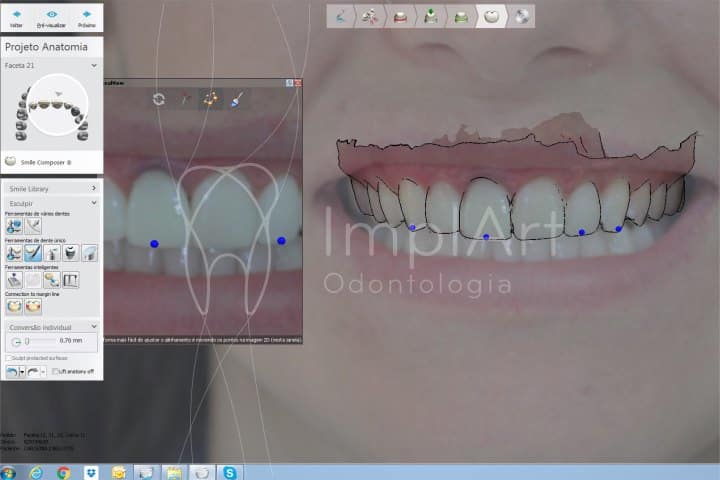
Dental contact lenses are completely computer-designed and then made from dental porcelain using milling machines (3D printers). Dental porcelain is a vitreous ceramic material (lithium disilicate) that is very resistant and mimics the texture and shade of natural teeth.
It is also a safe material and therefore totally biocompatible with the human body. The computerized design is based on images taken by an intraoral scanner – a high-precision camera.
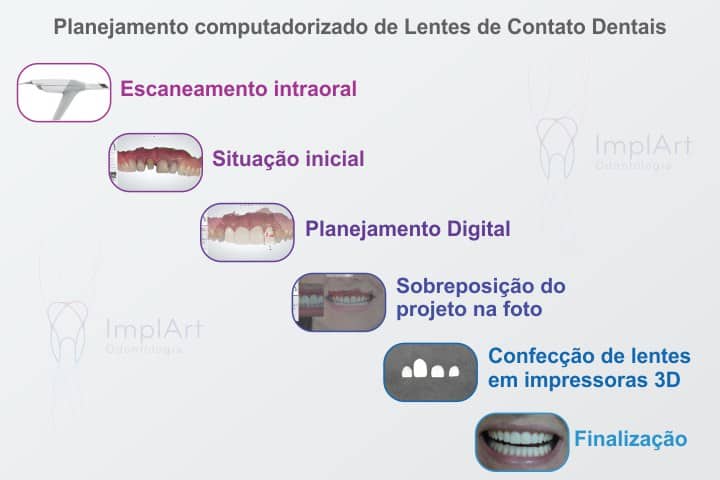
Dental contact lenses step by step (in case of dental asymmetry)
At the end of the milling process, the dental contact lenses have a shape, color and texture comparable to natural teeth, even imitating the characteristics of neighboring teeth. Because they are ultra-thin, installation requires little or no wear on the natural teeth.
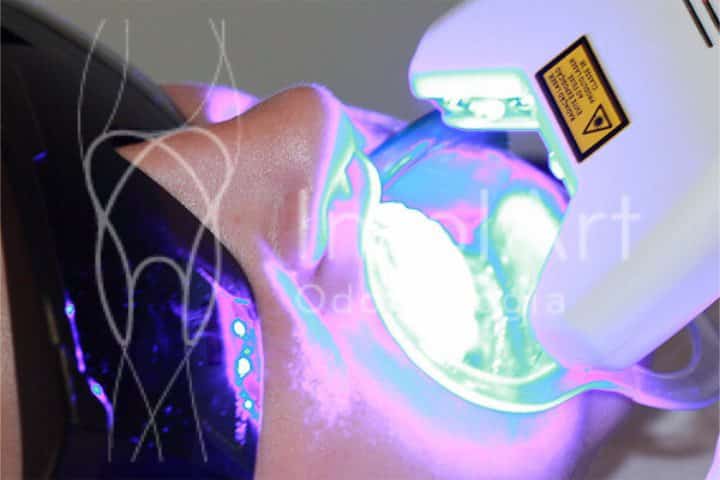
The lenses are then bonded with dental cement activated with a light-curing device. ImplArt uses one of the best contact lens light-curing devices on the market, making treatment more efficient and safer. Find out more.
Indications for dental contact lenses:
Covering stains
Change in the shape of the teeth
Change in tooth color
Enlargement of small teeth
Aligning crowded teeth
Covering small fractures
Uniformization of uneven and asymmetrical teeth
Advantages of lenses:
High resistance and long durability of the dental contact lens
Very aesthetic look, comparable to natural teeth
Minimally invasive restorations
Completely painless procedure
They don’t require much tooth grinding to be installed
Preserves the structure of the teeth
No discomfort in chewing function
Porcelain doesn’t change color over the years
Incredibly natural and harmonious result
It can be designed and executed in a short time, in some cases even in a Day Clinic.
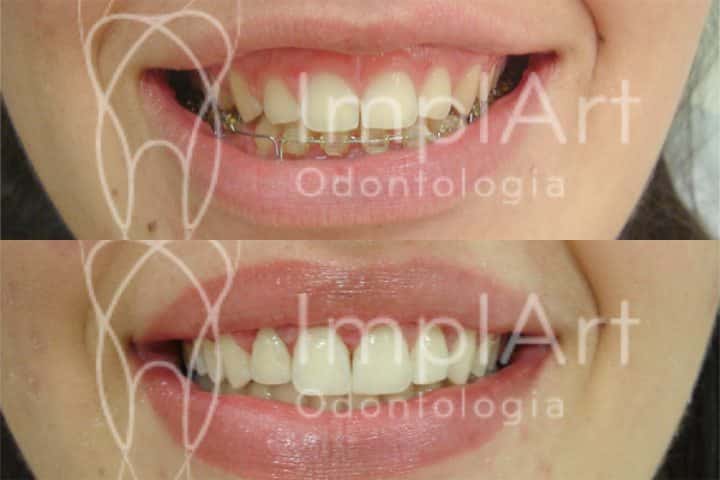
Before and after contact lenses: find out about some of the treatments performed at ImplArt:
At ImplArt Odontologia, all this work is certainly done in a precise and personalized way for each patient. This is only possible because we have CAD/CAM-based technologies on our premises, which not only carry out the computerized design of the treatment, but also the execution of the dental contact lenses. If you have any questions, please contact us.
At the ImplArt Dental Clinic we strive to offer quality care and the greatest possible convenience. That’s why our team is made up of professionals from all dental specialties. They are:
Implantology
Implantology is the area of dentistrydedicated to the treatment of edentulism (the absence of one or more teeth) with prosthetic rehabilitation supported or retained by dental implants, which can be made of titanium or even ceramic. This is the new, modern ceramic implant, the white implant, for those looking for a metal-free implant. Read more
Orthodontics
Orthodontics is the specialtyresponsible for correcting the position of teeth and jawbones for proper occlusion and alignment. The main objective of orthodontic treatments is functional improvement (chewing, articulation, speech, breathing and to avoid “opportunistic” periodontal diseases such as cavities and plaque build-up and tartar formation), but it also aims to restore an aesthetic and harmonious smile. Learn more
Correction of facial anomalies of the jaw or mandible, reconstruction of bone defects, problems of the temporomandibular joints (TMJ), orthognathic surgery, treatment of retained teeth, tumors and cysts.
The specialty of prosthodonticsaims to make dental prostheses to replace lost teeth, with the aim of restoring oral function and aesthetics. It is considered dental art, since this specialty has the mission of creating prostheses that are increasingly similar to natural human teeth (in shape, color, translucency and texture). Dental prosthesis models range from the mobile type (dentures), protocol prosthesis, to dental crowns that are fixed to dental implants. Learn more
Endodontics
Endodontics is the area of dentistry responsible for treating diseases of the dental pulp, root canal system and periapical tissues. It carries out root canal treatment with the aim of maintaining the tooth and avoiding its extraction. Read more
Periodontics
Periodontics isresponsible for identifying and treating periodontal diseases, the most common of which are caries, gingivitis, plaque build-up, tartar formation and periodontitis (inflammation of the bone tissue that supports the tooth). This specialty also performs surgery to correct gummy smiles. Learn more
Dental Radiology
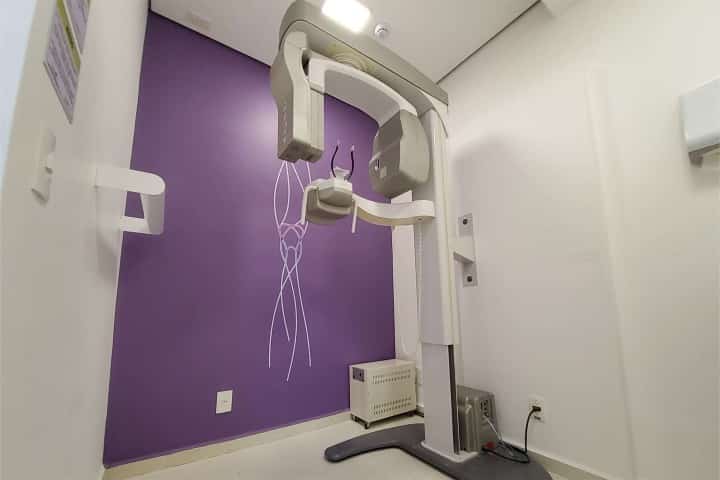
Dental radiology is of fundamental importance, especially for diagnosing functional problems and oral diseases using X-ray images. It also helps other specialties to plan dental implant surgery and monitor the progress of treatment or surgery that has already been carried out. These exams include panoramic radiography and computed tomography. Find out more.
In addition, the structure of the ImplArt Dental Clinic includes the main technologies used in modern dentistry, both for diagnosis and for treatment and follow-up. At Clinica Dentaria ImplArt you will find:
Two of the main computerized systems for digital smile design, Cerec and 3Shape
ImplArt serves all dental specialtiesImplArt serves all dental specialtiesImplArt serves all dental specialtiesImplArt serves all dental specialtiesImplArt serves all dental specialtiesImplArt serves all dental specialtiesImplArt serves all dental specialtiesImplArt serves all dental specialtiesImplArt serves all dental specialties
This breadth of dental specialties guarantees peace of mind and convenience for the patient, who doesn’t have to travel to different locations to undergo their full treatment or radiological examinations. If you have any questions, make an appointment or contact us. We’ll be happy to help you. For those coming from far away, you should know that it is possible to make an online appointment and even plan your dental implant surgery remotely, and organize your Day Clinic.
Topics in this article about dental specialties and ImplArt dental clinic
Contact lenses are bonded to the front of the teeth individually and are used to correct certain aesthetic problems, such as misaligned teeth, stained teeth, pigmented teeth, cracked teeth, improperly shaped teeth, unwanted pain, irregular tooth size and correcting the position of the teeth.
They are bonded to the front of the teeth, individually, in order to correct certain aesthetic problems.These are cases of misaligned teeth, stained teeth, pigmented teeth, cracked teeth, improper shape, unwanted color, irregular tooth size, correction of tooth position.
Lenses are not recommended for unhealthy teeth, such as decayed teeth or teeth with periodontal disease. Contact lenses for teeth are capable of revolutionizing the aesthetics of smiles. Today we see many celebrities who have undergone the treatment and have undoubtedly had their smiles transformed.
Do I need dental contact lenses?
Contact lens treatment involves the use of advanced dental technology. It starts with taking a mold of the teeth. The digital impression is taken using an intraoral scanner that captures images of the teeth and gums and creates a three-dimensional model on the computer screen.
Based on these images, the dentist uses software that designs the dental contact lenses with customized shapes and shades for each patient.
Planning
The design can be for a single tooth or more. The approved computerized design is then sent to the digital prosthetics laboratory to make the dental lenses. A block of porcelain is placed in the 3D printer and the milling process begins until the block acquires the shape of the designed dental lenses.
Dental contact lenses are approximately 0.2mm thick. This ultra-thin thickness does not require any or little wear to the tooth surface in order for the lenses to be applied. They therefore differ from porcelain veneers.
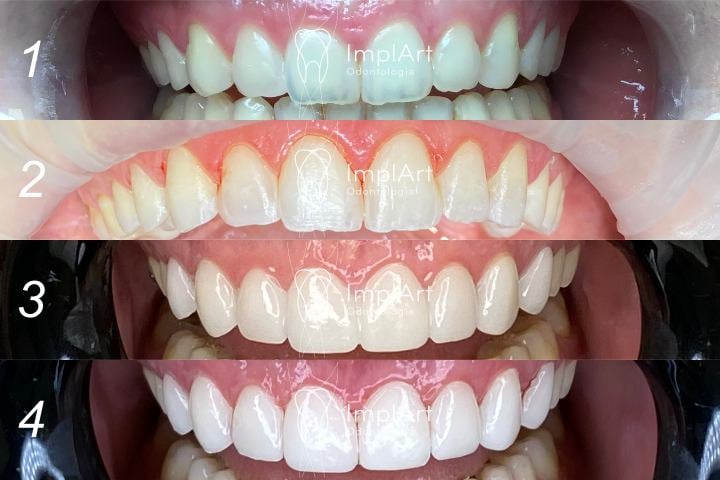
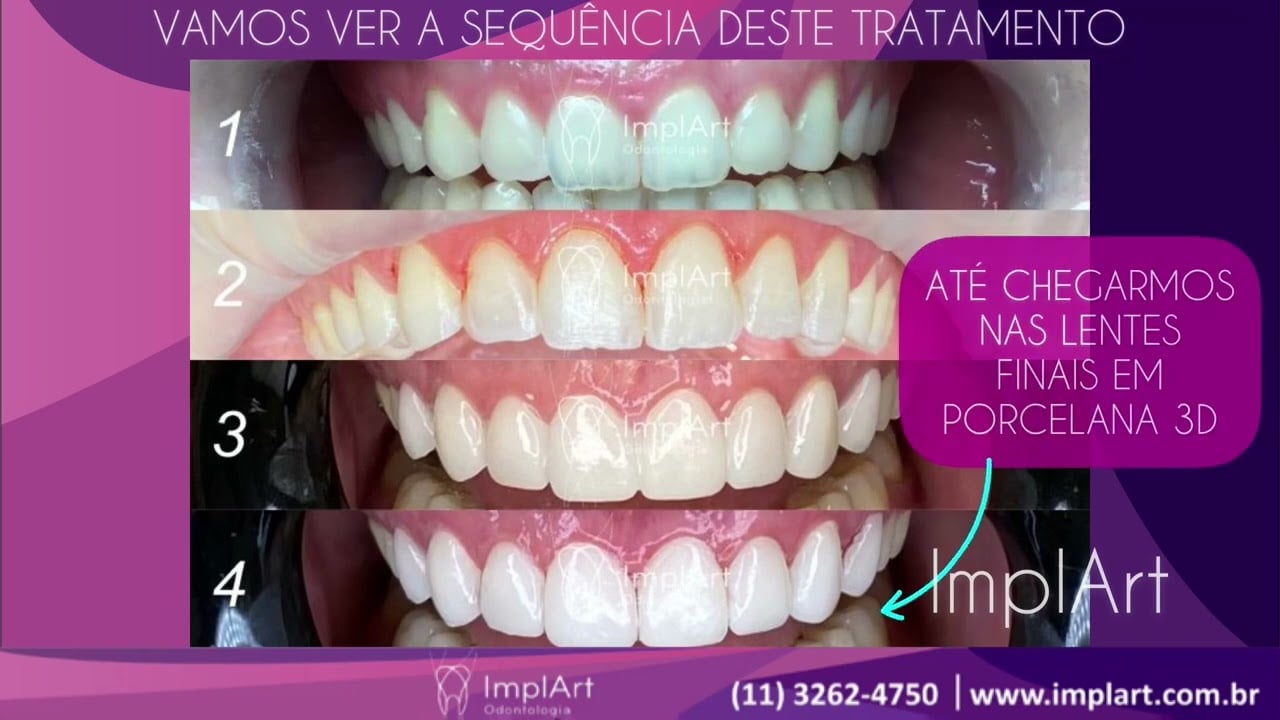
Example of a treatment with dental lenses: 1 – Initial situation, 2 – Tooth preparation (wear) and gingivectomy (removal of excess gum), 3 – Temporary lenses, 4 – Installation of definitive porcelain lenses.
Bonding dental contact lenses
Bonding is carried out after the tooth has been prepared, which involves professional cleaning to remove possible plaque and tartar buildup. The lenses are then bonded with cement specifically for dental use, without pain or the need to apply an anesthetic.
It’s a quick treatment and can even be carried out in a Day Clinic. The durability of dental contact lenses is undetermined. Porcelain is a very resistant material and has very similar characteristics to natural teeth.
Its surface is stain-resistant and does not require the patient to be cautious with highly pigmented foods and drinks, such as beet, carrots, wine, coffee, teas, etc.
Porcelain veneers for front teeth
This ultra-thin thickness does not require the tooth surface to be worn down in order for the lenses to be applied, so they differ from porcelain veneers. They are applied after the tooth has been prepared, which involves professional cleaning to remove possible plaque and tartar buildup.
The lenses are bonded with cement specifically for dental use, without pain or the need to apply an anesthetic. It’s a quick treatment which, in some cases, can be carried out in a Day Clinic. The durability of dentalcontact lenses is undetermined.
Porcelain is a very resistant material and, above all, has very similar characteristics to natural teeth. Its surface is resistant to stains and does not require the patient to be cautious with highly pigmented foods and drinks, such as beet, carrots, wine, coffee, teas, for example.
The average price of dental contact lenses can only be given in a dental consultation, as it depends on a face-to-face clinical examination, and the Federal Council of Dentistry prohibits non-face-to-face consultations. If you have any questions, please contact us through one of our service channels.
Dr. Roberto Markarian is a reference in dental implants and computerized dental prostheses in Brazil. As well as having more than 10,000 implants installed, he is a researcher and produces knowledge that is published worldwide in renowned scientific journals in the field of dentistry. He is responsible for promoting knowledge and high technology applied in all the treatments offered by the ImplArt Clinic.
Dentistry or aesthetic dentistry is the area of dentistry that works to restore dental aesthetics. In short, the resources available to improve the aesthetics of the smile include tooth whitening, dental crowns, resin or porcelain restorations, gum surgery (gingivectomy), and the application of modern dental contact lenses.
Contents
A more beautiful, white and harmonious smile is possible thanks to dental contact lenses and other aesthetic resources
Or even after wearing braces, when you want to improve some aspects of your smile, because during treatment you can’t change the aesthetics of your teeth.Modern dental contact lenses are ultra-thin porcelain veneers, suitable for correcting aesthetic problems with the teeth, for example:
Dental contact lenses are bonded to the surface of one or more defective teeth in a safe and non-invasive way. Because the lenses are ultra-thin, installation requires little or no wear on the teeth before they can be bonded.
The lenses are made from porcelain, the best bio-safe material used to make dental prostheses, which is similar to natural teeth in terms of its texture and shade, as well as its translucency.
This way, if the dental contact lens is applied to just one defective tooth, it won’t contrast with the neighboring natural teeth. It is certainly an aesthetic procedure that has come to completely change your smile for the better.At ImplArt, the lenses are designed and made by better computerized systems and 3D printers.
In conclusion, the last stage of the procedure is the preparation of the tooth, the application of dental cement and the bonding of the dental contact lens. Dental contact lenses are very durable, as long as the patient takes care not to bite down on hard objects and makes regular visits to the dental practice. Alternatively, veneers can be made from resin with a lower finish.
Dental contact lenses can improve the aesthetics of front teeth
Porcelain dental crowns for aesthetic purposes
Dental crowns and porcelain blocks can be made in cases of tooth damage such as broken teeth. It is very common for patients with bruxism to need cosmetic treatments as they can lose part of their enamel or even entire teeth due to the force applied to their teeth.
An aesthetic composite resin restoration is a dental aesthetic procedure in which a resin composite material is used to repair or rebuild the structure of an aesthetically compromised tooth.
This technique is often used to correct cavities, fractures or discolorations in order to restore the shape, function and natural appearance of teeth.
During the process, the dentist removes the damaged part of the tooth, prepares the affected area and applies layers of composite resin, carefully shaping them to ensure a perfect fit with the dental anatomy.
The resin is then hardened with special ultraviolet light.
The advantage of composite resin lies in its ability to mimic the color and texture of adjacent teeth, providing an aesthetic and long-lasting end result while preserving the structural integrity of the restored tooth.
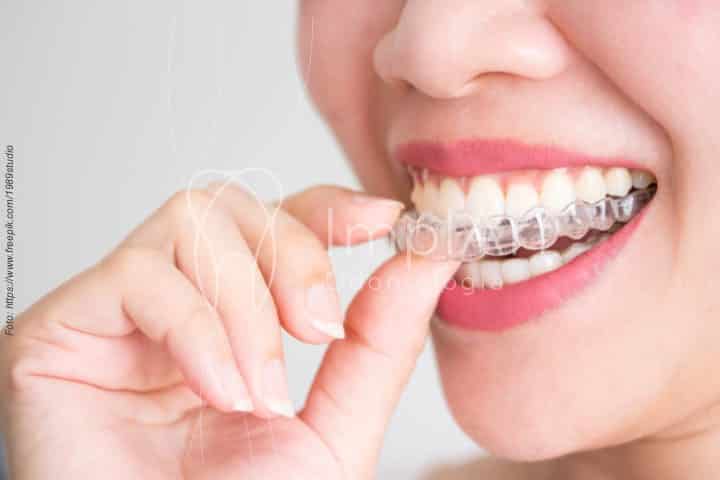
Discover more discreet and transparent orthodontic braces to move your teeth without having pieces glued to your teeth.
Dental aesthetics and smile harmony
ImplArt Odontologia has a team specialized in carrying out aesthetic dental treatments, especially the application of dental contact lenses, including model treatments. What’s more, thanks to its own prosthetic laboratory, the best design and manufacture of dental contact lenses can be carried out very quickly, without intermediaries.
The three-dimensional design of the lenses is personalized for each patient, so that the patient can better participate in the process of choosing the shape and shade together with our team.
If you have any questions about the prices of cosmetic dental and gum treatments, as well as planning, please contact our team or come and visit us. We’ll be happy to help you!
The metal-free porcelain crown provides aesthetics combined with strength and durability
What is a porcelain crown?
A porcelain crown is an artificial tooth – a dental prosthesis – that resembles in form and function a natural tooth that has been damaged. Porcelain crowns can also be grouped together to make fixed bridges or fixed porcelain prostheses. Here at the ImplArt Dental Clinic in Brazil, we make metal-free crowns using completely computerized systems. We therefore offer our patients the most modern systems and the most advanced results.
What is dental porcelain?
Porcelain is a material that resembles glass and is used to reconstruct teeth. It has a natural color and high resistance. It is also called dental ceramic.
Types and materials of porcelain crowns
In short, there are different types of materials used to make porcelain crowns: the older materials use metal and the more modern ones are metal-free. Porcelain crowns with metal internal structures are called metal-ceramic and crowns with a white structure such as zirconia are called metal-free.
There are also crowns that do not use internal structures and are made using computerized methods. In addition, covering a destroyed natural tooth with a ceramic crown is essential for oral health, as it will restore the patient’s chewing ability and even allow them to eat hard foods.
The advantage of the metal-free porcelain crown is that it is more aesthetic, since pure porcelain is a white material. As a result, the structure is not visible inside the crown even in brightly lit environments. The new generations of porcelain crowns are made using cad/cam methods according to computerized designs and don’t even require layers of internal reinforcement like metal and zirconia. They are made from a single (monolithic) material. These are digital, metal-free porcelain crowns whose main advantages are aesthetics and speed of production.
Another innovative material for making a new porcelain crown is translucent zirconia, a material that is up to 10 x stronger than ordinary porcelain crowns. For this reason, they are highly recommended for the oral rehabilitation of back teeth and in patients with bruxism. Oral rehabilitation with crowns can be carried out on implants, on roots with root canal treatment and on natural teeth without root canal treatment.
Fitting dental crowns requires preparation (tooth wear) so that the crown fits correctly. The main digital technique we use is Cerec 3D, an intraoral molding system with scanners and robotic tooth production.
Before a permanent prosthesis is made, we will make a temporary prosthesis so that you don’t lose your tooth. After the rehabilitation treatment, you will be able to lead a normal life, eat hard food and clean your teeth every day with a toothbrush and dental floss. The ImplArt Clinic specializes in dental prostheses and can offer you a porcelain crown with state-of-the-art technology.
Porcelain crown: advantages and indications
Porcelain crowns are fixed dental prostheses that mimic the shape and appearance of natural teeth. When a tooth is badly damaged, it may be necessary to have root canal treatment and a porcelain crown. By Dr. Roberto Markarian, graduated dentist and specialist in dental prostheses and dental implants in São Paulo, Brazil.
What is dental porcelain?
Choosing the ideal dental prosthesis can lead to confusion when faced with a number of options. Fixed dental prostheses must meet both functional and aesthetic needs. These are the main objectives that determine the choice of the ideal material. Before choosing the material, it is first necessary to understand the differences between the types of porcelain dental crowns. The main one is the reinforcement technique, which is the part required for masticatory efforts. Understand the differences better:
Metal-ceramic crown
The porcelain dental crown is built on a metal structure. It is durable and aesthetic, and can be used on both anterior and posterior teeth. However, in some cases, it may not achieve the best aesthetic result on anterior teeth, because the dark metal inside the prosthesis can leave the crown looking darkened when subjected to intense lighting.
Porcelain crown with metal-free zirconia
This is a porcelain crown mounted on a white zirconia structure, which is therefore metal-free. It is highly durable and has excellent aesthetic results, as the white zirconia of the internal structure leaves the crown with a natural appearance very similar to the natural tooth. The porcelain crown with zirconia can also be fixed on dental implants and is completely computer-engineered and made on a 3D tooth printer. It is also an indication for people with metal allergies.
Pure porcelain crown
It has excellent aesthetic results and great resistance. The material used is lithium disilicate or feldspathic ceramic. Because this ceramic is very translucent, it is not normally suitable for use on darkened teeth or on metal posts.
Porcelain crown for natural teeth with excellent anatomy and aesthetics
How much does a porcelain crown cost?
Treatment prices can only be given after a face-to-face dental consultation. This is because the patient needs to be thoroughly assessed so that our team can understand their functional and aesthetic needs. Only then can we recommend the most appropriate treatment. In many cases, our team will offer a number of treatment options and respective outcome expectations, and the patient is free to choose.
Porcelain crowns can be made quickly in our clinic using our Day Clinic method for porcelain crowns. At the end of the porcelain crown treatment, it is important to maintain good oral hygiene by flossing daily and brushing regularly.
If you are far away, it is possible to have an online consultation, also known as a teleconsultation. This preliminary consultation takes place with our clinical director, Dr. Roberto Markarian, who will be able to make a preliminary assessment of your case and make recommendations for your treatment. This also applies to those who need dental implants, as we can plan your dental implant surgery remotely.
Dental contact lenses are ultra-thin porcelain veneers (0.2 mm), used mainly to correct some aesthetic dental problems. They work similarly to “caps” that are bonded to one or more teeth to cover stains, small dental fractures and other defects, or to change the shape and size of teeth.
How to transform the aesthetics of your smile with dental contact lenses?
Dental contact lens treatment is certainly the smile of the famous.Dental contact lenses are completely computer-designed and made from dental porcelain by milling machines (3D printers).
Dental porcelain is a vitreous ceramic material (lithium disilicate) that is very resistant and, above all, imitates the texture and shade of natural teeth. It is also a safe material that is totally biocompatible with the human body.
The project is carried out according to images obtained by an intraoral scanner – a high-precision camera.
Stages of a dental contact lens treatment in our clinic that works with CAD CAM computerized techniques
Immediately after milling, dental contact lenses have a shape, color and texture comparable to natural teeth, even imitating the characteristics of neighboring teeth. Because they are ultra-thin, installation requires little or no wear on the natural teeth. Indications for dental contact lenses:
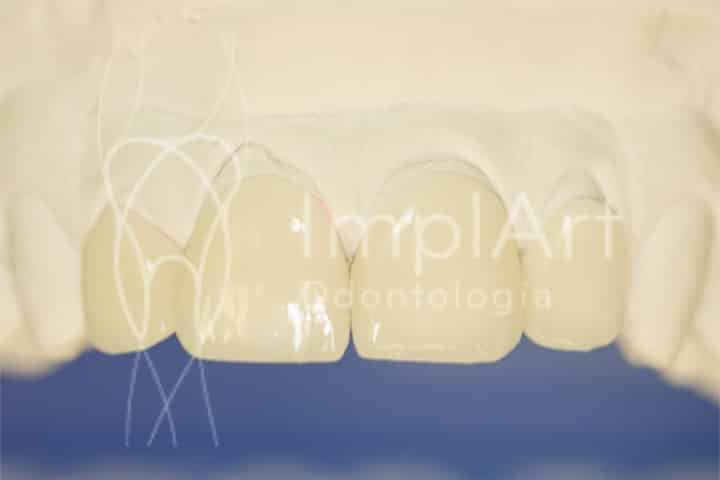
This porcelain lens was made using a computerized technique. Note that the machine sculpts the block until the dental contact lens is extracted from it
They don’t require much tooth grinding to be installed
Preserves the structure of the teeth
No discomfort in chewing function
Porcelain doesn’t change color over the years
Incredibly natural and harmonious result
It can be designed and executed in a short time, in some cases even in a Day Clinic.
Porcelain lenses made using digital techniques
At the ImplArt dental clinic, all this work is primarily done in a precise and personalized way for each patient. This is only possible because we have CAD/CAM-based technologies on our premises, which not only carry out the computerized design of the treatment, but also the execution of the dental contact lenses.
Many people want to know how to get a dental implant. The installation of dental implants is certainly a very simple procedure. In the case of single implants, it shouldn’t take more than 30 minutes to place.
How to get a dental implant if I’m afraid of surgery. What should I do?
In general, there is only mild discomfort after an implant has been placed and you’ll be able to work the next day. So you don’t need to worry about the details of how to get a dental implant.
However, it’s important to note that there is little innervation for pain in the bone, with only the gums providing sensitivity (which is easily controlled with medication). If necessary, conscious sedation can be used to reduce anxiety. Read a full article on why you shouldn’t be afraid of implants.
What are osseointegrated implants?
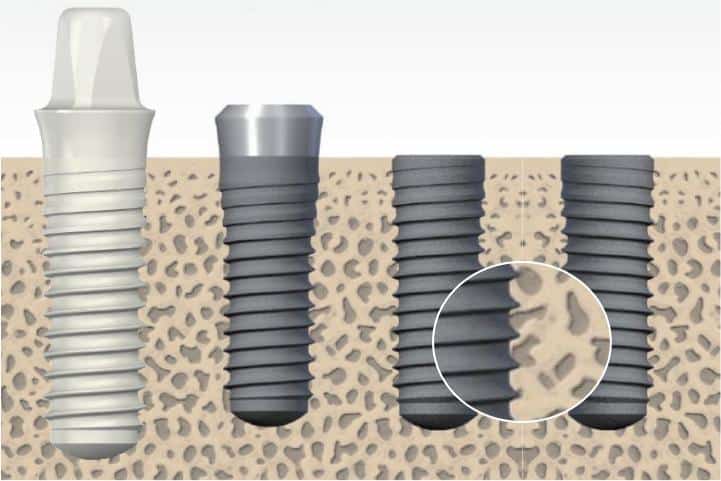
They are a new generation of implants introduced in the 1960s, but which have only now reached a degree of universal acceptability. Osseointegrated implants are made of titanium or all-ceramic and are placed in toothless areas. They are able to perform masticatory and functional functions in a similar way to natural teeth.
It is usually carried out in two stages: firstly, the insertion of the implant – a more extensive operation – and secondly, a few months later, the placement of devices that will support the prostheses. These can be made within a short period of time after this second stage.
Today we have a wide variety of dental implants available in different lengths and diameters to meet many oral rehabilitation needs. There are even some with physical and chemical technology on the surface that favors and speeds up the osseintegration process, allowing implants and prostheses to be installed in up to 1 month.
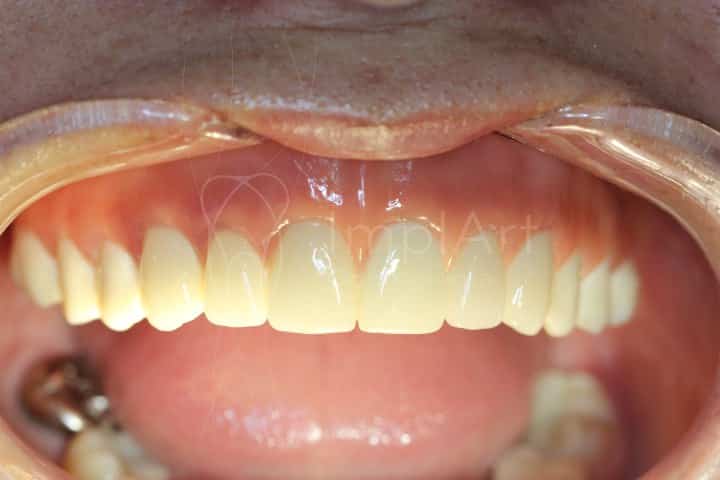
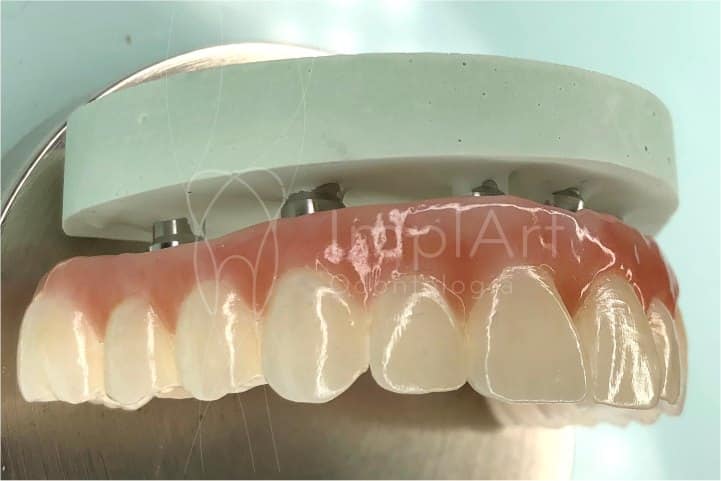
Example of treatment to replace a mobile prosthesis with a fixed prosthesis on implants (zirconia prosthesis). The fixed prosthesis offers more comfort, beauty and security than a mobile prosthesis.
Are implants better than removable dentures?
Yes, dental implants are certainly better than dentures and removable prostheses (mobile bridges). They have similar functional capacity to fixed dental prostheses in cases of relatively small edentulous spaces.
But the choice of one treatment or another must be carefully analyzed by the professional according to the patient’s request, as the situations are very diverse and prevent discussion with fixed rules. However, in cases of total edentulism or posterior areas, the solution with implants is usually better from a functional point of view.
Long-term studies have shown that certain types of implants have success rates of over 90% for implants placed and success rates of over 97% for prostheses (because the loss of an implant does not necessarily mean the loss of the prosthesis, as it is supported by other implants).
However, this success rate is average and does not apply equally to all areas of the mouth. The failure rate in lower edentulous patients is close to 0% (zero percent) and in the posterior region of the maxilla, with less dense bone and after placing short implants (due to the maxillary sinuses), the rate can reach 33%. Read the full article on problems that can occur with implants.
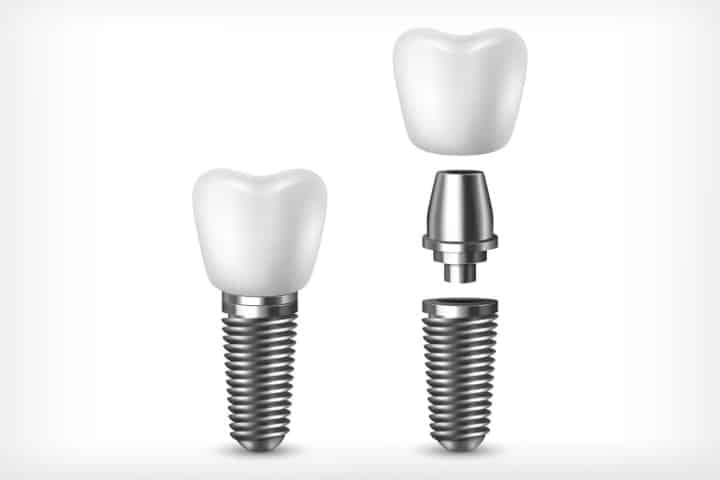
Dental implant and connected tooth (crown)
What’s so magical about titanium dental implants?
Titanium has been used in orthopedics for many decades. Simply put, titanium does not corrode when inserted into the human body and does not show immune rejection phenomena, in the same way as other metals in the same family, such as niobium for example.
The success of the technique is due to a good set of factors and the characteristics of titanium are undoubtedly positive, but on their own they do not guarantee the success of the procedure. Success depends, in short, on the planning of the surgical technique (which avoids overheating the bone), a healing period without the prosthesis being fitted, and the fitting of a suitable prosthesis.
This implant protocol has details that cannot be overlooked, and a competent professional who is well trained in the technique can achieve excellent results.
Is there a guarantee of success when getting a dental implant? Can I get rejection?
In principle, a high success rate is a good guarantee, but in biological processes there is always a certain amount of imponderability. There is no possibility of absolute certainty of success, but due to the aforementioned rates, the discomfort of surgery is much less than the benefit of having a fixed prosthesis. Even in cases of failure, the procedure can be redone after some time.
I have a tooth with a small infection. One dentist says to do surgery on the root and leave the crown as it is. Another thinks it’s better to get an implant. The price difference is huge. Which would be better?
Nowadays there is a tendency to opt for implants because we know that the treatments last a long time and have predictable results. This way, the cost/benefit of the treatment certainly pays off.
How long does a dental implant last? What is its lifespan?
It can be said that in 95% of cases, if dental implants are not lost within the first two years of use, they are likely to last for most of the patient’s life.
Are dental implants aesthetically pleasing?
It depends a lot on the system used and the local conditions. Aesthetics have improved a lot in recent years. Remember: however good the implant and the professional, a dental implant is still a prosthesis, i.e. the replacement of natural teeth with artificial ones. Excessive expectations of implants are common, but they are usually followed by a certain amount of frustration.
In many cases, the aesthetic solution is only acceptable. The best reasoning is functional: the implant is far superior to other prosthetic procedures and in the absence of teeth, it is certainly the best that can be achieved.
Should I go back to the dentist after implants and dentures?
From the outset, patients must be aware that they are a fundamental part of the success of the treatment. They must commit to maintaining proper oral hygiene and attend check-ups for professional cleaning of the prosthesis and even for radiographic examinations to monitor the implants inside the bone.
Isn’t it overkill for the dentist to order a CT scan to analyze the bone?
No, especially in the upper arch. A detailed study using computed tomography avoids surprises, especially those in the previous question.
If there isn’t enough bone, are there ways to increase the amount of bone available?
Yes, in the maxillary area, surgeries can be performed to augment the ridge and/or lift the maxillary sinus, taking bone from the chin, the ramus of the mandible or the iliac crest. In this way, the bone grafting technique can be used to correct small defects (powder bonegrafting ) and large defects (block bone grafting).
Read more about bone grafting here. In the mandible, deviation of the inferior alveolar nerve can also be performed, but the possibility of post-operative sequelae greatly reduces its indication.
Because it’s a foreign material, are there any risks of rejection or contamination with viruses, for example? How is an implant sterilized?
No rejection occurs , as titanium is an immunologically inert material. As for contamination, when it does occur, it’s usually through surgery and not due to flaws in the implant manufacturing process. Any of the methods normally used to sterilize implants – gamma radiation or gas – offer total safety.
Can implants be placed in people who are pre-disposed to plaque?
Yes, those with a predisposition to plaque and periodontal disease can have implants, as long as the process is controlled and there is a commitment to oral hygiene after rehabilitation, including regular visits to the dental office for professional cleanings.
How much do dental implants cost?
The price of any dental treatment can only be determined through a face-to-face consultation in which many aspects specific to each person will be assessed. Oral rehabilitation with dental implants is not a standardized procedure that is the same for everyone.
Each case has its own particularities and must be answered with specific procedures before calculating a price. We at ImplArt Odontologia would be delighted to receive your visit so that we can better understand your case! If you have any questions, please contact us through one of the channels below.
Do dental implants make the metal sensors at the bank or airport beep?
In the vast majority of cases, the dental implant is not detected by the metal sensor at the bank or airport. However, we have heard reports of sensors beeping when the dental prosthesis is made of metal. However, today we have options for metal-free dentures that don’t carry this risk, such as zirconia dentures.
Contact lenses price and duration or dental contact lenses value are common doubts among people who would like to improve their smile. Find out all about this aesthetic treatment that can transform smiles:
The price and duration of dental contact lenses can vary according to the technique and material used. It is important to consult our specialists for precise information on the cost of treatment. Contact lenses are a modern aesthetic option for improving your smile, as they are made from high-quality porcelain.
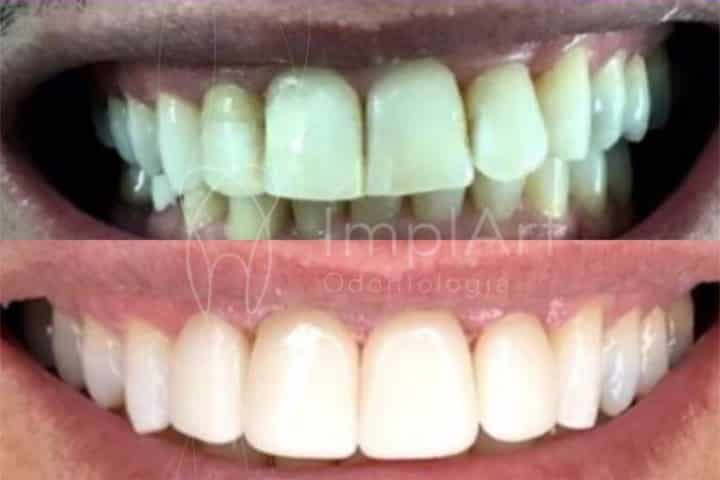
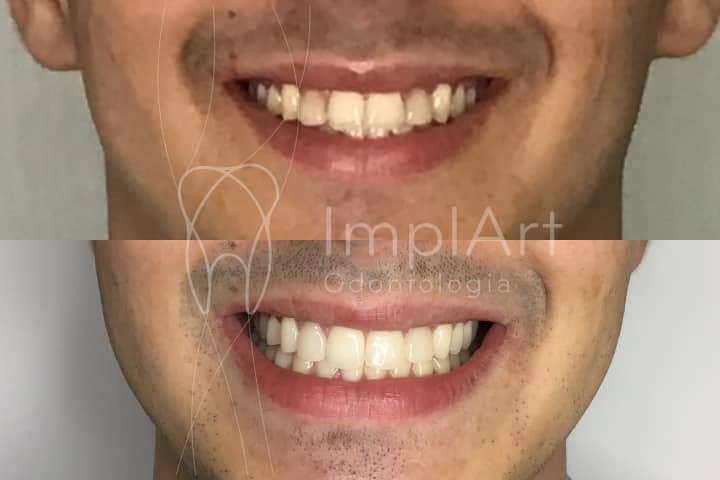
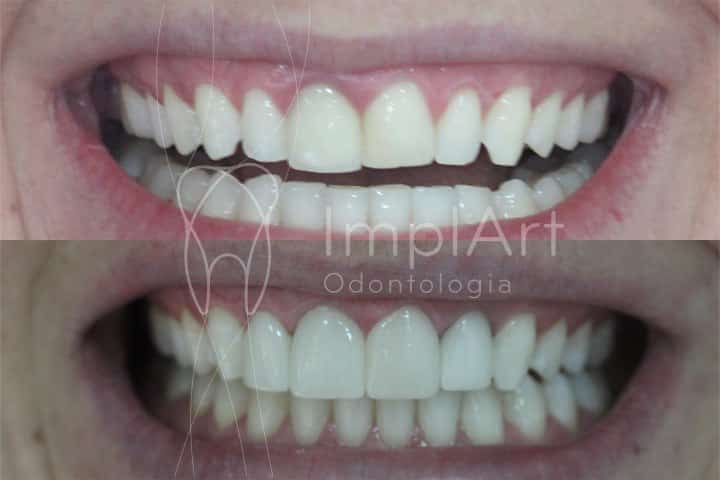
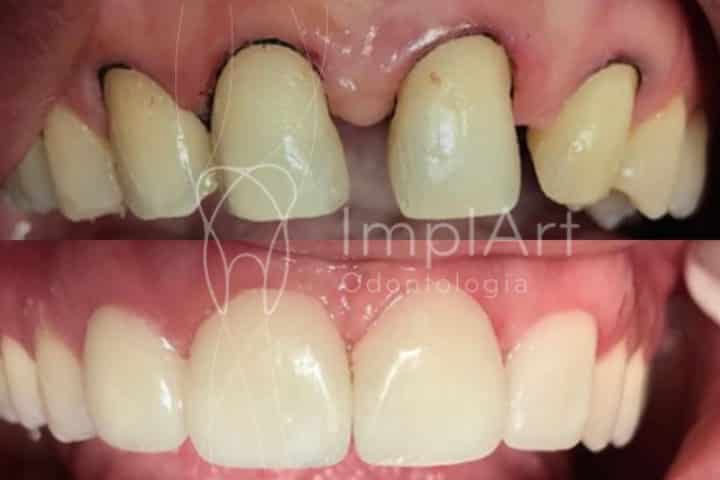
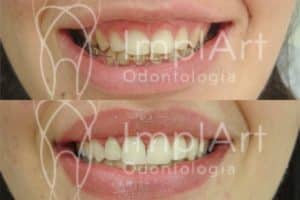
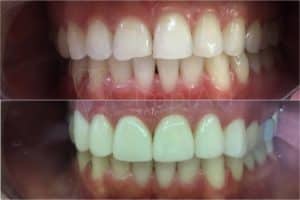
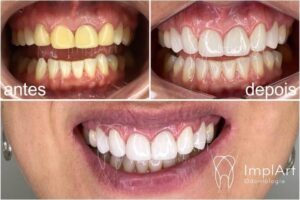
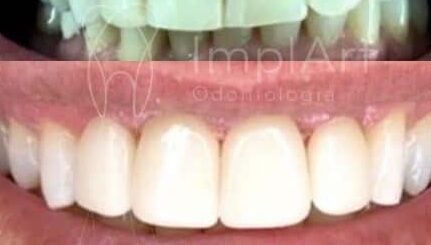
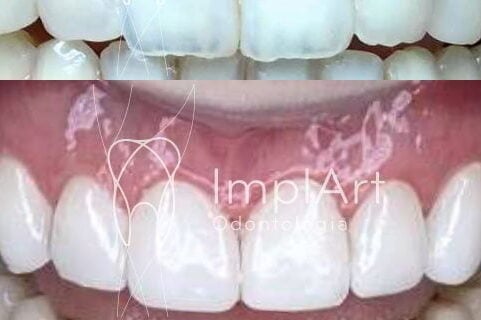
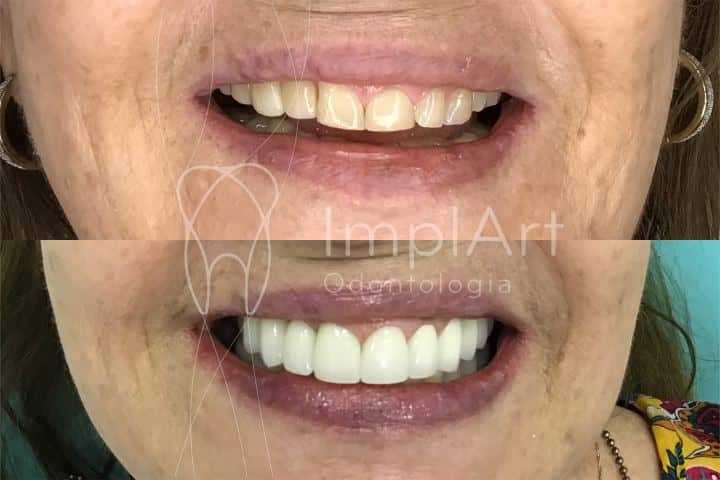
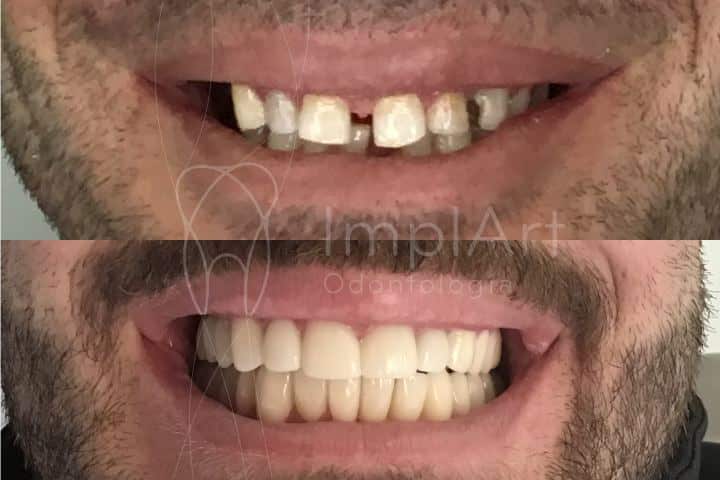
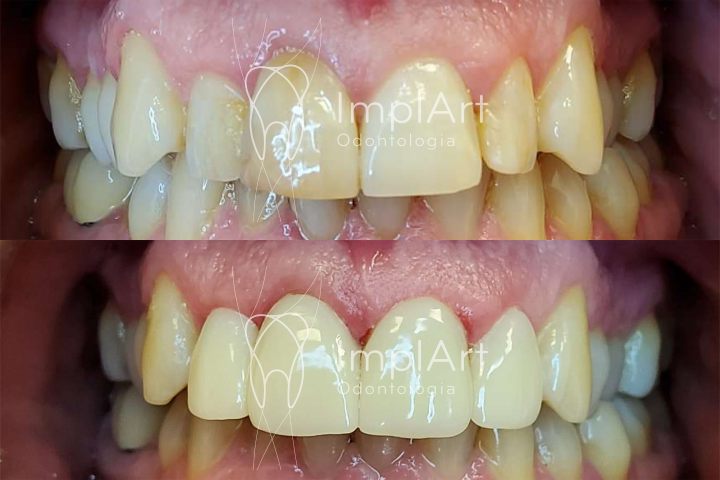
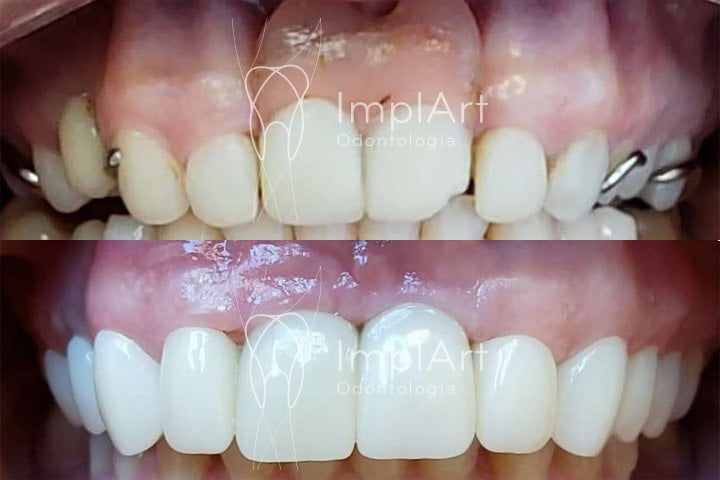
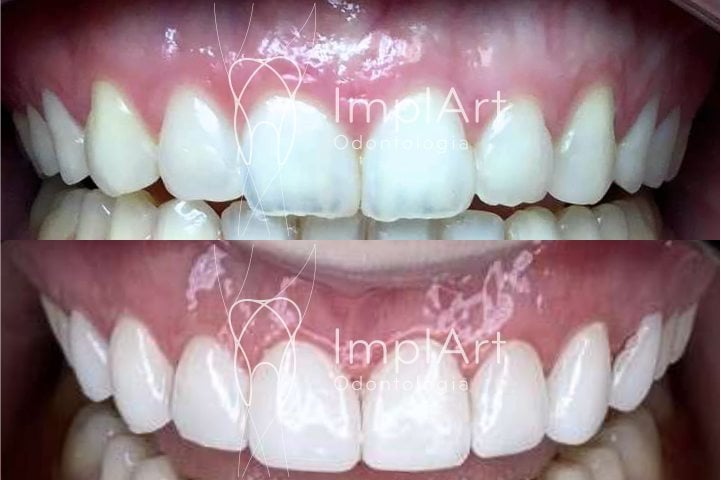
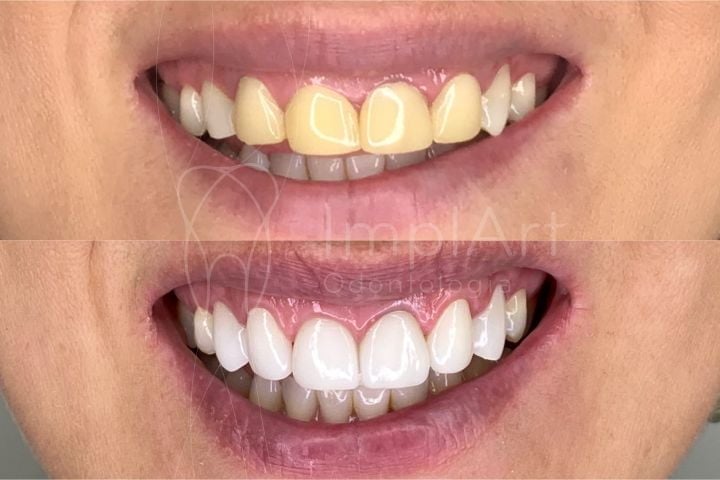
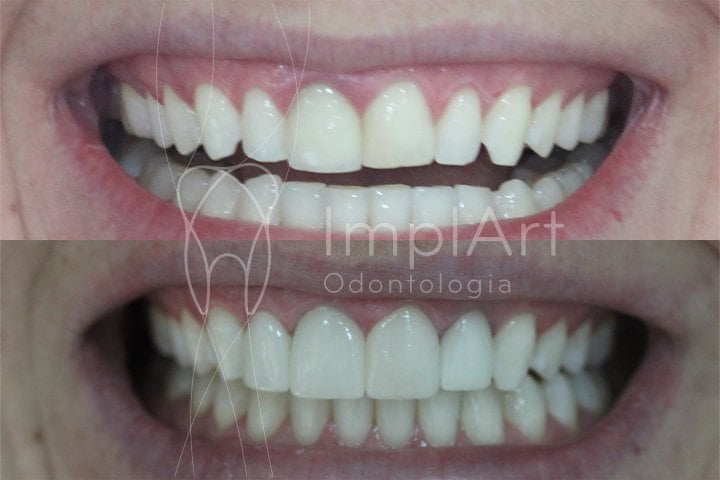
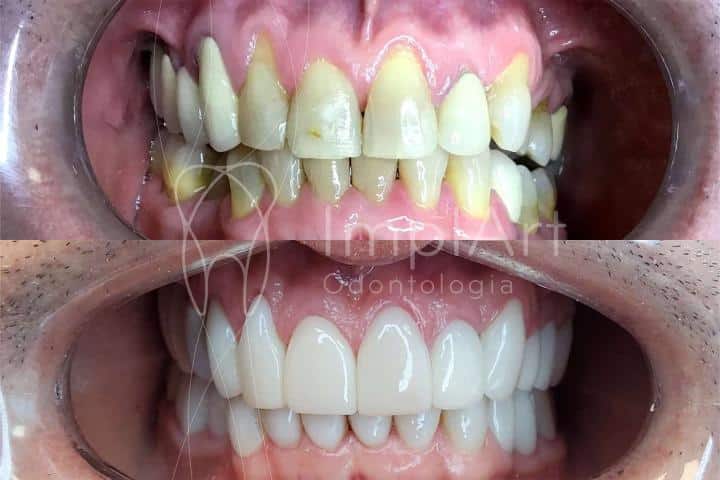
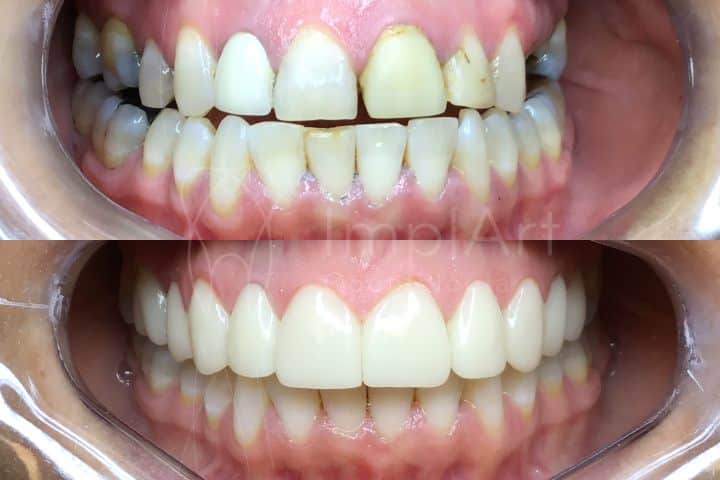
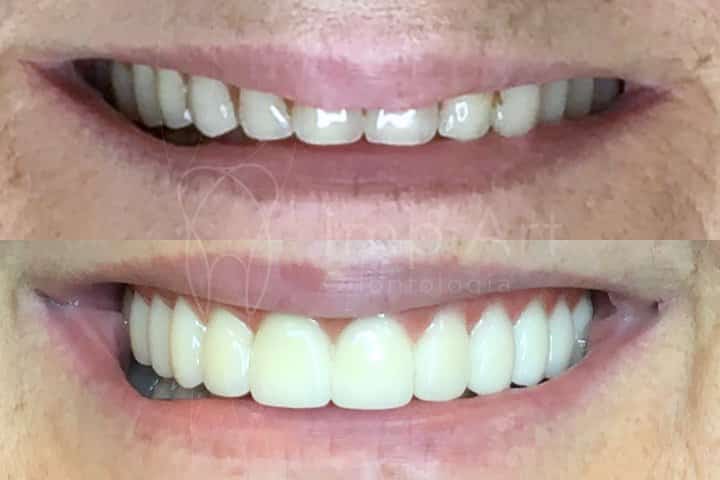
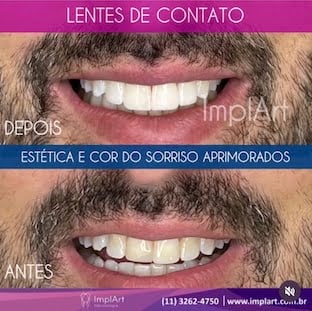
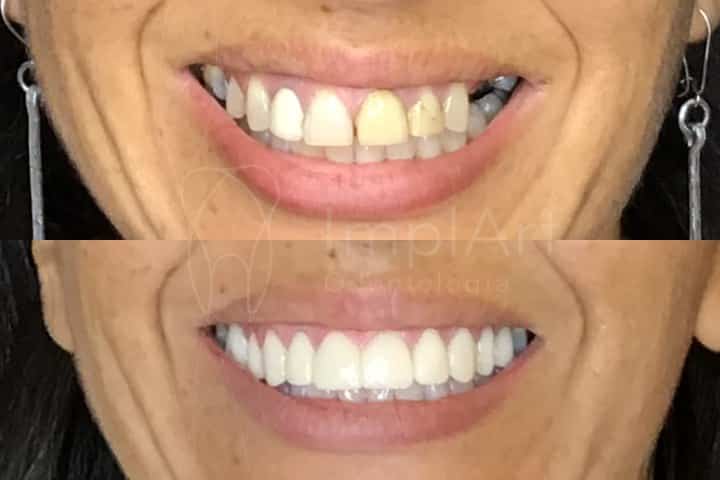
The manufacturing process involves the use of advanced technology, such as milling on modern equipment, guaranteeing an ideal aesthetic result. The digital laboratory plays an important role in the creation of contact lenses, allowing detailed and personalized planning for each patient. Below is a photo of a case with BEFORE and AFTER PORCELAIN CONTACT LENS:
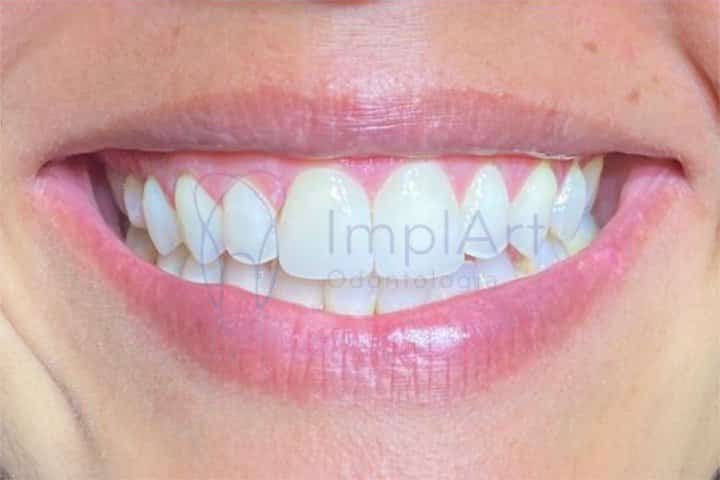
Dental contact lenses can radically change the appearance of a smile!
Topics in this article about dental contact lenses
What are dental contact lenses?
Dental lenses are a modern technique that can certainly transform the aesthetics of your smile quickly.They are ultra-thin porcelain veneers (0.2 mm) that are bonded to the outside of the teeth in order to correct certain defects in the teeth.
This is the case, for example, with stains, small fractures, asymmetries, diastemas (exaggerated space between teeth), very short teeth, among others. Dental contact lens treatment is undoubtedly the secret to the smiles of the famous.
What is the best material for dental contact lenses?
They are made from dental porcelain. This is a glassy ceramic material (lithium disilicate) that is very resistant and imitates the texture and shades of natural teeth. It is certainly a safe material and totally biocompatible with the human body.
Step-by-step instructions for dental contact lenses
What is the difference between dental contact lenses and resin veneers?
Dental contact lenses are now associated with an aesthetically natural smile and their development involves modern computer graphics techniques and 3D printers.
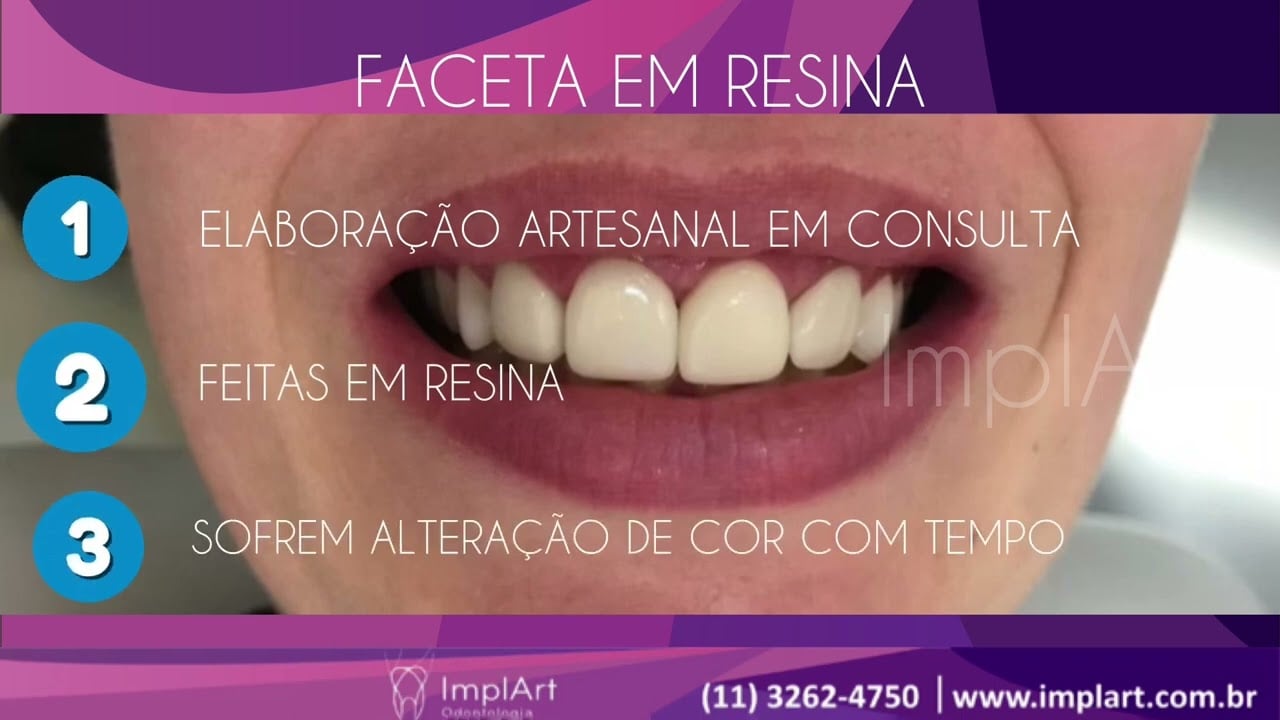
Nowadays, however, we see that the old resin veneers are becoming more popular. Of course, it’s important to note that resin is a far inferior material to porcelain. Therefore, it is likely that the option of resin veneers has gained ground mainly due to their price and low treatment costs. Although resin veneers are a more economical option, they have a tendency to yellow over time and, in most cases, promote extra tooth volume. Resin veneers therefore offer no advantages over dental contact lenses. See below for a video showing the differences between Porcelain Contact Lenses and Resin Veneers:
How are dental contact lenses made?
In a consultation, the patient is first examined and listened to by the dentist so that all their expectations are understood. Our team will then check whether this treatment is the right one for you.
At the ImplArt Clinic, not only the design but also the execution of the contact lenses is done using computerized systems. The computerized design is based on images obtained by an intraoral scanner.
A high-precision camera with Danish technology is passed over the teeth and a digital mold is created on the computer screen. The digital impression reproduces every detail, such as shape, color and texture.The images of the digital mold are used to plan the lenses, the choice of shade and the shape.
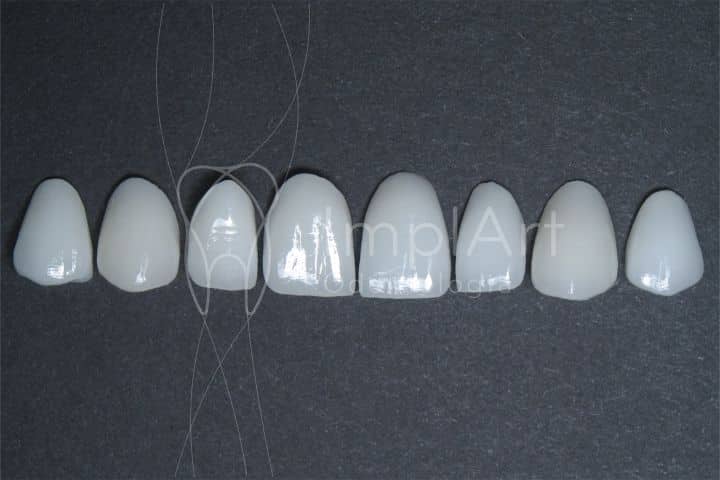
Ready-made dental contact lenses for the front teeth (8 teeth) made on a 3D printer.
The aesthetic design takes into account that the lenses match the neighboring teeth, as well as each person’s face and personality.One of the great advantages of the computerized design of the lenses is that the treatment can be fully simulated and the patient can see what their teeth will look like.Once the design has been approved, the lenses are then made in 3D printers.
Preparing teeth for lenses: is there wear on the teeth?
Because dental contact lenses are ultra-thin, they have the great advantage of requiring little or no wear on the teeth in order to be bonded.The lenses are then bonded onto the prepared teeth with a type of dental adhesive.
It’s worth noting that dental contact lenses are firmer when bonded to the front teeth than to the back teeth.The work is almost always done without anesthesia in the area where the contact lenses will be placed, but when the preparation requires some wear that reaches the dentin, anesthesia is applied to avoid discomfort. Watch the video below to see how the tooth is prepared to receive the Dental Contact Lens:
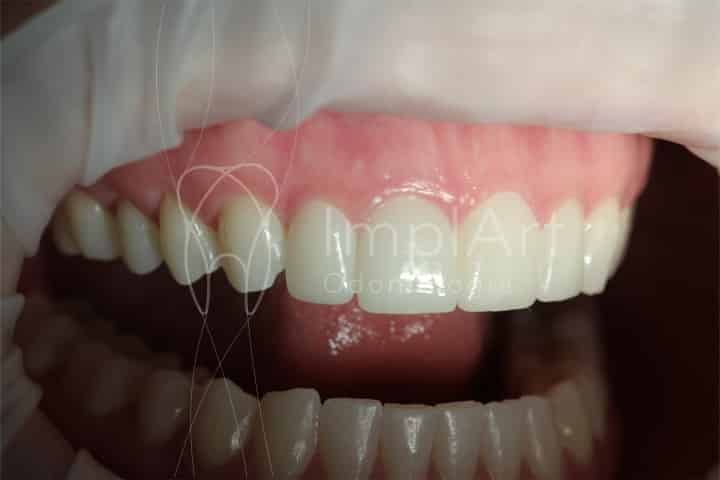
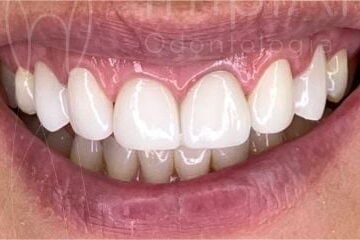
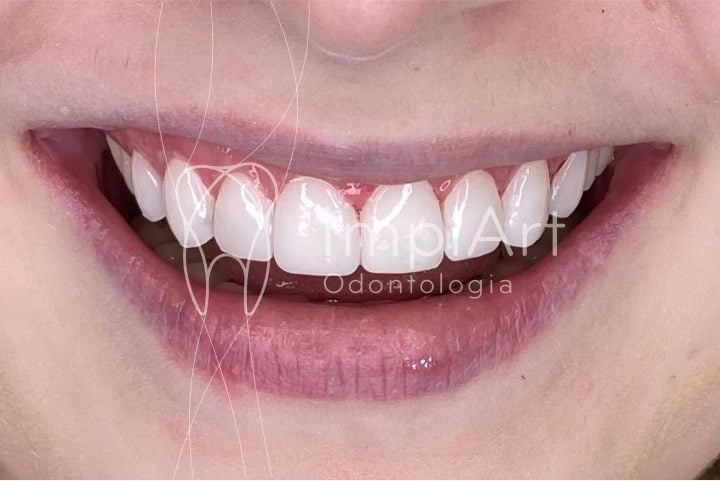
Aspect of a case with newly fitted contact lenses on the top teeth
Do dental contact lenses always have to be very white?
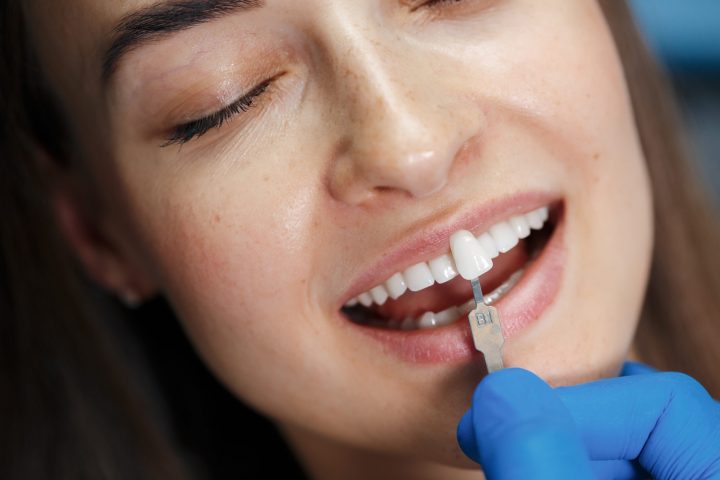
Many patients want to get contact lenses and are afraid that their smile will look too white and artificial. Certainly the choice of the color of the prostheses, including the lenses, generates expectation in the patient, as they are, after all, a fundamental part of the treatment. Dental contact lenses can produce very natural and harmonious results. First of all, it’s important to note that there is a very wide range of colors for computerized contact lenses. Of course, here at the ImplArt Clinic you will be guided to choose a shade that is in harmony with you, through visagism techniques and with professional guidance.
Color of contact lenses should be natural
Contact Lens treatment can be combined with crowns and implants
Yes, contact lens treatment can certainly be combined with other patient needs. Therefore, if the patient needs dental implants, dental crowns or contact lenses on other teeth, the treatment is planned together.
According to Dr. Markarian, our clinical director, the contact lenses are designed in computer graphics along with the dental crowns on implants. They are then printed on the modern 3D milling machines in our digital laboratory. In this way, the smile presents natural and long-lasting final results. Both the teeth that have been fitted with Contact Lenses and those with dental implant crowns will have harmonious shades and shapes.
Some indications for dental contact lenses
Covering stains on teeth (in the case of very dark stains, another treatment may be indicated)
Tooth augmentation – suitable for people with very short teeth
As the treatment is definitive, it is not possible to remove the lens and leave it without a replacement, as the tooth has been prepared for the placement of the lens (enamel wear). This is why the treatment must be well planned between dentist and patient to avoid regrets.
Contact lenses on the front teeth. The side tooth shows the amount of wear needed to place the aesthetic dental lens.
How long do dental contact lenses last?
The duration of dental contact lenses depends on certain precautions, such as:
Good treatment planning and execution, important to promote the best adaptation of the lenses to the teeth and gums
Good quality materials (porcelain and dental cement)
Proper oral hygiene
Regular visits to the dentist
Use a brush with soft bristles and brush gently to avoid receding gums.
Food (beware of acidic foods that can aggressively damage porcelain)
Avoid biting your nails or chewing on hard objects
However, dental contact lenses have a limited lifespan and may need to be replaced after a few years (5 to 10 years).
Images of Dental Contact Lens and Implant treatments together.
Contact lenses before and afterContact lenses before and afterContact lenses before and afterContact lenses priceDental contact lensesContact lenses before and aftercontact lenses before and afterDental contact lensesContact lenses before and after
Contact lenses price
Prices and values of dental treatments and dental contact lenses can only be given after a dental consultation. There are three main reasons for this:
The Code of Ethics of the Federal Council of Dentistry prohibits dentists from carrying out consultations without evaluating the patient.
Dental treatments can only be indicated after a careful assessment of the patient. There are numerous factors that influence the planning and price of a treatment, such as materials, techniques used, extent of the problem, etc.
The third is the importance of being assessed by a professional dentist who makes dental lenses, who is attentive to all the details of oral health, not just aesthetics.
It is certainly important to emphasize that a dental treatment cannot be compared by its price. The value of a treatment involves several factors and choosing by price alone cannot be a determining factor. Choose the quality and seriousness of the professional, not just the price!
We at Clinica Dentaria ImplArt are on hand to answer any questions you may have about this important and renewing treatment! Contact us to schedule your evaluation appointment with Dr. Roberto Markarian, our clinical director. If you are far away, abroad or in another state, there is always the possibility of scheduling your appointment online.
Dr. Roberto Markarian, specialist in prosthodontics.
Dr. Roberto Markarian is a reference in dental implants and computerized dental prostheses in Brazil. As well as having more than 10,000 implants installed, he is a researcher who produces knowledge that is published worldwide in renowned scientific journals in the field of dentistry. He is responsible for promoting knowledge and high technology applied in all the treatments offered by the ImplArt Clinic.
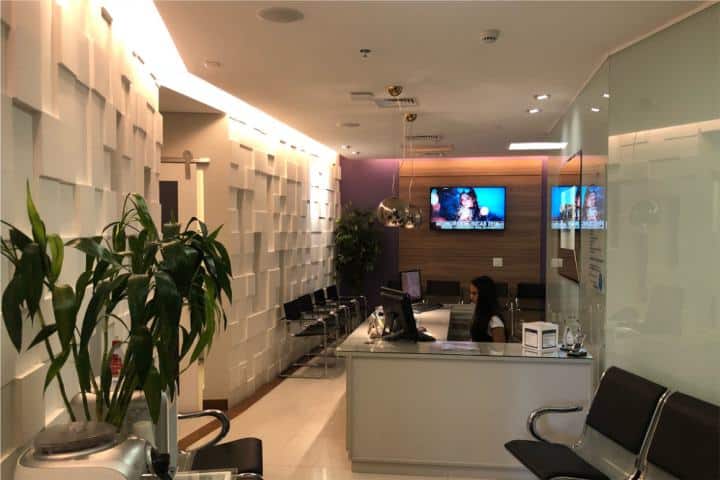
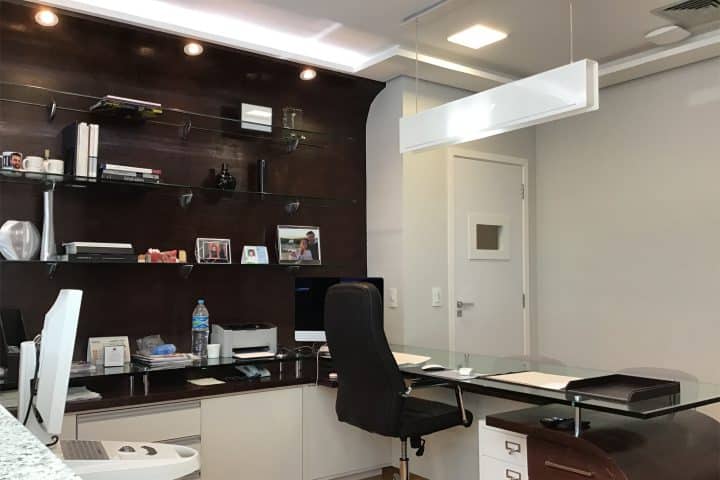
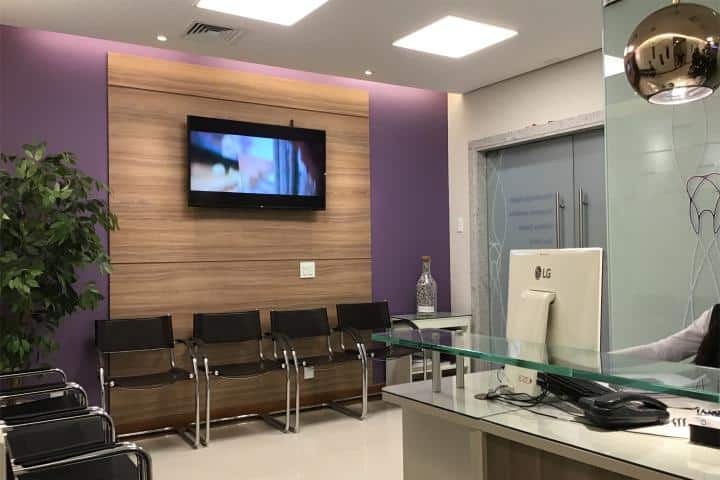
In the contemporary landscape of dental care, the demand for experiences that extend beyond traditional treatments and offer an environment of comfort and well-being has gained significant traction. In São Paulo, the ImplArt Dental Spastands as a true pioneer in this innovative concept, redefining the standard of dental treatment and patient care.
By seamlessly integrating highly complex procedures with a relaxing and welcoming atmosphere, ImplArt not only ensures clinical results of the highest caliber but also provides a uniquely personalized patient journey. This groundbreaking approach has firmly established ImplArt Dental Spa-Sao Paulo as a benchmark in the city, demonstrating that it’s indeed possible to unite cutting-edge dental technology with a deeply humanized approach to health and wellness.
ImplArt is a pioneer in Day Clinics in Brazil and we can offer you the most advanced services in dentistry today. With the best dental technology, we plan and execute your Day Clinic with the highest quality at the ImplArt Dental Spa.
Dental Spa and Dental Day Clinic at ImplArt Day Clinic Dental Spa: faster dental treatments
The ImplArt Dental Spa Day Clinic is especially suitable for executives, for people who live in other cities/states/countries.
Most dental treatments can be carried out at the Dental Day Clinic, including procedures such as implants, crowns and aesthetic restorations, prostheses, veneers or dental aesthetic techniques, subject to prior planning by the dental spa.
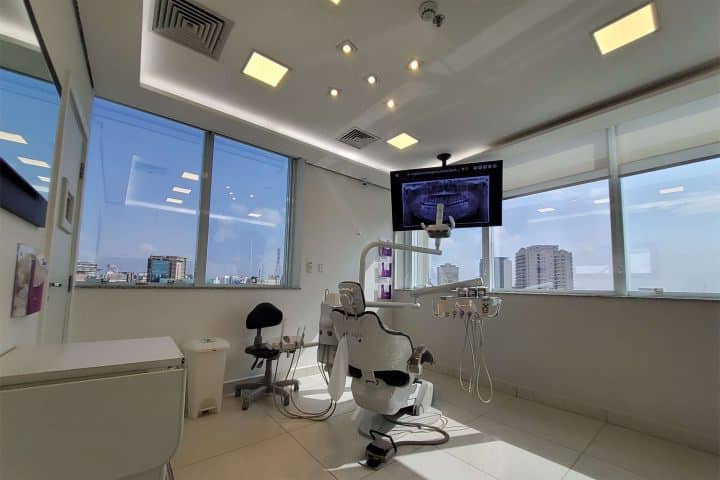
We have all the infrastructure to hold your Day Clinic in complete comfort.
Our in-housedental laboratory facilitates not only computerized treatment planning, but also the rapid completion of dental spa work, maintaining high quality materials and avoiding errors and problems.
We also have a digital radiology center within the clinic, which speeds up diagnosis and the start of treatment.
Contact us to find out if the treatment you need can be carried out in a Day Clinic. With the ImplArt Dental Spa, improving the aesthetics of your smile can be faster than you think!
ImplArt Dental Spa: Pioneering Excellence in São PauloImplArt Dental Spa: Pioneering Excellence in São PauloImplArt Dental Spa: Pioneering Excellence in São PauloImplArt Dental Spa: Pioneering Excellence in São PauloImplArt Dental Spa: Pioneering Excellence in São PauloImplArt Dental Spa: Pioneering Excellence in São Paulo
Day Clinic testimonials:
“I was recently in São Paulo because I travel frequently for work. Due to the sudden need for emergency treatment, I came across ImplArt, who promptly solved my problem. My time in the city, about a week, was enough for a definitive treatment to be completed.I was very pleased with the speed of treatment and the quality of the ImplArt dental spa. I recommend it!” – C.A.S. Manaus
“As I have known ImplArt for some time, I told them in advance that I was coming to São Paulo, as I visit my family periodically. I was asked to send tests in advance, which I promptly did by email. I was impressed by how useful technology can be even for a dental spa treatment.I loved the treatment I received, as the dentists here in England are very cold and the prices are much higher” – R.A. England
“Dr. Roberto performed my surgery with great skill and mastery. I felt NO PAIN or discomfort. My recovery was excellent and now I’m going to start the final stage of my treatment.I chose the zirconia crown by scanner, because it’s quick, since I have to finish my treatment soon for a trip.” – A.C.
“I found Implart through a Google search. I was looking for a clinic in São Paulo that would serve me with quality and speed, as I live in Miami. I wanted zirconia treatment, as is done here, and I found what I wanted at Implart. A committed team, a director with credibility and knowledge.I was very happy with my choice and came back very happy.” – R.N. – Miami


 Agende sua consulta agora por WhatsApp