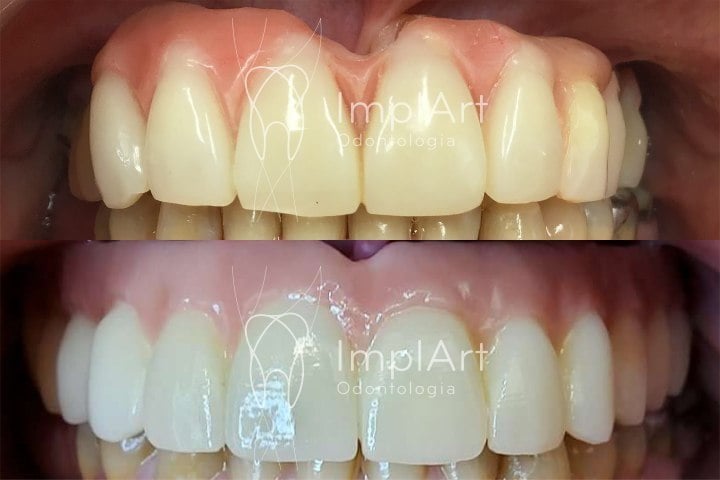
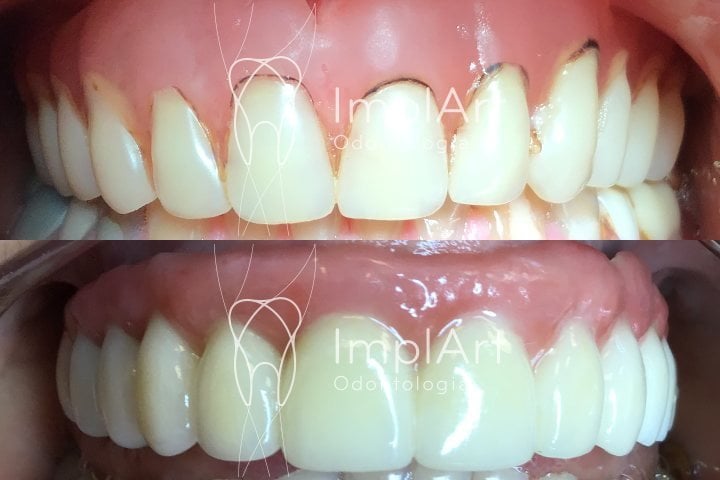
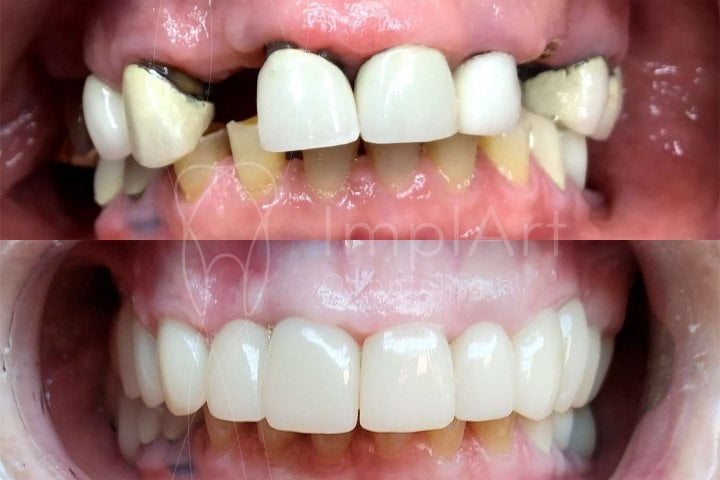
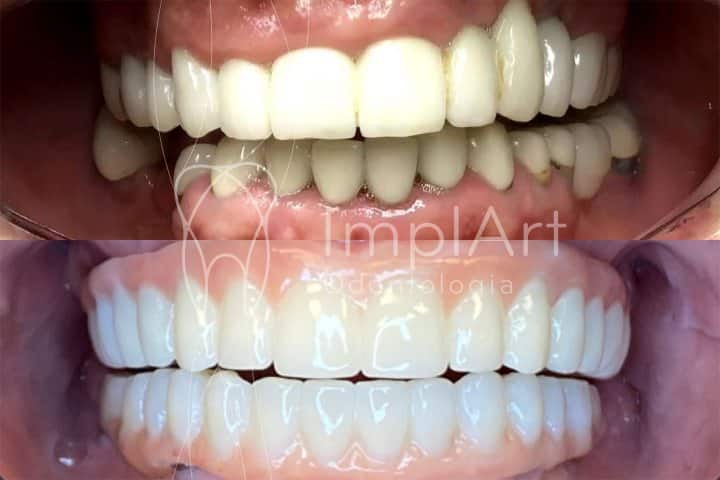
The desire for a renewed, more harmonious and healthier smile is the first step towards a major life change. However, a common doubt can lead to insecurity: “What will the final result look like?”. Fear of the unknown is one of the main barriers preventing many patients from realizing their dream of a new smile. That’s where the Digital Smile Design with Artificial Intelligence carried out at the ImplArt Clinic comes in. With it, we can predict the results of your treatment.
The ImplArt Clinic, under the direction of Dr. Roberto Markarian, a reference in Brazil and abroad in Dental Implants and Computerized Prosthesis, has just incorporated the newest Artificial Intelligence tool focused on Dentistry that allows you to accurately visualize the final results of a dental treatment planned with computer graphics.
This way we can give you the chance not just to imagine, but to visualize your future smile before any procedure is even started! Can you imagine seeing yourself with a new smile before you’ve even had it done?
Digital Smile Design in Brazil with Artificial Intelligence: Preview your Future Smile at ImplArt Clinic
Whether your treatment is a dental implant, dental crown, prosthetic protocol or dental contact lenses, now, with the use of Artificial Intelligence at the ImplArt Clinic, you can see the results of your treatment and participate in the process of realizing the aesthetics of your new smile.
See above in this practical video how digital planning technology and artificial intelligence allow you to anticipate your result with impressive realism.
Digital Smile Design: How Does Technology Turn Predictability into Reality?
DigitalSmile Design (DSD) is a protocol that integrates cutting-edge technology, artificial intelligence and the artistic sensibility of our team to create a reliable preview of your treatment. It transforms the initial consultation into a co-creation experience.
Understand the steps that allow us to design your new smile:
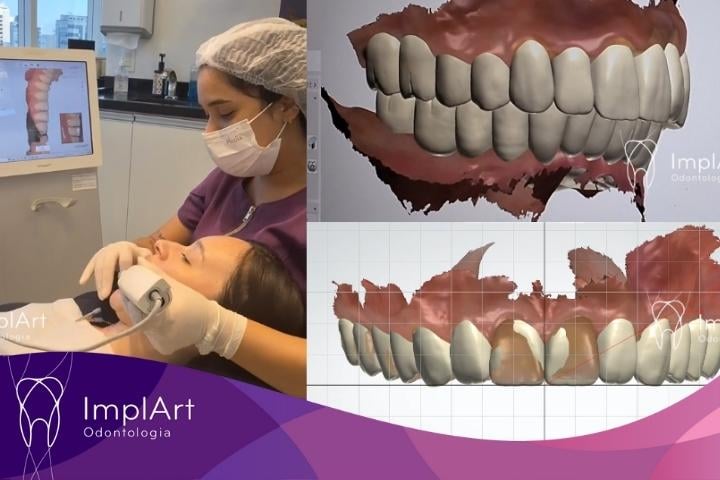
1. Complete Digital Diagnosis: The process at the ImplArt Clinic begins with high-precision documentation. Using a modern intraoral scanner, which replaces the old moldings, we create an exact 3D model of your mouth. We complement this with professional photographs and videos that capture the dynamics of your smile and your facial harmony.
2. The Design of the Smile (The Digital Architecture): With this data, Dr. Roberto Markarian and his team use advanced software with Artificial Intelligence to digitally design every detail of the new smile. We analyze the proportion, shape, color and alignment of the teeth in relation to your lips, gums and facial features, seeking a natural and personalized result.
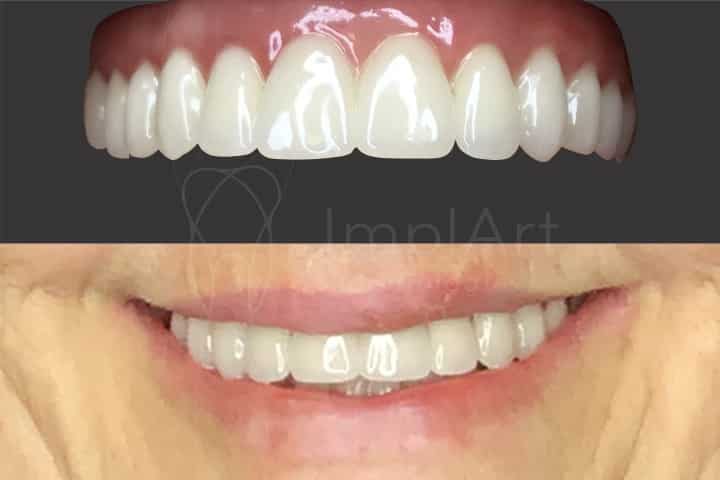
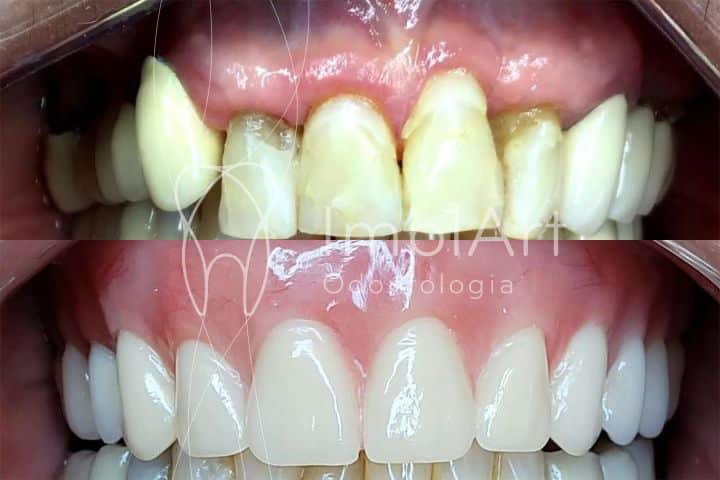
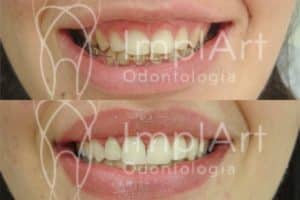
3. Visualizing the Future (Your Participation): This is the moment when we present you with the simulation, like the one you saw in the video above. You will be able to see the “before and after”, give your opinion and ask for adjustments. Your feedback is crucial so that the end result is not only technically perfect, but also fully reflects your wishes.
At the ImplArt Clinic, Digital Smile Planning involves intraoral scanning and smile design with computer graphicsand the use of modern artificial intelligence resources.
Advantages that Go Beyond Aesthetics with Digital Smile Planning with Artificial Intelligence
Millimeter precision: Digital planning serves as a guide for all subsequent procedures. It ensures that dental implants and zirconia crowns are made with unparalleled precision.
Clear communication: Visual simulation is the most effective form of communication. It allows you to understand each stage of the proposed treatment and actively participate in decisions.
The Perfect Connection: From Digital Planning to State-of-the-Art Treatments
The project you approve is not just an image. It becomes a digital map that guides our most advanced treatments:
Dental implants: For guided surgery implants, digital planning determines the exact position, angle and depth for implant installation, making the procedure faster, safer and minimally invasive.
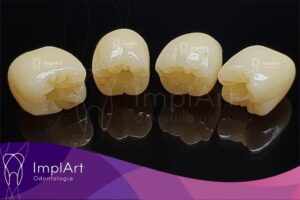
Zirconia Crowns and Dental Contact Lenses: The design of the smile is exported to our CAD/CAM (computer-aided design and manufacturing) systems, which make the zirconia or lithium disilicate restorations with a perfect fit and impeccable aesthetics, faithfully reproducing what was planned.
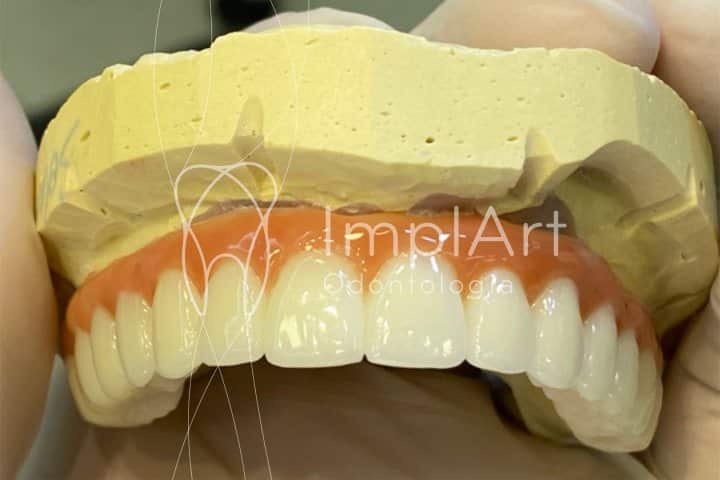
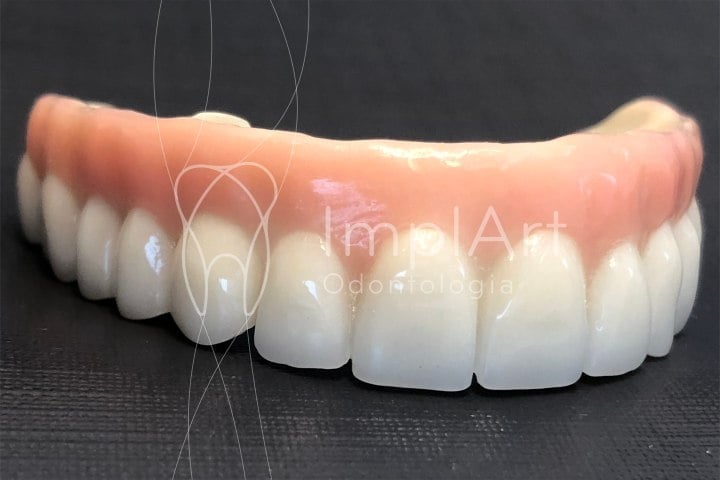
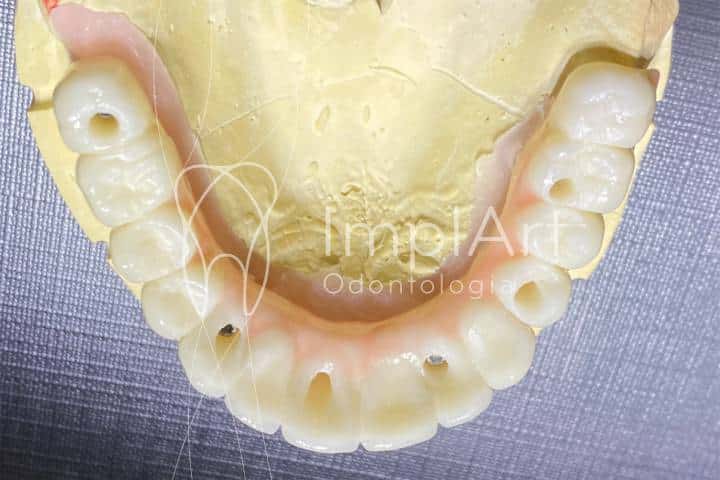
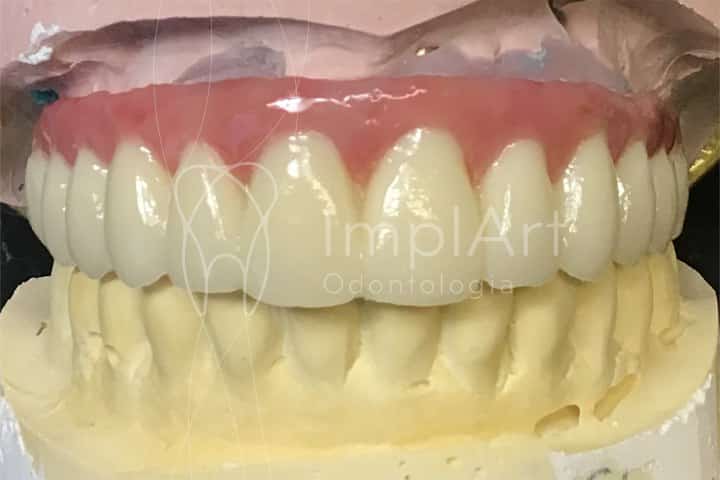
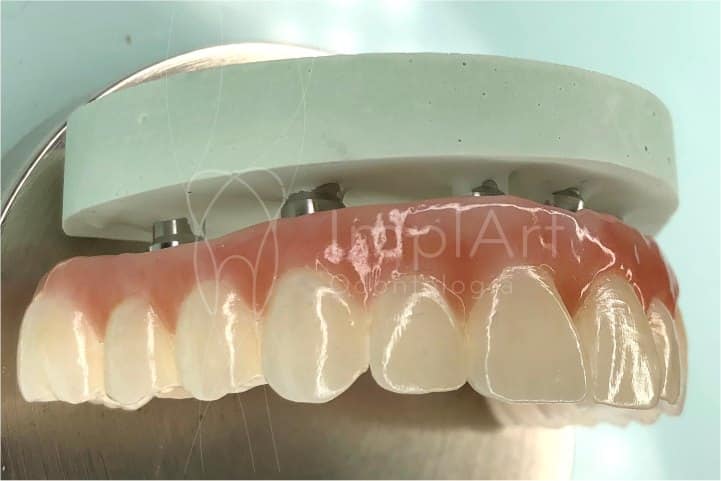
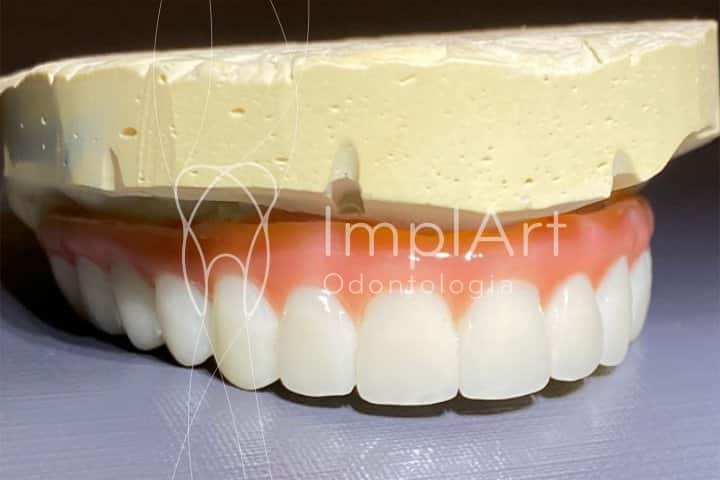
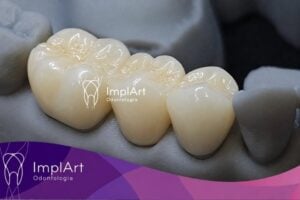
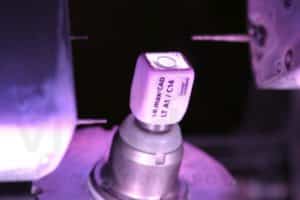
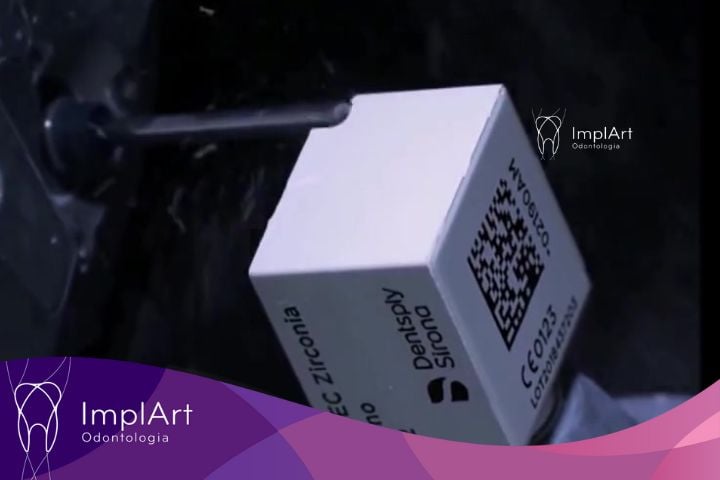
Photo shows 3D printing stage of zirconia prosthesis, a product of Digital Smile Planning
Your New Smile Starts with a Clear Vision of the Future
At the ImplArt Clinic, cutting-edge technology and human sensitivity go hand in hand to offer you not just a treatment, but a transformative and safe experience.
Always at the forefront of dental treatments, the ImplArt Clinic has positioned itself as a reference clinic for high-quality dental treatments. ImplArt is continually mentioned as the best dental implant clinic in Brazil, due to its expertise and high technology. Always thinking of offering the most modern treatments to patients, Dr. Roberto Markarian, PhD, invests in continuous innovation, always linked to the most modern practices worldwide.
We invite you to take the first step. Schedule an appointment with Dr. Roberto Markarian and discover the potential of your smile with the help of the latest dental technology.
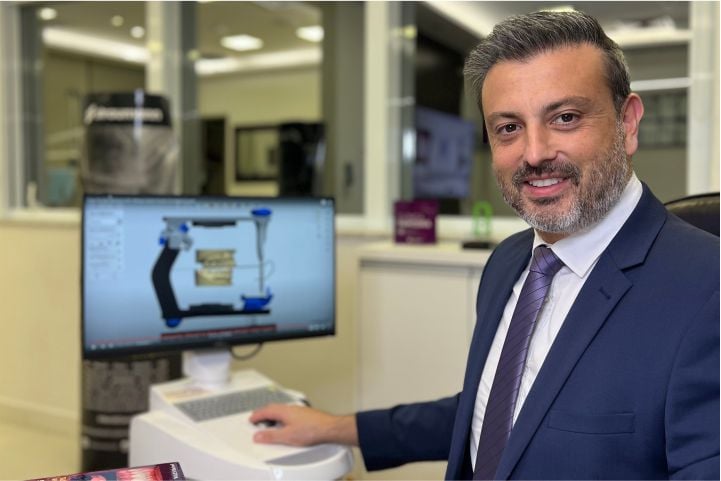
Dr. Roberto Markarian is a reference in dental implants and computerized dental prostheses in Brazil. As well as having more than 12,000 implants installed, he is a researcher who produces knowledge that is published worldwide in renowned scientific journals in the field of dentistry. He is responsible for promoting knowledge and high technology applied in all the treatments offered by the ImplArt Dental Clinic.
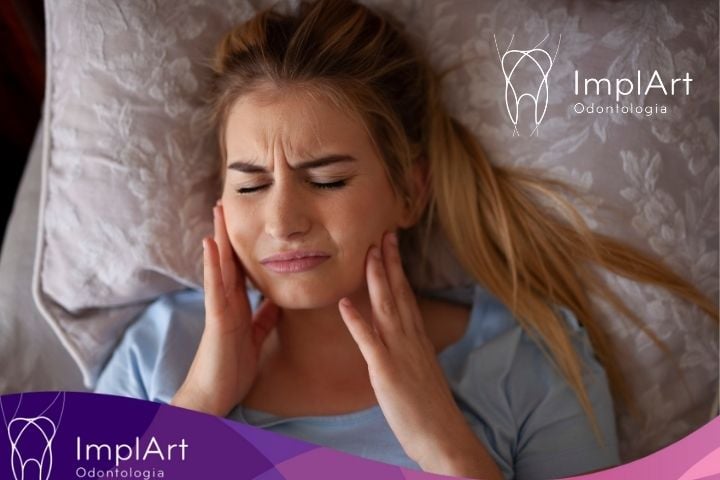
Bruxism and Dental Clenching, popularly known as the habit of grinding and dental clenching are dysfunctions that affects around 40% of the Brazilian population, according to data from the World Health Organization (WHO). At the ImplArt Clinic, located in São Paulo, this disorder is one of the most frequent complaints from patients seeking treatment for orofacial pain, tooth wear and temporomandibular joint (TMJ) problems.
Dr. Roberto Markarian, director of the ImplArt Clinic, stresses that it is important to emphasize that the treatment of bruxism and clenching must be individualized, taking into account the specific needs of each patient. A consultation with a dental surgeon is essential for a proper diagnosis and definition of the best therapeutic approach. Even patients with dentures and dental implants who suffer from bruxism should seek treatment.
What is bruxism and how does it manifest itself?
Bruxism can occur both during sleep(nocturnal bruxism) and while awake(daytime bruxism). In both cases, the patient performs the unconscious act of grinding or clenching their teeth with excessive force, causing consequences such as pain in the jaw, temples, etc.
According to Dr. Roberto Markarian, specialist in implant dentistry and clinical director of ImplArt,
“Bruxism is often silent and is only noticed when the symptoms become more intense. These include jaw pain, headaches, tooth wear and fractures in restorations or dentures and even dental implants.”
Main causes of Bruxism and Dental Clenching
Bruxism and dental clenching are associated with multiple factors, including:
Emotional stress and anxiety
Changes in sleep (such as apnea)
Dental malocclusion
Use of medication such as antidepressants
Neurological or muscular problems
Dental clenching, on the other hand, is a form of bruxism in which the patient keeps their teeth pressed together without lateral movements, and is equally harmful.
Pain caused by bruxism and dental clenching
Most common symptoms
Tooth wear or fracture
Pain or tiredness in the chewing muscles
TMJ clicking
Headaches, especially on waking
Tooth sensitivity
Insomnia or non-restorative sleep
Personalized diagnosis at the ImplArt Clinic for Bruxism and Dental Clenching
The ImplArt Clinic carries out the diagnosis by means of a detailed clinical assessment, imaging tests (such as CT scans and intraoral scans) and functional analysis of the bite. Dr. Markarian highlights:
“In many cases, bruxism is discovered during planning for dental implants, dental contact lenses or oral rehabilitation, as signs of wear are visible on the tooth surfaces. That’s why a multidisciplinary approach is essential.”
Effective treatments for bruxism and clenching
The treatment of bruxism is very specific and often multidisciplinary, as it is usually linked to the patient’s mental state, in the vast majority of cases. Given that modern lifestyles are accompanied by a great deal of stress, it is important to find out the reasons that trigger the symptoms and try to treat them.
Major-relaxing bite plates or occlusal plates
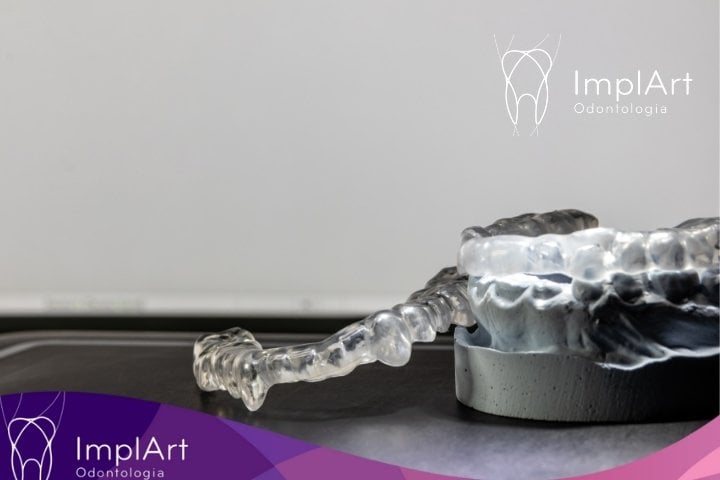
Miorelaxing bite plates are removable intraoral devices, usually made of acrylic resin, which cover the surfaces of the teeth. Their purpose is to protect the teeth from damage caused by clenching or grinding and to reduce the associated muscle sensitivity. The use of these plates can reduce the activity of the masticatory muscles, helping to relieve the symptoms of bruxism. At the ImplArt Clinic, myorelaxing bite plates are made and designed using modern computer graphics systems to study the patient’s ideal bite.
Major-relaxing bite plates: Custom-made devices used during sleep, usually made of acrylic resin, which cover the surfaces of the teeth.
They reduce tooth wear and relieve muscle tension.
Major-relaxing bite plate for bruxism and clenching
💉 Botulinum toxin (Botox)
The application of botulinum toxin type A to the masticatory muscles, such as the masseter, has been used to reduce the excessive muscle activity associated with bruxism. This approach can relieve pain and muscle discomfort, improving symptoms.
Applied to the masticatory muscles to reduce the force of clenching.
Effective results for up to 6 months.
💊 Medicines
In some cases, medication may be indicated to control bruxism. Muscle relaxants can be prescribed to reduce muscle activity during sleep. In addition, in specific situations, anxiolytics or antidepressants can be used, always under medical supervision.
Muscle relaxants or anxiolytics (when indicated by health professionals).
Relief of symptoms related to pain and tension.
🧘 Complementary therapies
Bruxism is often associated with stress and anxiety. Cognitive-behavioral therapies, relaxation techniques, meditation and other psychological approaches can be effective in reducing bruxism episodes, especially when emotional factors are involved.
Psychotherapy, relaxation techniques, mindfulness and physiotherapy.
Treatment of the emotional or postural cause of bruxism.
Occlusal rehabilitation
In cases where there is occlusal interference or bite problems, occlusal adjustment may be indicated. This procedure aims to correct inadequate dental contacts that may contribute to bruxism. In addition, dental rehabilitation, including restorations and prostheses, may be necessary to restore proper bite function.
Adjustments to the bite or replacement of missing teeth with prostheses or implants.
In advanced cases, occlusion correction is essential.
Is it possible to eliminate bruxism and dental clenching?
According to Dr. Roberto Markarian, it is important to emphasize that in order to mitigate the effects of bruxism, multidisciplinary treatment should be adopted, with a view to the patient’s well-being in a holistic way, i.e. treating the individual as a whole and not just from a dental point of view.
If we think only of a bruxism plate, what is expected is an immediate reduction in the symptoms of bruxism, but the plate itself will not cure bruxism and teeth clenching. The bite plate helps to redistribute the pressure on all the teeth, protecting the teeth from the force of the bite and easing the patient’s pain.
With this in mind, the ImplArt Clinic offers patients who need Porcelain Crowns and ProtocolProstheses, and who suffer from bruxism, the option of using Zirconia Prostheses. Zirconia is a highly resistant and biocompatible material that is very suitable for those who suffer from bruxism precisely because of its high resistance.
When Bruxism and Dental Clenching are not treated
Untreated bruxism can lead to:
Loss of tooth structure
Need for rehabilitation with dental implants or fixed prostheses
Chronic pain in the temporomandibular joint
Aesthetic impairment of the smile
Dr. Markarian adds:
“We have seen several patients who, after years of untreated bruxism, suffer from constant headaches and tooth wear. In addition, intensive clenching can lead to tooth fractures and even dental prostheses such as implant protocols.”
Schedule your evaluation at the ImplArt Clinic
If you feel pain in the jaw joint, or even notice that your teeth are wearing down, schedule an evaluation with Dr. Roberto Markarian, director of the ImplArt Clinic. Early diagnosis and proper treatment can prevent serious consequences for your oral health.
Dr. Roberto Markarian is a reference in dental implants and computerized dental prostheses in Brazil. As well as having more than 10,000 implants installed, he is a researcher who produces knowledge that is published worldwide in renowned scientific journals in the field of dentistry. He is responsible for promoting knowledge and high technology applied in all the treatments offered by the ImplArt Dental Clinic.
*Accessmore videos about the treatments on the ImplArt Clinic YouTube channel and see how a dental implant is made: ImplArt Dental Clinic YouTube videos
Learn how to restore your smile comfortably, safely, and aesthetically through dental implant treatment with a protocol prosthesis
The complete loss of teeth in one arch compromises essential functions such as chewing, speech, and the aesthetics of the smile. This condition can profoundly affect quality of life and self-esteem. Fortunately, modern dentistry offers effective solutions for these cases, notably full-arch dental implants with a zirconia prosthesis—a treatment that restores functionality, aesthetics, and well-being to the patient. We currently offer the modern option of Zirconia Full Arch Dental Implants, which provide a highly natural-looking final result.
At ImplArt Clinic, a leading center for advanced oral rehabilitation in São Paulo, this treatment is performed with excellence by Dr. Roberto Markarian, a specialist in implant dentistry with over 25 years of clinical experience and numerous internationally recognized scientific publications.
“Full-mouth rehabilitation using dental implants and a full arch prosthesis is the most modern, safe, and long-lasting way to restore the smile and quality of life of patients who have lost all their teeth in one arch,” says Dr. Roberto Markarian.
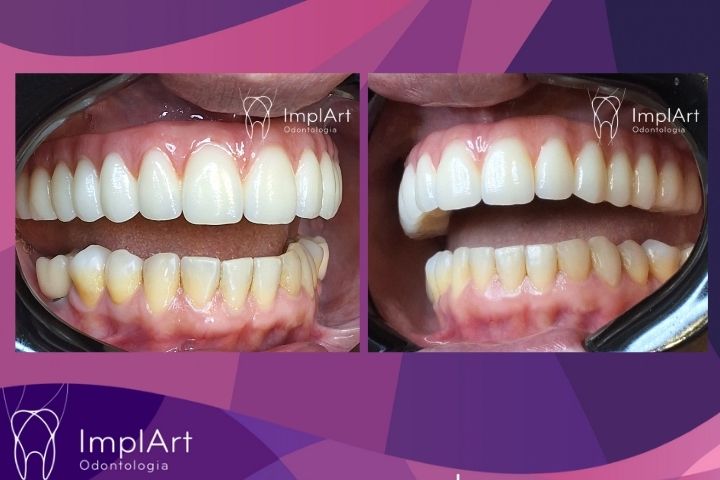
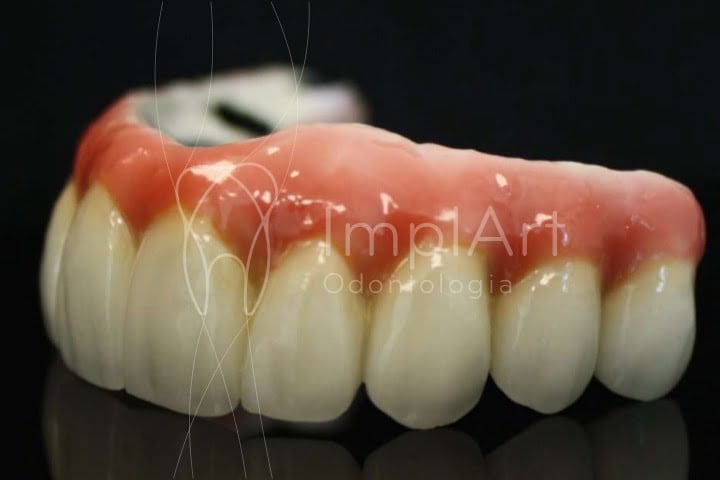
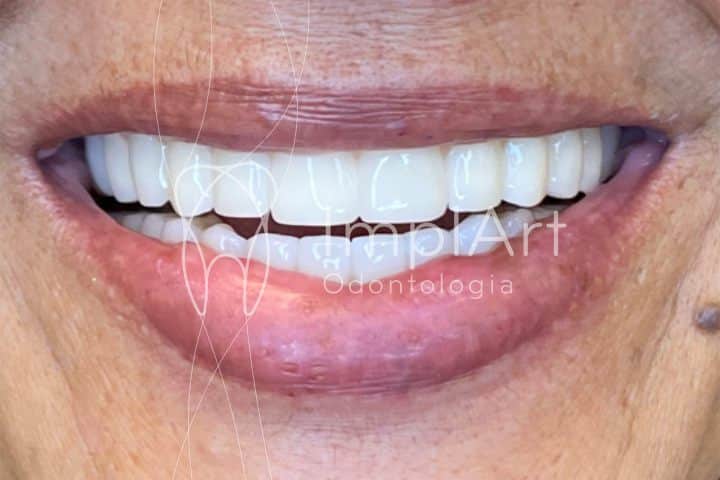
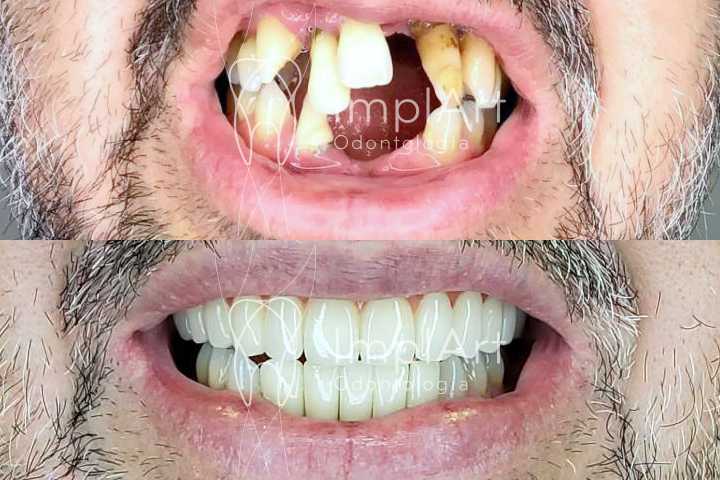
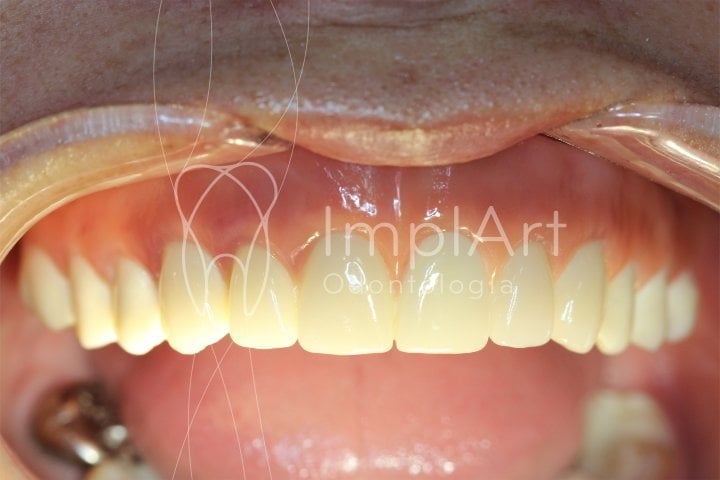
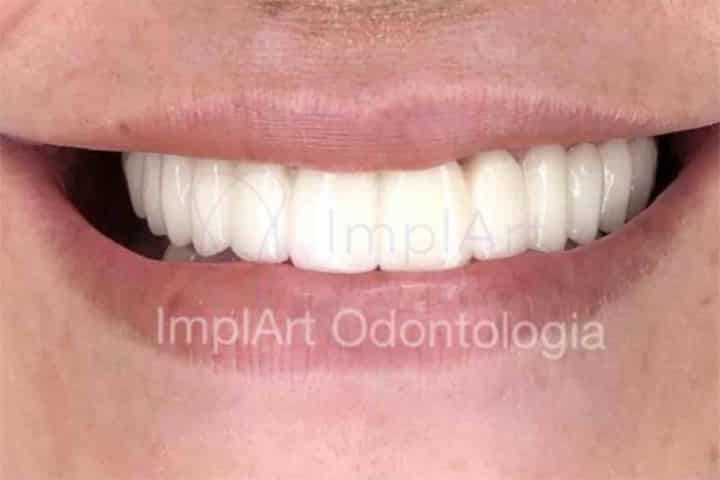
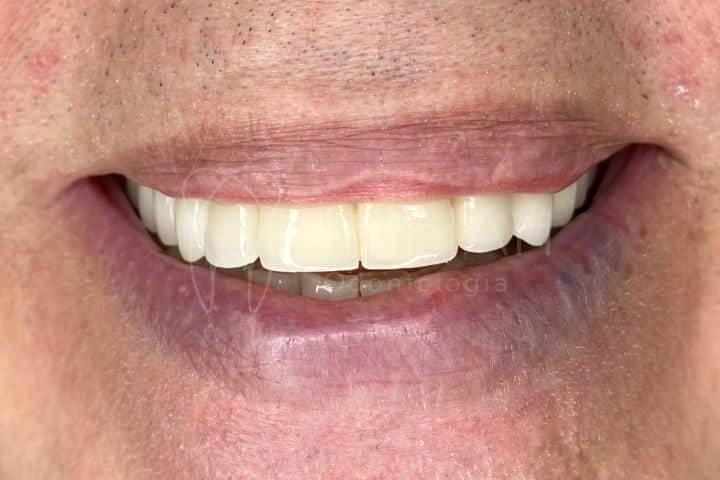
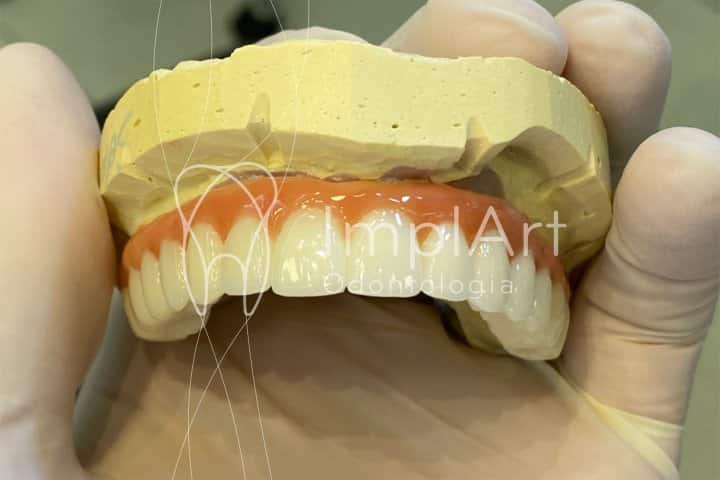
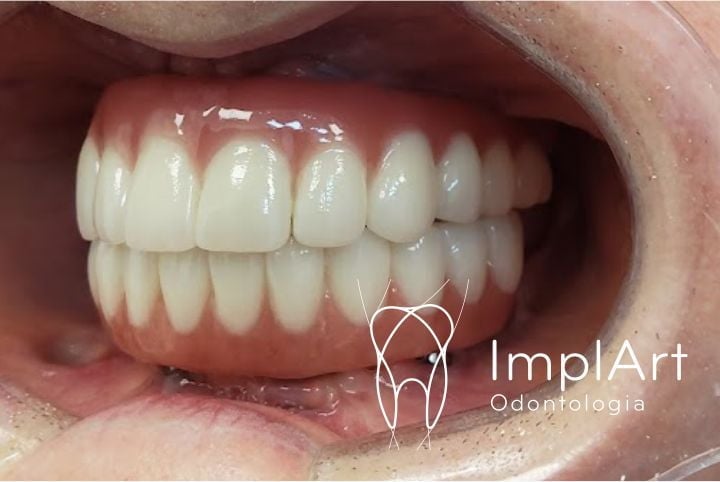
The photo shows the final result of Full Arch Dental Implants with a zirconia-fixed prosthesis
How is a Full Mouth Dental Implants Treatment done?
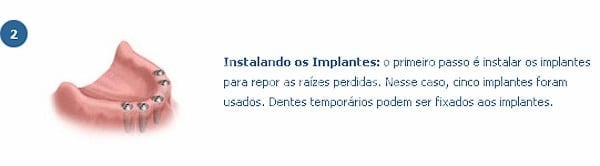
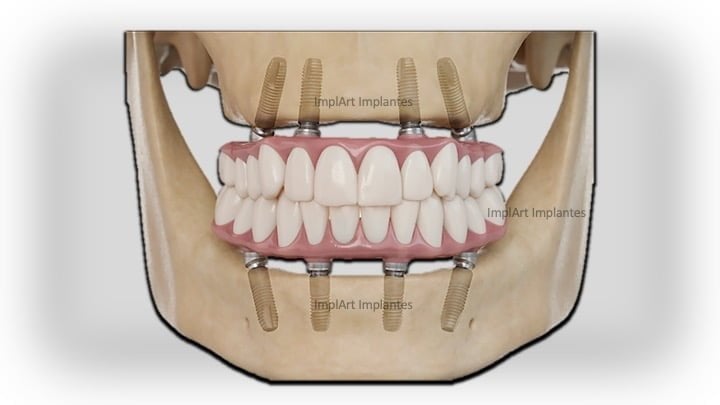
A dental implant with a full arch prosthesis, also known as All-on-four or All-on-X, is an oral rehabilitation technique that uses 4 to 8 implants per arch, strategically placed in the maxillary or mandibular bone, to support a full mouth prosthesis—a complete fixed prosthesis that functionally and aesthetically replaces all missing teeth.
“The main advantage of the protocol prosthesis is that it restores thepatient’s sense of having fixed teeth again, with comfort and confidence,” explains Dr. Markarian.
Full Arch Dental Implants with Zirconia Bridge (All-on-4 / All-on-X)
Precise Planning with Guided Surgery for Full Arch Dental Implants
One of the key features that sets ImplArt Clinic apart is its use of computerized surgical guides, which allow for minimally invasivedental implant surgerywithout incisions in the gums. The technique utilizes 3D imaging and intraoral scanning to guide the placement of implants with millimeter-level precision.
“With guided surgery, we are able to perform the implant procedure without incisions or stitches, which reduces swelling and pain and significantly speeds up the patient’s recovery,” notes Dr. Roberto Markarian.
This technology even allows for immediate loading, where the patient leaves the operating room with a fixed temporary prosthesis, accelerating the benefits of treatment from day one.
Dental Implants with Zirconia Prosthetics: High-Performance Strength and Aesthetics
For permanent restorations, ImplArt Clinic offers monolithic zirconia crowns, a state-of-the-art material that is extremely durable, biocompatible, and has a highly natural appearance.
Zirconia stands out for its wear resistance, metal-free structure, and translucency similar to that of natural teeth—making it ideal for those seeking the best possible aesthetic result.
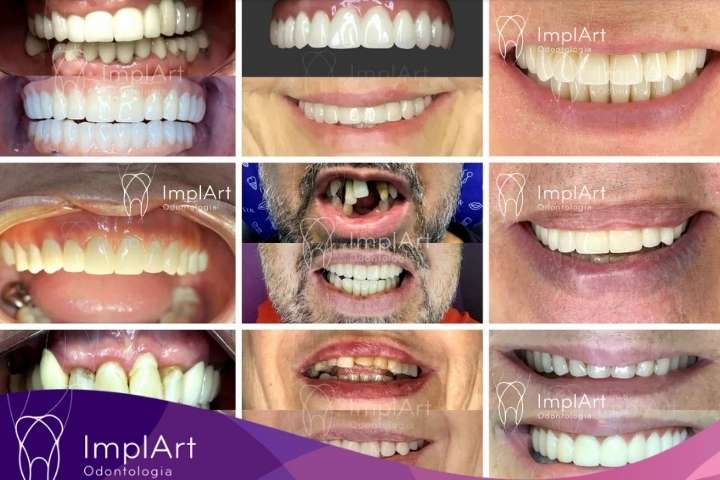
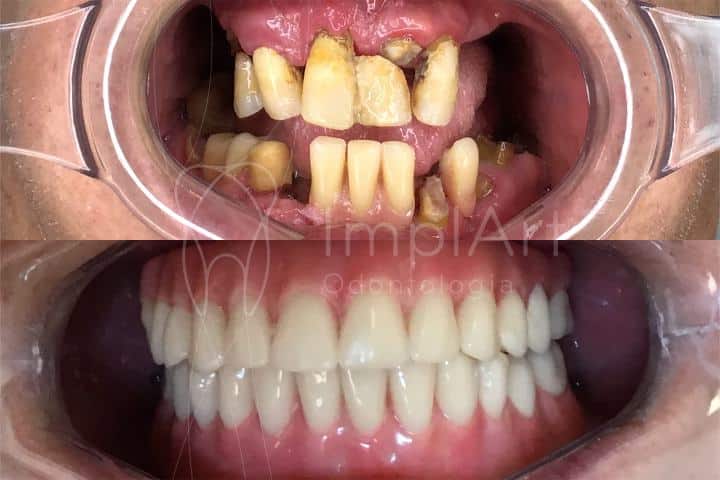
The photo shows images of Full Arch Dental Implants treatment
Benefits of Dental Implants with a Full-Arch Bridges
Stability and Comfort: Fixed dentures eliminate shifting, discomfort, and the need for adhesives, which are common with removable dentures.
Bone Preservation: Implants stimulate the bone, preventing the bone resorption that occurs after tooth loss.
Natural Aesthetics with Zirconia: Custom-made dental restorations that look just like natural teeth.
Improved Chewing: Allows you to chew all types of food safely.
Minimally Invasive Surgery: Thanks to the surgical guide, the procedure is quick and recovery is easier.
Step-by-Step: Upper Full Arch Dental Implants and Lower Full Arch Implant-Supported Bridge
Digital Assessment and Planning: Using imaging tests (such as CT scans and intraoral scans), it is possible to precisely plan the position of the implants.
Surgery Using a Surgical Guide or Conventional Implant Surgery: Implants are inserted using a minimally invasive technique, without incisions. The implant placement sites are planned using computer-aided design and digital tomography. In the case of conventional implant surgery, 4 to 6 implants are inserted by implantologist Dr. Roberto Markarian.
Healing (Osseointegration): The bone fuses with the implants, ensuring the stability of the dental implants and preparing them to support the dental prosthesis.
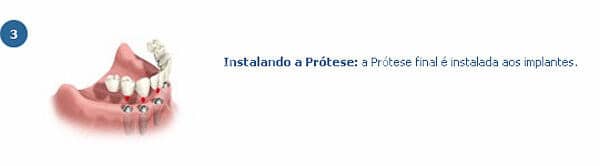
Placement of the Permanent Prosthesis: The temporary prosthesis is fabricated after the implants have healed, which can take 2 to 4 months, depending on the type of dental implant used.
In some cases, the patient may receive a fixed temporary prosthesis on the same day as the surgery, which offers significant functional and emotional benefits.
Clinical and Scientific Excellence
The success of dental implant and prosthetic treatment depends on factors such as the patient’s overall health, bone density, and, above all, the experience of the treating team.
Dr. Roberto Markarian, clinical director at ImplArt, is the author of important studies in the field, such as the article published in the international Journal of Prosthodontics, which examines the stresses on fixed prostheses with different types of implants:
Conclusion on Full Arch Dental Implants with Zirconia Fixed Bridge
Full-mouth dental implants with Zirconia Fixed prosthesis are the most modern, effective, and long-lasting solution for those who wish to fully restore their dental arch with exceptional functional and aesthetic results. Using digital technology, innovative materials such as zirconia, and the technical and scientific expertise of Dr. Roberto Markarian, ImplArt Clinic offers a treatment of excellence that transforms lives through smiles.
Dr. Roberto Markarian is a leading authority on dental implants and computer-aided dental prosthetics in Brazil. In addition to having experience with over 10,000 implants placed, he is a researcher who produces knowledge that reaches the entire world through publications in renowned scientific journals in the field of dentistry. He is responsible for promoting knowledge and cutting-edge technology applied to all treatments offered by the ImplArt Dental Clinic.
This treatment is also known as Fixed Full-Arch Prosthesis or Implant-Supported Denture. This type of implant treatment for all teeth, allows patients to regain their smile and chew.
Dental implant surgery is currently a fairly straightforward operation, carried out in an office or hospital environment, with hospitalization for the patient’s comfort. Implants make it possible to replace missing teeth even in large areas of the arch, including in patients with all their teeth compromised by periodontal disease. They can also be used in patients with bone loss, who may need bone grafting before or during the installation of the dental implant.
It is important to note that there are currently different types of dental implants, and the most modern ones, cone morse implants, allow for faster healing.
Full Arch Dental Implants . Implant-Supported Denturestep by step
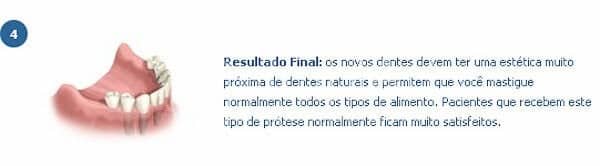
With regard to the end result, the aim is to obtain fixed dental prostheses that will remain supported on the implants. This will allow the patient to regain their masticatory function and aesthetics.
Of course, as Fixed Full-Arch Prosthesis are screwed onto dental implants, the result is a very efficient dental prosthesis for chewing, as well as excellent aesthetics and comfort.
It is therefore a much better solution than a removable prosthesis, as it provides excellent fixation and stability. In the upper arch, the full arch dental implants treatment has the added advantage of completely uncovering the palate (roof of the mouth), which improves patient comfort.
Unlike removable prostheses (dentures), which cover the roof of the mouth to allow them to be fixed and make it difficult to perceive the taste of food, All-on-X prostheses with implants are thin and occupy only the region of the dentition, leaving the rest of the mouth free, similar to the situation found when there are natural teeth. Currently, the most modern materials are the Zirconia Fixed Full-Arch Prosthesis and the Porcelain Prothesis on a Full Arch DentalTreatment.
After radiographic examinations and a CT scan of the jaws, the dental implant specialist will be able to analyze the ideal planning for the case and thus indicate bone complements such as grafts to better prepare the bone if necessary.
The jaw bone (lower arch) is more rigid and resistant, so dental implants can be installed in most cases. The upper jaw bone, on the other hand, is less dense and delicate and has a more complex anatomy.
Certainly the proximity to the nose, the maxillary sinus cavities and the greater bone loss require further study.
Full Arch Dental Implants With or Without Bone Graft ?
If bone grafting is necessary, don’t be alarmed – it’s very common. Of course, dental grafting for full archa implants is not necessarily complicated, invasive or large. On the contrary, most of the time the bone graft for a full arch implant is simple, small and restricted to the position of the implant.
Less invasive implant surgery: in our clinic we use current concepts of minimally invasive surgery for dental implants, which make the procedure faster and offer greater comfort during the procedure and especially during the healing phase of the dental implant.
Computer-guided implant surgery: this is a type of dental implant surgery offered at our clinic that is planned by computerized scans of the jaws.
Full Mouth Reconstruction Prosthesis and other types
Certainly the most common prosthesis for implanting all the teeth in a full arch is the so-called protocol prosthesis. This is a resin prosthesis with a metal reinforcement bar inside.
Over time, however, more modern ways of making complete implant prosthesis have emerged. At the ImplArt Dental Clinic, we offer more technological implant materials, which are completely made on our premises and in our own dental prosthesis laboratory (see more):
If you have any questions, please make an appointment or contact us and make an appointment with our clinical director, Dr. Roberto Markarian, an implant dentist. We will be happy to assist you. The ImplArt Dental Clinic has a modern structure to serve patients and highly specialized professionals.
Full Arch Dental Implants - All-on-4 - All-on-6 - All-on-X
Dr. Roberto Markarian is a reference in dental implants and computerized dental prostheses in Brazil. As well as having more than 10,000 implants installed, he is a researcher who produces knowledge that is published worldwide in renowned scientific journals in the field of dentistry. He is responsible for promoting knowledge and high technology applied to all the treatments offered by the ImplArt Clinic.
Thezirconiaprotocol prosthesis for the complete upper jaw is a fixed aesthetic prosthesis on a titanium dental implant for oral rehabilitation. It involves computerized design methods, and has become the most requested option among patients looking to combine the strength of the material with its superior aesthetic result in a total dental implant and protocol prosthesis treatment.
Designed using computerized technology and a 3D scanner, zirconia protocol prostheses with full dental implants are the most modern option for replacing completely lost teeth. Combined with fast-healing implant types, such as the Straumann implant, they allow for complete rehabilitation in a short space of time.
Why is the zirconia protocol the best material today?
Zirconia protocol prosthesis treatment is fully computerized. In addition, it allows for faster results, much more predictability in treatment, as it relies on computer graphics. It also allows for an aesthetically impeccable result and a lot of resistance. In addition, the treatment is carried out using only 3D scanners, without the need for the old conventional molds.
The absence of teeth certainly compromises aesthetics and the patient’s quality of life, which is why the placement of implants with prostheses is able to give the person peace of mind when chewing, speaking and smiling.
The zirconia protocol has many advantages over the conventional resin protocol with a metal structure. Its main qualities are aesthetics and high resistance.
Dental zirconia (pre-sintered zirconium oxide) is a translucent, light-colored material that allows light to pass through, just like natural teeth, and therefore offers an aesthetic result. In this sense, the structure of the Zirconia protocol prosthesis looks discreet inside the prosthesis, even if exposed in brightly lit environments. Certainly the most modern materials are the Zirconia protocol and the porcelain protocol on a total implant.
Zirconia is made using a computerized 3D method and is not a manual job
The structure of the zirconia prosthesis is a single piece, obtained by milling a rough block on a machine that works like a 3D printer. In other words, the treatment is planned on a computer using CAD/CAM technology. The milling machine then wears away the zirconia block until it reaches the shape of the structure of the prosthesis designed to be installed on a dental implant.
Finally, the zirconia structure is characterized with porcelain and the shade is obtained by brushing on specific coloring liquids for this purpose. It is possible to reproduce various shades that make up the same tooth, leaving the prosthesis looking very natural.
Protocol zirconia prosthesis for complete upper jaw full dental implantimage of a complete oral rehabilitation in zirconiaProtocol zirconia prosthesis for complete upper jaw full dental implantProtocol zirconia prosthesis for complete upper jaw full dental implantProtocol zirconia prosthesis for complete upper jaw full dental implantProtocol zirconia prosthesis for complete upper jaw full dental implantProtocol zirconia prosthesis for complete upper jaw full dental implantProtocol zirconia prosthesis for complete upper jaw full dental implantProtocol zirconia prosthesis for complete upper jaw full dental implantProtocol zirconia prosthesis for complete upper jaw full dental implantProtocol zirconia prosthesis for complete upper jaw full dental implantProtocol zirconia prosthesis for complete upper jaw full dental implant
The zirconia prosthesis is then screwed onto the dental implants, which are strategically placed in the jaw. The fixed zirconia protocol on implants can bring great relief, especially for patients who wear dentures. What’s more, this model of prosthesis leaves the roof of the mouth free and the patient feels more comfortable chewing and speaking.
Another great advantage of the zirconia protocol prosthesis over the resin protocol is its resistance to staining. In principle, resin is a material that can stain or yellow over time and with pigmented foods.
Materials that are biocompatible with the human body
Indications for fixed zirconia dental prostheses – Zirconia Protocol
In principle, the patient needs to go for a consultation with an implant dentist at the ImplArt Dental Clinic, so that clinical criteria such as bone volume and general oral conditions can be assessed.
Maxillary rehabilitation with a zirconia protocol can be indicated for people with total upper edentulism, even those who have been wearing removable prostheses for a long time.
If you have any questions, please contact our team through one of the channels below. We, at the ImplArt dental clinic, are a reference in the field of modern dentistry, and we have a team ready to serve you with high technology and knowledge. We’ll be happy to help you!
I’m sure many of you have heard of the Full Arch Dental Implants treatment. But do you know how the treatment works? Fixed Implant-Supported Prosthesis treatment involves two stages, one surgical, with the insertion of dental implants, and the other prosthetic, with the realization of the fixed prosthesis on the implants. It can be carried out on both the upper and lower arches. This treatment is also known as All-on-4, All-on-6 or even All-on-X.
Through simple and painless surgery, implants are inserted that will support a fixed prosthesis. Normally 4 to 6 implants are inserted in each arch. The surgery is carried out in an office and the patient can go home immediately afterwards. There are modalities with local anesthesia, or with intravenous sedation, if the patient prefers.
Here at ImplArt Dental Clinic, located in São Paulo, Brazil, there is also the option of performing dental implant surgery using the computerized guided surgery technique. This technique eliminates the need to make large cuts and sutures in the gums, making the post-operative period for implants easier and therefore faster to recover from. The surgical guide acts as a template with indications of where the incisions should be made to place the dental implants. The surgical guide is custom-made according to the patient’s computerized tomography images, using a 3D printing method.
See images of the Full Arch Dental Implants below
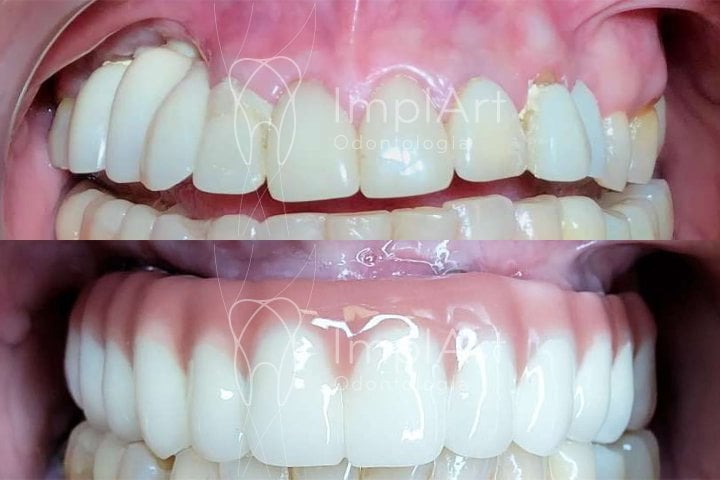
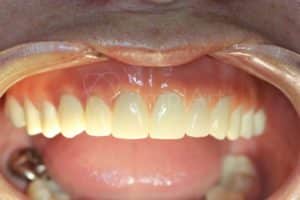
See below for this treatment with an upper Fixed Implant-Supported Prosthesis and a lower Fixed Implant-Supported Prosthesis. Firstly, implant surgery was carried out and a temporary fixed prosthesis installed on the day of surgery. Secondly, after the dental implants had healed, we made the Zirconia Prosthesis a fixed over the implants.
Image of Translucent Zirconia full arch prosthesis over implants – side view of the installed Zirconia prosthesis – Full Arch Dental Implants
Implant-Supported Fixed Full-Arch Prosthesis, what is it?
The Implant-Supported Fixed Full-Arch Prosthesis is a type of total fixed dental prosthesis that is indicated for people who have lost all their teeth in the same arch. It consists of 12 to 14 teeth attached to a single structure screwed onto 4 to 6 strategically placed dental implants.
It will also be necessary to carry out a radiographic examination, which is a computerized tomography scan, to visualize the volume of bone and its quality. This is essential for planning the number of implants that will be placed in the bone, both in the upper and lower arches.
When is Fixed Implant-Supported Prosthesis recommended?
Firstly, fixed Implant-Supported Prosthesis is recommended for patients who wear dentures, and for those who suffer from periodontitis or severe periodontal disease.
It is important that, even if the patient suffers from periodontitis, the disease is controlled by eliminating any sources of infection (plaque, tartar, calculus) and controlling gingivitis.
Thus, if the disease is well controlled and the bone is healthy, there is the possibility of replacing the extracted teeth with dental implants.
It is common for a patient, on receiving a poor prognosis for a tooth, to want to save it at all costs. Although in some cases it is possible to save a tooth with compromised periodontal structures, in most cases an experienced professional will be correct in recommending extraction and placement of a dental implant.
How do you change from dentures to a Fixed Implant-Supported Prosthesis? Full Arch Dental Implants Prothesis
People who have been wearing dentures for many years can experience a lot of bone loss in the jawbone, and this is a common concern for people who would like to have implants placed in order to wear a fixed prosthesis. Alternatively, we perform various bone grafting techniques, or use short implants designed for those with bone resorption.
Undeniably, it is always a great relief for patients to change their dentures for Fixed Implant-Supported Prosthesis. We, who specialize in this type of full-arch-dental implants treatment, follow the changes in the daily lives of patients every day, who are able to increase their quality of life with this treatment. Therefore, replacing dentures with implants only has benefits!
The difference between a Fixed Implant-Supported Prosthesis and a removable denture
The Fixed Implant-Supported Prosthesis provides stability when chewing and total confidence for the patient, since there is no need to remove it for daily hygiene. Patients report at the end of their treatment that they eat much better and have much more confidence in smiling, which brings great social gains to the patient’s life. It is therefore an important step for patients towards improving their quality of life.
Upper and lower arch Fixed Implant-Supported Prosthesis installed on 04 implants in each arch
Who can have All-on-X or Full Arch Dental Implants treatment?
Anyone can have a Full Arch Dental Implants treatment. First of all, the patient must have a panoramic X-ray and a computerized tomography scan to assess the bone in the area that will receive the dental implant. Even patients with diabetes, in most cases, can receive implants as long as their diabetes is under control. So don’t be alarmed if you have diabetes, implants could be a solution for you too. Of course, this is after a careful assessment of your health condition.
Fixed Implant-Supported Prosthesis treatment covers a wide range of patients of different ages. Elderly people can also have the procedure. Each case must be evaluated in detail so that the procedure is always safe and promotes the patient’s well-being.
In your initial consultation with our clinical director, Dr. Roberto Markarian, you will receive all the guidelines for your All-on-X treatment.
What are the advantages of the Full Arch Dental Implants?
When the use of a mobile prosthesis causes discomfort, be it functional, aesthetic or sensory, there is the opportunity to replace it with a fixed version. See the advantages of protocol treatment on implants:
Does not move and does not require adhesives for fixing
Does not fall, avoiding embarrassing experiences
The prosthesis materials are more beautiful and resistant, especially metal-free zirconia prostheses.
Does not hurt gums and mucous membranes
Safer chewing, smiling and kissing
Improves diction
No acrylic roof of the mouth, improving speech and food tasting
Increases lip support, improving the appearance of a thin lip.
Which material is the Fixed Implant-Supported Prosthesis made of?
Here at Clinica Dentaria Implart you will find a wide range of materials for your prosthesis. From the simplest in Resin, through Metal-Ceramic (Porcelain), to the most modern prosthesis in Zirconia.
Do you know Zirconia, this innovative material for full arch prosthesis? Full Arch Dental implant Prosthesis in Zirconia are possible with this innovative computerized material. It is therefore an excellent choice for those looking for an aesthetically pleasing and durable material. What’s more, its computerized design system offers more precision, as well as greater comfort through the use of the 3D scanner.
Translucent zirconia is an implant-supported prosthetic option made using an extremely advanced production method. Based on digital intraoral molding, the zirconia prosthesis is computer-designed and manufactured on 3D printers. In other words, the zirconia disc placed in the 3D printer is milled into the shape of the computerized design. This is certainly the most modern and resistant option, as well as the most beautiful and realistic.
It is an opaque white ceramic structure called zirconia, covered with dental porcelain. In this way, the aesthetics are sculpted in porcelain with the shape of the teeth. It is also a new and technologically innovative material, as the structure of the prosthesis is completely planned on a computer and executed with the help of electronic scanners and 3D printers.
This is a prosthesis with an internal metal structure (titanium, Ni-Cr or Cr-Co) and an aesthetic porcelain finish that is hand-sculpted to the shape of the teeth. Metal-ceramic prostheses therefore have the advantage of porcelain strength and aesthetics. As a result, the final result is aesthetically and beautifully similar to natural teeth.
Resin Full Arch Prosthesis (acrylic resin + metal)
Also known as the Bränemark prosthesis, this is another option available for implant-supported prosthesis. This model of prosthesis has an internal metal structure and an aesthetic resin finish. The teeth are made of resin and you can choose the color, shape and size of the teeth.
However, this material has a disadvantage compared to the previous ones, which is the possibility of color change (yellowing) over time.
What care should be taken after full arch dental implant surgery?
After dental implant surgery, the total recovery period may vary at the discretion of the implant specialist, with a view to the success of the procedure. Therefore, the implant dentist, Dr. Roberto Markarian, will guide you according to the criteria of the type and extent of the surgery.
Light activities (7 to 10 days): Rest is recommended for light activities during the first week, which can be extended to 10 days.
Gradual return to normal activities (up to 3 weeks): The patient is instructed to gradually return to normal activities, which may take up to 3 weeks.
Will I lose my prosthesis after implant surgery?
Rest assured, the main concern of the entire team here at the ImplArt Dental Clinic is to make the whole process as comfortable as possible for the patient. In this way, the psychological aspect and the patient’s well-being are paramount. Therefore, in the vast majority of cases, we plan a temporary prosthesis that is installed immediately after surgery. The patient is therefore able to carry out their activities normally while we wait for the implants to osseointegrate.
New techniques – Zirconia total implants
Zirconia Total Implant: Natural and resistant Implant Supported Prosthesis
Dental implants with zirconia prosthesis are recommended for various clinical cases, such as bruxism, because zirconia’s resistance is superior to any other material. The material is a star in dental practices due to its versatility and the possibility of bringing a better appearance to the mouth, especially after the tooth has been darkened by root canal treatments or dental trauma, with a great loss of dental function and aesthetics. So, if possible, opt for Zirconia!
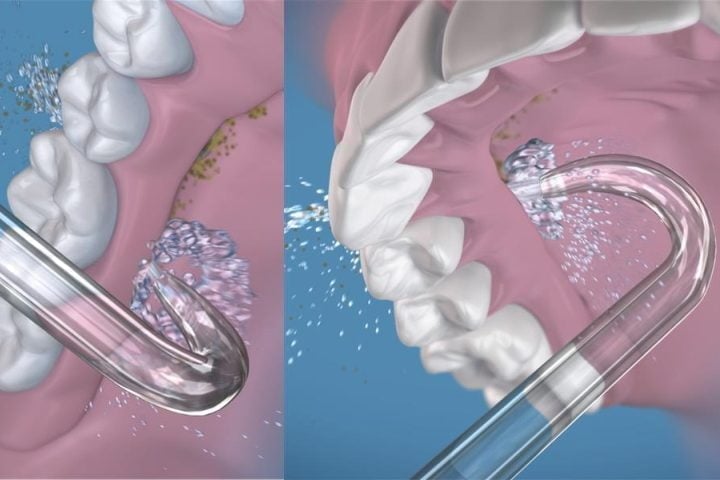
To clean the fixed implant supported prosthesis at home, the patient can use the interdental brush, in addition to the traditional toothbrush, which is effective and sufficient in the external regions. However, for the areas inside the prosthesis, around the implants or on the mucosa, interdental brushes and oral irrigators (pressurized water jets) are the most suitable. Certainly the best known of these devices is the Waterpik. These devices are certainly not easily found in Brazil, but in the United States they are sold in any pharmacy.
This way, with regular visits to the dentist every 6 months and proper hygiene of the fixed prosthesis at home, you’ll have a long-lasting and healthy treatment!
Sanitize the fixed implant supported prosthesis daily with waterpik
How to sanitize the fixed prosthesis / cleaning?
Care with the hygiene of the implant supported prosthesis is mainly to remove any food residue that may remain between the implant pins and the prosthesis (as in the image above), and to avoid the formation and accumulation of bacterial plaque on the surface of the prosthesis.
What is the best Full Arch Dental Implant Prosthesis?
It is also called Monolithic Zirconia, because it is made from a solid block of Zirconia that takes the shape of a dental prosthesis using a modern computerized system. The Translucent Zirconia prosthesis is made using 3D printers, a highly technological system. First of all, it’s worth clarifying that zirconia is a type of porcelain that replaces metal in dental treatments, as it offers a more natural and translucent appearance, without the presence of shadows, as happens in prostheses that use metal
In the ImplArt Clinic’s digital prosthesis laboratory, impressive robotic arms, which are present in modern milling equipment, are responsible for sculpting the prosthesis design previously drawn up on the computer. The design is certainly impressive as it uses only computerized systems for both its design and printing
It’s certainly a very modern system, which makes it possible to achieve aesthetically superior results in a more agile, fast and precise way. What’s more, zirconia is biocompatible with the human body, which means that the patient runs no risk of allergies or rejection.
What is the difference between a All-on-X prosthesis and an overdenture?
While in the implant supported prosthesis is fixed on 4 to 6 implants, in the overdenture the prosthesis is fixed on only 2 implants. As a result, the overdenture does not have the same stability as the All-on-X prosthesis. Therefore, the best alternative is the Full Arch Dental Implant Prosthesis.
How much does an upper Full Arch Dental Implant Prothesis cost? How much does a lower Full Arch Dental Implant prosthesis cost?
First of all, it’s important to bear in mind that when it comes to quality dental treatments, the price of the dental implant prosthesis can’t always be the deciding factor in the choice, but rather the quality of the service being offered. It is therefore essential that patients make their choice based on the trust and credibility of the clinic or professional providing the service, as well as the technical knowledge of the professionals, their years of practice and the technique to be used.
Undeniably, not all prosthesis and dental implant treatments are the same, firstly because of the differences in each case, and secondly because each professional has their own practice, technique and theoretical background. That’s why it’s very difficult to choose a professional based on price alone. If it’s too cheap, be wary! High-quality materials and qualified professionals who are in line with modern trends in implant dentistry have their value.
Remember that the effort put into qualification that the professional has put in throughout their career makes a direct difference to the outcome of your treatment! In addition, there are different types of materials, as mentioned above, from implants to different types of prostheses. Just to give you an example, here are the types of materials for implant supported prosthesis – Translucent Zirconia, Zirconia, Metal-Ceramic and Resin. The choice of prosthesis material, as well as the type of implant, will certainly influence the price of the Full Arch Dental Implants prosthesis. In this sense, we have various types of implants, from national implants to imported Straumann implants, a world reference in the field of implants.
Where can I have the Full Arch Dental Implants treatment?
The ImplArt Clinic has been ranked as the best dental implant clinic in Brazil, taking first place in the GCR (Global Clinic Rating) world ranking. The ranking was secured above all by its expertise in Digital Dentistry, Modern Structure and Patient Satisfaction. Our clinical director, implant dentist Dr. Roberto Markarian, is a reference in the field of implants and computerized prosthesis. So, if you want to have your Full Arch prosthesis treatment on implants, with knowledge and high technology, the ImplArt Dental Clinic is the right place for you!
We are located in the Avenida Paulista area of São Paulo, Brazil, in the heart of the metropolis.
If you are far away, in other states or abroad, please contact us to find out more about the online consultation. That way, we’ll be able to plan your Day Clinic treatment and your implant surgery remotely with Dr. Roberto Markarian. Also, if you already have dental implant exams such as CT scans and panoramic X-rays, they can be sent to you before your appointment to make your consultation even more productive!
Guide of Full Arch Dental Implants treatment
⭐The ImplArt Clinic is located in São Paulo and welcomes patients from all over the world. If you would like to know more about our treatments, dental implants, ask questions or schedule an appointment 📲WhatsApp (11) 99598-1866.



 Agende sua consulta agora por WhatsApp