Tag: paciente

Digital dental design

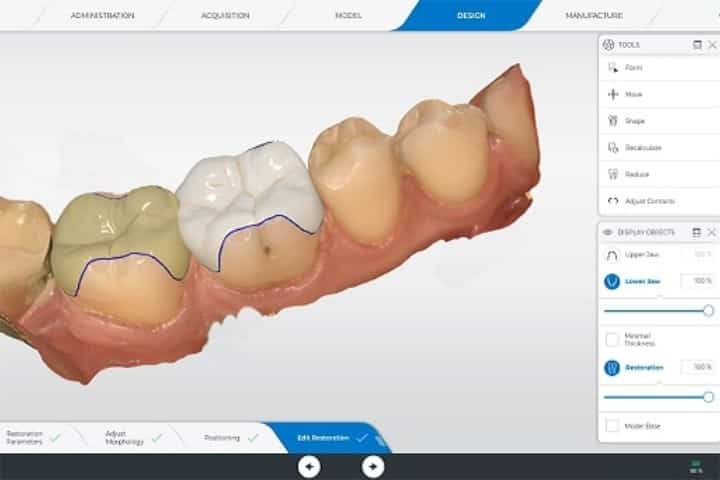
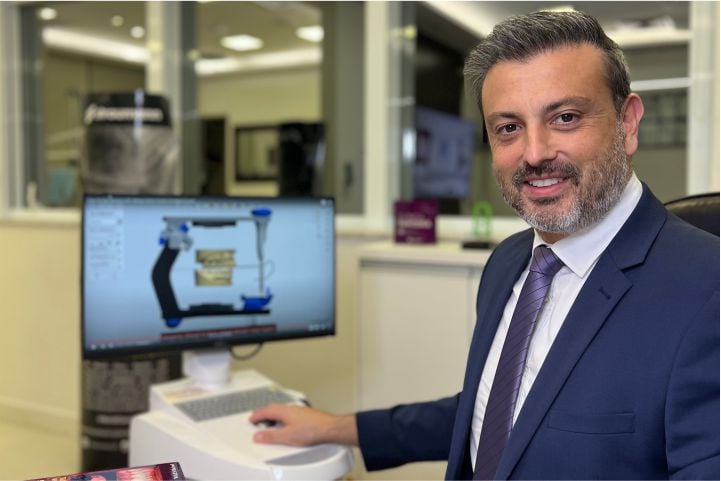
The realization of digital dental prosthesis design is possible thanks to advances in technology in recent years. These technologies are certainly making treatments faster, more precise and with better predictability of results. This applies to both fixed prostheses on dental implants and prostheses on teeth.

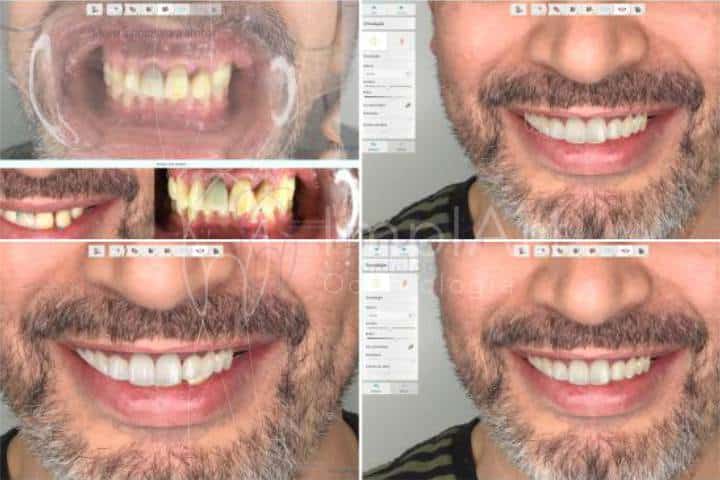
It is now possible to see and perfect the result of the treatment on the computer screen before it is finished

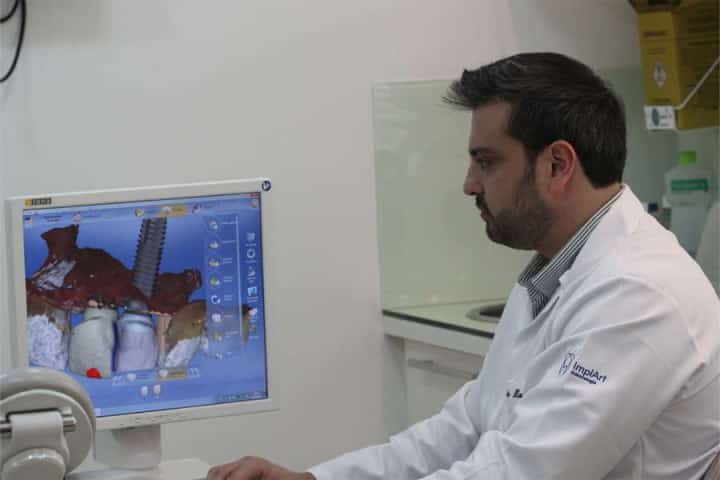
ImplArt is continually investing in acquiring the main technologies developed in this sector. They allow us to carry out what we call a digital smile project, i.e. we use a computer to design one or more teeth (choosing their shape and shade) and to plan implant surgeries.

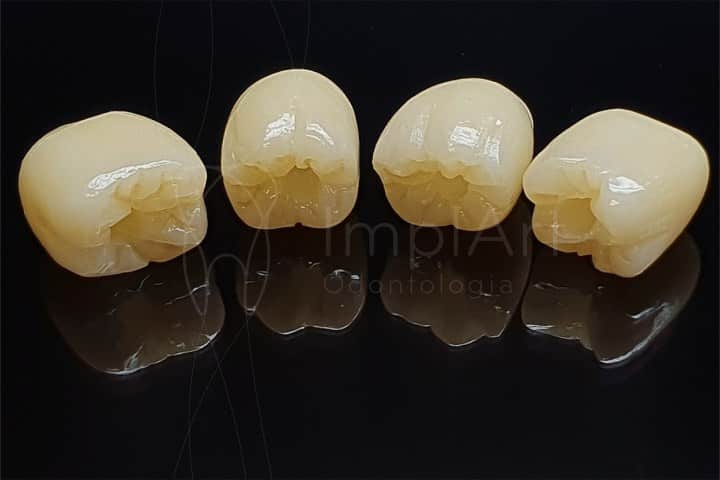
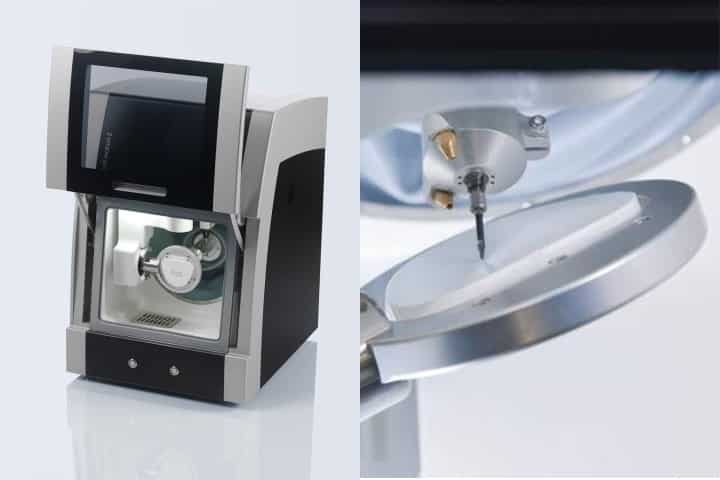
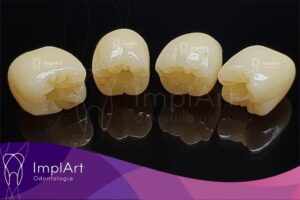
The latest addition is the Cerec Primemill milling machine, which allows crowns to be made with even more detail and even more precise results.

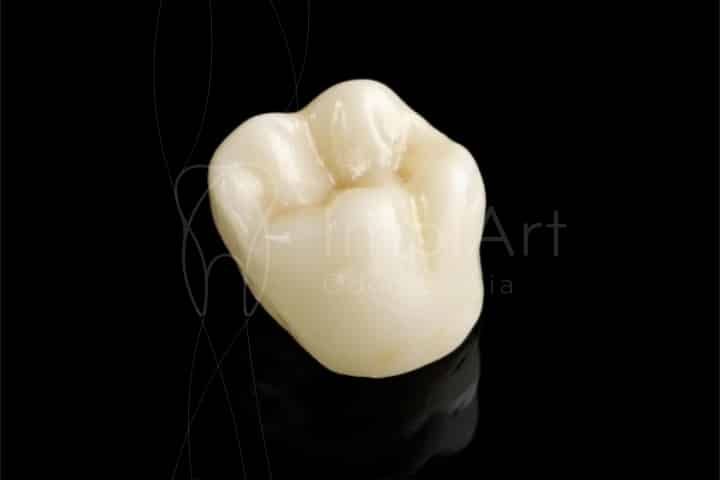
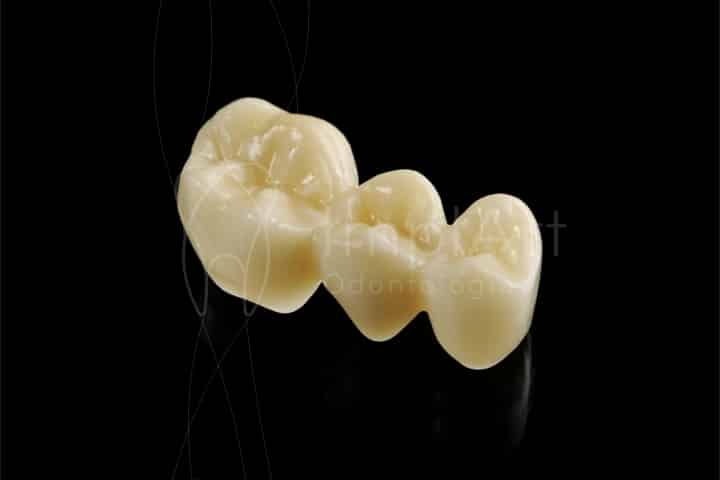
Modern technologies are constantly advancing, always seeking to combine greater patient comfort, speedy treatment and superior aesthetic results. In addition, there is a variety of work available such as crowns, blocks, fixed prostheses with pontics, dental lenses, prostheses on implants.

Photographs of the patient and software are used to plan and make functional and aesthetic changes to the smile, such as adjusting occlusion, the shape and shade of the teeth.

According to scientific research carried out by Dr. Roberto Markarian, Clinical Director of ImplArt, the use of digital prostheses speeds up the delivery time of the work by up to 5x, and increases the degree of patient satisfaction by 80%.
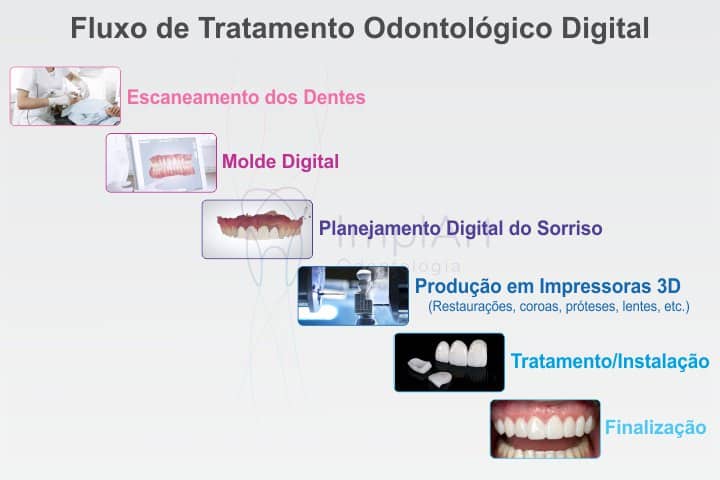
digital dental treatment flow 3d printer digital prosthesis design
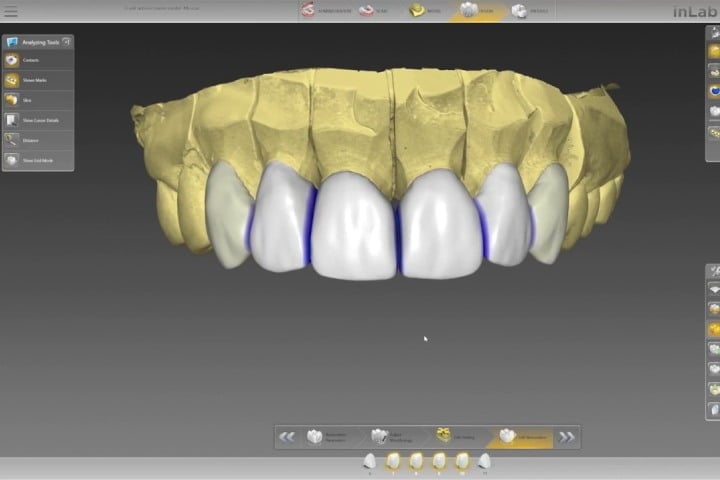
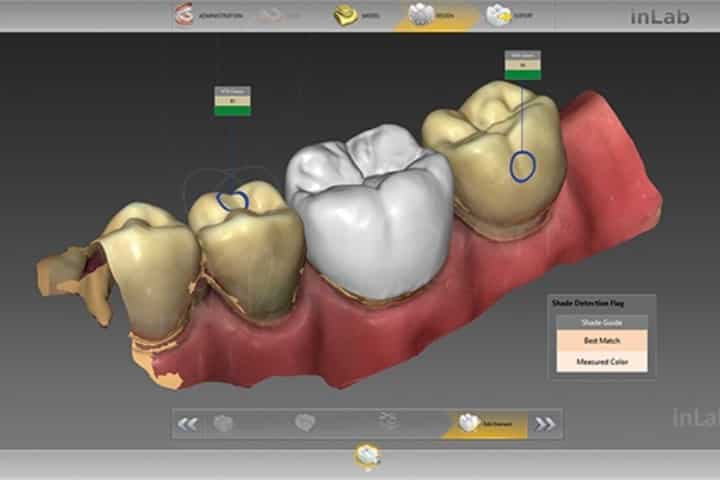
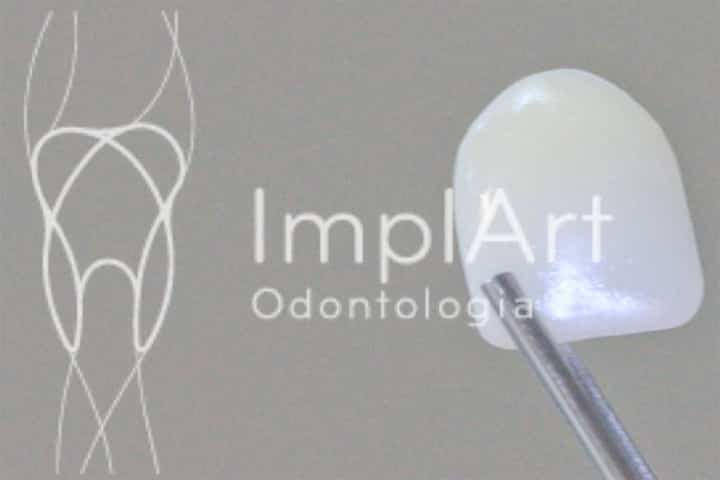
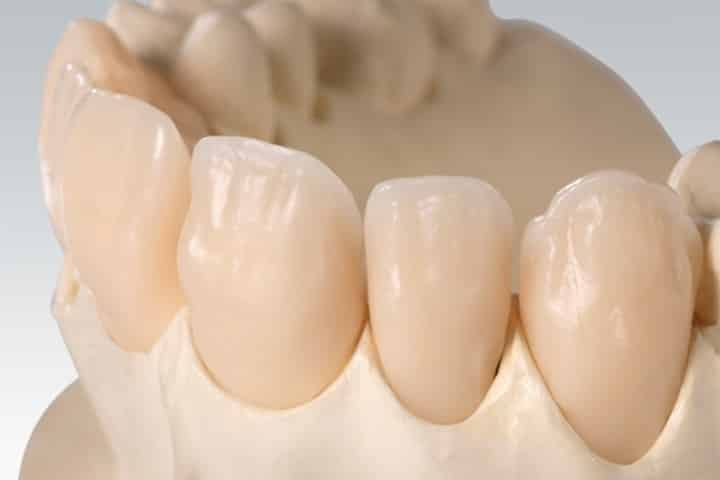
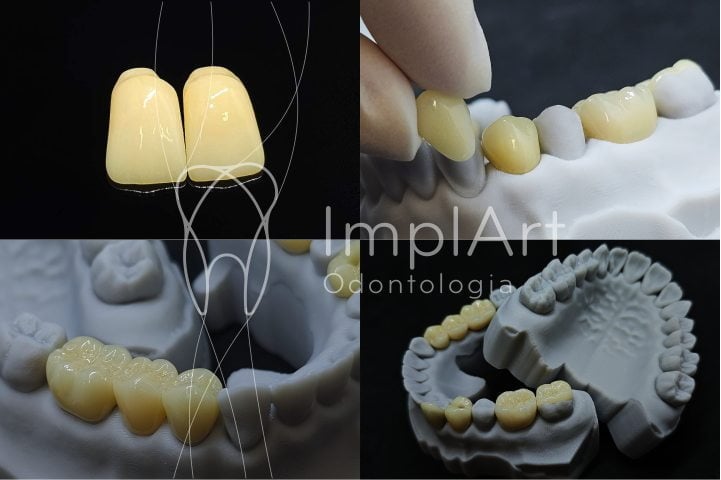
Example of a digital dental contact lens project

Cerec 3D and Ceramill Motion II

Systems developed for dental laboratories in which we can make the digital design of prostheses, plan and execute teeth using 3D printers. The technique used in digital smile design is called CAD/CAM (computer-aided design). It consists of 4 phases:

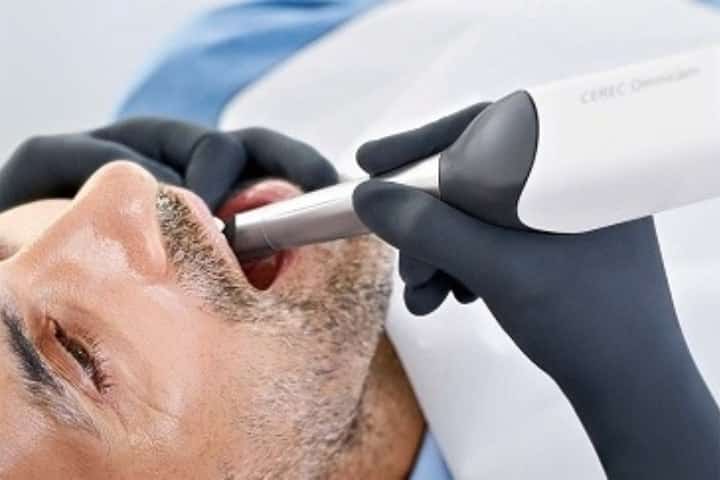
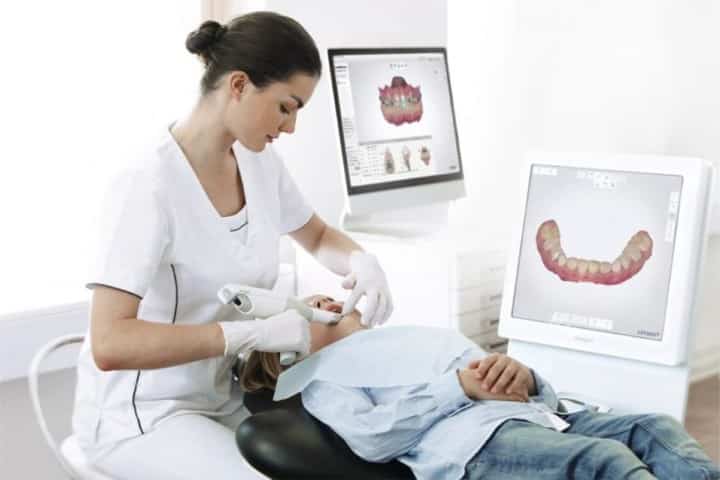
  • Intraoral Scanner – This is a high-precision camera used to capture images inside the patient’s mouth. The images are so lifelike that they show minute details such as the tone and texture of the gums and teeth.
  • Processing software – The images captured by the camera are sent to specialized software that creates a three-dimensional digital mould. In this processing phase, our team has the freedom to make adjustments, such as altering the shape and tone, in order to leave the piece with the characteristics that best match the patient’s needs. The computerized design can be superimposed on photographs of the patient to make it easier to understand the proposed treatment.
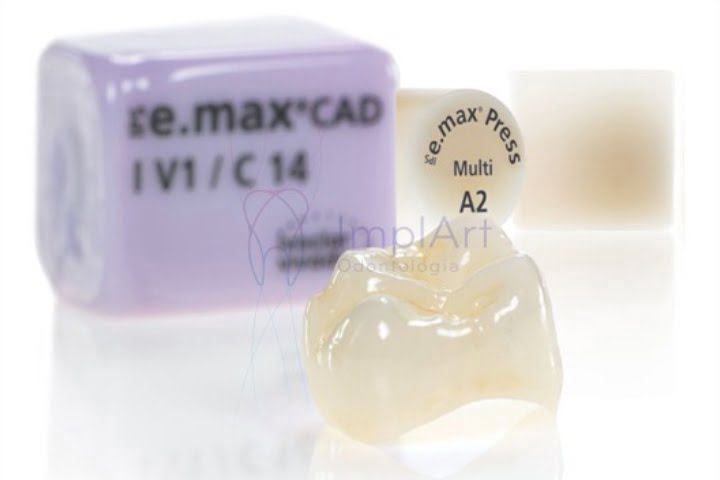
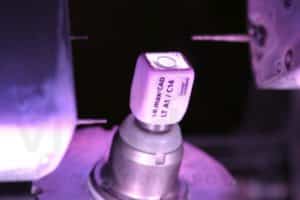
  • Milling – Equipment that works in a similar way to 3D printers. It receives information from the project and executes it accordingly. This compartment has robotic arms that mill raw ceramic blocks until they reach the shape of the designed part.
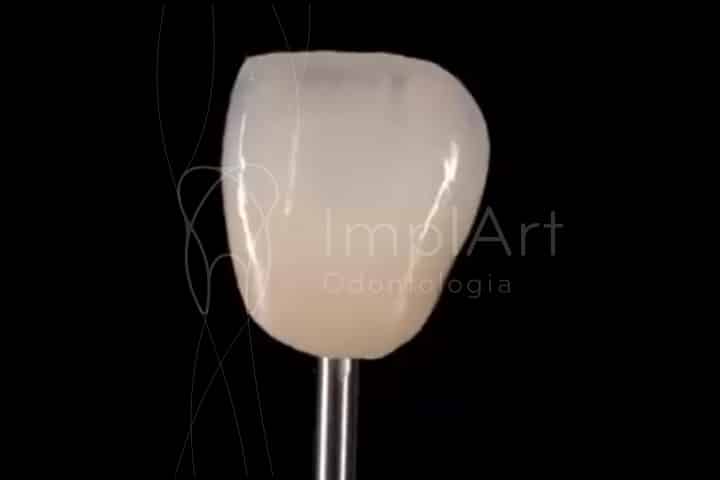
  • Ceramic kiln – The designed piece is taken to a high-temperature kiln to undergo a process called ceramic sintering. This phase is what gives the piece strength, shine and shade so that it has characteristics very close to natural teeth.
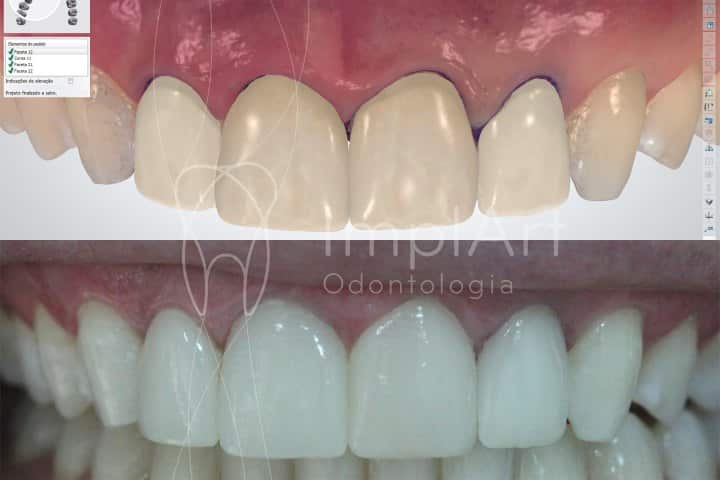
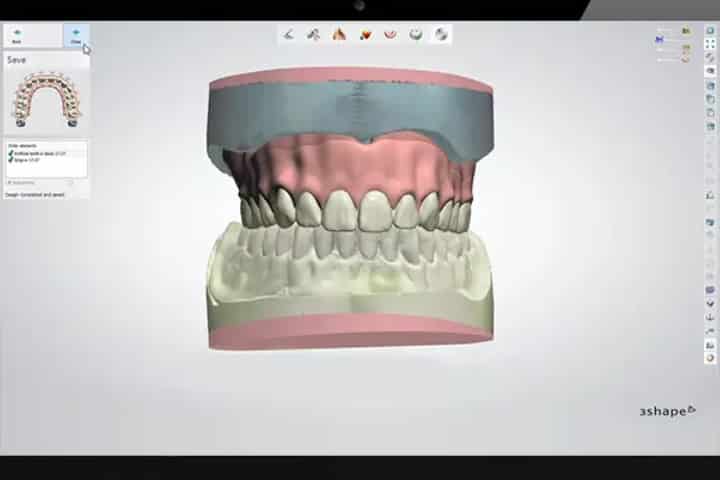
The main advantages of digital prosthesis design are:

  • Precision – the design of each tooth is made according to the patient’s needs. Once finished, they are the same size and shade as the original design. The fit is usually excellent.
  • Predictability – the software we use is sensitive enough for us to create a three-dimensional mold of the patient in great detail. Both our professionals and the patient can visualize the project on the computer screen, thus being able to predict the outcome of the treatment very accurately.
  • Speed – this system allows us to skip steps that could previously only be done manually, meaning that prosthetic work has become faster. We can perform teeth in a few days or even a few hours through the Day Clinic*.
  • Repeatability – The system allows you to repeat jobs and even make an identical copy of a prosthesis or tooth.

The installation of a provisional made with digital smile planning allows the patient to concretely visualize how their treatment will look before they begin the more invasive procedures in the mouth. This is known as a smile test drive or digital mockup. Treatments that can be planned on a computer:

If you have any questions about digital prosthesis design, prices and treatments, please contact us or make an appointment via WhatsApp below.

*In patients with favorable clinical conditions.


Get to know Implart’s dental 3d printers

It is well known that 3D printers have great versatility for making various objects. The good news is that 3D printing is now a reality in dentistry and is increasingly transforming the way treatments are carried out.

The 3D printing solution has been brought to dentistry to make aesthetic, fast and precise prostheses and restorations

ImplArt Odontologia is equipped with two of the most modern dental 3D printers: the Cerec System from the German company Sirona and the Ceramil Motion 2 milling machine from the Austrian company AmannGirrbach.

Both companies are world references in research and development of solutions in the area of Digital Dentistry.

Cerec Sirona System and 3Shape Trios

They are Cad/Cam systems capable of building various types of parts, for example prostheses, bridges, highly aesthetic crowns, dental restorations, ultra-thin dental contact lenses. They work in three main phases:

digital prosthesis design

1 – Intraoral scanner: a high-precision camera that captures images of the inside of the patient’s mouth. It takes a digital impression, thus eliminating the need to use putty. We use two of the main intraoral scanners on the market, the Omnicam and the Trios 3Shape.

digital prosthesis design

2 – Computer: we carry out planning with two of the main systems, Cerec 3D and 3Shape Dental System. The images captured by the intraoral scanner are used to design and simulate three-dimensional prosthetic pieces with shapes and shades according to each patient’s needs.

3 – 3D printers: a milling unit with a robot that sculpts the prosthetic part out of a rough ceramic block. The part is then taken to a kiln for the ceramic sintering process to give it strength.

ImplArt has the most up-to-date version ofthe Cerec system milling machine, the German Cerec Primemill 3D tooth printer. This milling machine has functions for faster production, which in many cases allows us to carry out your treatment in a Day Clinic. Primemill also makes crowns, bridges, dental lenses and restorations with a more refined finish and greater detail.

Versatility of 3D printers: the prostheses that can be made with the Cerec system are crowns, bridges, copings, onlays, inlays, dental contact lenses as well as copies of old restorations. Watch a video of the system in operation by clicking here.

dental 3D printer

Ceramill Motion 2 milling machine

It uses Cad/Cam technology to digitally produce dental prostheses in different materials such as zirconia, wax, metal alloy, resin, glass-ceramic and lithium disilicate. It has exclusive software for projecting and simulating prostheses.

Once the design is finalized, the system then sends the command to the milling unit to make the part.

The milling unit has robotic arms that carve the prosthetic part dry or irrigated.

Versatility: the prostheses that can be made on the Ceramill Motion 2 milling machine are crowns, frameworks for dental prostheses, crowns, bridges, inlays, onlays, dental contact lenses, individual abutments and telescopic crowns.

digital prosthesis design

UltraCraft ChairSide Pro

The UltraCraft ChairSide Pro 3D printer has been designed to meet the production needs of dental applications with quality, high precision and speed, including being a resource for your dental day clinic treatment. Due to the digitalized workflow, UltraCraft helps the dynamics of the ImplArt dental laboratory and clinic, and above all generates satisfaction for our patients.

The use of scans creates more precise and durable crowns in a faster process than other production methods. In this sense, the UltraCraft 3D printer has further strengthened the ImplArt Dental Clinic‘s digital laboratory.

digital prosthesis design
Get to know Implart's dental 3d printers

A digital project is drawn up to personalize the smile, designing all the technical and aesthetic improvements to the smile. Sites are planned for dental implants and prostheses, which can be single crowns, protocol prostheses or fixed prostheses. Dental contact lenses can also be planned.

Anycubic 3D printers

This is the Anycubic Photon 3D printer for printing teeth and various jobs in our in-house prosthetics laboratory. Some of the jobs that can be carried out on this dental 3D printer include:

  • Myorelaxing plates – mainly used to treat bruxism. Their purpose is to reduce the intensity, strength and frequency of muscle tension when clenching or grinding teeth. It also protects the teeth from wear and fractures.
  • Printing resin dental models similar to plaster models
  • Artificial gum simulation and prototypes
  • Study model prints
  • 3D printing biocompatible teeth for provisionals
  • Printing surgical guides for use in guided dental implant surgery
  • 3D models for later casting
  • Orthodontic aligners

Digital prosthetics laboratory at ImplArt Odontologia

The combination of up-to-date and competent staff and state-of-the-art equipment means that Clínica ImplArt’s prosthetics laboratory is in line with the latest and most advanced developments in dentistry.

Dentures are the best way to make your smile beautiful and complete. If you have any questions or would like more information, please contact us or make an appointment. We’ll be happy to help you.

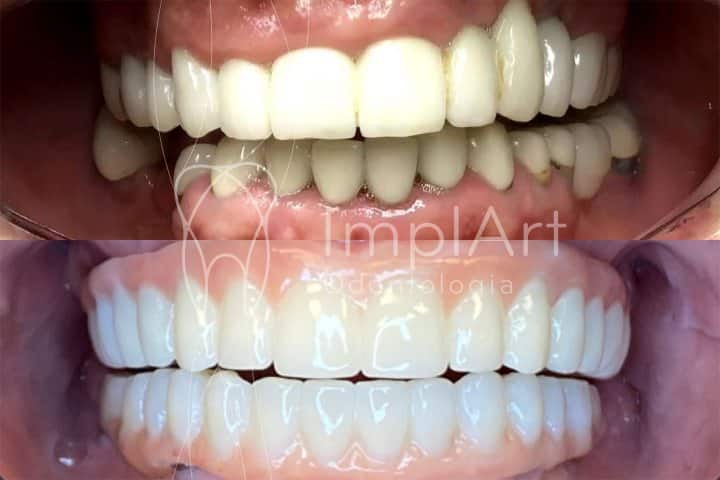
Protocol zirconia prosthesis for complete upper jaw full dental implant

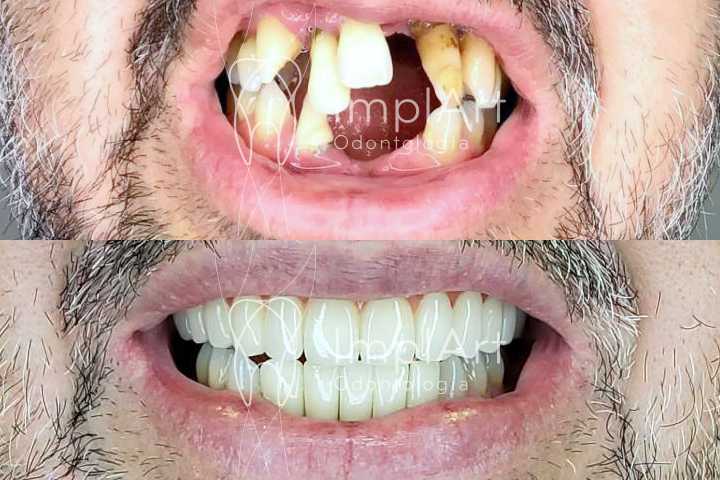
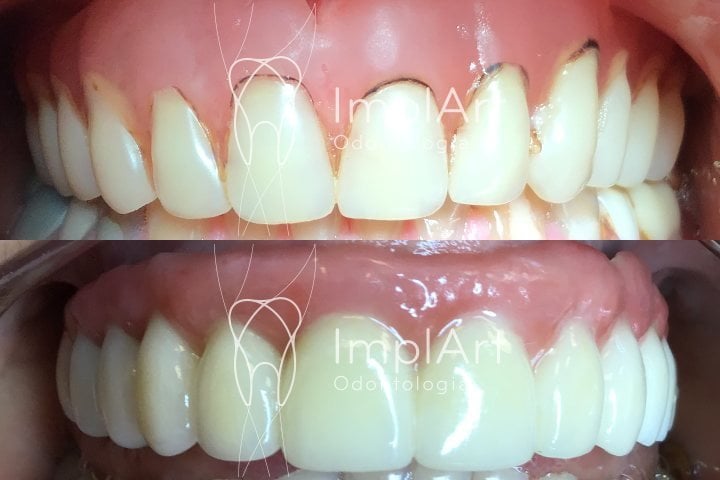
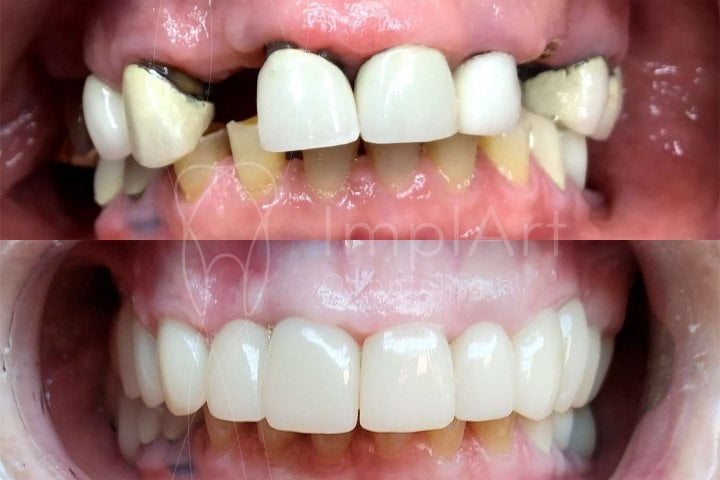
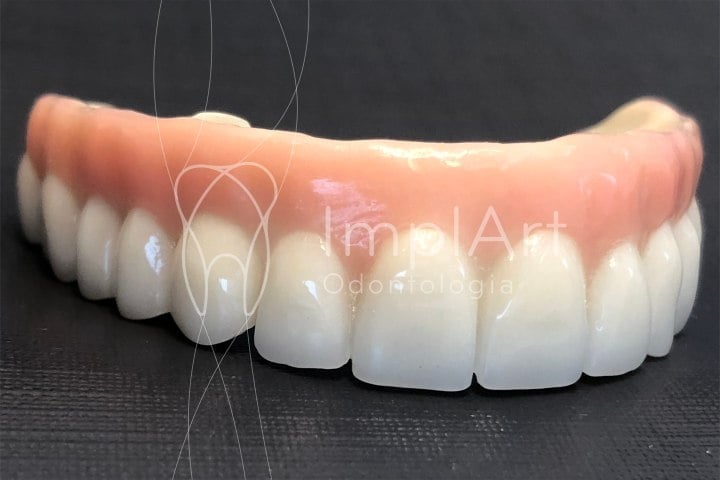
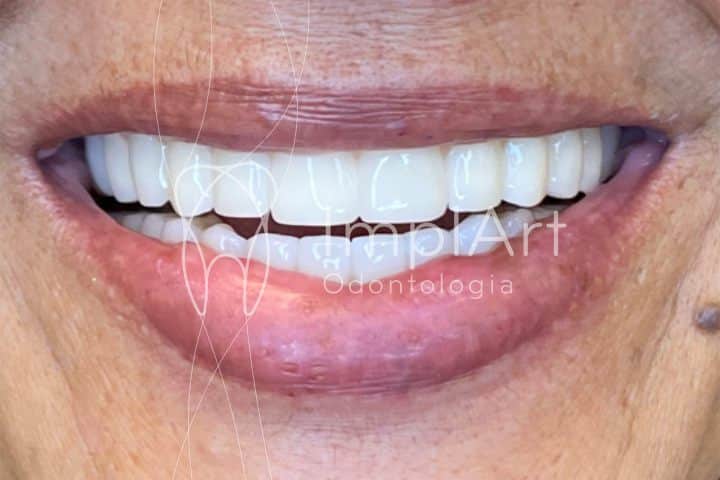
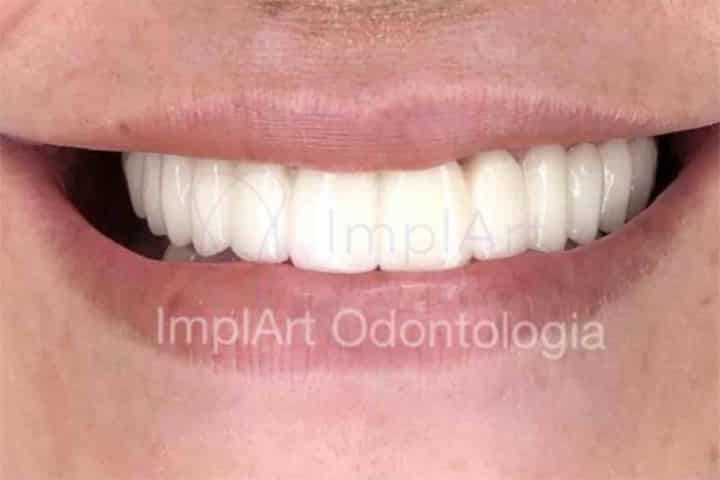
The zirconia protocol prosthesis for the complete upper jaw is a fixed aesthetic prosthesis on a titanium dental implant for oral rehabilitation. It involves computerized design methods, and has become the most requested option among patients looking to combine the strength of the material with its superior aesthetic result in a total dental implant and protocol prosthesis treatment.

Designed using computerized technology and a 3D scanner, zirconia protocol prostheses with full dental implants are the most modern option for replacing completely lost teeth. Combined with fast-healing implant types, such as the Straumann implant, they allow for complete rehabilitation in a short space of time.

Today there are very modern dental implant options, such as the Straumann ceramic implant, or the Neodent Zi zirconia implant, an excellent option for those looking for metal-free implant treatment. It is also important to know that the healing time for a dental implant can vary from 1 to 6 months, depending on the type of implant chosen.

Why is the zirconia protocol the best material today?

Zirconia protocol prosthesis treatment is fully computerized. In addition, it allows for faster results, much more predictability in treatment, as it relies on computer graphics. It also allows for an aesthetically impeccable result and a lot of resistance. In addition, the treatment is carried out using only 3D scanners, without the need for the old conventional molds.

The absence of teeth certainly compromises aesthetics and the patient’s quality of life, which is why the placement of implants with prostheses is able to give the person peace of mind when chewing, speaking and smiling.

The zirconia protocol has many advantages over the conventional resin protocol with a metal structure. Its main qualities are aesthetics and high resistance.

Dental zirconia (pre-sintered zirconium oxide) is a translucent, light-colored material that allows light to pass through, just like natural teeth, and therefore offers an aesthetic result. In this sense, the structure of the Zirconia protocol prosthesis looks discreet inside the prosthesis, even if exposed in brightly lit environments. Certainly the most modern materials are the Zirconia protocol and the porcelain protocol on a total implant.

Zirconia is made using a computerized 3D method and is not a manual job

The structure of the zirconia prosthesis is a single piece, obtained by milling a rough block on a machine that works like a 3D printer. In other words, the treatment is planned on a computer using CAD/CAM technology. The milling machine then wears away the zirconia block until it reaches the shape of the structure of the prosthesis designed to be installed on a dental implant.

Finally, the zirconia structure is characterized with porcelain and the shade is obtained by brushing on specific coloring liquids for this purpose. It is possible to reproduce various shades that make up the same tooth, leaving the prosthesis looking very natural.

The zirconia prosthesis is then screwed onto the dental implants, which are strategically placed in the jaw. The fixed zirconia protocol on implants can bring great relief, especially for patients who wear dentures. What’s more, this model of prosthesis leaves the roof of the mouth free and the patient feels more comfortable chewing and speaking.

Another great advantage of the zirconia protocol prosthesis over the resin protocol is its resistance to staining. In principle, resin is a material that can stain or yellow over time and with pigmented foods.

Advantages of the zirconia protocol:

  • More resistant, while resin can fracture
  • More aesthetic result because there is no metal in the structure (Metal Free Prosthesis)
  • Zirconia teeth are more resistant to staining than resin teeth
  • Computerized design makes it possible to create a prosthesis that is more precise and suited to the needs of each patient
  • Faster treatment
  • Materials that are biocompatible with the human body

Indications for fixed zirconia dental prostheses – Zirconia Protocol

In principle, the patient needs to go for a consultation with an implant dentist at the ImplArt Dental Clinic, so that clinical criteria such as bone volume and general oral conditions can be assessed.

Maxillary rehabilitation with a zirconia protocol can be indicated for people with total upper edentulism, even those who have been wearing removable prostheses for a long time.

See more photos of our work on ImplArt’s Instagram.

If you have any questions, please contact our team through one of the channels below. We, at the ImplArt dental clinic, are a reference in the field of modern dentistry, and we have a team ready to serve you with high technology and knowledge. We’ll be happy to help you!

What is periodontal scraping and what is it for?

Periodontal disease is an inflammatory disease that can affect the gum tissue and the bone around the teeth. There are three stages of the disease: gingivitis, periodontitis and advanced periodontitis.

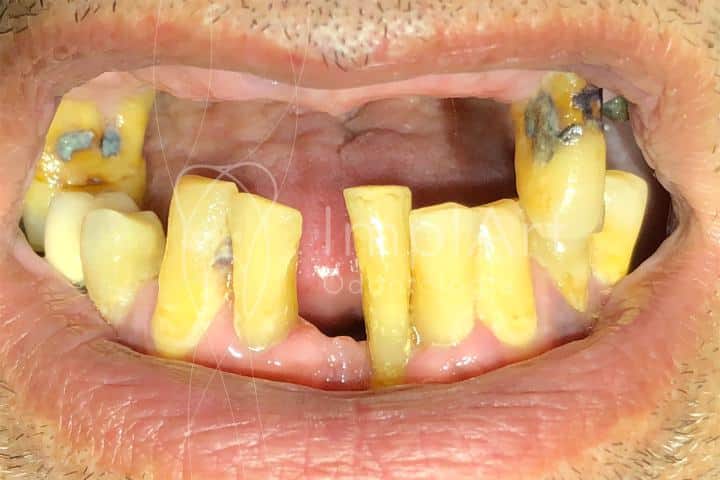
It arises mainly from the accumulation of bacterial plaque and tartar on the teeth and if the disease is not controlled, over time it can lead to deterioration of the tissues that support the teeth. As a result, dental implants may be necessary due to tooth loss.

Red gums are a warning sign

Bacterial activity releases toxins that inflame the gums and cause redness and bleeding. If not initially controlled, the gums take on the shape of pockets (called periodontal pockets) and make room for plaque and tartar to form on the tooth root.

It is therefore at this point that periodontal scraping of this material becomes necessary to avoid more serious problems, such as the tooth softening and falling out.

dental scraping

Deep periodontal treatment

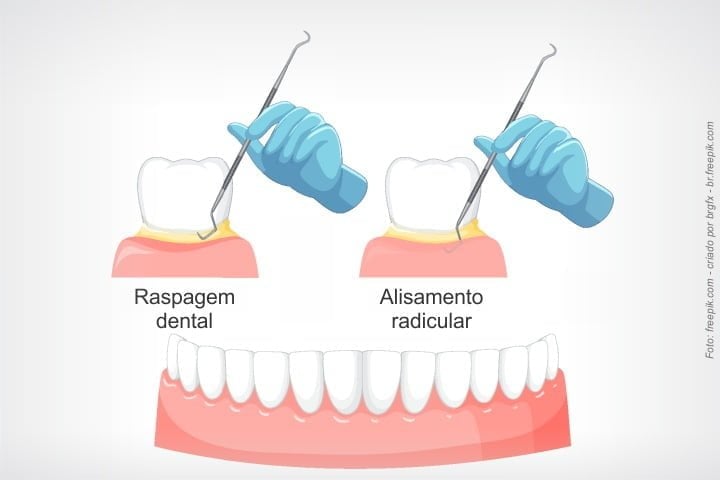
However, periodontal scraping is a procedure that aims to mechanically remove tartar buildup at the level of the tooth root and helps to control and prevent the progression of periodontal disease.

Periodontal scraping and smoothing of the tooth and root removes the material that causes bacterial activity, allowing the gums to heal and return to their normal position. It is therefore done manually with the aid of specific instruments or ultrasonic vibration.

In most cases, the procedure is carried out under local anesthesia to avoid pain and discomfort for the patient, who usually already has sensitive and inflamed gums. It may be necessary to carry out more than one session in order to remove them completely.

It all depends on the stage of the disease. However, after treatment, patients are advised to take care of their oral hygiene to prevent the disease from reappearing and to return to the dentist’s office more often.

Gum scraping serves as the basis for other dental treatments

However, before having dental treatment we need to make sure that the gums are healthy and that there are no more sources of infection in the teeth. That’s why a dental cleaning and often a gum scraping is always recommended before your main dental treatment:

If you have any questions about the treatment or the price, please make an appointment or contact us. We at ImplArt Dental Clinic will be happy to help you.

Periodontal disease: how do I know if I have it?

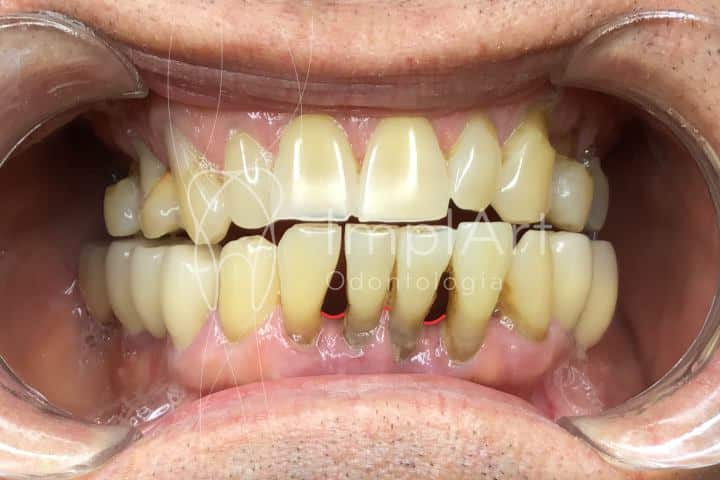
Periodontal disease is characterized by the formation of a space between the gum and the tooth, a periodontal pocket, which helps to accumulate food debris and bacteria. It is the main cause of tooth loss in adults. As in all cases, only a dentist can determine with certainty the patient’s condition and what treatment should be carried out.

Periodontal disease self-examination

But people can find out more quickly at home what their problem is. In the case of periodontal disease, the most characteristic sign is bleeding gums. In addition, changes in the position of the teeth, swollen gums, tooth mobility, receding gums, bad breath and food retention are signs that the disease may already be present.

Periodontal disease is caused by bacterial plaque adhering to the tooth. Bacterial activity in this area releases toxins that initially cause the gums to loosen, making room for infection inside. This infection leads to the progressive deterioration of the supporting tissues of the teeth and in advanced cases, they become soft and fall out.

However, changes in the gums can also be associated with emotional causes, medication or low immunity. That’s why it’s important to have a consultation to assess the causes.

periodontal disease stages

Treatments for inflamed gums

For treatment, the patient must go to the dentist who will remove the plaque by scraping and smoothing the roots of the teeth. Surgery may be indicated if the aforementioned procedures do not reach the entire area of the compromised root. Even with proper treatment, there may be sequelae such as displacement in the position of the tooth, bone loss and gum recession. Surgical and prosthetic procedures are available to reduce these effects.

If you’re noticing any of these symptoms of periodontal disease, make sure you schedule an appointment to start proper treatment as soon as possible, and thus avoid more serious problems such as tooth loss.

Fear of the dentist can complicate oral health

See the latest resources we use to help those who are afraid of the dentist

Odontophobia (fear of the dentist) is a condition that occurs in a small percentage of patients and can vary in intensity. In milder cases, the patient reports some anxiety and may experience tachycardia, a feeling of panic, excessive sweating, dizziness and even fainting.

In our clinic, we have received reports of patients experiencing tachycardia and perspiration when simply starting a conversation with the dentist. Occasionally, there are cases of odontophobia with atypical symptoms, such as nausea, excessive nauseaand intolerance when touching the mouth.

The team at the ImplArt Clinic provides humanized care, i.e. respecting each patient’s limits so that they feel welcome. This applies to simple procedures such as prophylaxis and restorations, root canal treatment and even surgical procedures such as bone grafting or dental implants.

Fear of the dentist can seriously damage your oral health

Dental treatment for patients with a fear of dentists can be difficult, even for simple procedures such as impressions, cleanings and restorations. In situations of severe phobia, a procedure such as implant surgery or even tooth extractions may be unthinkable for the patient.

As a result of the fear of the dentist, patients often refuse to go to the dentist for years, and as a result, oral problems such as cavities and periodontal infections arise, or even serious problems such as tooth mobility and loss, as well as aesthetic impairment of the smile.

The psychological origin of odontophobia is linked to traumatic episodes (trauma) that have been fixed in the patient’s subconscious, most often since childhood. The phobic patient can be treated with:

  • Psychotherapy
  • Sedation with nitrous oxide – however, in our clinic it has been abandoned because it doesn’t produce good results as it generates very light sedation.
  • Intravenous sedation – the technique is really effective. The patient remains in a state of deep drowsiness during the dental procedure (which can last up to 4 hours). The sedation is administered and monitored by a doctor throughout the procedure.
  • General anesthesia – in extreme cases, where even under sedation the patient still becomes agitated, we can indicate the procedure under general anesthesia in a hospital environment.

Read all the resources for those afraid of dental implants

Due to the inherent difficulty of dental treatment for an odontophobic patient, most of the time we can indicate simpler as well as faster treatments under the Day Clinic system. If you have any further questions or would like to give your testimony, please contact us!

Please note: We do not treat children or special patients.

fear of the dentist can get in the way of oral health care

Testimonials

“Excellent clinic and excellent professionals. I have a phobia of dentists, I had implant surgery with conscious sedation and other treatments over a few months and from start to finish I didn’t feel any pain. I recommend it 100%”

Alessandra Escobar

“I’m very anxious about going to the dentist and I’ve always avoided it as much as possible. Now it’s been five years without treating my teeth, so I ended up losing some dentures, had a lot of cavities and an episode of pain. Then I came across the ImplArt clinic and this sedation technique. It was very easy to have the treatment this way. The doctor who saw me was very attentive and looked after me until the end of the procedure. I also found that the dentist worked quickly and did some implants and treated the cavities while I was asleep. It was a bit magical but when I woke up everything was ready, I thought it was great.”

M.R.R., businesswoman, São Paulo-SP

“I was afraid of dentists, but this clinic gave me confidence and surprised me. Dr. Roberto is an excellent professional, he has a lot of experience and is always trying to learn more and more to be more efficient. I’ve always been very well received. Congratulations to all the professionals at this wonderful clinic, the doctors who are excellent professionals, the receptionists who are always kind and proactive. Thank you especially to Dr. Roberto, Dr. Pedro and Dr. Isabela!”

Karina Nascimento

“Dr. Roberto performed my surgery with great skill and mastery. I felt NO PAIN or discomfort. My recovery was excellent and now I’m going to start the final stage of my treatment. I chose the zirconia crown by scanner, because it’s quick, since I have to finish my treatment soon for a trip.”

Adriana Cardoso

“Anyone who is afraid of getting implants, I’ll tell you one thing: don’t be afraid, it doesn’t hurt at all and the clinic is top of the line. Dr. Roberto, who is the director, is super attentive, Dr. Bruno and Dr. Marcos are excellent professionals, none of the treatments hurt at all. I recommend it to everyone.”

kekeu51

“I was very pleased with the results and with the excellent service provided by the professionals. Dr. Pedro was very careful and attentive to me. Congratulations to the whole team and to Dr. Roberto, an excellent professional, may God bless you all.”

Júlio César Salles

Full Arch implants: 11 stages of treatment

Learn about the stages of treatment for full arch implant rehabilitation. A full dental implant is a treatment designed to rebuild a new smile when all the teeth in an arch or mouth have been lost. This type of treatment is also popularly referred to as a protocol prosthesis or All on four dental implants, the latter if it involves 4 implants.

The ImplArt Dental Clinic has extensive expertise in full-arch implant treatments, using the best materials to produce the fixed prosthesis for full arch implants in its own dental laboratory, using state-of-the-art computerized techniques. In this way, we offer our patients a choice of different types of dental implants, with different healing times. In addition, patients can choose between 5 different types of fixed prosthesis to be fitted over their implants.

The most modern prostheses today are made of zirconia and use a computerized system to create these highly resistant and aesthetically pleasing prostheses. In addition to zirconia prostheses, there is also the option of zirconia implants.

Most full arch implant cases follow the following treatment steps:

1 – An individual assessment of the case for full arch/full mouth implantation is carried out

Considering the patient’s general and oral health, the volume and quality of bone in the mandible/maxilla, aesthetics, gum shape, among other aspects. To assess bone volume, radiological examinations such as panoramic radiography and computed tomography will be requested.

This stage also verifies the need for bone grafting prior to implant surgery, as well as the need for medical supervision if the patient has pre-existing diseases that could interfere with the success of dental implant rehabilitation.

2 – Treatment proposal

Depending on the information collected and the patient’s expectations, we will present some alternatives for full arch implant treatment with different stages of treatment, techniques and possible materials. The recommended types of dental implant will be presented according to the patient’s case, and they will be able to choose according to their preference. Today there are very modern dental implants and healing times can take between 1 and 6 months, depending on the type. Implants from the Swiss brand Straumann are the ones with the shortest healing times.

3 – Preparing the mouth

With the aim of eliminating sources of infection, such as professional cleaning, treatment of cavities, tooth extractions and periodontal scraping.

4 – Preparation and molds

For provisional prostheses for total implants. The ImplArt dental clinic takes digital impressions with intraoral scanners (without mass).

5 – Installation of full arch implants

Through simple and painless surgery, the implants that will support the fixed prosthesis are inserted. The surgery takes place in a doctor’s office and the patient can go home immediately afterwards. There are modalities with local anesthesia, or with intravenous sedation, if the patient prefers.

There is also the option of performing dental implant surgery using the computerized guided surgery technique.

This technique eliminates the need to make large cuts and sutures in the gums, making the post-operative period easier and the recovery quicker.

The surgical guide acts as a template with indications of where the incisions should be made to place the dental implants. The surgical guide is custom-made according to the patient’s CT scan images, using a 3D printing method.

*Learnmore about dental implants: How is a dental implant done? How to get a dental implant ?

6 – Installation of the temporary prosthesis

On the same day or after a few days. This is one of the most important stages of treatment. The prosthesis can be fixed or removable, depending on the case. The preference is for a fixed temporary prosthesis, unless this is technically impossible.

This first provisional prosthesis for total implants does not always meet all the requirements of aesthetics and function because it is made under adverse conditions, such as pre-existing teeth that make molding difficult. If necessary, we will make new prostheses.

7 – Waiting period

It takes between one and six months for the implants to integrate into the bone (osseointegration) and for the gums to heal.

digital prosthesis design
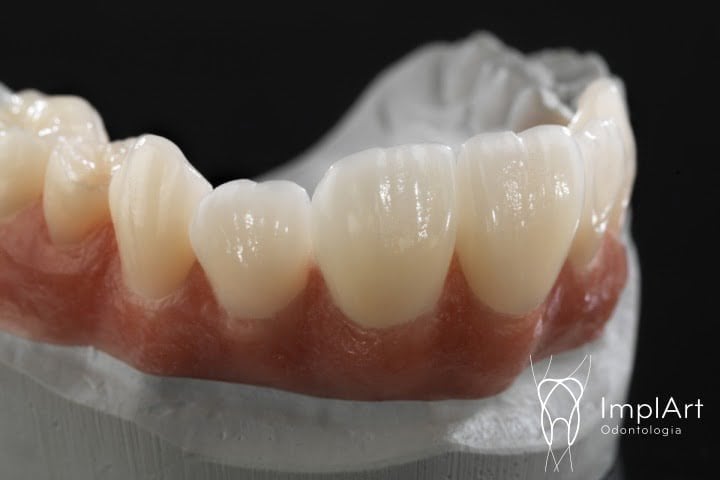
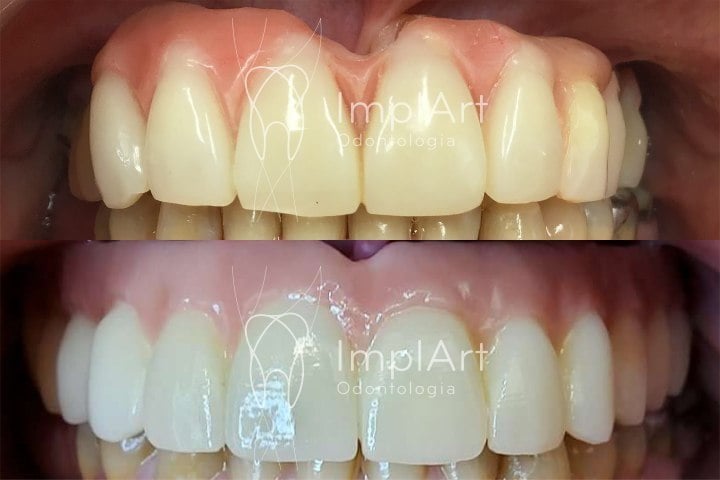
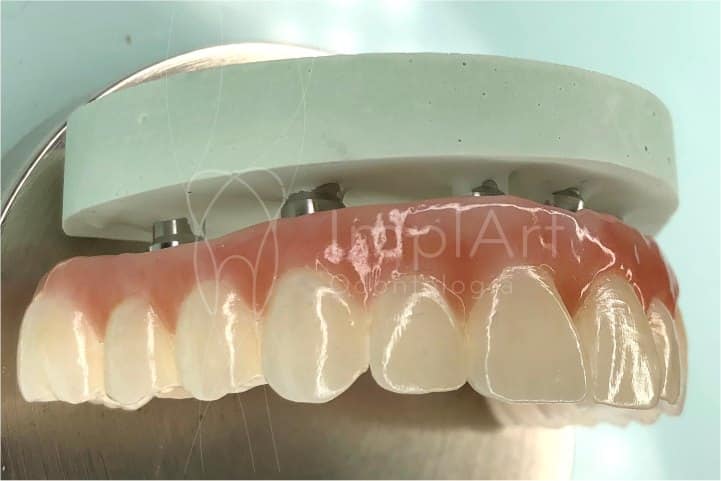
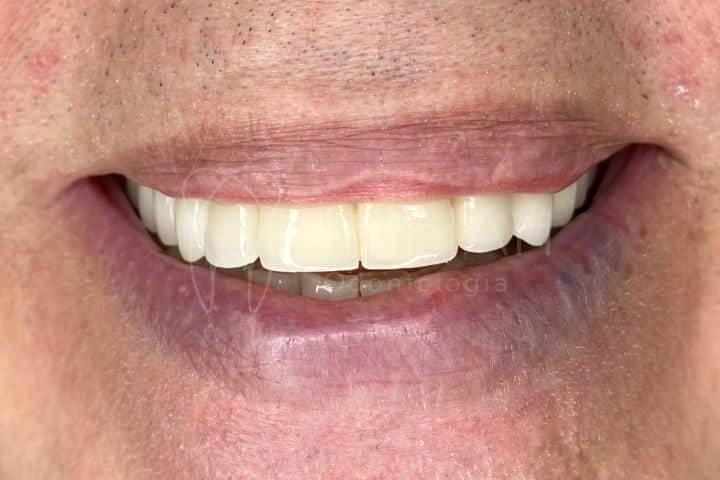
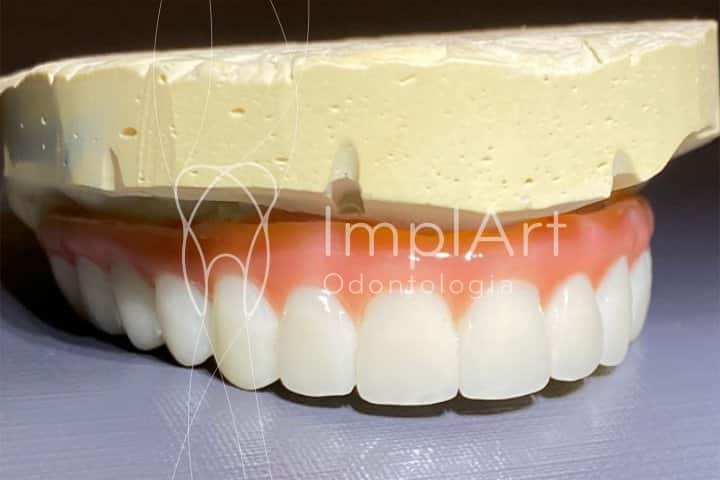
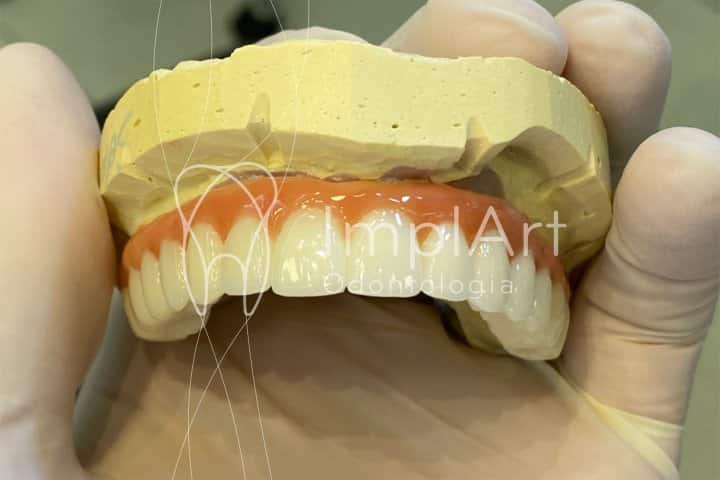
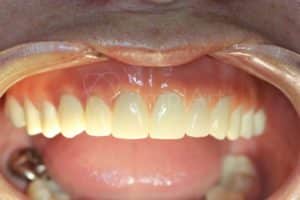
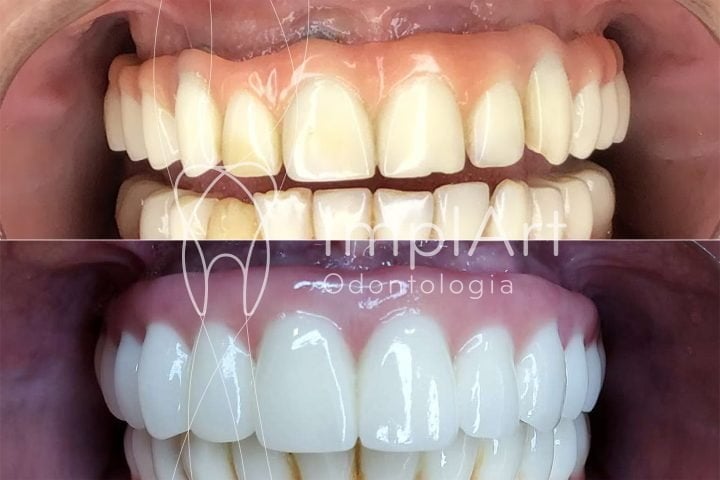
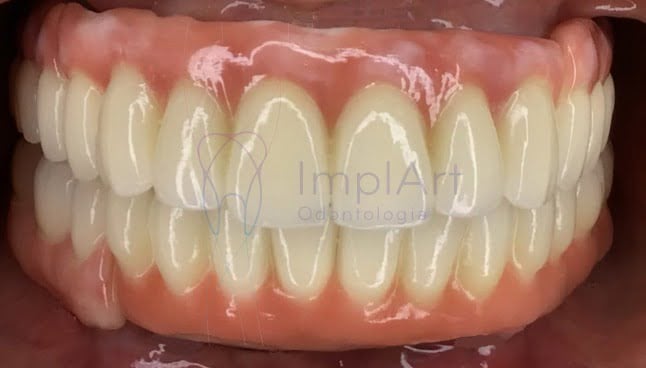
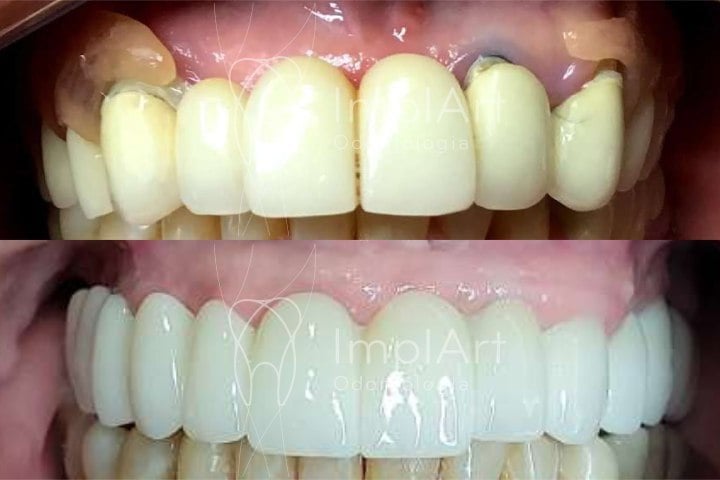
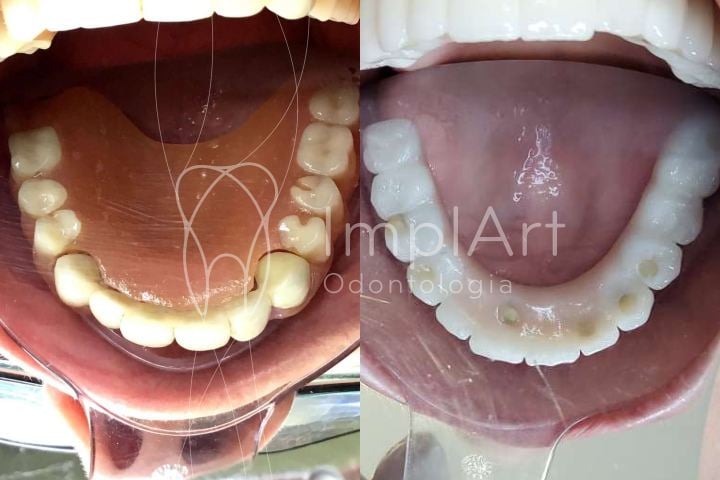
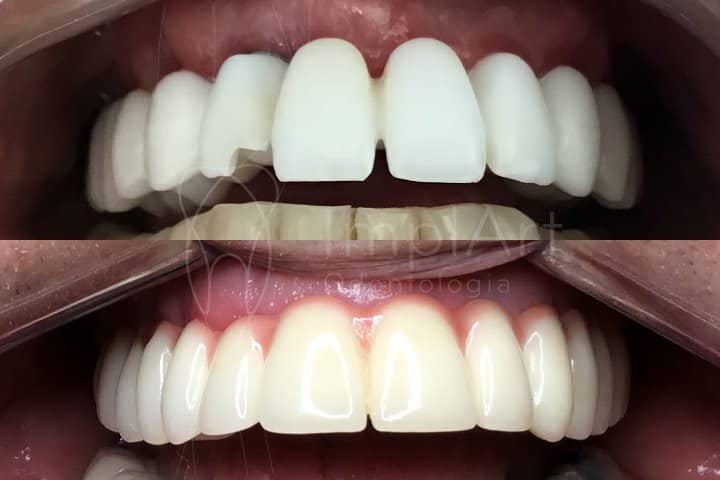
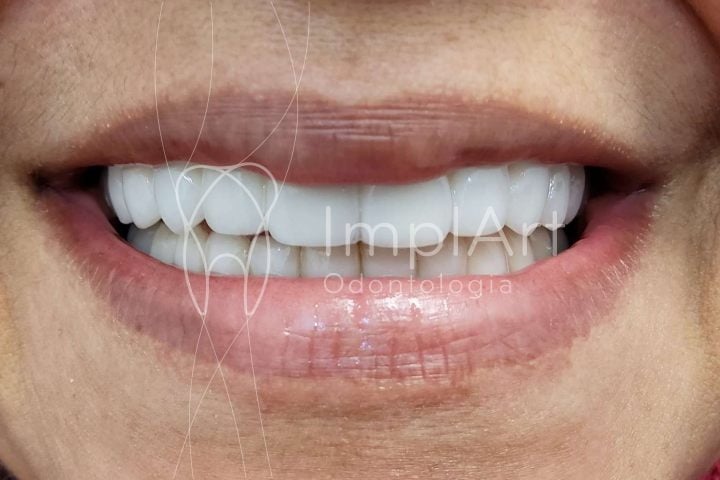
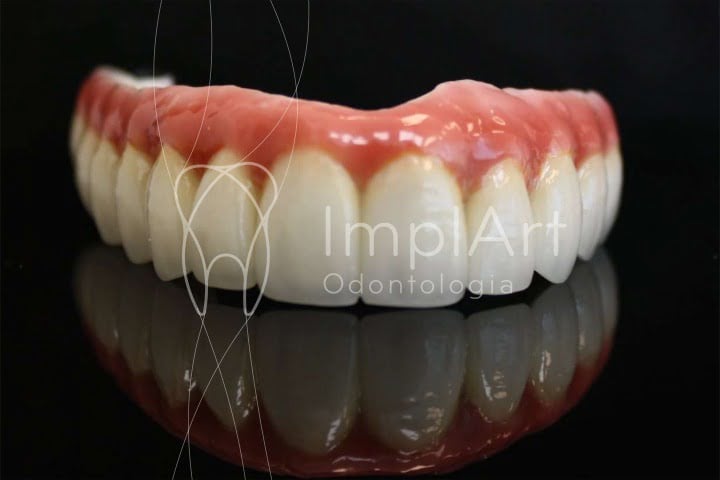
The first image shows the proof of the zirconia structure in the mouth, and the second shows the finished prosthesis with porcelain and a thin layer of artificial gum
digital prosthesis design

8 – Start of the definitive prosthesis for total implants

If the implants are hidden under the gums, the first step is reopening surgery. This is a simple procedure that aims to expose the implants in the mouth. Then molds are made.

9 – Studies for the definitive prosthesis

For total implants, the aim is to find out which characteristics will be important in order to obtain the best aesthetics and functionality. When the characteristics of the final prosthesis are discussed, the color of the teeth, the shape of the teeth, the volume of the prosthesis and whether or not artificial gums are needed will be defined. The patient takes part in this process and will be able to see the stages of the treatment beforehand, as well as the final aesthetics. The dental implant prosthesis can be made of Zirconia, Porcelain or Resin, each with different characteristics, and the patient’s choice is made right at the start of treatment, so that planning is already carried out in anticipation of the definitive prosthesis.

10 – Delivery of the total implant prosthesis

With the approval of the patient and the dentist, the protocol prosthesis is then given as completed and all stages of the proposed treatment have been fulfilled.

11 – Total implant control and maintenance

Once all the treatment stages have been completed and the protocol prosthesis has been delivered, the patient should return every six months for a check-up and cleaning. Every twelve months we will request a panoramic radiograph to monitor the case internally. Even though the patient has had implants and, in many cases, has had all their natural teeth removed, they should still visit the dentist regularly every 6 months.

Dental implants

If you have any questions about the stages of dental implant treatment, please contact us through one of the channels below or make an appointment at the ImplArt dental clinic. We specialize in total implants and prosthetic protocols and will be happy to assist you!

Find out more about treatments at Clinica ImplArt

To find out more about the treatments at Clinica Dentaria ImplArt, check out the images of our treatments on Instagram https://www.instagram.com/clinicaimplart/.
Our videos on Youtube: https://www.youtube.com/@ImplArtImplanteseestetica
See our Pinterest page: https://br.pinterest.com/implante/

To see our photo gallery of our treatments, click here!
Contact us by WhatsApp (11) 99598-1866
Dr. Roberto Markarian, Implant Dentist

Text written by DR. ROBERTO MARKARIAN – CRO-SP 73.583
Founder and Director of the ImplArt Dental ClinicDr. Roberto’s Linkedin profile

implantodontista
Full Arch implants: 11 stages of treatment

Dr. Roberto Markarian is a reference in dental implants and computerized dental prostheses in Brazil. As well as having more than 10,000 implants installed, he is a researcher who produces knowledge that is published worldwide in renowned scientific journals in the field of dentistry. He is responsible for promoting knowledge and high technology applied in all the treatments offered by the ImplArt Clinic.

  • Post-Doctorate in Implant Dentistry – Univ SL Mandic (Campinas-SP) – 2020
  • PhD in Implant Dentistry – Doctor of Implant Dentistry, Univ SL Mandic – 2017
  • Dr. Roberto Markarian Specialist in Dental Implants at USP (Implant Dentist) – 2008
  • Specialist in Prosthodontics (Prosthodontist ) by the CFO – 2006
  • Master in Prosthodontics, USP – 2005
  • Graduated as a Dental Surgeon from USP (São Paulo) – 2001
  • Member of the Clinical Staff of Hospital Alemão Oswaldo Cruz

schedule your appointment at the implart clinic by phone or whatsapp

como é feito um implante dentario
Full Arch implants: 11 stages of treatment

📲(11) 99598-1866

📲WhatsApp(11) 99598-1866

Specialist dental clinic – Day Clinic with specialized dentists

The ImplArt Dental Clinic provides Day Clinic services, because it has a team made up of the main dental specialties and a differentiated technological structure where it is possible to carry out everything from diagnostic examinations to complete oral rehabilitation with dental implants. At our dental clinic we offer various types of dental implants and dental crowns for patients to choose from.

The Day Clinic or Dental Spa is a type of service offered at Clinica Dentaria Implart. In this modality, a complete dental treatment is carried out intensively, seeking to solve different problems in the shortest possible time, often in just one day. It can be carried out with a team made up of dentists, implantologists, prosthodontists and other dental specialties.

Online consultation at the ImplArt Clinic

For those patients who come from far away to have their Day Clinic treatment at the ImplArt Dental Clinic, accommodation in São Paulo is part of the pre-arrival planning. We have therefore prepared a list of accommodation recommendations in São Paulo to help you plan your visit to ImplArt. To access these accommodation recommendations, go to: Accommodation for ImplArt Dental Day Clinic in SP.

What’s more, we’re able to carry out an online assessment prior to your arrival, so you’ll come to your treatment knowing what you need to do and how long you need to stay in São Paulo. This is done directly with our clinical director, Dr. Roberto Markarian, an implant dentist. See below how the online consultation at the ImplArt Clinic works:

We have staff who are fluent in other languages, so if you prefer we can serve you fluently in English and Spanish.

Day Clinic for quick dental treatments

The Day Clinic is ideal for people who have little time due to their daily activities, people who live in other cities and are working in São Paulo or people who suffer from odontophobia (fear of the dentist). Here are some of the treatments that can be carried out in one day at the ImplArt Day Clinic:

Fast-healing dental implants

The ImplArt Dental Clinic works with the modern Straumann Slactive implant, which has technology that not only favors, but also speeds up the healing process. This technology can be used in most cases, as long as the patient has favorable conditions that will be analyzed by our team;

Application of dental contact lenses

Aesthetic treatment based on the application of ultra-thin porcelain veneers. Suitable for correcting imperfections in the teeth, filling gaps, covering stains, among others. Learn more

Digital molding

We have two of the most modern intraoral cameras used to scan the teeth and gums and create a 3D color digital mold of the arches. The digital mold makes it possible to plan treatments on the computer and offer not only agility, but also comfort to the patient in their Day Clinic (express treatment – fast). Learn more

Placing porcelain crowns

Computer-designed and made by 3D printers. ImplArt has its own prosthetics laboratory with two modern 3D printers (the CEREC and the Ceramill Motion II milling machine, which make crowns and prostheses with quality and speed).

Oral rehabilitation of teeth

Dental practice that aims to recover or improve the patient’s health, chewing function and oral esthetics in a complete way, when these are compromised. Learn more

Professional cleaning – Scraping and prophylaxis

Prevents the onset or progression of more complex oral diseases such as cavities, plaque build-up, tooth mobility, etc.

Exams and complete diagnosis – in the clinic itself – all in one place

ImplArt has a modern radiological center, with panoramic radiography and computed tomography, thus allowing its professionals to carry out a faster check-up, reaching a diagnosis and planning the Day Clinic much more quickly. Learn more

Laser teeth whitening

Made with a combination of gel enhanced by laser light, it removes pigments and stains from tooth enamel and dentin. Learn more

Day of the bride and groom at the dentist

Aesthetic and restorative treatments that make your smile beautiful for the big day. Learn more

Get to know the ImplArt Dental Clinic Day Clinic

If you have any questions, would like to know the price of quick treatments or planning, don’t hesitate to contact our team or come and visit us. We’ll be happy to help you!

Find out more about treatments at Clinica ImplArt

To find out more about the treatments at Clinica Dentaria ImplArt, check out the images of our treatments on Instagram https://www.instagram.com/clinicaimplart/.
Our videos on Youtube: https://www.youtube.com/@ImplArtImplanteseestetica
See our Pinterest page: https://br.pinterest.com/implante/

To see our photo gallery of our treatments, click here!
Contact us by WhatsApp (11) 99598-1866
Dr. Roberto Markarian, implant dentist

Text written by DR. ROBERTO MARKARIAN – CRO-SP 73.583
Founder and Director of the ImplArt Dental ClinicDr. Roberto’s Linkedin profile

Dr. Roberto Markarian implant dentist
Specialist dental clinic - Day Clinic with specialized dentists

Dr. Roberto Markarian is a reference in dental implants and computerized dental prostheses in Brazil. As well as having more than 10,000 implants installed, he is a researcher and produces knowledge that is published worldwide in renowned scientific journals in the field of dentistry. He is responsible for promoting knowledge and high technology applied in all the treatments offered by the ImplArt Clinic.

  • Post-Doctorate in Implant Dentistry – Univ SL Mandic (Campinas-SP) – 2020
  • PhD in Implant Dentistry – Doctor of Implant Dentistry, Univ SL Mandic – 2017
  • Dr. Roberto Markarian Specialist in Dental Implants at USP (Implant Dentist) – 2008
  • Specialist in Prosthodontics (Prosthodontist ) by the CFO – 2006
  • Master in Prosthodontics, USP – 2005
  • Graduated as a Dental Surgeon from USP (São Paulo) – 2001
  • Member of the Clinical Staff of Hospital Alemão Oswaldo Cruz

schedule your appointment at the implart clinic by phone or whatsapp
como é feito um implante dentario
Specialist dental clinic - Day Clinic with specialized dentists

📲(11) 99598-1866

📲WhatsApp(11) 99598-1866

Straumann Slactive dental implant

Tooth replacement in 1 month with rapid implants and DayClinic

Rapid tooth replacement with dental implants

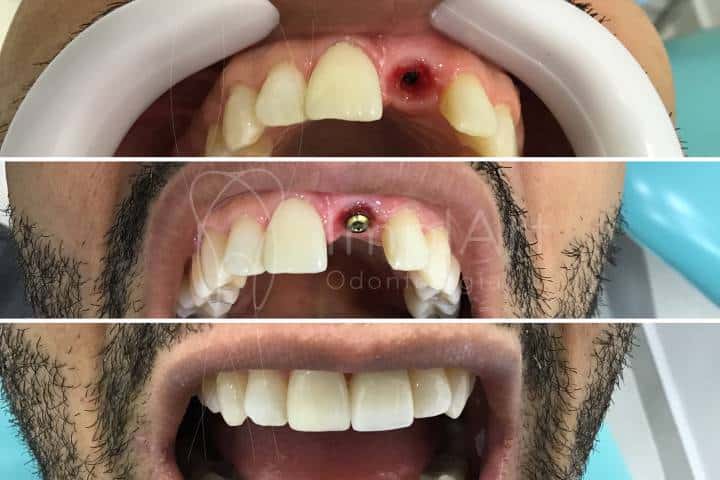
It is possible to replace a tooth by installing a dental implant with a CAD/CAM-designed crown within 1 month, in selected cases. This is possible because the ImplArt Dental Clinic works with Straumann Slactive implants. They have surface technology that favors and accelerates healing and the biological interaction between implants and bone (osseointegration).

A case of root fracture, for example, would require a dental implant as soon as possible, along with extraction. Successful osseointegration is what guarantees the stability of the implant to support the prosthesis and the masticatory load over the years. With normal implants, osseointegration usually occurs between 6 and 8 months. With Straumann Slactive implants, this time can be reduced to 3 to 4 weeks.

*Learn all about implants: Dental Implants at ImplArt Dental Clinic Specializing in Dental Implants

Will I lose a tooth during implant healing?

During this healing period, the patient wears a temporary prosthesis so as not to be left without a tooth. In the meantime, our prosthetics laboratory carries out the digital CAD/CAM design and manufacture of the definitive prosthesis using 3D printers. The design begins with a digital mold that is taken using an intraoral scanner, an intraoral camera that captures precise images of the patient’s mouth.

See more about single-tooth implants: Single-tooth implants

tooth replacement with dental implant and CAD/CAM crown

From these three-dimensional images, it is possible to design a prosthesis with the perfect fit and shape for tooth replacement. The prosthesis is made using a 3D printer. It can be made of porcelain, a very resistant, aesthetic material comparable to natural human teeth, and with a metal or zirconia internal structure.

Some people prefer to come twice to our clinic in a stage protocol for Implants instead of coming only once. This happens because if you stay for the full length of the treatment, you need to stay at least one month in Brazil but instead, if you choose a stage treatment you can come normally for one week and go back home. Then, after a few months, when you have availability, you can come again for another week and finish your work.

Find out more about our digital prosthetics laboratory.

It is worth noting that the possibility of tooth replacement with implant installation, gum grafting or bone grafting, with the definitive prosthesis in just 1 month, is only possible in selected cases.

An assessment by our specialized team will determine this possibility taking into account certain characteristics, such as bone volume and general state of health (in general, as well as of the teeth and gums).

The patient’s age can also influence the planning of dental implants. The rapid installation of a dental implant with a permanent crown for tooth replacement restores chewing ability, smile aesthetics and confidence in speaking and smiling.

Alternatives to dental implants for tooth replacement

As an alternative to implants, we can use dental prostheses in some cases. Adhesive dentures are a way of replacing a missing tooth. The main feature of this prosthesis is that it is attached to neighboring teeth using metal fins and dental adhesive.

If you have any questions about tooth replacement with dental implants, treatments for bruxism or average prices, please make an appointment or contact us. We’ll be happy to help you.
Dr. Roberto Markarian, implant dentist

Text written by DR. ROBERTO MARKARIAN – CRO-SP 73.583
Founder and Director of the ImplArt Dental ClinicDr. Roberto’s Linkedin profile

Dr. Roberto Markarian implant dentist
Tooth replacement in 1 month with rapid implants and DayClinic

Dr. Roberto Markarian is a reference in dental implants and computerized dental prostheses in Brazil. As well as having more than 10,000 implants installed, he is a researcher who produces knowledge that is published worldwide in renowned scientific journals in the field of dentistry. He is responsible for promoting knowledge and high technology applied in all the treatments offered by the ImplArt Clinic.

  • Post-Doctorate in Implant Dentistry – Univ SL Mandic (Campinas-SP) – 2020
  • PhD in Implant Dentistry – Doctor of Implant Dentistry, Univ SL Mandic – 2017
  • Dr. Roberto Markarian Specialist in Dental Implants at USP (Implant Dentist) – 2008
  • Specialist in Prosthodontics (Prosthodontist ) by the CFO – 2006
  • Master in Prosthodontics, USP – 2005
  • Graduated as a Dental Surgeon from USP (São Paulo) – 2001
  • Member of the Clinical Staff of Hospital Alemão Oswaldo Cruz

schedule your appointment at the implart clinic by phone or whatsapp

como é feito um implante dentario
Tooth replacement in 1 month with rapid implants and DayClinic

📲(11) 99598-1866

📲WhatsApp(11) 99598-1866

Odontologia digital E Inteligência Artificial na Odontologia

Digital Dentistry – High technology applied to dentistry

Digital dentistry and the use of advanced technologies are already a reality in dentistry. The ImplArt Dental Clinic is always investing in technologies that make computer-planned treatments not only faster and more precise, but also more comfortable.

Digital Dentistry – Discover the advantages of using computers in dental treatments

3D tooth printer

3D printers are very versatile, because they are able to build objects of various shapes according to a three-dimensional digital design. Prostheses and dental restorations are also being made using this concept at Clinica Dentaria ImplArt.

We have the two main 3D tooth printers developed in the world: Cerec from the German company Sirona (including the most up-to-date version of the system, Cerec Primemill), and Ceramill Motion II from Austria’s AmannGirrbach. They have robotic arms that mill the chosen dental material (which can be porcelain, ceramic, zirconia, etc.) until it acquires the shape of the computer-designed restoration.

The result is a piece made very quickly, completely customized to the patient’s needs, with perfect color and fit. It is also possible to make an identical copy of the shape of a prosthesis that the patient is already used to, but which needs to be replaced because it has suffered a fracture or was made with unsightly material (metal or stained resin).

digital smile planning computerized treatment dentist, digital dentistry

Digital smile project

We use modern digital dentistry software to design computerized dental treatments. With the help of these programs, we can design aesthetic dental restorations, crowns, dental contact lenses and even full dentures on implants.

We also design orthodontic treatment by simulating tooth movement and planning dental implant treatment. The aim of the digital smile project is to carry out a treatment that seeks to harmonize the functionality and aesthetics of the smile.

We create restorations and prostheses with customized shapes and colors for each patient.

digital scanning teeth digital molding

Intraoral scanner

The intraoral scanner is a high-precision camera that captures intraoral images, i.e. of the teeth and gums. These images are transferred to a computer which creates a three-dimensional digital mold of the dental arches, the basis for planning the entire treatment.

With digital modeling, our team is able to design restorations and prostheses according to each patient’s needs, even mimicking the shades of neighboring teeth.

For the patient, this type of molding is much more comfortable and faster, unlike the old putty molds. Computer modeling also avoids errors in dental prostheses made with conventional putty molds.

Watch a simulation of the digital scan by clicking here.

Digital orthodontic treatment planning for teeth alignment with Invisalign clear aligners. The planning is based on a digital scan of your teeth.

Computer-guided surgery

Computer-guided total implant surgery is a technique that allows for less invasive, precise and comfortable implant surgeries. It eliminates the need to make large cuts and sutures in the gums, thus making the post-operative period smoother and the recovery quicker.

The main purpose of this feature is to provide the patient with greater comfort, both during the surgical process and in the post-operative period. Find out more by clicking here.

If you have any questions, please contact our Dental Clinic or come and visit us.

Read more about digital dentistry and technology