Tag: paciente

Digital radiology center at the ImplArt Clinic

For your convenience, the ImplArt Dental Clinic has a digital radiology center for carrying out radiological examinations, which are essential for diagnosis and planning/monitoring various dental treatments. Diagnostic examinations certainly play a key role in the planning of an excellent dental treatment by an implant dentist. They are indispensable for planning bone grafting, periodontal grafting, dental implants, total impl ants and protocol prostheses.

In this sense, digital radiology at the ImplArt Clinic is linked to the One Stop Solution concept, where patients can carry out everything from diagnostic examinations to complete dental treatment within the complete structure of the Dental Clinic.

Digital radiographs and examinations at the ImplArt clinic help with rapid diagnosis and treatment planning

The ImplArt Clinic’s digital radiology center facilitates diagnosis and speeds up the start of treatment, since patients don’t have to travel to another address to have their tests carried out.

The ImplArt radiology center is equipped with a state-of-the-art digital x-ray machine (manufactured by Dabi Atlante), which enables digital panoramic x-rays and computed tomography, both with real-time image results.

With these high-precision tests, the diagnosis is made quickly and reliably. They also support treatment planning, avoiding wasted time, unnecessary procedures and possible surgical accidents.

Digital radiography is a way of capturing images by emitting x-rays, but with digital sensors rather than traditional film.

Read more: The use of digital dentistry in our clinic reduces the chance of COVID-19 contamination at the dentist.

Advantages of Digital Radiology

There are many advantages to using digital radiography:

  • Patient exposure to radiation is much lower in digital radiology compared to traditional film.
  • The patient doesn’t have to repeat the examination until the image is good.
  • Diagnoses are faster and more accurate, as the image captured in digital radiology has excellent resolution and the dentist can view it directly on the computer screen (no need to wait for it to be developed).
  • It allows small details such as tooth or root fractures to be analyzed. The dentist can enlarge the image when necessary.
  • It allows interaction between dentist and patient, since with the digital image on the computer screen, it is possible to better discuss the diagnosis and treatment planning.
  • It can be filed in the patient’s chart and opened by any member of the dental team involved in planning and treatment.
  • The test is sustainable, as there is no need to print film or use toxic chemicals to develop it.
digital radiology

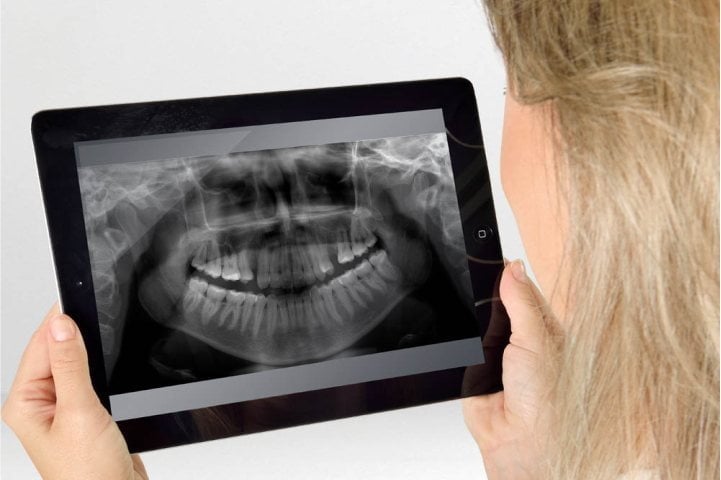
Digital radiology – Panoramic radiography

A radiological examination used to visualize oral structures. Here are some situations in which it is very useful in dentistry:

digital radiology

Computerized Tomography (CT-scan)

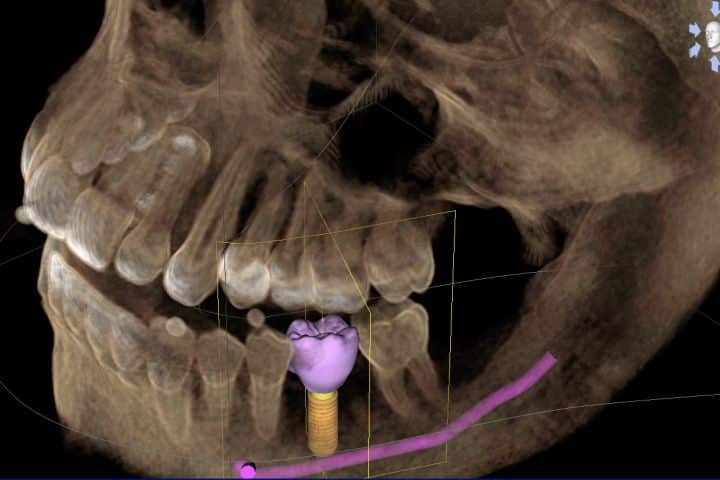
Thishigh-precision radiological examination, available at the ImplArt Clinic’s Digital Radiology Center, is designed to visualize bone structures. In dentistry, it is very useful because the three-dimensional image makes it possible to analyze teeth, bones, joints, occlusion, soft tissues, nerve pathways, etc. Here are some of the main uses of CT in dentistry.

  • Diagnosing periodontal diseases, even at an early stage.
  • Measuring bone volume for planning dental implant surgery. Knowing the exact measurements of the bone tissue is an extremely important factor when planning dental implant surgery, because in this way it is possible to choose implants with dimensions suited to the needs of each patient and also to respect the limits of the tissues in order to avoid affecting sensitive structures such as nerves.
  • CT assists in what we call computer-guided surgery, a technique that makes surgery precise and less invasive, and therefore with the expectation of a quicker and smoother recovery.
  • Monitoring the implant healing process (osseointegration).
  • Identify possible problems with the implant, especially peri-implantitis (infection around the implant that can lead to mobility or falling out).
  • Identify fractures or defects in the maxilla or mandible that affect the health and stability of teeth or implants.

If you have any questions, please contact us or come and visit us. We at the ImplArt Dental Clinic will be happy to help you.

Trios 3Shape – Intraoral scanner for mass-free digital molding

The ImplArt Dental Clinic is constantly investing in modern technologies that are sure to make dental treatments faster, more precise and more comfortable. So, for those patients who can’t take a cast at the dentist, there are alternatives! The good news is that new digital molding treatments allow pure zirconia prostheses or pure porcelain crowns to be made using computerized molding.

This applies to treatments with individual dental implants and single dental crowns, as well as fixed prostheses and protocol prostheses in Pure Zirconia. It can also be used for dental contact lenses.

What is an intraoral scanner?

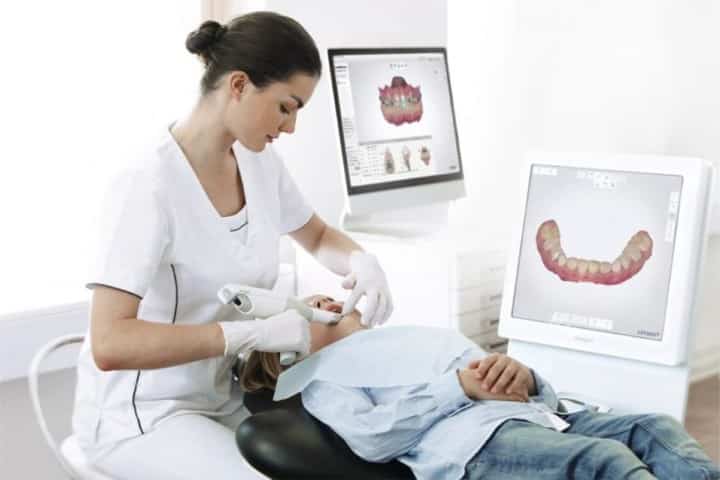
The ImplArt dental clinic was one of the first dental clinics in Brazil to acquire the new intraoral scanner for taking color and computerized digital impressions, the Trios Scanner from the Danish company 3Shape. Our Trios scanner uses CAD/CAM technology to:

  • Intraoral scanning and three-dimensional molding of dental implants and teeth in color.
  • High-precision color imaging of teeth and gums using an integrated intraoral scanner.
  • Measurement of tooth shades while scanning, allowing for more accurate and predictable results.
  • The Trios 3Shape system has a high-resolution multi-touch screen that makes it easy to work with and understand the patient.

The use of digital dentistry in our clinic reduces the chance of COVID-19 contamination at the dentist.

intraoral scanner for digital molding

Digital molding allows the design and execution of different dental treatments such as:

digital radiology

Advantages of the intraoral scanner for digital molding compared to conventional putty molding:

Comfort – the use of the intraoral scanner allows for faster and more comfortable molding for the patient, especially for those who report distress when using molding materials in the oral cavity.

Predictability of results – reading the different shades of the patient’s teeth allows restorations to be made that reproduce these same shades, leaving them looking natural as a whole smile. A recent joint study found that the Trios shade measurement is more reliable than that of the human eye.

Integration – the 3Shape system enables integrated communication between the dentist (requester) and the dental laboratory (executor).

If you have any questions, please contact us or make an appointment. We’ll be happy to help you.

Odontophobia – The fear of the dentist can ruin your life

Odontophobia is a term that defines a person who is afraid of the dentist, i.e. the patient may experience symptoms ranging from mild anxiety to panic, dizziness and fainting. Other patients experience nausea or motion sickness during dental treatment.

It is important for patients to know that the ImplArt Clinic team provides humanized care, in other words, respecting the limits of each patient, so that they can feel welcome. This applies to simple procedures such as prophylaxis and restorations, root canal treatment and even surgical procedures such as bone grafting or dental implants.

The dentist for phobics can help you take care of your oral health

This condition often leads to people neglecting their oral health and putting off important care at an early stage.

This leads to problems such as cavities, plaque buildup, gingivitis, periodontal disease, root canal problems, fractures, dental malocclusion, tooth mobility and dental aesthetics, among others. Many of these problems, if not treated in time, can lead to tooth loss.

We at ImplArt Odontologia understand that this is a serious issue. We know that many patients who seek dental care carry expectations and anxieties, and some even have bad previous experiences.

That’s why we strive to provide patients with a calm and transparent service, especially those with odontophobia.

Sedation procedure helps with odontophobia

In moderate cases of odontophobia, dental procedures can be carried out under intravenous sedation, in which the patient remains in a state of deep drowsiness throughout the procedure.

Sedation is completely safe, as it is carried out by a specialist doctor who first interviews the patient and requests complementary tests (if appropriate), and monitors the patient’s functions while all the dental procedures take place.

When all the procedures are finished, the doctor stops the sedation and the patient wakes up instantly without any difficulty. In extreme cases of odontophobia, dental procedures may be performed under general anesthesia in a hospital setting.

The ImplArt Clinic performs implants at the Oswaldo Cruz Hospital in São Paulo.

humanized care at the dentist for those with odontophobia

Day Clinic (Dental Spa)

ImplArt Odontologia was a pioneer in designing the Dental Day Clinic in Brazil. This is a model of care in which one or more dental procedures are carried out intensively, in the shortest possible time.

The Day Clinic is one of the ways to bring comfort and confidence to patients with odontophobia, because they spend less time in the office and don’t stop taking care of their oral health and smile. Find out more about the ImplArt Day Clinic.

If you have any further questions or would like to give your testimony, please contact us. ImplArt can help you whether you’re looking for a dentist for people with fear in sp or a dentist for people with phobia in sp.

Please note: we do not treat children or special patients.

At-home or in-office teeth whitening?

With the teeth whitening technique, you can achieve a more beautiful smile and get rid of discomfort. Teeth whitening is an ideal option for looking after your dental aesthetics and keeping your oral health up to date.

Many people are embarrassed to take photos, smile or even talk because of their teeth. Yellowing and stains on the teeth cause discomfort and discomfort.

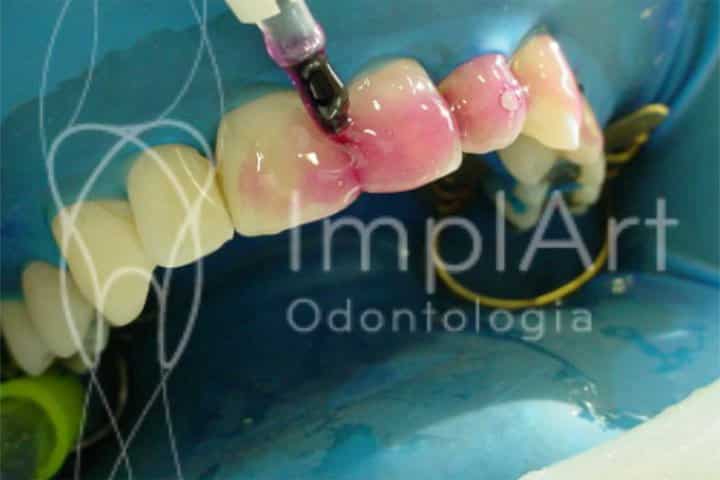
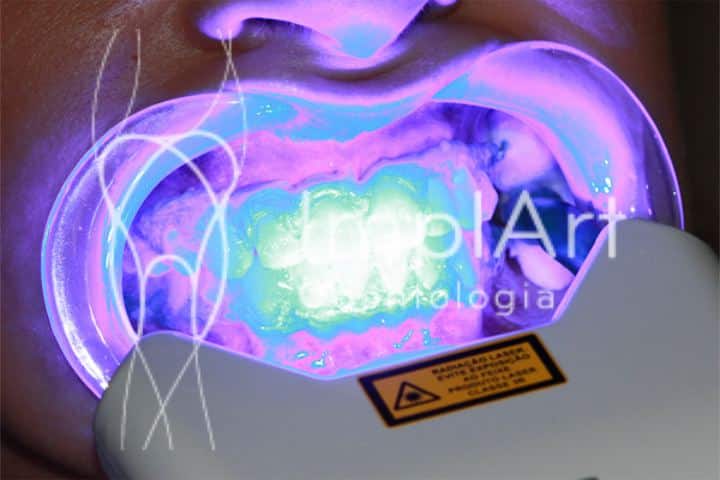
Laser teeth whitening technique

Procedure improves smile presentation and self-esteem

Teeth whitening is a process that removes pigments and stains from tooth enamel and dentin using a special gel enhanced by laser light. Because the treatment is simple, most people can undergo it, and there are even techniques for children as young as 10.

However, in order to better define how whitening will be carried out, the dentist needs to assess each patient individually, looking at details such as the cause of the darkening, age and the integrity and shade of the teeth. However, older age and grayer stains make the process more difficult.

In which cases can the laser teeth whitening technique be used?

Before starting laser whitening, the person needs to undergo a better assessment of the oral tissues, taking into account the teeth, gums, tongue and internal mucosa. As each case is different, there is no whitening standard. In principle, teeth that are yellowed, brown, evenly darkened or with black, brown and yellow stains (as a result of drinking tea, coffee, cigarettes and plaque build-up) are more easily removed.

On the other hand, in cases where teeth are blue in color, have streaks caused by antibiotics or irregular stains, the whitening process is likely to be more difficult. In short, the worst cases are teeth with old endodontic problems and very dark stains. Dentures and restorations are not whitened with this technique.

In addition to the laser whitening technique, home whitening is a better option for those who don’t want to go to the dentist for sessions. It can be done by the patient themselves using a special gel and trays. Learn more about the technique below.

Home teeth whitening technique

Home teeth whitening done by the patient themselves is gaining a lot of followers due to its convenience and practicality, since the person doesn’t need to go to the dentist’s office to have the procedure done. However, it’s worth noting that, even if it’s done at home, the teeth whitening technique can only be recommended by a dentist after an assessment of the patient in consultation.

The technique is indicated for people who want to take care of their dental aesthetics and have stained teeth, yellowish pigmentation or who suffer from old endodontic problems. However, before starting whitening, oral health is assessed, as it must be up to date, with no sores, bleeding, cavities or tartar.

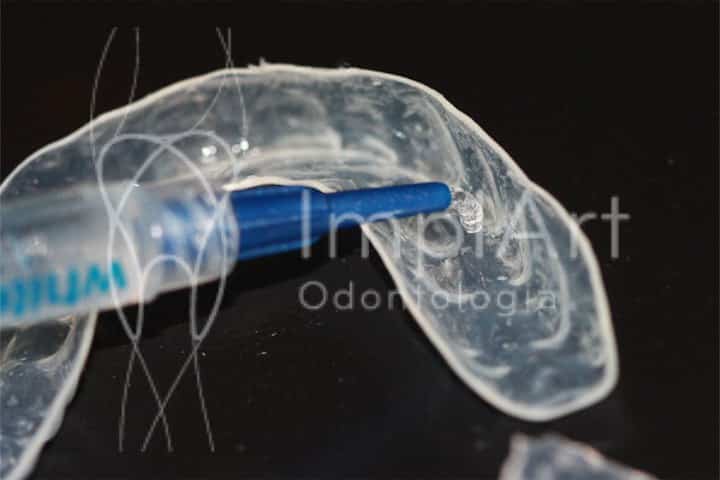
To whiten teeth at home, the patient uses a carbamide peroxide gel with a carbopol concentration of 10%, 16% or 22%. Flexible trays are then used to deposit the gel, which are then fitted to the teeth to start the treatment.

Duration of Whitening Treatment

The home procedure takes between 1 and 3 weeks to complete. The gel can be used in one session lasting 3 to 4 hours. Another option is two short sessions of 30 minutes to 1 hour. Although this technique takes longer to show results than laser whitening, it is considered less aggressive to the patient, as faster treatments can cause temporary side effects.

In addition, the professional must monitor whether the technique is being carried out correctly and, finally, whether the steps are being followed. If you have any questions, please contact us through one of the channels below or book an appointment with us.

There is also teeth whitening that combines both techniques, laser whitening and home whitening.

The combined whitening technique works very well and is considered better than the two others individually. You’ll also like to know about it:

Learn about other treatments for dental aesthetics

If you have any questions about teeth whitening prices, values and techniques, then please contact our team via one of the channels below or come and visit us. We’ll be happy to help you! If you have any questions about price or treatment, please contact us or book an appointment. We’ll be happy to help you!

Planning for dental implants – how is it done by the dentist

Improve your quality of life and self-esteem with dental implants

Dental implants must be planned by a specialist in order to achieve the desired success. Initially, when studying dental implants, examinations are carried out in order to:

What resources can dentists use to plan implants?

It is important to explain that the dentist uses photos, examinations and clinical assessment in an integrated manner for precise dental implant planning.

  1. Initial Photos: Photos of the mouth and smile at the start of treatment capture the oral anatomy and help to visualize the general condition of the mouth, including the position of adjacent teeth and facial aesthetics.
  2. Radiographic examinations: Panoramic radiographs and CT scans also offer a three-dimensional view, allowing bone quality to be assessed, anatomical structures to be identified and pathologies to be detected.
  3. Clinical Evaluation: Detailed intraoral examinations reveal more in-depth periodontal conditions, the presence of infections and specific characteristics of the oral tissue, providing crucial information for implant success.
  4. Precise measurements: Using specific measurement software, the professional assesses the thickness and height of the available bone, thus ensuring the proper selection of the implant.
  5. Virtual Planning: Specialized software allows for virtual simulations, making it easier to choose the ideal position for the implants, considering aesthetics and function.

The combination of these elements also allows the dentist to carry out personalized planning, increasing the predictability and success of the dental implant procedure.

Planning is important for successful dental implant treatment

Dental implants are performed in the dentist’s office under local anesthesia, with care and attention from the implant dentist. Even those who are afraid of the dentist can have bone implants without any problem. Titanium implants are placed inside the bone and you have to wait three to six months for osseointeraction (calcification of the implant in the bone).

Once healing has taken place, the patient can wear a temporary prosthesis which allows them to better maintain their daily activities and also prevents the process of bone resorption (when the area is left without teeth for a long time, it can lose bone volume). Also during this period, the dentist makes the molds for the fixed dental prosthesis that will be placed after the implants have osseointegrated.

Temporary prosthesis for dental implants – planning

Despite the initial discomfort due to the implants and also the temporary prosthesis, the patient should wear it most of the time to facilitate adaptation. At first, the patient may feel nauseous, produce more saliva than usual and their pronunciation may also be strange. Of course, any discomfort in the meantime is temporary and must be overcome in order to achieve the best possible result.

However, in some cases, the dentist may opt to carry out the immediate loading procedure, in which the temporary prosthesis is fixed immediately after the implants are placed. This takes a maximum of 72 hours and, like all treatments, must be planned in advance to avoid problems in the future.

Read more: Dental implant recovery time

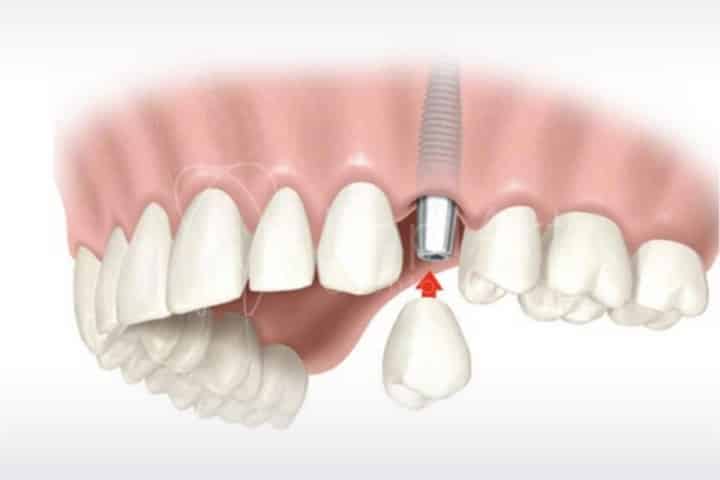
See specific techniques for implanting the front tooth.

Permanent fixed prosthesis for implants

Finally, a permanent prosthesis will be fixed a few months after the implants have healed and the person will experience a significant improvement in chewing, quality of life and the aesthetics of their smile. The materials for the permanent prosthesis can also be chosen by the patient together with the dentist.

There are several options for implant materials, especially in the case of full arches, the so-called protocol prosthesis. Contact our clinic or make an appointment if you have any questions about the treatment, average price or techniques. We’ll be happy to help you!

Computerized dental aesthetics – Digital Pre-treatment planning

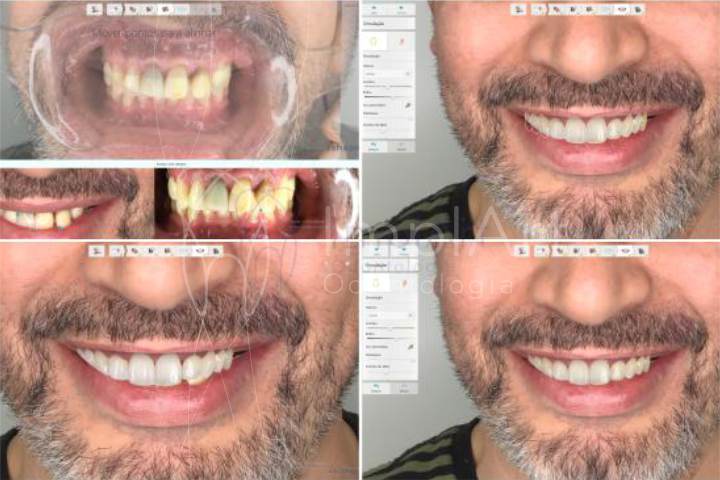
Computerized dental aesthetics uses computerized programs for digital smile planning that have certainly helped dentistry. They are used to plan and simulate various dental treatments, including implants, dental contact lenses and fixed prostheses. They make it possible to design completely personalized treatments.

Predictable results with digital dental treatment planning

As a result, they increase the patient’s understanding of the stages of their treatment, thus aligning expectations with the proposed treatment, and above all allow the dentist to have greater predictability of results.

With computerized dental treatment planning, the dentist can design crowns, restorations, aesthetic treatments, dental contact lenses as well as plan the placement of dental implants.

The purpose of digital smile planning is to create a personalized treatment, seeking the harmony of the smile, as well as avoiding unnecessary procedures and consequently making treatment faster, more comfortable and more accurate.

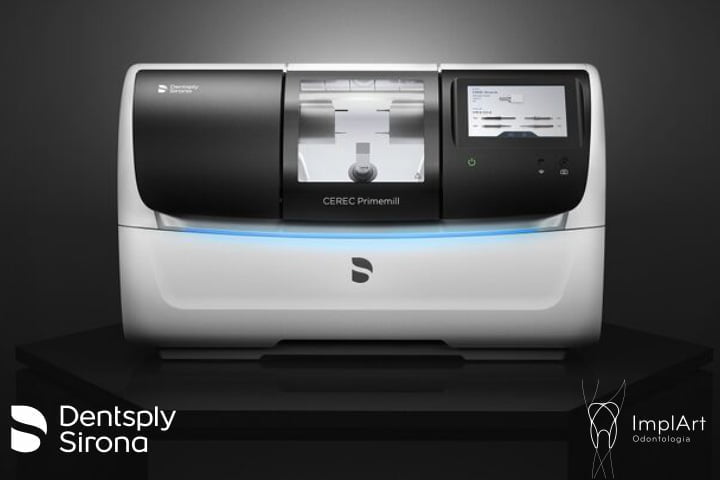
Now, with the latest Cerec Primemill milling machine, the results are even more precise and more detailed.

Computerized dental aesthetics
digital radiology

Computerized dental aesthetics (Smile Design)

A great feature of computerized dental treatment planning programs is image overlay. This involves positioning the digital plan over the patient’s photo, making it easier for the patient to understand their treatment before they even start.

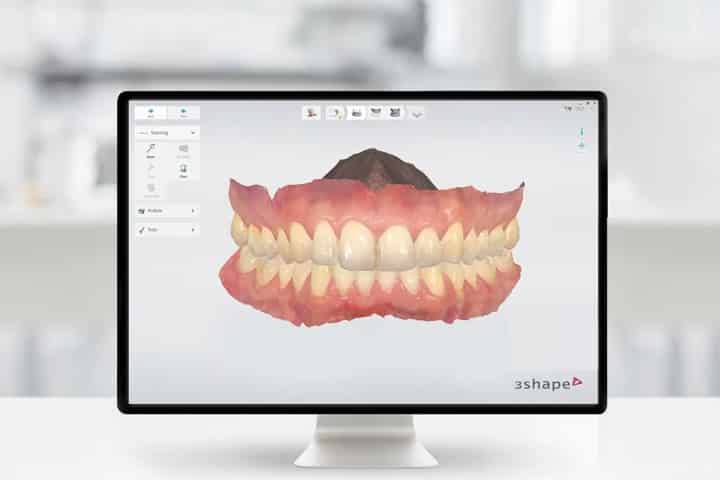
Digital smile design begins with capturing the patient’s oral images using an intraoral scanner. These images are transformed into a computerized 3D model of the dental arches.

In this way, the dentist visualizes the initial state and designs crowns, restorations or dental contact lenses to solve various problems that compromise the aesthetics and harmony of the smile.

digital radiology

Intraoral scanning for digital smile planning

Some cases that can be planned on a computer:

  • Increase in the length or volume of one or more teeth.
  • Aligning asymmetrical teeth
  • Making restorations for broken or decayed teeth
  • Making dental contact lenses
  • Harmonization of teeth with facial biotype
  • Even tooth shade
  • Replacing unsightly restorations with porcelain restorations
  • Making metal-free zirconia abutments and prostheses

The dental treatments planned on the computer also allow for quick dental treatments in the Day Clinic (or Dental Spa – intensive care modality).

Digital smile planning with dental implants

Digital planning of dental implants helps to ensure that the treatment result is tailored to the patient’s needs. It also helps to ensure that the treatment is efficient and as minimally invasive as possible, thus avoiding surgical accidents (such as hitting sensitive structures).

Planning begins with a computerized tomography scan. In this sense, the three-dimensional images of the tomography allow the implant dentist to know details such as the volume and dimensions of the bone in order to determine the best positions for the implants and the choice of implants with dimensions suited to the needs of each patient.

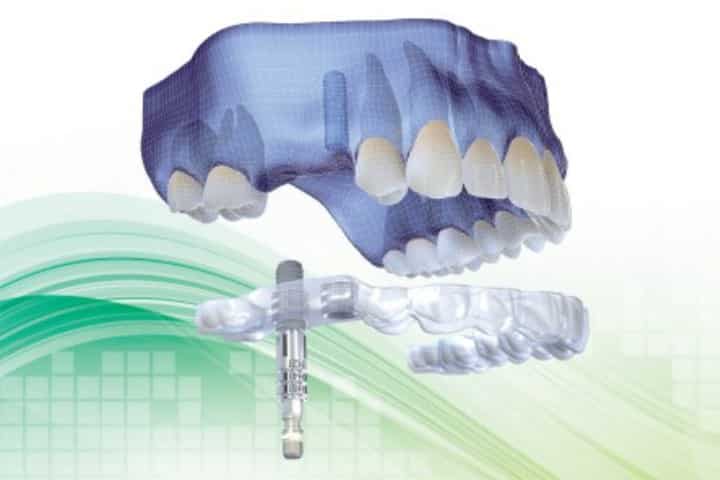
The dentist also has the option of ordering a surgical guide, which is made based on the information from the CT scan. The surgical guide acts as a template, with the exact indications of where the perforations should be made.

As a result, unnecessary cuts and punctures are avoided, meaning treatment is less invasive and recovery is quicker and more comfortable.

digital radiology

At the same time, guided surgery makes it possible:

  • Prior surgical and prosthetic planning, resulting in a more precise procedure;
  • Safe flapless surgery and the possibility of immediate loading;
  • Respect for bone structures and the path of nerves and vessels;
  • A reduction in the indication for bone grafting surgeries, as this requires detailed prior planning of the case;
  • Planning aesthetic and functional procedures;
  • Better post-operative recovery;
  • Better communication between patient and dentist, contributing to greater trust during treatment.

Digital orthodontic treatment planning

Digital orthodontic treatment is fully computer simulated and planned using an intraoral scanner and specialized software. The intraoral scanner is used to capture precise images of the teeth and gums and thus create a three-dimensional color mold of the arches. The software uses these images to simulate the movement of the teeth to the desired position.

Models with the proposed final treatment can be 3D printed for verification if the orthodontist prefers. Digital molds can be used not only to plan orthodontic treatment with conventional braces, but also with braces in the form of aligner plates(Invisalign or Compass).

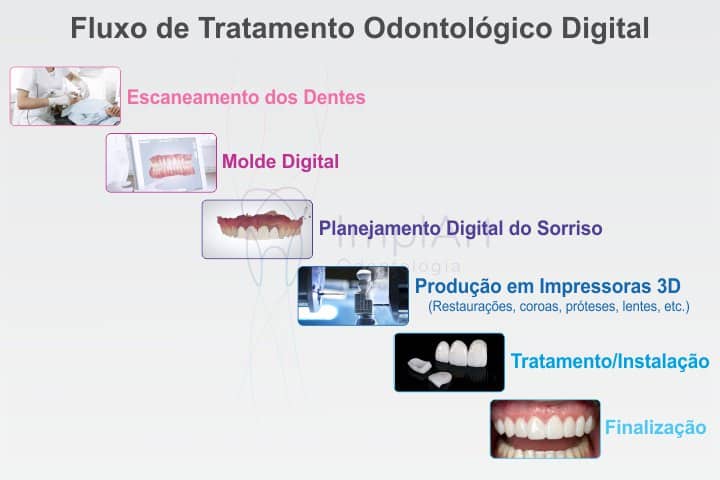
ImplArt Odontologia uses the main technologies ever developed for computerized dental treatment planning. From intraoral scanning to the execution of prostheses, restorations and aesthetic dental contact lenses on 3D printers.

If you have any questions, please contact us or come and visit us. We’ll be happy to welcome you!

Cerec 3D – Emax Cad crowns

Emax Cad crowns are prostheses used in oral rehabilitation and dental restoration to cover, protect and strengthen teeth that have been extensively damaged by decay or root canal treatment.

Ceramic crowns in Emax Cad

Developed by the German company Ivoclar, the technical name of the Emax material is lithium disilicate and it has the ability to offer high aesthetics and high resistance.

digital radiology
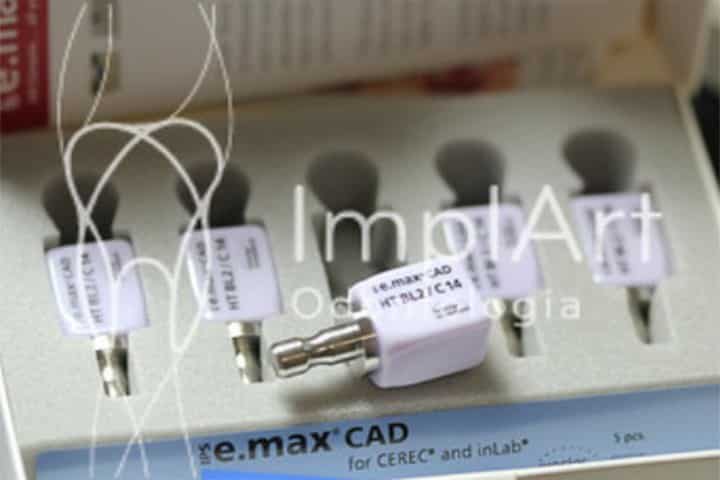
Raw material blocks for Emax CAD computerized dental porcelain

Dissilicate porcelain is classified as a glass porcelain, or glass-ceramic, with diverse applications for dental prostheses on teeth and implants, contact lenses, porcelain blocks, individual crowns on structure. In other words, these are applications for single teeth or up to 3 teeth. For larger dental prostheses, we use other types of dental porcelain, such as translucent dental zirconia.

emax cerec implart crowns
Digital emax crowns guarantee the best aesthetic results

EMAX crown applications

Dental crowns can also be placed on dental implants to replace missing teeth. They can be made from different materials such as temporary resins, but the main one is Emax Cad ceramic. What are the main advantages of the Emax Cad crown?

  • High resistance and durability;
  • Very aesthetic look, similar to a natural tooth;
  • Range of blocks with different colors and types of resistance for different uses;
  • Minimally invasive restorations;
  • It can be made using the metal-free technique (no metal in the internal structure). This makes the crown look translucent and much more aesthetic in bright environments.
emax crowns
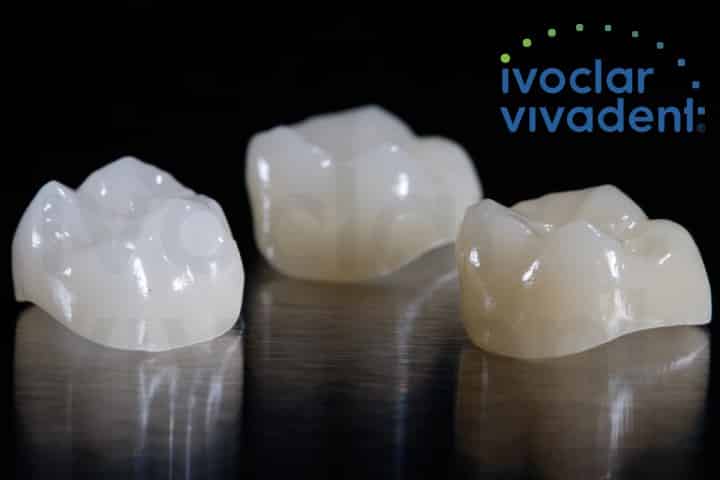
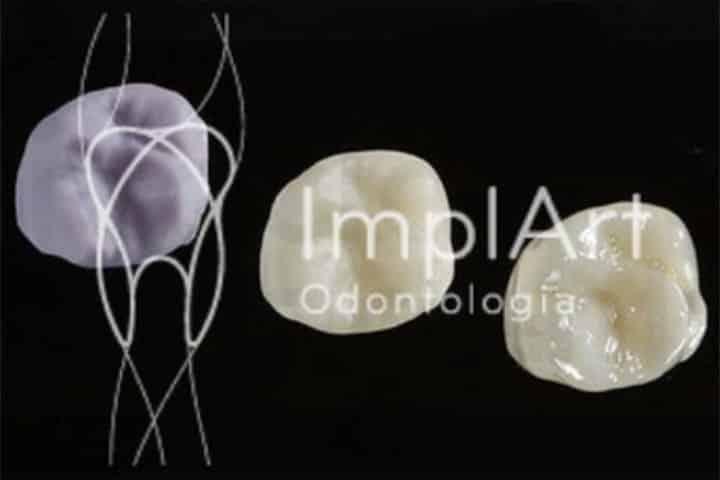
The digital emax crown is milled by robotic machines in the blue phase, when the material is still soft. The material is then crystallized at over 700 degrees to achieve the final color. On the right, it has received the final polish that guarantees the smoothness of the structure and final pigmentation (even in black light environments).

Emax porcelain crowns in digital dentistry – how are they made?

ImplArt Odontologia is equipped with the modern Cerec 3D system with CAD/CAM technology, which simulates and digitally plans the treatment right through to making the Emax Cad ceramic crowns. The system is complete and consists of three units:

digital radiology
ImplArt has the most up-to-date version of the Cerec system milling machine. This German technology allows us to produce metal-free crowns, restorations and dental lenses much faster and with greater detail.
emax ceramic crowns 3d printer
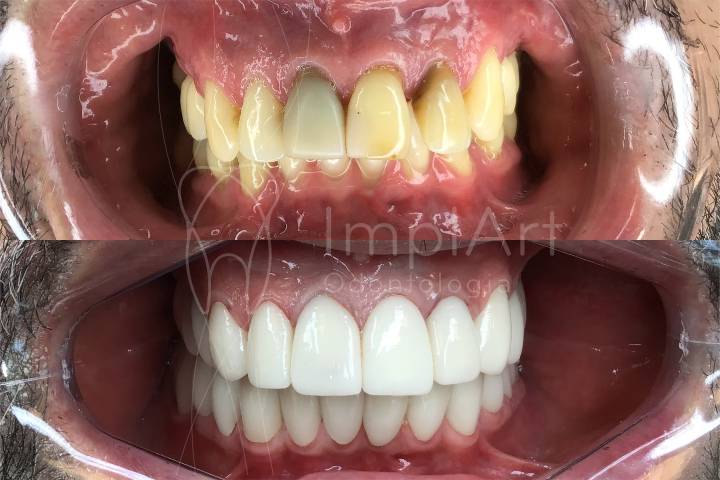
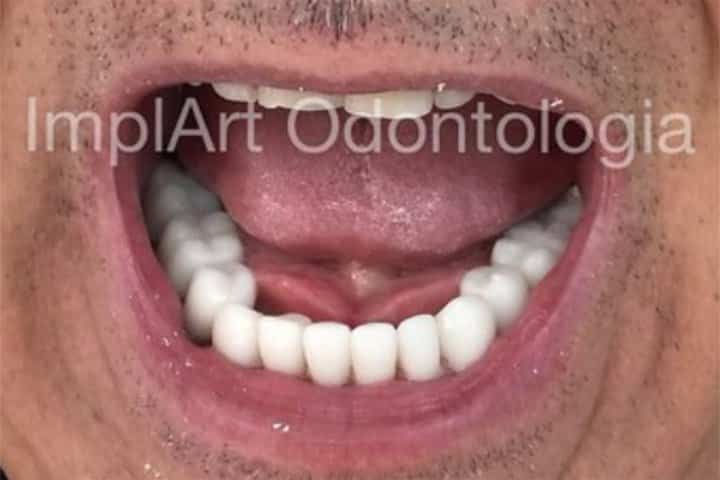
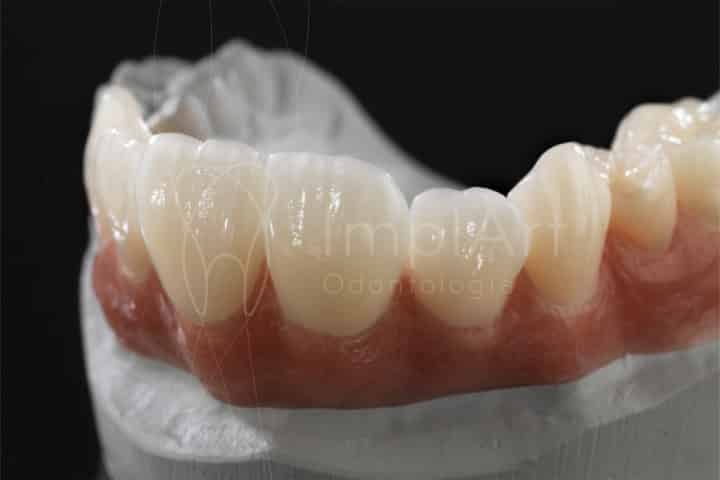
Complete oral rehabilitation of the lower arch using emax computerized porcelain

Read more: After a dental implant, can I place the tooth on the same day?

When the milling is complete, the piece undergoes a sintering process at approximately 850°C and acquires high strength, shade and translucency. The CEREC 3D system certainly speeds up treatment, even allowing it to be carried out and finalized in Day Clinic planning.

With it, it is possible to make crowns and restorations that are very precise and customized to the needs of each case. Contact us and make an appointment to find out if your case could benefit from this technique.

We’ll be happy to solve your problem in our specialized clinic. We also offer translucent zirconia crowns, a new type of dental porcelain that is even more resistant than Emax.

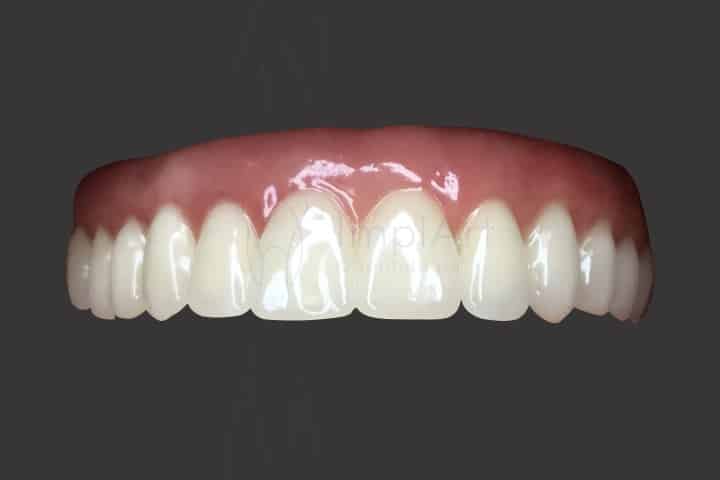
protese protocolo

Dental prosthesis price in Brazil

We often receive messages from people wanting to know the price of dentures in Brazil, especially fixed dentures on dental implants. We would like to answer this question quickly, but we try to explain that these questions can only be answered in person after a dental consultation.

Let’s go. It’s important to note that dental prosthesis prices can vary depending on the type of prosthesis, the complexity of the case and the materials used. In addition, the placement of a fixed prosthesis on dental implants also requires a careful assessment of the patient. It is therefore necessary to make an appointment for a dental consultation so that a professional can analyze your specific case and provide an accurate quote. Remember that oral health is fundamental and investing in a suitable prosthesis can benefit your quality of life.

Dental prosthesis prices in Brazil

Price and value of dentures

Firstly, it is necessary to have a consultation with the dentist, either in the office or via TeleOdontology. Secondly, dental treatment can only be indicated after a careful assessment of the patient.

There are many variables that influence the planning of a treatment. In the same way, there are several options for materials and techniques that impact on the composition of a budget. What’s more, a treatment that may be suitable for one person may not be the most appropriate for another.

Thirdly, it is primarily important that the person is assessed by a specialist dentist. Often the patient thinks they have a dental problem and believes that a particular treatment may be the solution, but in the professional view the most appropriate treatment may be something else.

The dental surgeon is qualified and trained to look at oral health in general. They also provide guidance and recommend the necessary procedures to keep teeth beautiful and healthy throughout life.

We at ImplArt believe that dental treatment goes far beyond a simple monetary value

There are important factors that influence a cost-benefit ratio, such as the health and well-being that healthy teeth provide. In addition, there are other immeasurable aspects: the improvement in self-esteem, the patient’s comfort from the beginning to the end of treatment, the relationship of trust between patient and dentist, the professional’s empathy with the patient’s feelings…

Patients often bring with them anxieties, expectations, fear of the dentist, as well as trauma from previous negative experiences. So how much do you think a smile is worth?

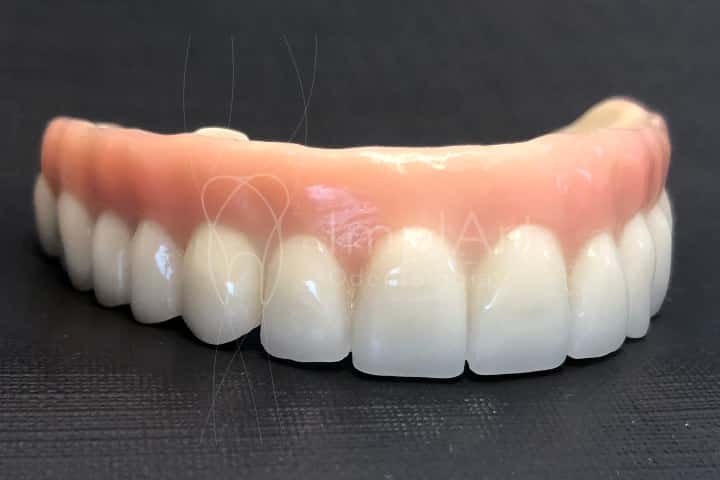
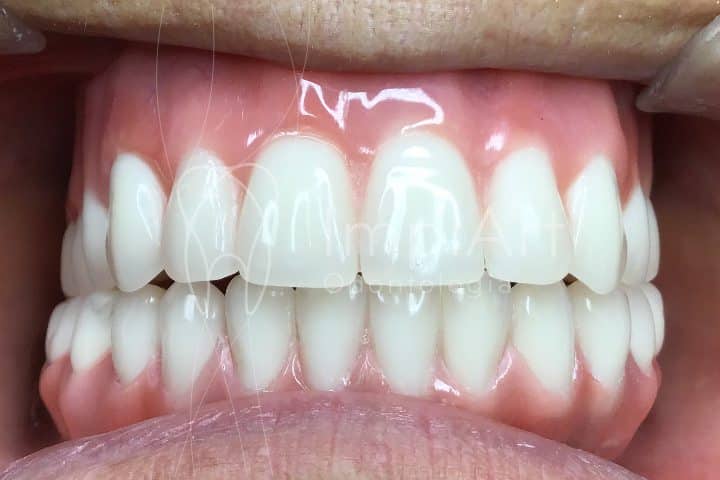
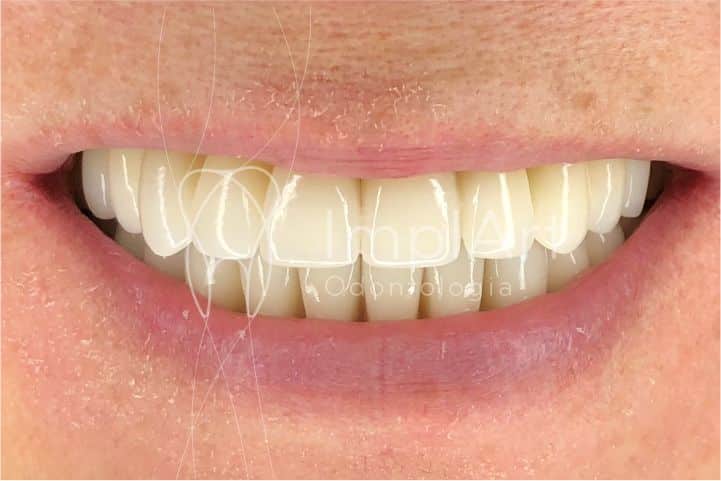
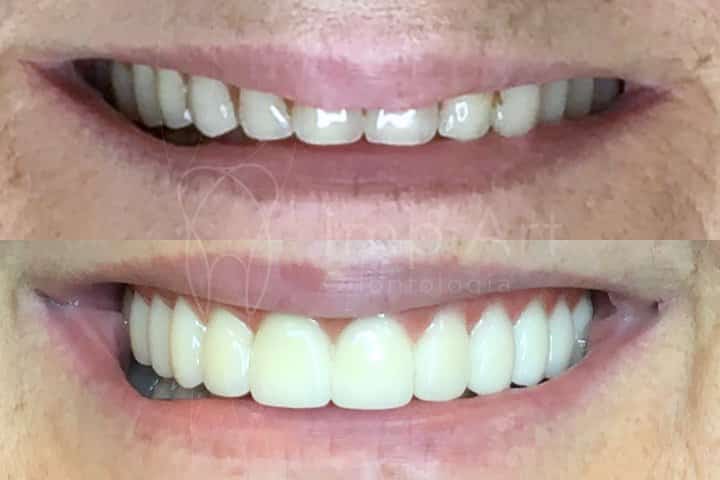
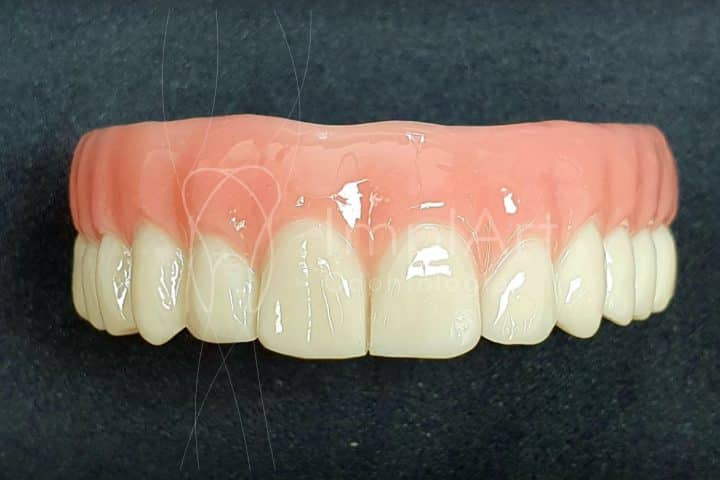
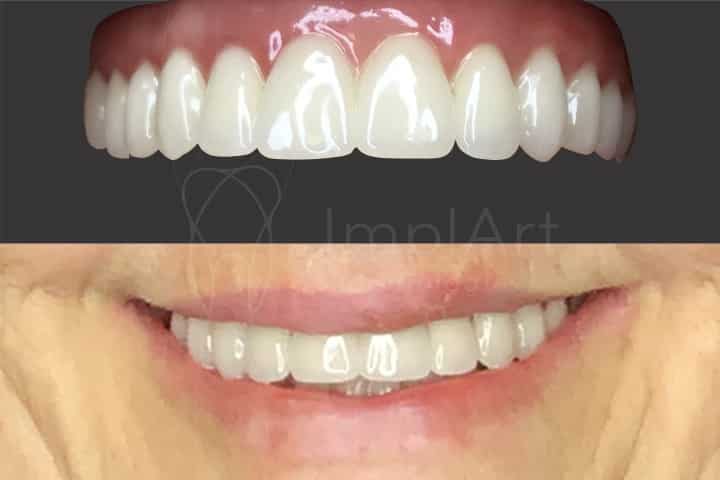
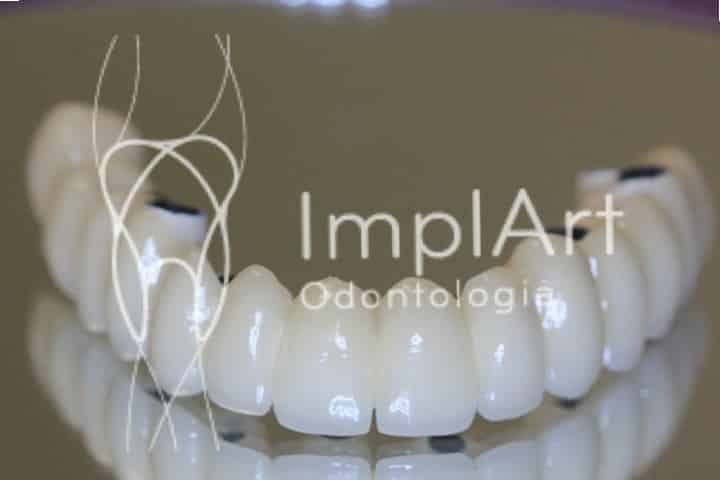
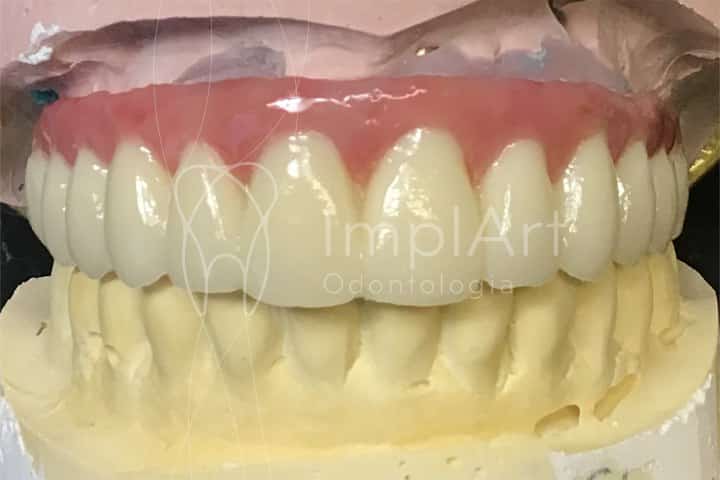
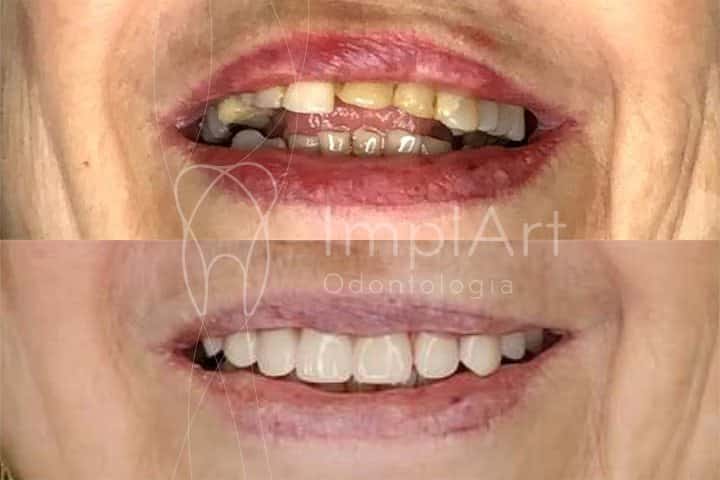
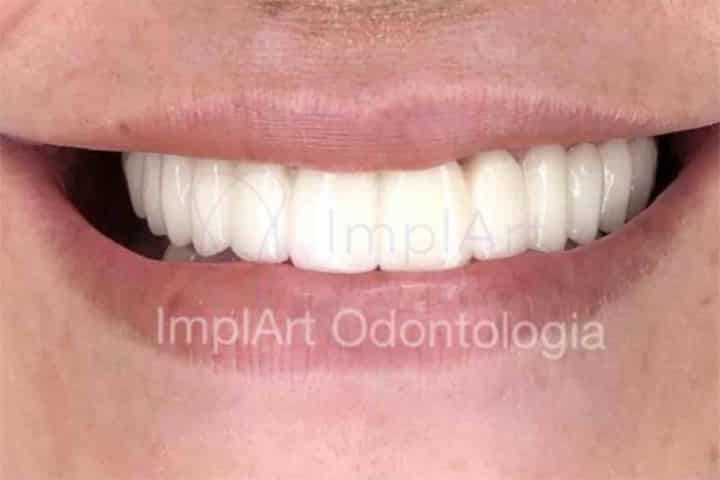
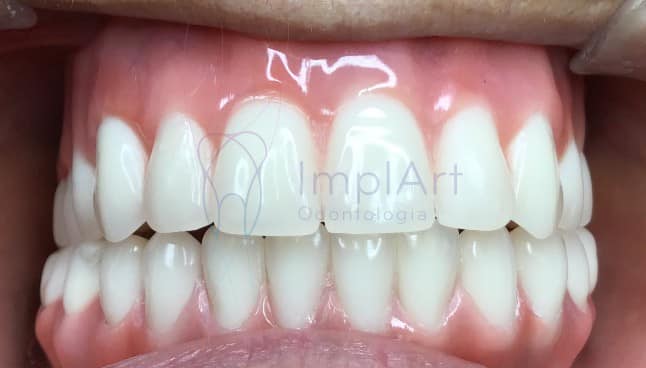
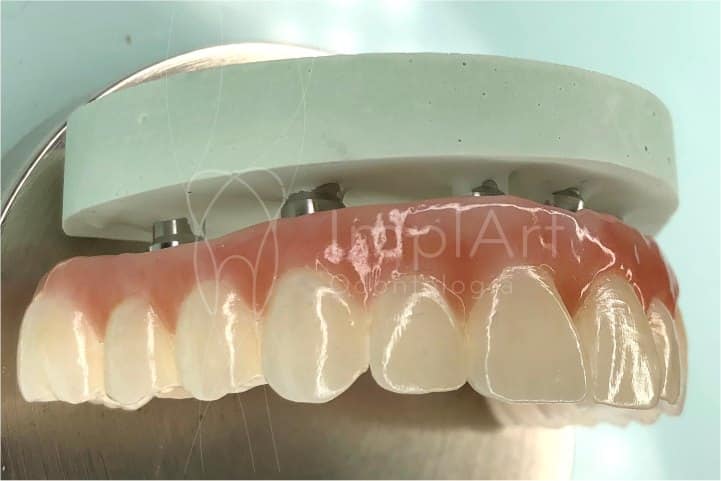
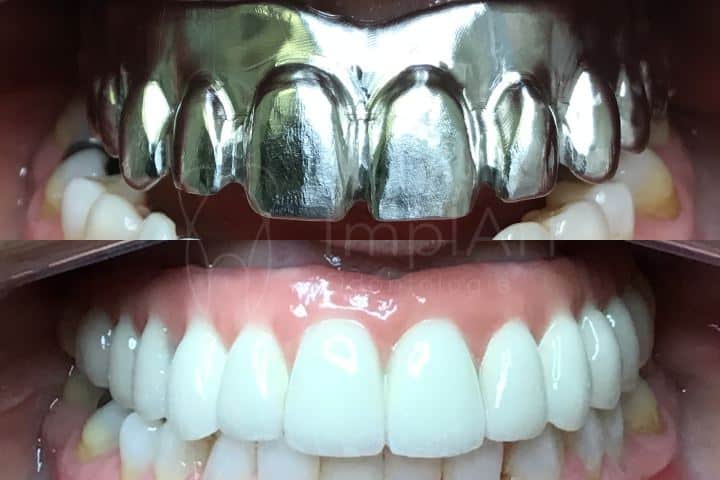
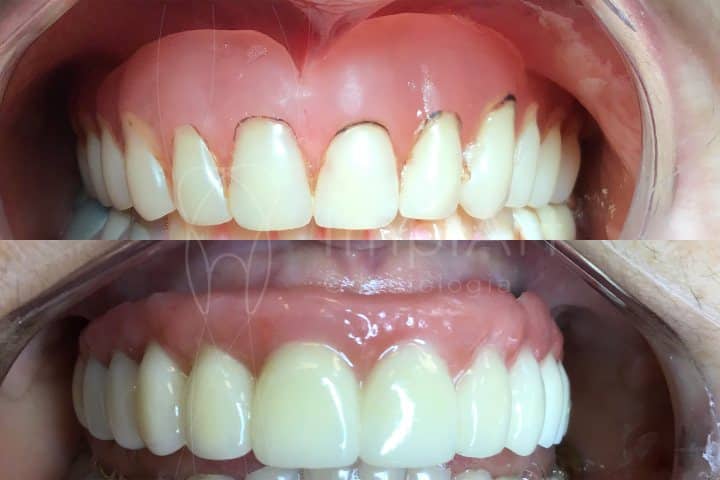
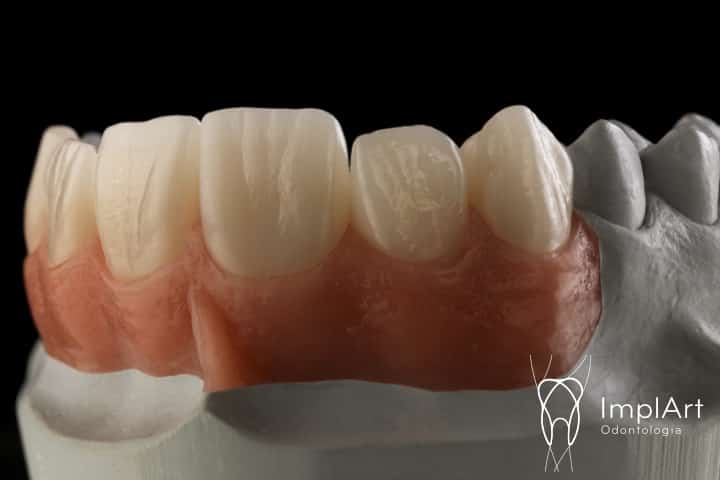
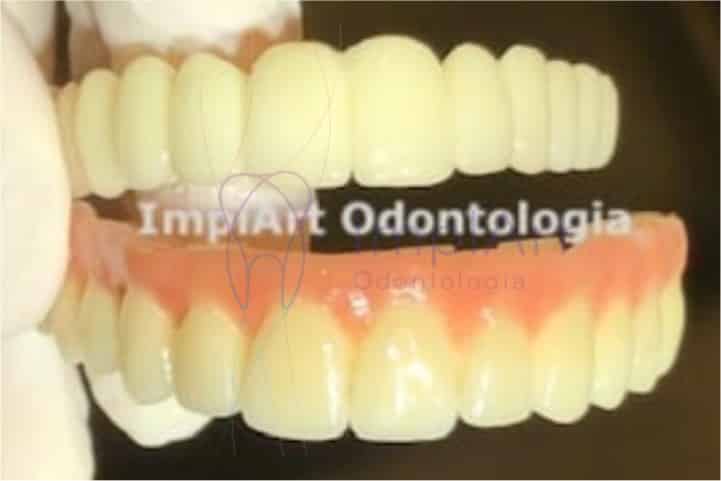
zirconia fixed total prosthesis for implants made at ImplArt

Common questions about Prosthodontics price:

Is there a charge for the first consultation?

Yes, there is a charge for the first consultation. The patient will be assessed by the clinic’s director, Dr. Roberto Markarian, who has extensive experience in treatments for functional and aesthetic oral rehabilitation, with dental implants as well as dental prostheses.

If necessary, the patient will have to undergo some radiological examinations to help with the diagnosis and treatment planning. For your convenience, some of the main radiological examinations can be carried out within the clinic (at a separate cost).

If you already have previous exams, bring all the recent ones (up to 1 year old) to your appointment, as they will be of great help.

My dentist doesn’t charge, why do you?

We follow the rules of the CRO, the Regional Council of Dentistry, which specifies that dental services cannot be free, in the same way as medical consultations. The culture in dentistry is changing and the number of dentists who charge for consultations is growing.

The dental surgeon who will be attending you has studied at university and takes frequent postgraduate courses. Their time is valuable, just as it is in other health professions.

Does ImplArt cover any dental plans?

At the moment we don’t accept dental insurance or any type of plan. Most dental plans don’t offer cover for dental prostheses, implants or aesthetic procedures, which are precisely the focus of our clinic. However, we do accept plans for the reimbursement system or free choice.

There are companies that offer their employees this system, in which they later receive the amounts paid. There is some bureaucracy involved, but we can help. If you have any questions, please contact us through one of the channels below or make an appointment!

Immediate loading – Indications and planning

The topic of implants with immediate loading has always been very present when it comes to dental implants. The term is related to pressure, i.e. loading on the newly installed implant, therefore immediately after surgery. It is important to note that the decision on whether or not to perform immediate loading on the implant should be made by the implant dentist. Assuming that this is the main desire of all patients, it is the implant dentist who must certainly assess the conditions conducive to the use of this technique.

Currently, implant surgery is studied beforehand by the implant dentist (dental implant specialist) through the patient’s panoramic X-ray and CT scan. It is therefore possible to assess whether the patient has favorable bone conditions for the use of this technique. However, it is at the time of implant surgery, by locking the implant, that it is possible to guarantee that the immediate loading technique can be carried out. In this way, the professional can also change the technique used to make the prosthesis if the necessary implants are not locked during surgery. Although the bone structure is studied beforehand through examinations, it is only during surgery that the real bone situation can be gauged.

How is immediate loading surgery with dental implants performed?

Surgery is performed to install dental implants in the jawbone. The surgery should take place like a conventional dental implant surgery. Prior to the surgery, plans are made for an immediate temporary prosthesis, so that the patient will never be without teeth. There are prerequisites for using the installed implant:

  • Sufficient torque (greater than 35 N.cm)
  • Long implant (longer than 11 mm)
  • Implant with sufficient diameter: Larger than 3.75 mm
  • Planning a prosthesis compatible with the implant‘s ability to withstand forces
  • Sufficient number of implants
  • Good distribution of implants in the arch
  • Patient without bruxism symptoms
  • People without symptoms of diseases that compromise tissue and bone healing (e.g. diabetes)
  • Non-smoking patient (smoking greatly reduces the chance of implant success)
immediately loaded implant
Immediate loading means that the implant will be loaded with the crown as soon as it is inserted. In practice, loading occurs with the placement of the tooth, which will transmit the force of chewing through the implant to the bone.

This means that not all cases are good for immediate loading. Sometimes, only during implant installation will we be able to tell if the implant has met the requirements for immediate loading. Therefore, in some cases immediate loading can be aborted to allow the implant to heal in a conventional way (between 3 and 6 months).

If the surgery goes well, you can then start on the provisional or even definitive prosthesis, which requires molds and measurements of the arch. Immediate loading is usually carried out with a temporary prosthesis and, after the implants and gums have healed (between 3 and 6 months), the definitive prosthesis is made.
Watch the video below where we show the total implant surgery and the installation of the protocol prosthesis.

Although it is possible to carry out the treatment with the definitive material initially, we consider it better to make a temporary prosthesis, as the gums must swell and the bone changes shape during the initial three months of healing after surgery.

Best material for fixed prostheses

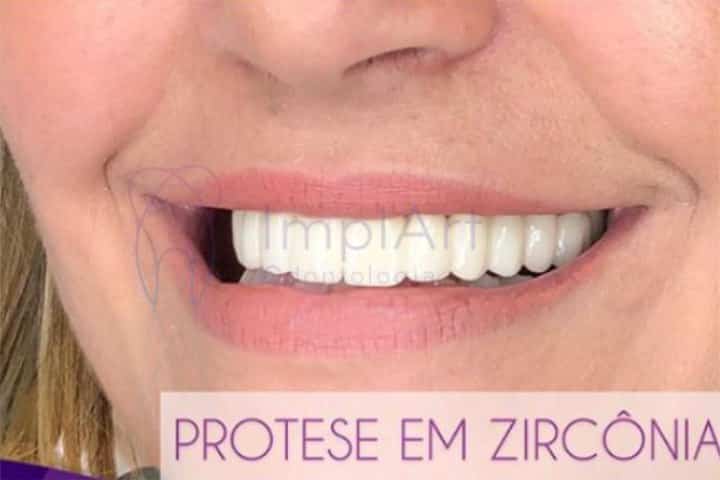
Currently, the most modern material for fixed prostheses is zirconia. Zirconia is a biocompatible material in line with the biological dentistry trend, which seeks to avoid the use of metals in dental treatments. It is also highly resistant and can be designed using computer graphics, which gives a much more natural aesthetic result compared to other types of dental prosthesis materials.

If you have any questions, please contact our team.

schedule your appointment at the implart clinic by phone or whatsapp

como é feito um implante dentario
Immediate loading - Indications and planning

📲(11) 99598-1866

📲WhatsApp(11) 99598-1866

Learn about our Privacy Policy

Transparent aligner – braces without parts glued to the teeth

The transparent aligner is a modern option for orthodontic treatment. Because it is transparent, it is much more discreet and almost imperceptible. Unlike conventional fixed orthodontic appliances , clear aligners are plate-shaped and do not have brackets, metal wires or colored rubber bands. Orthodontic treatment with clear aligners consists of the sequential use of different plates, with minor adjustments to each one.

It also plays a fundamental role in oral rehabilitation when there has been tooth loss. When tooth loss is not immediately replaced with dental implants, nearby teeth tend to move, taking the place of the extracted tooth. Therefore, before the patient can receive the implant, space must be made by moving the teeth back to their original position so that the site can receive the dental implant. This is done with orthodontic braces.

Therefore, in the event of tooth loss, the ideal is to replace the lost tooth with a dental implant as soon as possible.

How the aligner works without glued parts

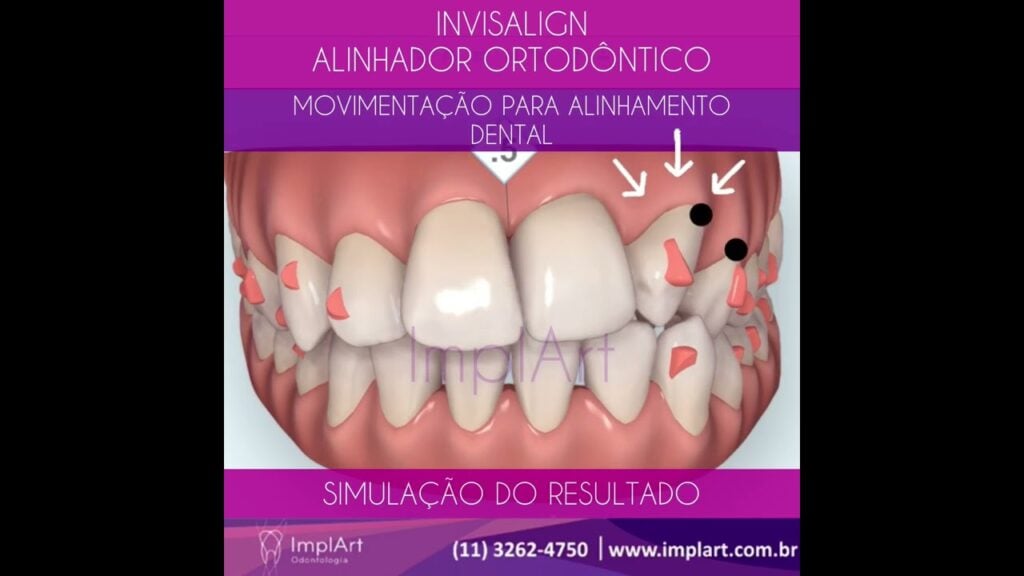
The patient wears each plate for about 2 weeks and the teeth move progressively until they reach the ideal position. The aligner plates are custom-made for each patient, based on a digital mold taken from the teeth using an intraoral scanner and computerized planning.

In this planning, tooth movement can be simulated in advance with three-dimensional images and the patient can follow the progress of the treatment. Sometimes the aligners need accessories such as resins bonded to the tooth or a mini dental implant to guide the treatment.

We work with national aligners and aligners imported from the United States – Invisalign

Digital documentation

The documentation for this model of orthodontic appliance is a set of scans and photographs used for the digital planning of orthodontic treatment with clear aligners. The 3D orthodontic documentation for treatment with clear aligners consists mainly of:

Panoramic radiography

Digital radiological examination that allows visualization of teeth and bone structures.

Lateral Teleradiography

Radiological examination that allows cephalometric tracings to be analyzed. Radiological examinations make it possible to diagnose occlusion problems, missing teeth, erupted teeth and the bony structures of the face.

Intraoral scanning

A high-precision camera scans the teeth and gums and then creates a 3D mold of the arches. It then reproduces details such as the color and shape of the teeth and dental occlusion on the computer screen.

Extraoral and intraoral photos – facial and intraoral photos. digital orthodontic documentation

The documentation, along with a standard questionnaire, is sent to the factory responsible for making the clear aligner plates. All of the patient’s images are then entered into software for virtual planning of the tooth design and tooth movement.

Once the treatment has been approved, the Invisalign factory makes a series of customized aligner plates for the patient to wear sequentially. The plates must be worn 24 hours a day and removed only when eating or cleaning the mouth. Ask us about the best model, value and price.