Tag: dentes

Dental zirconia: better aesthetics for dental prostheses

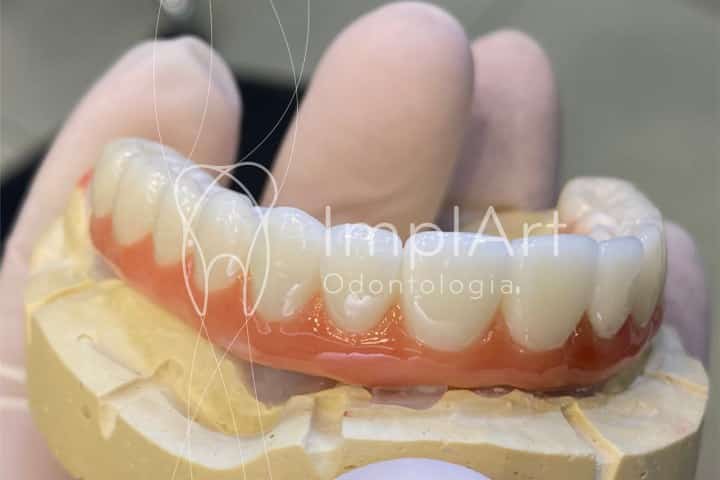
There are different materials that can be used to build a dental prosthesis, the main ones being: resin with a metal internal structure (metalloplastics/Branemark protocol), ceramic with a metal internal structure (metalloceramics) and the most aesthetic option which is ceramic with a metal-free dental zirconia internal structure (metal free).

Therefore, among the possible materials for dental prostheses, we have:

  • resin with an internal metal structure – this is known as metalloplastic or Branemark protocol,
  • ceramic with an internal metal structure – this is called metal-ceramic,
  • the metal-free dental zirconia ceramic.

The most aesthetic option is ceramic with a metal-free dental zirconia structure, also known as metal free.

The evolution of aesthetic dentures

Most total or partial infrastructures are made with metal alloys that play the role of mechanical and functional support. However, their dark color can compromise the final aesthetics, especially in areas that are more apparent and important to patients.

As a result, metal-free ceramic structures are gaining ground, mainly because they achieve a more aesthetic result and because of their biocompatibility, resistance and stability.

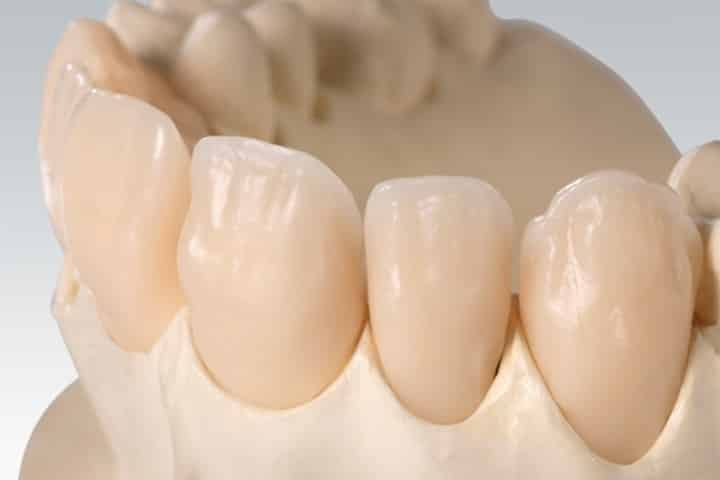
Dental ceramics and zirconia are considered the most advanced materials because they do not contain metals in their composition, which provides an aesthetic dental prosthesis that is much more similar to natural teeth.

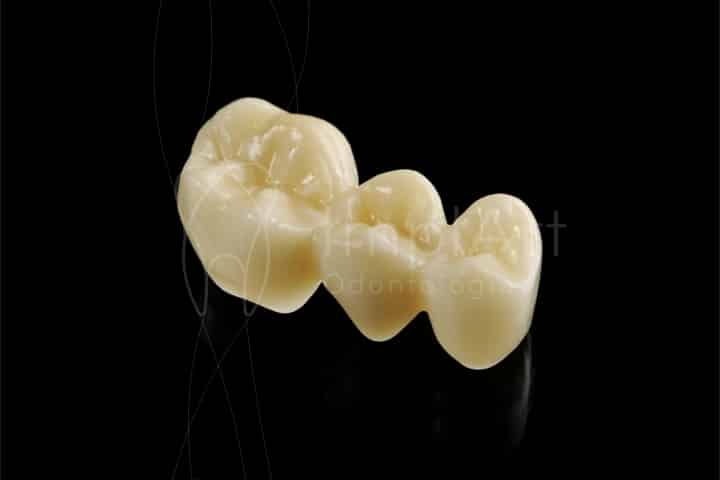
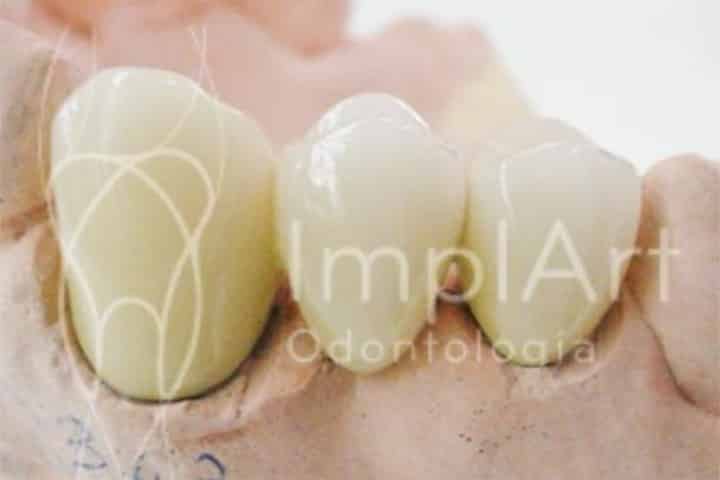
Zirconia teeth can be single, bridged or full-arch, installed on teeth or on dental implants.
dental zirconia
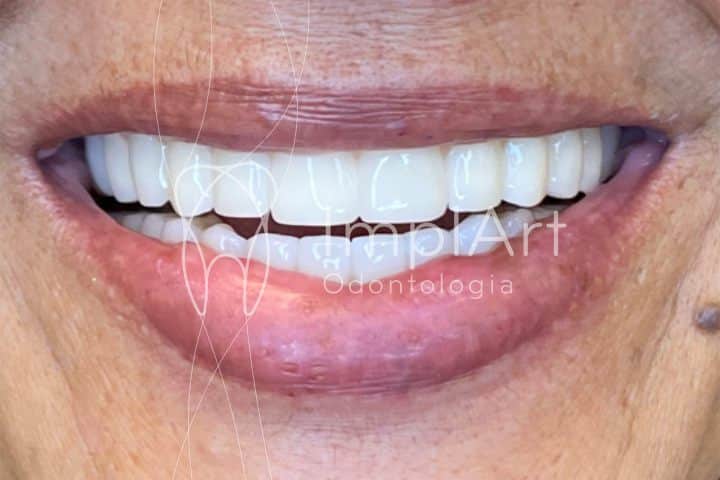
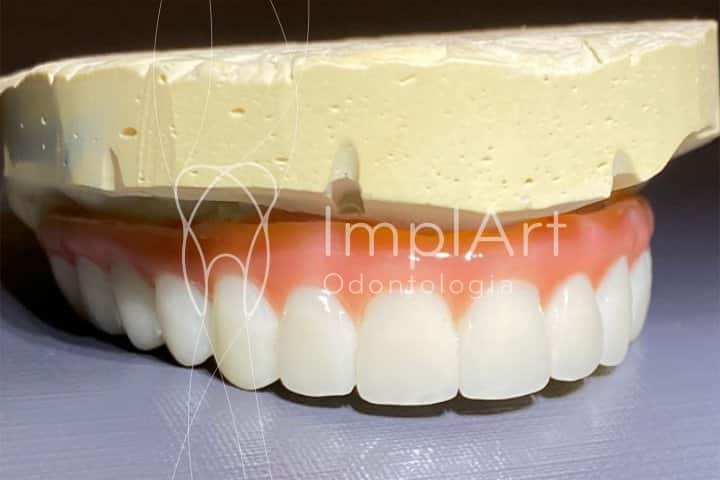
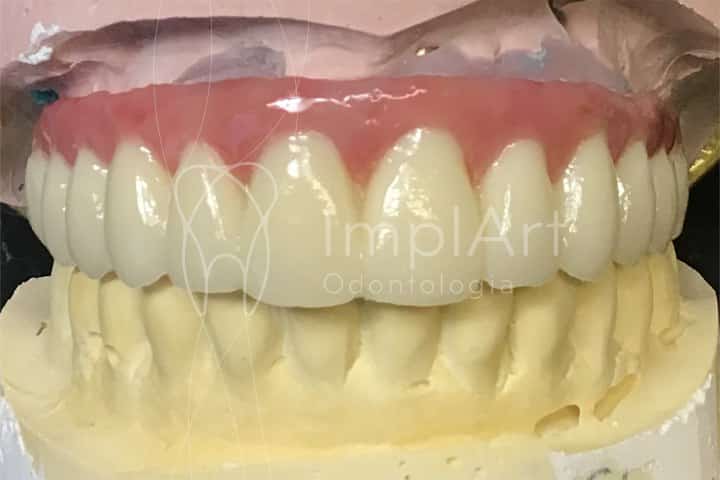
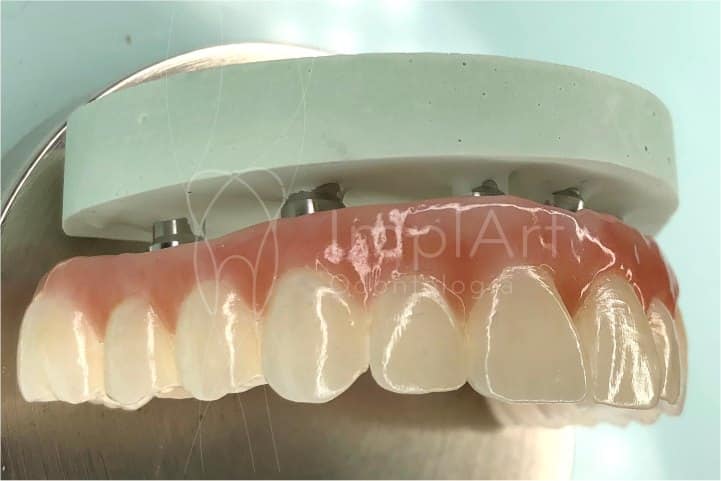
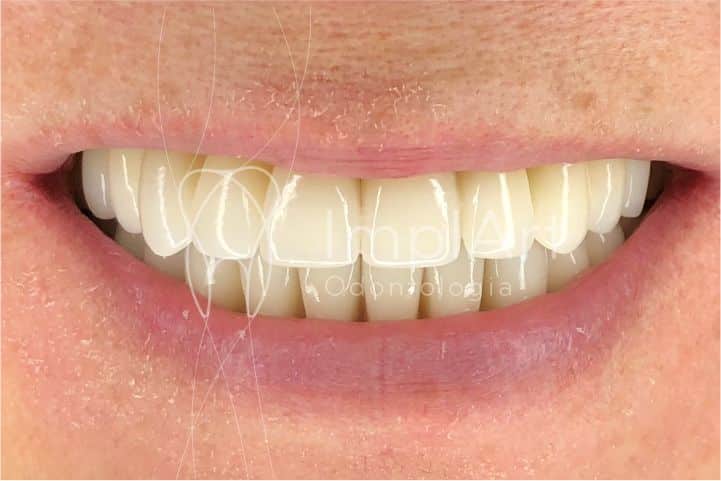
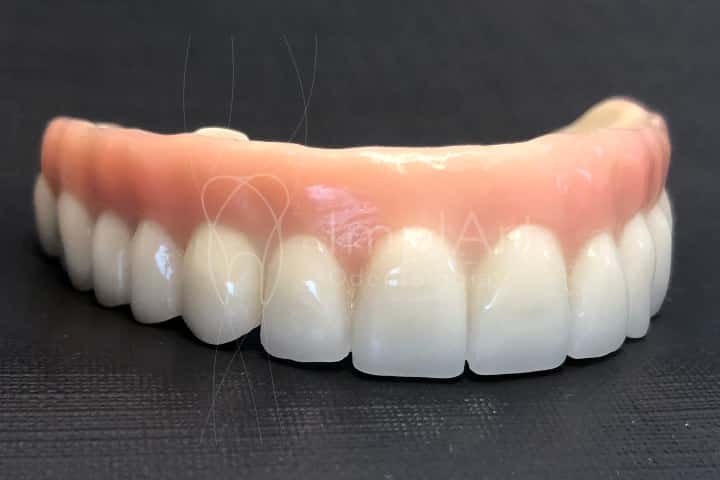
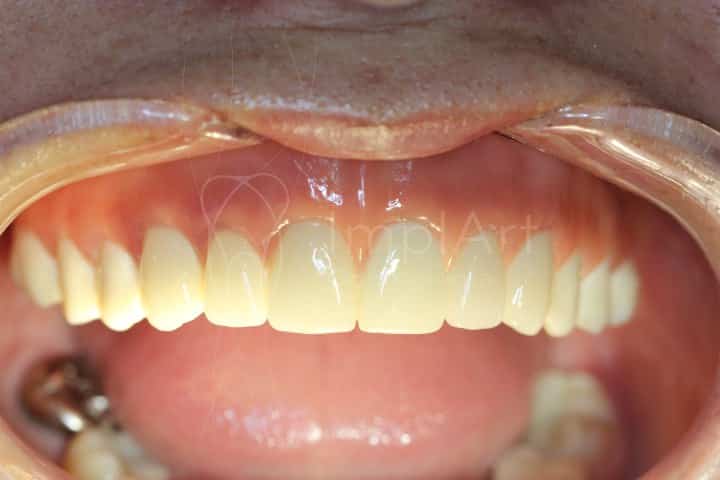
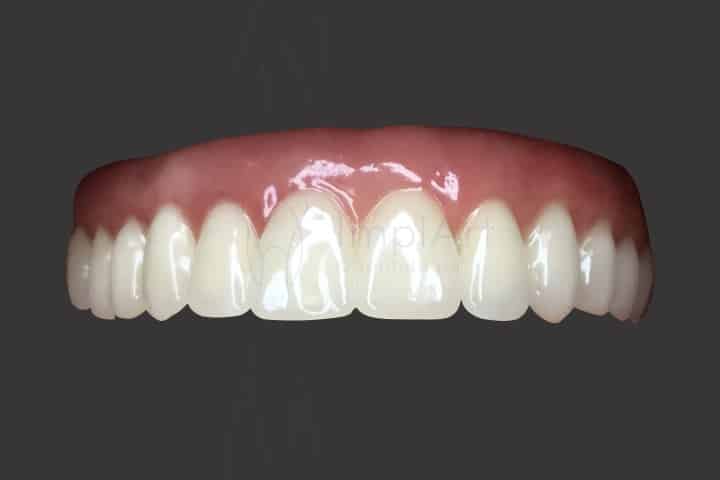
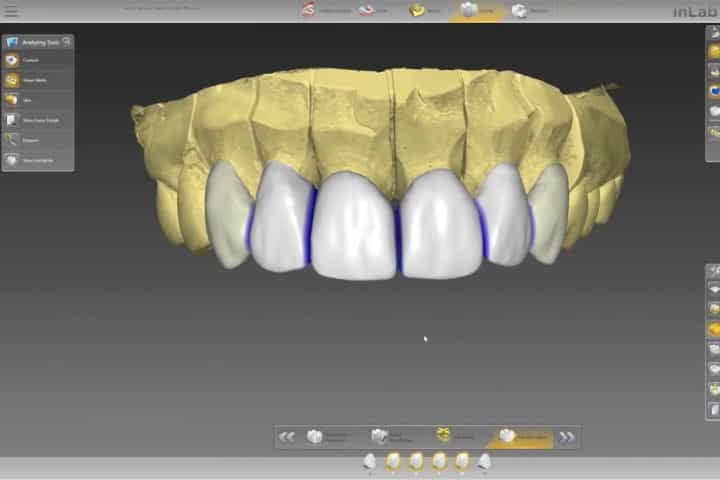
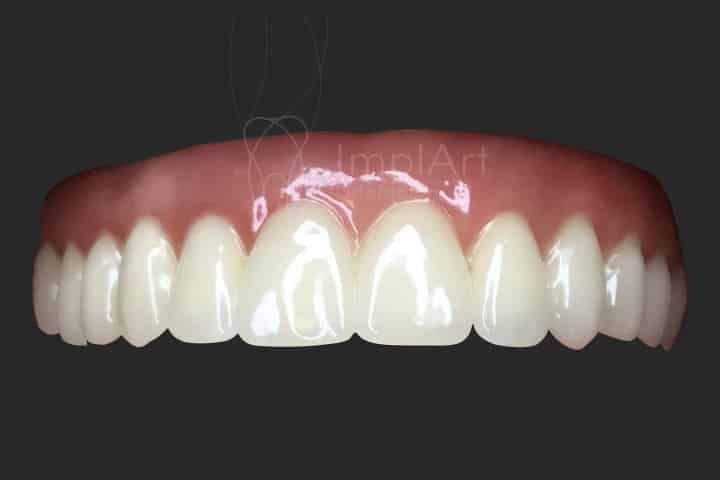
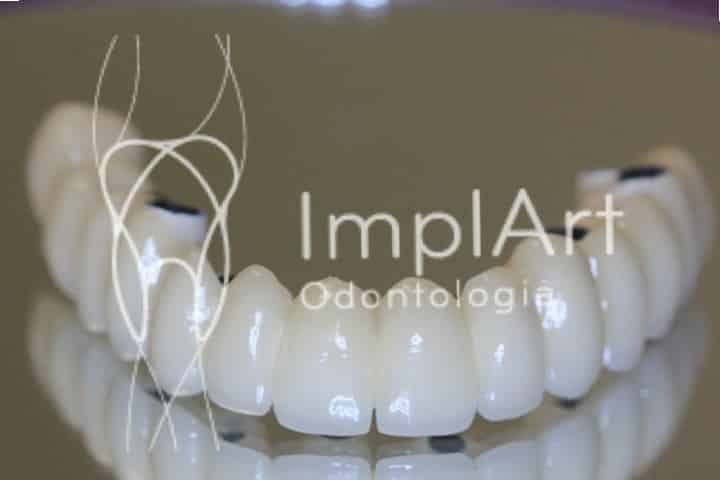
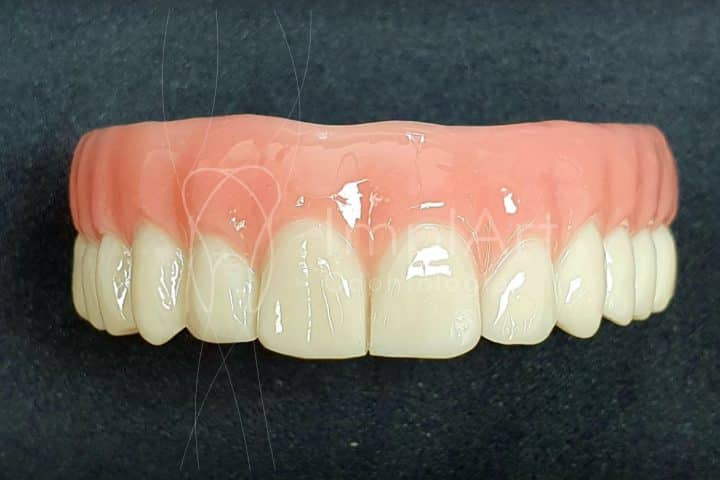
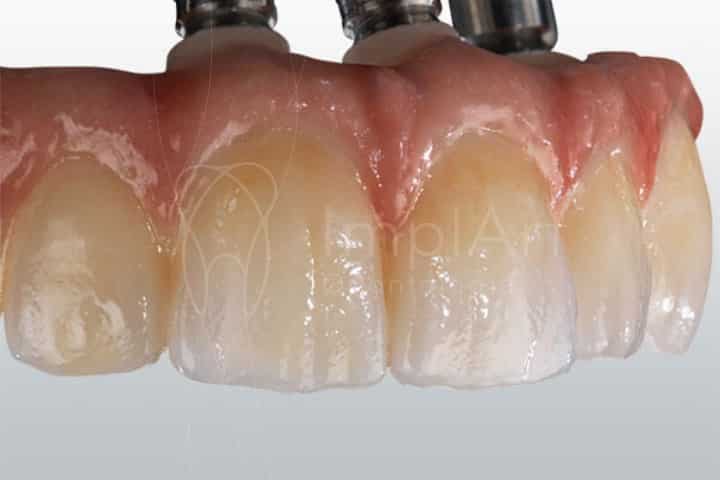
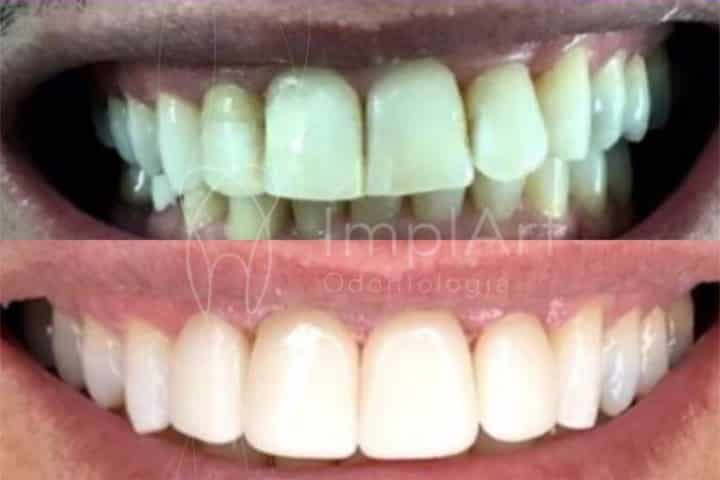
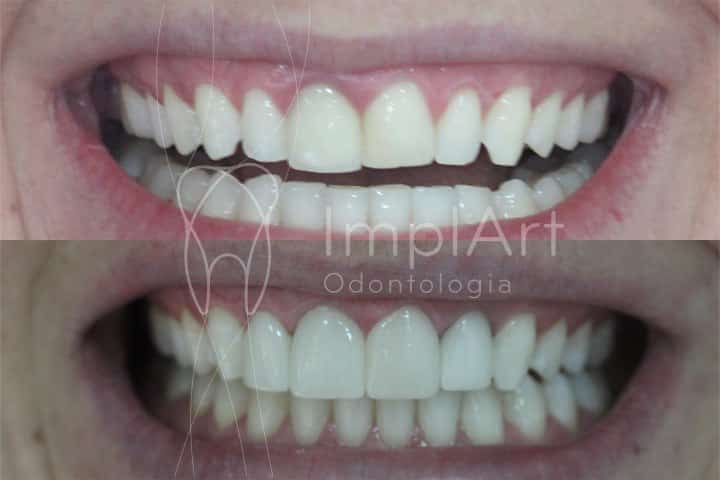
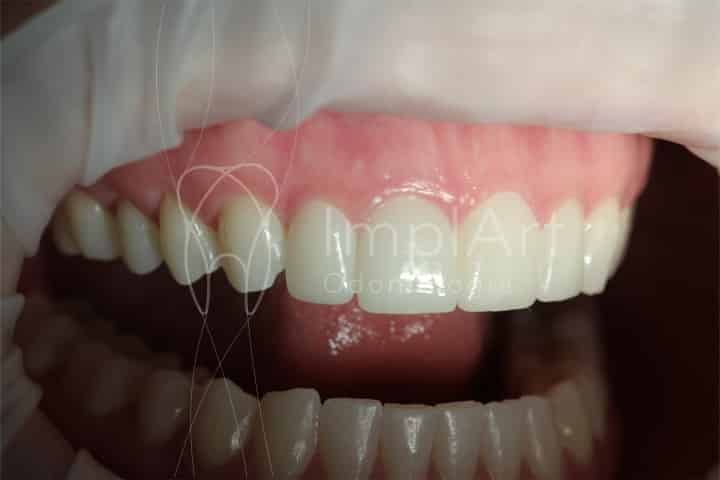
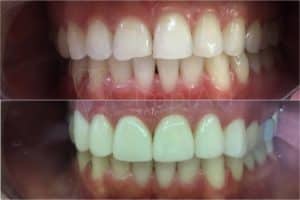
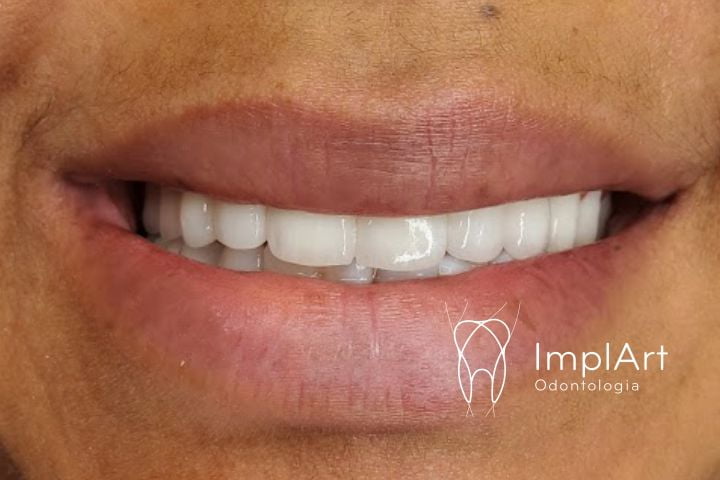
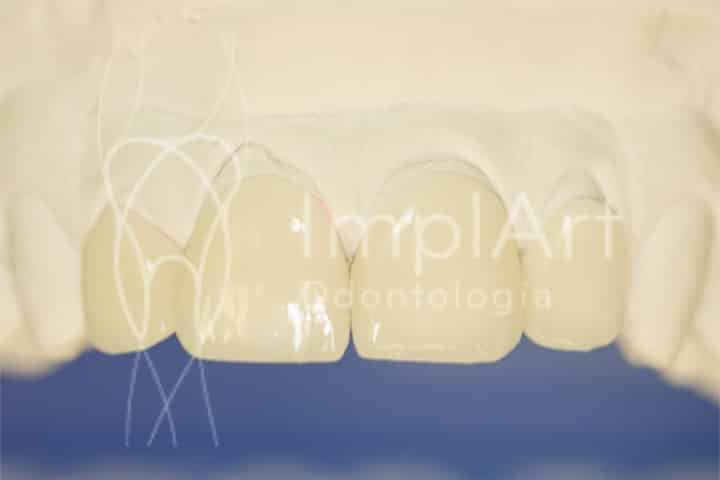
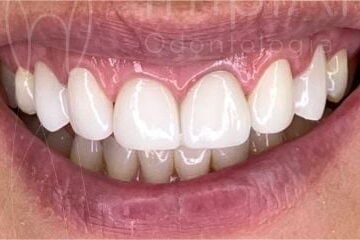
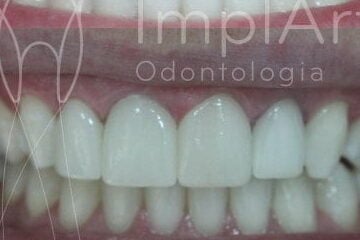
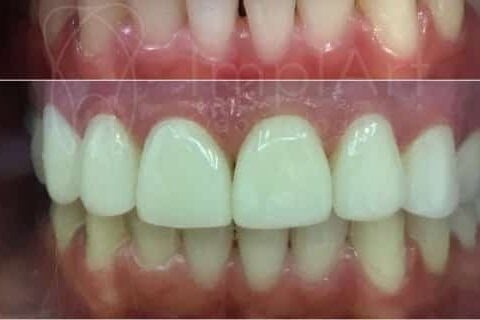
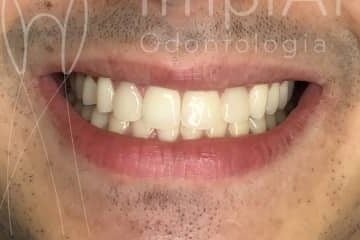
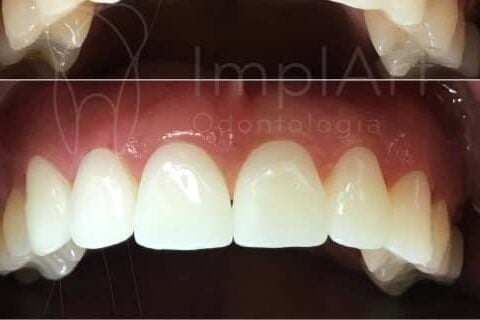
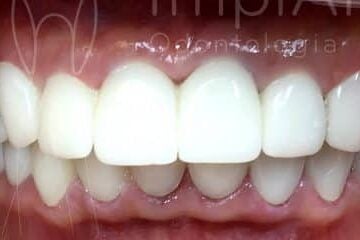
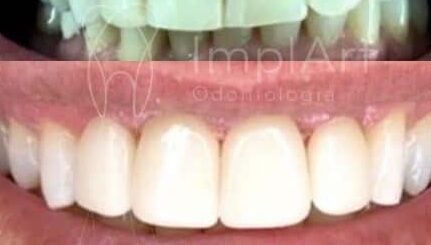
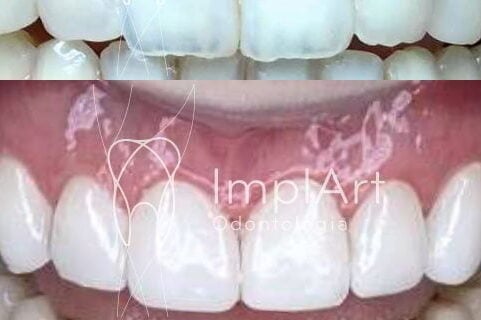
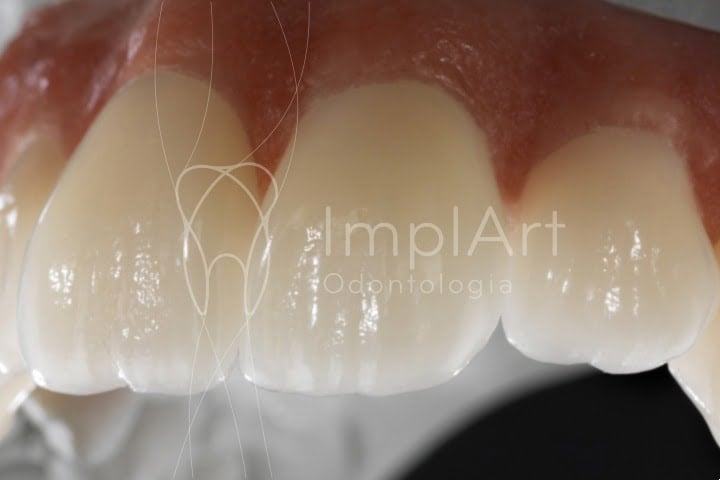
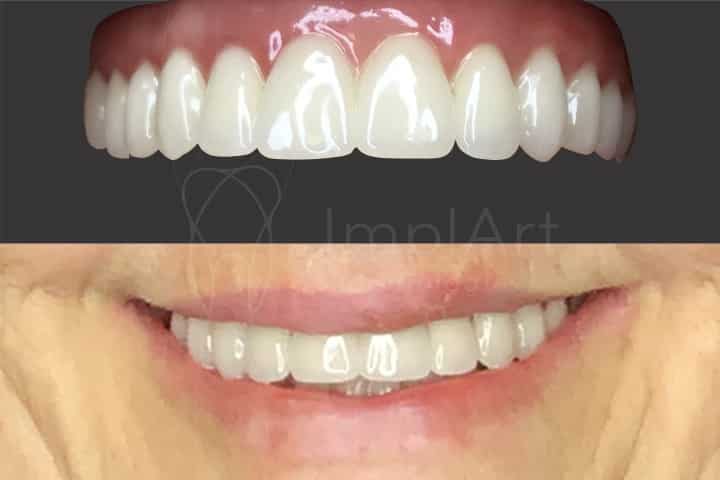
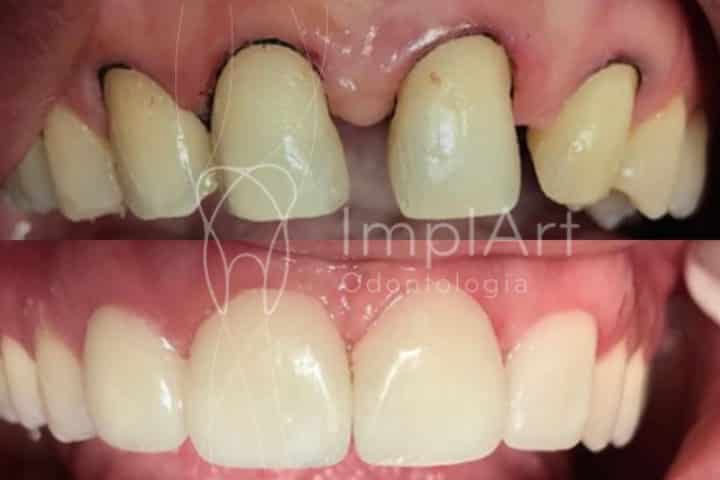
A zirconia dental prosthesis is made to perfectly mimic dental and gum tissues. Above, the zirconia prosthesis designed, and below, the prosthesis installed. Both the color and the shape were designed individually and jointly between the patient and the implant dentist.

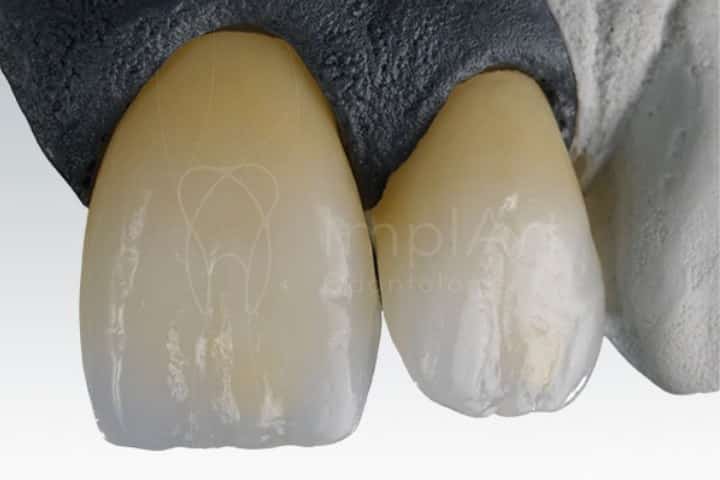
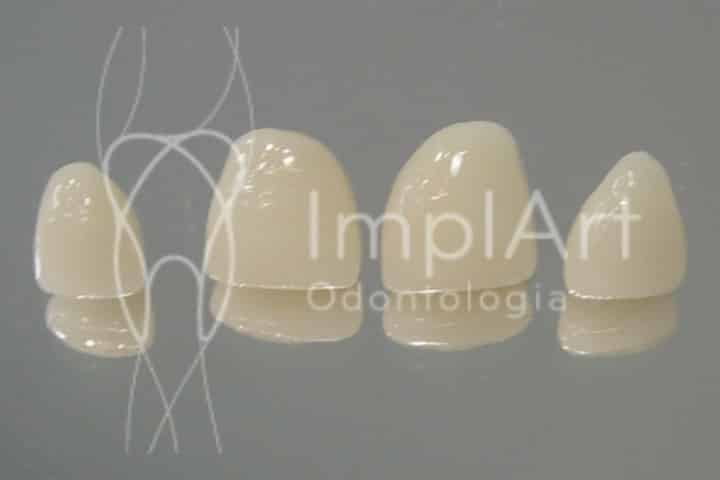
Dental zirconia is a white, resistant ceramic material used to build the structure of the prosthesis. A layer of porcelain is applied to this structure, which makes the prosthesis similar to natural teeth in terms of translucency, texture and shade.

As zirconia is white, the prosthesis has a similar shade and translucency to natural teeth, even when exposed to light.

New types of more translucent dental zirconia allow for the complete fabrication of dental prostheses by computer, without the need to apply porcelain manually.

The shade of zirconia is comparable to natural human dentin. In contrast, the same result cannot be achieved with a prosthesis containing a metal framework.

Zirconia – far superior aesthetics

Metal-ceramic prostheses, when exposed to light, have a slightly darkened core. In addition, over time, grayish lines may appear on the gingival margin.

This is because bone and gum changes naturally occur over the years, and this remodeling can expose a small portion of the metal of the prosthesis and thus cause aesthetic damage to the smile.

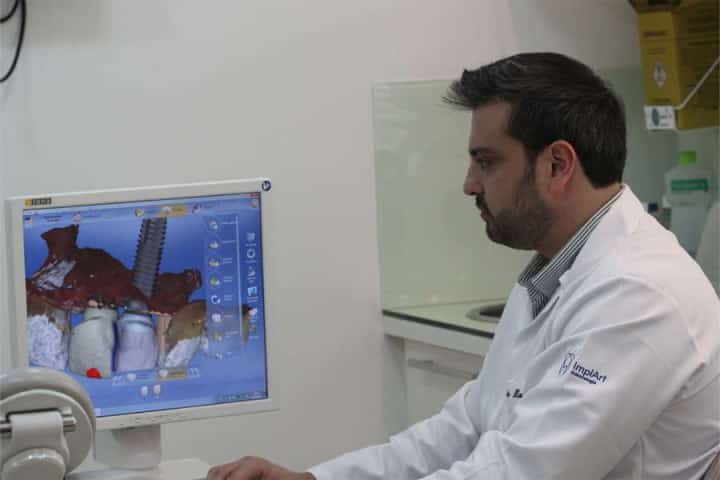
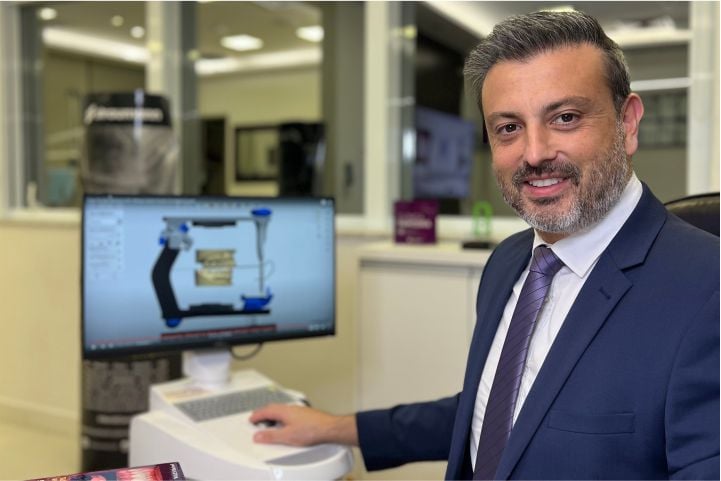
Another advantage of zirconia is that prostheses made from this material are completely computer-engineered and executed on 3D printers using Cad/Cam systems. This allows prostheses to be made more quickly and accurately.

For your convenience, ImplArt Odontologia has its own digital prost hesis laboratory that develops dental zirconia prostheses. Make an appointment and find out if this technique is right for you. We would be delighted to hear from you!

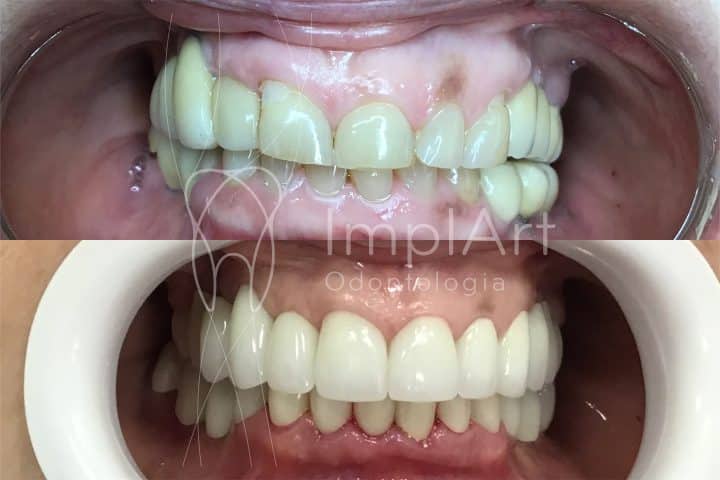
See below for photos of implant treatments and fixed porcelain and zirconia dental prostheses:
Read more about dental zirconia

coroa dentaria em sao paulo

Nosso laboratório de prótese – alta tecnologia

Laboratório de prótese dentária próprio

A Clínica Dentária ImplArt possui um laboratório de prótese dentária próprio, ou seja, integrado ao consultório. Dessa forma, podemos oferecer aos nossos pacientes tratamentos odontológicos mais rápidos e próteses cada vez mais precisas de acordo com cada necessidade.

Nosso laboratório interno é equipado com os mais modernos sistemas computadorizados, como por exemplo o sistema alemão Cerec Sirona e a austríaca Ceramill Motion II AmannGirrbach. Ambos os sistemas são compostos com softwares de última geração e impressoras 3D de dentes. Além disso, contamos com a mais moderna impressora 3D UltraCraft ChairSide Pro, com agilidade e precisão na impressão de próteses.

As impressoras 3D de dentes esculpem diversos tipos de próteses dentárias em bloco bruto de porcelana de acordo com projeto computadorizado personalizado para cada paciente, de Zirconia pura monolítica ou de resina. Os sistemas digitais de nosso laboratório de prótese dentária tornam os trabalhos protéticos mais rápidos e a comunicação mais precisa. Isto pode ser aplicado tanto para protese fixa, quanto para prótese protocolo sobre implante dentario, ou mesmo para coroa dentaria unitária ou proteses removiveis, as dentaduras.

Rapidez em seu Day Clinic

Para maior rapidez e qualidade dos trabalhos, o laboratório de prótese dentária é composto por uma equipe especializada e sistemas de última geração dentro da clínica. Somos a primeira clínica odontológica em São Paulo e certamente uma das primeiras do Brasil a oferecer estas tecnologias.

Todos os sistemas são baseados no sistema Cad/Cam, em que o modelo é escaneado em leitores por contato ou então por raios lasers. Todas as informações coletadas pelo computador são enviadas pela internet. Dessa forma, as próteses são produzidas de forma individual por robôs (impressoras 3d de dentes). Nosso laboratório de prótese dentária pode realizar uma gama de procedimentos com alta qualidade como por exemplo:

Cerâmicas Modernas

dental zirconia

Impressoras 3D de dentes

dental zirconia

Próteses Dentárias Estéticas

dental zirconia

Soluções Criativas e Computadorizadas

dental zirconia

Laboratório de prótese digital próprio: restaurações e próteses dentárias mais rápidas e precisas. 

Conheça a estrutura completa da Clinica Odontologica ImplArt com laboratório de prótese dentária e muito mais! Agende uma consulta!

coroa de zirconia cubica

More translucent and resistant cubic zirconia crowns

Translucent cubic zirconia is an evolution of conventional dental zirconia. Dental zirconia is increasingly being used as a material for making a dental crown or even for a fixed prosthesis on dental implants. As our dental Clinic is integrated with a dental Lab in Sao Paulo-Brazil, we can easily delivery zirconia crowns in a new days. Translucent Zirconia has certainly come to revolutionize the way dental prostheses are made, since it uses modern computer graphics resources to design the prostheses, and modern 3D milling machines to sculpt them. This makes treatment faster and more comfortable for the patient.

In addition, Zirconia is the most resistant material compared to other types of crowns and allows for results with a high degree of naturalness, being the most similar to the appearance of natural teeth.

Zirconia can also be used on implants, full arch implant bridges and partial prostheses.

Why is dental zirconia an excellent material?

First and foremost, one of the greatest advantages of the Pure Zirconia dental crown is its strength and durability. In addition, its modern execution method, which doesn’t require the old mass moldings and only uses a 3D scanner, makes the treatment much more comfortable for the patient. It is therefore an excellent option for those who want metal-free treatment, a situation that is highly valued today with biological dentistry.

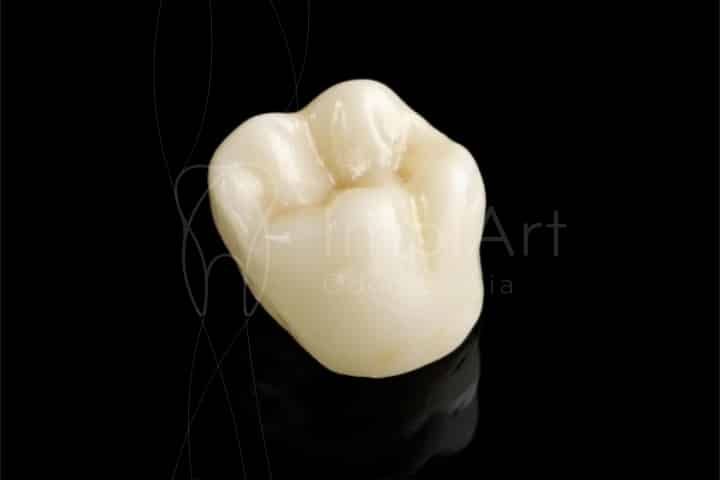
translucent cubic zirconia dental crown
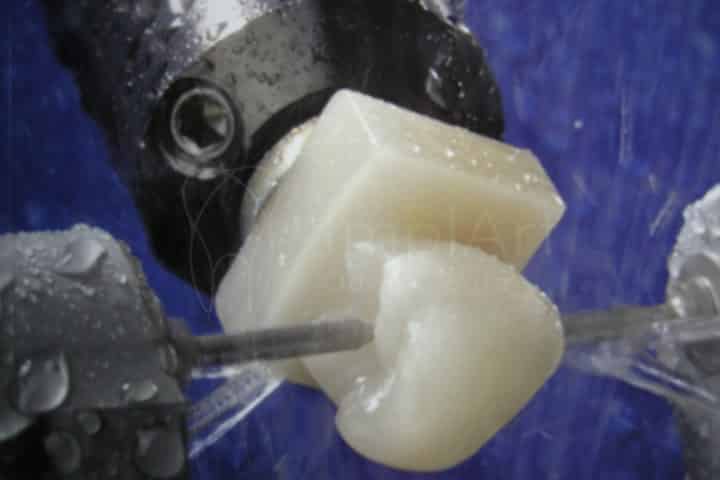
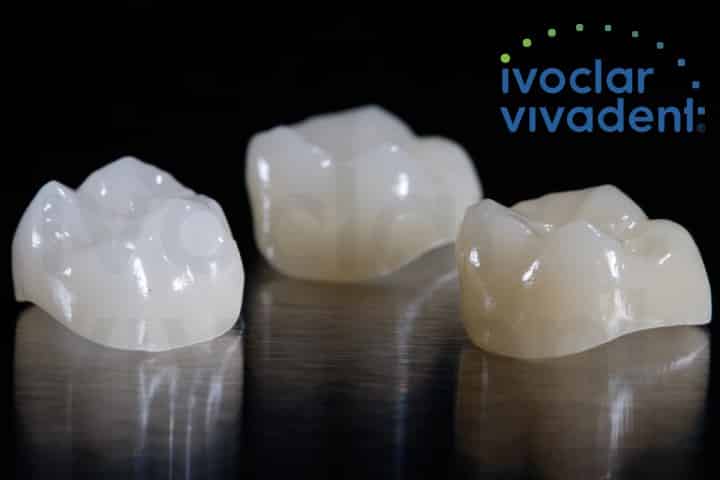
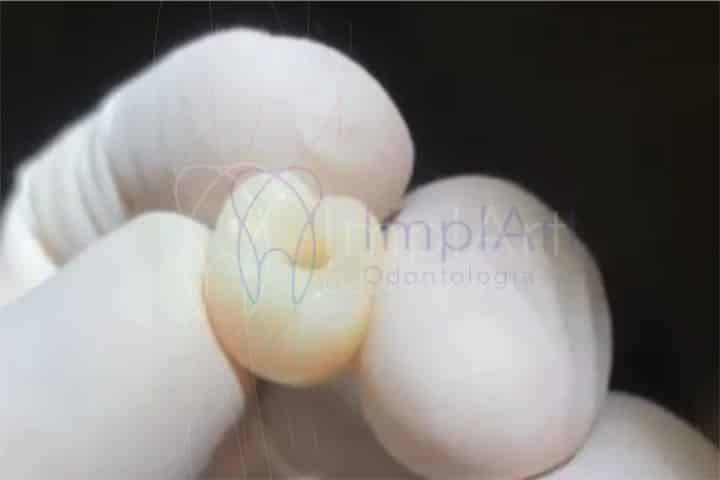
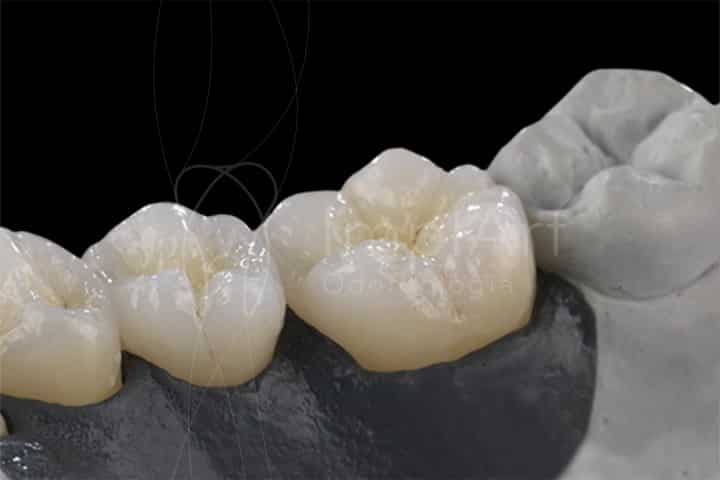
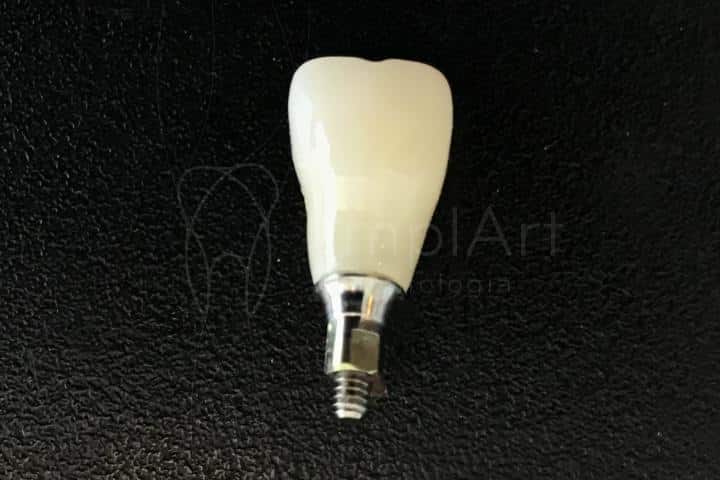
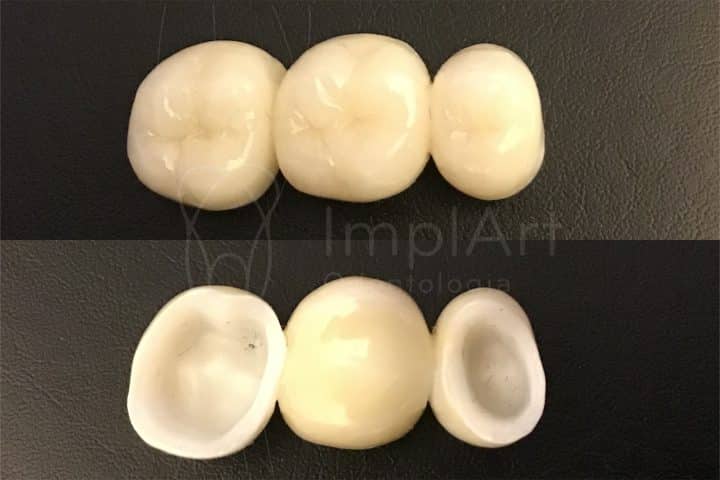
Translucent cubic zirconia crown for molar tooth (bottom), with hole for screwing into dental implant

These zirconia structures can be used both for implant prostheses, types of crowns on implants and for crowns on natural teeth. One of the pioneering companies in the development of durable and aesthetic zirconia dental prostheses is the Austrian company AmannGirrbach. Now it is introducing a new type of dental ceramic: Zolid FX translucent cubic zirconia.

It is a fully biocompatible material used to make first-rate prosthetic crowns, not only single-unit, but also bridges of up to 3 units. The main characteristics of Zolid FX are its super-high translucency, high strength and long-term stability.

It is therefore a strong alternative to the already established lithium disilicate (glass ceramic), and can therefore be especially suitable for cases that require high porcelain crown strength. Cubic zirconia crowns can be installed both anteriorly with excellent aesthetics and posteriorly. They can also be used in dental implant treatment.

What is the manufacturing process like?

The Zolid FX cubic zirconia crown is made using computerized CAD/CAM equipment. It starts with milling the rough block on a 3D printer to the shape of the tooth. The zirconia crown is finished with the manual addition of colors and shading so that the crown has natural visual characteristics, like the neighboring teeth. The pure zirconia crown is super aesthetic and is up to 10 times stronger than ordinary (feldspatica) porcelain.

… After a dental implant, can I place the tooth on the same day? See here…

Translucent cubic zirconia crowns are suitable for bruxism patients due to their resistance

Bruxism is an oral functional disorder characterized by involuntary grinding or clenching of the teeth. The excessive force generated by bruxism can cause not only muscle and joint pain in simpler cases, but also the destruction of part of the tissues (bone and gum), enamel or the structure of the dental crown in more advanced cases.

It is important to remember that before your permanent porcelain crown is made, you will receive a temporary crown. This is used to check the aesthetics and chewability of the permanent crown.

However, bruxism can be just as damaging to the structures of prosthetic crowns made from certain materials. For this reason, there has always been a need to develop prostheses with increasingly resistant and stable materials, and at the same time aesthetic (without metals in the structure).

Meet the Ceramill Motion 2 3D tooth printer

The translucency and strength characteristics of Zolid FX are fundamental to making the prosthetic crown very comparable to natural teeth. The result is extremely aesthetic crowns and restorations with high strength and long-term stability.

ImplArt Dental Clinic only works with materials of the highest quality, developed by serious companies. For example, AmannGirrbach, which only introduces materials and equipment to the market after carrying out numerous tests and research.

If you have any questions, please contact us or our implantologyst Dr Markarian.

Dental contact lenses – Dental Porcelain Veneers

Dental contact lenses are a type of ultra-thin porcelain veneer (0.2 mm) used to correct certain aesthetic problems with the teeth.

Dental contact lenses to transform the appearance of your teeth

Aesthetic treatment for stained, misaligned, asymmetrical or broken teeth

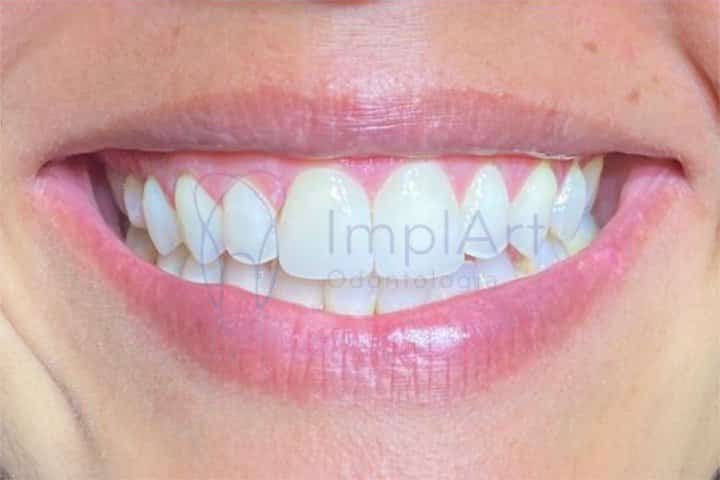
Dental lenses work like “covers” that are glued onto one or more teeth to cover stains, small fractures and other defects, or to change the shape and size of teeth. Dental contact lens treatment is the smile of the famous.

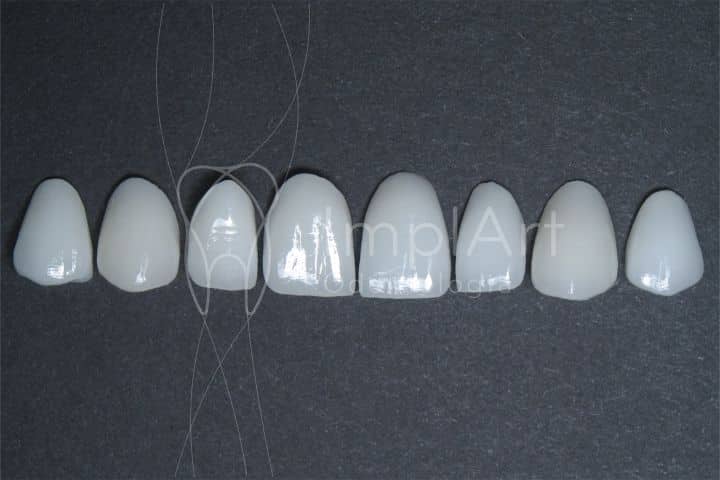
Dental contact lenses are completely computer-designed and then made from dental porcelain using milling machines (3D printers). Dental porcelain is a vitreous ceramic material (lithium disilicate) that is very resistant and mimics the texture and shade of natural teeth.

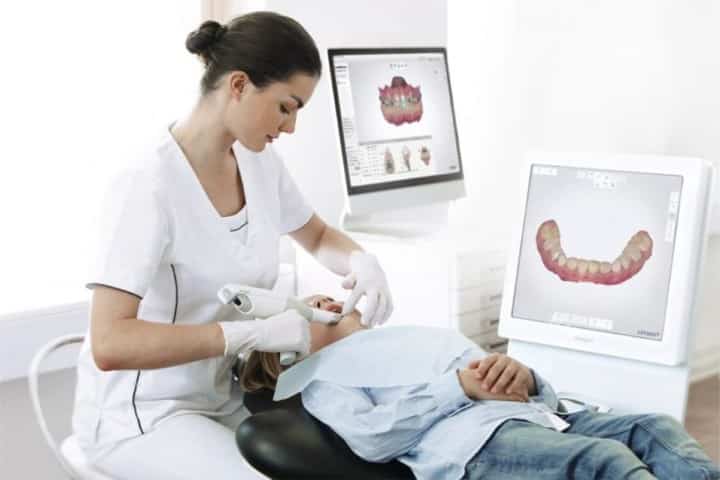
It is also a safe material and therefore totally biocompatible with the human body. The computerized design is based on images taken by an intraoral scanner – a high-precision camera.

dental contact lenses
Dental contact lenses step by step (in case of dental asymmetry)

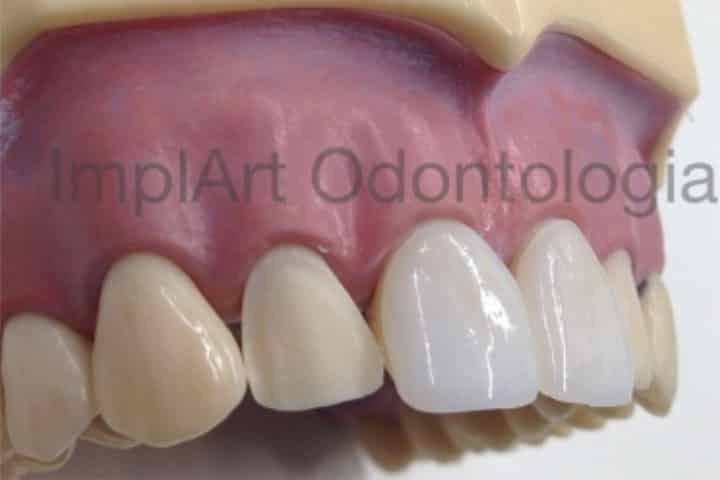
At the end of the milling process, the dental contact lenses have a shape, color and texture comparable to natural teeth, even imitating the characteristics of neighboring teeth. Because they are ultra-thin, installation requires little or no wear on the natural teeth.

The lenses are then bonded with dental cement activated with a light-curing device. ImplArt uses one of the best contact lens light-curing devices on the market, making treatment more efficient and safer. Find out more.

Indications for dental contact lenses:
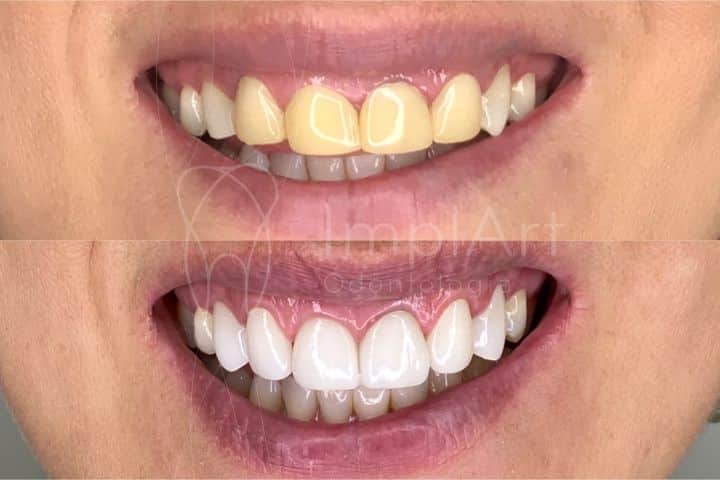
  • Covering stains
  • Change in the shape of the teeth
  • Change in tooth color
  • Enlargement of small teeth
  • Aligning crowded teeth
  • Covering small fractures
  • Uniformization of uneven and asymmetrical teeth

Advantages of lenses:
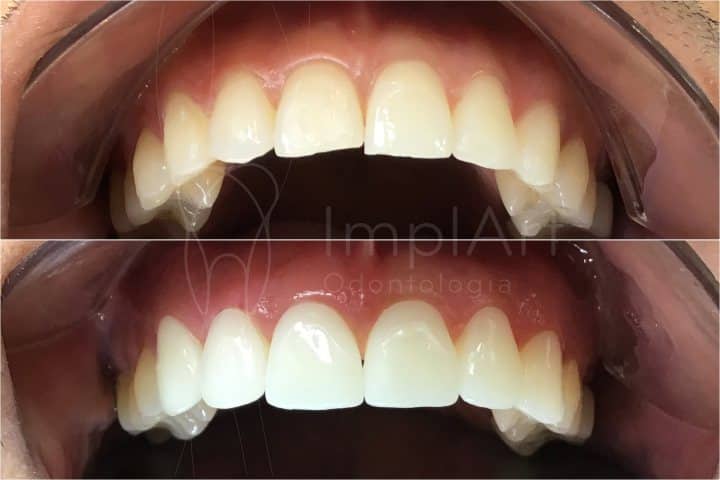
  • High resistance and long durability of the dental contact lens
  • Very aesthetic look, comparable to natural teeth
  • Minimally invasive restorations
  • Completely painless procedure
  • They don’t require much tooth grinding to be installed
  • Preserves the structure of the teeth
  • No discomfort in chewing function
  • Porcelain doesn’t change color over the years
  • Incredibly natural and harmonious result
  • It can be designed and executed in a short time, in some cases even in a Day Clinic.

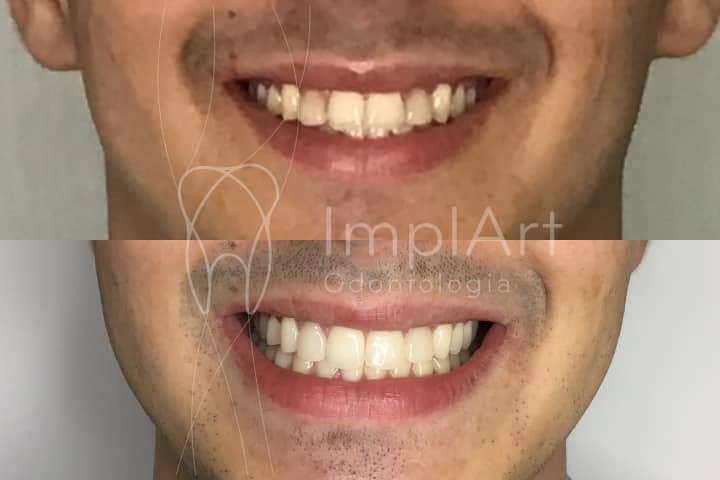
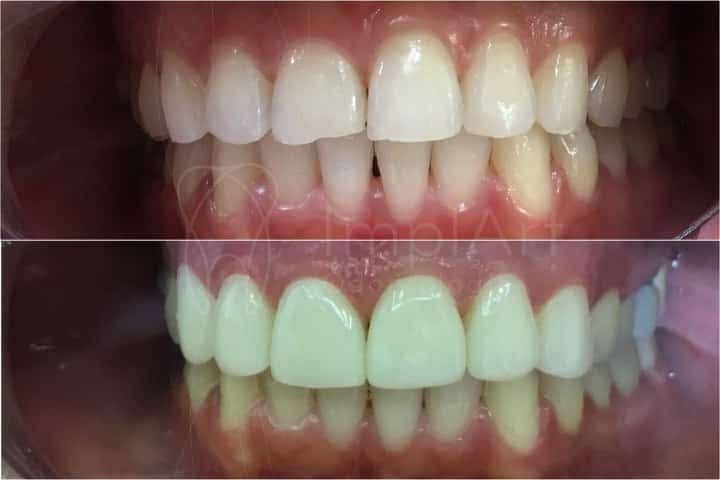
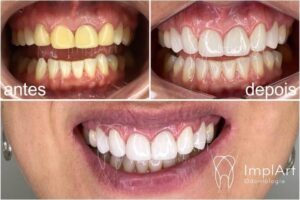
Before and after contact lenses: find out about some of the treatments performed at ImplArt:
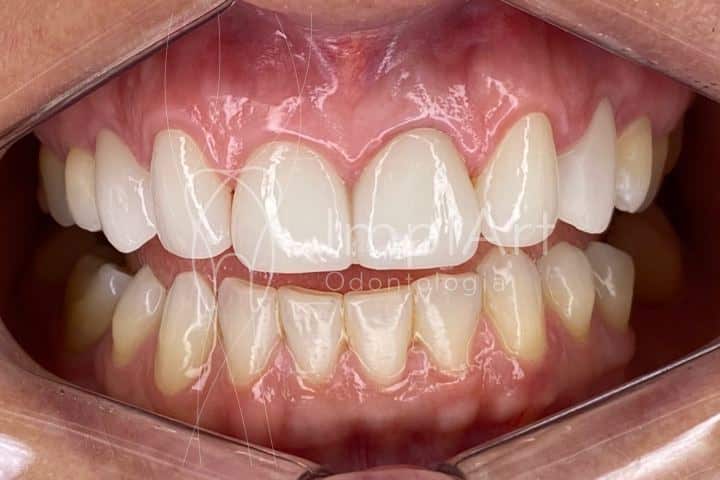
At ImplArt Odontologia, all this work is certainly done in a precise and personalized way for each patient. This is only possible because we have CAD/CAM-based technologies on our premises, which not only carry out the computerized design of the treatment, but also the execution of the dental contact lenses. If you have any questions, please contact us.

Read more articles on Dental Aesthetics

IMPLART CLINIC

ImplArt serves all dental specialties

At the ImplArt Dental Clinic we strive to offer quality care and the greatest possible convenience. That’s why our team is made up of professionals from all dental specialties. They are:

Implantology

Implantology is the area of dentistrydedicated to the treatment of edentulism (the absence of one or more teeth) with prosthetic rehabilitation supported or retained by dental implants, which can be made of titanium or even ceramic. This is the new, modern ceramic implant, the white implant, for those looking for a metal-free implant. Read more

Orthodontics

Orthodontics is the specialtyresponsible for correcting the position of teeth and jawbones for proper occlusion and alignment. The main objective of orthodontic treatments is functional improvement (chewing, articulation, speech, breathing and to avoid “opportunistic” periodontal diseases such as cavities and plaque build-up and tartar formation), but it also aims to restore an aesthetic and harmonious smile. Learn more

Dentistry

The specialty of dentistry focuses on aesthetic dental restoration. The most popular procedures are: teeth whitening, resin or porcelain restorations, dental contact lenses or porcelain veneers. Learn more

Oral and Maxillofacial

Correction of facial anomalies of the jaw or mandible, reconstruction of bone defects, problems of the temporomandibular joints (TMJ), orthognathic surgery, treatment of retained teeth, tumors and cysts.

Read more: The role of hospital dentistry

Dental prosthesis

The specialty of prosthodonticsaims to make dental prostheses to replace lost teeth, with the aim of restoring oral function and aesthetics. It is considered dental art, since this specialty has the mission of creating prostheses that are increasingly similar to natural human teeth (in shape, color, translucency and texture). Dental prosthesis models range from the mobile type (dentures), protocol prosthesis, to dental crowns that are fixed to dental implants. Learn more

Endodontics

Endodontics is the area of dentistry responsible for treating diseases of the dental pulp, root canal system and periapical tissues. It carries out root canal treatment with the aim of maintaining the tooth and avoiding its extraction. Read more

Periodontics

Periodontics isresponsible for identifying and treating periodontal diseases, the most common of which are caries, gingivitis, plaque build-up, tartar formation and periodontitis (inflammation of the bone tissue that supports the tooth). This specialty also performs surgery to correct gummy smiles. Learn more

Dental Radiology

Dental radiology is of fundamental importance, especially for diagnosing functional problems and oral diseases using X-ray images. It also helps other specialties to plan dental implant surgery and monitor the progress of treatment or surgery that has already been carried out. These exams include panoramic radiography and computed tomography. Find out more.

In addition, the structure of the ImplArt Dental Clinic includes the main technologies used in modern dentistry, both for diagnosis and for treatment and follow-up. At Clinica Dentaria ImplArt you will find:

One Stop Dentistry and dental specialties

This breadth of dental specialties guarantees peace of mind and convenience for the patient, who doesn’t have to travel to different locations to undergo their full treatment or radiological examinations. If you have any questions, make an appointment or contact us. We’ll be happy to help you. For those coming from far away, you should know that it is possible to make an online appointment and even plan your dental implant surgery remotely, and organize your Day Clinic.

Replacing teeth with periodontal disease with implants

When extractions are unavoidable due to periodontal disease, it is likely that teeth will need to be replaced with dental implants. However, dental implants can only be placed immediately after periodontitis has been treated. If the disease is not well controlled, the success of rehabilitation with dental implants will be compromised.

Periodontal disease (periodontitis) without proper treatment can lead to tooth loss. This is because the bacterial infection gradually destroys the structures that support the teeth. As a result, the teeth soften and, depending on the case, are unable to be maintained.

This is what is known as peri-implantitis, i.e. infection around the implants. Peri-implantitis hinders osseointegration (a phenomenon necessary for implant fixation) and can lead to implant loss.

*Learnall about dental implants: Dental implants: Learn all about dental implants in this guide

Control of periodontitis

Immediately after tooth extractions, the surgeon assesses whether the bone and gum structures are compromised through clinical and radiographic examinations. He may perform minor surgery to clean the area and administer antibiotics to control the infection. The patient is instructed to maintain proper oral hygiene. In the meantime, the patient can wear a temporary prosthesis. The recovery time for periodontitis is not established, as it depends on each case.

PROTESE PROTOCOLO
Replacement of problematic teeth with implants,in this case protocol prosthesis

Replacing teeth with dental implants

If the bone loss after periodontitis is reasonable, dental implants can even be immediately loaded (in selected cases). If bone loss is severe, it may be necessary to perform a bone graft to rebuild the structure before placing the implants.

Unfortunately, this process is not so quick, as it is primarily necessary to wait for complete healing (from 3 to 6 months on average). After dental implants have been placed, clinical follow-up is particularly important in these cases, in order to prevent periodontitis from returning.

Dental visits should be more frequent for patients with a history of periodontal disease than in cases where tooth loss has occurred for other reasons. The surgeon may order additional imaging tests to monitor the osseointegration of the implant. Care should be taken with oral hygiene at home.

This treatment, when carried out by a specialized team and together with the patient’s valuable collaboration in terms of oral hygiene, correct use of medication, regular visits to the clinic and the patience to wait for the results, has a high chance of success.

The ImplArt Dental Clinic specializes in replacing teeth with implants after periodontal disease. Its team is made up of serious periodontists and implant dentists, trained at the country’s leading universities.

*Readmore about the risks of dental implants: 5 major risks for those who have dental implants

Practice at Clinica Dentaria ImplArt

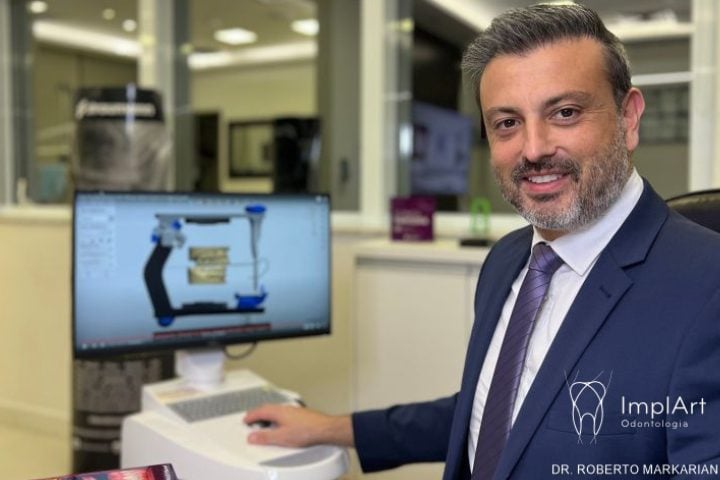
Dr Roberto Markarian, implant dentist, is the creator and director of the ImplArt Dental Clinic. The ImplArt Dental Clinic is certainly one of the main centers of technology in aesthetic oral rehabilitation and implantology in Brazil. As a result of its know-how and high technology, the ImplArt dental clinic receives patients from all over the world who are looking for high technology and knowledge to carry out their dental implant treatment.

Our clinical director holds a doctorate in implant dentistry, a master’s degree in prosthodontics, and two specializations in dental implants and prosthodontics. In addition, he has completed several training courses in the field of dentistry, not only in Brazil, but also abroad.

Dr. Roberto Markarian is enthusiastic and knowledgeable about the most advanced technologies applied to digital dentistry, such as computerized CAD/CAM systems, high-performance and aesthetic ceramics, state-of-the-art dental implants, 3D dental printers, as well as digital scanners for computerized molding. For this reason, since 2011 the Clinic has had computerized scanners and machines in its in-house laboratory to meet patient demand.

Get to know the structure of the ImplArt Dental Clinic. Make an appointment now.

Dr. Roberto Markarian, implant dentist

Text written by DR. ROBERTO MARKARIAN – CRO-SP 73.583
Founder and Director of the ImplArt Dental ClinicDr. Roberto’s Linkedin profile

Dr. Roberto Markarian implant dentist
Replacing teeth with periodontal disease with implants

Dr. Roberto Markarian is a reference in dental implants and computerized dental prostheses in Brazil. As well as having more than 10,000 implants installed, he is a researcher who produces knowledge that is published worldwide in renowned scientific journals in the field of dentistry. He is responsible for promoting knowledge and high technology applied in all the treatments offered by the ImplArt Clinic.

  • Post-Doctorate in Implant Dentistry – Univ SL Mandic (Campinas-SP) – 2020
  • PhD in Implant Dentistry – Doctor of Implant Dentistry, Univ SL Mandic – 2017
  • Dr. Roberto Markarian Specialist in Dental Implants at USP (Implant Dentist) – 2008
  • Specialist in Prosthodontics (Prosthodontist ) by the CFO – 2006
  • Master in Prosthodontics, USP – 2005
  • Graduated as a Dental Surgeon from USP (São Paulo) – 2001
  • Member of the Clinical Staff of Hospital Alemão Oswaldo Cruz

schedule your appointment at the implart clinic by phone or whatsapp

como é feito um implante dentario
Replacing teeth with periodontal disease with implants

📲(11) 99598-1866

📲WhatsApp(11) 99598-1866

Dental contact lenses

Dental contact lenses: step-by-step treatment

The dental contact lens is a set of extremely thin porcelain veneers (lithium disilicate), designed by a computerized cad/cam system and made by 3D printers.

Dental contact lenses: step-by-step treatment

What are dental contact lenses?

Contact lenses are bonded to the front of the teeth individually and are used to correct certain aesthetic problems, such as misaligned teeth, stained teeth, pigmented teeth, cracked teeth, improperly shaped teeth, unwanted pain, irregular tooth size and correcting the position of the teeth.

They are bonded to the front of the teeth, individually, in order to correct certain aesthetic problems. These are cases of misaligned teeth, stained teeth, pigmented teeth, cracked teeth, improper shape, unwanted color, irregular tooth size, correction of tooth position.

Lenses are not recommended for unhealthy teeth, such as decayed teeth or teeth with periodontal disease. Contact lenses for teeth are capable of revolutionizing the aesthetics of smiles. Today we see many celebrities who have undergone the treatment and have undoubtedly had their smiles transformed.

Do I need dental contact lenses?

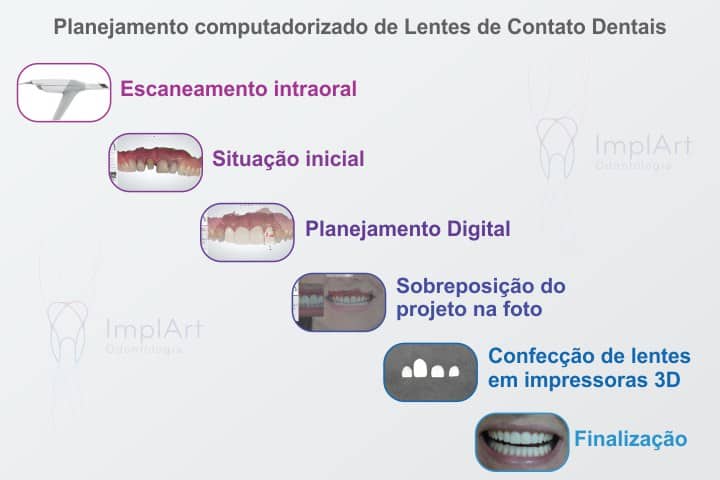
Contact lens treatment involves the use of advanced dental technology. It starts with taking a mold of the teeth. The digital impression is taken using an intraoral scanner that captures images of the teeth and gums and creates a three-dimensional model on the computer screen.

Based on these images, the dentist uses software that designs the dental contact lenses with customized shapes and shades for each patient.

Planning

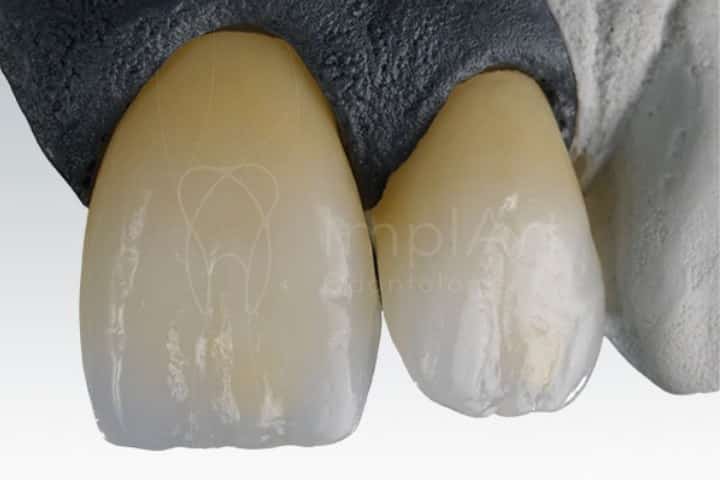
The design can be for a single tooth or more. The approved computerized design is then sent to the digital prosthetics laboratory to make the dental lenses. A block of porcelain is placed in the 3D printer and the milling process begins until the block acquires the shape of the designed dental lenses.

Dental contact lenses are approximately 0.2mm thick. This ultra-thin thickness does not require any or little wear to the tooth surface in order for the lenses to be applied. They therefore differ from porcelain veneers.

dental zirconia
Lente de contato
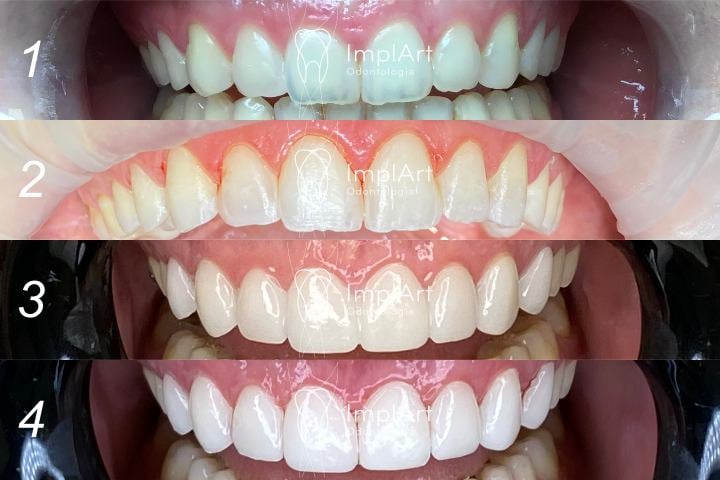
Example of a treatment with dental lenses: 1 – Initial situation, 2 – Tooth preparation (wear) and gingivectomy (removal of excess gum), 3 – Temporary lenses, 4 – Installation of definitive porcelain lenses.

Bonding dental contact lenses

Bonding is carried out after the tooth has been prepared, which involves professional cleaning to remove possible plaque and tartar buildup. The lenses are then bonded with cement specifically for dental use, without pain or the need to apply an anesthetic.

It’s a quick treatment and can even be carried out in a Day Clinic. The durability of dental contact lenses is undetermined. Porcelain is a very resistant material and has very similar characteristics to natural teeth.

Its surface is stain-resistant and does not require the patient to be cautious with highly pigmented foods and drinks, such as beet, carrots, wine, coffee, teas, etc.

dental zirconia
Porcelain veneers for front teeth

This ultra-thin thickness does not require the tooth surface to be worn down in order for the lenses to be applied, so they differ from porcelain veneers. They are applied after the tooth has been prepared, which involves professional cleaning to remove possible plaque and tartar buildup.

The lenses are bonded with cement specifically for dental use, without pain or the need to apply an anesthetic. It’s a quick treatment which, in some cases, can be carried out in a Day Clinic. The durability of dentalcontact lenses is undetermined.

Porcelain is a very resistant material and, above all, has very similar characteristics to natural teeth. Its surface is resistant to stains and does not require the patient to be cautious with highly pigmented foods and drinks, such as beet, carrots, wine, coffee, teas, for example.

Dental lenses see how they work

Dental contact lenses price │ Contact lenses values

The average price of dental contact lenses can only be given in a dental consultation, as it depends on a face-to-face clinical examination, and the Federal Council of Dentistry prohibits non-face-to-face consultations. If you have any questions, please contact us through one of our service channels.

Schedule your appointment at ImplArt

Dr. Roberto Markarian, implant dentist

Text written by DR. ROBERTO MARKARIAN – CRO-SP 73.583
Founder and Director of the ImplArt Dental ClinicDr. Roberto’s Linkedin profile

Dr. Roberto Markarian implant dentist
Dental contact lenses: step-by-step treatment

Dr. Roberto Markarian is a reference in dental implants and computerized dental prostheses in Brazil. As well as having more than 10,000 implants installed, he is a researcher and produces knowledge that is published worldwide in renowned scientific journals in the field of dentistry. He is responsible for promoting knowledge and high technology applied in all the treatments offered by the ImplArt Clinic.

  • Post-Doctorate in Implant Dentistry – Univ SL Mandic (Campinas-SP) – 2020
  • PhD in Implant Dentistry – Doctor of Implant Dentistry, Univ SL Mandic – 2017
  • Dr. Roberto Markarian Specialist in Dental Implants at USP (Implant Dentist) – 2008
  • Specialist in Prosthodontics (Prosthodontist ) by the CFO – 2006
  • Master in Prosthodontics, USP – 2005
  • Graduated as a Dental Surgeon from USP (São Paulo) – 2001
  • Member of the Clinical Staff of Hospital Alemão Oswaldo Cruz

schedule your appointment at the implart clinic by phone or whatsapp

como é feito um implante dentario
Dental contact lenses: step-by-step treatment

📲(11) 99598-1866

📲WhatsApp(11) 99598-1866

Digital Smile Design

Digital Smile Design in Brazil with Artificial Intelligence: Preview your Future Smile at ImplArt Clinic

The desire for a renewed, more harmonious and healthier smile is the first step towards a major life change. However, a common doubt can lead to insecurity: “What will the final result look like?”. Fear of the unknown is one of the main barriers preventing many patients from realizing their dream of a new smile. That’s where the Digital Smile Design with Artificial Intelligence carried out at the ImplArt Clinic comes in. With it, we can predict the results of your treatment.

The ImplArt Clinic, under the direction of Dr. Roberto Markarian, a reference in Brazil and abroad in Dental Implants and Computerized Prosthesis, has just incorporated the newest Artificial Intelligence tool focused on Dentistry that allows you to accurately visualize the final results of a dental treatment planned with computer graphics.

This way we can give you the chance not just to imagine, but to visualize your future smile before any procedure is even started! Can you imagine seeing yourself with a new smile before you’ve even had it done?

schedule your appointment at ImplArt with Dr. Markarian
Digital Smile Design in Brazil with Artificial Intelligence: Preview your Future Smile at ImplArt Clinic

Whether your treatment is a dental implant, dental crown, prosthetic protocol or dental contact lenses, now, with the use of Artificial Intelligence at the ImplArt Clinic, you can see the results of your treatment and participate in the process of realizing the aesthetics of your new smile.

YouTube video player

See above in this practical video how digital planning technology and artificial intelligence allow you to anticipate your result with impressive realism.

Digital Smile Design: How Does Technology Turn Predictability into Reality?

Digital Smile Design (DSD) is a protocol that integrates cutting-edge technology, artificial intelligence and the artistic sensibility of our team to create a reliable preview of your treatment. It transforms the initial consultation into a co-creation experience.

Understand the steps that allow us to design your new smile:

1. Complete Digital Diagnosis: The process at the ImplArt Clinic begins with high-precision documentation. Using a modern intraoral scanner, which replaces the old moldings, we create an exact 3D model of your mouth. We complement this with professional photographs and videos that capture the dynamics of your smile and your facial harmony.

2. The Design of the Smile (The Digital Architecture): With this data, Dr. Roberto Markarian and his team use advanced software with Artificial Intelligence to digitally design every detail of the new smile. We analyze the proportion, shape, color and alignment of the teeth in relation to your lips, gums and facial features, seeking a natural and personalized result.

3. Visualizing the Future (Your Participation): This is the moment when we present you with the simulation, like the one you saw in the video above. You will be able to see the “before and after”, give your opinion and ask for adjustments. Your feedback is crucial so that the end result is not only technically perfect, but also fully reflects your wishes.

digital smile planning
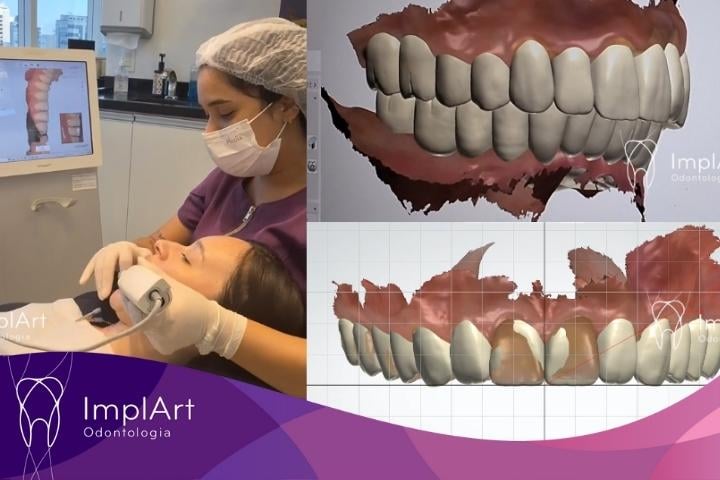
At the ImplArt Clinic, Digital Smile Planning involves intraoral scanning and smile design with computer graphics and the use of modern artificial intelligence resources.

Advantages that Go Beyond Aesthetics with Digital Smile Planning with Artificial Intelligence

  • Absolute Predictability: Have the security and peace of mind to visualize the end result before you start. This completely aligns expectations and eliminates anxiety. This applies to treatments such as Dental Implants for Front Teeth, Porcelain Veneers, and Total Implants with Zirconia Full Arch Prosthesis.
  • Millimeter precision: Digital planning serves as a guide for all subsequent procedures. It ensures that dental implants and zirconia crowns are made with unparalleled precision.
  • Clear communication: Visual simulation is the most effective form of communication. It allows you to understand each stage of the proposed treatment and actively participate in decisions.

The Perfect Connection: From Digital Planning to State-of-the-Art Treatments

The project you approve is not just an image. It becomes a digital map that guides our most advanced treatments:

  • Dental implants: For guided surgery implants, digital planning determines the exact position, angle and depth for implant installation, making the procedure faster, safer and minimally invasive.
  • Zirconia Crowns and Dental Contact Lenses: The design of the smile is exported to our CAD/CAM (computer-aided design and manufacturing) systems, which make the zirconia or lithium disilicate restorations with a perfect fit and impeccable aesthetics, faithfully reproducing what was planned.
Digital Smile Planning 3D printer
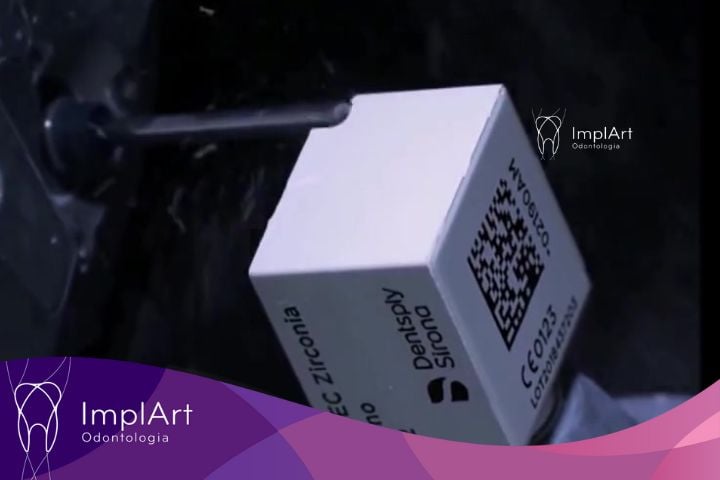
Photo shows 3D printing stage of zirconia prosthesis, a product of Digital Smile Planning

Your New Smile Starts with a Clear Vision of the Future

At the ImplArt Clinic, cutting-edge technology and human sensitivity go hand in hand to offer you not just a treatment, but a transformative and safe experience.

Always at the forefront of dental treatments, the ImplArt Clinic has positioned itself as a reference clinic for high-quality dental treatments. ImplArt is continually mentioned as the best dental implant clinic in Brazil, due to its expertise and high technology. Always thinking of offering the most modern treatments to patients, Dr. Roberto Markarian, PhD, invests in continuous innovation, always linked to the most modern practices worldwide.

We invite you to take the first step. Schedule an appointment with Dr. Roberto Markarian and discover the potential of your smile with the help of the latest dental technology.

DR. ROBERTO MARKARIAN IMPLANTODONTISTA SITE
Digital Smile Design in Brazil with Artificial Intelligence: Preview your Future Smile at ImplArt Clinic

Technical material by DR. ROBERTO MARKARIAN – CRO-SP 73.583
Founder and Director of the ImplArt Dental Clinic Dr. Roberto’s Linkedin profile
Access Dr. Roberto Markarian‘s scientific output on Google Scholar

Dr. Roberto Markarian is a reference in dental implants and computerized dental prostheses in Brazil. As well as having more than 12,000 implants installed, he is a researcher who produces knowledge that is published worldwide in renowned scientific journals in the field of dentistry. He is responsible for promoting knowledge and high technology applied in all the treatments offered by the ImplArt Dental Clinic.

*Watch more on the ImplArt Dental Clinic YouTube channel and explore our latest videos

Pure zirconia dental crowns – the strongest material for crowns

Zirconia crowns are dental prostheses indicated for restoration and dental rehabilitation in people who have had damage to one or more teeth. Rehabilitation with dental crowns aims to restore the aesthetics and functionality of the smile, improving not only chewing, the appearance of the teeth, but also self-esteem.

Zirconia crowns: excellence for aesthetic results

However, some materials used to make dental crowns are not strong enough to be used in patients suffering from bruxism. As is well known, bruxism is a disorder of oral function movements, characterized mainly by involuntary grinding or clenching of the teeth.

translucent pure zirconia crowns
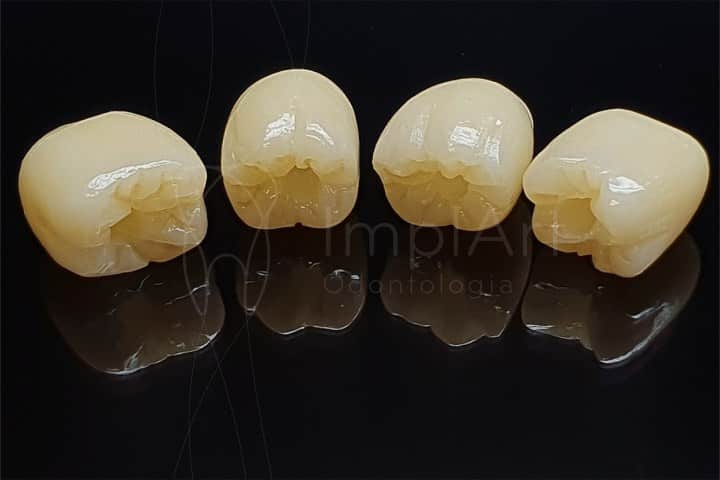
Translucent pure zirconia crowns
zirconia crowns
Pure zirconia crowns. Translucent zirconia is 10 times stronger than ordinary porcelain.

It occurs mainly during sleep. This excessive load on the teeth and musculoskeletal structures of the face can cause problems with the teeth and correct occlusion in general.

Although the cause of bruxism is not very clear, it is certain that this condition most often affects people who suffer from emotional problems, such as stress, anxiety and excessive worry.

Just as the excessive force generated by bruxism can wear down teeth, it can also damage dentures made of certain materials.

In these cases, our team has the option of recommending porcelain crowns with a pure zirconia internal structure, which are proven to be more resistant and can withstand a greater load, even in patients with bruxism.

Zirconia acquires this strength because it goes through a controlled process called sintering, which is heating it at a high temperature in a special furnace. This process modifies its particles, creating a solid and very strong prosthetic piece. Other properties of crowns with a pure zirconia structure:

How do I know if I can have a crown with pure zirconia even if I have bruxism?

First of all, it’s important to assess the degree of oral impairment that bruxism has caused so far. If you have untreated bruxism for many years, there may be advanced wear of the dental crowns and/or root fractures.

Therefore, before receiving prosthetic crowns to rehabilitate and restore your smile, you will probably need to undergo treatment to correct these defects (e.g. root canal treatments, vertical dimension increase, clinical crown increase). Dr. Markarian, our general manager, saysthat controlling bruxism is essential to avoid future problems and porcelain crowns with a pure zirconia structure may be indicated.

ImplArt Odontologia has its own dental laboratory with the Cerec 3D, Cerec Primemill, Trios 3Shape and Ceramill systems, which speed up the fabrication of crowns with pure zirconia and metal-free ceramics, in some cases even in just a few hours in an ImplArt Day Clinic or Dental Spa, where you can carry out the largest number of dental procedures in just one appointment or in just a few days. This way, patients can set aside a day in their schedule or a few days in a week to dedicate to dental treatment, without it taking months to complete.

If you have any questions about treatment with metal-free aesthetic crowns, please make an appointment or contact us by clicking on the button below. We will be happy to assist you.

Porcelain crowns – Day Clinic

The placement of porcelain crowns is one of the procedures that ImplArt Odontologia performs with the convenience and agility of the Day Clinic – Dental Spa. A porcelain crown is a type of fixed prosthesis for application over a tooth or dental implant, indicated for replacing a tooth that has either been lost or cannot be maintained.

What are porcelain crowns?

For example: teeth with advanced caries, teeth broken as a result of an accident or teeth that are mobile due to periodontal disease and need to be extracted.

The Implart clinic offers dental implant services and porcelain crowns for them. Implants are performed to replace lost teeth or teeth that cannot be maintained. Porcelain crowns are prostheses that we recommend to restore damaged teeth, such as advanced caries or teeth broken due to accidents. They are also indicated in cases of tooth mobility caused by periodontal disease, when extraction is necessary.

The application of the crown on tooth in short is recommended when the root of the tooth can still be maintained and the application of the crown on implant is when the tooth is completely lost, i.e. the tooth root is also extracted must be replaced by a titanium dental implant pin.

The porcelain crown is currently the material with the closest visual and physical characteristics to a natural tooth. ImplArt only works with high-performance porcelain so that the prosthetic crown looks almost indistinguishable from the neighboring teeth.

The porcelain crown can be made with internal metal reinforcement (usually recommended for posterior teeth) or with metal-free white zirconia reinforcement (recommended for anterior teeth due to the aesthetic needs of the smile).

What is the difference between a porcelain crown and a dental contact lens?

In general , lenses only cover the outside of the tooth, like a veneer. Their thickness is thin, corresponding only to the tooth enamel. A porcelain crown, on the other hand, surrounds the tooth completely (360 degrees), requiring more wear and tear on the tooth. Despite this, a crown is expected to last longer than a lens. Both porcelain crowns and lenses can be digitally designed and manufactured by robotic machines. Lenses can also be used to repair a dental prosthesis.

Learn about some of the indications for porcelain crowns:

  • Reconstruction or replacement of a tooth to improve the aesthetics of the smile
  • Reconstruction or replacement of a tooth to improve chewing
  • Replacing large or broken restorations when there is not much tooth structure left
  • Replacing a tooth with a metal restoration (unaesthetic) with a porcelain crown in the color of the neighboring teeth (aesthetic).
  • Protecting a tooth with a healthy root
  • Dental implant application
  • Replacing old or badly made crowns
  • Reconstruction and protection of teeth that have undergone root canal treatment
  • Because they are made from state-of-the-art porcelain, the crowns are highly aesthetic, resistant and durable.

How is the Day Clinic procedure done?

ImplArt Odontologia has a structure that allows several dental procedures to be carried out intensively at the Day Clinic, including the placement of porcelain crowns. The structure is made up of computerized systems that speed up the design and manufacture of prostheses, a dental laboratory within the clinic, as well as a multi-specialized team to carry out a complete treatment, from diagnosis to completion.

Porcelain crowns are a procedure carried out by ImplArt Odontologia. Porcelain crowns are fixed prostheses used to replace lost or damaged teeth. These crowns can be placed over natural teeth or dental implants. ImplArt offers the service of placing porcelain crowns at the Day Clinic – Dental Spa, with convenience and agility. These porcelain crowns provide patients with aesthetics and functionality.

The computerized design of the porcelain dental crown is made according to a digital molding of the teeth obtained through a scan of the teeth. This makes it possible to design pieces that are completely customized to each patient’s needs. The crown is made by 3D tooth printers.

Normally this whole process takes a few weeks, but with ImplArt’s Day Clinic this time is considerably reduced. The execution and durability of the treatment vary according to the complexity of each case. Contact us and make an appointment to see if your case could benefit from this technique.