Full Arch Dental Implants: what is it, how it works and how it looks

I’m sure many of you have heard of the Full Arch Dental Implants treatment. But do you know how the treatment works? Fixed Implant-Supported Prosthesis treatment involves two stages, one surgical, with the insertion of dental implants, and the other prosthetic, with the realization of the fixed prosthesis on the implants. It can be carried out on both the upper and lower arches. This treatment is also known as All-on-4, All-on-6 or even All-on-X.

Through simple and painless surgery, implants are inserted that will support a fixed prosthesis. Normally 4 to 6 implants are inserted in each arch. The surgery is carried out in an office and the patient can go home immediately afterwards. There are modalities with local anesthesia, or with intravenous sedation, if the patient prefers.

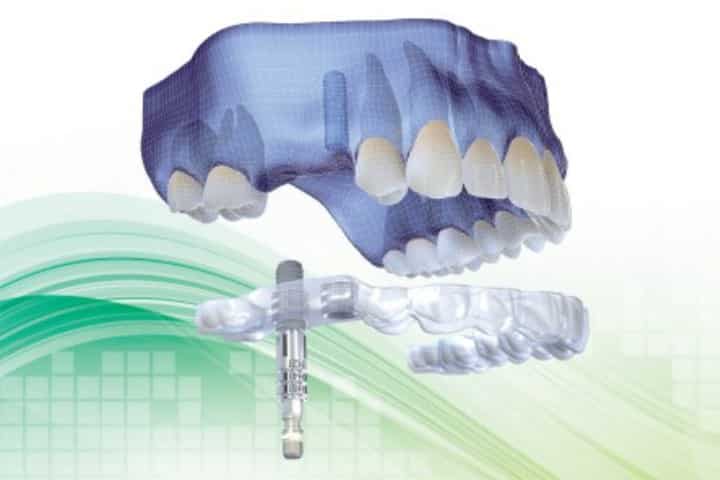
Here at ImplArt Dental Clinic, located in São Paulo, Brazil, there is also the option of performing dental implant surgery using the computerized guided surgery technique. This technique eliminates the need to make large cuts and sutures in the gums, making the post-operative period for implants easier and therefore faster to recover from. The surgical guide acts as a template with indications of where the incisions should be made to place the dental implants. The surgical guide is custom-made according to the patient’s computerized tomography images, using a 3D printing method.

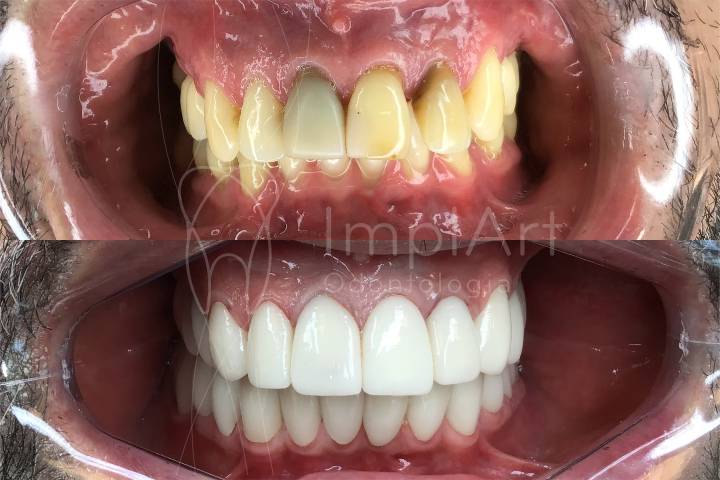
See images of the Full Arch Dental Implants below

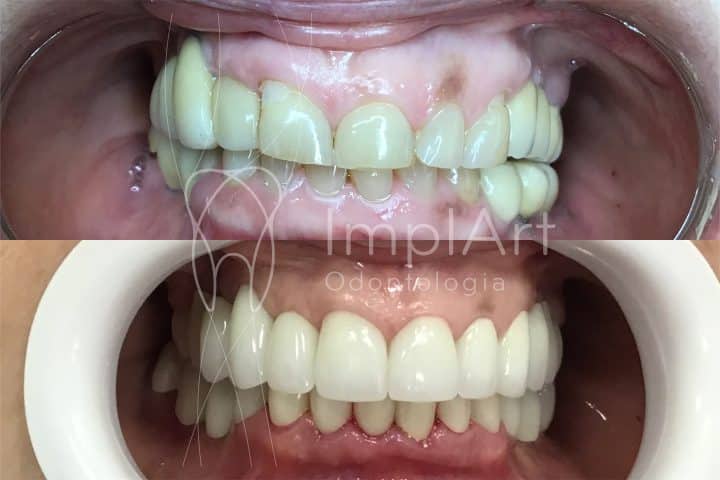
See below for this treatment with an upper Fixed Implant-Supported Prosthesis and a lower Fixed Implant-Supported Prosthesis. Firstly, implant surgery was carried out and a temporary fixed prosthesis installed on the day of surgery. Secondly, after the dental implants had healed, we made the Zirconia Prosthesis a fixed over the implants.

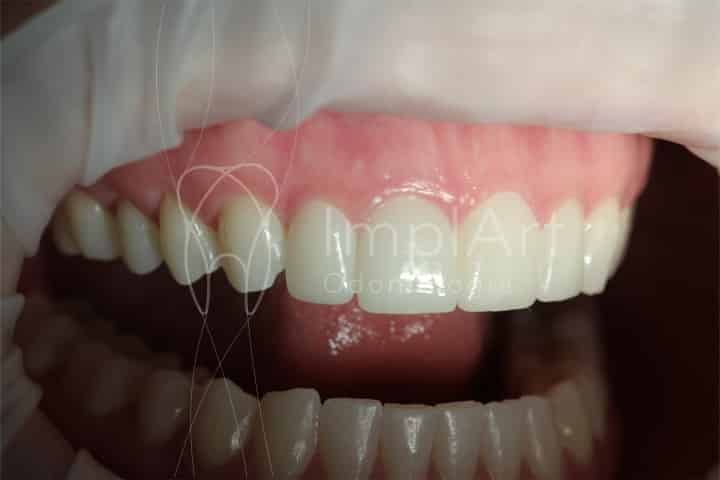
Image Total Implant and Full Arch Dental Implants Prothesis in Zirconia is the natural and resistant
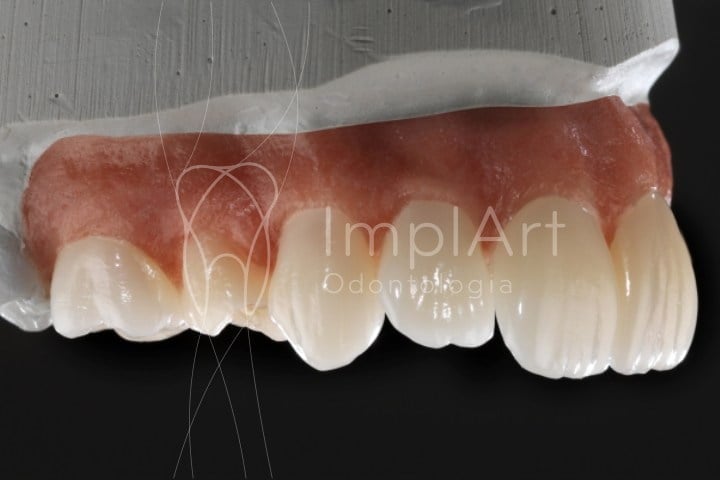
Image of Translucent Zirconia full arch prosthesis over implants – side view of the installed Zirconia prosthesisFull Arch Dental Implants

Implant-Supported Fixed Full-Arch Prosthesis, what is it?

The Implant-Supported Fixed Full-Arch Prosthesis is a type of total fixed dental prosthesis that is indicated for people who have lost all their teeth in the same arch. It consists of 12 to 14 teeth attached to a single structure screwed onto 4 to 6 strategically placed dental implants.

A full-arch-dental-implant treatment provides a quick and efficient solution for oral rehabilitation. All-on-X treatment certainly provides surprising aesthetic and functional results that help restore the natural appearance of the smile and consequently improve self-esteem.

How does the full-arch-prosthesis work?

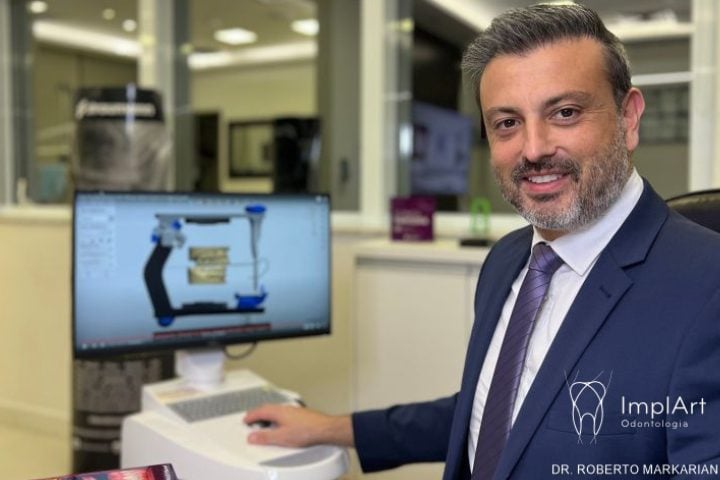
The first step is to schedule an appointment with Dr. Roberto Markarian, who will first carry out a thorough assessment of the patient’s oral and general health and habits.

It will also be necessary to carry out a radiographic examination, which is a computerized tomography scan, to visualize the volume of bone and its quality. This is essential for planning the number of implants that will be placed in the bone, both in the upper and lower arches.

When is Fixed Implant-Supported Prosthesis recommended?

Firstly, fixed Implant-Supported Prosthesis is recommended for patients who wear dentures, and for those who suffer from periodontitis or severe periodontal disease.

It is important that, even if the patient suffers from periodontitis, the disease is controlled by eliminating any sources of infection (plaque, tartar, calculus) and controlling gingivitis.

Thus, if the disease is well controlled and the bone is healthy, there is the possibility of replacing the extracted teeth with dental implants.

It is common for a patient, on receiving a poor prognosis for a tooth, to want to save it at all costs. Although in some cases it is possible to save a tooth with compromised periodontal structures, in most cases an experienced professional will be correct in recommending extraction and placement of a dental implant.

How do you change from dentures to a Fixed Implant-Supported Prosthesis? Full Arch Dental Implants Prothesis

You may be wondering: how do I know if I can have my dentures replaced with implants with a fixed prosthesis?

People who have been wearing dentures for many years can experience a lot of bone loss in the jawbone, and this is a common concern for people who would like to have implants placed in order to wear a fixed prosthesis. Alternatively, we perform various bone grafting techniques, or use short implants designed for those with bone resorption.

Undeniably, it is always a great relief for patients to change their dentures for Fixed Implant-Supported Prosthesis. We, who specialize in this type of full-arch-dental implants treatment, follow the changes in the daily lives of patients every day, who are able to increase their quality of life with this treatment. Therefore, replacing dentures with implants only has benefits!

The difference between a Fixed Implant-Supported Prosthesis and a removable denture

The Fixed Implant-Supported Prosthesis provides stability when chewing and total confidence for the patient, since there is no need to remove it for daily hygiene. Patients report at the end of their treatment that they eat much better and have much more confidence in smiling, which brings great social gains to the patient’s life. It is therefore an important step for patients towards improving their quality of life.

protese protocolo sobre implante total
Upper and lower arch Fixed Implant-Supported Prosthesis installed on 04 implants in each arch

Who can have All-on-X or Full Arch Dental Implants treatment?

Anyone can have a Full Arch Dental Implants treatment. First of all, the patient must have a panoramic X-ray and a computerized tomography scan to assess the bone in the area that will receive the dental implant. Even patients with diabetes, in most cases, can receive implants as long as their diabetes is under control. So don’t be alarmed if you have diabetes, implants could be a solution for you too. Of course, this is after a careful assessment of your health condition.

Fixed Implant-Supported Prosthesis treatment covers a wide range of patients of different ages. Elderly people can also have the procedure. Each case must be evaluated in detail so that the procedure is always safe and promotes the patient’s well-being.

In your initial consultation with our clinical director, Dr. Roberto Markarian, you will receive all the guidelines for your All-on-X treatment.

What are the advantages of the Full Arch Dental Implants?

When the use of a mobile prosthesis causes discomfort, be it functional, aesthetic or sensory, there is the opportunity to replace it with a fixed version. See the advantages of protocol treatment on implants:

  • Does not move and does not require adhesives for fixing
  • Does not fall, avoiding embarrassing experiences
  • The prosthesis materials are more beautiful and resistant, especially metal-free zirconia prostheses.
  • Does not hurt gums and mucous membranes
  • Safer chewing, smiling and kissing
  • Improves diction
  • No acrylic roof of the mouth, improving speech and food tasting
  • Increases lip support, improving the appearance of a thin lip.

Which material is the Fixed Implant-Supported Prosthesis made of?

Here at Clinica Dentaria Implart you will find a wide range of materials for your prosthesis. From the simplest in Resin, through Metal-Ceramic (Porcelain), to the most modern prosthesis in Zirconia.

Do you know Zirconia, this innovative material for full arch prosthesis? Full Arch Dental implant Prosthesis in Zirconia are possible with this innovative computerized material. It is therefore an excellent choice for those looking for an aesthetically pleasing and durable material. What’s more, its computerized design system offers more precision, as well as greater comfort through the use of the 3D scanner.

Types of materials for All-on-6 prosthesis

Translucent zirconia prosthesis for implant-supported prosthesis

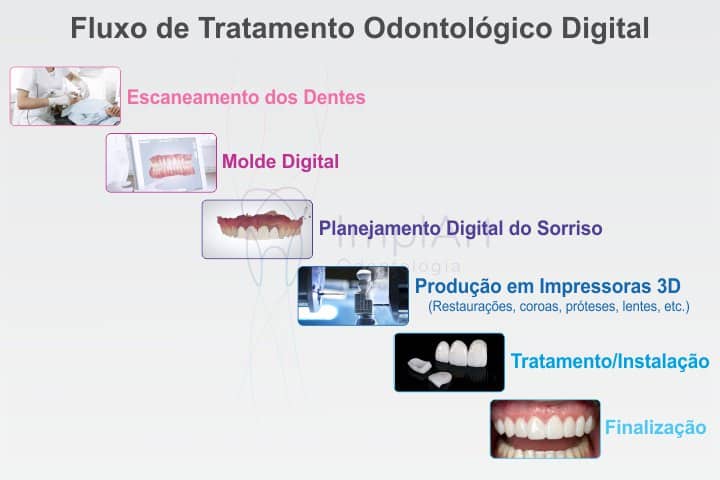
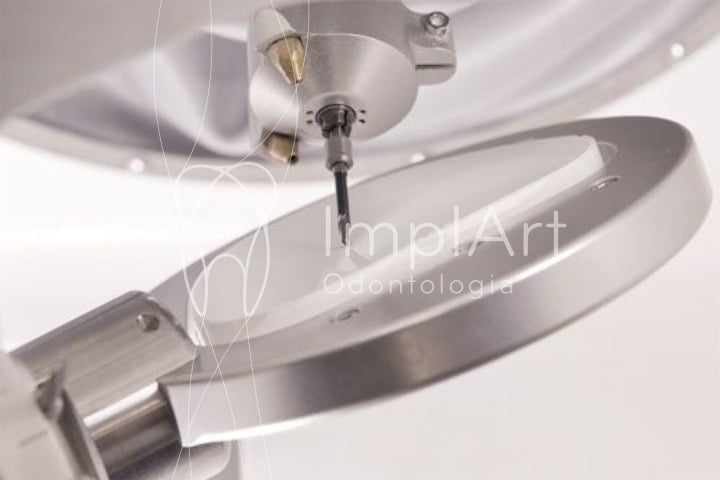
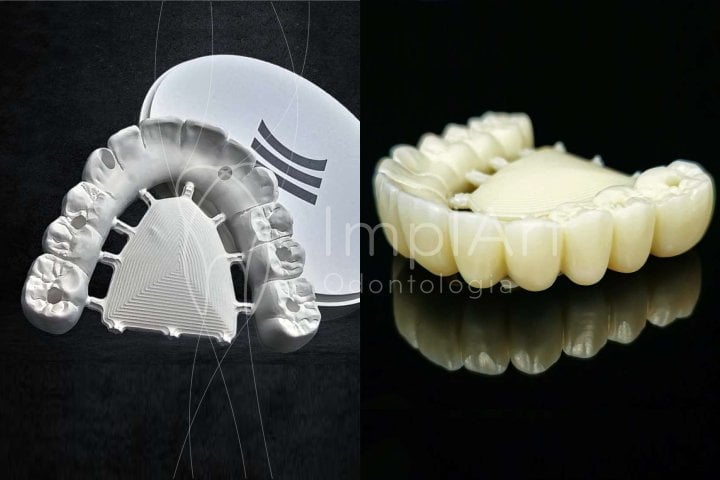
Translucent zirconia is an implant-supported prosthetic option made using an extremely advanced production method. Based on digital intraoral molding, the zirconia prosthesis is computer-designed and manufactured on 3D printers. In other words, the zirconia disc placed in the 3D printer is milled into the shape of the computerized design. This is certainly the most modern and resistant option, as well as the most beautiful and realistic.

Zirconia prosthesis / Pure porcelain (metal free)

It is an opaque white ceramic structure called zirconia, covered with dental porcelain. In this way, the aesthetics are sculpted in porcelain with the shape of the teeth. It is also a new and technologically innovative material, as the structure of the prosthesis is completely planned on a computer and executed with the help of electronic scanners and 3D printers.

Metal-ceramic full arch prosthesis (porcelain + metal)

This is a prosthesis with an internal metal structure (titanium, Ni-Cr or Cr-Co) and an aesthetic porcelain finish that is hand-sculpted to the shape of the teeth. Metal-ceramic prostheses therefore have the advantage of porcelain strength and aesthetics. As a result, the final result is aesthetically and beautifully similar to natural teeth.

Resin Full Arch Prosthesis (acrylic resin + metal)

Also known as the Bränemark prosthesis, this is another option available for implant-supported prosthesis. This model of prosthesis has an internal metal structure and an aesthetic resin finish. The teeth are made of resin and you can choose the color, shape and size of the teeth.

However, this material has a disadvantage compared to the previous ones, which is the possibility of color change (yellowing) over time.

What care should be taken after full arch dental implant surgery?

After dental implant surgery, the total recovery period may vary at the discretion of the implant specialist, with a view to the success of the procedure. Therefore, the implant dentist, Dr. Roberto Markarian, will guide you according to the criteria of the type and extent of the surgery.

How many days of rest after implant surgery?

Total rest period after surgery (rest days after dental implant):

  1. Light activities (7 to 10 days): Rest is recommended for light activities during the first week, which can be extended to 10 days.
  2. Gradual return to normal activities (up to 3 weeks): The patient is instructed to gradually return to normal activities, which may take up to 3 weeks.

Will I lose my prosthesis after implant surgery?

Rest assured, the main concern of the entire team here at the ImplArt Dental Clinic is to make the whole process as comfortable as possible for the patient. In this way, the psychological aspect and the patient’s well-being are paramount. Therefore, in the vast majority of cases, we plan a temporary prosthesis that is installed immediately after surgery. The patient is therefore able to carry out their activities normally while we wait for the implants to osseointegrate.

New techniques – Zirconia total implants

Zirconia Total Implant: Natural and resistant Implant Supported Prosthesis

Dental implants with zirconia prosthesis are recommended for various clinical cases, such as bruxism, because zirconia’s resistance is superior to any other material. The material is a star in dental practices due to its versatility and the possibility of bringing a better appearance to the mouth, especially after the tooth has been darkened by root canal treatments or dental trauma, with a great loss of dental function and aesthetics. So, if possible, opt for Zirconia!

How to sanitize a zirconia full arch prosthesis?

People who have received fixed prosthesis implants using the branemark should pay special attention to cleaning and oral hygiene in order to avoid problems. These include bad breath and even peri-implantitis (infection around the implant which can lead to mobility or even permanent loss). Therefore, a regular visit to the dentist every 6 months to have the implant supported prosthesis professionally cleaned is essential. Prophylaxis plays a very important role in maintaining oral and implant health!

To clean the fixed implant supported prosthesis at home, the patient can use the interdental brush, in addition to the traditional toothbrush, which is effective and sufficient in the external regions. However, for the areas inside the prosthesis, around the implants or on the mucosa, interdental brushes and oral irrigators (pressurized water jets) are the most suitable. Certainly the best known of these devices is the Waterpik. These devices are certainly not easily found in Brazil, but in the United States they are sold in any pharmacy.

This way, with regular visits to the dentist every 6 months and proper hygiene of the fixed prosthesis at home, you’ll have a long-lasting and healthy treatment!

Sanitize the protocol prosthesis daily with waterpik
Sanitize the fixed implant supported prosthesis daily with waterpik

How to sanitize the fixed prosthesis / cleaning?

Care with the hygiene of the implant supported prosthesis is mainly to remove any food residue that may remain between the implant pins and the prosthesis (as in the image above), and to avoid the formation and accumulation of bacterial plaque on the surface of the prosthesis.

What is the best Full Arch Dental Implant Prosthesis?

Zirconia is the most modern material for dental prosthesis today. Zirconia is an advanced ceramic material, considered super realistic, which has become increasingly well-known in dentistry in recent years, especially for prostheses on dental implants.

It is also called Monolithic Zirconia, because it is made from a solid block of Zirconia that takes the shape of a dental prosthesis using a modern computerized system. The Translucent Zirconia prosthesis is made using 3D printers, a highly technological system. First of all, it’s worth clarifying that zirconia is a type of porcelain that replaces metal in dental treatments, as it offers a more natural and translucent appearance, without the presence of shadows, as happens in prostheses that use metal

In the ImplArt Clinic’s digital prosthesis laboratory, impressive robotic arms, which are present in modern milling equipment, are responsible for sculpting the prosthesis design previously drawn up on the computer. The design is certainly impressive as it uses only computerized systems for both its design and printing

It’s certainly a very modern system, which makes it possible to achieve aesthetically superior results in a more agile, fast and precise way. What’s more, zirconia is biocompatible with the human body, which means that the patient runs no risk of allergies or rejection.

What is the difference between a All-on-X prosthesis and an overdenture?

While in the implant supported prosthesis is fixed on 4 to 6 implants, in the overdenture the prosthesis is fixed on only 2 implants. As a result, the overdenture does not have the same stability as the All-on-X prosthesis. Therefore, the best alternative is the Full Arch Dental Implant Prosthesis.

How much does an upper Full Arch Dental Implant Prothesis cost? How much does a lower Full Arch Dental Implant prosthesis cost?

First of all, it’s important to bear in mind that when it comes to quality dental treatments, the price of the dental implant prosthesis can’t always be the deciding factor in the choice, but rather the quality of the service being offered. It is therefore essential that patients make their choice based on the trust and credibility of the clinic or professional providing the service, as well as the technical knowledge of the professionals, their years of practice and the technique to be used.

Undeniably, not all prosthesis and dental implant treatments are the same, firstly because of the differences in each case, and secondly because each professional has their own practice, technique and theoretical background. That’s why it’s very difficult to choose a professional based on price alone. If it’s too cheap, be wary! High-quality materials and qualified professionals who are in line with modern trends in implant dentistry have their value.

Remember that the effort put into qualification that the professional has put in throughout their career makes a direct difference to the outcome of your treatment! In addition, there are different types of materials, as mentioned above, from implants to different types of prostheses. Just to give you an example, here are the types of materials for implant supported prosthesis – Translucent Zirconia, Zirconia, Metal-Ceramic and Resin. The choice of prosthesis material, as well as the type of implant, will certainly influence the price of the Full Arch Dental Implants prosthesis. In this sense, we have various types of implants, from national implants to imported Straumann implants, a world reference in the field of implants.

Where can I have the Full Arch Dental Implants treatment?

The ImplArt Clinic has been ranked as the best dental implant clinic in Brazil, taking first place in the GCR (Global Clinic Rating) world ranking. The ranking was secured above all by its expertise in Digital Dentistry, Modern Structure and Patient Satisfaction. Our clinical director, implant dentist Dr. Roberto Markarian, is a reference in the field of implants and computerized prosthesis. So, if you want to have your Full Arch prosthesis treatment on implants, with knowledge and high technology, the ImplArt Dental Clinic is the right place for you!

We are located in the Avenida Paulista area of São Paulo, Brazil, in the heart of the metropolis.

If you are far away, in other states or abroad, please contact us to find out more about the online consultation. That way, we’ll be able to plan your Day Clinic treatment and your implant surgery remotely with Dr. Roberto Markarian. Also, if you already have dental implant exams such as CT scans and panoramic X-rays, they can be sent to you before your appointment to make your consultation even more productive!

Guide of Full Arch Dental Implants treatment

⭐The ImplArt Clinic is located in São Paulo and welcomes patients from all over the world. If you would like to know more about our treatments, dental implants, ask questions or schedule an appointment 📲WhatsApp (11) 99598-1866.

Lentes de Contato

Contact lenses for teeth

Dental contact lenses in São Paulo to improve the aesthetics of your smile

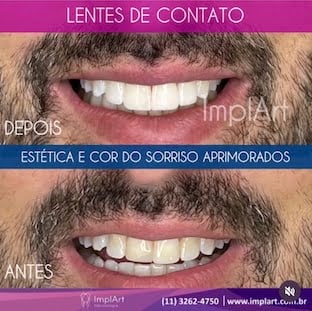
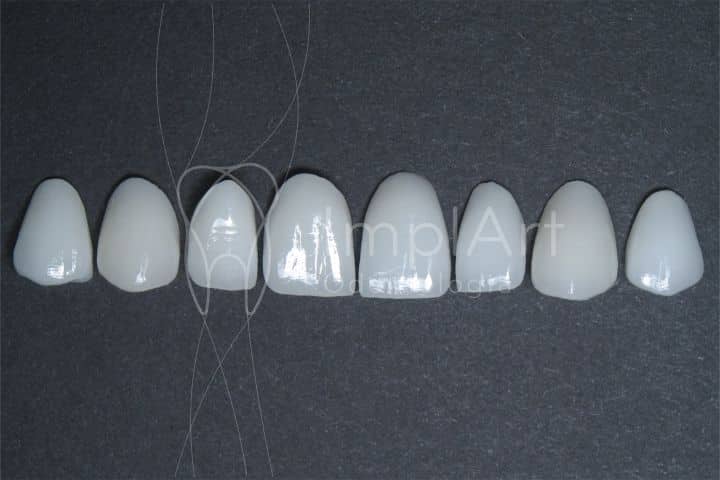
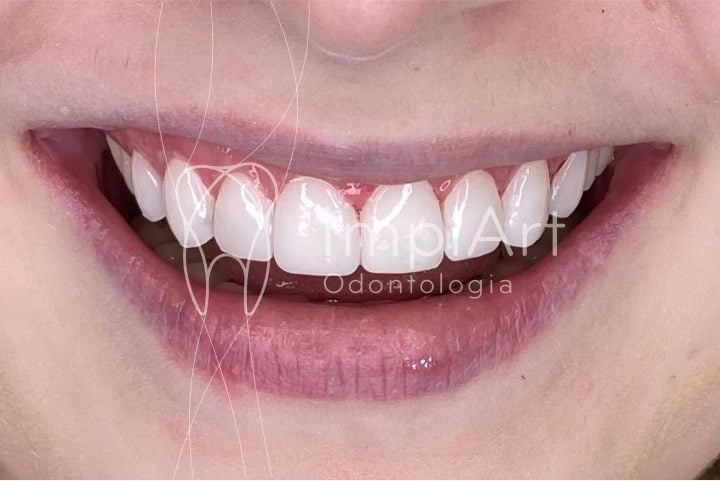
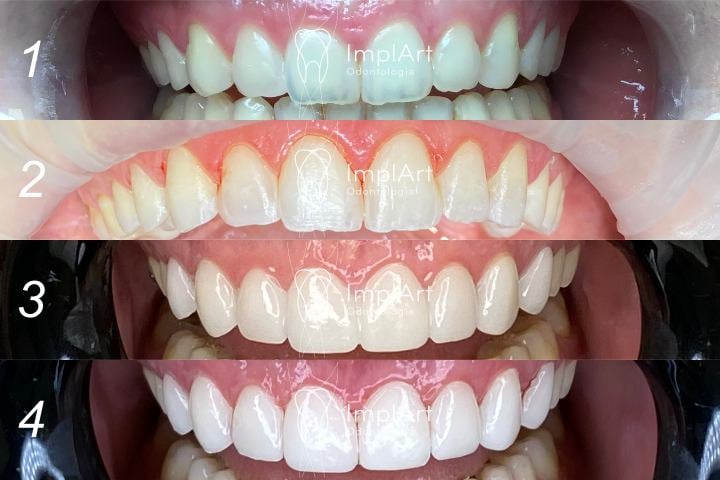
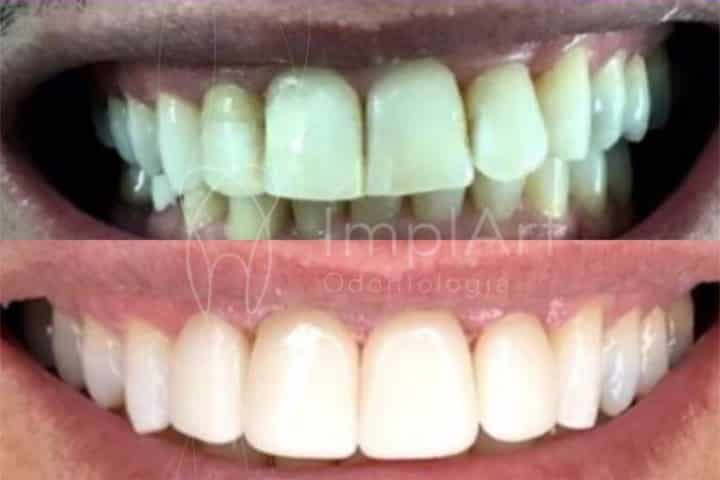
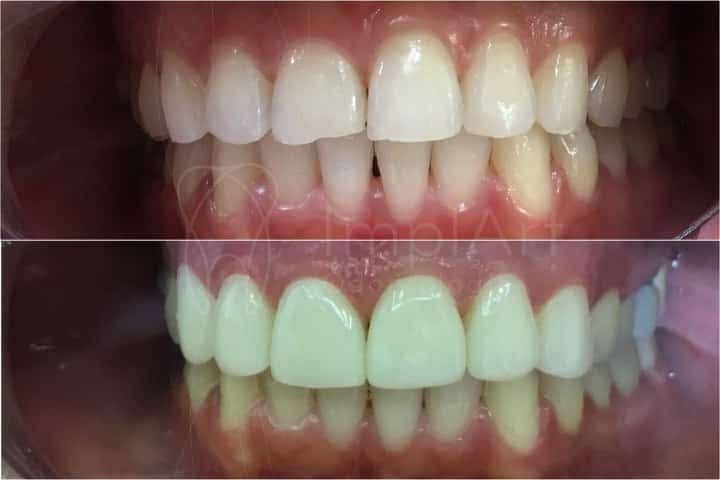
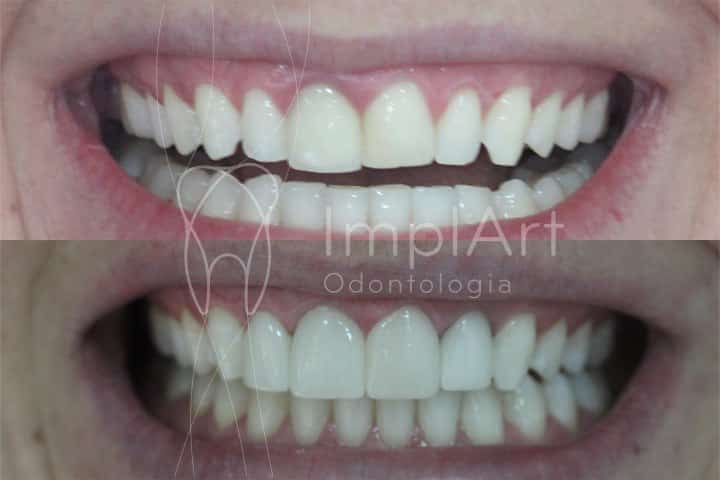
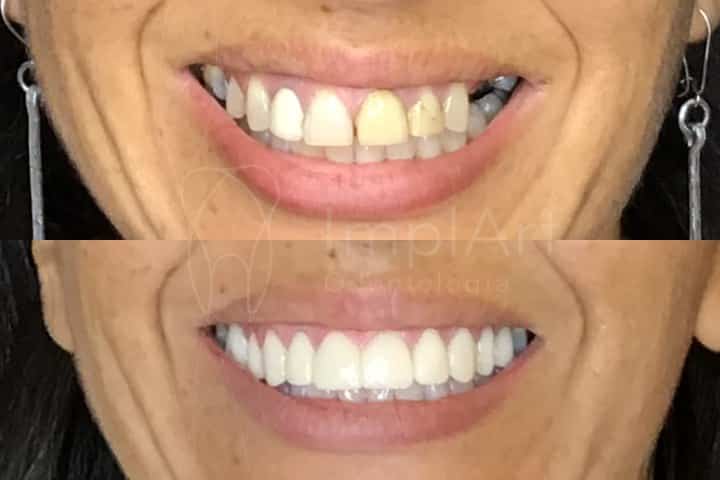
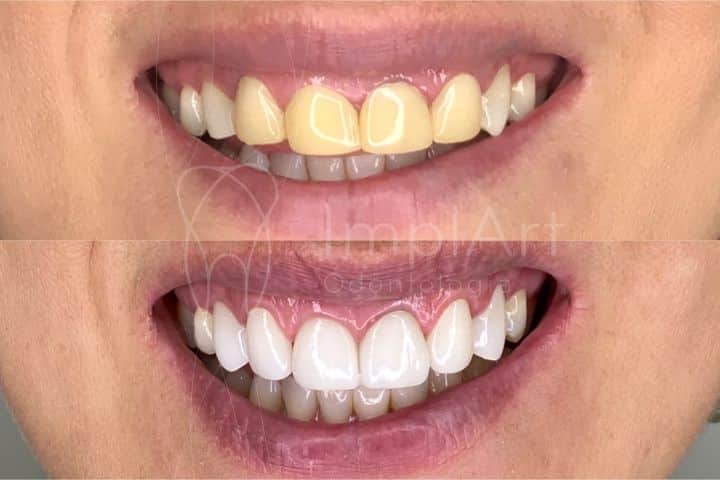
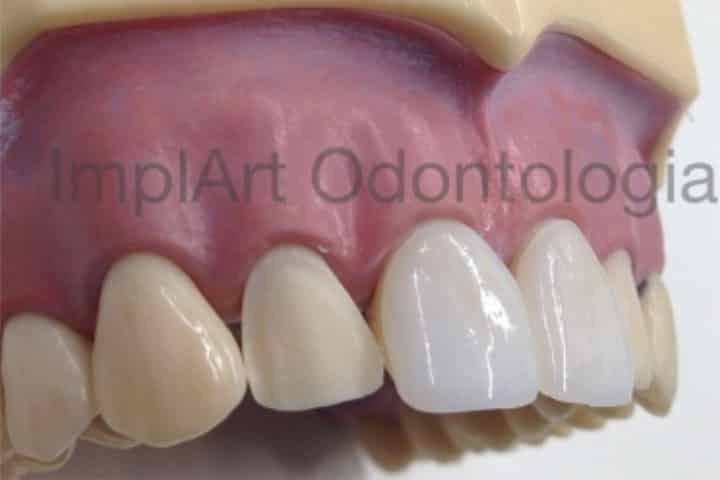
Contact lenses for teeth are ultra-thin porcelain veneers (0.3 to 0.7 mm) used to correct certain aesthetic problems in the teeth. They work like “covers” or ceramic fragments, which are bonded to one or more teeth to better cover stains, small fractures and other defects, as well as to change the shape and size of teeth. Dental contact lens treatment is often used to beautify the smiles of famous people.

At the ImplArt Clinic, dental contact lenses are completely designed on computer and then better executed in dental porcelain by milling machines (3D printers) in our digital laboratory. This method is far superior to the traditional manual method of working with dental porcelain. Dental porcelain is a vitreous ceramic material (lithium disilicate) that is very resistant and mainly imitates the texture and shades of natural teeth.

It is therefore an aesthetic material, safe and totally biocompatible with the human body. The computerized design is based on images obtained by an intraoral scanner – a high-precision camera available at ImplArt Odontologia.
contact lenses for teeth
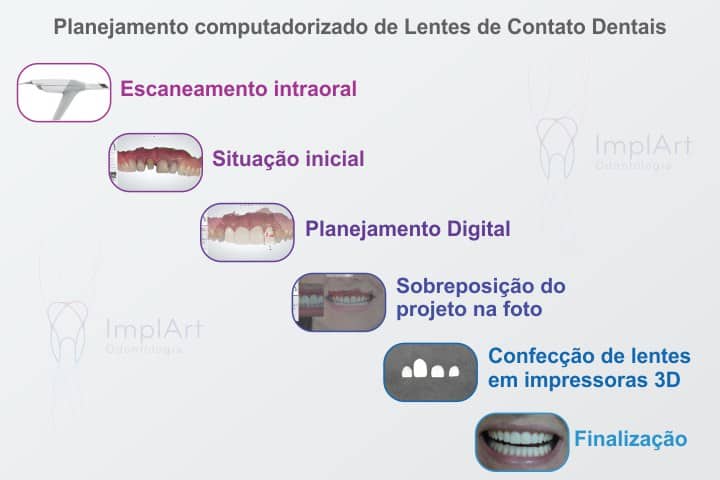
Dental contact lenses step by step (in case of dental asymmetry)

Do contact lenses work?

In this way, dental contact lenses have a shape, color and texture comparable to natural teeth, even imitating the characteristics of neighboring teeth. Because they are ultra-thin, their installation requires little or no wear on the natural teeth. Indications for dental contact lenses:

  • Covering teeth stains
  • Change in the shape of the teeth
  • Change in tooth color
  • Enlargement of small teeth
  • Aligning crowdedteeth
  • Covering small fractures
  • Uniformization of uneven and asymmetrical teeth

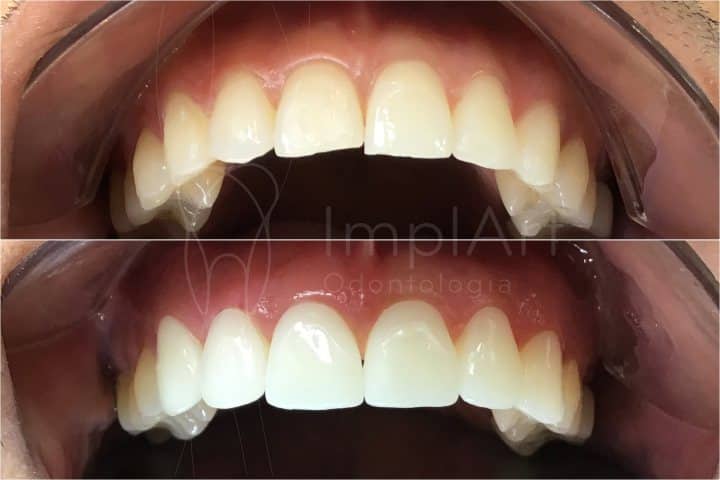
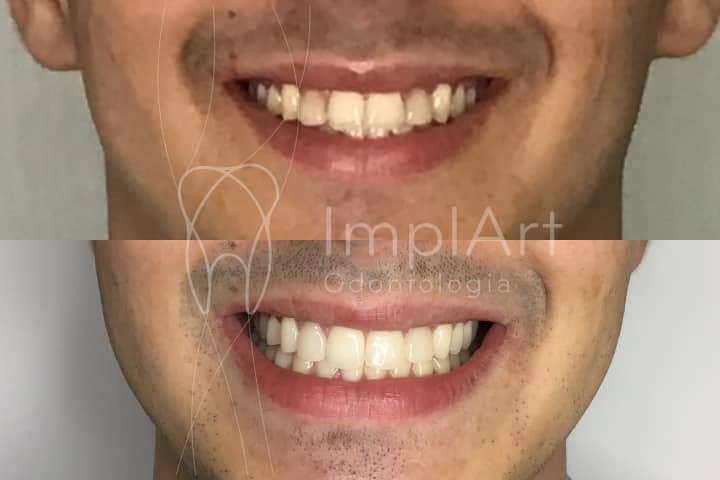
Dental contact lenses before and after: See some of the work carried out at ImplArt Odontologia

Advantages of dental lenses

  • High resistance and long durability of the dental contact lens
  • Very aesthetic look, comparable to natural teeth
  • Minimally invasive restorations
  • Completely painless procedure
  • They don’t require much tooth grinding to be installed
  • Preserves the structure of the teeth
  • No discomfort in chewing function
  • Porcelain doesn’t change color over the years
  • Incredibly natural and harmonious result
  • It can be designed and executed in a short time, in some cases even in a Day Clinic.

At ImplArt Odontologia, a specialized clinic, we make dental contact lenses with work that is precise and personalized for each patient. This is only possible because we have a prosthetic laboratory on our premises, and the best CAD/CAM-based technologies, from the computerized design of the treatment to the execution of the dental contact lenses.

In most cases it can be done quickly by Dayclinic. Ask about fast dental lenses at Dayclinic. If you have any questions about the price of lenses, forms of payment, planning, and a better approximate value or treatment time, then please contact us.

At-home or in-office teeth whitening?

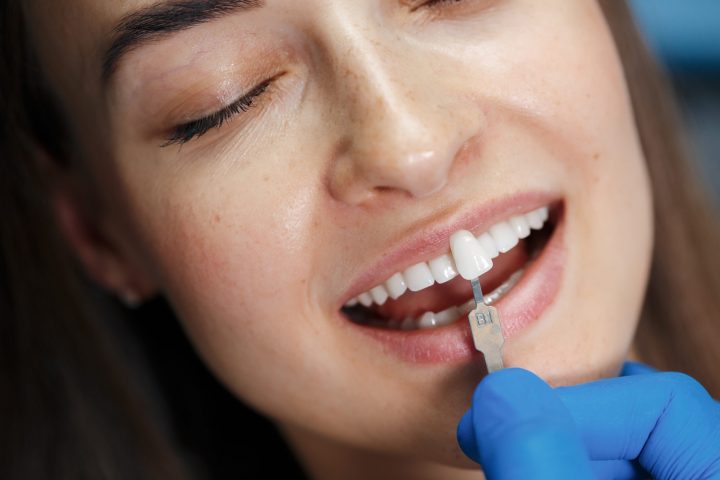
With the teeth whitening technique, you can achieve a more beautiful smile and get rid of discomfort. Teeth whitening is an ideal option for looking after your dental aesthetics and keeping your oral health up to date.

Many people are embarrassed to take photos, smile or even talk because of their teeth. Yellowing and stains on the teeth cause discomfort and discomfort.

Laser teeth whitening technique

Procedure improves smile presentation and self-esteem

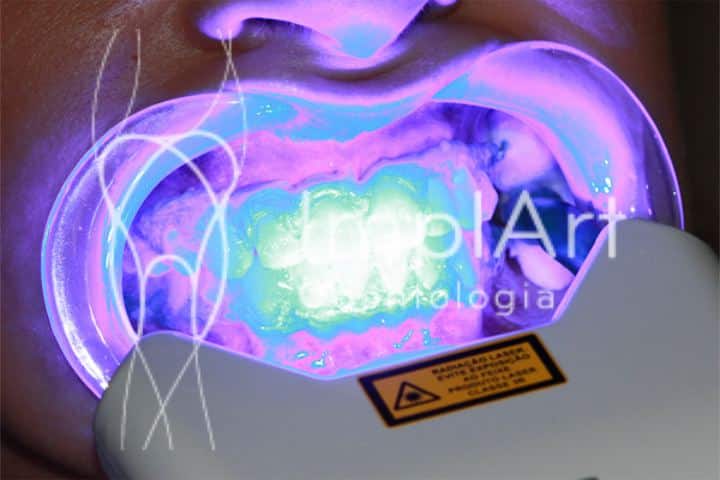
Teeth whitening is a process that removes pigments and stains from tooth enamel and dentin using a special gel enhanced by laser light. Because the treatment is simple, most people can undergo it, and there are even techniques for children as young as 10.

However, in order to better define how whitening will be carried out, the dentist needs to assess each patient individually, looking at details such as the cause of the darkening, age and the integrity and shade of the teeth. However, older age and grayer stains make the process more difficult.

In which cases can the laser teeth whitening technique be used?

Before starting laser whitening, the person needs to undergo a better assessment of the oral tissues, taking into account the teeth, gums, tongue and internal mucosa. As each case is different, there is no whitening standard. In principle, teeth that are yellowed, brown, evenly darkened or with black, brown and yellow stains (as a result of drinking tea, coffee, cigarettes and plaque build-up) are more easily removed.

On the other hand, in cases where teeth are blue in color, have streaks caused by antibiotics or irregular stains, the whitening process is likely to be more difficult. In short, the worst cases are teeth with old endodontic problems and very dark stains. Dentures and restorations are not whitened with this technique.

In addition to the laser whitening technique, home whitening is a better option for those who don’t want to go to the dentist for sessions. It can be done by the patient themselves using a special gel and trays. Learn more about the technique below.

Home teeth whitening technique

Home teeth whitening done by the patient themselves is gaining a lot of followers due to its convenience and practicality, since the person doesn’t need to go to the dentist’s office to have the procedure done. However, it’s worth noting that, even if it’s done at home, the teeth whitening technique can only be recommended by a dentist after an assessment of the patient in consultation.

The technique is indicated for people who want to take care of their dental aesthetics and have stained teeth, yellowish pigmentation or who suffer from old endodontic problems. However, before starting whitening, oral health is assessed, as it must be up to date, with no sores, bleeding, cavities or tartar.

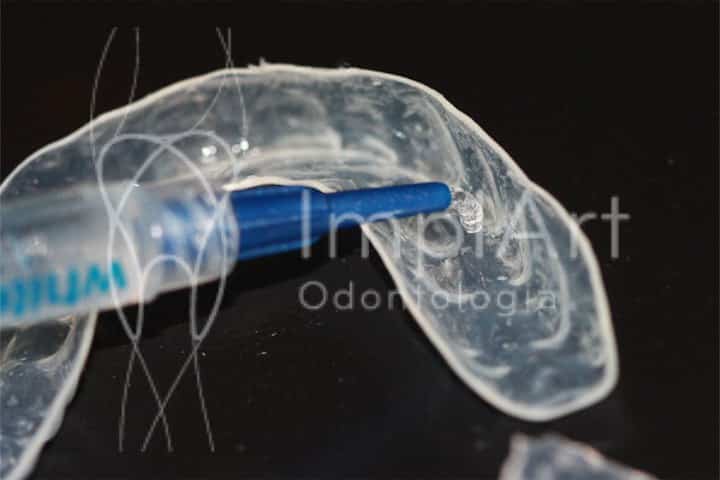
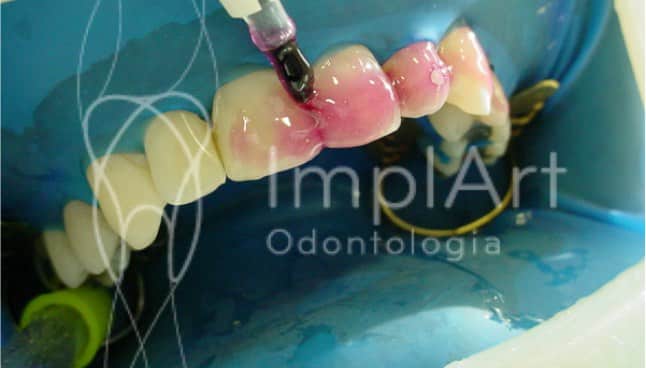
To whiten teeth at home, the patient uses a carbamide peroxide gel with a carbopol concentration of 10%, 16% or 22%. Flexible trays are then used to deposit the gel, which are then fitted to the teeth to start the treatment.

Duration of Whitening Treatment

The home procedure takes between 1 and 3 weeks to complete. The gel can be used in one session lasting 3 to 4 hours. Another option is two short sessions of 30 minutes to 1 hour. Although this technique takes longer to show results than laser whitening, it is considered less aggressive to the patient, as faster treatments can cause temporary side effects.

In addition, the professional must monitor whether the technique is being carried out correctly and, finally, whether the steps are being followed. If you have any questions, please contact us through one of the channels below or book an appointment with us.

There is also teeth whitening that combines both techniques, laser whitening and home whitening.

The combined whitening technique works very well and is considered better than the two others individually. You’ll also like to know about it:

Learn about other treatments for dental aesthetics

If you have any questions about teeth whitening prices, values and techniques, then please contact our team via one of the channels below or come and visit us. We’ll be happy to help you! If you have any questions about price or treatment, please contact us or book an appointment. We’ll be happy to help you!

Computerized dental aesthetics – Digital Pre-treatment planning

Computerized dental aesthetics uses computerized programs for digital smile planning that have certainly helped dentistry. They are used to plan and simulate various dental treatments, including implants, dental contact lenses and fixed prostheses. They make it possible to design completely personalized treatments.

Predictable results with digital dental treatment planning

As a result, they increase the patient’s understanding of the stages of their treatment, thus aligning expectations with the proposed treatment, and above all allow the dentist to have greater predictability of results.

With computerized dental treatment planning, the dentist can design crowns, restorations, aesthetic treatments, dental contact lenses as well as plan the placement of dental implants.

The purpose of digital smile planning is to create a personalized treatment, seeking the harmony of the smile, as well as avoiding unnecessary procedures and consequently making treatment faster, more comfortable and more accurate.

Now, with the latest Cerec Primemill milling machine, the results are even more precise and more detailed.

Computerized dental aesthetics
Contact lenses for teeth

Computerized dental aesthetics (Smile Design)

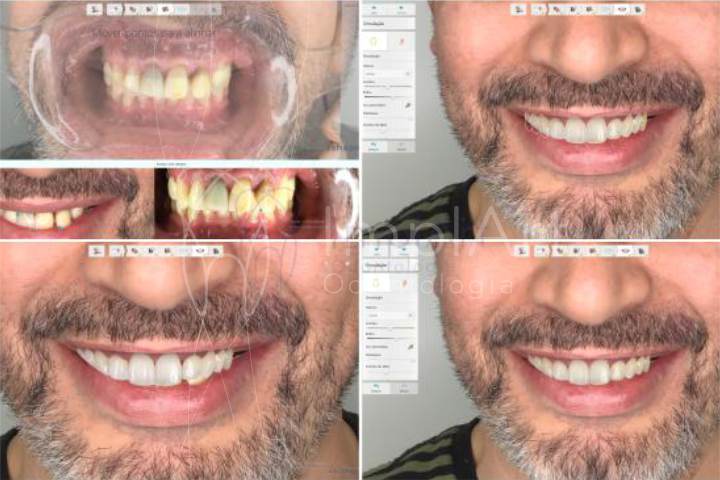
A great feature of computerized dental treatment planning programs is image overlay. This involves positioning the digital plan over the patient’s photo, making it easier for the patient to understand their treatment before they even start.

Digital smile design begins with capturing the patient’s oral images using an intraoral scanner. These images are transformed into a computerized 3D model of the dental arches.

In this way, the dentist visualizes the initial state and designs crowns, restorations or dental contact lenses to solve various problems that compromise the aesthetics and harmony of the smile.

Contact lenses for teeth

Intraoral scanning for digital smile planning

Some cases that can be planned on a computer:

  • Increase in the length or volume of one or more teeth.
  • Aligning asymmetrical teeth
  • Making restorations for broken or decayed teeth
  • Making dental contact lenses
  • Harmonization of teeth with facial biotype
  • Even tooth shade
  • Replacing unsightly restorations with porcelain restorations
  • Making metal-free zirconia abutments and prostheses

The dental treatments planned on the computer also allow for quick dental treatments in the Day Clinic (or Dental Spa – intensive care modality).

Digital smile planning with dental implants

Digital planning of dental implants helps to ensure that the treatment result is tailored to the patient’s needs. It also helps to ensure that the treatment is efficient and as minimally invasive as possible, thus avoiding surgical accidents (such as hitting sensitive structures).

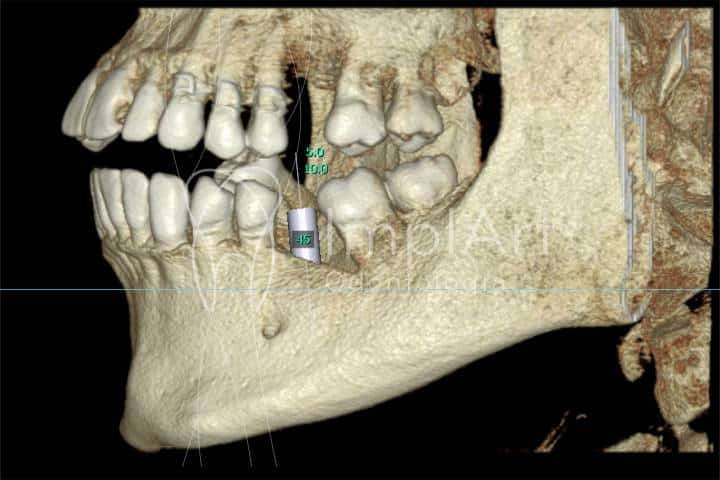
Planning begins with a computerized tomography scan. In this sense, the three-dimensional images of the tomography allow the implant dentist to know details such as the volume and dimensions of the bone in order to determine the best positions for the implants and the choice of implants with dimensions suited to the needs of each patient.

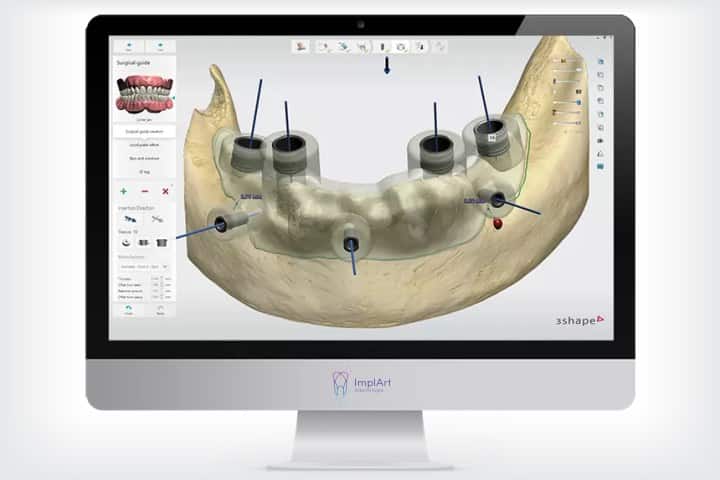
The dentist also has the option of ordering a surgical guide, which is made based on the information from the CT scan. The surgical guide acts as a template, with the exact indications of where the perforations should be made.

As a result, unnecessary cuts and punctures are avoided, meaning treatment is less invasive and recovery is quicker and more comfortable.

Contact lenses for teeth

At the same time, guided surgery makes it possible:

  • Prior surgical and prosthetic planning, resulting in a more precise procedure;
  • Safe flapless surgery and the possibility of immediate loading;
  • Respect for bone structures and the path of nerves and vessels;
  • A reduction in the indication for bone grafting surgeries, as this requires detailed prior planning of the case;
  • Planning aesthetic and functional procedures;
  • Better post-operative recovery;
  • Better communication between patient and dentist, contributing to greater trust during treatment.

Digital orthodontic treatment planning

Digital orthodontic treatment is fully computer simulated and planned using an intraoral scanner and specialized software. The intraoral scanner is used to capture precise images of the teeth and gums and thus create a three-dimensional color mold of the arches. The software uses these images to simulate the movement of the teeth to the desired position.

Models with the proposed final treatment can be 3D printed for verification if the orthodontist prefers. Digital molds can be used not only to plan orthodontic treatment with conventional braces, but also with braces in the form of aligner plates(Invisalign or Compass).

ImplArt Odontologia uses the main technologies ever developed for computerized dental treatment planning. From intraoral scanning to the execution of prostheses, restorations and aesthetic dental contact lenses on 3D printers.

If you have any questions, please contact us or come and visit us. We’ll be happy to welcome you!

Orofacial harmonization

Orofacial harmonization is a relatively new dental specialty, but it allows the specialized dental surgeon to perform aesthetic and functional procedures on the face and neck.

This specialty has emerged as an artifice to complement orofacial aesthetics, and always combined with dental treatment, it aims to create harmony with the patient’s smile and other facial features.

What is orofacial harmonization?

A dentist specializing in orofacial harmonization is one who is qualified to carry out techniques and procedures to balance aesthetics and oral function, improving some aspects of the patient’s face, but always seeking benefits for their health. The aesthetic and functional procedures of orofacial harmonization bring benefits for a more rejuvenated appearance, above all improving personal self-esteem.

Orofacial harmonization is a dental specialty and is duly regulated by the Federal Council of Dentistry (Resolution 198/2019),

Dentists specializing in orofacial harmonization need to complete a specialization course with a minimum of 500 hours to be recognized.

Here are some of the procedures included in orofacial harmonization:

Bichectomy

What Bichectomy is for

The surgery is mainly indicated to thin the face and improve its shape by reducing the size of the cheeks, but it can also be indicated to reduce trauma in some cases of people who bite their cheeks on the inner mucosa of the mouth. It is an aesthetic procedure that has already been widely adopted by celebrities, but is now much more accessible to everyone.

bichectomia
Orofacial harmonization

Bichectomy surgery

The surgery is performed by a dentist trained in this technique and consists of removing two fatty tissues located on either side of the face between the jaw and the mandible, called Bichat’s balls. First, an anesthetic is applied and then small incisions are made in the oral mucosa (inside of the mouth) to remove the Bichat’s balls with the help of tweezers. Finally, small sutures are made and the patient is given instructions on how to recover after the operation, which should be calm and with little or no pain.

Bichectomy risks: there may be asymmetry in the result, but this is rare and is more likely to happen if performed by professionals who are not trained in this technique.

Value of Bichectomy: procedure values can only be provided after a consultation and evaluation of each case.

Bichectomy cons: the procedure is indicated with great caution, assessing each case and the patient’s needs. In principle, the procedure is not indicated for people undergoing cancer treatment, people with active local infections, pregnant women, people with heart problems or diseases that could compromise coagulation and healing, people with limited mouth opening and minors.

Lip Filling with Hyaluronic Acid

lip fillings dentist
Orofacial harmonization

The lip filler procedure performed with hyaluronic acid is a resource for harmonizing the shape of the lips and making them more proportional to the face. It is indicated for increasing lip volume, improving lip contour or correcting lip asymmetry.

The technique is an alternative for people with very thin lips, or for lips that have become thin, flabby and wrinkled as they age or as a result of smoking. It is also a resource for harmonizing the lips after dental treatment, such as a new dental prosthesis.

Fillers can also be used for small temporary gains in gum volume.

Lip fillers how it’s done: the procedure consists of applying a local anesthetic and then applying hyaluronic acid to the inside of the lips using a microcannula or needle. The substance does not cause any side effects or rejection in the body.

The technique is carried out by a dentist specializing in orofacial harmonization to obtain a natural lip filling, without exaggeration and which favours the aesthetics of the smile and face. It is normal for swelling to occur immediately after a lip filling, which can last up to 48 hours after application.

lip fillings with a dentist
Orofacial harmonization

How long does lip filler last?: The result of a filler is temporary because the hyaluronic acid is slowly absorbed. However, the effect can last up to a year and a half.

Lip filler sp price: the cost of the procedure can only be given during a face-to-face consultation to assess each case.

Contraindications: in principle, minors, pregnant women, active local infections (such as herpes) and people with autoimmune diseases.

Filler for Chinese Moustache (Nasogenian Furrow)

Chinese mustache filling dentist orofacial harmonization
Orofacial harmonization

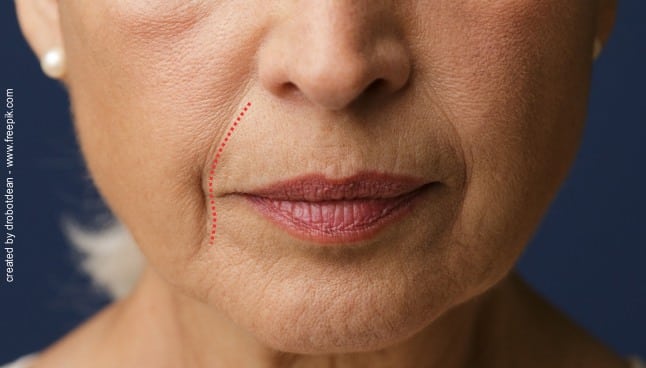
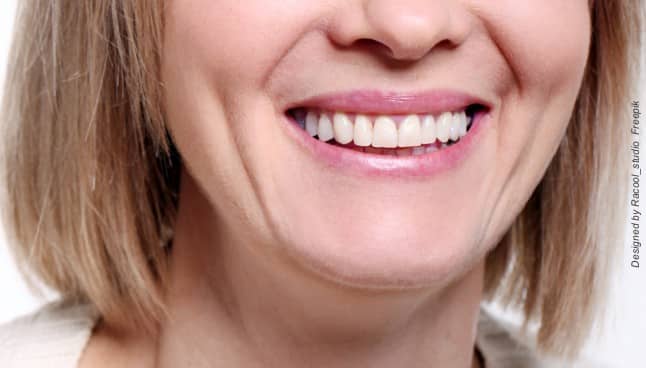
The Chinese moustache is characterized by a deep wrinkle that runs from the nasal wing to the corner of the mouth (smile mark). It affects both men and women and is associated with skin ageing, in which there is a natural loss of fat and collagen, with unprotected sun exposure which leads to sagging skin and with smoking. It is also related to a genetic predisposition, excessive loss/gain of body weight, as well as repeated sleeping in the prone position with the face resting on the hand.

There are a number of ways to improve the appearance of this expression mark, and the procedure depends on the degree of depth, the main one being filling with hyaluronic acid. This involves applying the biomaterial subcutaneously to the area in order to fill and elevate the depressed line, leveling it with the skin.

What is the Chinese moustache filling procedure like?

The procedure is carried out simply and quickly by a dental surgeon qualified in orofacial harmonization. It is not capable of altering the natural features of the face, only correcting these imperfections. Superficial wrinkles can be treated with botulinum toxin (Botox).

Initially, a local anesthetic is applied. The furrows are then filled with hyaluronic acid. Finally, the patient is given instructions for the post-procedure period, but the recovery is very smooth and the patient is ready to return to work.

How long does a Chinese moustache filler last? The effect of the filler can last up to a year and a half, depending on the amount of material injected and the depth of the furrow.

How much does a Chinese moustache filler cost? The cost of the treatment is only given in consultation after a careful assessment of each case.

Treatment of jowls on the neck (jowl lipo)

jowl lipo dentist
Orofacial harmonization

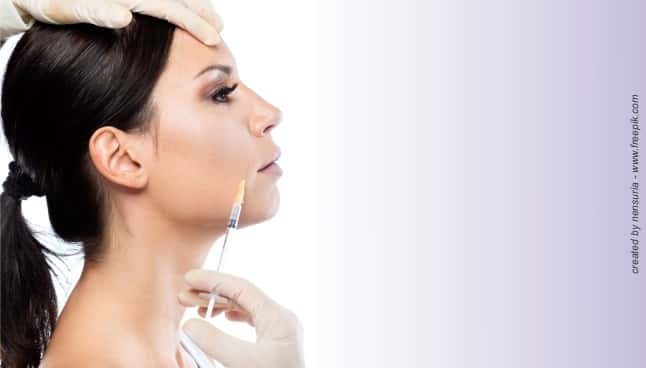
Treatment of jowls with deoxycholic acid

What can I do to get rid of my jowls? This is one of the most frequently asked questions by those looking to improve their appearance and achieve a more rejuvenated look. Reducing jowls (submental fat) is also one of the aesthetic procedures that a dentist specializing in orofacial harmonization is qualified to treat.

The procedure is also known as jowl lipo, enzymatic jowl treatment or lipolysis of submental fat.

How deoxycholic acid works for jowls

Deoxycholic acid is a substance naturally found in the human body and acts to metabolize fats, i.e. it breaks down fat cells (adipocytes), stimulating an inflammatory reaction by the body at the site. This helps to eliminate the broken down fat (a process that should take place over a maximum of 30 days).

With this elimination of fat cells, there is a reduction in fat deposits and an improvement in the contour of the neck, as well as a tightening effect on the skin (not applicable in cases of severe sagging).

What is the chemical lipo procedure like?

Before starting the application, a topical anesthetic is used to eliminate any possible discomfort from the needle prick. We then apply deoxycholic acid in the form of a synthetic drug to the adipose tissue, distributed in small quantities over the entire length of the jowls.

In the first few days, swelling, bruising, pain (which can be controlled with painkillers), erythema (redness) and numbness may occur, but this is normal and is part of the fat elimination process. During this period it is recommended not to take anti-inflammatory drugs, as they prevent the product from working.

Up to six sessions are recommended to obtain a satisfactory result (depending on the degree of fat accumulation), with intervals of one month between each session.

In some cases, treatment can be enhanced with the use of a compression/microporous bandage at night after the fourth day of application, as well as local drainage to help reduce swelling and speed up the elimination of fat.

Duration of jowl treatment: the effect of the treatment does not have a set time, but it is expected that the accumulation of fat in this area will not return, except in cases of excessive weight gain.

Contraindications to deoxycholic acid for jowls: in principle, local infection, pregnant or breastfeeding women, people with cysts at the site of the jowls, goiters or thyroid nodules.

How much does jowl lipo cost? The cost of the treatment is provided through a face-to-face consultation and an assessment of the complexity of each case.

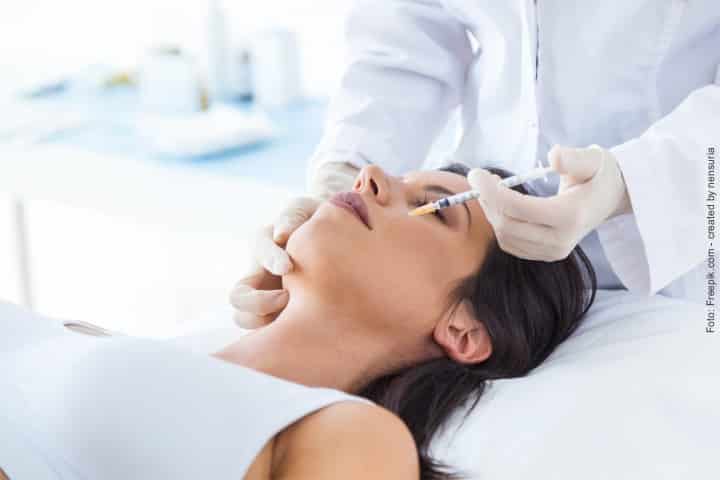
Application of botulinum toxin – botox

botox dentist
Orofacial harmonization

Botox to treat bruxism

Bruxism is a parafunctional disorder that causes people to grind their teeth or clench their teeth involuntarily during sleep. The excessive force of bruxism causes wear and tear on the teeth, pain in the muscles and bones (joints, jaw), as well as ringing in the ears and head and neck pain.

It can also cause clicking in the temporomandibular joints when chewing or opening the mouth and gum recession. Patients with bruxism need to be very well assessed and monitored, and treatment may involve the work of different health specialists.

Botox can also be applied by the dentist for aesthetic improvements to the patient’s lips and face

One of the resources for treating bruxism is the application of botulinum toxin. It acts by inhibiting the contraction of the temporal and masseter muscles in the jaw, thus reducing muscle activity in cases of teeth clenching, and applied to the muscles responsible for masticatory movements (the same ones responsible for the involuntary contraction of bruxism) to contract them and thus reduce teeth grinding.

Botulinum toxin is not normally used in isolation to treat bruxism. It is almost always combined with the use of bite plates(myorelaxing plates) and bite correction, among other procedures.

How is Botox applied for bruxism?

Applications to block the muscles are made in one appointment and the benefits are seen within the first 48 hours. The blockade can last up to six months, so botulinum toxin needs to be periodically reapplied to maintain the effect.

Botox for bruxism price: the price of the treatment is given in consultation with a dentist who will carefully assess each case and recommend the most suitable treatment. A consultation is required to find out the price of Botox. According to the regulations of the Federal Council of Dentistry (Resolution 198/2019), yes, dentists can apply Botox.

In dentistry, the application of botulinum toxin (Botox) is also very useful for correcting asymmetries in the smile or face in the middle and lower thirds, for treating gummy smiles, treating orofacial pain related to TMJ disorders or the muscles involved in chewing, softening expression lines in the middle and lower thirds, and even controlling excessive saliva production.

Predictable results with digital smile planning

Digital smile planning makes it possible to design completely personalized treatments. It allows the patient to understand the stages of their treatment, thus aligning their expectations with the proposed treatment, and above all: it allows the dentist to have greater predictability of results. This applies to dental implant treatments, fixed prostheses and other types of dental prostheses, porcelain crowns and zirconia.

The use of Computer Graphics (3D) has helped in the planning and simulation of various dental treatments.

Thus, with computerized dental treatment planning, the dentist can design dental crowns, restorations, aesthetic treatments, dental contact lenses and plan the placement of dental implants in 3D. The aim of digital smile planning is to create a personalized treatment, seeking the harmony of the smile and also avoiding unnecessary procedures. As a result, it also makes treatment quicker, more convenient and more precise. When it comes to implant treatment, the speed of digital prostheses, combined with the choice of a rapid implant type, means that significant treatment times can be shortened.

With modern resources and equipment, it is possible to mill materials such as pure porcelain or pure zirconia. The modern Cerec Primemill, the latest German milling machine, which joins the team of milling machines in our digital laboratory, allows for even more precise results with even more detail.

The use of digital dentistry in our clinic reduces the chances of COVID-19 contamination at the dentist.

Dental Aesthetics (Smile Design)

A great feature of computerized dental treatment planning programs is image overlay. This involves positioning the digital plan over the patient’s photo, making it easier, for example, for patients to understand their treatment before it starts.

In a nutshell, digital smile design begins with capturing the patient’s oral images using an intraoral scanner. These images are then transformed into a computerized 3D model of the dental arches.

The dentist then visualizes the initial state and designs crowns, restorations or dental contact lenses in order to solve various problems that compromise the aesthetics and harmony of the smile.

Intraoral scanning

digital dental treatment flow intraoral scanning

Some cases, for example, can be carried out with digital smile planning:

  • Increase in the length or volume of one or more teeth.
  • Aligning asymmetrical teeth
  • Making restorations for broken or decayed teeth
  • Making dental contact lenses
  • Harmonization of teeth with facial biotype
  • Tooth shade harmonization
  • Replacing unsightly restorations with porcelain restorations
  • Making metal-free zirconia abutments and prostheses

Computer-planned dental treatments also allow many procedures to be carried out in a Day Clinic (intensive care modality).

tomography for dental implant planning

Digital dental implant planning

Digital planning of dentalimplants helps ensure that the treatment result is tailored to the patient’s needs. It also helps to ensure that the treatment is efficient, as minimally invasive as possible and to avoid surgical accidents (such as hitting sensitive structures). Planning begins with a computerized tomography scan.

The three-dimensional images from the tomography then allow the implant dentist to know details such as bone volume and dimensions, and thus determine the best implant positions, as well as choosing implants with dimensions suited to each patient’s needs. The dentist also has the option of ordering a surgical guide, made on the basis of the information from the CT scan.

The surgical guide acts as a template with the exact indications where the incisions should be made, in such a way as to avoid unnecessary cuts and perforations. As a result, treatment becomes less invasive and recovery faster.

Read more about fear of dental implants

digital planning for surgical guidance for dental implants surgery computerized surgery
Specialized software helps us plan the position of your implant with millimetre precision. The templates created take the implants to exactly the right positions.

Guided surgery makes it possible:

  • Prior surgical and prosthetic planning, resulting in a more precise procedure;
  • Safe flapless surgery and the possibility of immediate loading;
  • Respect for bone structures and the path of nerves and vessels;
  • A reduction in the indication for bone grafting surgeries, as this requires detailed planning of the case beforehand;
  • Planning aesthetic and functional procedures;
  • Better post-operative recovery;
  • Better communication between patient and dentist, contributing to greater trust during treatment.

ImplArt Odontologia uses the main technologies ever developed for computerized dental treatment planning. From intraoral scanning to the execution of prostheses, restorations and aesthetic dental contact lenses on 3D printers. If you have any questions, please contact us or come and visit us. We’d be delighted to welcome you!

Laser teeth whitening – Day Clinic

Laser teeth whitening is a treatment often used in our Dayclinic cases because it greatly improves the appearance of the teeth and is quick to perform. Teeth whitening can be used in conjunction with other aesthetic treatments such as cosmetic dental lenses. It can also be used in rehabilitative treatments with dental crowns and even dental implants, where fixed dental prostheses will be required, and the tone of the smile can be modified as a whole at this point.

Laser teeth whitening is one of the aesthetic procedures that ImplArt Odontologia can perform in its Day Clinic

Over time, some of our habits can leave our teeth yellowed or stained. Ingesting highly pigmented foods or drinks, such as coffee, wine, beet, açaí, among others, can stain teeth.

Smoking is also one of the enemies of white teeth, as nicotine also stains teeth. In addition, poor brushing – which would be a better way of removing food pigments from the teeth – can also lead to the accumulation of plaque on the teeth, which makes them look yellow.

A beautiful, uniform smile makes up dental aesthetics, while yellowed and stained teeth can affect a person’s self-esteem.

A naturally whiter smile, like the ones seen on celebrities, is a common desire. The best part is that this dream is possible, thanks to the laser teeth whitening procedure, which is certainly a great ally for dental aesthetics.

How does laser teeth whitening work?

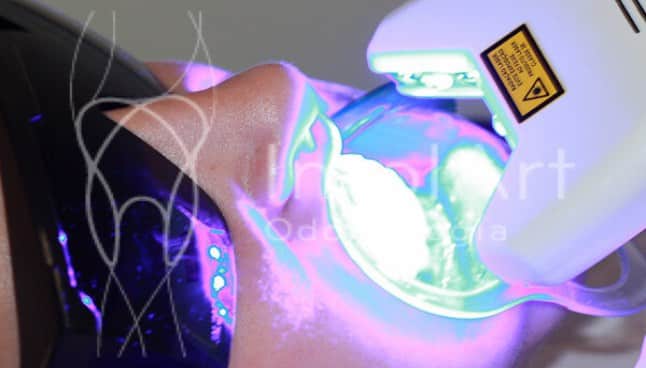
ImplArt Odontologia uses the most modern laser whitening techniques safely and efficiently. The best whitening is done with the combination of hydrogen peroxide-based gel and the laser light that activates the gel.

The procedure safely and effectively removes pigments and stains from tooth enamel and dentin. Some people need more than one session and this will be determined after an assessment of each case.

Indications for whitening

Laser teeth whitening treatment is suitable for most people who are bothered by yellow or stained teeth.

There are even techniques for children over the age of 10. The indication is made after a thorough assessment of the general condition of the patient’s mouth (teeth, gums, tongue and mucous membranes) by the ImplArt professional.

Advantages of laser whitening?

  • Faster results than home whitening
  • Causes no or little tooth sensitivity

Day Clinic ImplArt

ImplArt Odontologia performs laser teeth whitening with the agility and convenience of a Day Clinic.

This type of service is ideal for people who want to have a more beautiful smile, whether for an upcoming event, such as a wedding, or even to give their look a boost, but who don’t have the time because of too many commitments in their daily lives, or for those who are in São Paulo for a short trip.

ImplArt’s high-tech structure and specialized team allow your treatment to be planned according to your needs and available time.

Whether this treatment can be carried out in a Day Clinic depends on an assessment of each case.

Learn more about teeth whitening at the dentist

If you have any questions about price or treatment, please contact us or make an appointment. We’ll be happy to help you!

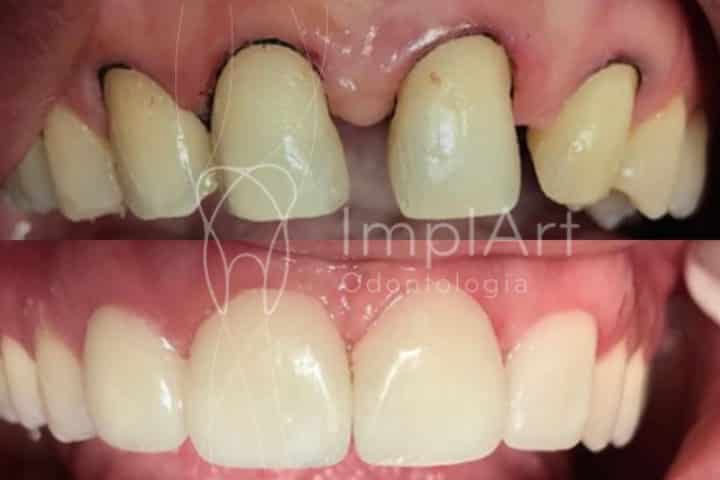
What are the differences between pure zirconia and ceramic layered crowns?

There’s a lot of talk about zirconia dental crowns these days, but did you know that there’s more than one type of pure zirconia crown ? There are actually two types, which are not the same! Let’s follow the differences between Pure Zirconia Crowns and ceramic layered Crowns. In addition, we will present the benefits of the most modern crown, which uses computer graphics, the Pure Zirconia Crown, also called Translucent Zirconia.

First of all, in order to differentiate between the two types, let’s highlight the method used to make each one. While one relies on a super-modern method with computer graphics for its preparation, the other still has an artisanal stage with manual application of porcelain by a prosthodontist. They can be used for single crowns, crowns on individual dental implants, fixed prostheses and even total implants, with the modern zirconia protocol prosthesis.

This way, by the end of the text it will be clear that even though both options have zirconia, not all zirconia crowns are the same! Let’s get to know the important differences below:

Zirconia crowns combine strength and superior aesthetics for more natural results

Decay, a dental fracture or simply the loss of a tooth are enough to compromise the look and functionality of the dental arch, especially if the problem occurs in the front.

Therefore, in order to restore the aesthetics and function of the smile, it is natural to look for options that restore or make up for a missing tooth in a way that achieves the most natural and harmonious result possible. Whether for a crown on a tooth root or on a dental implant, zirconia is the material that offers this excellence. We can highlight the main advantages of zirconia:

  • Range of shades very similar to human tooth enamel.
  • Unlike metal-ceramic crowns, zirconia crowns have no metal parts in their construction. Therefore, there are no dark shadows when subjected to a beam of light, and there is no risk of a metal line appearing if the gums recede.
  • Fracture and stain resistant material
  • A fully or partially computerized manufacturing method, which makes treatment faster and more precise. The speed of digital zirconia crown production

CAD/CAM zirconia dental crowns

Zirconia oxide dental crowns are considered the most modern crowns thanks to their advanced technical and aesthetic properties. The shade and translucency of this high-performance ceramic are very similar to natural teeth.

The construction of dental crowns made from pure zirconia is totally unique and innovative, as these crowns are digitally designed using computer graphics and the CAD/CAM system, resulting in more precise pieces and much faster. The equipment has robotic arms that mill a block of zirconia until it reaches the designed shape. This type of crown has the highest resistance of all the dental crown options available. In addition, it allows for greater patient comfort throughout the treatment because it only uses digital readings, with a 3D scanner, without the need for the old mass moldings.

The CAD/CAM pure zirconia crown manufacturing method is 100% digital, while the ceramic layered zirconia crown, which we’ll see below, has a handmade interface, with mass molding and manual application of porcelain on the outside.

Zirconia crown with porcelain ceramic layered (zirconia + porcelain)

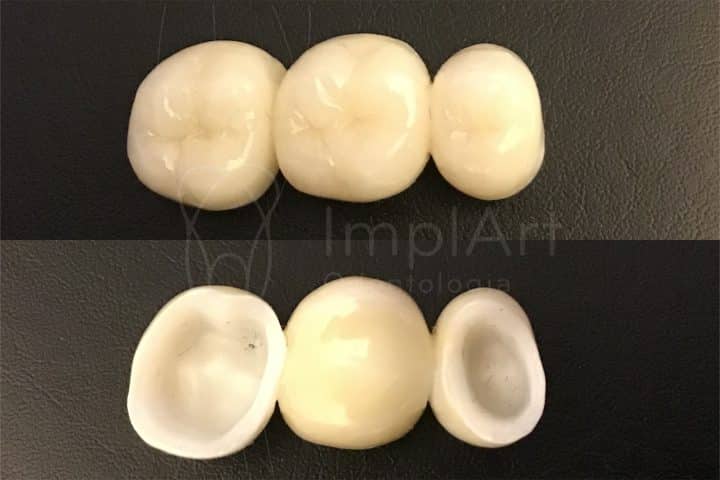
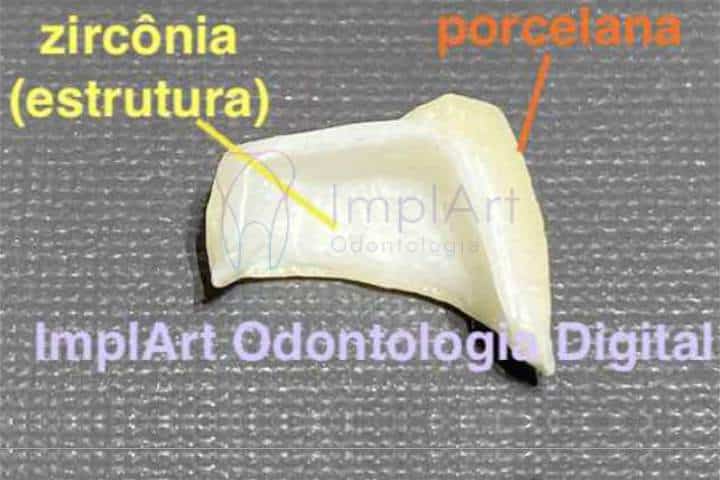
It is a crown in which the inner part is made of zirconia and the outer layer is made of ceramic layered material. Only the inner part of the tooth structure is made of zirconia, while the outer part is made of porcelain. The layered zirconia crown is more artisanal, as it requires a prosthetist to manually apply the outer porcelain layer.

Contact lenses for teeth
What are the differences between pure zirconia and ceramic layered crowns?

After the ceramic is applied to the zirconia structure, the crown undergoes a sintering phase in a kiln. In this way, each layer of ceramic applied takes on a spectrum of color, translucency and opacity in the crown, seeking to reproduce the color variation of natural teeth.

Contact lenses for teeth
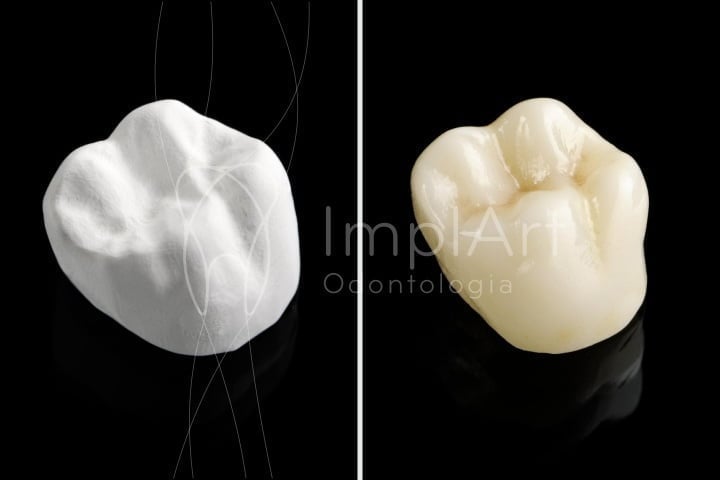
Zirconia frame x crown with ceramic applied
Contact lenses for teeth
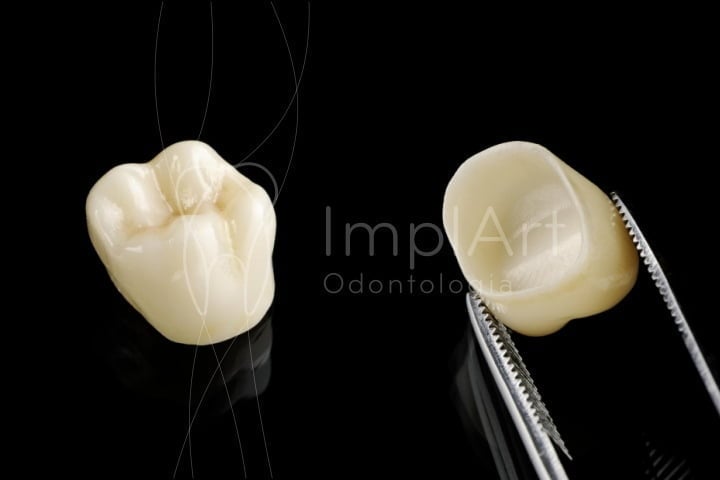
Applied zirconia crowns, top and inside view
Contact lenses for teeth
Crown cut in half showing internal zirconia structure and porcelain/ceramic layer.
Contact lenses for teeth

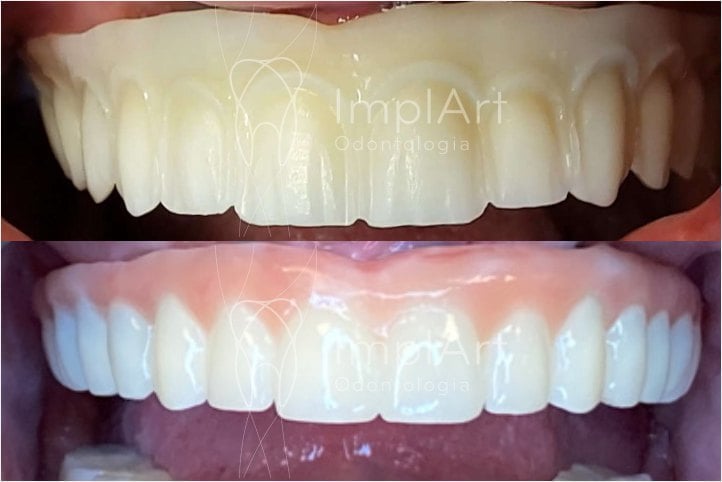
Zirconia full denture with ceramic applied. Note that in addition to characterizing the teeth, the ceramic gingiva has also been characterized. Both the crown and the applied zirconia prosthesis have no shadows or dark spots, even in very bright environments. The zirconia of the internal structure has a shade very similar to that of human dentin, which is the inner part of natural teeth. The ceramic, on the other hand, has resistance, color, translucency and texture very similar to tooth enamel. This type of crown or total prosthesis already has huge gains compared to metal-ceramic, which has a metal structure and a porcelain exterior.

Pure milled zirconia crown

The pure zirconia crown is milled from a multilayer zirconia block, meaning that the block is already produced with the different layers of color and translucency just like the teeth. In other words, the pure zirconia crown model does not need a layer of ceramic to reproduce the shades and translucency of the teeth. After milling, it goes straight into the kiln. It represents the most resistant material available in dentistry today, in addition to the natural aesthetic result, similar to natural teeth.

Contact lenses for teeth
Pure zirconia full dentures milled and after sintering in the furnace
Contact lenses for teeth
Pure zirconia crowns

What is the best type of zirconia crown?

Nowadays, patients are looking for comfort when undergoing dental treatment. In addition, they want a treatment with high durability and aesthetic results. The CAD/CAM Zirconia Crown meets all these requirements precisely because of the characteristics of the material and the method of execution using digital design and a 3D scanner. Without the need for the uncomfortable mass moldings of old.

The production of CAD/CAM pure zirconia crowns, due to the fact that no manual ceramic finishing work is required, allows faster work to be carried out. If the need is for faster treatment, and the patient is looking for the most modern treatment, this is undoubtedly the best option.

Totally metal-free rehabilitation: is it possible?

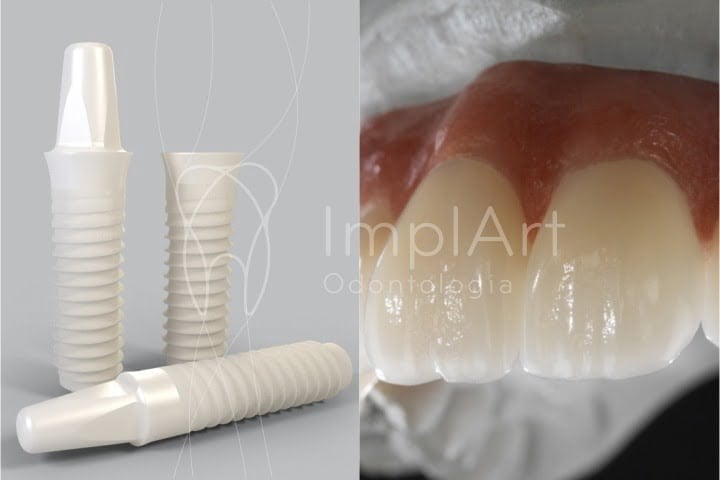
Yes, in the event that you need to replace a missing tooth with a dental implant and prosthetic crown, this rehabilitation can be done with a ceramic implant as well as a zirconia crown. In this way, we achieve a metal-free implant treatment. This has been a trend for followers of biological dentistry, who are looking for dental treatments without any metal.

Contact lenses for teeth

The combination of ceramic implant and pure zirconia crown, complete metal-free treatment. Suitable for people with high aesthetic requirements or those allergic to metals.

All of ImplArt’s zirconia dental crowns and prostheses are made in the dental clinic‘s own digital laboratory. This allows for high quality control and on-time delivery.

How much does a zirconia crown cost?

In order for us to ascertain the needs of your case: single tooth crown, fixed prosthesis, prosthesis on implants, prosthesis protocol, we need to assess you carefully and thus be able to give you the price of your personalized zirconia treatment. The consultation can be in person or online, for those patients who are physically far away. Contact us at ImplArt Dental Clinic and we will be happy to answer any questions you may have.

Contact us by WhatsApp (11) 99598-1866