Specialist dental clinic – Dental implants
A dental implant is a titanium or all-ceramic pin, in the case of Straumann‘s ceramic implant, which is surgically placed in the bone and has the function of replacing the root of a lost tooth. A fixed prosthesis is installed over the dental implant, which has the function and appearance of a tooth. It is a modern, simple treatment that aims to bring comfort to the patient.
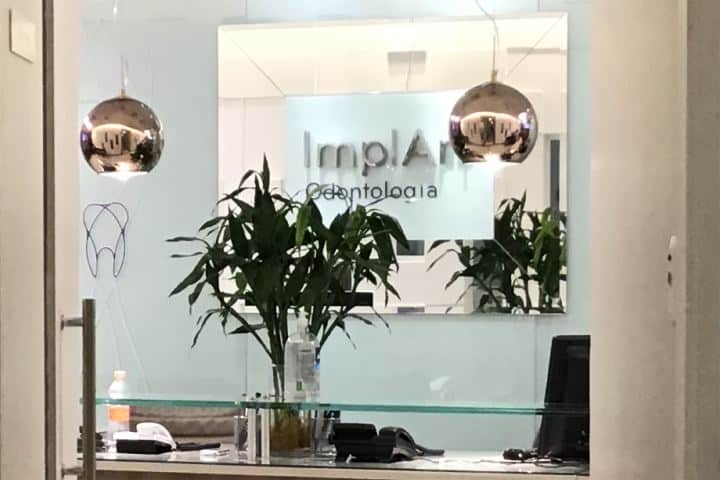
The Implart Dental Clinic is a dental clinic specializing in dental implants, and therefore has the most modern options for those who need oral rehabilitation.
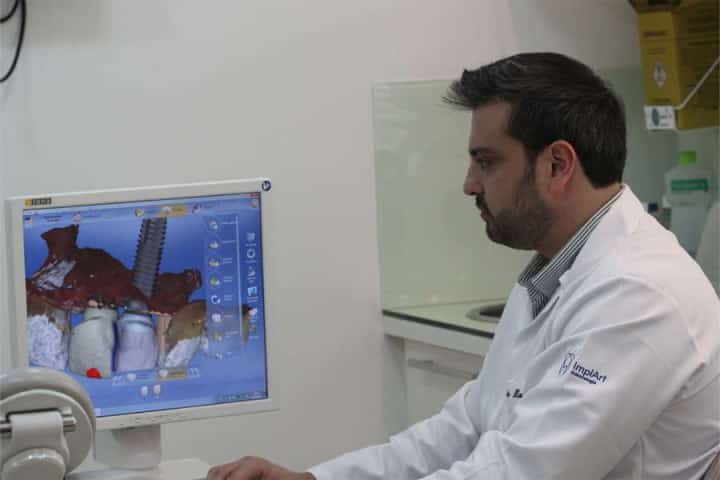
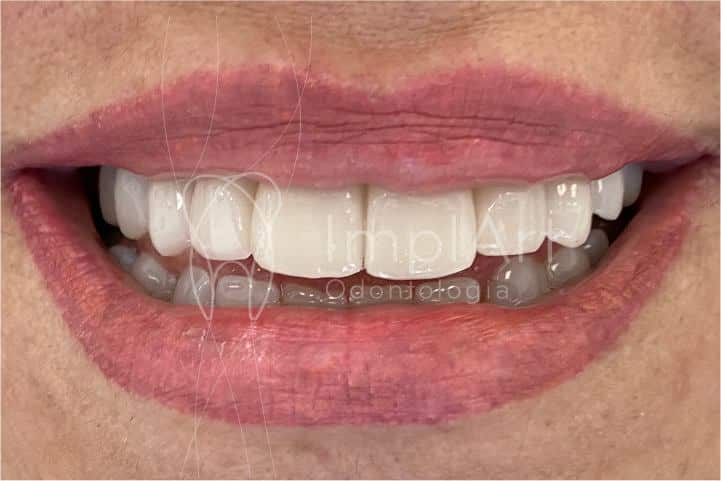
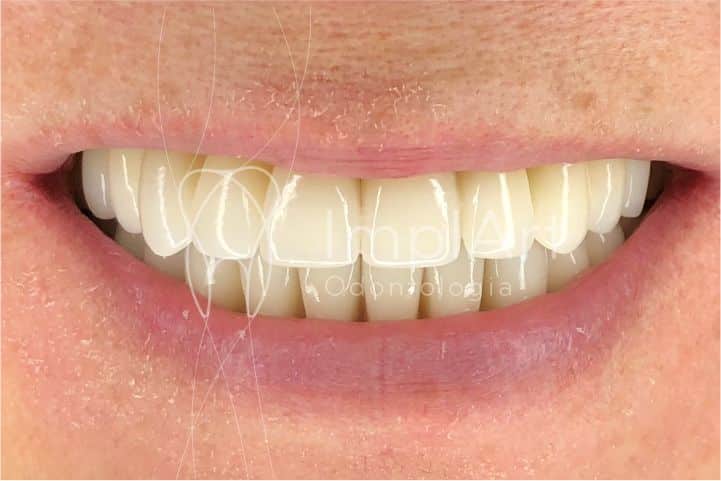
There are currently several types of fixed prosthesis on implants, including modern 3D computerized pure Zirconia crowns and Cerec porcelain, to be installed on dental implants. In this way, they use innovative computerized resources with 3D intraoral scanners and milling machines to create more precise and aesthetically natural prostheses.
Quality of life and self-esteem back with dental implants
What is a dental implant?
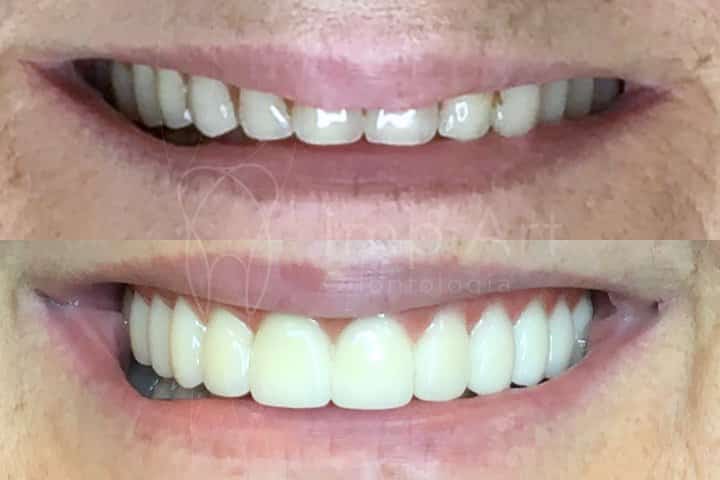
Treatment with dental implants aims to restore masticatory function as well as the aesthetics of the smile, which certainly gives people back their quality of life and self-esteem. After the dental implant is placed, its surface interacts with the bone, a phenomenon called osseointegration.
In short, it is responsible for the stability of fixed dental prostheses, offering the wearer security and comfort when chewing, speaking and smiling. This experience is completely different from using a mobile prosthesis, the so-called dentures, which for example can cause discomfort, move around and even hurt.
Dental implants: who can have them?
In principle, dental implants are indicated for almost all people who suffer from the absence of one, some or all of the teeth in an arch. Each person is assessed individually to determine the most suitable treatment.
The good news is that the ImplArt Dental Clinic, as an implant clinic, has the expertise and knowledge of the most modern surgical techniques to deal with almost all situations of missing teeth, even in people who have little bone volume. For these cases, there are short implants from the Swiss brand Straumann.
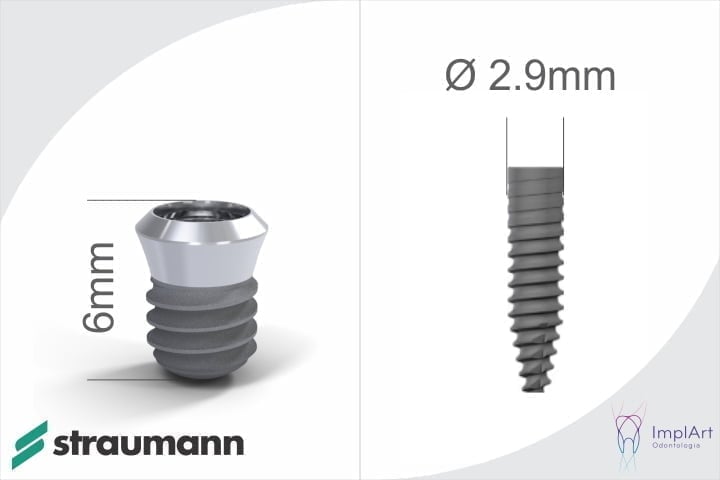
The new Standard Plus Short (SPS) implants from Straumann Implantes are the shortest pins available on the market (they are only 4mm long) and are indicated for patients who, for whatever reason, find themselves with limited bone availability.
Single implant, partial implant or total implant
A single tooth implant is used to replace a tooth that has been lost, usually due to an accident, root fracture, unsuccessful root canal treatment or decay. This tooth can almost always be replaced quickly using the immediate loading technique.
It is recommended that this tooth replacement be done as soon as possible to prevent bone loss, as losing a tooth and not having a dental implant can lead to bone loss and the movement of neighboring teeth, which can be aggravated by the absence of a tooth .
Advantages of single tooth implants:
- Neighboring teeth remain intact
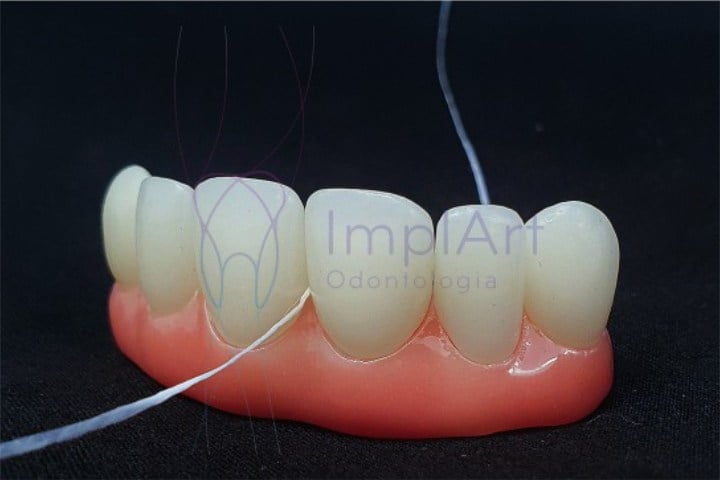
- The new crown is attached directly to the dental implant, which makes it possible to floss like a natural tooth
- Excellent aesthetic and functional results
- Ease of treatment, as the prosthetic components are prefabricated
- Unaffected by caries and infiltration
- It is possible to place a temporary crown immediately after implant placement (immediate loading)
- The installation of the implant prevents or stops bone resorption.
Losing multiple teeth can affect your ability to chew, as well as the beauty of your smile. The best option for replacing several teeth is undoubtedly to have dental implants fitted and a dental prosthesis fixed.
Partial implants are recommended for people who have lost some of their teeth. This treatment is a much more efficient alternative to a conventional bridge, as it offers better aesthetic results (there are no metal staples) and prevents bone resorption.
Total implants are recommended for people who have lost all their teeth. The loss is usually due to periodontal disease and inadequate oral hygiene. The implants are strategically distributed throughout the dental arch – ImplArt carries out the computerized planning of the guided total implant surgery.
The total implant treatment is able to bring the patient the incredible sensation of chewing and speaking safely and comfortably, as a fixed prosthesis that doesn’t move or hurt. The prosthesis will typically have a layer of artificial gum, but there are cases where the prosthesis can be made without the gum.
The presence or absence of gingiva in the prosthesis depends on various factors such as the resulting final aesthetics, bone and gum loss in the area, technical feasibility and dentist/patient preference.
Immediate loading – Rapid loading for implants
Due to scientific advances, it is now possible, in selected cases, to enter the office without teeth and leave at the end of the day with all your teeth fixed on dental implants (temporary prosthesis).
This technology, known as immediate loading, provides patients with great satisfaction due to its rapid results. In principle, immediately loaded implants can be used in the following cases:
- Immediate loading for total implants (replacement of dentures with all teeth fixed)
- Immediate loading for several teeth (usually teeth or tooth roots with periodontal disease, badly decayed teeth or old dentures)
- Or immediate loading for a single tooth (mainly in the anterior region)
The dental implant technique with immediate loading can be carried out when bone quantity and quality are normal and also when occlusal habits are favorable for the procedure to be carried out so as not to overload the site with chewing.
Therefore, the immediate loading technique depends on certain conditions of the patient’s dental arch and general oral health. These conditions are assessed individually during a consultation.
Fixed implant prosthesis – types of materials
Implant treatment is the main form of aesthetic and functional rehabilitation for patients who have lost their teeth. The absence of one or more teeth compromises chewing, speech and the aesthetics of the smile, so a fixed prosthesis on implants is capable of restoring security and self-esteem to the edentulous person.
Rehabilitation basically goes through 3 relevant phases: the placement of dental implants, the healing phase (in which the patient uses a temporary prosthesis) and the finalization with the fixing of a definitive prosthesis on implants. We have a variety of materials that can be used to make a dental prosthesis:
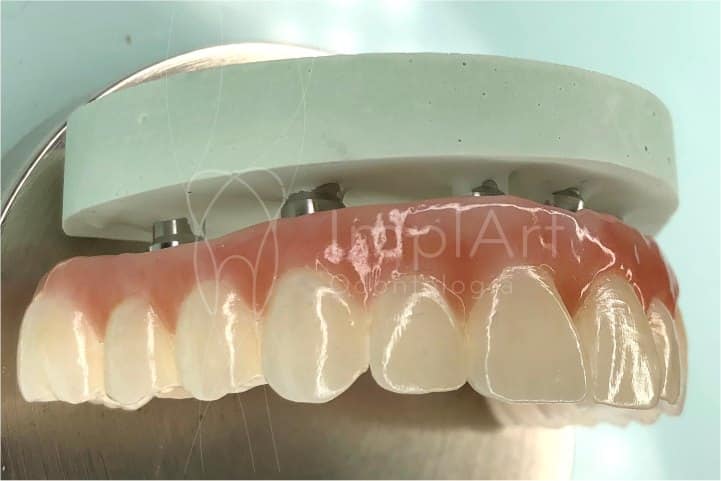
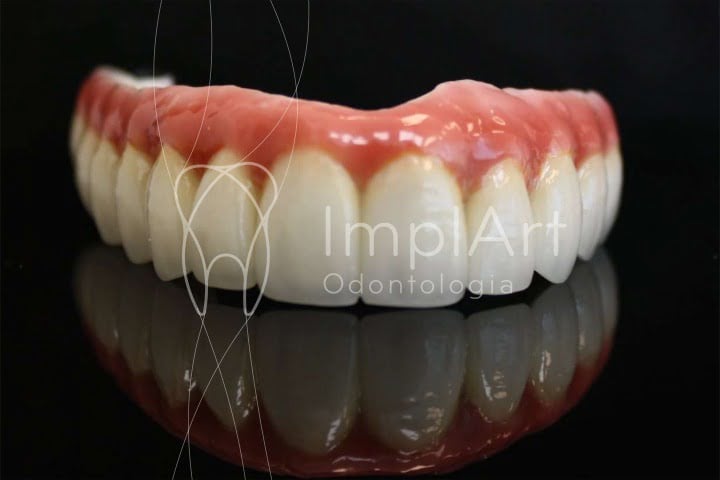
Pure porcelain dentures (metal free)
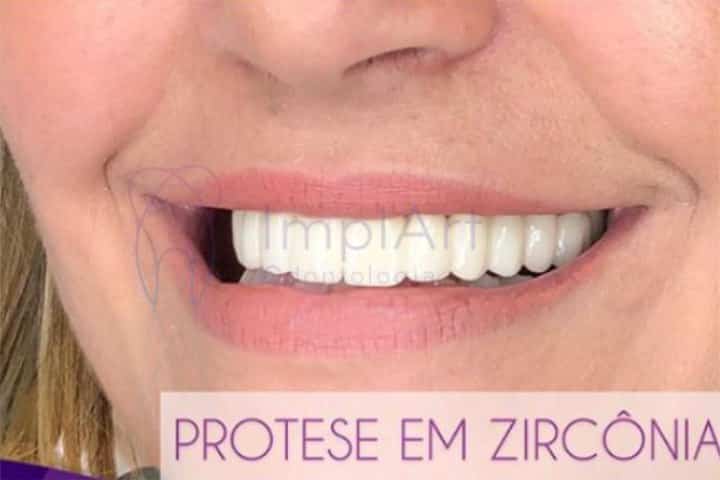
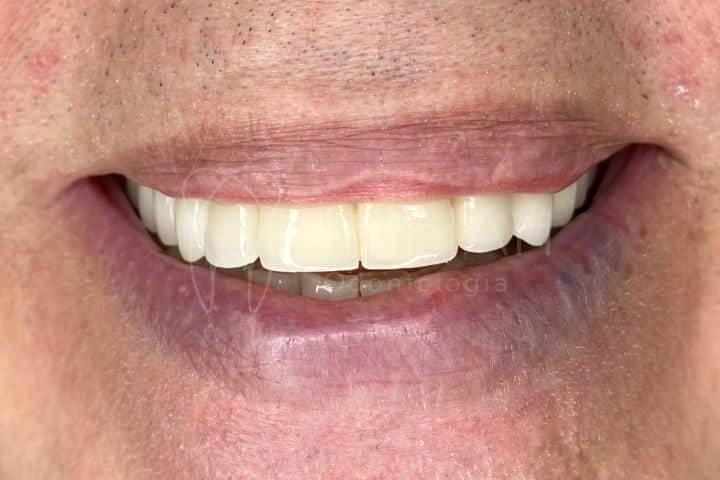
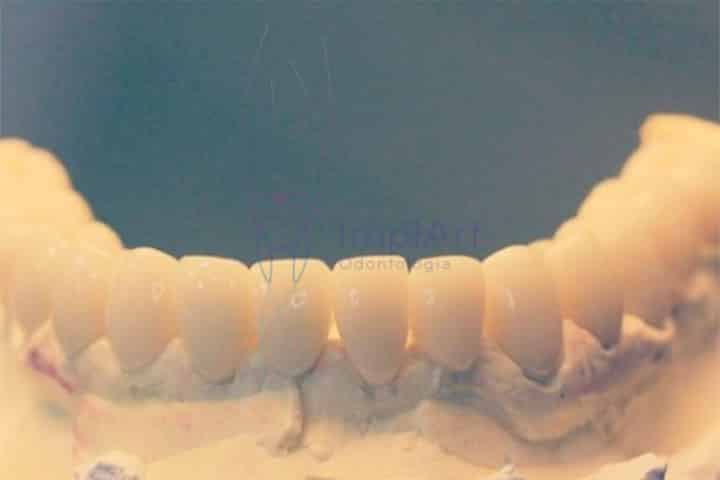
It is an opaque white ceramic structure called zirconia, covered with an aesthetic porcelain sculpted to the shape of the teeth. It is a new and technologically innovative material, as the prosthesis is completely designed on a computer and made with the help of electronic scanners and 3D printers.
It is the material that offers the best aesthetic results because it does not contain metals. Porcelain has very similar characteristics to natural teeth, including shade, translucency and strength.
Metal-ceramic dentures (porcelain + metal)
This is a prosthesis with an internal metal structure (titanium, Ni-Cr or Cr-Co) and an aesthetic porcelain finish that is hand-sculpted in the shape of the teeth. Its advantage is the resistance and aesthetics of the porcelain, which leaves the prosthesis with an aesthetic and beauty similar to natural teeth.
It has a small disadvantage compared to pure porcelain prostheses, which is the possibility of a grayish line appearing at the level of the gums, if the patient suffers some gum recession over time, which can lead to an aesthetic compromise in the smile.
However, it has advantages over resin prostheses, such as better durability and resistance to wear, as well as no color changes over time.
Acrylic Resin (resin + metal)
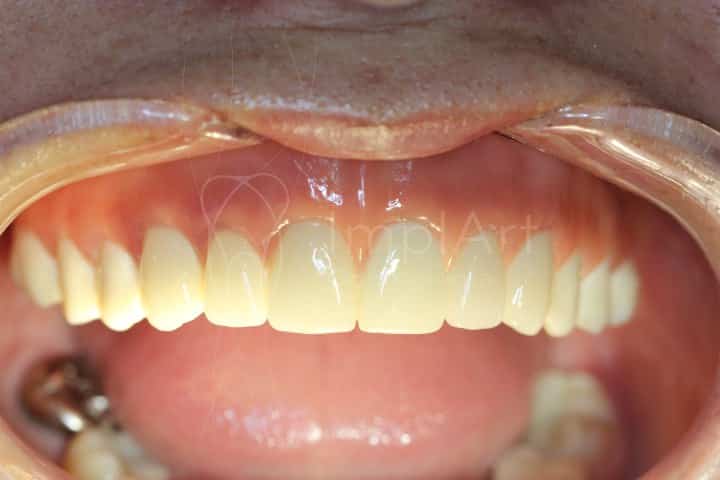
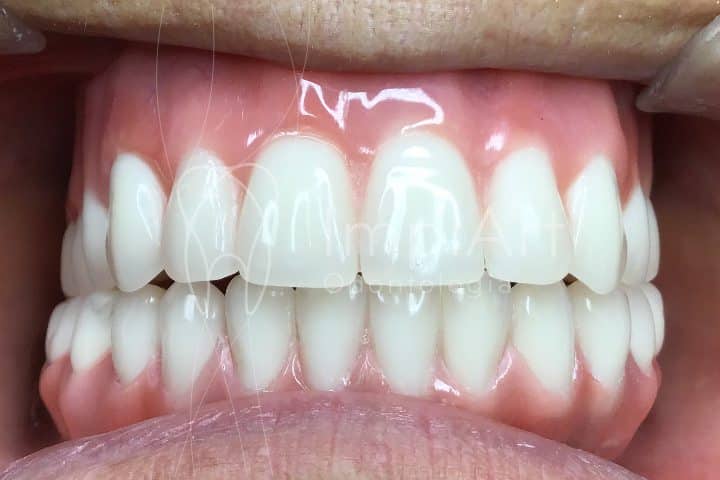
Also known as the Bränemark protocol prosthesis, this model has an internal metal structure and an aesthetic resin finish. The teeth are made of resin and you can choose the color, shape and size of the teeth.
This material has one disadvantage compared to the previous ones, which is the possibility of color change (yellowing) over time. The choice of prosthesis material should be made jointly by the dentist and patient. Watch the video on prosthetic materials for dental implants:
Do dental implants hurt?
The dental implant procedure is easier than you might think! Advances in techniques mean that dental implant surgery today is less invasive, avoiding excess tissue damage, pain and discomfort.
During the surgery, the patient feels no pain because it is performed under local anesthesia. In addition, ImplArt uses techniques that reduce discomfort during surgery and make the recovery period more peaceful.
One of the techniques is that ImplArt Odontologia performs computer-guided dental implant surgery. This avoids unnecessary cuts and damage to bone and gum tissue, even with full arch all on 4 implants.
ImplArt also uses Piezosurgery surgical ultrasound, which cuts through hard tissues such as bone and preserves soft tissues such as gums, nerves, membranes and blood vessels.
This system allows the surgeon greater surgical precision and better visibility during surgery.
Read about fractured teeth may need urgent replacement with dental implants
Learn more about prostheses, implants and treatments for the elderly
Price and value of dental implant treatments and dental aesthetics │ Dental implant average price
We often receive calls, emails and messages from people asking about the price and value of dental implants and dental treatment . We always try to explain that these questions can only be answered through a dental consultation.
In short, there are three main reasons for this: the first is that the Code of Ethics of the Federal Council of Dentistry prohibits dentists from carrying out consultations in person. The second is that dental treatments can only be indicated after a careful assessment of the patient.
The good news is that for those who live far away, abroad or in other states, there is the option of a preliminary online consultation.
There are numerous factors that influence the planning of a treatment. There are also various options for materials and techniques that influence the composition of a budget. In addition, a treatment that may be suitable for one person may not be the most appropriate for another.
The third is the importance of being assessed by a professional dentist. Often patients think they have a dental problem and believe that a particular treatment may be the most appropriate, but in reality it may be something else.
The dentist is the professional qualified to look at oral health in general, as well as giving the necessary recommendations to keep teeth beautiful and healthy throughout life. The qualified implant dentist is also able to recognize, in most cases, the types of dental implants that exist by evaluating the panoramic radiograph.
We at ImplArt believe that dental treatment goes far beyond a simple monetary value.
There are important factors that influence a cost-benefit ratio, such as the health and well-being that healthy teeth provide, improved self-esteem, patient comfort during procedures, the relationship of trust between patient and dentist, and our empathy for the patient, who often brings with them anxieties, expectations, fears and even trauma from previous experiences. What do you think your smile is worth?
Is there a charge for the first consultation?
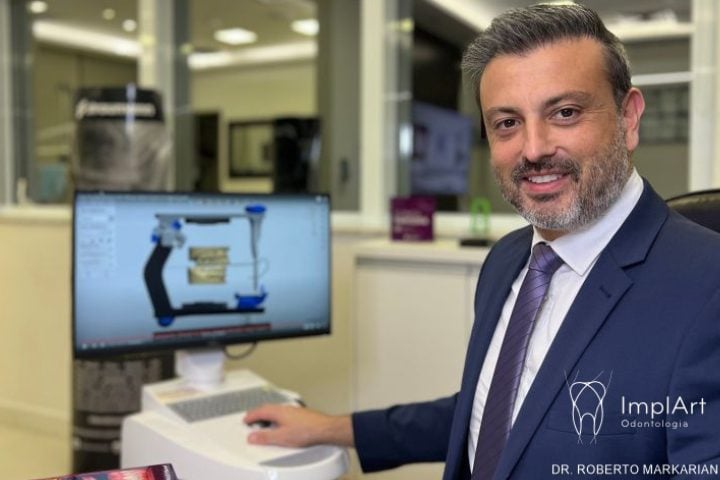
Yes, we charge for the first consultation. The patient will be assessed by the director of the dental clinic, Dr. Roberto Markarian, who has extensive experience in treatments for functional and aesthetic oral rehabilitation, with dental implants and dental prostheses.
If necessary, the patient may be asked to undergo some radiological examinations to help with diagnosis and treatment planning.
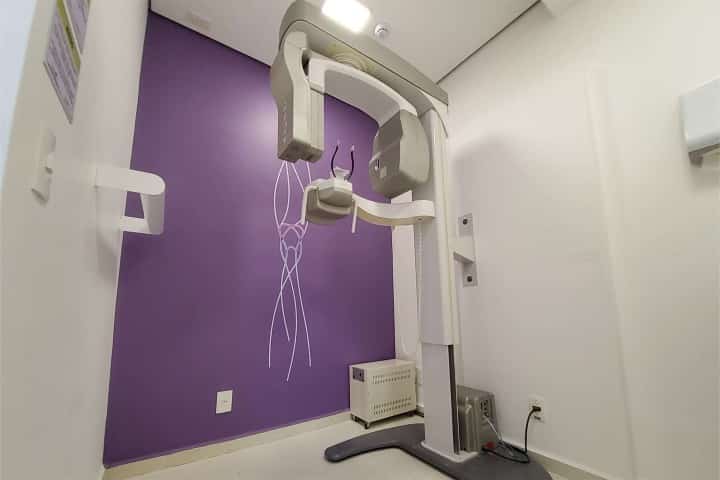
For your convenience, some of the main dental exams can be carried out in the clinic (at a separate cost). If you already have previous exams, please bring all recent ones (up to 1 year old) to your appointment, as they will be of great help.
My dentist doesn’t charge, why do you?
We follow the rules of the CRO, the Regional Council of Dentistry, which specifies that dental services cannot be free, in the same way as medical consultations. The culture in dentistry is changing and the number of dentists who charge for consultations is growing.
The dentist who will be attending you has studied at university and takes frequent postgraduate courses , so their time is valuable, just as it is in other health professions.
Do you accept any dental plans?
At the moment we do not accept dental insurance or any type of plan. Most dental plans don’t offer cover for dental prosthesis, implants or aesthetic procedures, which are precisely the focus of our clinic.
We only accept plans for the reimbursement system or free choice. There are companies that offer their employees this system, in which they will later receive the amounts paid. There is some bureaucracy involved, but we can help.
Dr. Roberto Markarian – Specialist in dental implants
Dr. Roberto Markarian is the creator and clinical director of ImplArt Odontologia, one of the main centers of technology in aesthetic oral rehabilitation and implantology in Brazil.
He holds a doctorate in implant dentistry, a master’s degree in dental prosthetics, two specializations in dental implants and dental prosthetics, as well as several training courses in the field of dentistry, both in Brazil and abroad.
He is a member of the ITI – International Team for Implantology, an organization linked to Straumann that brings together the world’s best specialists for the development of new products and techniques. Learn more about Dr. Markarian‘s academic career and technical scientific knowledge.
Run by implant dentist Dr. Roberto Markarian, the ImplArt Clinic in São Paulo specializes in dental implants.
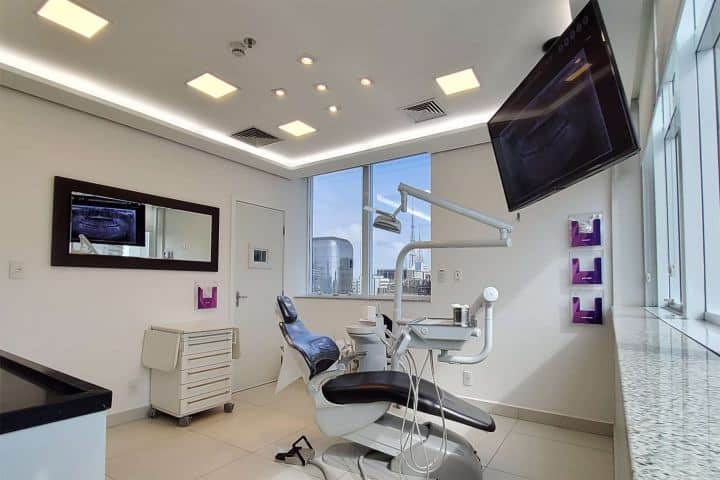
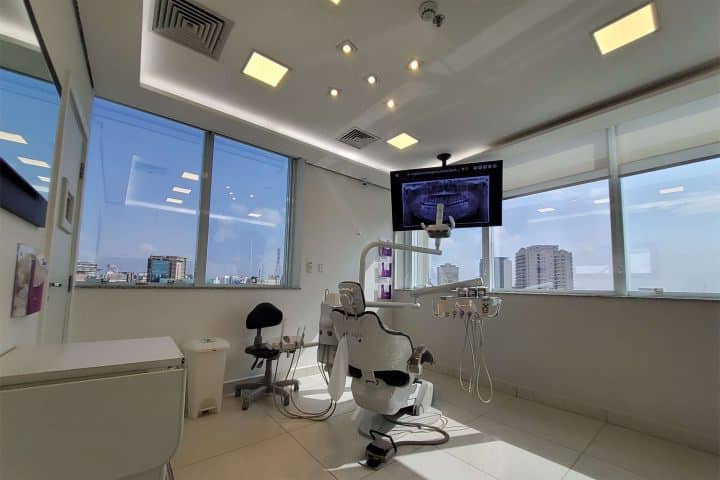
ImplArt is one of the clinics most aligned with the latest scientific research and development of new dental implant solutions. For this reason, it has been voted the best dental clinic in Brazil, a position guaranteed above all by its expertise in Digital Dentistry, Modern Structure and Patient Satisfaction.
Above all, we treat the issue seriously, because we understand that missing teeth are one of the situations that most affect a person’s self-esteem and quality of life. Our humanized care, understanding the needs of each patient, is extremely gratifying when we see the patient’s happiness with the results achieved.
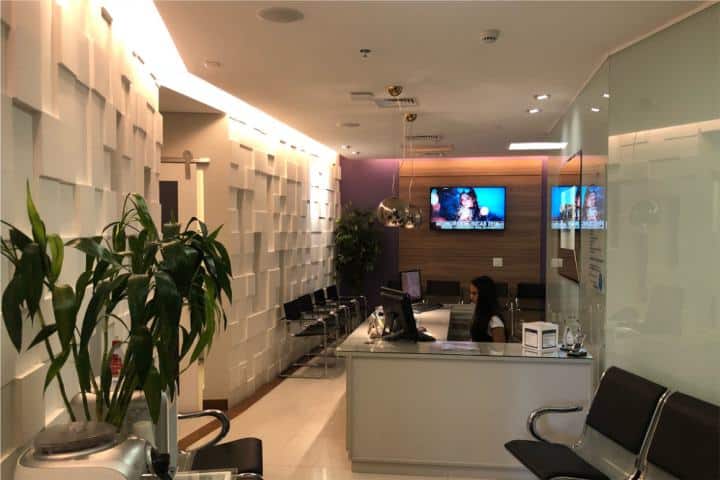
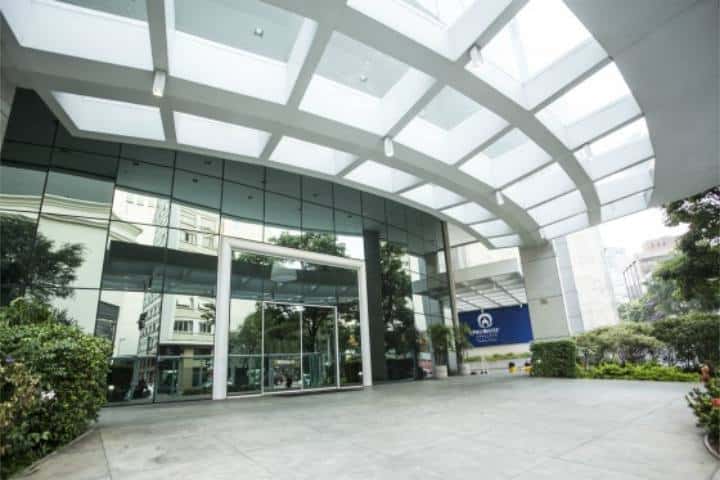
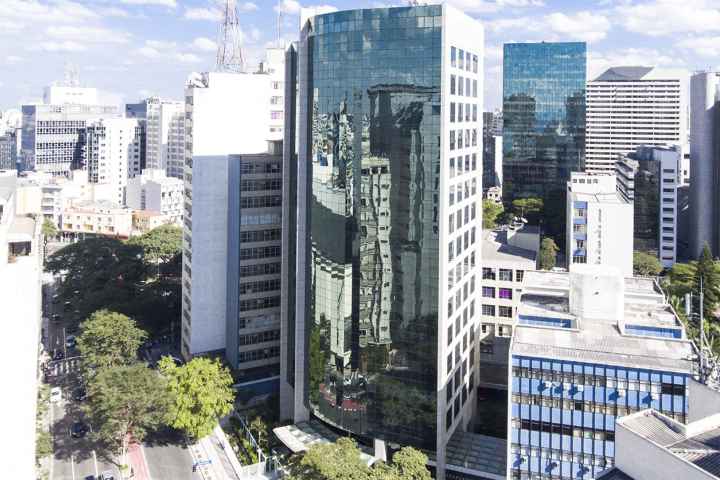
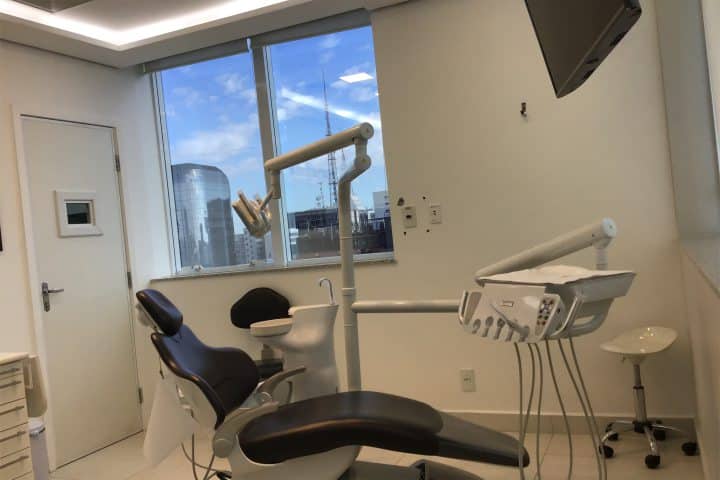
We are located in the heart of the city of São Paulo, in the Avenida Paulista area, with easy access and a wide range of shops and services for those who come from abroad or from other cities and wish to carry out their intensive Day Clinic treatment.
Dr. Roberto Markarian, clinical director of ImplArt, a dental clinic, is a specialist in implants ( implantodontist ) and dental prostheses. He constantly seeks to update and improve his knowledge, taking part in the main congresses and courses in the field with the aim of aligning the technological apparatus of the ImplArt Dental Clinic with the most advanced research in the field of dentistry in the world.
⭐️Guiados by our clinical director, Dr. Roberto Markarian, and made up of a great team of specialist dentists, technicians and receptionists with a passion for what they do, we are dedicated to improving the quality of life of our patients. We are driven by the satisfaction of seeing patients happy.
 Agende sua consulta agora por WhatsApp
What is important in a dental implant clinic?