Tag: porcelana

Fixed dental prosthesis in pure 3D translucent zirconia

Among the latest material options for making a fixed prosthesis for a full arch implant, total implant or protocol prosthesis, we now have an innovative technique full of advantages: 3D pure translucent zirconia. Zirconia is currently the most modern material for both full and partial dental implant prostheses. It is also the most suitable material for dental crowns on single implants or fixed prostheses.

Zirconia dentures combine beauty and strength

Pure zirconia is also known as cubic zirconia, translucent zirconia, monolithic zirconia and black zirconia. It is currently considered the most modern and resistant material for making dental crowns.

Dental prostheses made from this material are fixed onto dental implants previously placed in the upper or lower jaw.

In order to offer patients the most modern treatments, the ImplArt dental clinic has once again innovated by pioneering the best European technology (Austria) to manufacture 3D zirconia dental prostheses in its own laboratory.

Its modern manufacturing allows treatment to be carried out using 100% computerized techniques, with complete digital planning of the case. This means more comfortable treatment for the patient, much more predictable, and above all, faster.
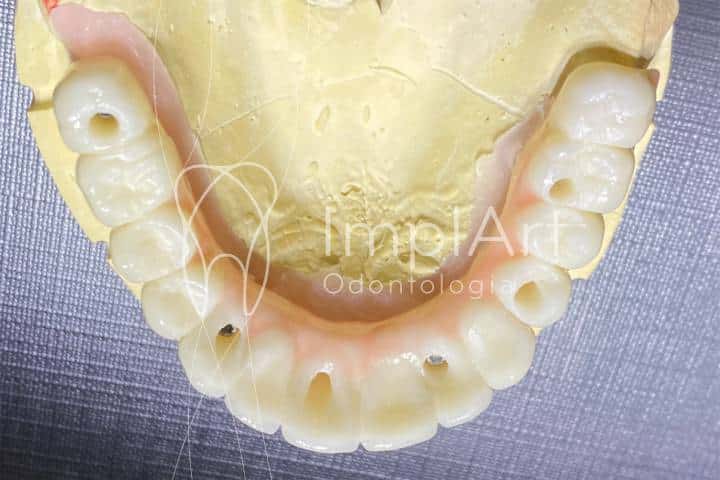
Translucent Zirconia
The translucent zirconia protocol prosthesis is completely white and contains no metal inside. As a result, the colors and shapes are more beautiful and natural.

Planning 3D zirconia implant/prosthesis treatment

For a complete treatment with dental implants, there must first be an extensive conversation between the dental surgeon and the patient. The definition of the total treatment takes place in 3 stages:

  • 1- Firstly: Planning the surgical and prosthetic aspects of the all-tooth or partial implant case. First of all, the patient’s needs are studied, with a clinical assessment and radiological examinations, so that the case can be planned precisely before it is carried out.
  • 2- Secondly: Performing the surgery to install the dental implants. At this point, a temporary transition prosthesis for the full arch should also be installed.
  • 3- Thirdly: Preparation of the final dental prosthesis. Once the implants have healed, the long-awaited making of the complete prosthesis begins, according to the material chosen by the patient at the start of their treatment.
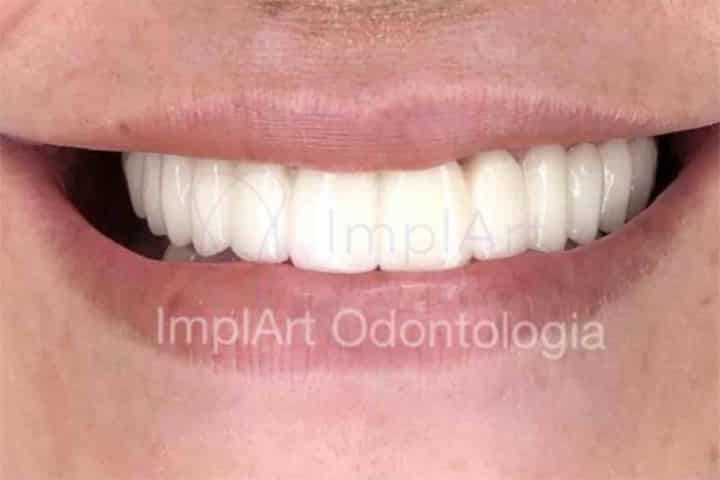
Gumless dental zirconia prosthesis.
Zirconia dental prosthesis without gums. In some cases it is possible to make a zirconia dental prosthesis without the pink gum layer. In an acrylic dental protocol this would not be possible.

Not all protocol prostheses are the same and made of acrylic!

The choice of implant prosthesis material

Nowadays, you can choose from a variety of materials for fixed prostheses on implants (dental protocols). In the past, there were only metal-ceramics (metal structure and porcelain exterior) and acrylic (resin), made by hand.

Today, ImplArt is able to offer patients options with extreme resistance and superior aesthetics, such as computer-engineered translucent zirconia. In this sense, each type of prosthetic material can have an impact on the patient’s treatment in terms of price, preparation time and the final aesthetics of the total implant.

Therefore, in this article, we will explain the most modern model of fixed prosthesis on implants: the computerized translucent zirconia prosthesis, as well as its advantages and characteristics.

What is 3D dental zirconia? Zirconia is a white material that has the strength of a metal
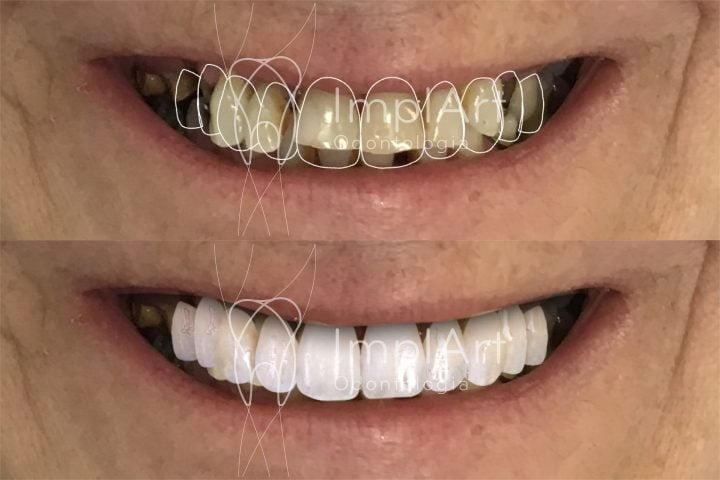
Translucent zirconia
Zirconia dental prosthesis being designed on a computer, with a photo of the face superimposed. This gives us additional information about the lips, skin and gum colors, the shape of the teeth and the final appearance of the smile.

Types of zirconia prosthesis for dental protocols

Today there are three types of dental zirconia to better perform protocol prostheses on implants (fixed dental prostheses), namely :

  • 1. milky whitezirconia structure (lower volume), together with applied porcelain overlay (higher volume)
  • 2. 3Dtranslucent zirconia prosthesis (larger volume), i.e. with a small application of porcelain on the outside of the teeth (smaller volume)
  • 3.3D monolithic pure zirconia prosthesis (full volume) with make-up, so no additional porcelain applied
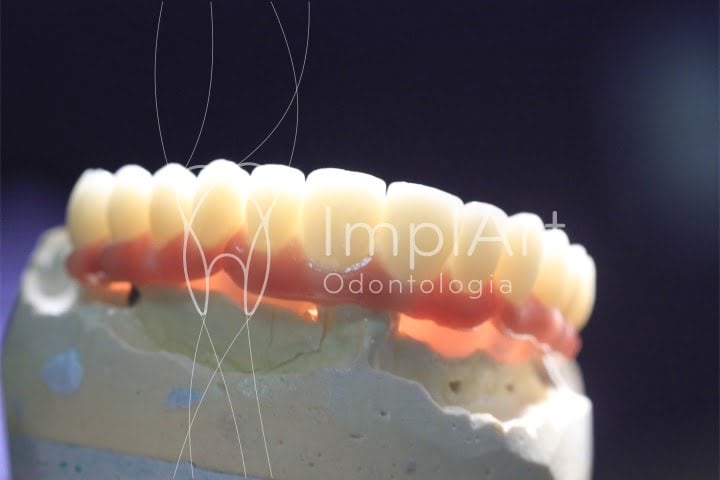
zirconia prosthesis being manufactured
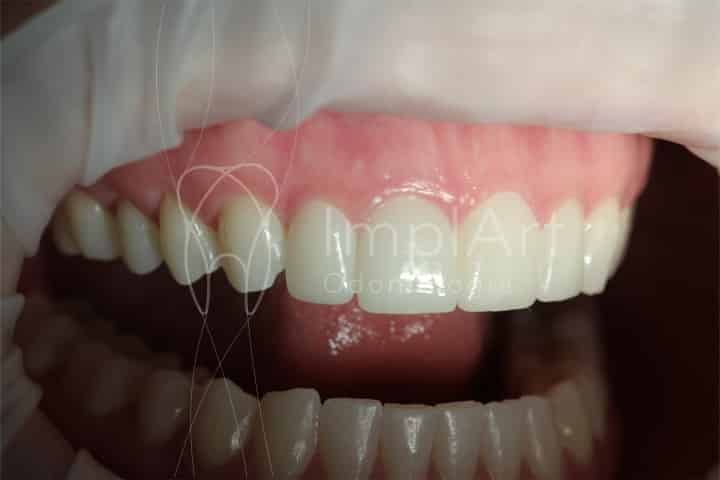
The aesthetics of aesthetic zirconia fixed prostheses are unbeatable. Notice how translucent the material is and how beautiful and natural it looks.

What does the 3D translucent pure zirconia implant prosthesis look like?

In this type of zirconia prosthesis, there is only a small porcelain overlay on the structural part of the prosthesis. In short, the entire final process of making the monolithic zirconia prosthesis is done by computer programs and robotic machines( Digital Dentistry).

Therefore, we are sure that the fittings will be perfect, the anatomy will be that of natural teeth, and the colors will be realistic.
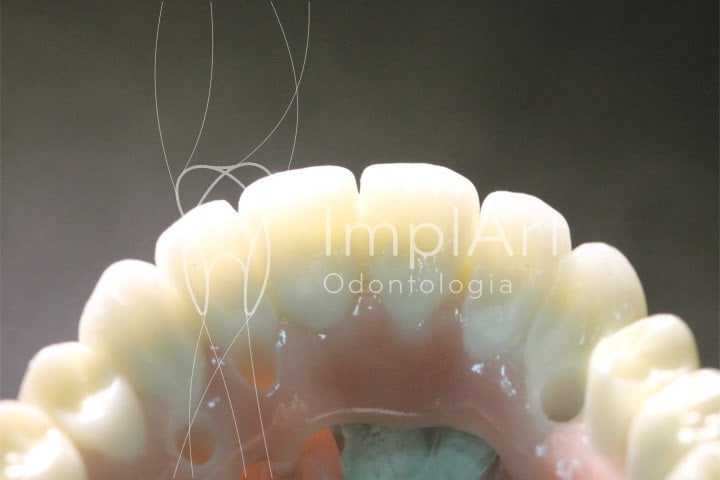
zirconia and translucency prosthesis
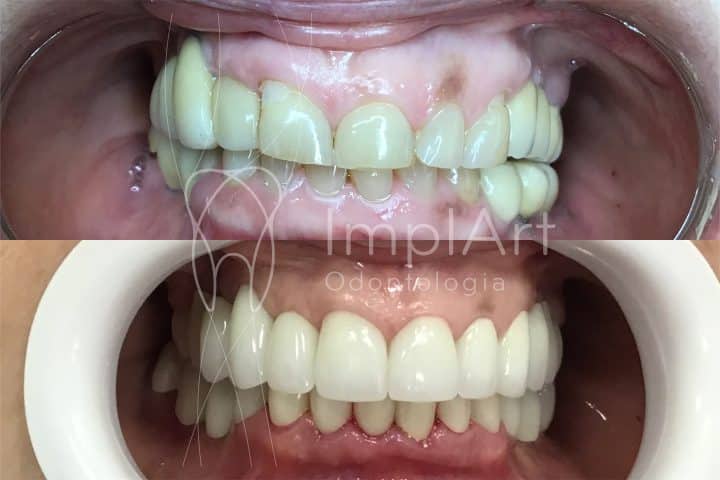
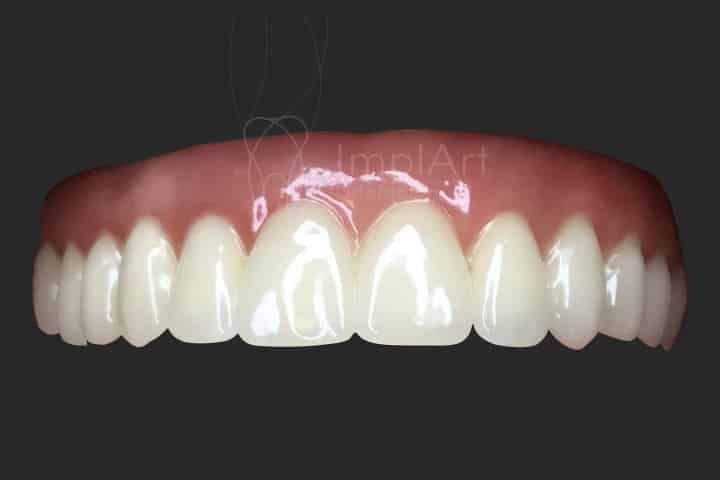
Dental zirconia protocol. Note that there is a small layer of translucent porcelain on the outside of the tooth to give it more shine, better color and more translucency. The rest of the prosthesis is solid and made of pure zirconia that has been tinted to match the natural color of the tooth and gums. The holes will be closed after the fixed prosthesis has been installed.

Advantages of the 3D zirconia protocol prosthesis

In contrast to metal as a structure, the main advantages of translucent zirconia are its biocompatibility, excellent aesthetics and extreme resistance. Zirconia, with the white structural part of the dental prosthesis, undeniably enhances the natural cosmetic characteristics of porcelain.

In fact, dental zirconia is exceptionally strong and durable as a base. So much so that the use of small portions of porcelain over this translucent zirconia structure provides complementary aesthetics for the complete implant.

In addition, zirconia is a super biocompatible and anti-allergenic material and is also used in white dental implant posts.
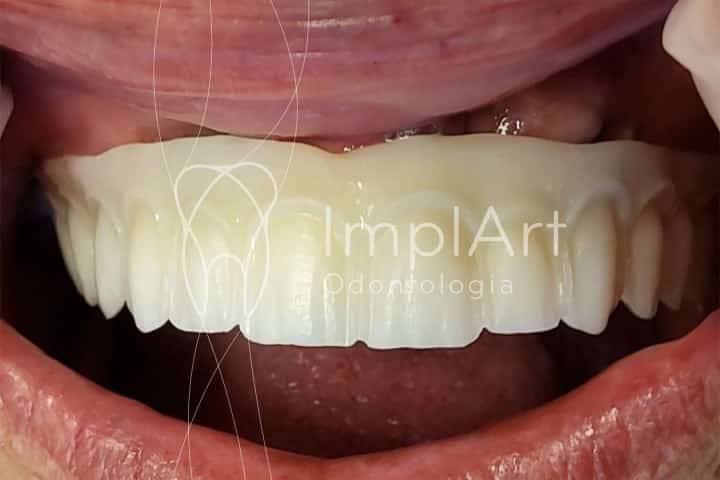
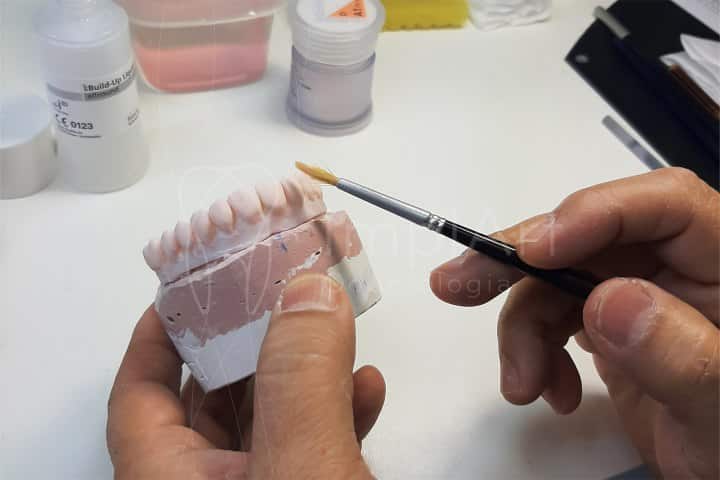
zirconia dental prosthesis internal structure
The structure of the zirconia dental prosthesis is white and, at this stage, not yet colored or shiny. In the next phase of the prosthetic work in our dental laboratory, the piece will come to life with the pigmentation of teeth and gums. The final colors depend on the consensus between the person’s taste and the dentist’s opinion. However, you can virtually choose any color from the available range. The most commonly used shades for porcelain zirconia teeth are B1, A1, BL4, A2, B2. For the gums, we try to follow the color of the patient’s natural gums, with the most common colors being STG4, STG5 and STG8.
Translucent zirconia
Work on applying layers of ceramic. In the end, all the natural aspects of the teeth and gums will be reproduced, imitating their tones, textures and translucency.

Read more: Aesthetic cores for dental crowns
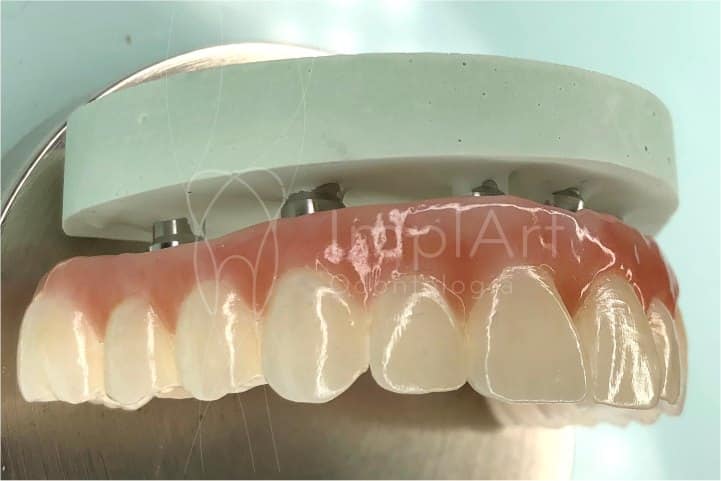
zirconia fixed dental prosthesis
Zirconia prosthesis with aesthetic ceramic application, ready to be installed on the implants

Superior aesthetics of 3DZirconia

Dental zirconia can be custom-made in such a way that it resembles the enamel and gum tissues, thus optimizing the aesthetic result.

Translucent dental zirconia is undeniably the best material for fixed prostheses on implants, as it offers translucency, naturalness and strength as a result.

First of all, it should be noted that the zirconia protocol prosthesis makes no noise when chewed, is not heavy, nor does it damage dental implants, and certainly not opposing teeth.

Translucent dental zirconia is a material that above all does not change color, does not stain and therefore does not wear out with use.
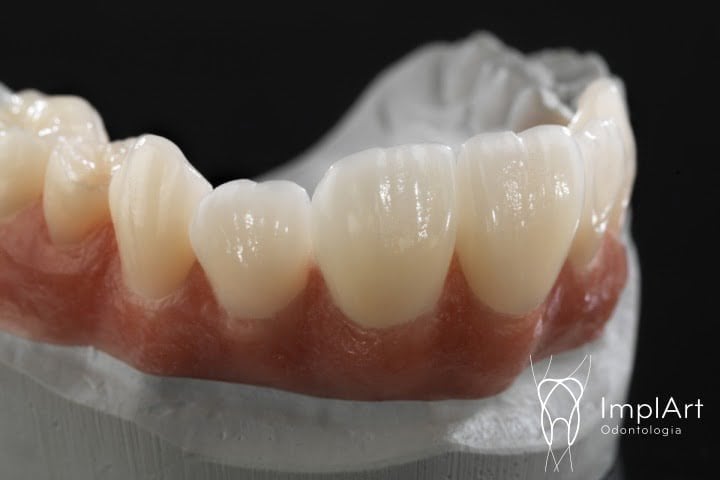
multlayer zirconia crowns
Observe the natural anatomical details of the finished porcelain and zirconia fixed dental prosthesis. This work is done in our in-house digital dental laboratory.

How are 3D translucent zirconia dentures made?

The ImplArt Clinic has all the infrastructure to make your zirconia fixed prosthesis in its own laboratory. Here’s how it works: a zirconia dental prosthesis is manufactured using computerized processes, starting with the milling of a solid block of zirconia.

Above all, because it is a CAD-CAM (computerized) job, your dental project is stored in our laboratory, so the original project can be printed again quickly, should the need arise.
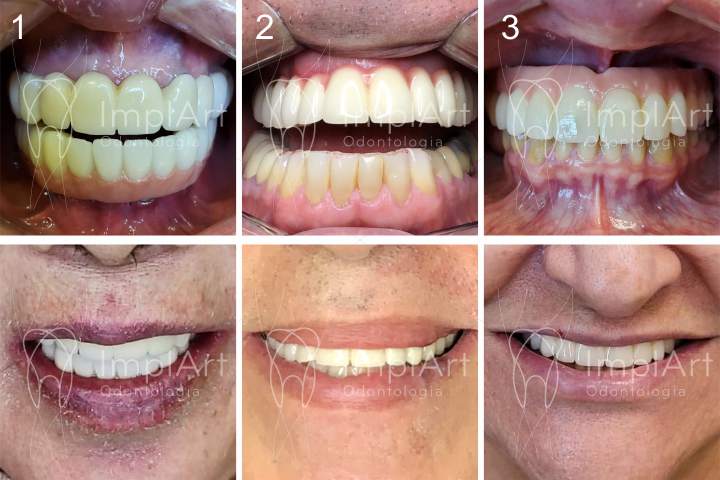
Translucent zirconia
Dental prostheses: versions with or without artificial gum are possible (but it depends on an examination to check feasibility). 1-Without gum layer; 2-Light gum layer; 3-With gum layer.

Maintenance of fixed 3D translucent zirconia dental implants

First and foremost, zirconia is extremely resistant and is certainly the strongest material for dental use. As such, its resistance is superior to porcelain and, of course, resin.

Maintenance for a zirconia prosthesis involves a visit to the dentist every 6 months for prophylaxis, in order to monitor oral health in the same way as recommended for all other patients.

The risk of the prosthesis fracturing is, above all, very rare, due to a characteristic of the material.

With regard to the color and shape of the teeth, these remain unchanged over time, making the material an excellent choice for its durability and, above all, long-term aesthetics.

It is always important to remember that, once treatment is complete, you should visit your dentist every 6 months for prophylaxis and to monitor the results of your treatment.

Porcelain dental contact porcelain lenses

Dental contact lenses are ultra-thin porcelain veneers (0.2 mm), used mainly to correct some aesthetic dental problems. They work similarly to “caps” that are bonded to one or more teeth to cover stains, small dental fractures and other defects, or to change the shape and size of teeth.

How to transform the aesthetics of your smile with dental contact lenses?

Dental contact lens treatment is certainly the smile of the famous.Dental contact lenses are completely computer-designed and made from dental porcelain by milling machines (3D printers).

Dental porcelain is a vitreous ceramic material (lithium disilicate) that is very resistant and, above all, imitates the texture and shade of natural teeth. It is also a safe material that is totally biocompatible with the human body.

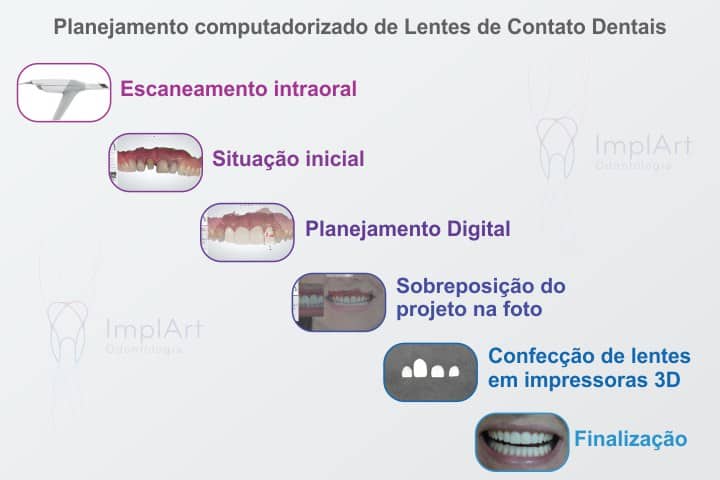
The project is carried out according to images obtained by an intraoral scanner – a high-precision camera.

dental contact lenses
Stages of a dental contact lens treatment in our clinic that works with CAD CAM computerized techniques

Immediately after milling, dental contact lenses have a shape, color and texture comparable to natural teeth, even imitating the characteristics of neighboring teeth. Because they are ultra-thin, installation requires little or no wear on the natural teeth. Indications for dental contact lenses:

In which cases are dental lenses suitable?

  • Covering stains
  • Change in the shape of the teeth
  • Change in tooth color
  • Enlargement of small teeth
  • Aligning crowded teeth
  • Covering small fractures
  • Uniformization of uneven and asymmetrical teeth
Translucent zirconia
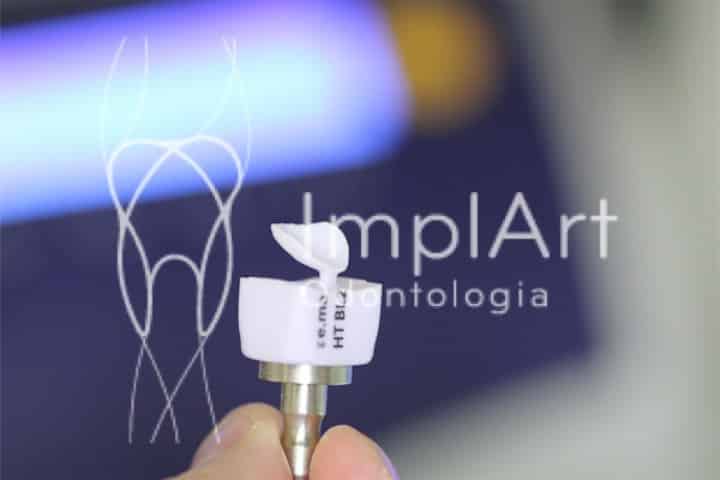
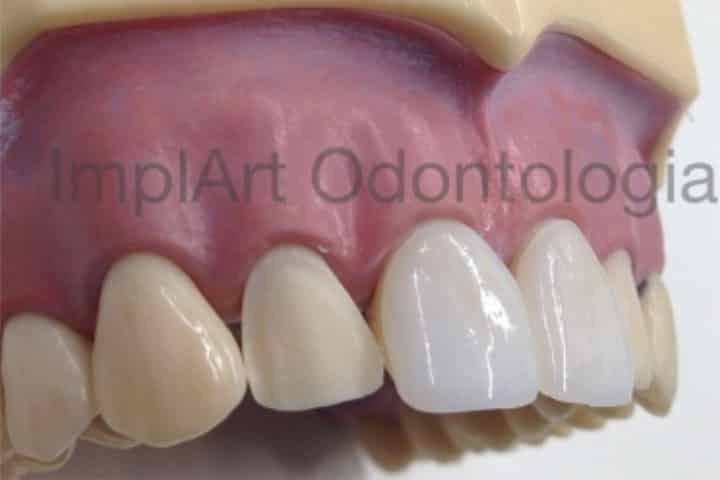
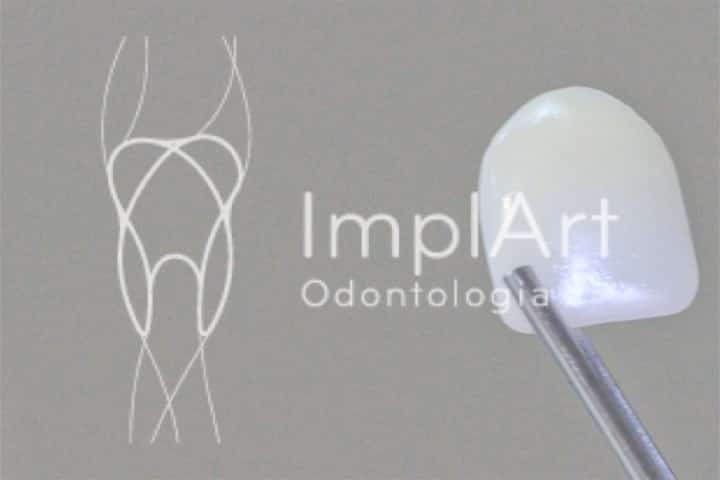
This porcelain lens was made using a computerized technique. Note that the machine sculpts the block until the dental contact lens is extracted from it

Advantages:

  • High resistance and long durability of the dental contact lens
  • Very aesthetic look, comparable to natural teeth
  • Minimally invasive restorations
  • Completely painless procedure
  • They don’t require much tooth grinding to be installed
  • Preserves the structure of the teeth
  • No discomfort in chewing function
  • Porcelain doesn’t change color over the years
  • Incredibly natural and harmonious result
  • It can be designed and executed in a short time, in some cases even in a Day Clinic.
Translucent zirconia
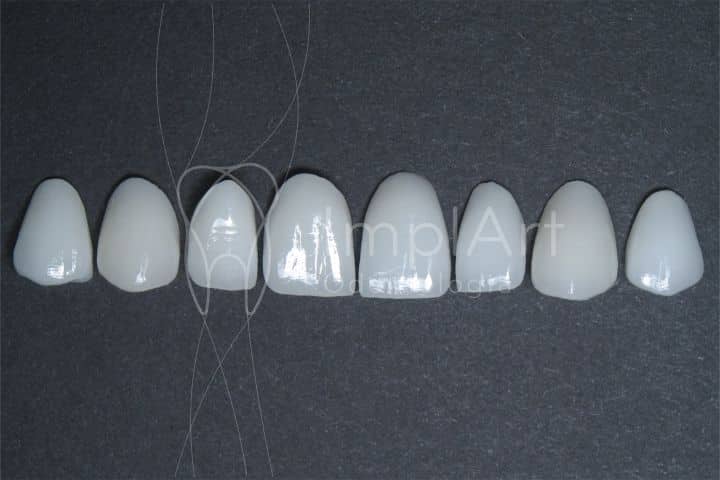
Porcelain lenses made using digital techniques

At the ImplArt dental clinic, all this work is primarily done in a precise and personalized way for each patient. This is only possible because we have CAD/CAM-based technologies on our premises, which not only carry out the computerized design of the treatment, but also the execution of the dental contact lenses.

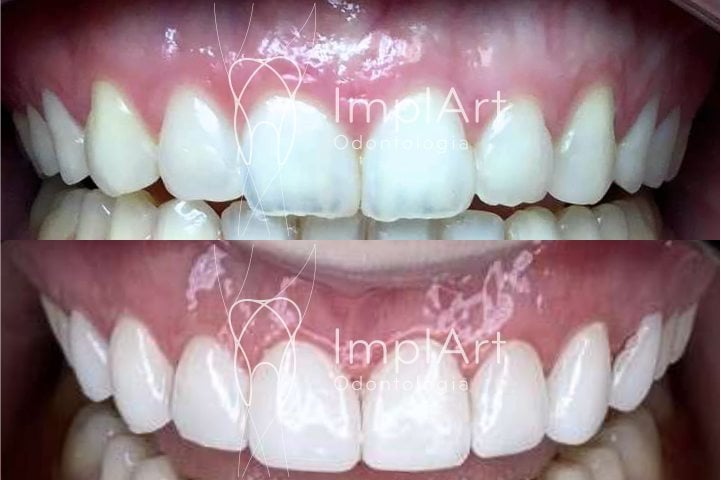
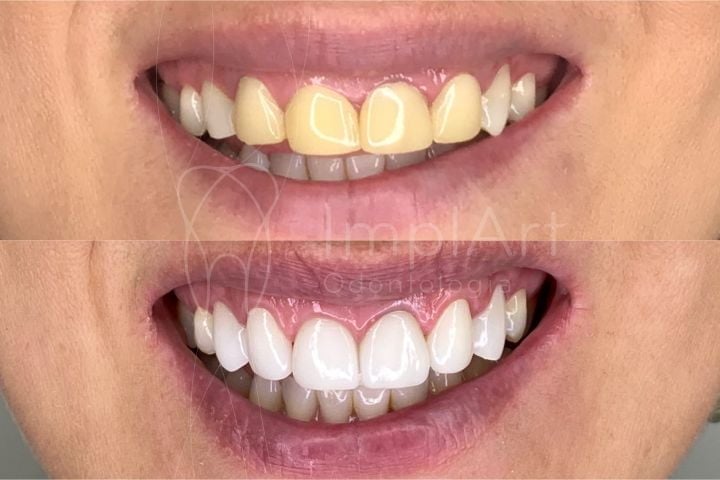
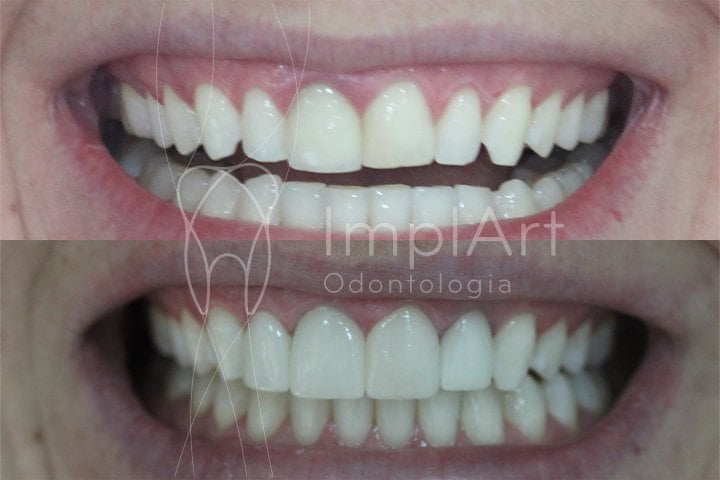
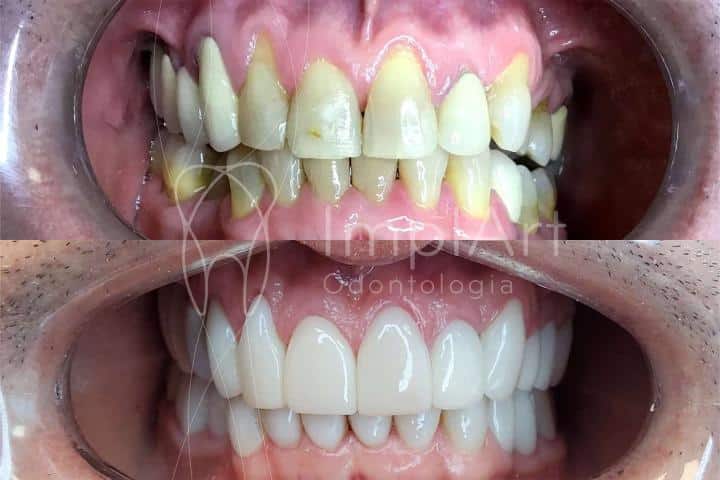
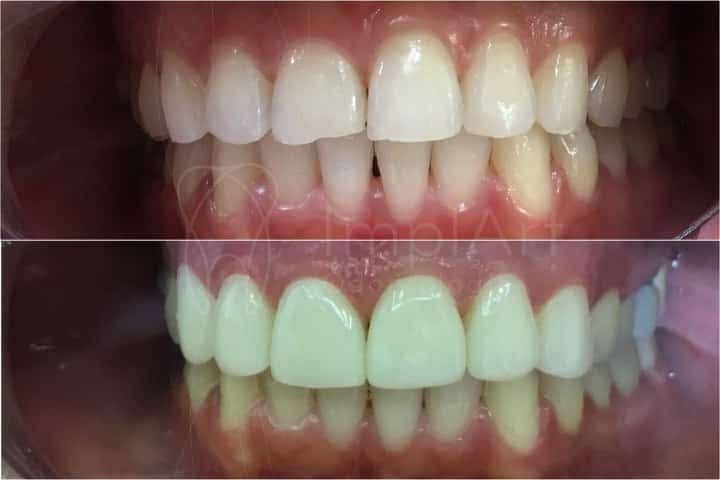
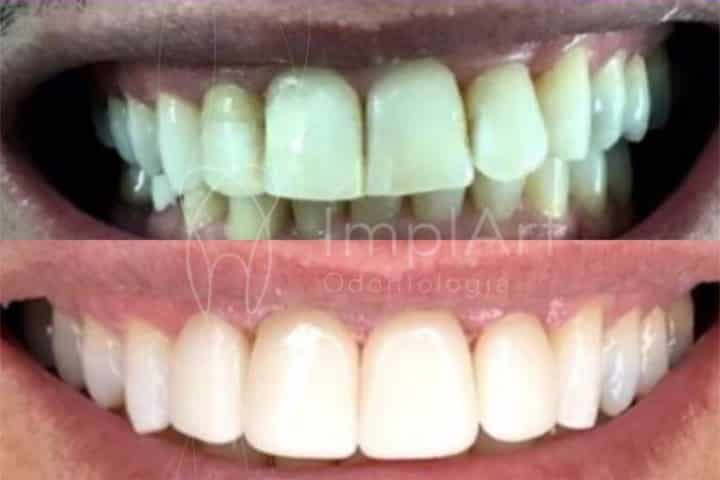
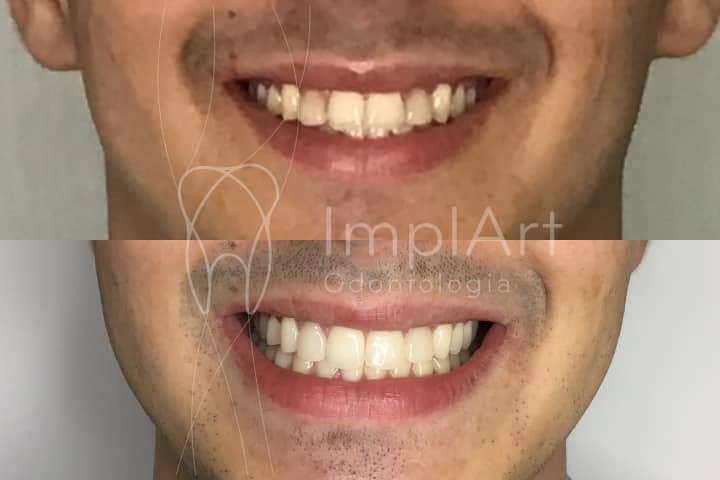
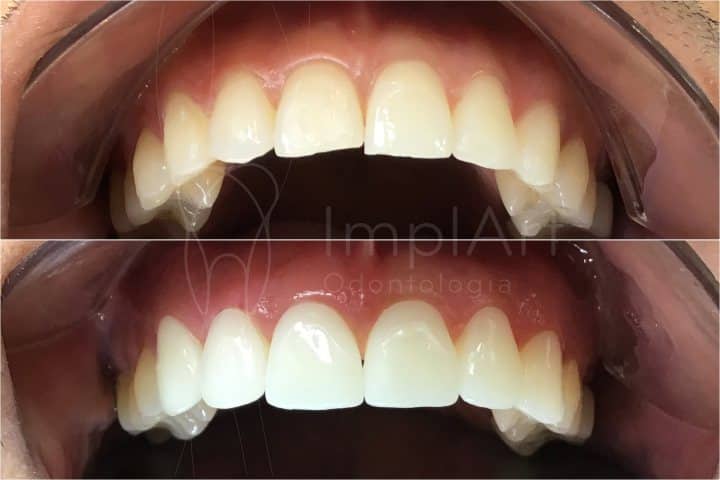
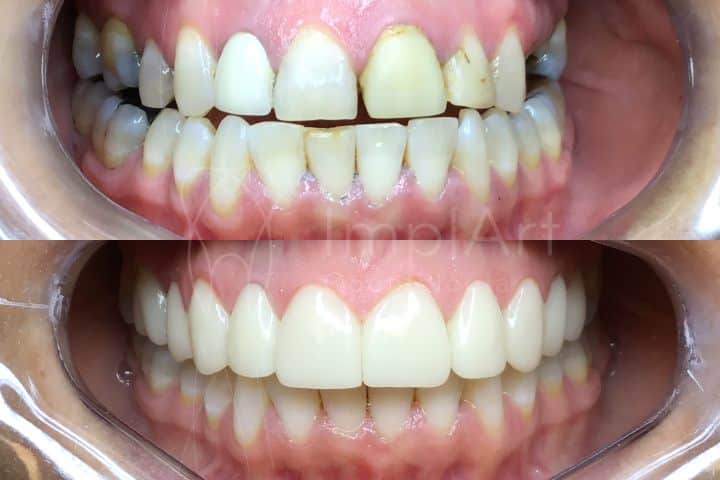
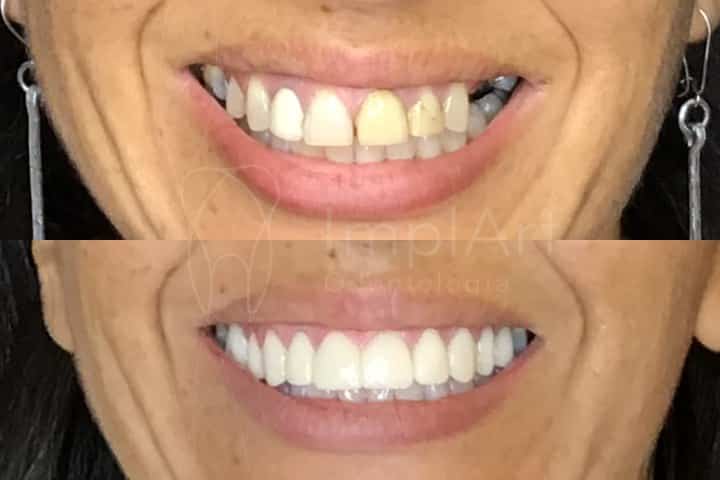
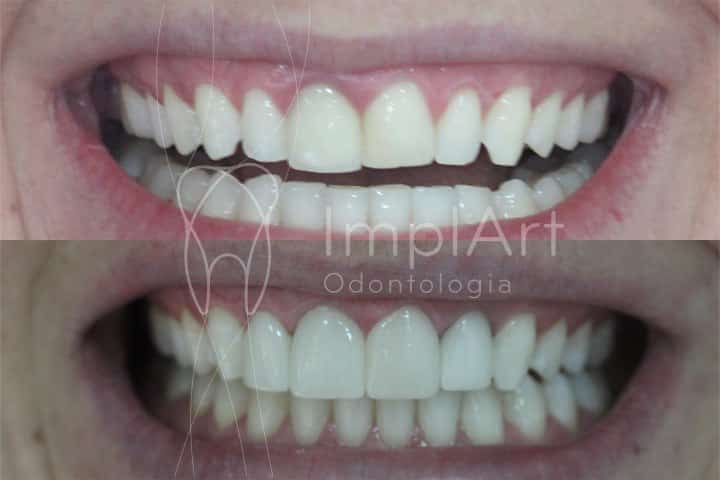
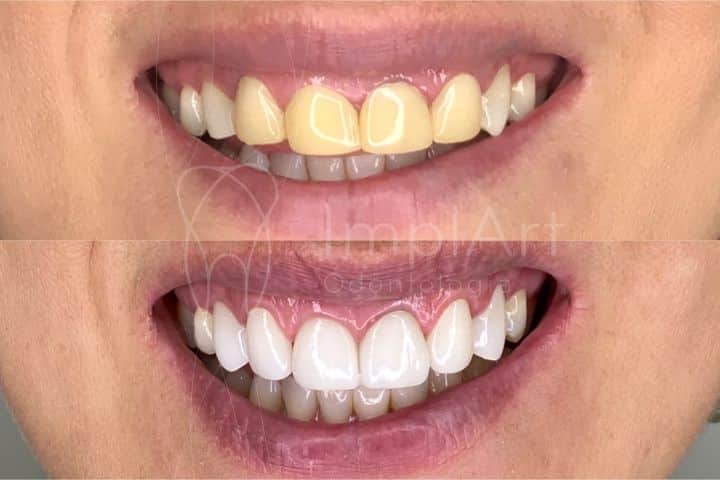
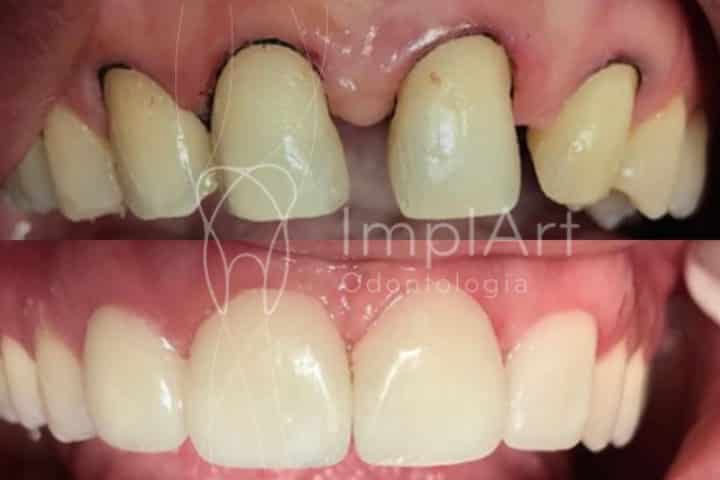
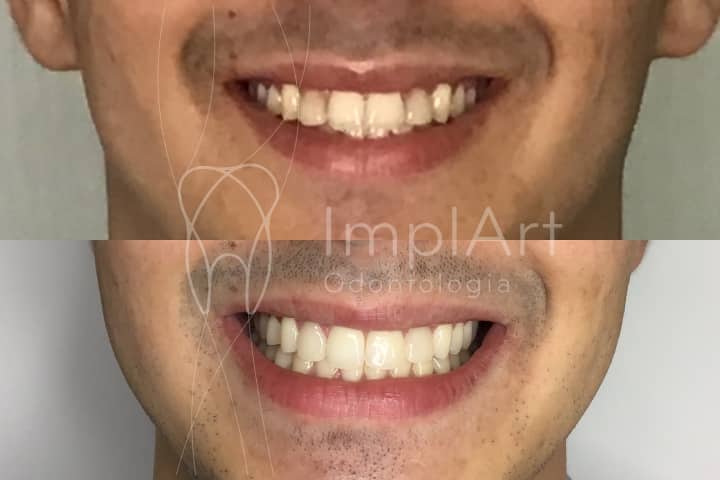
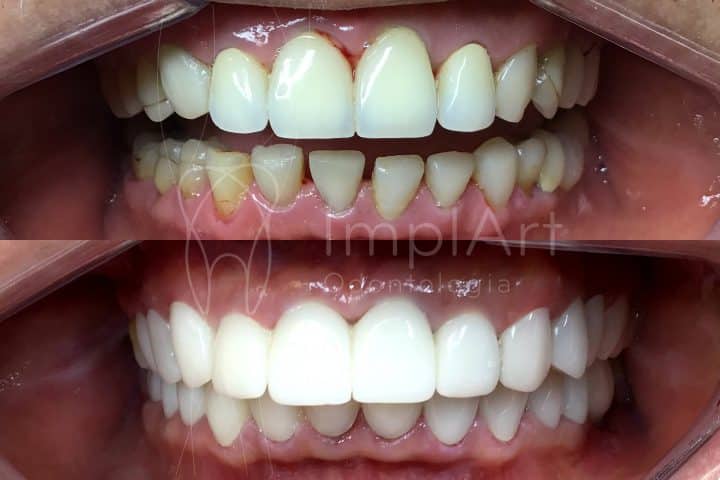
Before and after photos of dental contact lenses

Are dental lenses good? Do they look artificial or too big?

See an example of a smile makeover with dental lenses.

If you have any questions about the procedure or the price of dental contact lenses, please contact us.

Digital dental laboratory within the ImplArt Clinic

The ImplArt dental clinic has its own digital prosthetics laboratory integrated with the office and the dental clinic. This is a way of offering our patients faster dental treatments and increasingly precise prostheses for every need.

In addition, Clinica dentaria ImplArt ‘s laboratory has the most modern equipment to offer the highest quality dental prostheses.

Why do we have our own dental laboratory?

After several years of suffering from the services of outsourced prosthetic laboratories, such as lack of punctuality, poor aesthetics and inadequate materials, we decided to set up a dedicated team and acquire our own equipment.

Since 2012, all our work can be carried out more quickly in our prosthetics laboratory, which is staffed by a specialized team and state-of-the-art systems within the clinic.

We were the first dental clinic in São Paulo and certainly one of the first in Brazil to offer these technologies.

The Cerec System works similarly to a 3D printer, which sculpts various types of dental crowns and prostheses out of a rough block of porcelain based on computerized designs customized for each patient.

The integration between laboratory and clinic certainly makes it possible to carry out much faster and more accurate work. Find out more by clicking here.

All the systems are based on the Cad/Cam system, in which the model is scanned by contact readers or by laser beams. All the information collected by the computer is sent over the internet.

In this way, the copings are produced individually by robots (3d tooth printers). Our dental laboratory can carry out a range of high quality procedures such as:

Watch the video below and learn a little about how Clinica Dentaria ImplArt‘s in-house dental laboratory works.

If you have any questions about dental prostheses, please contact us or book an appointment with our specialized team right now. We’d be delighted to hear from you!

Lentes de Contato

Contact lenses for teeth

Dental contact lenses in São Paulo to improve the aesthetics of your smile

Contact lenses for teeth are ultra-thin porcelain veneers (0.3 to 0.7 mm) used to correct certain aesthetic problems in the teeth. They work like “covers” or ceramic fragments, which are bonded to one or more teeth to better cover stains, small fractures and other defects, as well as to change the shape and size of teeth. Dental contact lens treatment is often used to beautify the smiles of famous people.

At the ImplArt Clinic, dental contact lenses are completely designed on computer and then better executed in dental porcelain by milling machines (3D printers) in our digital laboratory. This method is far superior to the traditional manual method of working with dental porcelain. Dental porcelain is a vitreous ceramic material (lithium disilicate) that is very resistant and mainly imitates the texture and shades of natural teeth.

It is therefore an aesthetic material, safe and totally biocompatible with the human body. The computerized design is based on images obtained by an intraoral scanner – a high-precision camera available at ImplArt Odontologia.

contact lenses for teeth
Dental contact lenses step by step (in case of dental asymmetry)

Do contact lenses work?

In this way, dental contact lenses have a shape, color and texture comparable to natural teeth, even imitating the characteristics of neighboring teeth. Because they are ultra-thin, their installation requires little or no wear on the natural teeth. Indications for dental contact lenses:

  • Covering teeth stains
  • Change in the shape of the teeth
  • Change in tooth color
  • Enlargement of small teeth
  • Aligning crowdedteeth
  • Covering small fractures
  • Uniformization of uneven and asymmetrical teeth

Dental contact lenses before and after: See some of the work carried out at ImplArt Odontologia

Advantages of dental lenses

  • High resistance and long durability of the dental contact lens
  • Very aesthetic look, comparable to natural teeth
  • Minimally invasive restorations
  • Completely painless procedure
  • They don’t require much tooth grinding to be installed
  • Preserves the structure of the teeth
  • No discomfort in chewing function
  • Porcelain doesn’t change color over the years
  • Incredibly natural and harmonious result
  • It can be designed and executed in a short time, in some cases even in a Day Clinic.

At ImplArt Odontologia, a specialized clinic, we make dental contact lenses with work that is precise and personalized for each patient. This is only possible because we have a prosthetic laboratory on our premises, and the best CAD/CAM-based technologies, from the computerized design of the treatment to the execution of the dental contact lenses.

In most cases it can be done quickly by Dayclinic. Ask about fast dental lenses at Dayclinic. If you have any questions about the price of lenses, forms of payment, planning, and a better approximate value or treatment time, then please contact us.

Odontologia digital E Inteligência Artificial na Odontologia

Technology: metal free prostheses made by computer and AI

The main characteristic of metal-free prostheses is the absence of metal in their structure. For example, they don’t need a metal support for the porcelain to be applied. In this way, unitary prostheses or fixed bridges look more like natural teeth.

Metal-free, computer-engineered prostheses with artificial intelligence AI

The structure of metal free dentures is made of zirconia, a very resistant white ceramic material.

Its light shade is comparable to human dentin, so the inside of the prosthesis is discreet, even when subjected to light.

This is not the case with metal-framed dentures, which can have dark spots in the same situation. The use of dentures and artificial intelligence.

the use of dentures can be optimized with the help of artificial intelligence.

Computer dentures are an effective solution for replacing missing teeth. It can be a single prosthesis or a fixed bridge, providing a more natural look and similarity to natural teeth.

Metal-free dentures are made from zirconia, a resistant white ceramic material that has a light shade similar to human dentin. This ensures that the inside of the prosthesis is discreet even when exposed to light. In addition, the use of dentures can be optimized with the help of artificial intelligence.

New computerized dental prosthesis technologies, combined with artificial intelligence, offer more efficient work proposals and faster completion times.

metal free fixed total prosthesis on implants zirconia prosthesis, dental prosthesis on computer
Computerized dental prosthesis made of zirconia
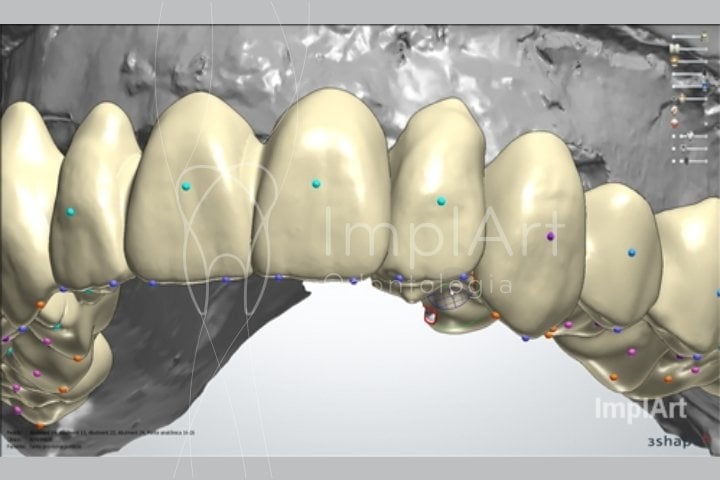
Computerized planning of metal-free prostheses, computerized dental prosthesis
Computerized planning of metal-free prostheses

More advantages of digital technologies and computerized dentures

In addition, other positive points of computerized dental prosthesis technology are: improved aesthetics, high durability, translucency and little chance of gray spots appearing in the gum areas. At ImplArt Odontologia, the entire molding process for metal-free crowns is done by computerized intraoral scanners.

The digital mold is the basis for planning the prosthesis and the crowns are made using 3D tooth printers. All systems are based on the Cad/Cam system. If you have any questions, please contact us or make an appointment.

nucleo intrarradicular

Why is it necessary to place a post and core to make a dental crown?

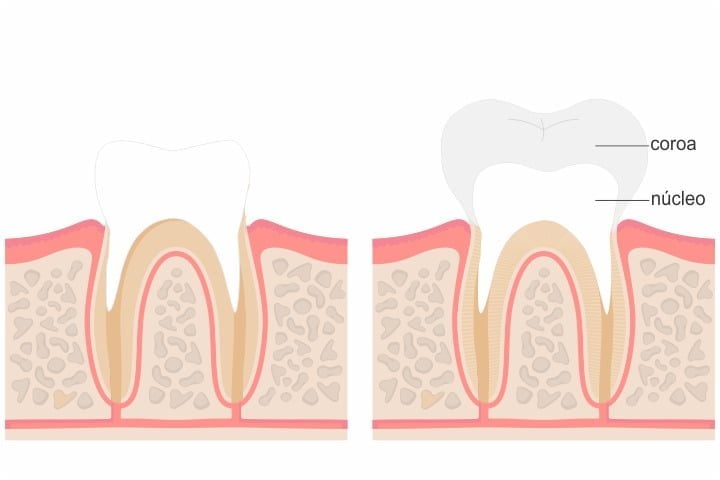
The post and core is an important part for installing a prosthetic crown to replace a tooth that has been badly destroyed, usually as a result of decay or fractures. In cases where it is possible to preserve the root with root canal treatment, the core is installed inside the root to support the prosthetic crown.

The core is the internal reinforcement part of a dental crown

This is an important stage in providing support and strength to the porcelain dental crown. See more about dental core materials. If the crown were installed without a core, the prosthesis would probably not be able to withstand the masticatory effort and consequently its duration would be shorter.

See also this article on our blog which talks a little more about root canal treatment, core and porcelain crown. Today, the reinforcement core (dental post) can be made from various types of materials: from metal to zirconia, fiberglass and carbon fiber.

The choice of material depends on a number of factors, such as the location in the dental arch and the masticatory load that the crown will be subjected to.

The metal core is considered more resistant (especially suitable for the most hidden and used area of the arch), while zirconia is considered more aesthetic because it is white (suitable for the most visible area, i.e. the front of the arch).

The prosthetic crown can be made from two different materials: resin (plastic with a metal core) or porcelain (with a metal or aesthetic core). Porcelain is more resistant and aesthetic than resin.

Learn more about computer-designed crowns.

How treatment is carried out:

  • In some cases, root canal treatment is performed to preserve the root;
  • The root and tooth are prepared to receive the core;
  • When made of metal, the impression is taken directly inside the root;
  • When in zirconia, the post is cemented into the root;
  • A core mold is taken to prepare the prosthetic crown. At ImplArt, this mold can be made conventionally (with putty) or digitally using intraoral scanners;
  • The crown is installed on the core;
  • The duration of the procedure varies, as it depends on the complexity of each case. For some people it can be carried out in a Day Clinic.

Advantages of the technique:

  • The dental crown restores chewing ability as well as the aesthetics of the smile;
  • The appearance of this type of prosthesis is very similar to natural teeth, so it is indistinguishable when fitted;
  • Your smile will be beautiful and complete again, free of unsightly spots such as cavities, metal restorations, absences, etc;
  • The roots are protected and healthy;

Dentures are very durable, but they may need to be replaced after a few years. This need is verified during regular visits to the dentist’s office.

In cases where teeth are weakened and it is no longer possible to rebuild the tooth with a crown, dental implants are recommended. If you have any questions, please make an appointment or contact us. We’ll be happy to help you.

Porcelain crown for implants – Day Clinic

What is a porcelain crown on a dental implant?

The placement of a porcelain implant crown is one of the procedures that ImplArt Odontologia can carry out with the convenience and agility of Day Clinic Dentistry in São Paulo.

A porcelain crown is a type of fixed prosthesis with a shape, color and functionality very close to that of a natural tooth, to be fitted over a dental implant. The dental implant is a titanium pin that replaces the root of a lost tooth and supports the prosthesis.

The porcelain crown on dental implant is certainly capable of restoring a beautiful smile and chewing safety for people who have lost one or more teeth, including the root, for some reason. Because it is made from state-of-the-art materials, the porcelain dental implant crown is highly aesthetic, resistant and durable.

ImplArt Odontologia uses the metal-free technique to make porcelain crowns. The advantage of this technique is that the internal structure of the crown is reinforced with zirconia. It is a white material, therefore free of metals and invisible inside the prosthesis, which gives the prosthesis a much more aesthetic result and no dark spots. These materials are also very resistant.

Translucent zirconia

How is the porcelain implant crown made in the Day Clinic?

At ImplArt, the design of the porcelain implant crown is computerized and executed on 3D printers. The design of crowns is completely personalized for each person, quickly and conveniently. This is thanks to our complete structure, which includes a multi-specialized team and our own digital prosthetics laboratory equipped with computerized systems such as Cerec Sirona and 3Shape.

Some cases in which this treatment can be carried out in a Day Clinic

  • Replacing a lost tooth
  • Improved smile aesthetics
  • Improved chewing and speech
  • If you already have an implant, but would like to change your prosthesis for a better-looking, higher-quality one. Learn more
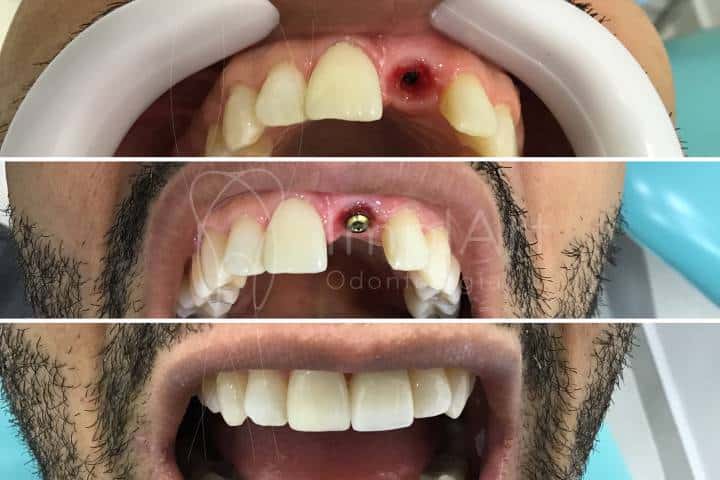
porcelain crown for single implant to replace a missing tooth

Oral rehabilitation with crowns usually takes a few weeks, but the structure of ImplArt Odontologia allows this time to be considerably reduced with a Day Clinic service plan.

Get to know the ImplArt Clinic

We are located in one of the most privileged areas of São Paulo in the Bela Vista neighborhood, close to Avenida Paulista. Today, we have experience close to thousands of implants installed, thousands of dental prostheses, hundreds of cosmetic dentistry cases solved and thousands of satisfied patients. These certifications certainly enable us to deal with the most difficult cases in dental aesthetics, oral rehabilitation, orthodontics and dental implants. Digital dentistry is the highlight of the ImplArt dental clinic.

Then contact us and make an appointment to see if your case could benefit from this Day Clinic technique.

Dental contact lenses – Day Clinic

The application of dental contact lenses is a modern technique that primarily serves to correct aesthetic problems in the teeth, making them more beautiful and uniform. This is one of the dental aesthetic procedures that the ImplArt dental clinic can carry out with more agility in Day Clinic service for patients who come from other states or even abroad.

What are dental contact lenses?

Dental contact lenses are very thin sheets of porcelain (only 0.2 mm thick) used to correct certain aesthetic problems with the teeth, such as stains, chips, exaggerated gaps between teeth (diastemas), very short teeth, asymmetrical teeth, among others.Dental contact lenses are therefore custom-designed on a computer and manufactured on 3D printers. They are made from computerized Emax porcelain, which is why they can be called Porcelain Lenses.

Porcelain is a biosecure material with visual characteristics very similar to natural teeth. Ultra-thin dental contact lenses are different from ordinary veneers, as they require less or no wear on the teeth to be applied. Other advantages of contact lenses at Day Clinic:

  • Completely painless procedure
  • Possibility of changing the shape, size and color of teeth
  • Preserves tooth structure
  • The lenses do not cause any discomfort to the chewing function
  • Long durability
  • There is no color change in porcelain over the years
  • Incredibly natural and harmonious result
  • Computerized planning allows for more precise, personalized and faster treatment.
Translucent zirconia

How are dental contact lenses applied at the Day Clinic?

  • 1 – ImplArt’s specialized professional takes a digital mold of the teeth using intraoral scanners.
  • 2 – The result is then digitally simulated using software so that it can be presented to and approved by the patient;
  • 3 – The approved model is then sent to the laboratory to have the ultra-thin, highly durable porcelain dental contact lens made. The lens is made using 3D printers, which guarantee the quality of the work;
  • 4 – The dentist glues the dental contact lens with specific adhesive material to the front of the previously prepared tooth.

The Day Clinic service is a great option for people who want or need to solve aesthetic problems with their teeth in just a few days, such as during a quick trip to São Paulo or due to the proximity of an important event.

In less complex cases, the ImplArt dental clinic applies dental contact lenses with all the convenience of Day Clinic planning. Normally, this whole process takes between 7 and 30 days, but with ImplArt’s Day Clinic planning, this time can be reduced. The application of this technique, as well as the shortened time frame, depends on a clinical analysis to verify feasibility and ensure a good indication.

Make an appointment to see if you could benefit from this technique or if you have any questions, please contact us.