Tag: cerec

Computerized metal-free porcelain crown

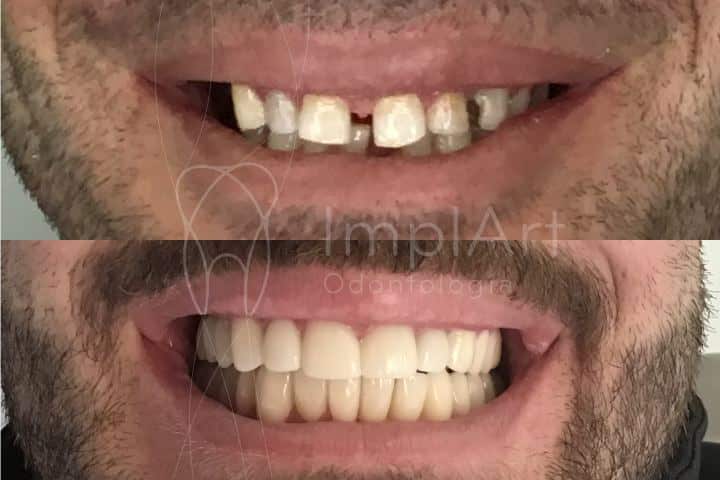
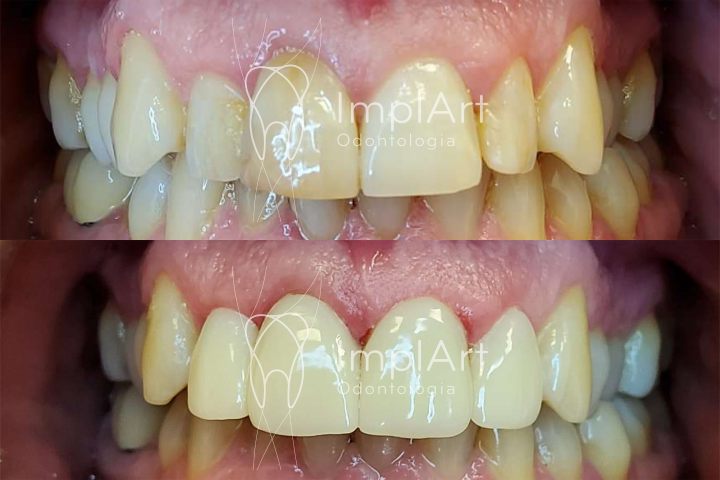
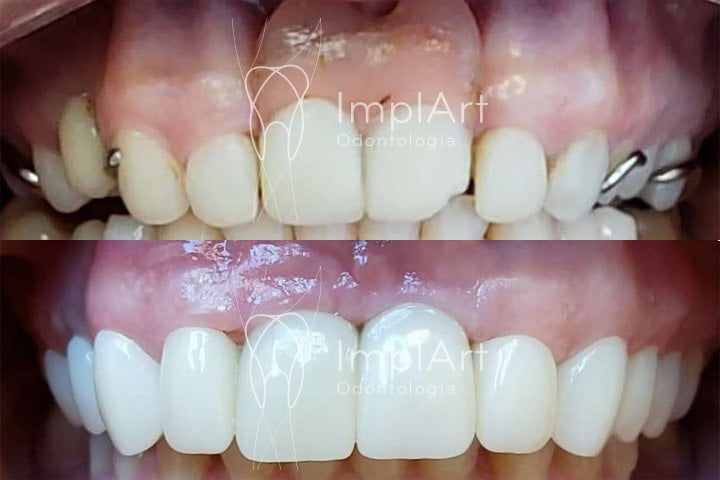
The metal-free porcelain crown provides aesthetics combined with strength and durability

What is a porcelain crown?

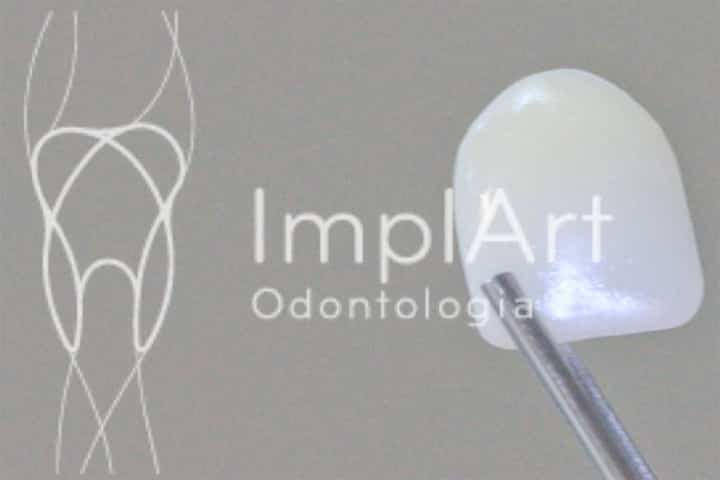
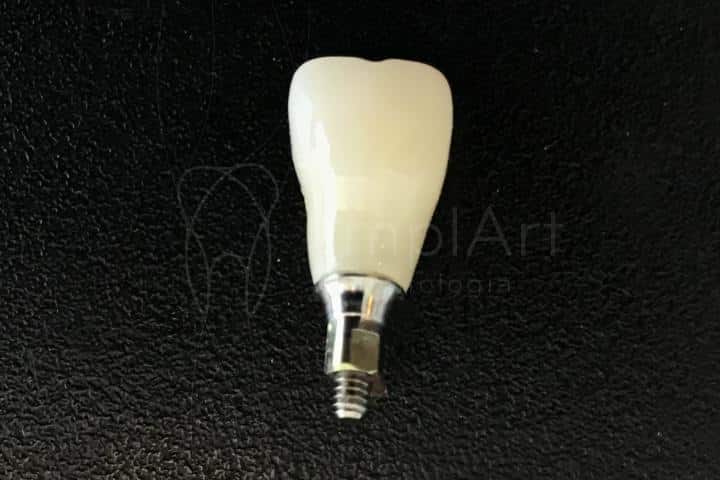
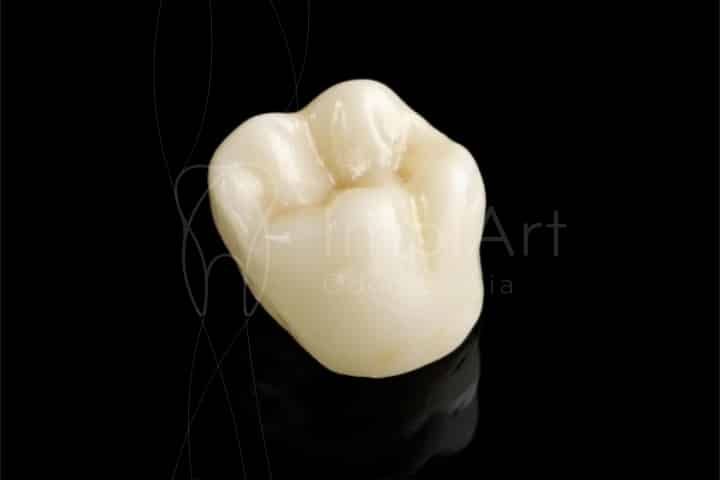
A porcelain crown is an artificial tooth – a dental prosthesis – that resembles in form and function a natural tooth that has been damaged. Porcelain crowns can also be grouped together to make fixed bridges or fixed porcelain prostheses. Here at the ImplArt Dental Clinic in Brazil, we make metal-free crowns using completely computerized systems. We therefore offer our patients the most modern systems and the most advanced results.

What is dental porcelain?

Porcelain is a material that resembles glass and is used to reconstruct teeth. It has a natural color and high resistance. It is also called dental ceramic.

Types and materials of porcelain crowns

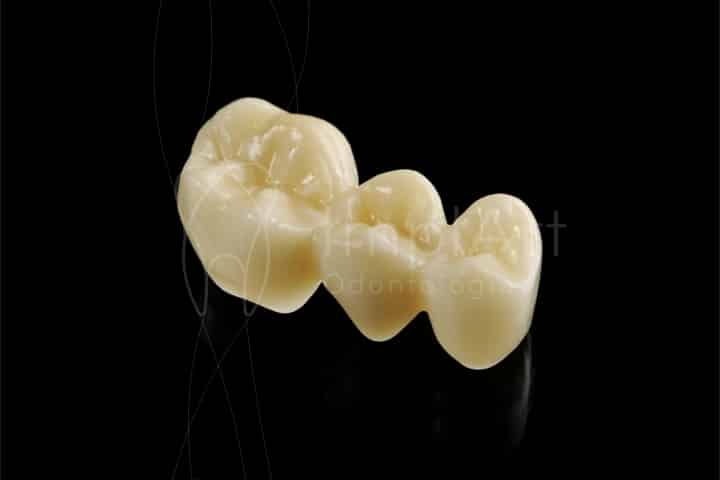
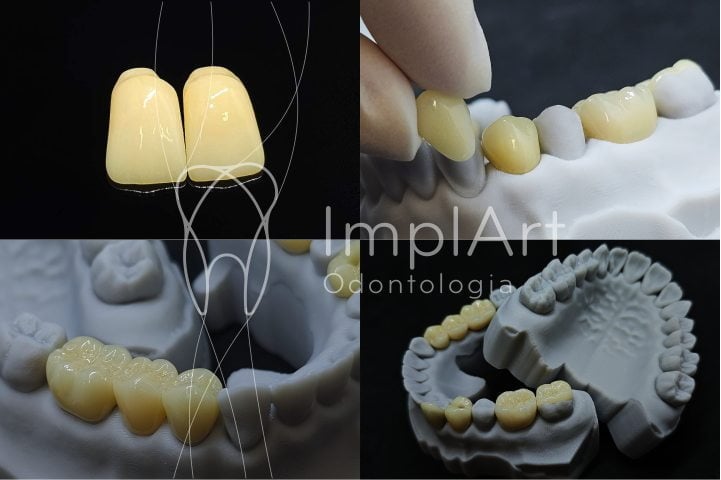
In short, there are different types of materials used to make porcelain crowns: the older materials use metal and the more modern ones are metal-free. Porcelain crowns with metal internal structures are called metal-ceramic and crowns with a white structure such as zirconia are called metal-free.

There are also crowns that do not use internal structures and are made using computerized methods. In addition, covering a destroyed natural tooth with a ceramic crown is essential for oral health, as it will restore the patient’s chewing ability and even allow them to eat hard foods.

The advantage of the metal-free porcelain crown is that it is more aesthetic, since pure porcelain is a white material. As a result, the structure is not visible inside the crown even in brightly lit environments. The new generations of porcelain crowns are made using cad/cam methods according to computerized designs and don’t even require layers of internal reinforcement like metal and zirconia. They are made from a single (monolithic) material. These are digital, metal-free porcelain crowns whose main advantages are aesthetics and speed of production.
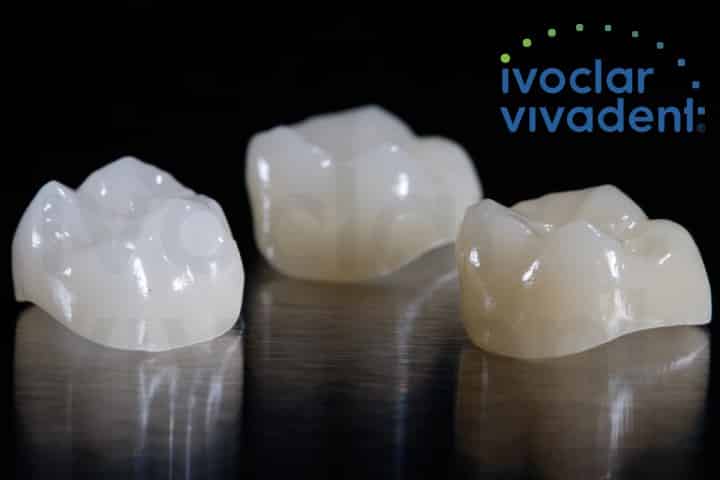
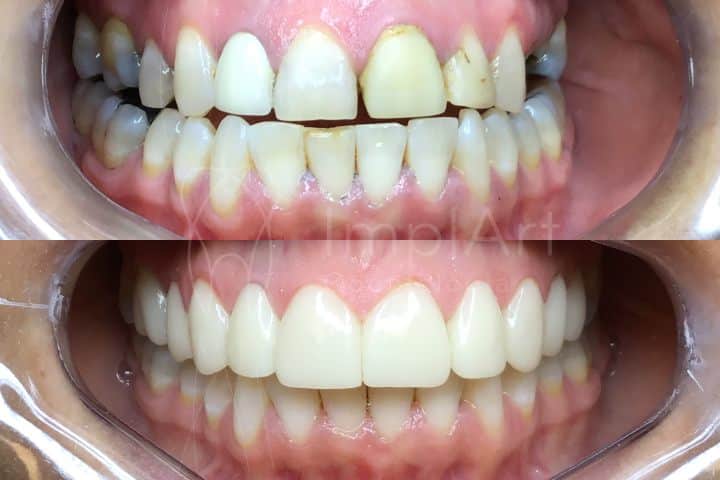
Translucent zirconia

Another innovative material for making a new porcelain crown is translucent zirconia, a material that is up to 10 x stronger than ordinary porcelain crowns. For this reason, they are highly recommended for the oral rehabilitation of back teeth and in patients with bruxism. Oral rehabilitation with crowns can be carried out on implants, on roots with root canal treatment and on natural teeth without root canal treatment.
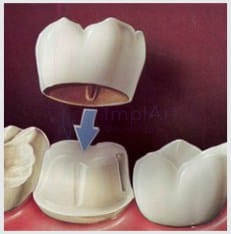
Porcelain crown

Fitting dental crowns requires preparation (tooth wear) so that the crown fits correctly. The main digital technique we use is Cerec 3D, an intraoral molding system with scanners and robotic tooth production.

Before a permanent prosthesis is made, we will make a temporary prosthesis so that you don’t lose your tooth. After the rehabilitation treatment, you will be able to lead a normal life, eat hard food and clean your teeth every day with a toothbrush and dental floss. The ImplArt Clinic specializes in dental prostheses and can offer you a porcelain crown with state-of-the-art technology.

Porcelain crown: advantages and indications

Porcelain crowns are fixed dental prostheses that mimic the shape and appearance of natural teeth. When a tooth is badly damaged, it may be necessary to have root canal treatment and a porcelain crown. By Dr. Roberto Markarian, graduated dentist and specialist in dental prostheses and dental implants in São Paulo, Brazil.

What is dental porcelain?

Choosing the ideal dental prosthesis can lead to confusion when faced with a number of options. Fixed dental prostheses must meet both functional and aesthetic needs. These are the main objectives that determine the choice of the ideal material. Before choosing the material, it is first necessary to understand the differences between the types of porcelain dental crowns. The main one is the reinforcement technique, which is the part required for masticatory efforts. Understand the differences better:

Metal-ceramic crown

The porcelain dental crown is built on a metal structure. It is durable and aesthetic, and can be used on both anterior and posterior teeth. However, in some cases, it may not achieve the best aesthetic result on anterior teeth, because the dark metal inside the prosthesis can leave the crown looking darkened when subjected to intense lighting.

Porcelain crown with metal-free zirconia

This is a porcelain crown mounted on a white zirconia structure, which is therefore metal-free. It is highly durable and has excellent aesthetic results, as the white zirconia of the internal structure leaves the crown with a natural appearance very similar to the natural tooth. The porcelain crown with zirconia can also be fixed on dental implants and is completely computer-engineered and made on a 3D tooth printer. It is also an indication for people with metal allergies.

Pure porcelain crown

It has excellent aesthetic results and great resistance. The material used is lithium disilicate or feldspathic ceramic. Because this ceramic is very translucent, it is not normally suitable for use on darkened teeth or on metal posts.
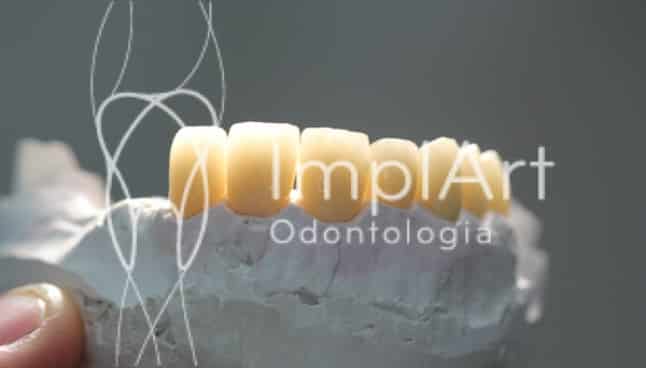
porcelain crown
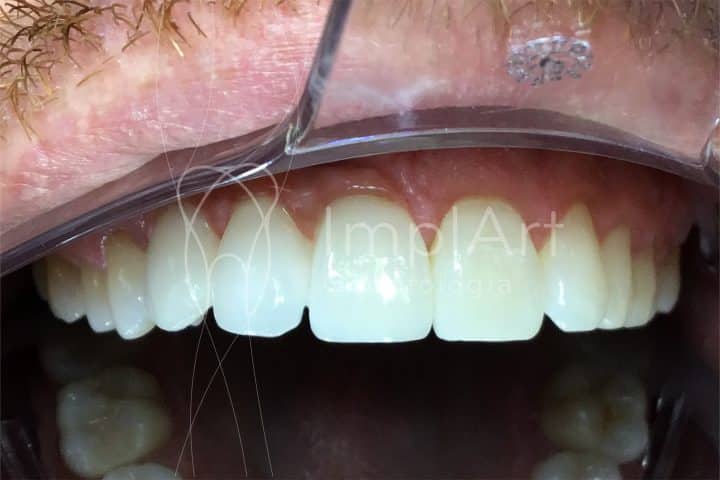
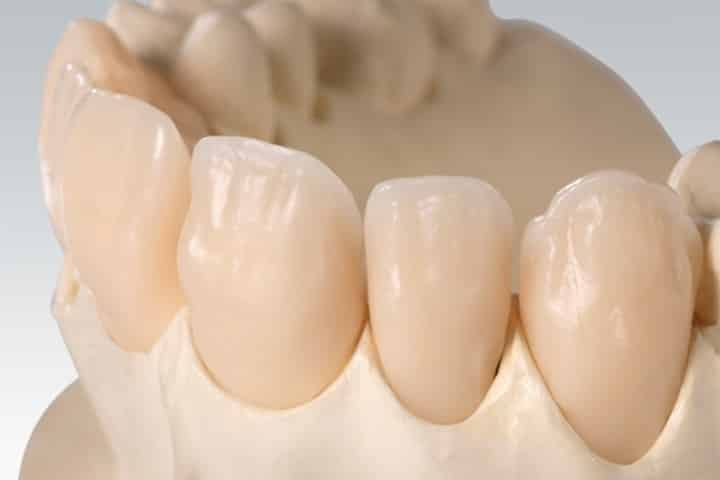
Porcelain crown for natural teeth with excellent anatomy and aesthetics

How much does a porcelain crown cost?

Treatment prices can only be given after a face-to-face dental consultation. This is because the patient needs to be thoroughly assessed so that our team can understand their functional and aesthetic needs. Only then can we recommend the most appropriate treatment. In many cases, our team will offer a number of treatment options and respective outcome expectations, and the patient is free to choose.

Porcelain crowns can be made quickly in our clinic using our Day Clinic method for porcelain crowns. At the end of the porcelain crown treatment, it is important to maintain good oral hygiene by flossing daily and brushing regularly.

If you are far away, it is possible to have an online consultation, also known as a teleconsultation. This preliminary consultation takes place with our clinical director, Dr. Roberto Markarian, who will be able to make a preliminary assessment of your case and make recommendations for your treatment. This also applies to those who need dental implants, as we can plan your dental implant surgery remotely.

Read more about dental crowns

Prosthetics and restorations in one day with Cerec

The state-of-the-art Cerec 3D system means that, in some cases, prostheses and dental restorations can be designed and made in just one day. This speed is only possible because of the Cerec 3D system with German technology.

Technology at the service of dentistry to make prostheses and restorations quickly

It has a machining unit (its own prosthetic laboratory) that sculpts the shape of the prosthesis in a ceramic block, according to the digital design previously made on a computer using CAD/CAM technology.

The prostheses designed and sculpted by the Cerec 3D System fit perfectly and are in harmony with each patient’s needs. The prostheses that can be made in one day at Cerec 3D:

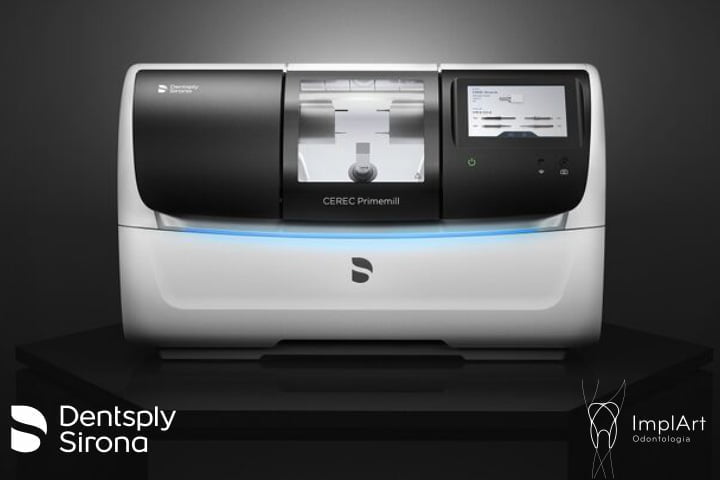
New at ImplArt: Cerec Primemill milling machine

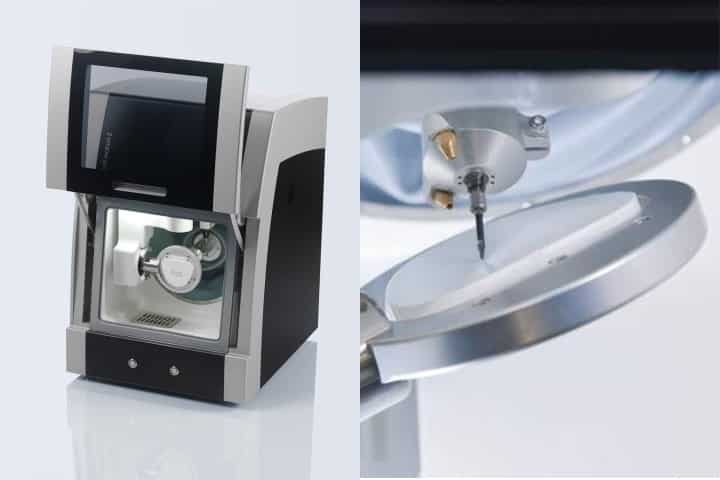
The Cerec Primemill milling machine is the most up-to-date version of the Cerec Sirona system for producing crowns, bridges, dental lenses and aesthetic restorations. This advanced German technology allows us to carry out diverse prosthetic work in porcelain with even greater precision and richness of detail.

This new version has functions for faster and more accurate production, allowing us to increasingly deal with various cases in Day Clinic – intensive treatment.

Although we have the Cerec 3D system in our clinic, prostheses and restorations can only be made in one day in the most urgent cases, because they always need to be designed on a computer.

To find out if your case could benefit from this technique, please contact us. We’ll be happy to help you! Get to know ImplArt and its complete structure.

Get to know Implart’s dental 3d printers

It is well known that 3D printers have great versatility for making various objects. The good news is that 3D printing is now a reality in dentistry and is increasingly transforming the way treatments are carried out.

The 3D printing solution has been brought to dentistry to make aesthetic, fast and precise prostheses and restorations

ImplArt Odontologia is equipped with two of the most modern dental 3D printers: the Cerec System from the German company Sirona and the Ceramil Motion 2 milling machine from the Austrian company AmannGirrbach.

Both companies are world references in research and development of solutions in the area of Digital Dentistry.

Cerec Sirona System and 3Shape Trios

They are Cad/Cam systems capable of building various types of parts, for example prostheses, bridges, highly aesthetic crowns, dental restorations, ultra-thin dental contact lenses. They work in three main phases:

Porcelain crown

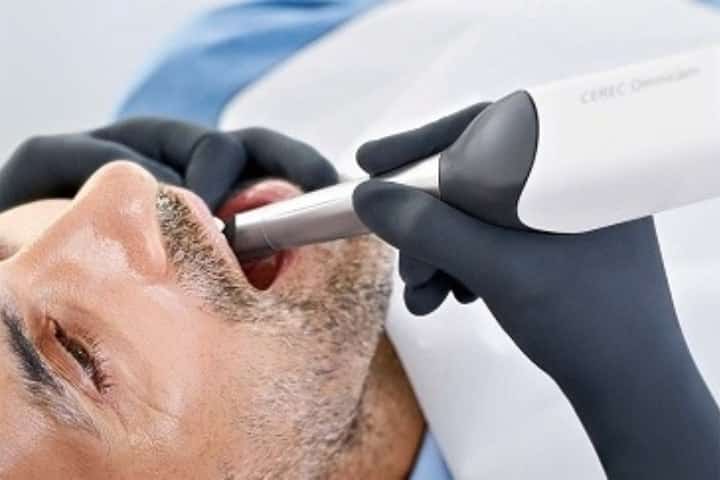
1 – Intraoral scanner: a high-precision camera that captures images of the inside of the patient’s mouth. It takes a digital impression, thus eliminating the need to use putty. We use two of the main intraoral scanners on the market, the Omnicam and the Trios 3Shape.

Porcelain crown

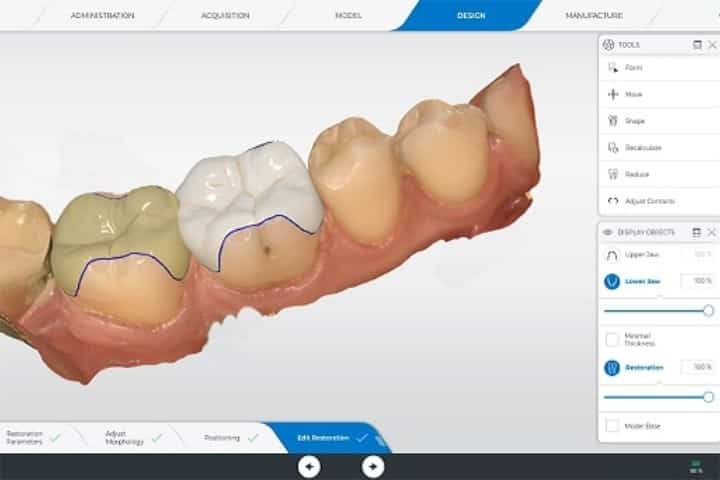
2 – Computer: we carry out planning with two of the main systems, Cerec 3D and 3Shape Dental System. The images captured by the intraoral scanner are used to design and simulate three-dimensional prosthetic pieces with shapes and shades according to each patient’s needs.

3 – 3D printers: a milling unit with a robot that sculpts the prosthetic part out of a rough ceramic block. The part is then taken to a kiln for the ceramic sintering process to give it strength.

ImplArt has the most up-to-date version ofthe Cerec system milling machine, the German Cerec Primemill 3D tooth printer. This milling machine has functions for faster production, which in many cases allows us to carry out your treatment in a Day Clinic. Primemill also makes crowns, bridges, dental lenses and restorations with a more refined finish and greater detail.

Versatility of 3D printers: the prostheses that can be made with the Cerec system are crowns, bridges, copings, onlays, inlays, dental contact lenses as well as copies of old restorations. Watch a video of the system in operation by clicking here.

dental 3D printer

Ceramill Motion 2 milling machine

It uses Cad/Cam technology to digitally produce dental prostheses in different materials such as zirconia, wax, metal alloy, resin, glass-ceramic and lithium disilicate. It has exclusive software for projecting and simulating prostheses.

Once the design is finalized, the system then sends the command to the milling unit to make the part.

The milling unit has robotic arms that carve the prosthetic part dry or irrigated.

Versatility: the prostheses that can be made on the Ceramill Motion 2 milling machine are crowns, frameworks for dental prostheses, crowns, bridges, inlays, onlays, dental contact lenses, individual abutments and telescopic crowns.

Porcelain crown

UltraCraft ChairSide Pro

The UltraCraft ChairSide Pro 3D printer has been designed to meet the production needs of dental applications with quality, high precision and speed, including being a resource for your dental day clinic treatment. Due to the digitalized workflow, UltraCraft helps the dynamics of the ImplArt dental laboratory and clinic, and above all generates satisfaction for our patients.

The use of scans creates more precise and durable crowns in a faster process than other production methods. In this sense, the UltraCraft 3D printer has further strengthened the ImplArt Dental Clinic‘s digital laboratory.

Porcelain crown
Get to know Implart's dental 3d printers

A digital project is drawn up to personalize the smile, designing all the technical and aesthetic improvements to the smile. Sites are planned for dental implants and prostheses, which can be single crowns, protocol prostheses or fixed prostheses. Dental contact lenses can also be planned.

Anycubic 3D printers

This is the Anycubic Photon 3D printer for printing teeth and various jobs in our in-house prosthetics laboratory. Some of the jobs that can be carried out on this dental 3D printer include:

  • Myorelaxing plates – mainly used to treat bruxism. Their purpose is to reduce the intensity, strength and frequency of muscle tension when clenching or grinding teeth. It also protects the teeth from wear and fractures.
  • Printing resin dental models similar to plaster models
  • Artificial gum simulation and prototypes
  • Study model prints
  • 3D printing biocompatible teeth for provisionals
  • Printing surgical guides for use in guided dental implant surgery
  • 3D models for later casting
  • Orthodontic aligners

Digital prosthetics laboratory at ImplArt Odontologia

The combination of up-to-date and competent staff and state-of-the-art equipment means that Clínica ImplArt’s prosthetics laboratory is in line with the latest and most advanced developments in dentistry.

Dentures are the best way to make your smile beautiful and complete. If you have any questions or would like more information, please contact us or make an appointment. We’ll be happy to help you.

Digital dental laboratory within the ImplArt Clinic

The ImplArt dental clinic has its own digital prosthetics laboratory integrated with the office and the dental clinic. This is a way of offering our patients faster dental treatments and increasingly precise prostheses for every need.

In addition, Clinica dentaria ImplArt ‘s laboratory has the most modern equipment to offer the highest quality dental prostheses.

Why do we have our own dental laboratory?

After several years of suffering from the services of outsourced prosthetic laboratories, such as lack of punctuality, poor aesthetics and inadequate materials, we decided to set up a dedicated team and acquire our own equipment.

Since 2012, all our work can be carried out more quickly in our prosthetics laboratory, which is staffed by a specialized team and state-of-the-art systems within the clinic.

We were the first dental clinic in São Paulo and certainly one of the first in Brazil to offer these technologies.

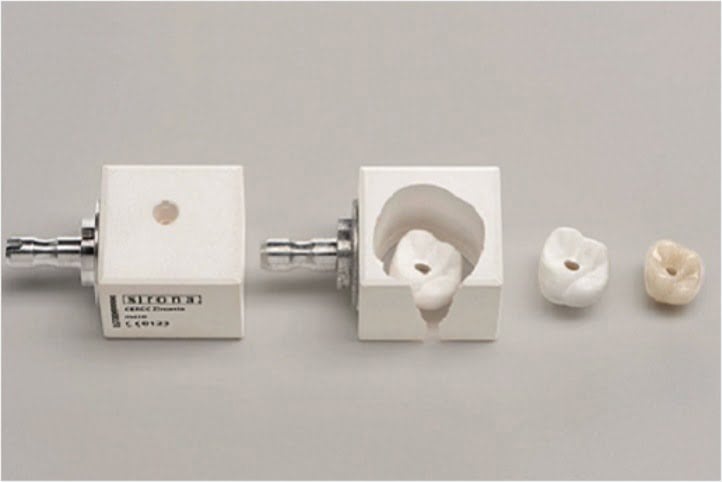
The Cerec System works similarly to a 3D printer, which sculpts various types of dental crowns and prostheses out of a rough block of porcelain based on computerized designs customized for each patient.

The integration between laboratory and clinic certainly makes it possible to carry out much faster and more accurate work. Find out more by clicking here.

All the systems are based on the Cad/Cam system, in which the model is scanned by contact readers or by laser beams. All the information collected by the computer is sent over the internet.

In this way, the copings are produced individually by robots (3d tooth printers). Our dental laboratory can carry out a range of high quality procedures such as:

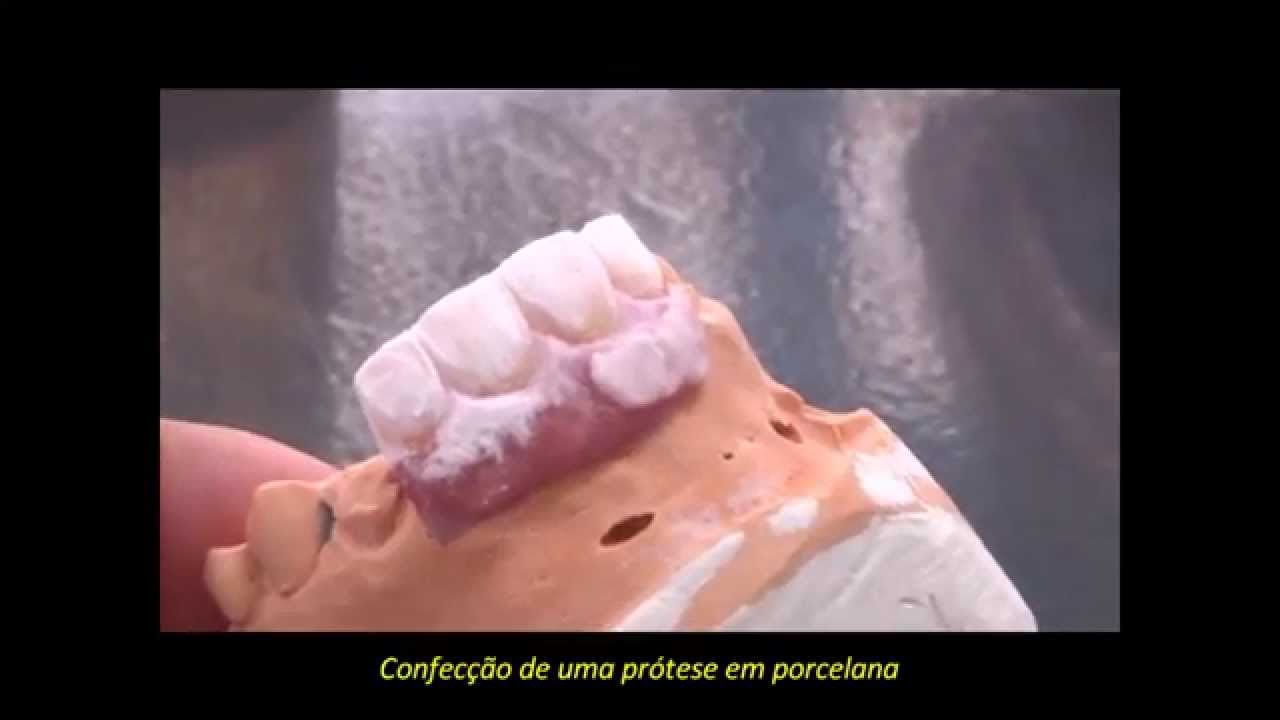
Watch the video below and learn a little about how Clinica Dentaria ImplArt‘s in-house dental laboratory works.

Laboratório de Prótese Dentária Dentro da Clínica ImplArt em São Paulo

If you have any questions about dental prostheses, please contact us or book an appointment with our specialized team right now. We’d be delighted to hear from you!

3D CAD/CAM dental crown – automated digital prosthesis in São Paulo

Cerec 3D is a Cad/Cam system for designing and making crowns, different types of aesthetic restorations and dental lenses more quickly and accurately. ImplArt Dental Clinic Brazil has the most up-to-date version of this system, Cerec Primemill. This computerized system can be used for porcelain crowns on remaining roots, or even as a fixed prosthesis on a dental implant.
Dental implants combined with this modern technique for making dental crowns allow patients to be rehabilitated quickly. The Straumann ceramic dental implant is the most modern and allows for metal-free treatment. The Swiss Slactive implant is the fastest healing.

Cerec System: the evolution of dental prostheses

Digital color impression and computerized teeth with the Cerec 3D system in São Paulo. This German technology consists of a color intraoral scanner, processing software and a machining unit that works like a 3D tooth printer.

How does Cerec 3D works?

The Cerec 3D system uses Cad/Cam technology, consisting of a camera, a computer and a machining machine. First, the Cerec 3D system takes digital images of your teeth using a specialized high-precision color camera (intraoral scanner).

Cerec 3D dental crown

The computer then uses these images to design a customized restoration, matching the fit and shape of the surrounding natural teeth.

onlay planning in cerec 3D dental crown 3D

Finally, the 3D printer produces the restoration or crown using robotic arms that mill a rough block of dental ceramic until it acquires the shape of the project. ImplArt is always striving to keep up to date with the latest technologies in digital dentistry. That’s why it now has the most up-to-date 3D printing version of the Cerec system, the Cerec Primemill milling machine.

The crown is then installed on the dental implant or bonded onto the prepared natural tooth.

Porcelain crown
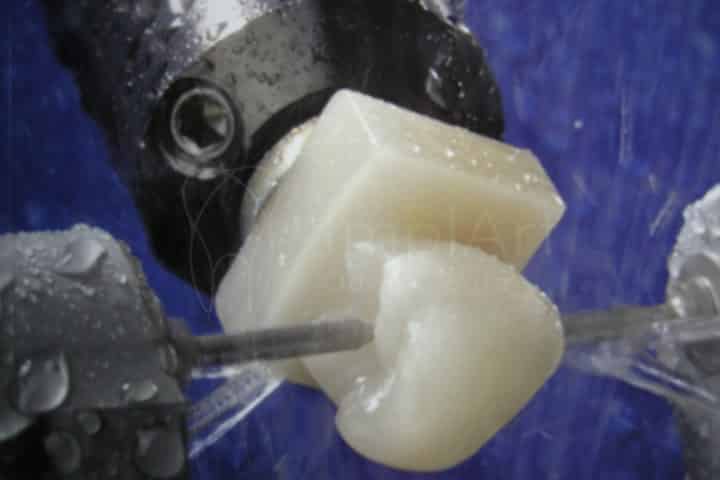
Rough block milling to finished crown

Treatments that can be carried out with Cerec 3D technology in São Paulo:

What are the advantages of Cerec 3D?

Dental restorations with Cerec 3D are not only convenient, but also healthy. Until recently, dentists had little choice of materials, such as metal-ceramic crowns (with metal), amalgam, and resins.

As well as being dark and presenting aesthetic problems, these materials are time-consuming and inaccurate to make because they depend on manual labor and external prosthetic laboratories. With Cerec 3D, we can use strong ceramic materials to restore teeth with beauty and functionality.

  • There’s no need to remove molds with putty, as it does digital color molding
  • Tooth-colored restorations – porcelain does not contain metals or dark, unsightly materials
  • The materials are highly aesthetic, resistant and biocompatible(such as dental zirconia)
  • Perfect fit of teeth prevents residue build-up
  • In some cases there is no need to use temporary teeth
  • In favorable cases, crowns can be installed in a few hours by Day Clinic ImplArt
  • Less use of anesthesia
  • Fewer visits to the dentist
  • Predicts results before execution

With the Cerec system, it is also possible to make an identical copy of the shape of a prosthesis that the patient is already used to, but which needs to be replaced because it was made with an inferior material or is fractured. Find out more about this technology at ImplArt Odontologia. Make an appointment or if you have any questions, please contact us. We’ll be happy to help you.

Pure porcelain Emax crown for highly aesthetic implants

Contemporary dentistry continually seeks solutions that combine the highest functional performance with unparalleled aesthetics, especially in dental implant rehabilitations. In this context, Pure Emax crowns emerge as the material of choice for cases demanding maximum naturalness and seamless integration with the patient’s smile.

Unlike other materials, Pure Emax, a type of lithium disilicate, offers a translucency and opalescence that perfectly mimic natural tooth structure, making it the ideal choice for crowns over implants in highly aesthetic areas. It’s important to highlight that these cutting-edge solutions are crafted in Brazil, reflecting our Clinic’s commitment to excellence in dental technology and artistry. Discover how this advanced technology, with its roots in Brazil, is revolutionizing dentistry, providing results that exceed expectations and restore confidence and beauty to smiles.

The digital all-porcelain crown is a highly efficient ceramic system used to make prosthetic crowns for dental implants.

What are digital pure porcelain crowns made of?

Lithium disilicate ceramics have aesthetic and resistance properties comparable to natural teeth. They are the best and most technologically advanced materials for achieving aesthetic teeth because they are white and translucent, which makes the crown look natural even in the brightest of environments.

e.max ceramic was developed for use in Digital Dentistry Systems, with a 3D printer that sculpts dental prostheses. With this system, the all-porcelain crown can be made quickly, with more strength and naturalness than other materials made by hand.

pure porcelain crown
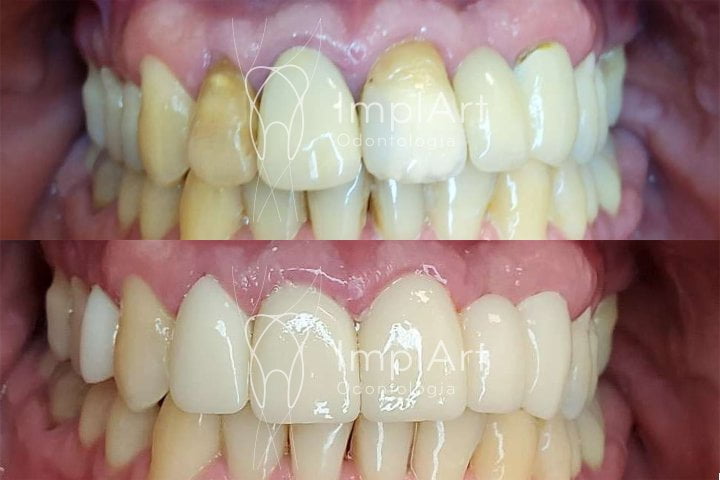
Cemented pure porcelain crown indicated for cases with a greater need for aesthetics

What is the best material for pure porcelain digital prostheses?

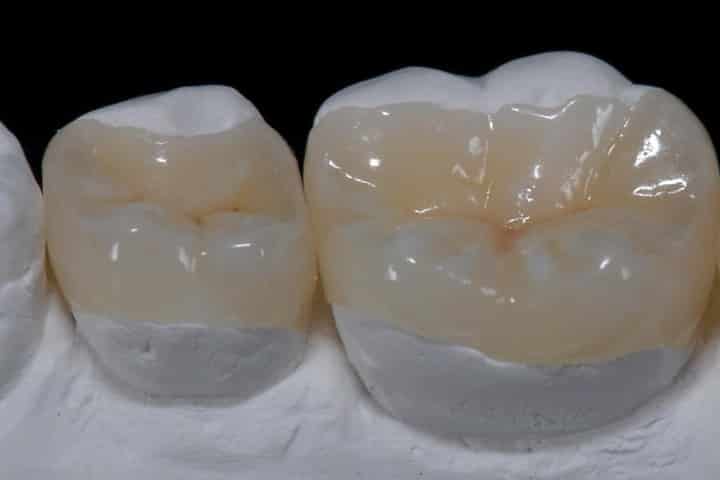
The digital porcelain crown is made as a monoblock, i.e. it has no internal reinforcement layers, as the computer will create the crown from a prefabricated block of dental porcelain.

Porcelain crown
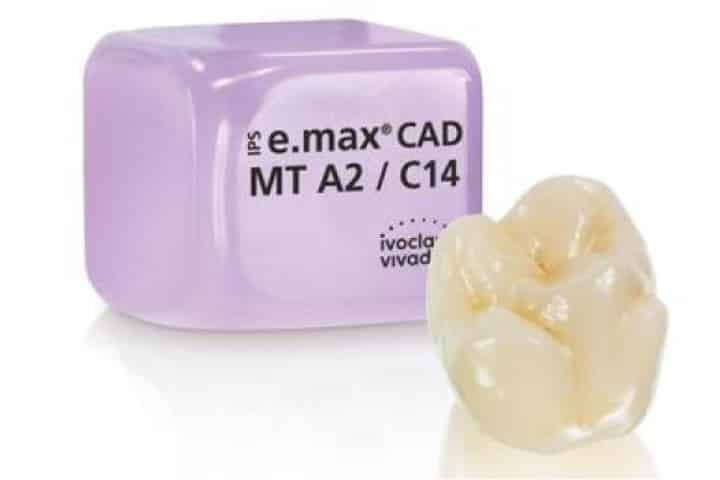
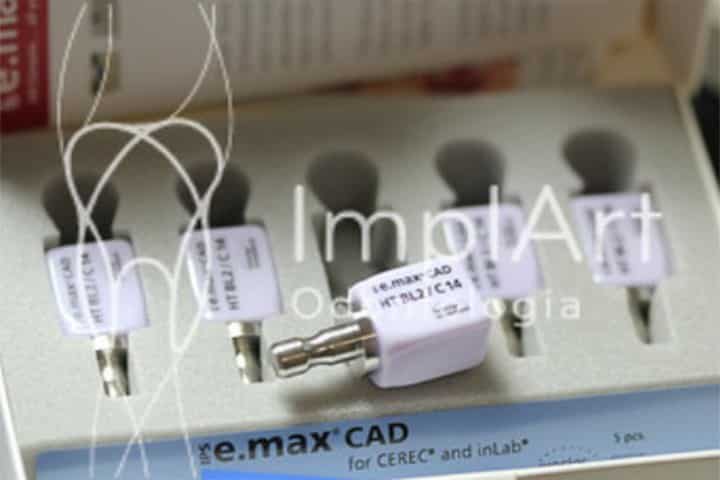
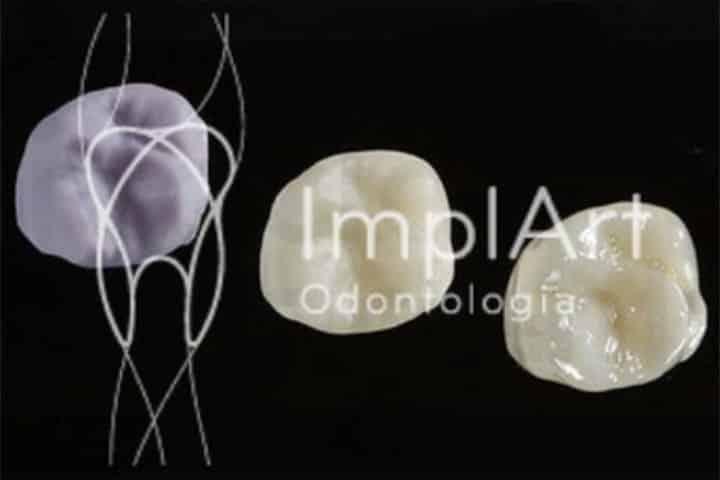
Example of raw material blocks for computerized dental porcelain EMAX CAD
Porcelain crown

The Pura Digital porcelain crown is an evolution in the materials used in dental prostheses. With it, it is possible to reproduce details that make the prosthesis similar to natural teeth. With the Cerec System, the e.max crown is made more quickly and precisely, because it is designed on a computer and sculpted by robots.

The main advantages of modern porcelain crowns:

  • High resistance todental fracture and durability;
  • Very aesthetic look, comparable to a natural tooth;
  • Range of blocks with different colors and types of resistance for different uses;
  • Stain-resistant material;
  • It can be made using the Metal Free technique (no metal in the internal structure). This makes the crown look translucent and much more aesthetic in bright environments.
  • It can be designed and built quickly thanks to the Cerec system.
Porcelain crown

To make digitalpure porcelain crowns , we use CAD/CAM techniques:

1 – Intraoral scanner: It all starts with the digital molding of the dental implant with a high-precision color camera that takes images of the oral interior and sends them to the computer.

2 – Computer and software: receives the information captured by the intraoral scanner and carries out the simulation and personalized planning of the dental crown using three-dimensional images.

3 – Machine manufacturing: robots mill the e.max ceramic block based on the computerized design until the shape of the crown is achieved. The result is certainly a piece that is strictly compatible with the patient’s needs.

Porcelain crown
Pure porcelain crown for natural teeth

It is common for a temporary crown to be made before finalizing the permanent tooth to test whether the computer modeling is correct. Immediately after milling, the piece undergoes a crystallization process at approximately 850°C for 20 to 30 minutes and acquires high resistance, shade and translucency.

When the crown is finished, it is attached to the previously installed dental implant. For your convenience, the Cerec System and e.max ceramics are available at ImplArt Dental Clinic in Brazil. As an alternative to the pure porcelain crown, we now have an even more resistant material, translucent pure zirconia.

If you have any questions about this or other techniques and prices, please make an appointment or contact us. We are located in the Paulista Avenue area/Downtown of São Paulo. We will be happy to assist you.


Cerec 3D – Emax Cad crowns

Emax Cad crowns are prostheses used in oral rehabilitation and dental restoration to cover, protect and strengthen teeth that have been extensively damaged by decay or root canal treatment.

Ceramic crowns in Emax Cad

Developed by the German company Ivoclar, the technical name of the Emax material is lithium disilicate and it has the ability to offer high aesthetics and high resistance.

Porcelain crown
Raw material blocks for Emax CAD computerized dental porcelain

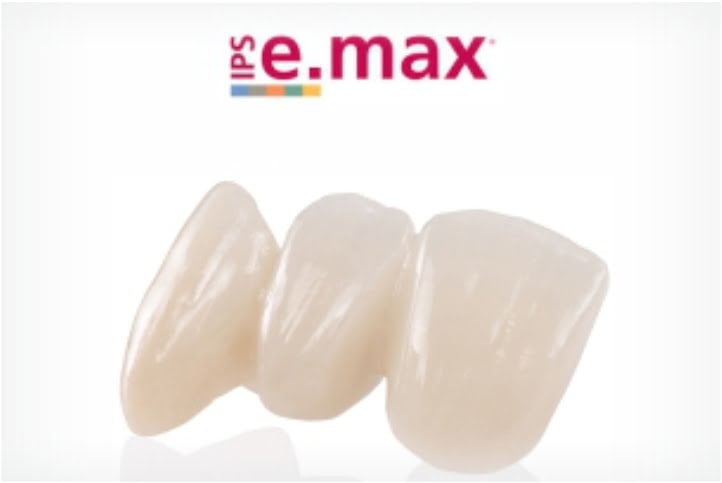
Dissilicate porcelain is classified as a glass porcelain, or glass-ceramic, with diverse applications for dental prostheses on teeth and implants, contact lenses, porcelain blocks, individual crowns on structure. In other words, these are applications for single teeth or up to 3 teeth. For larger dental prostheses, we use other types of dental porcelain, such as translucent dental zirconia.

emax cerec implart crowns
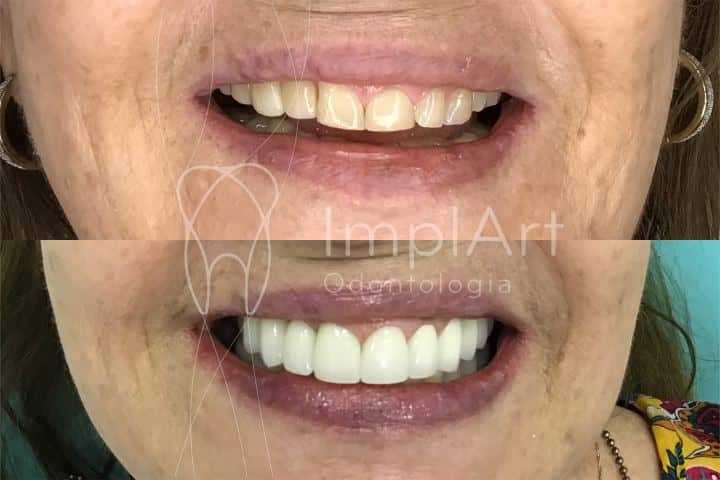
Digital emax crowns guarantee the best aesthetic results

EMAX crown applications

Dental crowns can also be placed on dental implants to replace missing teeth. They can be made from different materials such as temporary resins, but the main one is Emax Cad ceramic. What are the main advantages of the Emax Cad crown?

  • High resistance and durability;
  • Very aesthetic look, similar to a natural tooth;
  • Range of blocks with different colors and types of resistance for different uses;
  • Minimally invasive restorations;
  • It can be made using the metal-free technique (no metal in the internal structure). This makes the crown look translucent and much more aesthetic in bright environments.
emax crowns
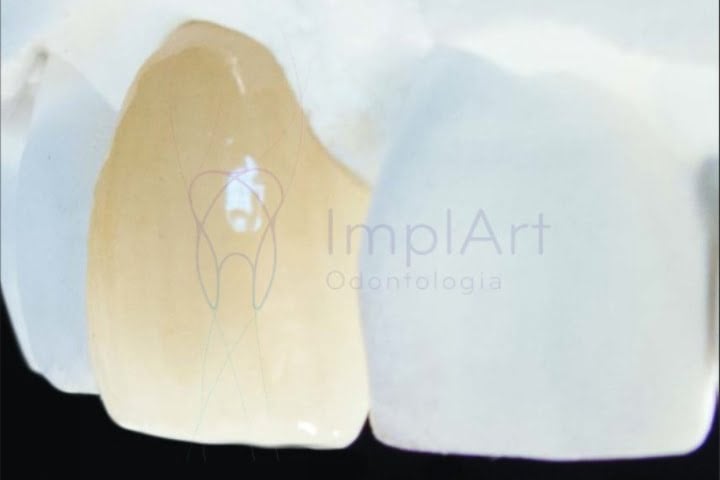
The digital emax crown is milled by robotic machines in the blue phase, when the material is still soft. The material is then crystallized at over 700 degrees to achieve the final color. On the right, it has received the final polish that guarantees the smoothness of the structure and final pigmentation (even in black light environments).

Emax porcelain crowns in digital dentistry – how are they made?

ImplArt Odontologia is equipped with the modern Cerec 3D system with CAD/CAM technology, which simulates and digitally plans the treatment right through to making the Emax Cad ceramic crowns. The system is complete and consists of three units:

Porcelain crown
ImplArt has the most up-to-date version of the Cerec system milling machine. This German technology allows us to produce metal-free crowns, restorations and dental lenses much faster and with greater detail.
emax ceramic crowns 3d printer
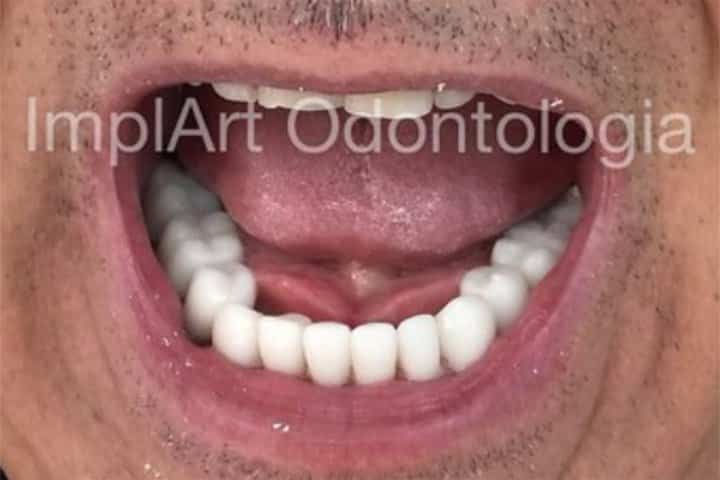
Complete oral rehabilitation of the lower arch using emax computerized porcelain

Read more: After a dental implant, can I place the tooth on the same day?

When the milling is complete, the piece undergoes a sintering process at approximately 850°C and acquires high strength, shade and translucency. The CEREC 3D system certainly speeds up treatment, even allowing it to be carried out and finalized in Day Clinic planning.

With it, it is possible to make crowns and restorations that are very precise and customized to the needs of each case. Contact us and make an appointment to find out if your case could benefit from this technique.

We’ll be happy to solve your problem in our specialized clinic. We also offer translucent zirconia crowns, a new type of dental porcelain that is even more resistant than Emax.