Tag: contato

Computerized dental aesthetics – Digital Pre-treatment planning

Computerized dental aesthetics uses computerized programs for digital smile planning that have certainly helped dentistry. They are used to plan and simulate various dental treatments, including implants, dental contact lenses and fixed prostheses. They make it possible to design completely personalized treatments.

Predictable results with digital dental treatment planning

As a result, they increase the patient’s understanding of the stages of their treatment, thus aligning expectations with the proposed treatment, and above all allow the dentist to have greater predictability of results.

With computerized dental treatment planning, the dentist can design crowns, restorations, aesthetic treatments, dental contact lenses as well as plan the placement of dental implants.

The purpose of digital smile planning is to create a personalized treatment, seeking the harmony of the smile, as well as avoiding unnecessary procedures and consequently making treatment faster, more comfortable and more accurate.

Now, with the latest Cerec Primemill milling machine, the results are even more precise and more detailed.
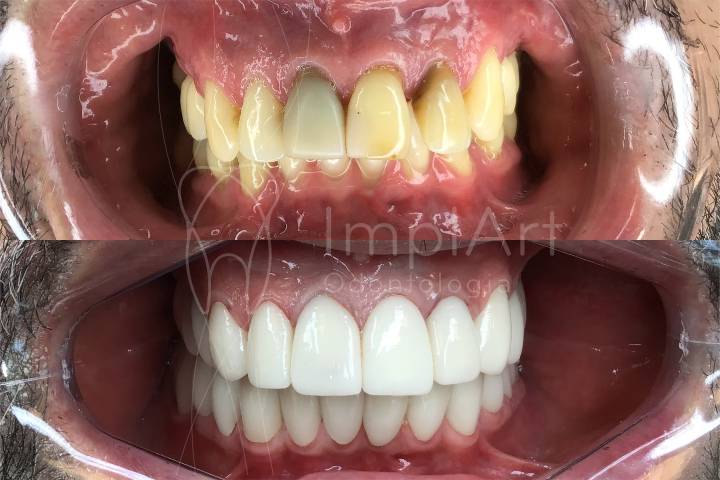
Computerized dental aesthetics

Computerized dental aesthetics (Smile Design)

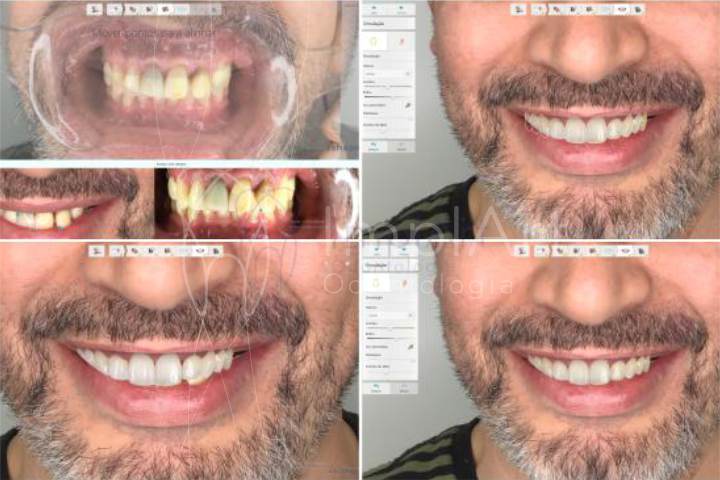
A great feature of computerized dental treatment planning programs is image overlay. This involves positioning the digital plan over the patient’s photo, making it easier for the patient to understand their treatment before they even start.

Digital smile design begins with capturing the patient’s oral images using an intraoral scanner. These images are transformed into a computerized 3D model of the dental arches.

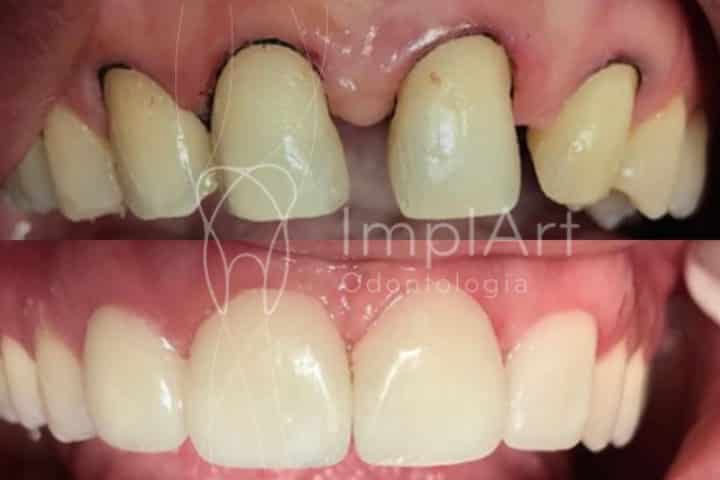
In this way, the dentist visualizes the initial state and designs crowns, restorations or dental contact lenses to solve various problems that compromise the aesthetics and harmony of the smile.
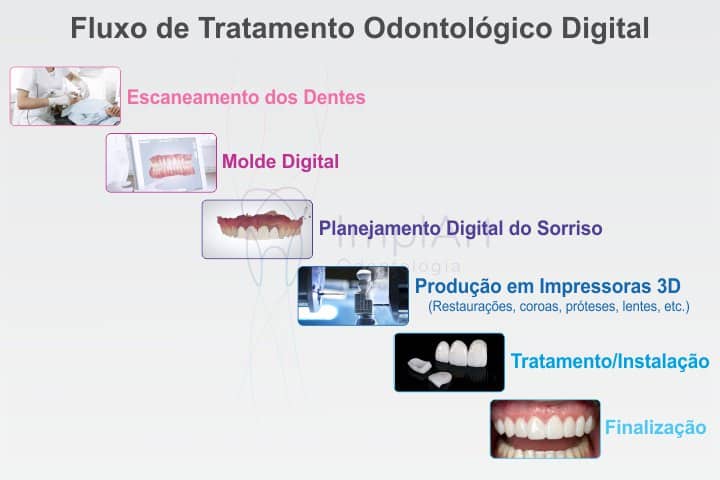
Computerized dental aesthetics

Intraoral scanning for digital smile planning

Some cases that can be planned on a computer:

  • Increase in the length or volume of one or more teeth.
  • Aligning asymmetrical teeth
  • Making restorations for broken or decayed teeth
  • Making dental contact lenses
  • Harmonization of teeth with facial biotype
  • Even tooth shade
  • Replacing unsightly restorations with porcelain restorations
  • Making metal-free zirconia abutments and prostheses

The dental treatments planned on the computer also allow for quick dental treatments in the Day Clinic (or Dental Spa – intensive care modality).

Digital smile planning with dental implants

Digital planning of dental implants helps to ensure that the treatment result is tailored to the patient’s needs. It also helps to ensure that the treatment is efficient and as minimally invasive as possible, thus avoiding surgical accidents (such as hitting sensitive structures).

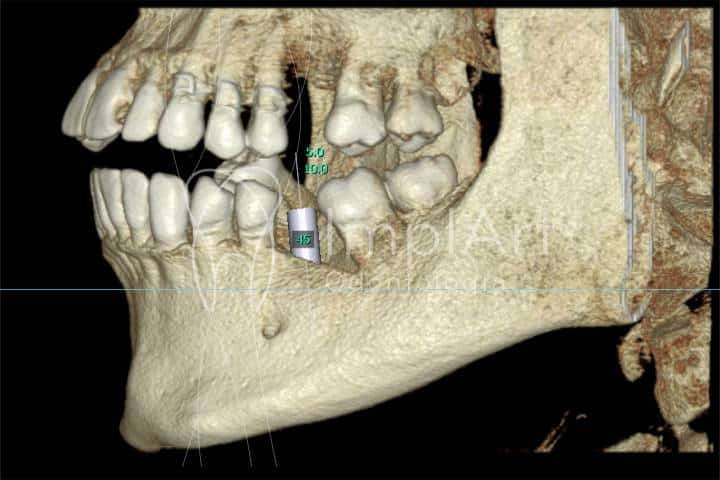
Planning begins with a computerized tomography scan. In this sense, the three-dimensional images of the tomography allow the implant dentist to know details such as the volume and dimensions of the bone in order to determine the best positions for the implants and the choice of implants with dimensions suited to the needs of each patient.

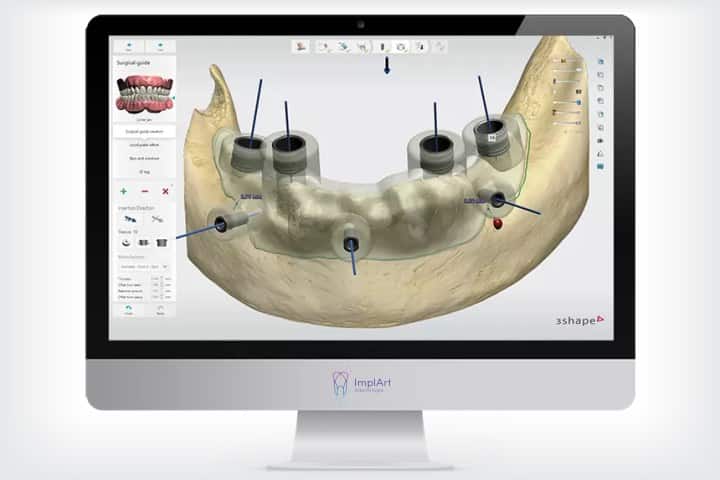
The dentist also has the option of ordering a surgical guide, which is made based on the information from the CT scan. The surgical guide acts as a template, with the exact indications of where the perforations should be made.

As a result, unnecessary cuts and punctures are avoided, meaning treatment is less invasive and recovery is quicker and more comfortable.
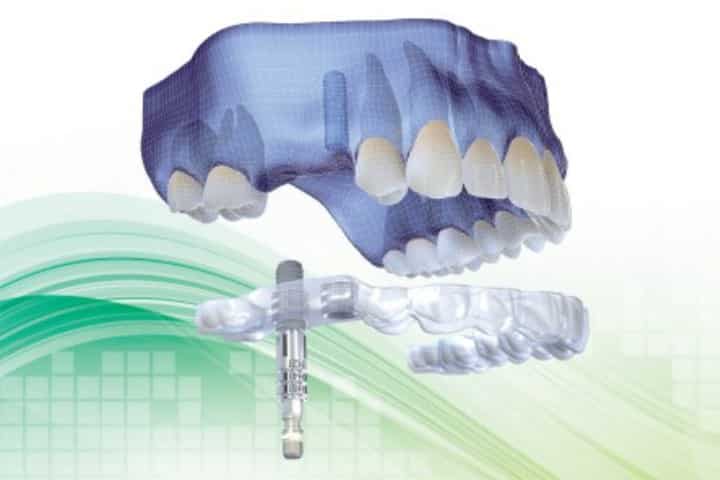
Computerized dental aesthetics

At the same time, guided surgery makes it possible:

  • Prior surgical and prosthetic planning, resulting in a more precise procedure;
  • Safe flapless surgery and the possibility of immediate loading;
  • Respect for bone structures and the path of nerves and vessels;
  • A reduction in the indication for bone grafting surgeries, as this requires detailed prior planning of the case;
  • Planning aesthetic and functional procedures;
  • Better post-operative recovery;
  • Better communication between patient and dentist, contributing to greater trust during treatment.

Digital orthodontic treatment planning

Digital orthodontic treatment is fully computer simulated and planned using an intraoral scanner and specialized software. The intraoral scanner is used to capture precise images of the teeth and gums and thus create a three-dimensional color mold of the arches. The software uses these images to simulate the movement of the teeth to the desired position.

Models with the proposed final treatment can be 3D printed for verification if the orthodontist prefers. Digital molds can be used not only to plan orthodontic treatment with conventional braces, but also with braces in the form of aligner plates(Invisalign or Compass).

ImplArt Odontologia uses the main technologies ever developed for computerized dental treatment planning. From intraoral scanning to the execution of prostheses, restorations and aesthetic dental contact lenses on 3D printers.

If you have any questions, please contact us or come and visit us. We’ll be happy to welcome you!

Predictable results with digital smile planning

Digital smile planning makes it possible to design completely personalized treatments. It allows the patient to understand the stages of their treatment, thus aligning their expectations with the proposed treatment, and above all: it allows the dentist to have greater predictability of results. This applies to dental implant treatments, fixed prostheses and other types of dental prostheses, porcelain crowns and zirconia.

The use of Computer Graphics (3D) has helped in the planning and simulation of various dental treatments.

Thus, with computerized dental treatment planning, the dentist can design dental crowns, restorations, aesthetic treatments, dental contact lenses and plan the placement of dental implants in 3D. The aim of digital smile planning is to create a personalized treatment, seeking the harmony of the smile and also avoiding unnecessary procedures. As a result, it also makes treatment quicker, more convenient and more precise. When it comes to implant treatment, the speed of digital prostheses, combined with the choice of a rapid implant type, means that significant treatment times can be shortened.

With modern resources and equipment, it is possible to mill materials such as pure porcelain or pure zirconia. The modern Cerec Primemill, the latest German milling machine, which joins the team of milling machines in our digital laboratory, allows for even more precise results with even more detail.

The use of digital dentistry in our clinic reduces the chances of COVID-19 contamination at the dentist.

Dental Aesthetics (Smile Design)

A great feature of computerized dental treatment planning programs is image overlay. This involves positioning the digital plan over the patient’s photo, making it easier, for example, for patients to understand their treatment before it starts.

In a nutshell, digital smile design begins with capturing the patient’s oral images using an intraoral scanner. These images are then transformed into a computerized 3D model of the dental arches.

The dentist then visualizes the initial state and designs crowns, restorations or dental contact lenses in order to solve various problems that compromise the aesthetics and harmony of the smile.

Intraoral scanning

digital dental treatment flow intraoral scanning

Some cases, for example, can be carried out with digital smile planning:

  • Increase in the length or volume of one or more teeth.
  • Aligning asymmetrical teeth
  • Making restorations for broken or decayed teeth
  • Making dental contact lenses
  • Harmonization of teeth with facial biotype
  • Tooth shade harmonization
  • Replacing unsightly restorations with porcelain restorations
  • Making metal-free zirconia abutments and prostheses

Computer-planned dental treatments also allow many procedures to be carried out in a Day Clinic (intensive care modality).

tomography for dental implant planning

Digital dental implant planning

Digital planning of dentalimplants helps ensure that the treatment result is tailored to the patient’s needs. It also helps to ensure that the treatment is efficient, as minimally invasive as possible and to avoid surgical accidents (such as hitting sensitive structures). Planning begins with a computerized tomography scan.

The three-dimensional images from the tomography then allow the implant dentist to know details such as bone volume and dimensions, and thus determine the best implant positions, as well as choosing implants with dimensions suited to each patient’s needs. The dentist also has the option of ordering a surgical guide, made on the basis of the information from the CT scan.

The surgical guide acts as a template with the exact indications where the incisions should be made, in such a way as to avoid unnecessary cuts and perforations. As a result, treatment becomes less invasive and recovery faster.

Read more about fear of dental implants

digital planning for surgical guidance for dental implants surgery computerized surgery
Specialized software helps us plan the position of your implant with millimetre precision. The templates created take the implants to exactly the right positions.

Guided surgery makes it possible:

  • Prior surgical and prosthetic planning, resulting in a more precise procedure;
  • Safe flapless surgery and the possibility of immediate loading;
  • Respect for bone structures and the path of nerves and vessels;
  • A reduction in the indication for bone grafting surgeries, as this requires detailed planning of the case beforehand;
  • Planning aesthetic and functional procedures;
  • Better post-operative recovery;
  • Better communication between patient and dentist, contributing to greater trust during treatment.

ImplArt Odontologia uses the main technologies ever developed for computerized dental treatment planning. From intraoral scanning to the execution of prostheses, restorations and aesthetic dental contact lenses on 3D printers. If you have any questions, please contact us or come and visit us. We’d be delighted to welcome you!

Dental contact lenses – Day Clinic

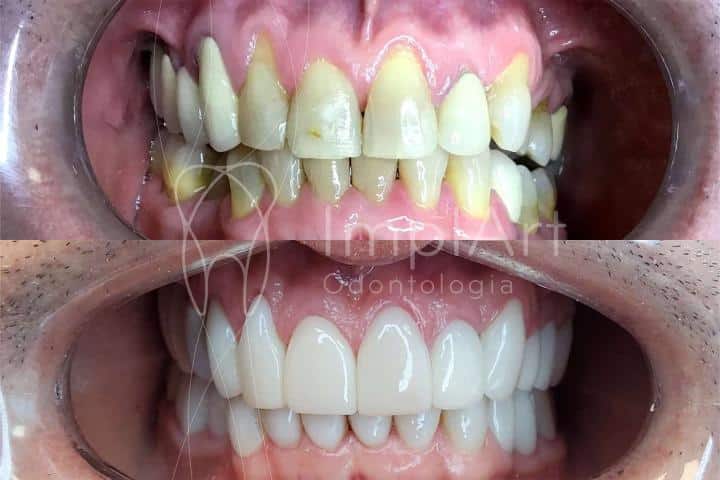
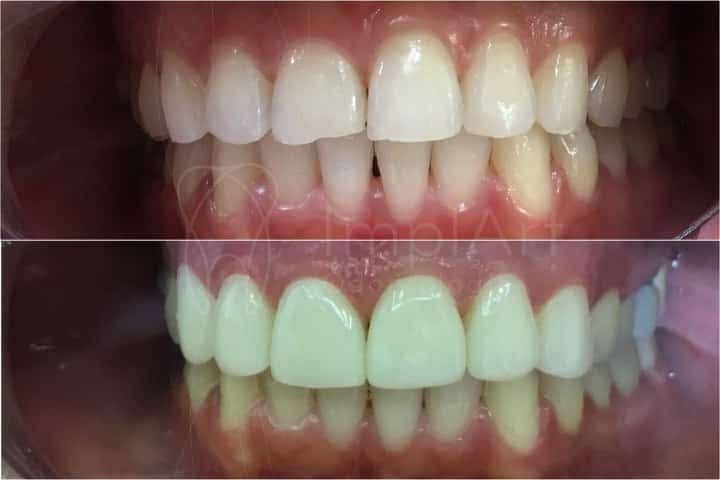
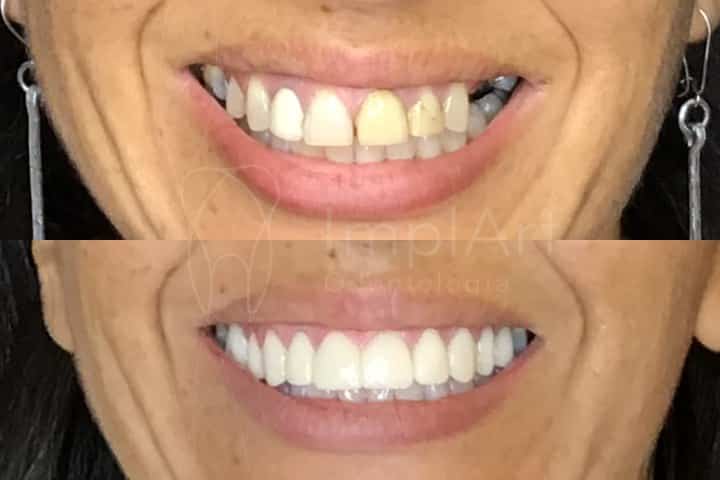
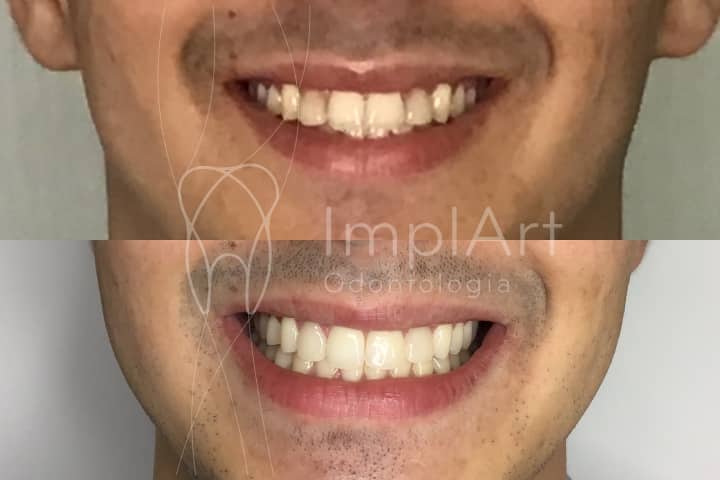
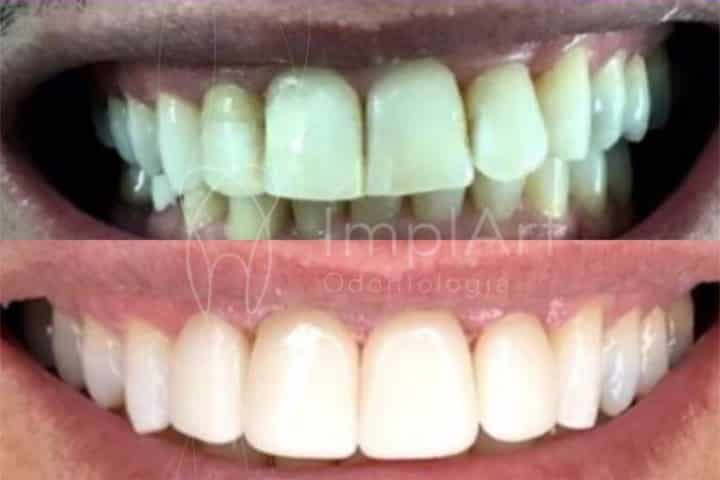
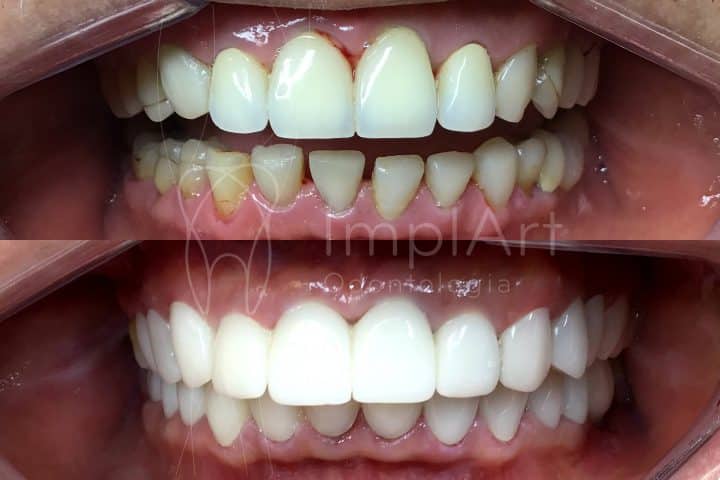
The application of dental contact lenses is a modern technique that primarily serves to correct aesthetic problems in the teeth, making them more beautiful and uniform. This is one of the dental aesthetic procedures that the ImplArt dental clinic can carry out with more agility in Day Clinic service for patients who come from other states or even abroad.

What are dental contact lenses?

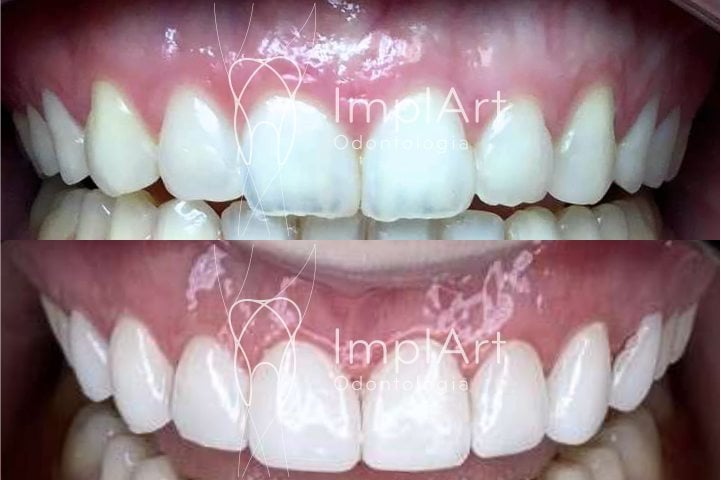
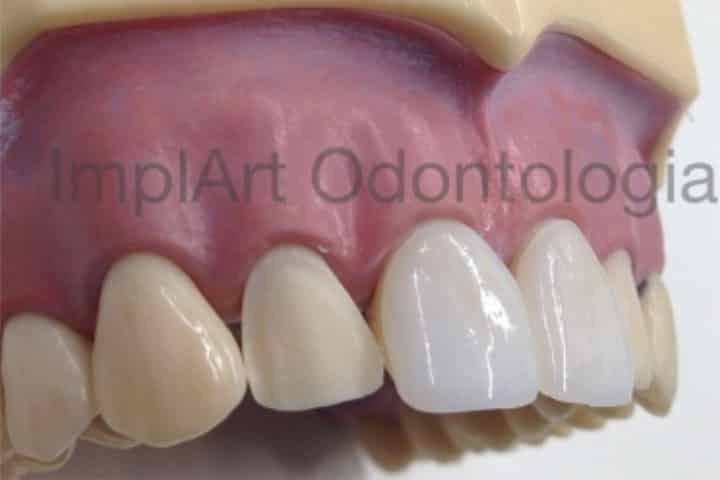
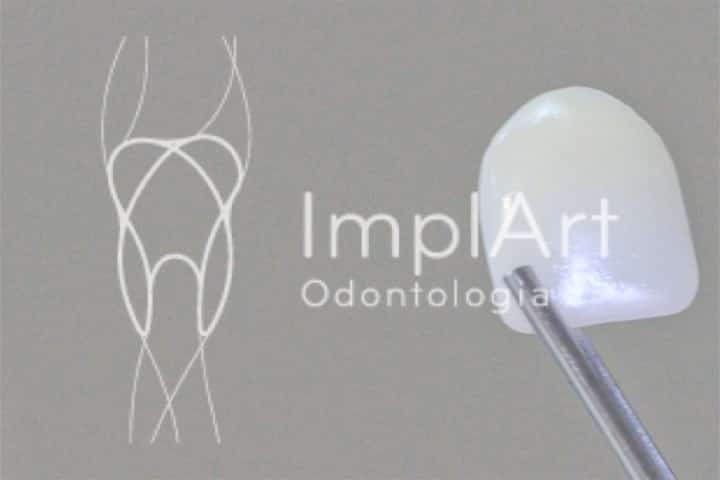
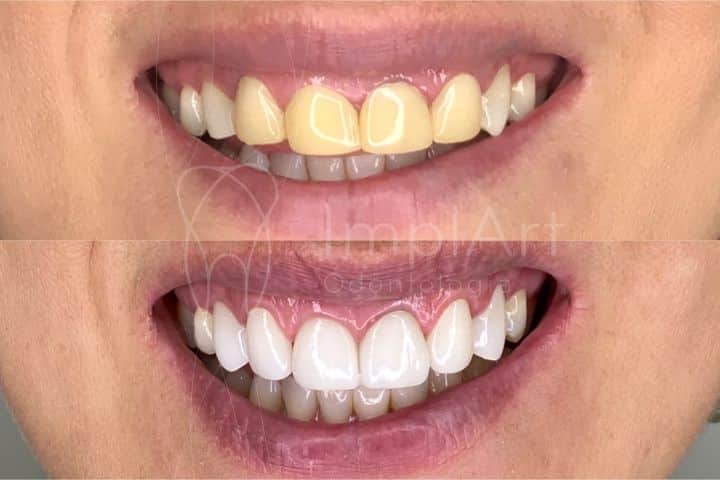
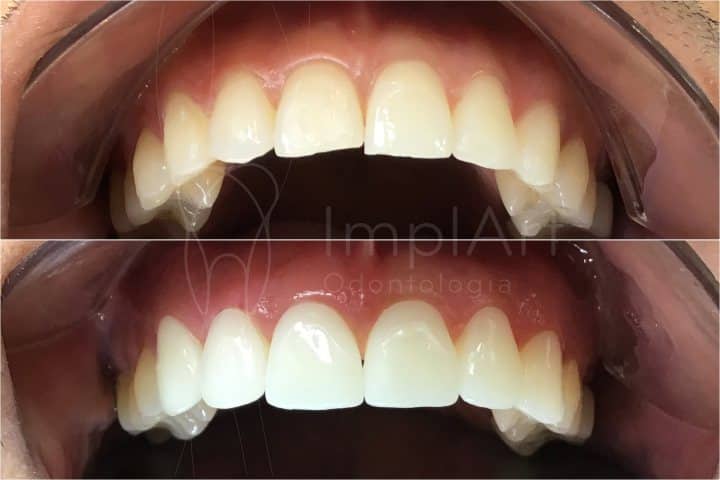
Dental contact lenses are very thin sheets of porcelain (only 0.2 mm thick) used to correct certain aesthetic problems with the teeth, such as stains, chips, exaggerated gaps between teeth (diastemas), very short teeth, asymmetrical teeth, among others.Dental contact lenses are therefore custom-designed on a computer and manufactured on 3D printers. They are made from computerized Emax porcelain, which is why they can be called Porcelain Lenses.

Porcelain is a biosecure material with visual characteristics very similar to natural teeth. Ultra-thin dental contact lenses are different from ordinary veneers, as they require less or no wear on the teeth to be applied. Other advantages of contact lenses at Day Clinic:

  • Completely painless procedure
  • Possibility of changing the shape, size and color of teeth
  • Preserves tooth structure
  • The lenses do not cause any discomfort to the chewing function
  • Long durability
  • There is no color change in porcelain over the years
  • Incredibly natural and harmonious result
  • Computerized planning allows for more precise, personalized and faster treatment.
Computerized dental aesthetics

How are dental contact lenses applied at the Day Clinic?

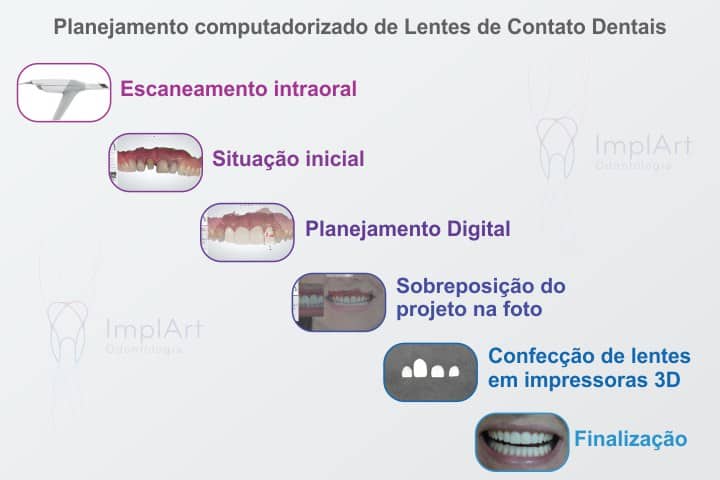
  • 1 – ImplArt’s specialized professional takes a digital mold of the teeth using intraoral scanners.
  • 2 – The result is then digitally simulated using software so that it can be presented to and approved by the patient;
  • 3 – The approved model is then sent to the laboratory to have the ultra-thin, highly durable porcelain dental contact lens made. The lens is made using 3D printers, which guarantee the quality of the work;
  • 4 – The dentist glues the dental contact lens with specific adhesive material to the front of the previously prepared tooth.

The Day Clinic service is a great option for people who want or need to solve aesthetic problems with their teeth in just a few days, such as during a quick trip to São Paulo or due to the proximity of an important event.

In less complex cases, the ImplArt dental clinic applies dental contact lenses with all the convenience of Day Clinic planning. Normally, this whole process takes between 7 and 30 days, but with ImplArt’s Day Clinic planning, this time can be reduced. The application of this technique, as well as the shortened time frame, depends on a clinical analysis to verify feasibility and ensure a good indication.

Make an appointment to see if you could benefit from this technique or if you have any questions, please contact us.