

ImplArt Clinic Guidelines • Clinical Experience in Dental Implantology
How should you prepare for dental implant surgery? This is one of the questions we receive from patients who come to ImplArt Clinic in São Paulo. The answer begins long before surgery: it starts when we assess the condition of each tooth, the quality of the bone, the health of the gums, the bite, and the prosthetic outcome we aim to achieve.
Under the clinical direction of Dr. Roberto Markarian, PhD, our team has accumulated experience with over 12,000 dental implants placed. We utilize in-house radiology, digital planning, and our own prosthetic laboratory. This structure allows us to integrate the surgical evaluation with the planning of the future crown or prosthesis, taking into account each patient’s specific needs. During the initial consultation, Dr. Roberto explains the types of implants and the material options for the prosthesis that may be appropriate for that particular case.
According to Dr. Roberto Markarian, being well-prepared doesn’t just mean following a checklist of precautions the day before: it means understanding the proposed treatment, identifying risk factors, and clarifying what will be needed before, during, and after surgery. It also involves choosing a qualified professional and participating, with clinical guidance, in decisions regarding the implant and the future prosthesis. It is with this perspective in mind that we have organized the following guide. These general guidelines are not a substitute for the team’s individualized recommendations.
If you’re still learning about the different treatment options, our main page on dental implants provides an overview of the possibilities, and the article What to Consider Before Deciding on an Implant can help you make that choice. In this guide, we’ll focus specifically on preparing for surgery.
In our clinical practice, we advise patients to gather previous test results, report any medications and health conditions, clarify whether a CT scan or bone graft will be necessary, and confirm the instructions regarding diet, fasting, and transportation based on the planned anesthesia. Do not stop taking any medications on your own.
1. What should I bring to my first dental implant consultation?
At ImplArt, we dedicate the initial consultation to understanding not only the area where a tooth is missing, but the patient as a whole. Previous test results can help us understand your medical history; your list of medications, prior dental treatments, and expectations regarding the prosthesis are equally important.
Dr. Roberto Markarian emphasizes the importance of identifying, from the outset, conditions that could interfere with treatment—for example, periodontal disease, smoking, changes in general health, and the use of certain medications. This allows us to discuss risks on an individual basis, rather than treating all cases as if they were the same.
General Health Checklist
- List of medications, supplements, dosages, and schedules.
- Allergies and history of reactions to anesthesia or medications.
- Diabetes, cardiovascular problems, coagulation disorders, and other relevant conditions.
- Use of anticoagulants, antiplatelet agents, medications for osteoporosis, or cancer treatments, if applicable.
- Name and contact information of the attending physician, when necessary.
Dental checklist
- Previous X-rays and CT scans, if any.
- Information on previous extractions, root canals, dentures, and implants.
- History of periodontal disease, tooth mobility, or bruxism.
- Areas where you have difficulty chewing.
- Concerns about the appearance and function of your permanent teeth.
2. What tests and evaluations may be necessary before implant placement?
At our clinic, we assess the condition of the mouth, the space available for the future prosthesis, the bite, and the health of the tissues. In-house radiology facilitates the performance of tests indicated for each case. X-rays and, when necessary, CT scans help assess bone volume and anatomical structures; intraoral scanning and digital planning can complement this analysis.
For Dr. Roberto Markarian, a central principle is to plan the implant based on the future prosthesis. This means determining where the crown needs to be placed, how it relates to the adjacent teeth, and which implant position can provide adequate support. The goal is not simply to place a screw where bone is present. This relationship is especially important when planning a single-tooth dental implant intended to replace a single tooth.
Laboratory tests or medical evaluations are not ordered indiscriminately for all patients: they are selected based on medical history, medications, and the specifics of the surgery.

What does the image help answer?
- Is there sufficient bone available at the planned site?
- What is the relationship with the maxillary sinus and nerve structures?
- Is a bone graft necessary?
- How should the implant be positioned in relation to the future prosthesis?
What does the clinical examination supplement?
- Gum condition and oral hygiene.
- Preservation of teeth that can still be treated.
- Space for the crown or prosthesis.
- Bite, clenching habits, and aesthetic expectations.
For more information, visit our page on dental implant exams and bone grafting.
3. What questions should you ask your dentist before scheduling surgery?
A constant focus of our consultations is explaining why a particular procedure was recommended—not just how it will be performed. The patient needs to understand the options, the expected benefits, the limitations of the treatment, and the factors that could affect the treatment plan.
In Dr. Roberto Markarian’s clinical experience, the decision to proceed with an implant should also consider the possibility of preserving a natural tooth when this is still feasible. For this reason, we encourage questions such as these:
- Is an implant right for me right now? If there is still a compromised tooth, it’s worth discussing the possibility of preserving it when clinically feasible.
- Are there alternatives? Depending on the case, discuss implants, bridges, removable dentures, and other appropriate options.
- Do the bone and gums allow for surgery? Determine whether conditions are suitable for the procedure or if periodontal treatment and bone reconstruction are needed.
- Which implants and prosthetics are right for me? Ask about the available systems, the material of the final restoration, the possibility of a temporary restoration, and the healing and placement timelines.
- Can the procedure be guided? Digital-guided surgery is a technical option in select cases, not a universal requirement.
- What are the specific risks in my case? Discuss your health conditions, smoking habits, medications, and future maintenance.
- Who will perform my surgery and monitor the results? Find out about the professional’s training, experience with similar cases, and how follow-up appointments will be scheduled.
Can the patient participate in choosing the implant and prosthesis?
Yes. At ImplArt, we believe it is important for the patient to understand the alternatives and participate in the decision-making process, based on the implant dentist’s recommendations. There are different types of dental implants, materials, and prosthetic designs. During the initial consultation, Dr. Roberto Markarian explains which options are clinically appropriate for each patient, taking into account the number of missing teeth, bone availability, gum health, and the desired functional and aesthetic outcome. The choice should take into account not only the cost or brand, but also the number of steps involved, the estimated treatment time, and the long-term maintenance of the prosthesis.
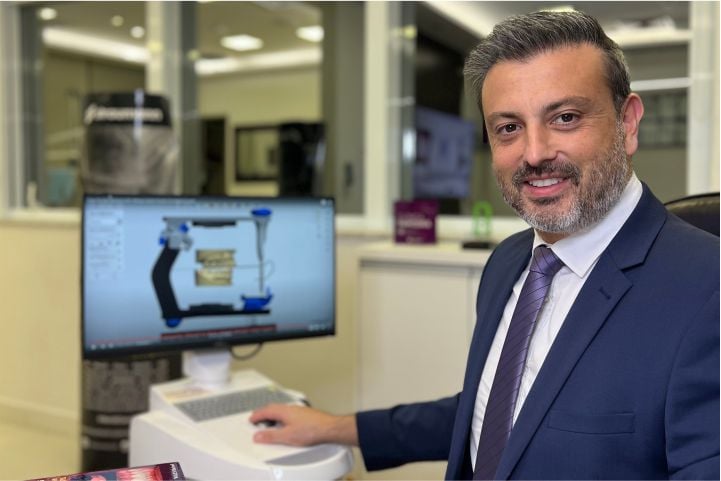
One example is the Straumann iEXCEL implant line, which includes models with SLActive surfaces and Roxolid titanium-zirconium alloy. In favorable clinical situations, these characteristics can be incorporated into protocols involving accelerated healing or prosthetic rehabilitation. This does not mean that every patient will be able to receive an immediate prosthesis: the timeline also depends on initial stability, bone quality, the need for grafts, overall health, and the individual’s biological response.
This decision also applies to crowns and protocol prostheses. In the case of a single crown, we explain the material options and their aesthetic and functional indications. Many patients are also surprised to discover that a fixed full-arch prosthesis does not necessarily have to be made of resin. Depending on the indication, we can discuss options such as resin-over-metal, metal-ceramic (porcelain), and CAD/CAM zirconia, each with its own characteristics regarding aesthetics, strength, design, hygiene, and maintenance. The patient should understand these differences before making a choice. Learn more about the possibilities for protocol dentures with or without artificial gums.
At ImplArt, we use digital planning and can fabricate CAD/CAM zirconia restorations in our in-house laboratory. When indicated and well-planned, these prostheses can offer natural aesthetics, precise fit, and good durability. The digital workflow can streamline production steps, but it does not eliminate the biological osseointegration period nor does it, by itself, guarantee faster treatment in every situation. According to Dr. Roberto Markarian, it is the combination of correct indication, implant system, surgical planning, and prosthetic choice that determines the timeline and the final result.
Why is it important to choose the right professional to perform the surgery?
The choice of dental surgeon influences the diagnosis, the selection of the technique, and the prevention of complications. Before surgery, find out about the dentist’s professional credentials, experience in implant dentistry, track record with similar cases, and how they follow up with patients after the procedure. It is also important to know whether the professional evaluates alternatives to extraction, explains the risks, presents a treatment plan that includes the future prosthesis, and clarifies who will be responsible for any complications.
At ImplArt Clinic, treatment is conducted under the clinical direction of Dr. Roberto Markarian, who has over two decades of experience and has placed more than 12,000 implants. The support of in-house radiology, digital resources, and an on-site prosthetic laboratory allows for the integration of surgical and prosthetic decisions. According to Dr. Roberto Markarian, choosing a high-tech implant does not replace the knowledge and experience of the professional who recommends, places, and monitors it. Even with advanced resources, each case requires an individual evaluation, and there is no absolute guarantee of the outcome.
To learn about the general sequence of care, see also our step-by-step guide to dental implants, from evaluation to the prosthesis.
4. How should you prepare for dental implant surgery the day before and on the day of the procedure?
This is the most practical part of the preparation. At ImplArt, guidelines are tailored to the planned procedure and each patient’s health condition. When intravenous sedation is indicated, the anesthesiologist also participates in decisions regarding preparation. We recommend confirming the specific precautions in writing, including schedules for medications, meals, and having a companion present.
| Topic | What to Check in Advance |
|---|---|
| Medications | Report everything you take, including anticoagulants, supplements, and medications for diabetes or weight management, such as Ozempic (semaglutide) and Mounjaro (tirzepatide). Also report dosages, the date of your last dose, and any digestive symptoms, if applicable. Do not stop, substitute, or adjust doses on your own. Any changes must be guided by the responsible healthcare professionals. |
| Diet and fasting | Confirm exactly which foods and liquids are allowed and until what time. For surgeries performed under local anesthesia only, the guidelines may differ from those for surgery with intravenous sedation. In this case, fasting and other measures are determined on an individual basis with the anesthesiologist. Do not follow a general fasting rule or assume that you can eat normally. |
| Oral Hygiene | Maintain proper oral hygiene as directed and report any pain, gum bleeding, infection, or other symptoms that arise before surgery. Avoid using solutions or medications without a doctor’s recommendation. |
| Tobacco and Alcohol | Discuss quitting smoking and abstaining from alcohol for the recommended period. Smoking is associated with poorer healing and a higher risk of complications. |
| Companion | If intravenous sedation is planned, arrange for a companion and transportation. The medical team will provide specific guidelines regarding driving, working, and operating machinery after discharge. |
| Schedule and Postoperative Diet | Plan rest and appointments according to the extent of the surgery. Ensure that foods with the recommended consistency are available for the first few days. |
| Contact and Follow-up | Save the clinic’s phone number, confirm follow-up appointment times, and know how to seek guidance if there is persistent bleeding, fever, or severe pain. |
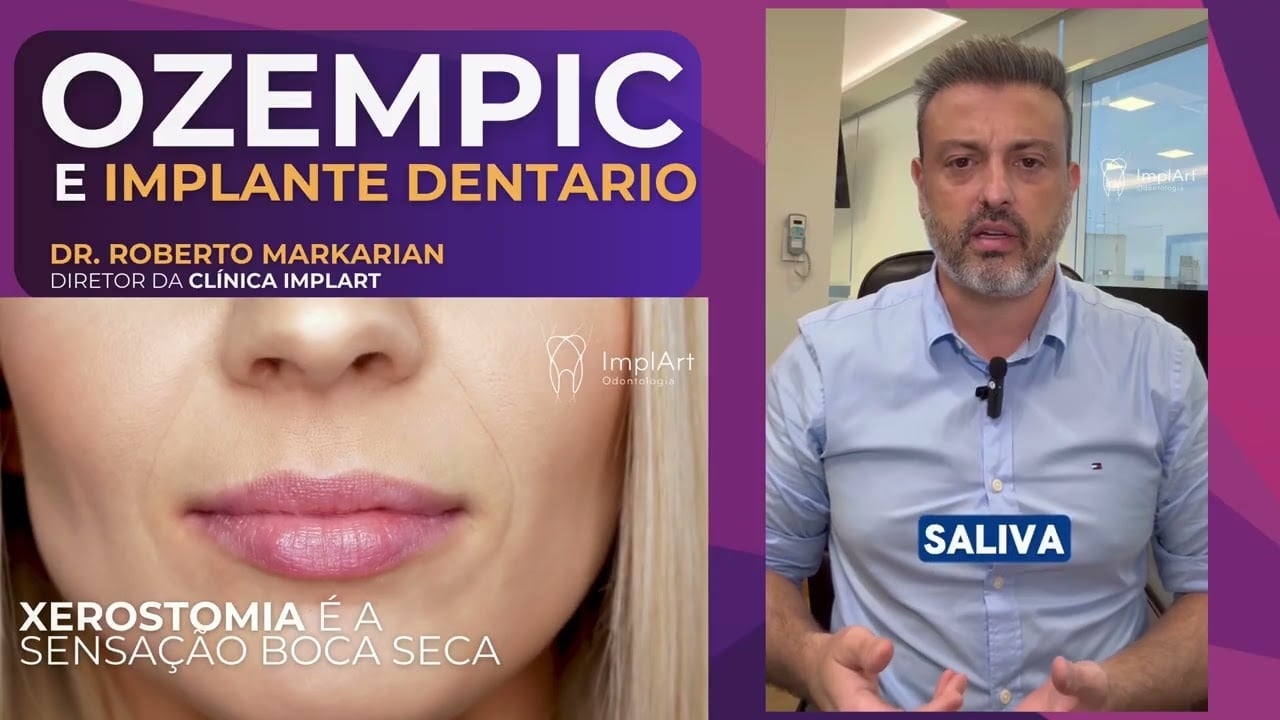
I use Ozempic or Mounjaro: do I need to let you know before the implant procedure?
Yes, especially if sedation will be used. Medications such as semaglutide and tirzepatide can slow stomach emptying in some people and, therefore, require special consideration during anesthetic planning. The approach depends on factors such as gastrointestinal symptoms, the dose-adjustment phase, the condition being treated, and medical evaluation. This does not mean that these medications have been proven to cause dental implant failure, nor that they should be discontinued on your own.
Dr. Roberto Markarian recorded a video specifically addressing questions related to Ozempic and dental implants, available below. You can also learn more about this topic in our article “Ozempic and Dental Implants.” For the surgery itself, personalized medical instructions take precedence.
5. What happens during dental implant surgery?
At ImplArt, Dr. Roberto Markarian and his team perform the procedure according to the clinical and prosthetic treatment plan. After administering the appropriate anesthesia, the site is prepared to receive the implant. We may use conventional techniques or digitally guided surgery when indicated. In some cases, the implant is placed immediately after extraction; in others, it is more prudent to wait for healing or to perform a bone graft beforehand.
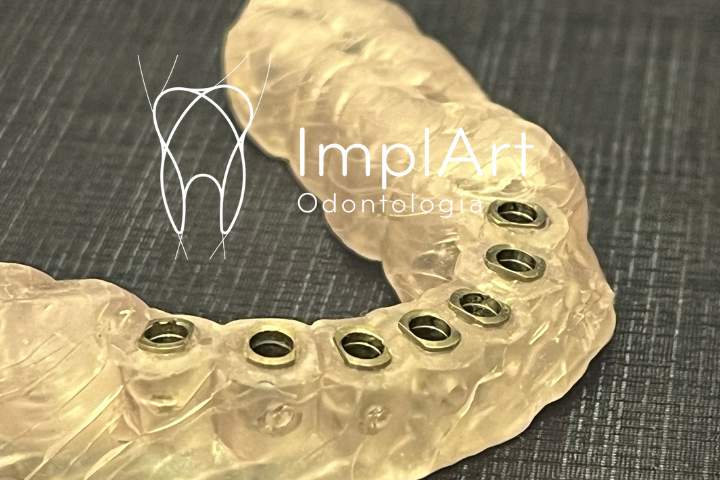
We carefully explain two terms that often cause confusion among our patients: immediate implant placement and immediate loading are not the same thing. The first refers to the placement of the implant at the time of extraction; the second refers to the possibility of using a prosthesis at an early stage, subject to the stability of the implant and other criteria. The final prosthesis may require additional steps.
Our article on how implant surgery is performed explains the technique in greater detail. On this page, the focus is on what the patient needs to prepare and confirm before the procedure.
6. How should you prepare for recovery before leaving home?
When explaining how to prepare for dental implant surgery, we also provide guidance on the period following the procedure. We do not treat recovery from a single implant as if it were necessarily the same as that of an extensive restoration, such as treatment with a protocol prosthesis on implants, or a case that includes a graft. Recovery time and restrictions vary depending on the number of implants, associated procedures, and clinical conditions.
Before surgery, make sure to have the following organized
- Prescription and instructions provided by the team.
- Food that meets the recommended consistency.
- Schedule for rest and any time off work.
- Transportation and assistance from a companion, when necessary.
- Date of your follow-up appointment and the clinic’s phone number.
Signs to report to the team
- Bleeding that does not stop as directed.
- Severe or progressively worsening pain.
- Fever, discharge, or a persistent foul odor.
- Progressive increase in swelling after the initial phase.
- Any concerning reaction to medication.
The use of antibiotics, anti-inflammatory drugs, or other medications depends on the individual prescription; they are not mandatory for all procedures. The ImplArt team also provides guidance, as appropriate, on the use of cold compresses, a soft diet, relative rest, oral hygiene for other areas of the mouth, and attending follow-up appointments.
What if I live outside São Paulo or Brazil?
At ImplArt, we welcome patients from other states and different countries who need to coordinate their dental treatment with travel schedules. For this reason, we offer online consultations for initial guidance and a preliminary review of the available information. An in-person evaluation is still required before surgery.
Our radiology center, in-house digital laboratory, and Day Clinic facilities can help streamline the care process. However, as Dr. Roberto Markarian emphasizes, scheduling convenience should never take precedence over the biological conditions of healing; certain stages require intervals that must be observed.
Frequently Asked Questions About Preparing for Dental Implants
Is a CT scan mandatory before any implant procedure?
The need for a CT scan and other tests depends on the dentist’s assessment, the patient’s anatomy, and the complexity of the treatment plan. Bring any previous test results you have, but do not request tests on your own without guidance.
How should I prepare for dental implant surgery if I take anticoagulants?
Do not stop taking or adjust your doses on your own. Disclose your full list of medications, including blood thinners and diabetes medications, so that the dental surgeon, the anesthesiologist, and, when necessary, your attending physician can provide appropriate guidance.
Do I need to fast before getting a dental implant?
There is no one-size-fits-all guideline for all situations. The type of anesthesia, the possibility of intravenous sedation, and your health status determine the dietary and fasting instructions provided by the team.
Can people who take Ozempic or Mounjaro undergo implant surgery with sedation?
You must inform the dental surgeon and the anesthesiologist of your use of these medications, including the dose, the time of your last dose, and any digestive symptoms. These medications may require specific preparatory measures, but they do not automatically constitute a contraindication. Never stop treatment on your own; the treatment plan is determined on an individual basis.
Why can’t I rinse my mouth after a dental implant procedure?
The movement of the liquid can dislodge the blood clot that forms at the surgical site, which protects the tissues during healing. ImplArt recommends avoiding mouth rinses during the initial phase, as outlined in the protocol provided to the patient; the subsequent use of antiseptic solutions and brushing of the area are permitted based on clinical progress and the dentist’s guidance.
I have diabetes or periodontal disease. Can I still get a dental implant?
Many patients can be evaluated for treatment, but managing overall health and gum disease is important to reduce risks. Uncontrolled conditions may require prior treatment or postponement of surgery.
Do I need to have someone accompany me on the day of surgery?
It depends on the anesthetic technique and the patient’s condition. If intravenous sedation is used, confirm in advance the requirements regarding a companion and transportation.
When will I be able to chew normally?
There is no universal timeframe. The type of surgery, the stability of the implants, and the prosthesis used all influence when and how chewing should be resumed. Follow the team’s instructions to avoid premature strain.
What should I ask the implant dentist about the final prosthesis?
It is helpful to discuss the material, shape, hygiene, number of appointments, and whether a temporary prosthesis is an option. Prosthetic planning should guide the positioning of the implants from the outset.
Are all protocol prostheses made of resin?
No. In addition to resin prostheses on a metal framework, there are options in metal-ceramic, porcelain, and CAD/CAM zirconia, among other configurations. The choice depends on the available space, the bite, clinical conditions, the desired aesthetics, and maintenance requirements. At ImplArt, Dr. Roberto Markarian presents the alternatives recommended for each case during the initial consultation, so that the patient can participate in the decision-making process.
Do Straumann iEXCEL implants and CAD/CAM zirconia prostheses speed up treatment?
These technologies can support certain treatment protocols and optimize prosthetic stages when they are appropriate for the case. However, the timeline does not depend solely on the implant system or the crown material: osseointegration, initial stability, bone grafts, overall health, and the need for temporary restorations also influence the timeline. The dentist should explain the estimated timeline for each option.
How do you choose a dentist to perform dental implant surgery?
Consider the practitioner’s education and professional credentials, experience with similar treatments, clarity of diagnosis and prosthetic planning, explanation of risks and alternatives, and availability for postoperative follow-up. The choice should foster a relationship based on trust and shared decision-making, without promises of guaranteed results.
References and Scientific Guidelines
The information in this guide is educational and should be interpreted in conjunction with an individual evaluation. For further reading:
- U.S. Food and Drug Administration — Dental Implants: What You Should Know. Guidance on medical history, smoking, risks, and treatment expectations.
- European Federation of Periodontology — Dental Implants: FAQs. Patient information on gum health, hygiene, diabetes, and follow-up care.
- European Federation of Periodontology — Peri-implant Disease: Prevention. Prevention and maintenance of the health of tissues surrounding implants.
- American College of Prosthodontists — Maintenance of Full-Arch Implant Restorations. Professional guidance on possible materials and maintenance of fixed full-arch prostheses.
- Straumann — iEXCEL System. Manufacturer information on implant models, surfaces, and materials; clinical indications and timelines must be tailored to the individual patient.
- Brazilian Diabetes Society, Brazilian Society of Anesthesiology, and ABESO — Perioperative Guidelines, 2026. Specific recommendations for patients using GLP-1 agonists who will undergo sedation or anesthesia.
- Guy’s and St Thomas’ NHS Foundation Trust — Dental surgery and recovery. Guidance on protecting the blood clot and restricting mouth rinsing after dental surgery.
Plan your treatment with the ImplArt Clinic team
At ImplArt, preparation is part of the treatment. With Dr. Roberto Markarian’s more than two decades of clinical experience and our integrated resources for diagnosis, digital planning, and prosthetics, we strive to provide patients with clear information so they can make informed decisions and prepare before surgery.
If you’d like to know how to prepare for dental implant surgery in your specific case, schedule a consultation to discuss the available tests, the recommended treatment plan, and specific aftercare instructions with our team.
Request an evaluation via WhatsAppPhone: (11) 3262-4750
Where is the ImplArt Clinic located?
The ImplArt Dental Implant Clinic is located in the Avenida Paulista area of São Paulo.
Address: Rua Cincinato Braga, 37 – Suite 112 – Bela Vista, São Paulo – SP, 01333-011
View location on Google Maps


Leave a Reply